Greece's 'Island Premium' — When Price Masks Value
Greece’s property market blends irresistible lifestyle with rising prices and supply limits; learn how to buy for daily life, not just views, with data-backed neighbourhood insight.

Imagine waking to a narrow street in Chania where bakers wheel out bougatsa as fishermen mend nets in the harbour and light spills through Venetian shutters. That sense of ordinary ritual — coffee at 09:00, a quick stroll to the municipal market, a late afternoon siesta — is what most buyers mean when they say they want ‘Greece’. Yet the market you arrive into is not only sunlit squares and sea views; it is shaped by rapid price gains, tourist pressure and a supply squeeze that quietly alters which neighbourhoods remain authentic and which become investments.
Living the Greek lifestyle: what you really buy
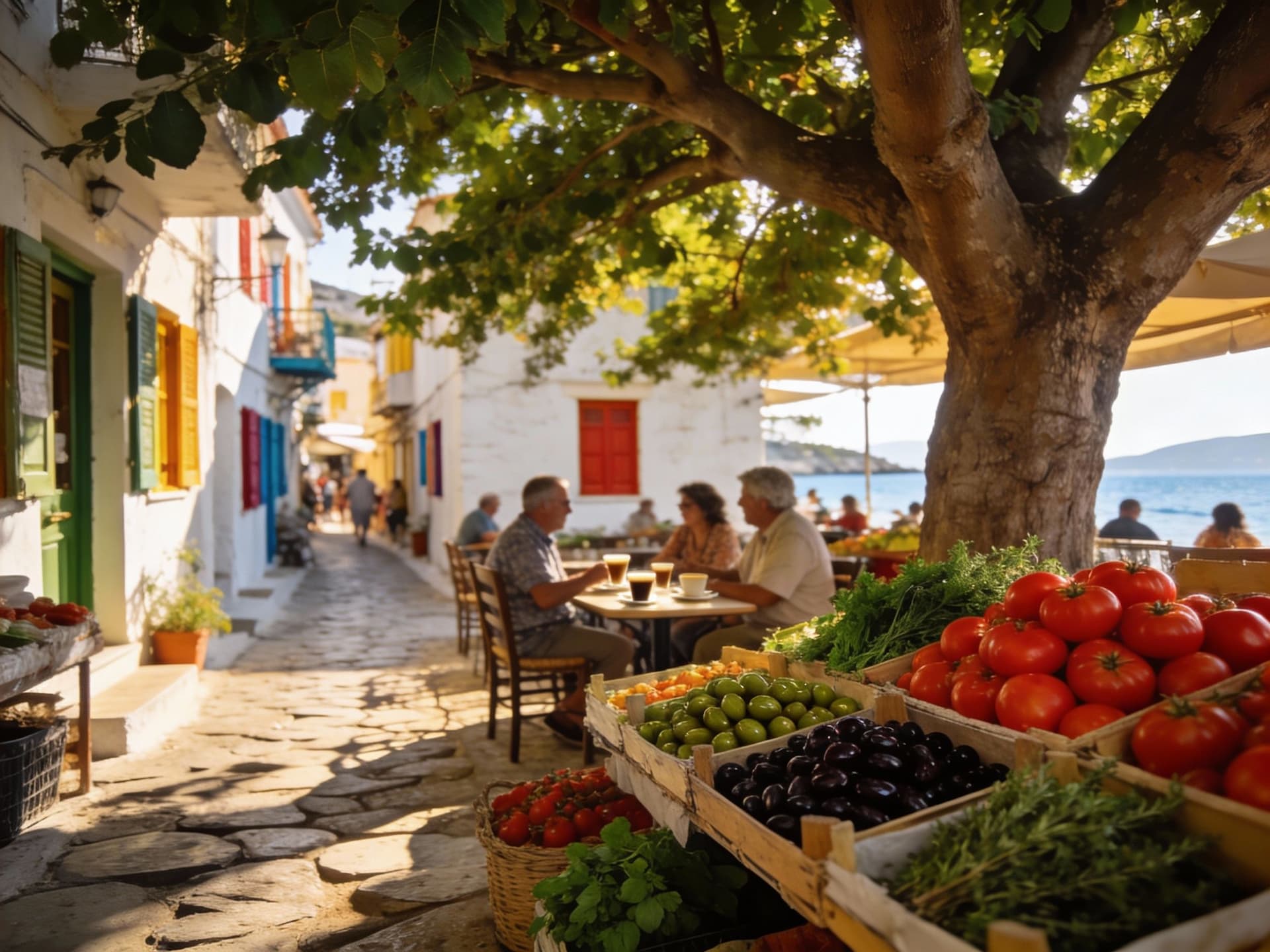
The day-to-day pleasures of life in Greece are sensory and social: late breakfasts under plane trees, neighbourhood kafeneia where names are known, the sound of church bells at noon and the taste of a single, perfect tomato from the morning market. These rituals persist in quieter residential quarters — Petralona in Athens, the Ano Poli quarter of Thessaloniki, the quieter lanes of Paxos — and they are what separates a house from a home. But remember: the market realities that buoy those lifestyles are evolving fast; national figures show clear price growth that affects where the real ‘living’ neighbourhoods remain attainable.
Athenian neighbourhoods: coffee, craft and proximity
Walk from Thissio toward Koukaki and you pass tavernas that have lasted generations and small ateliers where ceramicists work until dusk. These micro-ecologies — Kolonaki’s studied restraint, Psyri’s late-night conviviality, Pangrati’s weekday markets — are not interchangeable. Investors and short‑term lets have reshaped some corners, notably Plaka and parts of the historic centre, where preservation concerns and local resistance now shape policy debates and the texture of daily life.
Islands vs mainland: a trade of solitude and services
Buying on an island buys a way of life: morning swims from a quiet cove, neighbours who know your children’s names, and a slower commercial tempo. Yet islands often mean higher per‑square‑metre premiums, seasonal service gaps and heavier reliance on ferries or small airports. The mainland, by contrast, offers more year‑round infrastructure and, in many places, a calmer path to integration. Which you choose should flow from the life you intend to lead — daily routines, schooling, healthcare access and whether you want a permanent address or a stylish pied‑à‑terre.
Making the move: practical considerations that preserve the lifestyle
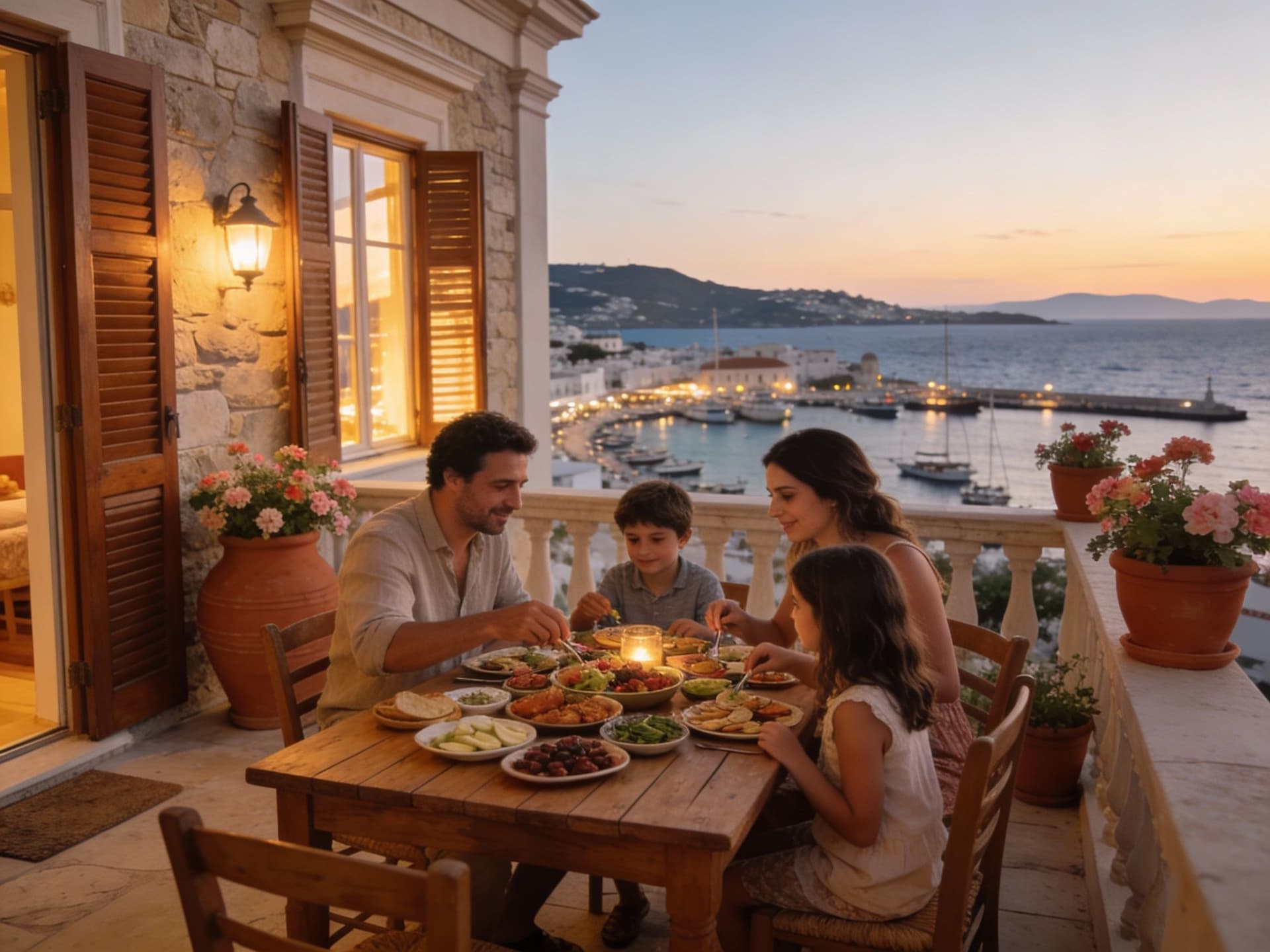
There is a quiet paradox in Greece today: rising demand for homes that embody traditional rhythms is driving up prices precisely where those rhythms persist. Before you let an iconic façade seduce you, it helps to translate lifestyle wants into property criteria — proximity to markets, natural light orientation for summer comfort, and insulation for winter months in the north. Practical choices made early will preserve the very qualities that drew you here in the first place.
Property types and the life they enable
A restored neoclassical maisonette brings character and centrality but can demand careful structural and M&E attention; a modern apartment in a low‑rise block often gives predictable comfort and lower maintenance. Stone-built countryside houses deliver insulation and provenance but require adaptation for modern systems; new builds will offer services and warranties yet sometimes lack the soul of older fabric. Match the building’s strengths to how you will use it — full‑time residence, seasonal retreat or short‑let investment — and the daily life you wish to preserve.
Working with local experts who care about place
An agency that understands neighbourhood life will do more than show listings; it will introduce you to a baker, the school director and a local architect who knows how to repair lime mortar without losing patina. Given the fast-moving market reported by national broker surveys, a trusted local advisor can also alert you to off‑market opportunities and evolving regulation around short‑term lets. Use agents as cultural interpreters: they translate statutes into daily realities and prioritise properties where the lifestyle you desire is sustainable.
Insider knowledge: the mistakes that cost the life you want
Buyers often focus on headline price per square metre and overlook service and seasonal rhythms that shape everyday usability. For instance, a seaside house may seem affordable until you learn that winter ferry frequency drops, that insurance premiums rise in exposed locations, or that restoration costs for traditional masonry are higher than expected. Recent analyses also highlight a construction slowdown that reduces new supply, reinforcing premiums in established neighbourhoods; knowing this helps you decide whether to accept a premium for location or seek a less‑obvious neighbourhood that offers the same lifestyle affordably.
- Practical red flags and how to spot them
Inspect the facade and the roof for damp and settlement, ask for recent insurance claims, verify ferry/road access across seasons, confirm water supply and septic systems, request a breakdown of running costs rather than relying on sticker price.
When a neighbourhood is overtaken by short‑term lets the everyday fabric changes: bakeries close, long‑term neighbours move away and only tourists populate the streets in high season. Watch for clustered listings with high turnover and ask a local agent for tenancy histories. If the lifestyle you want is quiet community life, these patterns are the clearest early warning signs.
Long-term perspective: stewardship over speculation
Think like a steward. Buyers who preserve neighbourhood life — by choosing sympathetic restorations, favouring long‑term lets and supporting local trades — both protect the culture they value and enhance long‑term value. Whether your aim is a family home or a legacy property to pass on, the most reliable financial returns in Greece have come from properties with demonstrable provenance and integrated community life, rather than from speculative bets on headline locations.
If this portrait of Greece appeals, begin with a simple, place‑centered brief: the daily rituals you require, the streets you want to walk, and the services you cannot be without. Then select an adviser who measures value not only by euros per square metre but by proximity to market stalls, morning light, and the everyday neighbours who will make the house a home. For practical next steps, ask for neighbourhood walk‑throughs, service‑cost breakdowns and a small list of recent comparable sales. Those requests will filter out the properties that look good on paper but cannot sustain the life you imagine.
Former Copenhagen architect who relocated to Provence, offering relocation services, market analysis, and a curator’s eye for authentic regional design.