Why France’s ‘Pricey’ Reputation Misses Regional Opportunity
Regional price shifts in France hide opportunity: match neighbourhood rhythm to property type and use data (INSEE) to time purchases in provincial markets.
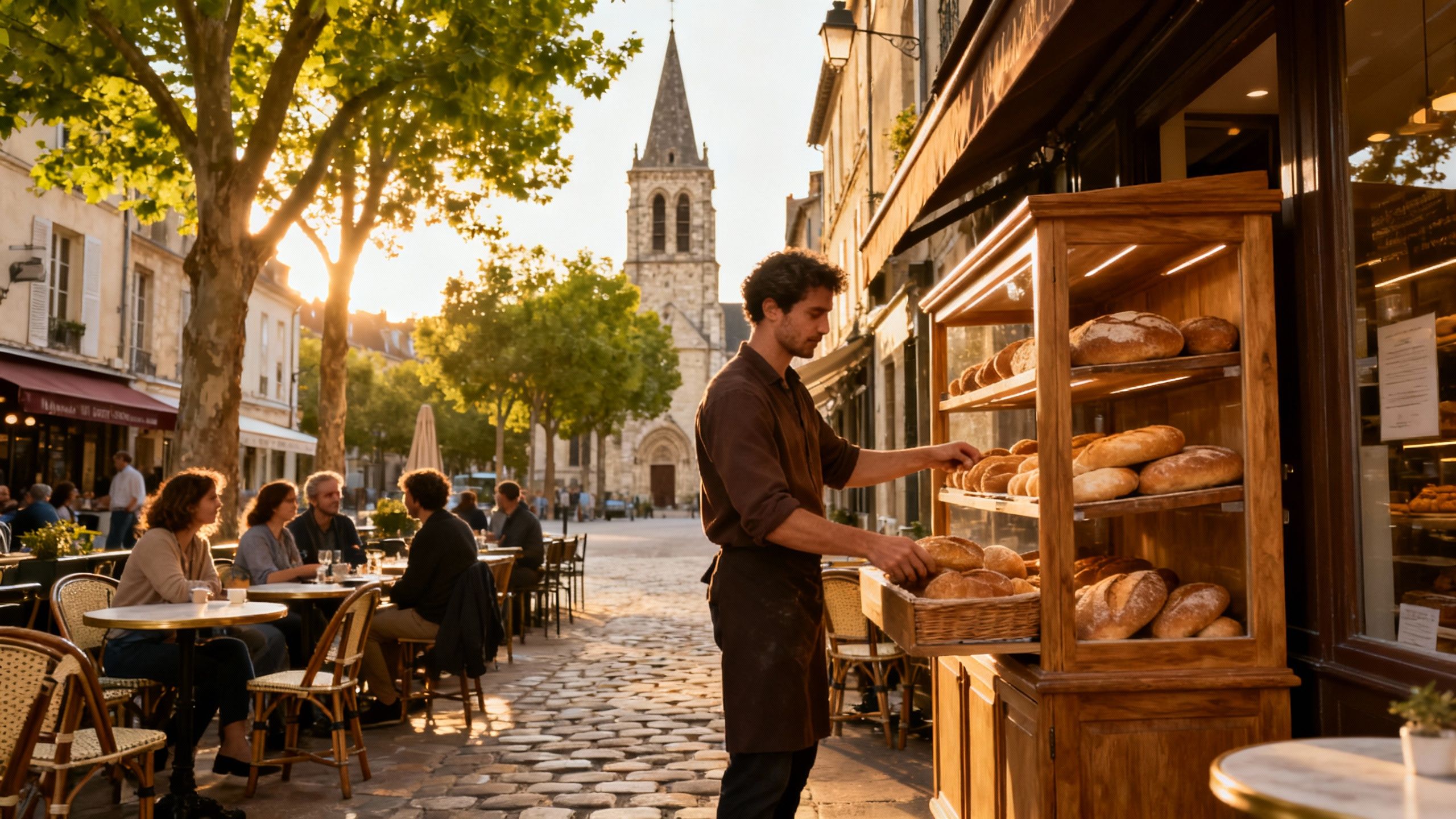
Imagine arriving at dawn in Aix‑en‑Provence: the morning market on Cours Mirabeau fills the air with citrus and warm baguettes, a boulanger pauses to wipe flour from the counter, and shutters open slowly on limestone façades. That sense of measured pleasure — small rituals, civic life and regional distinctiveness — is what draws many internationals to France. Yet the country’s reputation as uniformly “expensive” obscures an important truth: price is regional, seasonal and architectural. This article looks beyond headlines to where lifestyle and value quietly align.
Living the French life — varied, textured, local
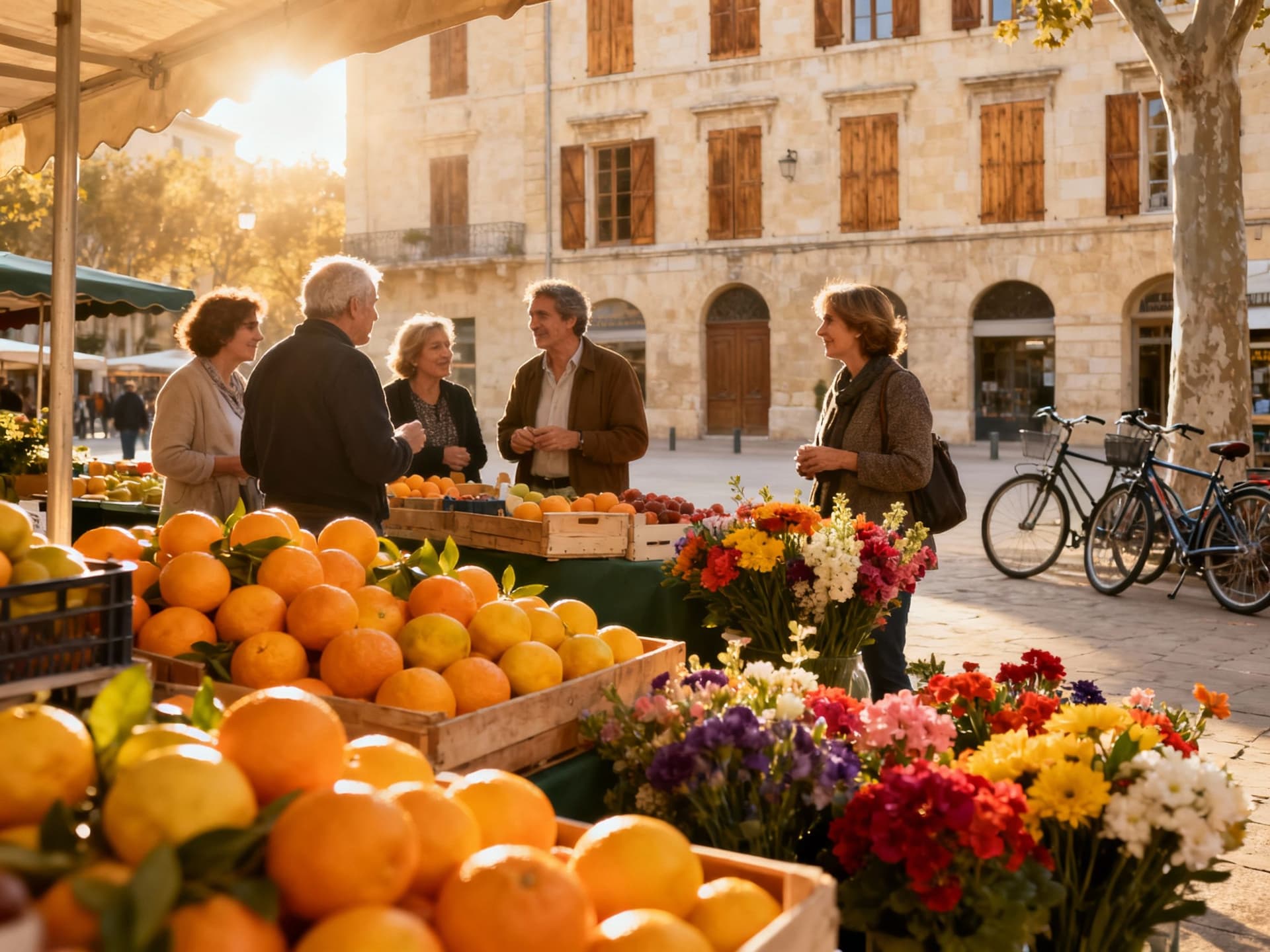
France is not one market but many: Parisian arrondissements, Provençal hill towns, Atlantic surf towns and Alpine valleys each have their own tempo. Daily life in Lyon’s Croix‑Rousse is different from evenings in Saint‑Germain or a Sunday market in Saint‑Jean‑de‑Luz; these rhythms shape what you want from a home. Recent statistics show national price movements that mask these local variations — a useful reminder for buyers who equate ‘France’ with a single price tag.
Paris: provenance, patina and micro‑markets
In Paris the story is one of provenance. A pied‑à‑terre in Le Marais offers cobbled streets and boutique ateliers; an apartment on Rue de Sèvres brings museum‑quiet mornings. Expect architectural premiums for Haussmannian ceiling height, original mouldings and sightlines over a leafy cour — qualities collectors prize. Yet even within Paris, price per square metre varies sharply from rue to rue; a well‑judged arrondissement choice can buy you character rather than square metres.
Provence & the Côte: light, craft and seasonal markets
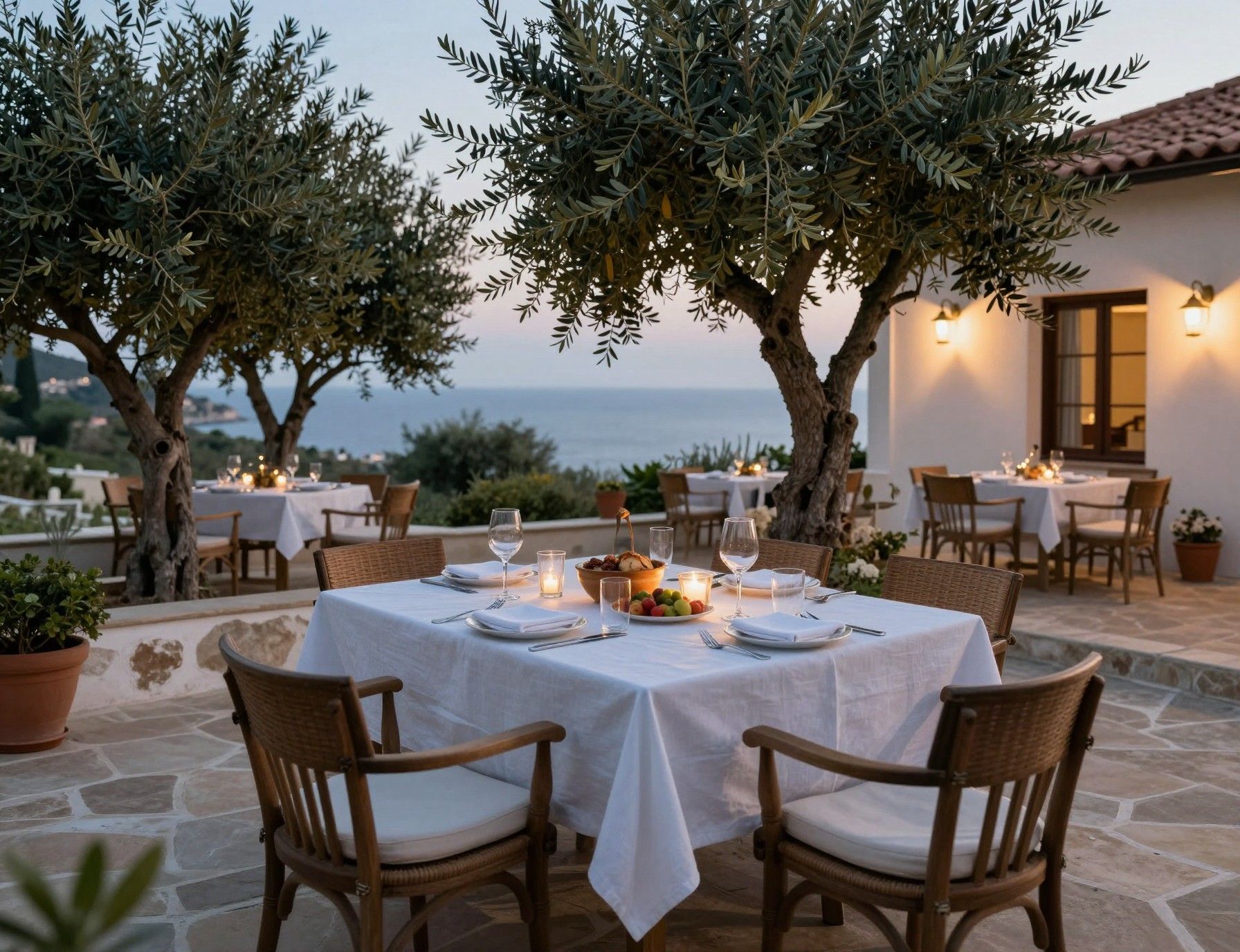
Provence rewards a slower investment perspective. In Aix, Arles and the Luberon, sunlight, stone and garden make a property feel larger than its footprint. Summer markets, local vintners and a strong short‑season tourist draw mean ownership requires stewardship — garden upkeep, summer rentals and protection against seasonality — but also offers lifestyle dividends that rarely show in headline price indices.
- Lifestyle highlights worth considering
- Morning espresso at Café de Flore or a smaller rue café to watch school runs; weekly marchés (e.g., Marché Forville in Cannes or Marché Provençal in Aix); coastal walks on the Sentier du Littoral near Cassis; aperitif terraces in Lyon’s Vieux Lyon; local boulanger exchanges where names are remembered.
Making the move: marry lifestyle to market reality
National data matters because it frames lending and sentiment: after several quarters of decline, French house prices began to register modest growth in early 2025 according to INSEE, with renewed activity in provincial markets. That backdrop means bargaining power today differs by region — buyers active in provincial towns may find momentum and choice, while central Paris remains selective and pedigree‑driven.
Property types — which suits your life?
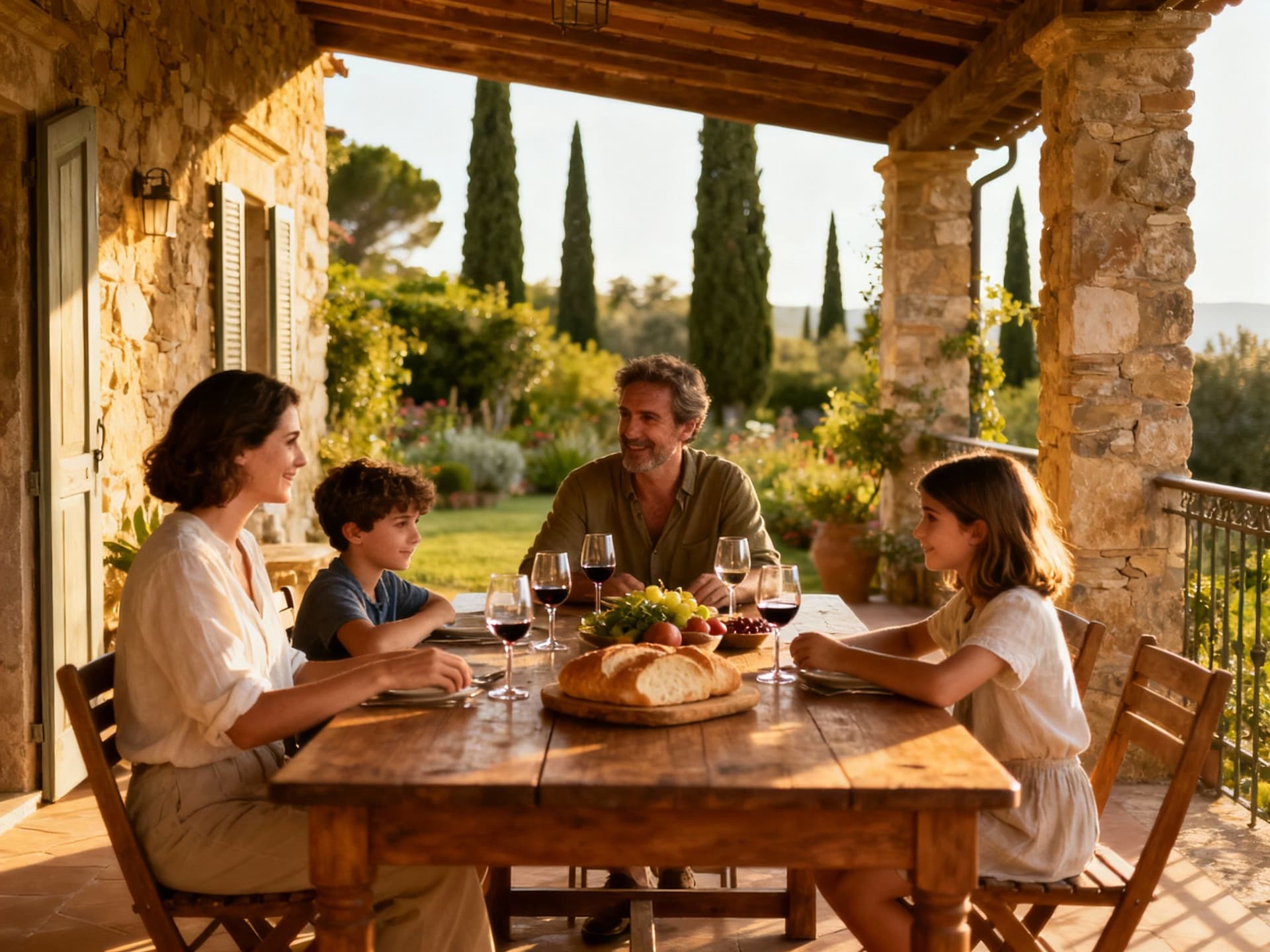
A compact apartment in a Parisian building is an exercise in conservation — think listed details, solid chimneys and concierge services. A Provençal bastide or a Béarn farmhouse trades immediacy for land and light, demanding upkeep but offering outdoor life. Coastal villas bring sea access and seasonal rental opportunity, along with higher maintenance costs and exposure to tourist cycles. Match the typology to how you actually intend to live there.
Working with local experts who understand taste and place
An agency that understands regional artisans, historic fabric and planning rules is more valuable than one that only lists properties. Look for advisors who can introduce trusted restorers, recommend local notaires with cross‑border experience and explain seasonal management realities — from winter heating in stone houses to tourist licences on the Côte d’Azur.
- Practical steps that blend lifestyle and transaction sense
- Prioritise walkability and morning routines (cafés, markets); commission a specialist survey focusing on structure and humidity; obtain local tax and rental guidance before offering; secure a notaire experienced with international transactions; budget for seasonal maintenance and authentic restoration rather than cosmetic upgrades.
Insider knowledge: what expats wish they'd known
Expat owners frequently tell the same story: the life you buy is not only bricks and land but a set of local practices — market days, municipal rhythms, language cadences — that determine whether a house becomes a home. Practicalities such as seasonal heating bills in older properties or the local cadence of tradespeople can reshape the dream if not anticipated.
Integration, language and social life
Learning a few French phrases changes more than conversations; it opens doors to craftsmen, local councils and the informal networks that keep neighbourhood life humming. Join a marché, find the café where the mayor chats, and the house you buy will quickly become part of a community rather than a holiday retreat.
Long‑term stewardship and value
Buyers who treat a French property as a generational asset — investing in authentic materials, sympathetic restorations and proper documentation — tend to preserve value. A well‑documented restoration that respects original features often outperforms trend‑led renovations when it comes to resale to discerning buyers.
Conclusion — France rewards the patient, the curious and the informed. National statistics show the market’s recent recovery, but the real opportunity lies in matching neighbourhood character to daily habit. Start with visits in the season you intend to live there, work with local advisers who know provenance and practitioners, and allow the small rituals of place to guide your purchase. When the life you imagine is anchored to specific streets and markets, the investment follows more naturally.
Former Copenhagen architect who relocated to Provence, offering relocation services, market analysis, and a curator’s eye for authentic regional design.