Malta: Why housing, not groceries, shapes your budget
A lifestyle-first look at Malta’s costs: housing drives the budget while local rhythms, limited supply and policy shape real value—use local expertise to align life and price.
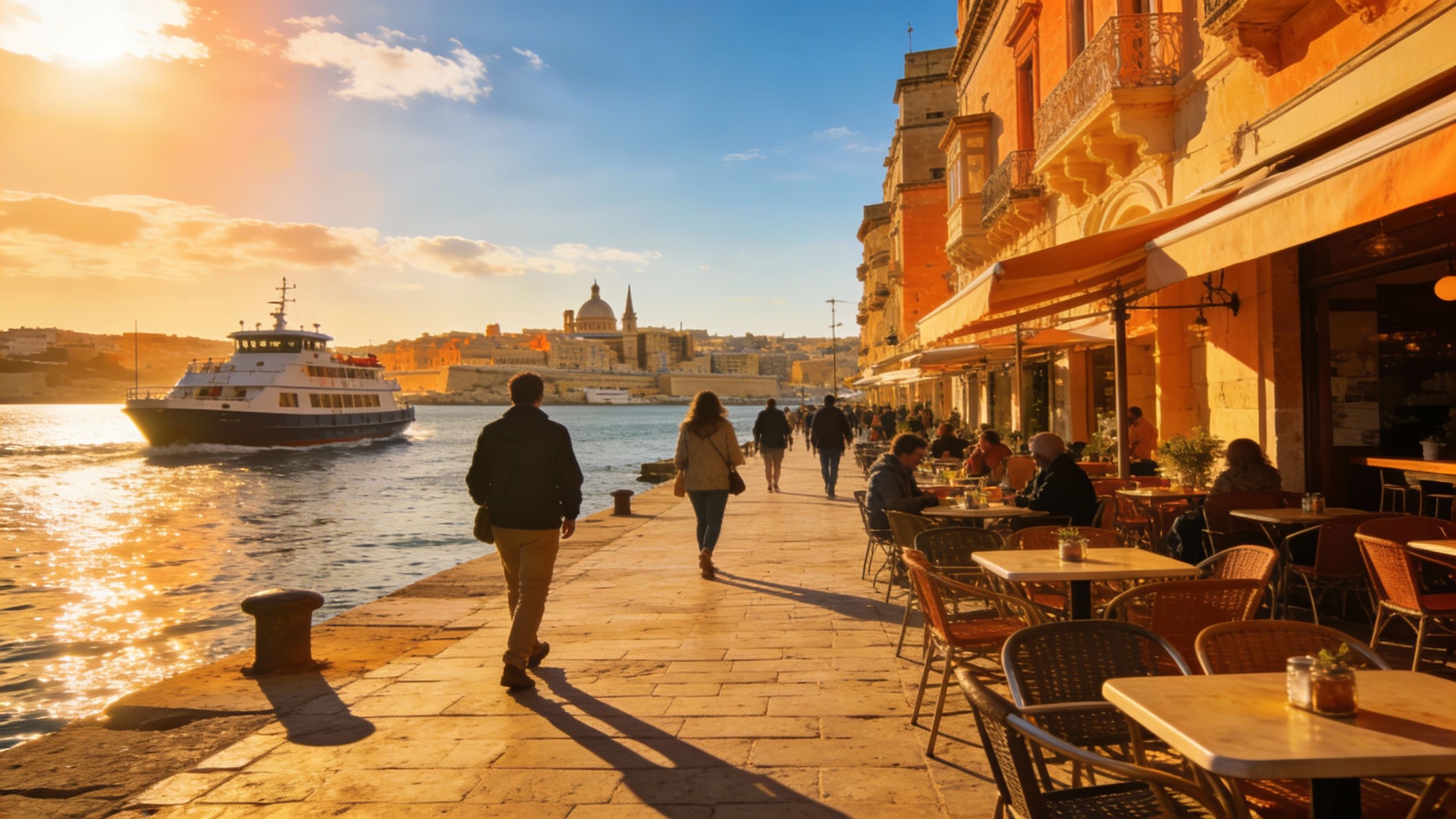
Imagine beginning the day with a short walk from a limestone maisonette in Valletta to a sunlit café on Strait Street, the smell of roasted coffee and pastizzi in the air. Malta is compact enough that neighbourhood rhythms—fishermen mending nets, elderly men playing għana in village squares, office workers spilling onto terraces—feel immediate and intimate. For international buyers this intimacy is part of the attraction: life unfolds in human scale, with history and modern convenience folded together. Yet that closeness also shapes costs and competition; the island’s limited land supply amplifies demand in ways that matter to anyone shopping for residence or investment.
Living Maltese: folded days and local pleasures
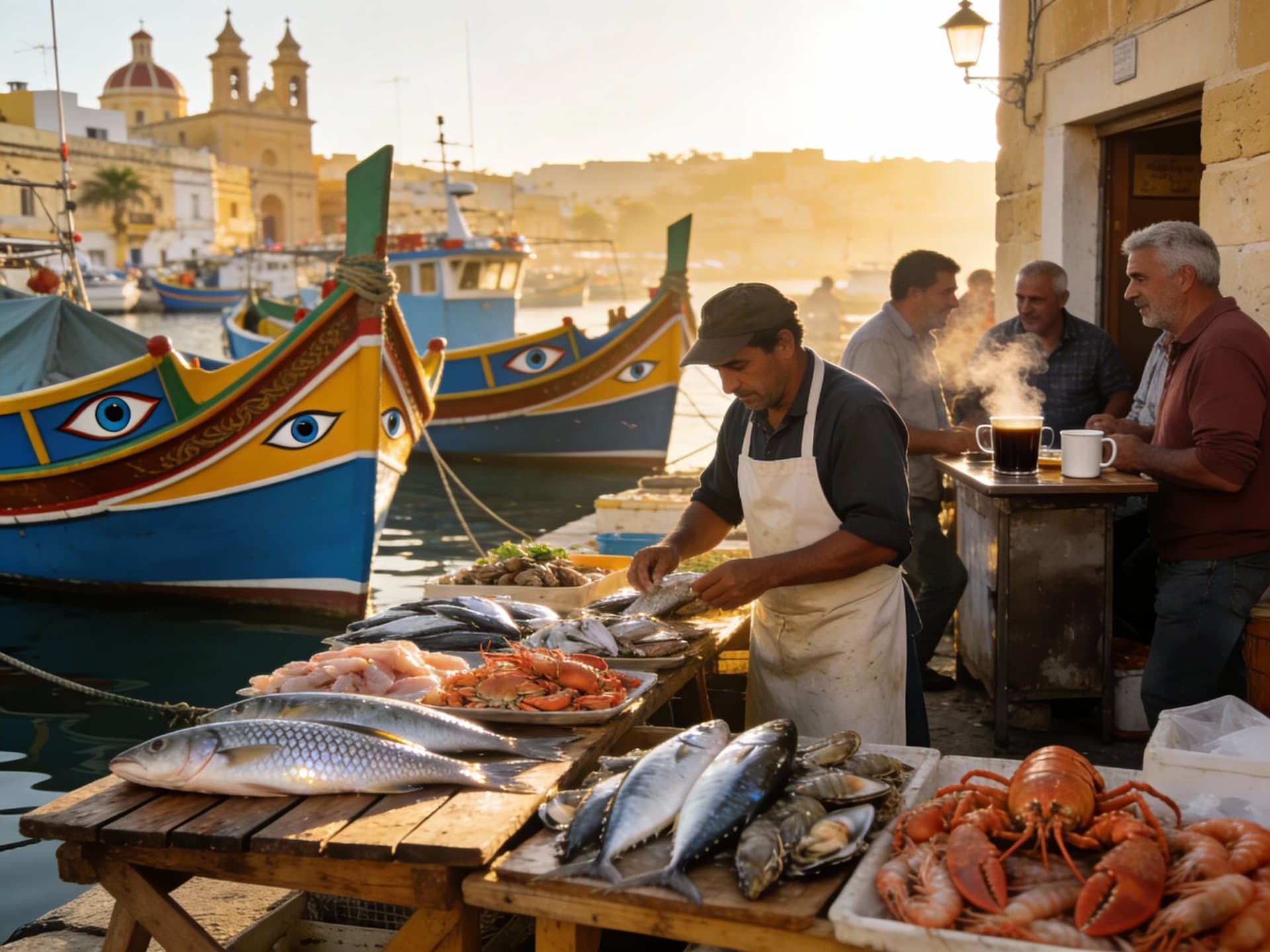
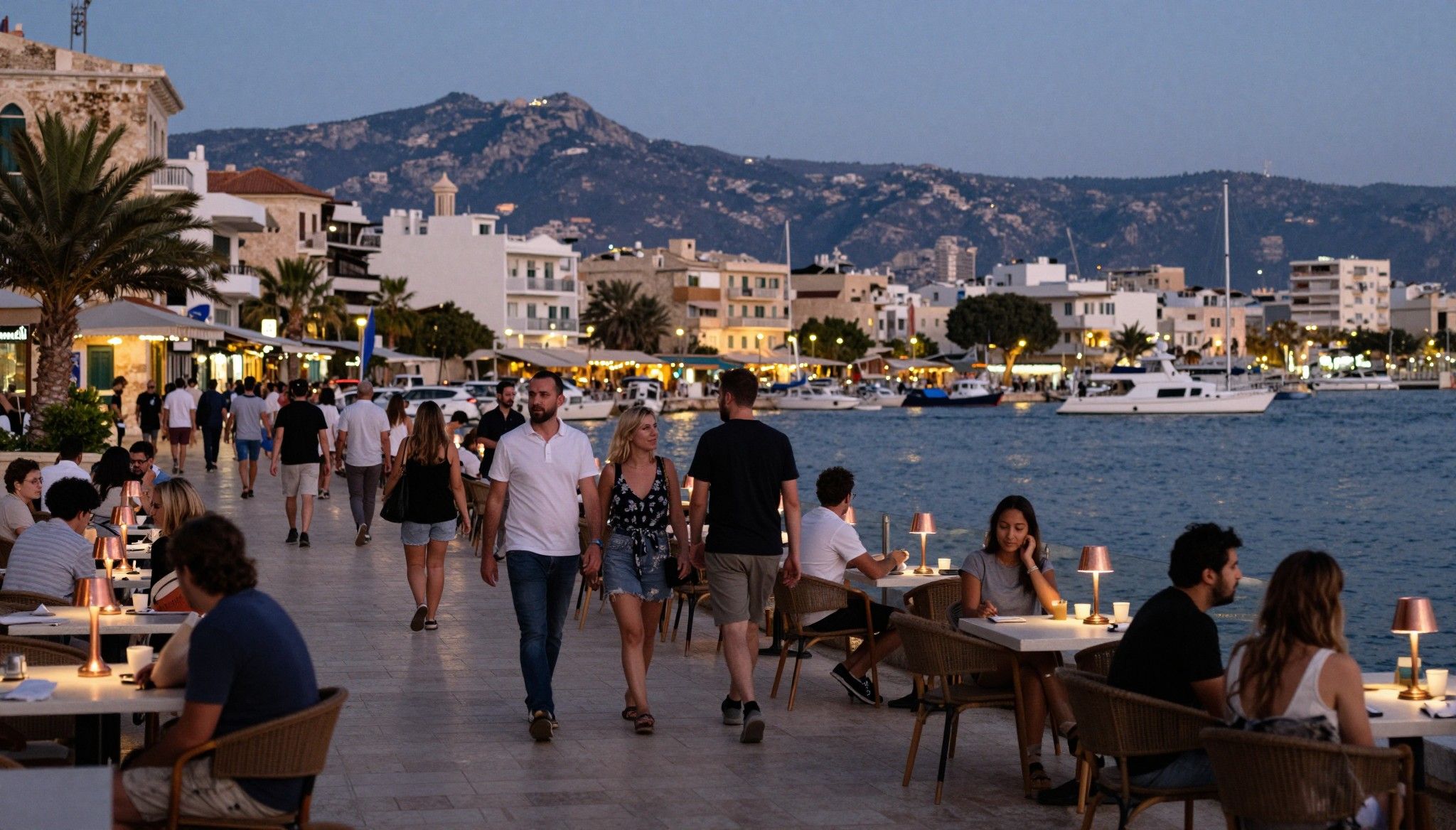
Morning light in Valletta gilds baroque façades; in Sliema and St. Julian’s promenades pulse with walkers and ferries; in Marsaxlokk the fish market conducts its own ritual at dawn. Each area offers a distinct tempo. Valletta is ceremonial and quiet after dark, Sliema sociable and practical, St. Julian’s more animated and oriented towards dining and nightlife. Gozo, by contrast, trades pace for space: artisanal markets, rugged cliffs and houses with internal courtyards where life feels measured and seasonal.
Neighbourhood portrait: Sliema to Senglea
Sliema’s waterfront cafés and crescent streets attract expatriates who prize convenience: short commutes, ferries to Valletta, and shops on Tower Road. Walk across the ferry and you arrive in the Three Cities—Vittoriosa, Cospicua, Senglea—where narrow lanes, wrought iron balconies and small harbours offer a quieter, more authentic pace. These contrasting pockets show why buyers often choose by daily habits rather than headline prices: proximity to a favourite cafe, school or harbour can outweigh a marginal per‑square‑metre saving.
Food, markets and the weekend rhythm
Weekends in Malta can be a study in conviviality: farmers and fishermen gather at markets, families picnic on Għajn Tuffieħa, and trattorie fill with plates of lampuki and ftira. Dining is local, seasonal and social—an afternoon aperitivo on a terrace is as much about seeing neighbours as it is about the food. For buyers, that social fabric informs where you want to live: if you treasure quiet mornings and market runs choose a village edge; if you want a lively after-work scene, Sliema or St. Julian’s answer the call.
- Lifestyle highlights: what to expect living here
- Early-morning fish market at Marsaxlokk and weekend coffee culture in Gzira
- Sunset promenades in Sliema and rooftop terraces in St. Julian’s
- Quiet courtyards and restored townhouses in Mdina and the Three Cities
- Gozo’s pastoral weekends and coastal hikes on the Dingli Cliffs
Making the move: how lifestyle choices shape costs
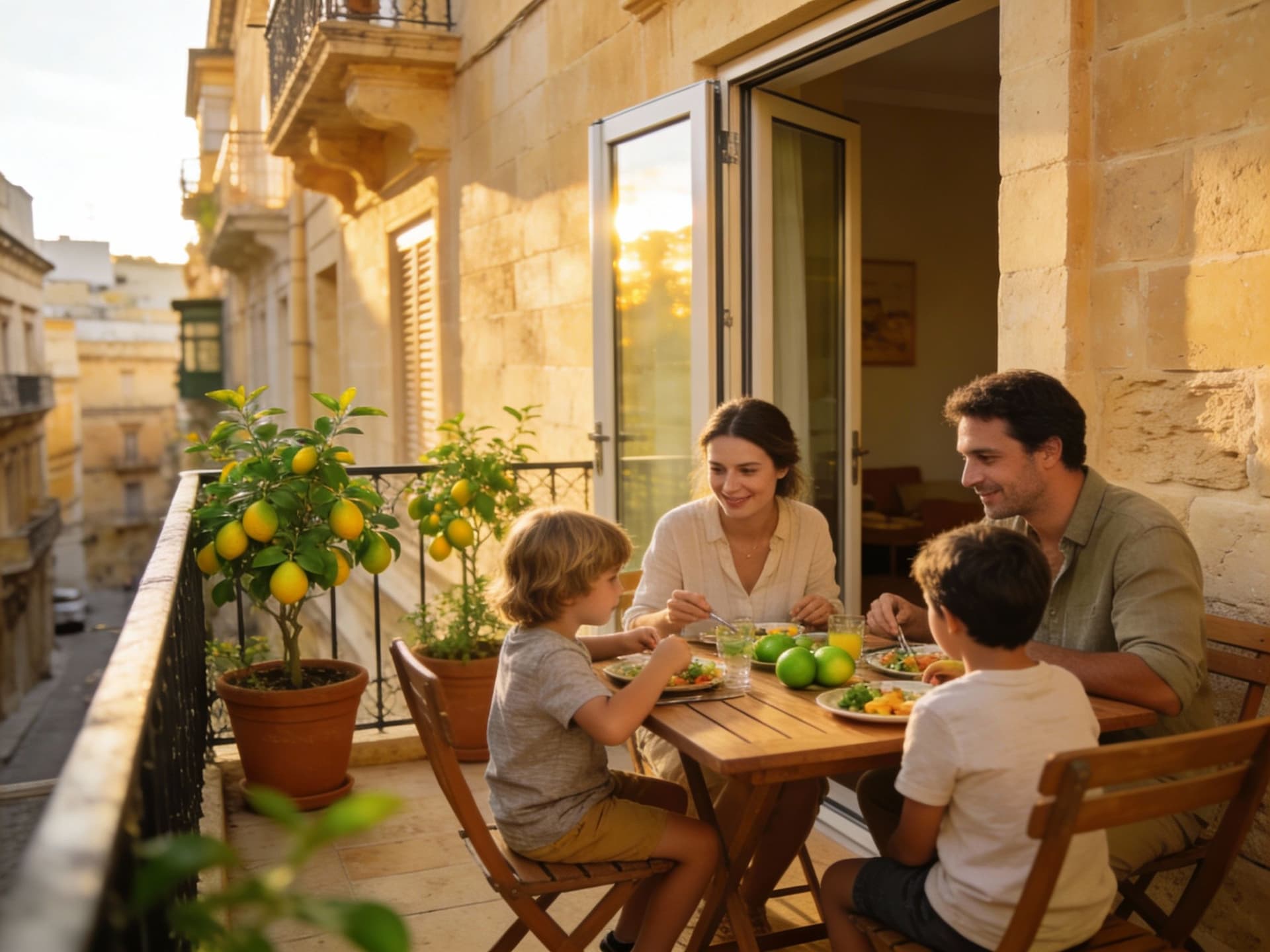
There is a practical side to the romance: everyday costs in Malta are modestly above some European peers but lower than many large cities. Inflation has been benign—HICP recorded around 2.1% in March 2025—so groceries, utilities and transport have not surged unpredictably. Still, housing is the principal driver of cost of living for new arrivals: limited supply and strong demand push prices and rents upward, especially in harbour-facing locations.
Property styles and their cost profiles
Apartments dominate Malta’s market: modern blocks along Sliema’s promenade command the highest per‑square‑metre values, while traditional maisonettes and townhouses in older quarters offer character but often require restoration. National statistics show the Residential Property Price Index rose by roughly 5–6% year‑on‑year into early 2025, reflecting steady appreciation. As a rule, waterfront and central harbour areas cost a premium; more interior or Gozo properties offer relative value but trade convenience for space.
Why local expertise matters
A local agency is more than a transactional intermediary: they read neighbourhood micro-markets, advise on restoration costs for older limestone buildings, and flag planning constraints that affect extensions or terraces. For international buyers, that knowledge translates into measurable savings—avoiding ill-advised renovations, negotiating effective purchase terms, or finding off-market listings where lifestyle fit and provenance align. Choose agents who can demonstrate recent sales in your micro-area and who understand the balance between heritage features and modern comforts.
- Steps to align lifestyle with budget
- List your daily non‑negotiables (school, commute, harbour access) and map them to neighbourhoods.
- Inspect older properties for moisture, structural repairs and original stonework restoration needs before bidding.
- Ask your agent for three recent comparable sales on the same street—not just in the same town—to understand price elasticity.
- Budget for staged renovations; heritage windows, lime plaster and artisan carpentry are costly but preserve value.
Insider knowledge: what expats wish they’d known
Expat accounts commonly note surprises: the cost of renovating period shingles, the small‑town intensity of social networks, and the ways short‑term rentals influence neighbours. Critics also point to policy distortions—investment residency schemes have been associated with absentee ownership and development pressure—factors that affect local supply and, ultimately, prices. Understanding these dynamics helps buyers choose properties that deliver the life they want rather than chasing a headline yield.
Cultural integration and daily life
English is an official language and widely used in business, which eases initial integration for many internationals. Yet social life is still local: neighbours exchange favours, and invitations to community feasts or festa processions are common. To live well in Malta means leaning into those local rhythms—learn a few Maltese phrases, attend the village festa, and you will find doors open more readily than by forming purely expatriate social circles.
Longer view: stewardship, value and the future
If your purchase is not merely seasonal, think in terms of stewardship. Restoring a townhouse with authentic materials will cost more now but often yields greater long‑term cultural and financial value than fitting a property with generic finishes. National indices show sustained price appreciation into 2025, so careful acquisition—attentive to provenance and build quality—remains a prudent approach for long‑term owners.
Conclusion: Malta’s compactness is its advantage and its constraint. It concentrates beauty, culture and convenience; it also concentrates demand. If you imagine mornings spent at a café in Sliema, afternoons restoring a courtyard in Mdina and evenings listening to a festa band, work with advisers who place lifestyle fidelity ahead of speculative chasing. Start with a clear list of daily habits, enlist a locally rooted agent, and measure value by the life the house enables as much as by its near‑term return.
Dutch former researcher who moved to Lisbon, specialising in investment strategy, heritage preservation, and cross-border portfolio stewardship.