Malta’s Cost Seasons: Where the Price Impression Misleads
Malta’s perceived expense shifts with season and place. Use off‑peak timing, provenance and realised price data to find value in compact, highly seasonal markets.
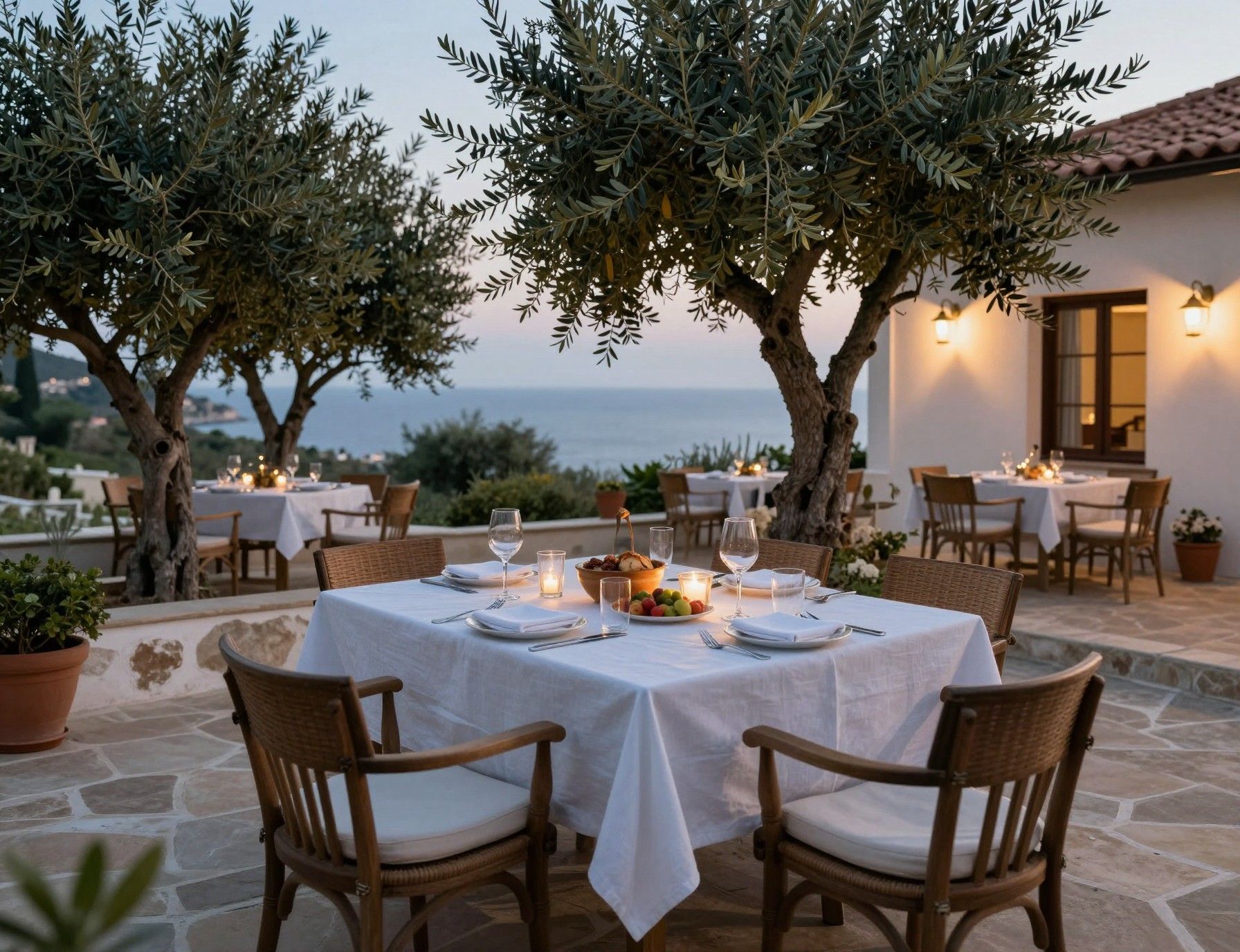
Imagine an olive‑tree shaded piazza in Għarb at dawn, a café pouring ristretto while fishermen prepare their boats nearby. By late afternoon, Valletta’s limestone lanes hum with aperitivi and the sea gleams beyond the bastions. Malta compresses an entire Mediterranean life into short distances — and that compression warps expectations about cost. What feels “expensive” in July can seem reasonable in November; understanding those seasonal and neighbourhood rhythms is the difference between paying for theatre and paying a premium.
Living the Maltese Rhythm
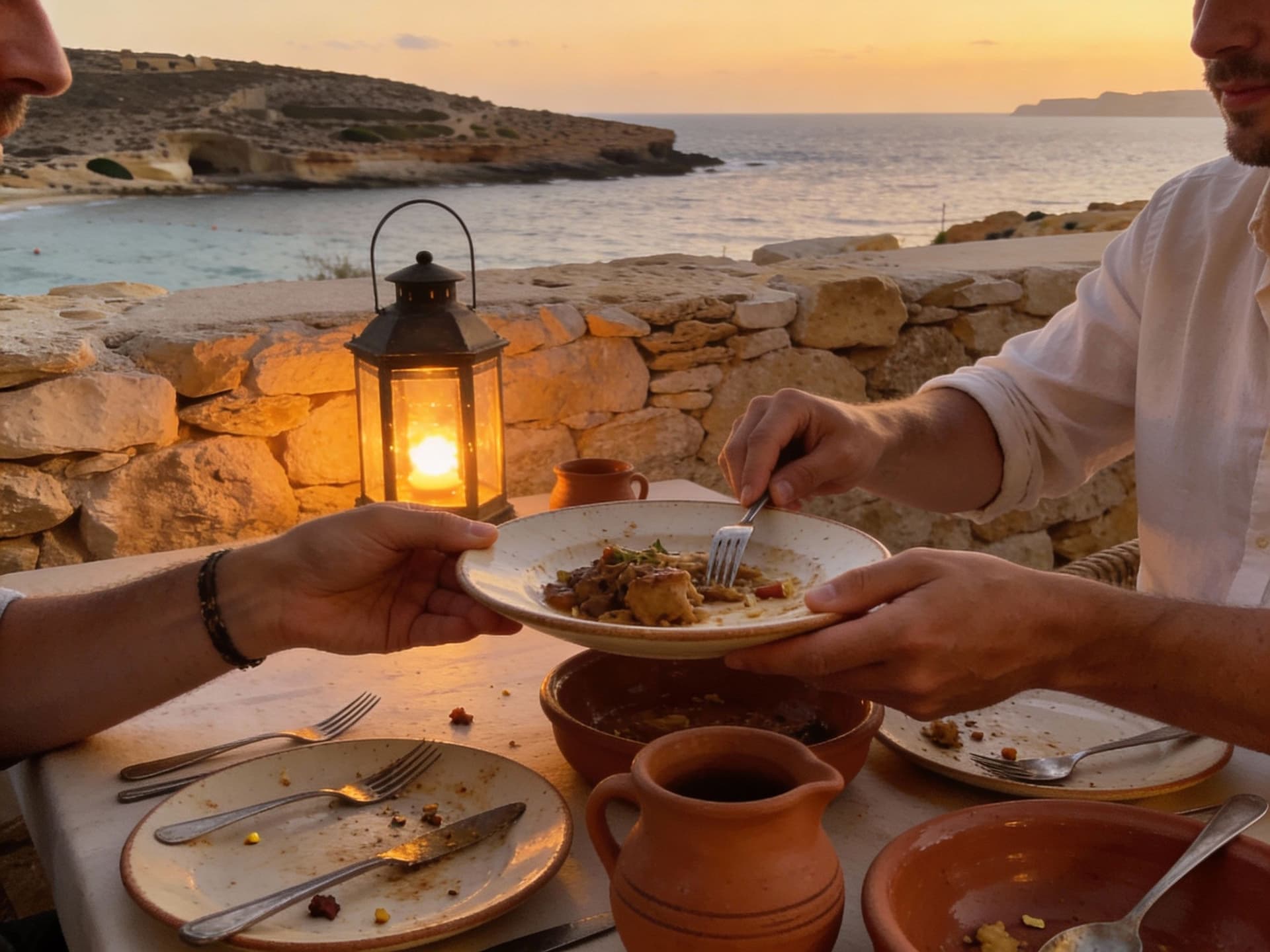
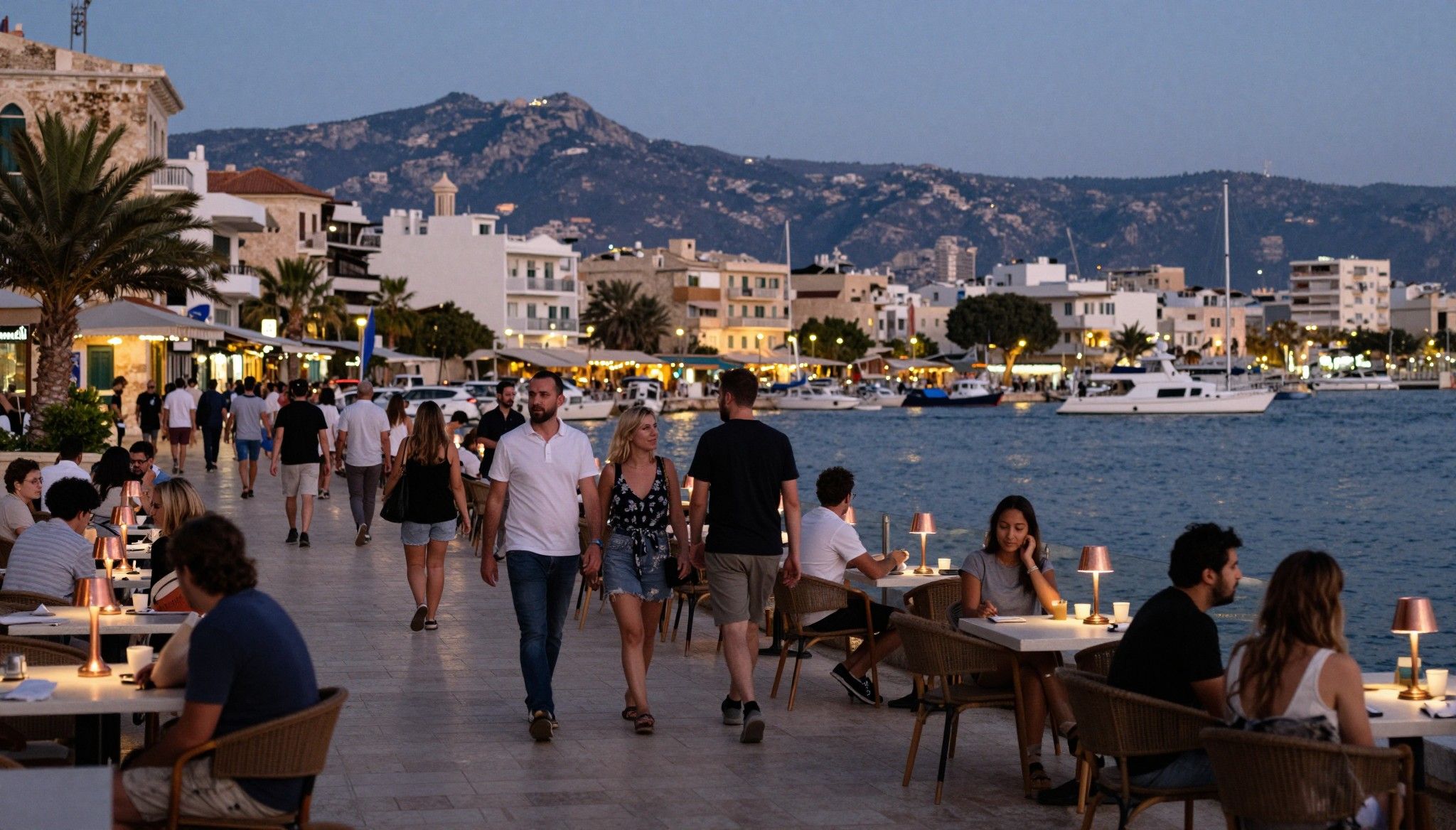
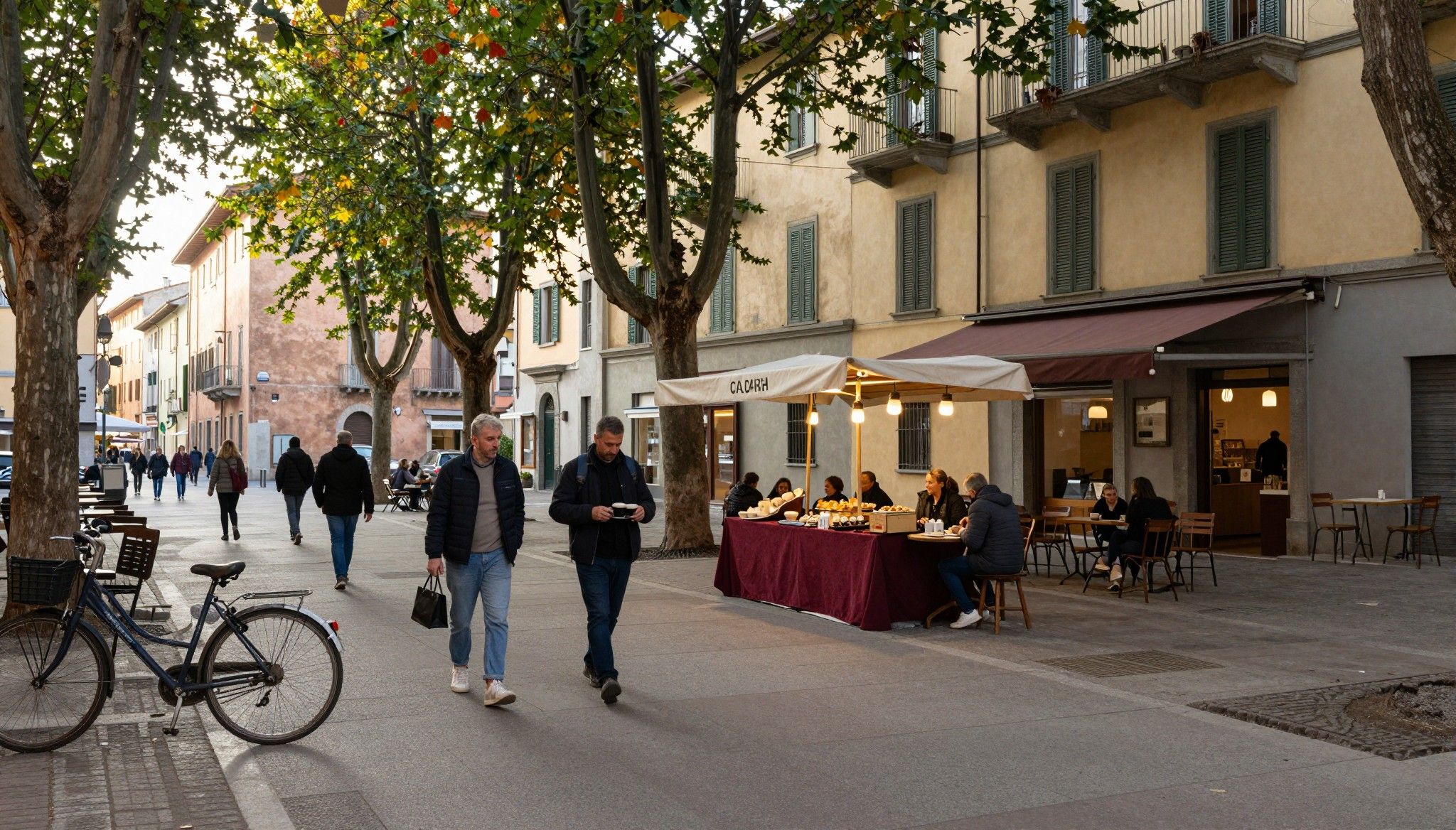
Daily life in Malta is defined by scale and detail. Streets are short, rituals are local: morning markets in Marsaxlokk, an espresso at Caffe Cordina in Valletta, an evening promenade at Sliema seafront. These rituals concentrate demand on small urban pockets and, at peak times, create a perception of scarcity that bleeds into prices for dining, short‑term rentals and quick renovations.
Neighbourhood character: Valletta, Sliema, Rabat and Gozo
Valletta offers compact grandeur — baroque facades, narrow steps and a concentration of cultural life that justifies a premium for proximity. Sliema and St Julian’s present seaside terraces and stronger service economies. Rabat and Mdina deliver quieter stewardship and larger period houses. Gozo trades immediacy for space: life slows, prices moderate and a different type of provenance—stone farmhouses, chapel gardens—comes into view.
Food, markets and seasonal demand
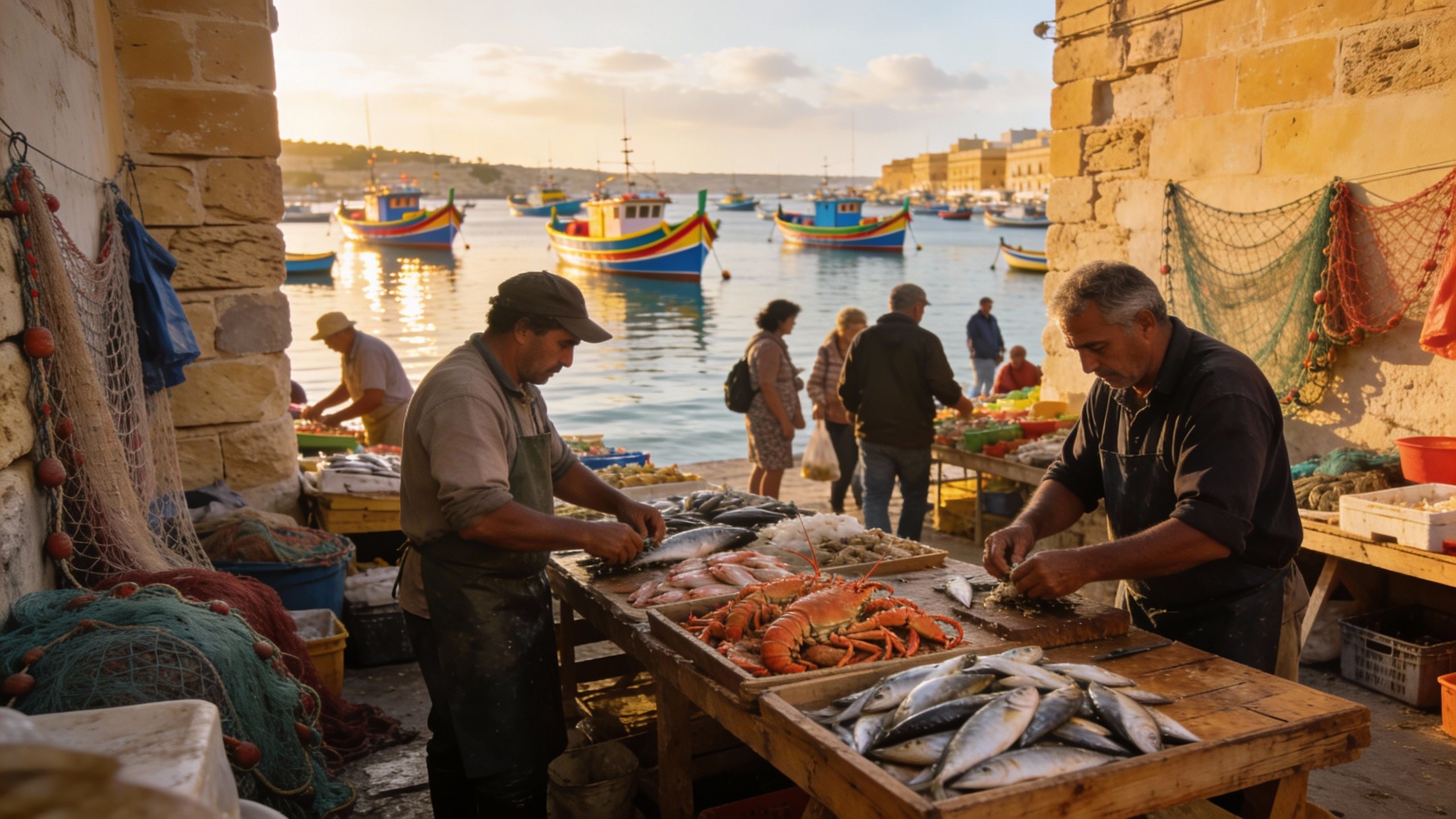
The market calendar matters. Fishermen’s stalls in Marsaxlokk, summer festivals in Mdina, and weekly band marches all concentrate visitors and discretionary spend. Restaurants and short‑stay rentals adjust prices for these peaks; longer‑term living costs do not always follow, which opens opportunities for buyers who choose timing carefully.
Making the Move: Prices, Perception and Practicalities
Official indices show steady, moderate growth rather than the headline‑grabbing spikes often cited by travel pieces. The National Statistics Office’s RPPI recorded single‑digit annual rises in recent quarters, indicating a stable market with pockets of faster change. For buyers this means negotiation power varies more by neighbourhood and season than by island‑wide panic.
Property types and how they shape costs
Apartments dominate the island — efficient, sun‑lit volumes, often with terrace living. Maisonettes and period townhouses carry premium for private outdoor space and original features such as Maltese timber balconies and stone courtyards. In Gozo, larger stone residences and converted farmhouses offer room and value but require different maintenance considerations.
Working with local expertise
A Maltese agent is more than a locator of keys; they are arbiters of timing. They know which streets clear waiting lists in autumn, where owners reduce price after a quiet winter, and which renovations respect local heritage while adding lasting value. Their counsel changes a buying decision from ad‑hoc to curated.
- Practical steps that blend lifestyle and market sense
- Visit in off‑peak months (October–March) to see true neighbourhood rhythm and observe year‑round noise, sunlight and traffic patterns.
- Compare seasonal short‑term rental rates with long‑term asking rents to estimate real neighbourhood demand and the potential upside or vacancy risk.
- Ask agents for transaction‑based indices rather than listing prices; the RPPI and tax‑authority data reveal realised prices, not aspiration.
- Factor maintenance for limestone properties and traditional features: expect specialist trades and slower timetables than in newer markets.
Insider Knowledge: What Expats Wish They’d Known
Many newcomers are surprised that everyday costs — groceries, transport, utilities — can be lower than comparable Western European cities, while property premiums cluster around social hubs and coastlines. Seasonality in tourist flows, and a small island’s sensitivity to short‑term rental demand, shape local life and where value concentrates.
Cultural nuances and day‑to‑day integration
English is widely spoken, which eases administrative transition, but social integration favours patience and ritual: frequenting the same café, attending festa processions, supporting local craftsmen. These choices determine whether you buy a home or acquire a stewardship role in a neighbourhood.
Long‑term lifestyle considerations
Over five to ten years, areas within walking distance of cultural anchors or reliable transport nodes tend to retain value better than fringe locations buoyed only by temporary tourism. For buyers thinking multigenerational, provenance and construction quality trump trendy finishes.
- Lifestyle highlights to seek when assessing value
- Proximity to an assured daily market (e.g., Marsaxlokk fish market) rather than a seasonal pop‑up.
- A sheltered outdoor room — courtyard, roof terrace or loggia — which extends usable space year‑round.
- Stone and lime maintenance history documented by previous owners, indicating care rather than deferred cost.
- Access to local trades and restoration craftsmen familiar with Maltese stonework and timber balconies.
Conclusion: The seasonal cost illusion is real, but it can be an advantage. Malta’s compact geography concentrates both pleasures and premiums; buy with local rhythm in mind. Visit in quieter months, prioritise provenance over novelty, and work with advisers who measure realised prices rather than listing heat. In that way, you acquire not just a property but a way of life — thoughtfully, sustainably and with an eye to stewardship.
Having moved from Stockholm to Marbella in 2018, I help Scandinavian buyers navigate Spanish property law, restoration quality, and value through authentic provenance.