Italy: Regional Costs That Reframe the Romance
Italy’s romance masks sharp regional cost differences. Balance neighbourhood rituals with realistic carrying costs using data from ISTAT and local market reports.

Imagine a slow Sunday morning in an Italian neighbourhood: espresso on a wrought‑iron table, a baker’s wood smoke on the wind, and the sound of shutters opening on cobbled streets. For many international buyers that sensory charm is the reason to look at Italy — yet beneath the romance are measurable differences in what daily life costs, depending on whether you buy a pied‑à‑terre in central Rome, a farmhouse in Tuscany or an apartment in Bari.
Living the Italian lifestyle
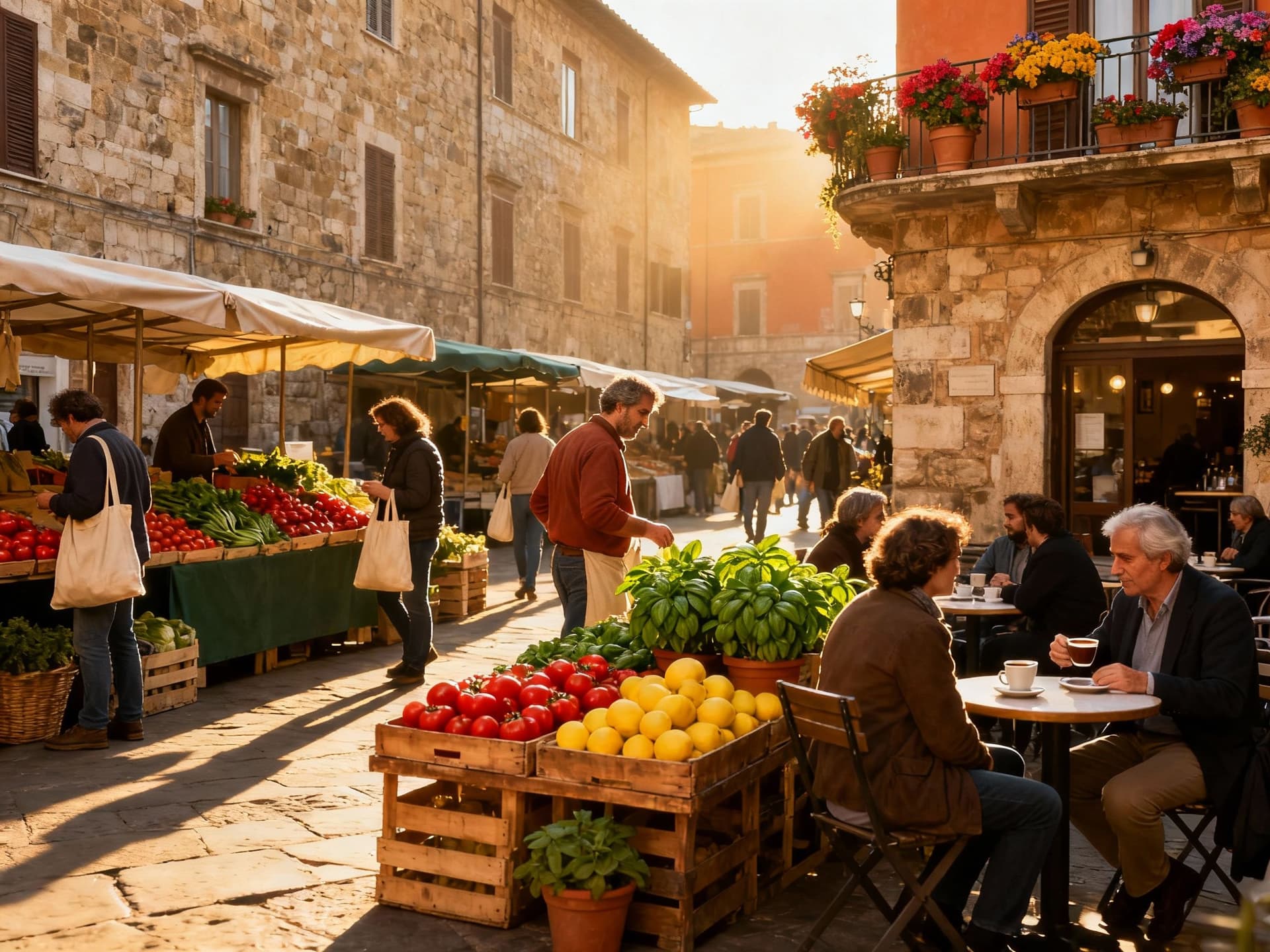
Daily life in Italy is arranged around rituals: morning espresso at the bar, a quick market run for produce, and a late evening passeggiata. These rituals shape expenses — frequent market purchases keep grocery bills flexible, while historic-centre living raises fixed costs such as utilities and condo (condominio) fees. National figures show modest inflation, but regional spreads are wide, so the neighbourhood you choose defines your lived cost far more than the country average. (See ISTAT for the latest consumer price trends.)
City cores and their signatures: Rome, Milan, Florence
Rome’s centro storico is a study in vertical living: smaller apartments with high ceilings and historic detail. Milan favours modern apartments and high‑end services; Florence mixes tourist pressure with a strong local market for restored palazzi. Practical consequence: rent and purchase price per square metre in these centres often exceed provincial towns by 40–100 per cent. Regional comparisons from cost‑of‑living services make this visible — Milan and Bologna register noticeably higher indices than Naples or Turin.
Countryside and coast: Tuscany, Puglia, Liguria
If you prize light, land and tranquillity, Tuscany and parts of Puglia offer properties with square footage and gardens at a fraction of central‑city euro per metre. Coastal Liguria is pricier per metre but offers compact villages where maintenance and heating costs are lower due to milder winters. Recent city‑level reports show surprising pockets of elevated local inflation — Rimini and Bolzano, for example — underscoring that coastal or provincial does not always mean cheaper.
- Lifestyle highlights to cost against:
- Morning espresso at Antico Caffè Greco (Rome) versus café culture in Navigli (Milan).
- Weekly mercato staples (seasonal fruit, focaccia, fresh fish) that make groceries flexible and often cheaper than supermarket shopping.
- Condominium fees in historic palazzi — lift maintenance, heating consortia, porteraggio — a recurring fixed cost rarely obvious before purchase.
Making the move: practical considerations

Romance meets arithmetic when you balance lifestyle with recurring costs. National inflation has moderated in 2025, yet housing remains the dominant budget line for buyers and long‑stay renters. Recent statistics from ISTAT and market reports set the backdrop: modest consumer inflation, but property and local service costs vary meaningfully by region and season. Understanding these drivers helps you convert a desire for 'Italian life' into a realistic monthly and annual budget.
Property types and how they shape living costs
A restored hilltop farmhouse brings gardening costs, septic or well maintenance, and higher insurance in some regions. A city apartment carries condominium charges, higher utility peaks in winter for heating, and limited private outdoor space. New builds reduce immediate maintenance but often sit outside historic centres, changing commute and social patterns. Align the property type with how you will live: frequent market runs, hosting friends, or solitude among vineyards.
Working with local experts who know the numbers
An agency grounded in local stewardship will show you not only purchase price but anticipated annual carrying costs: condominium fees, local IMU/garbage (TARI) estimates, realistic energy bills and seasonal service fluctuations. For international buyers, a shortlist of trusted surveyors, property managers and an accountant familiar with non‑resident tax regimes turns anecdote into certainty.
- Six combined lifestyle + practical checks to do before making an offer:
- Confirm local condominium (condominio) fees and recent extraordinary maintenance decisions.
- Ask for 12 months of utility bills (heating, electricity, water) to understand seasonal swings.
- Request local rental comps if you plan to let — coastal towns have sharp summer/winter yield variance.
- Budget for property management if you will be remote: local managers typically charge 8–15% of rent plus call‑out fees.
- Value restoration quality: an authentic restoration reduces long‑term maintenance compared with cosmetic fixes.
Insider knowledge: what expats wish they'd known
The common surprises for new arrivals are less about headline prices and more about rhythm: markets that close on Monday, shops that shut for August riposo, and energy bills that spike in damp, historic basements. Such rhythms alter real monthly costs and social life. International buyers who budget for the year — not just the purchase — avoid the worst surprises.
Cultural quirks that change spending
Eating out can be economical or extravagant depending on pattern: regular lunches at neighbourhood trattorie are affordable, while fine‑dining or tourist hubs in piazzas adds quickly. Local customs also affect costs: hiring local craftsmen for restoration can be more expensive than labour markets elsewhere, but it secures authentic materials and long‑term value.
The seasonal truth: when the calendar changes, so do costs
Coastal rentals may deliver strong summer yields but require winter maintenance and off‑season management; ski‑area houses save on electricity in summer yet need higher insurance and heating during winter months. Recent city‑level reports demonstrate that regional inflation and tourism pressure change annual household spending, so align your use plan with the seasonal economics of the town.
- Red flags and lesser‑noticed costs:
- Historic‑centre homes with shared boilers: expect both higher heating bills and occasional extraordinary maintenance calls.
- Properties with unregularised renovations: lower asking price can mask immediate compliance costs.
What to do next — a practical checklist
- 1. Map expected monthly living costs by season: groceries, utilities, condo fees, property management.
- 2. Secure written records: 12 months of condominium accounts, utility invoices, and recent maintenance minutes.
- 3. Ask your agent to model realistic net rental income if you plan to let, including vacancy and management fees.
- 4. Retain a local architect or surveyor for a straightforward condition report before offer.
Buying in Italy is a commitment to place as much as to asset. The country rewards buyers who look beyond the purchase price to the texture of everyday life: where you buy determines which markets you’ll frequent, which friends you’ll make, and how seasons shape your year. With careful local advice, the cost equation becomes part of the pleasure rather than an afterthought.
If you would like help converting a lifestyle wish list into a two‑year cost plan — seasonal utilities, realistic rental projections, and stewardship budgeting — an agency with local stewardship experience is the bridge between romance and repeatable, measured living.
Relocating from London to Mallorca in 2014, I guide UK buyers through cross-border investment and tax considerations. I specialise in provenance, design integrity, and long-term value.