Italy’s Price Illusion: Lifestyle Outweighs Labels
Italy’s living costs are shaped more by neighbourhood rhythms and seasonality than headline prices; align lifestyle choices with local data to manage real expenses.
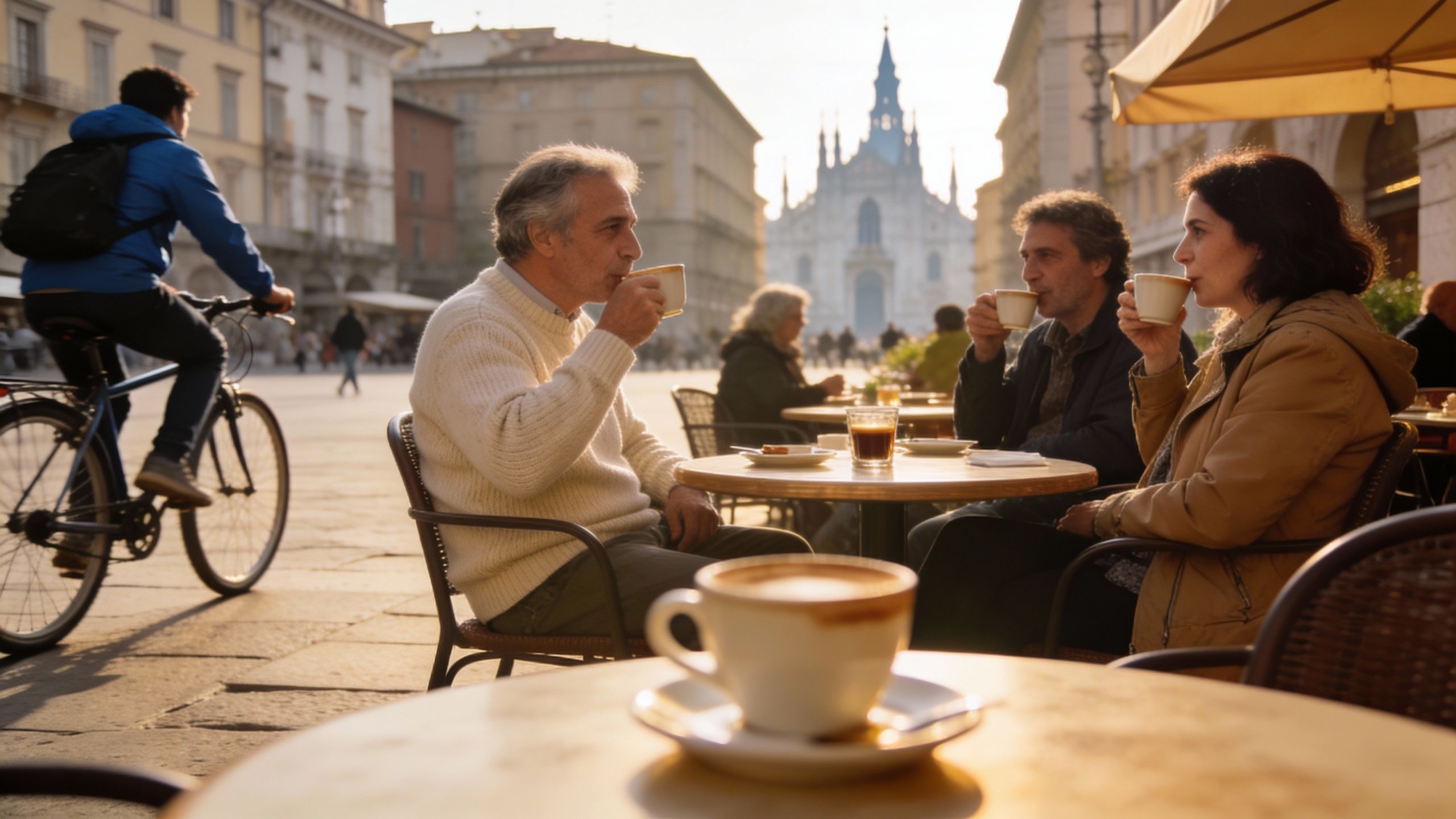
Imagine a morning in Italy: an espresso on a narrow piazza in Trastevere, gym bags being tossed into Fiat 500s on Milan’s via Tortona, fishermen returning to the quay in Polignano a Mare. The scenes are familiar and irresistible, and they shape how you budget more than most headline price indices do. Small daily rituals — market produce, neighbourhood cafés, seasonal festivals — define the lived cost of Italy in ways that raw square‑metre figures cannot. This piece looks beyond unit prices to the neighbourhood rhythms and seasonal choices that make Italy both richly enjoyable and, often, surprisingly affordable.
Living the Italian Life — where money meets rhythm
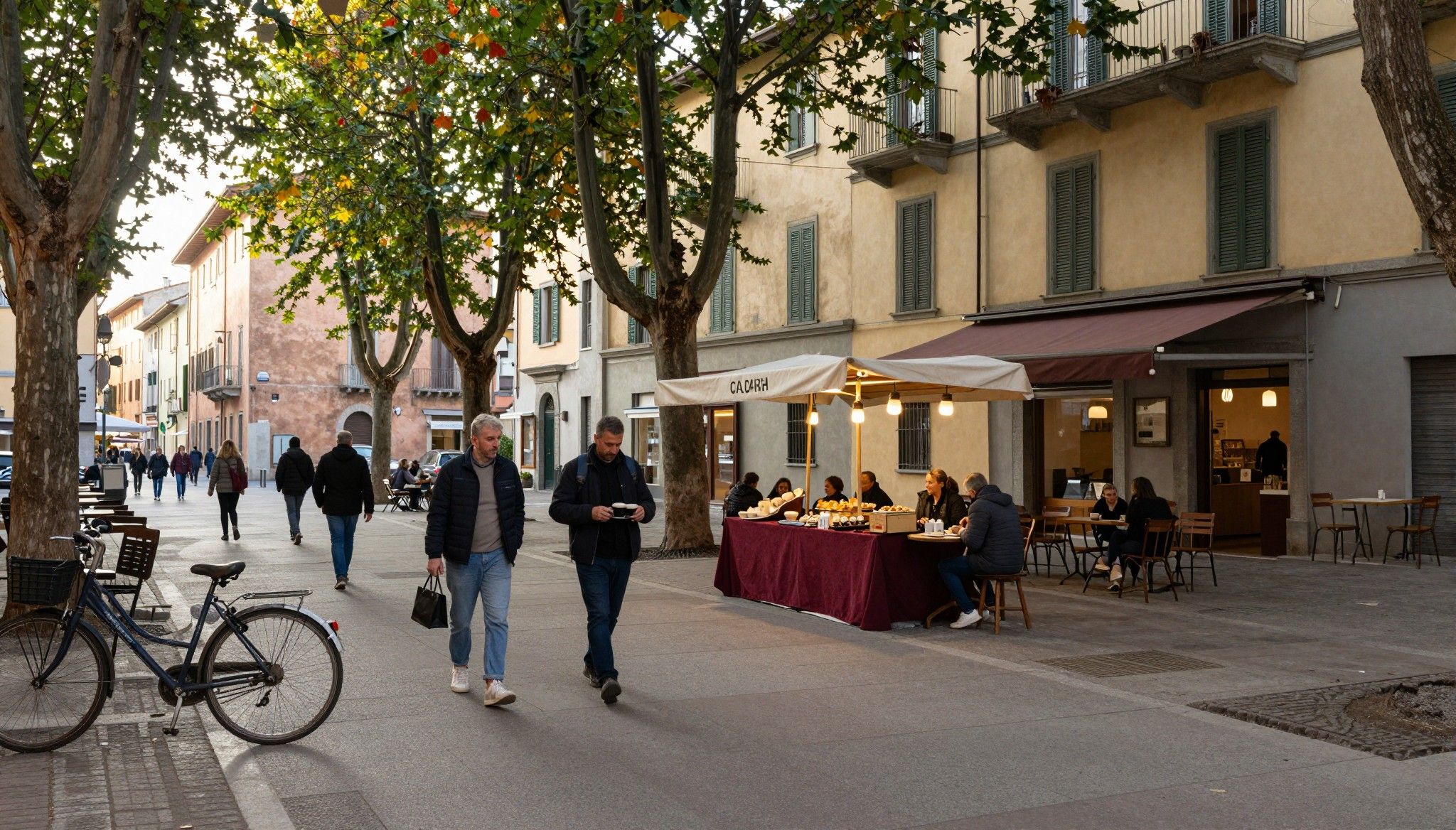
Daily life in Italy is a composition of small choices: market shopping on Saturday, a long lunch once a week, compact apartments with generous public space. National surveys show average household spending around €2,700–€2,900 per month, but that average conceals vast regional variety between north and south. What matters for an international buyer is not only headline cost but where you place your life: a modest apartment in Bologna can buy you a different lifestyle to the same spend in central Milan.
City heartbeat: Milan, Rome, Florence — intensity and craft
Milan’s neighborhoods pulse with design studios and private clubs; central Brera whispers history and command, while Navigli offers convivial evenings. Rome’s Trastevere and Monti keep parish life and artisanal food close at hand. ISTAT’s recent house‑price release confirms stronger price momentum in northern and central regions, but those figures often cluster around the most sought-after central streets rather than the broader fabric where everyday life occurs. For buyers seeking craft, proximity to ateliers and markets will matter more than an average price-per-sqm line on a chart.
Coast and country: Amalfi, Puglia, Tuscany — pace and space
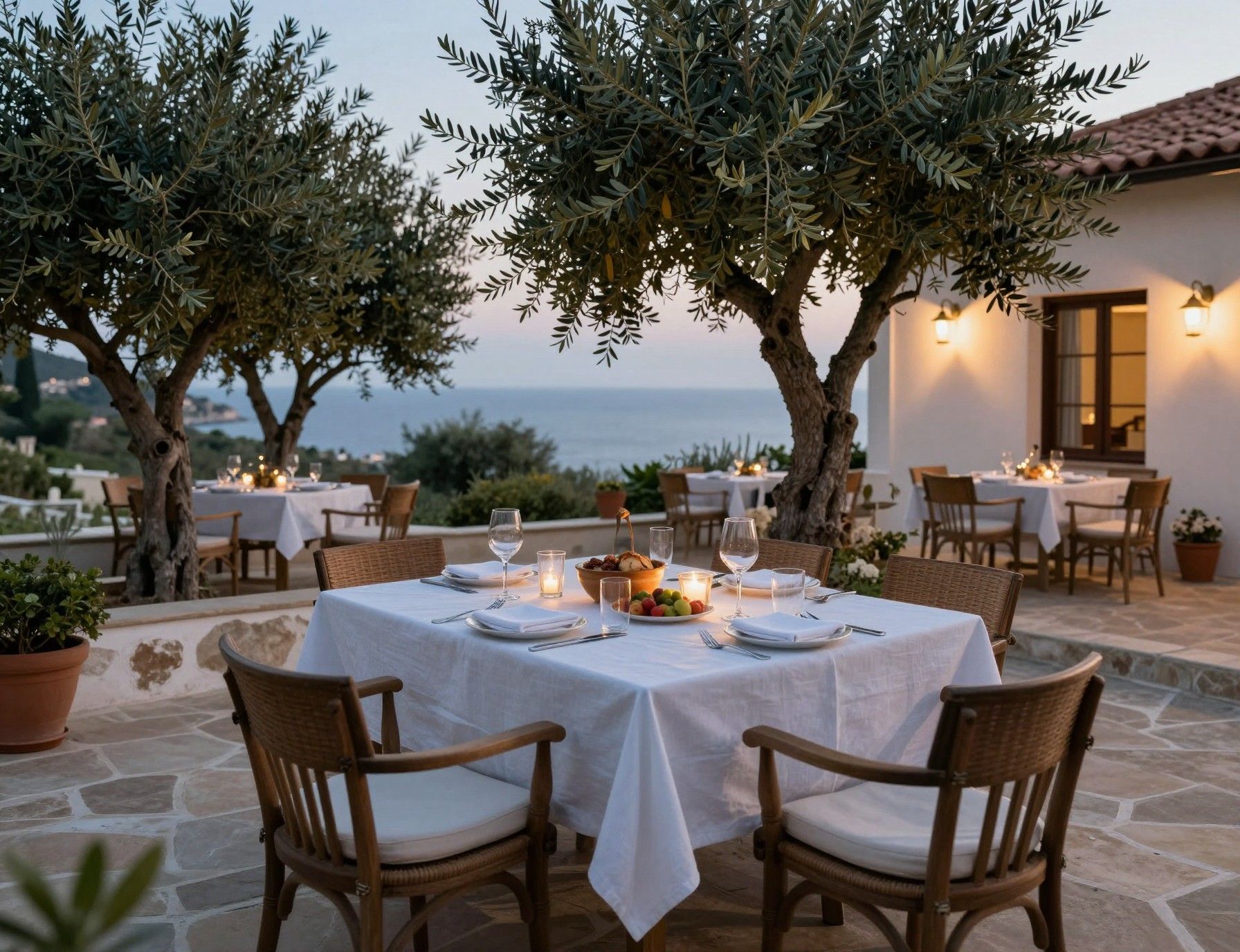
Along the Amalfi coast, the day is measured by light and tide; in Puglia you trade hectic crowds for wide stone courtyards and productive land. Inland Tuscany offers hilltop towns where small restorations deliver large lifestyle returns. National statistics and market trackers show divergent trends: while city cores command premium per square metre, provincial towns and coastal villages often offer better value for space and temperament. That divergence is the opportunity for buyers who prioritise quality of life over postcode prestige.
- Morning markets and neighbourhood rituals — lifestyle highlights
- Campo de' Fiori market, Rome — vegetables, fishmongers and theatre of daily life
- Brera and Navigli, Milan — design shops, aperitivo culture, short walks
- Oltrarno, Florence — artisan workshops, quiet piazzas and evening passeggiata
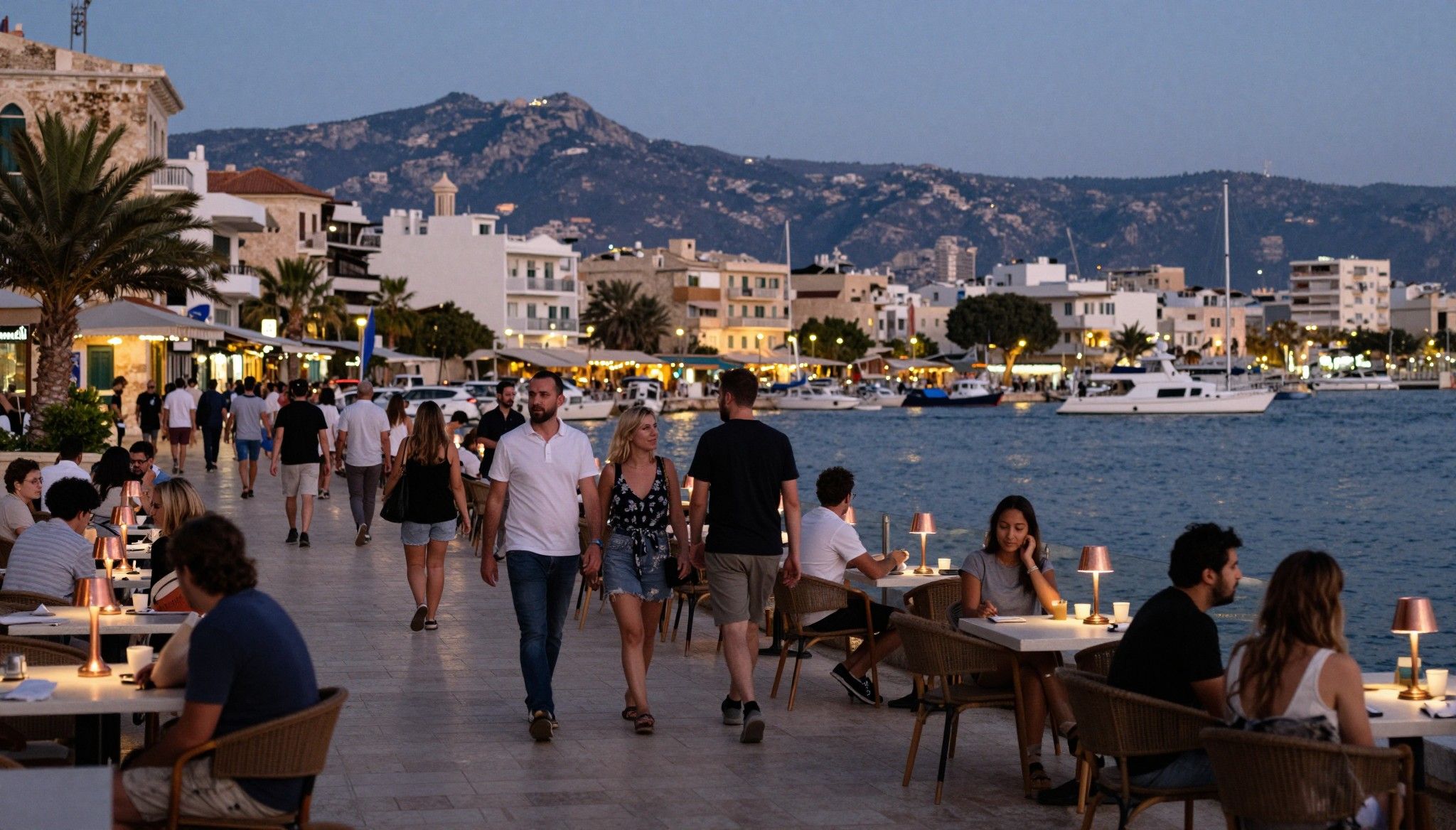
- Polignano a Mare and Monopoli, Puglia — fishermen’s markets and sea terraces
Making the move: practical considerations that preserve the life you want
Translating the dream into a purchase requires matching a lived budget to local realities: utility patterns, condominium fees, seasonal maintenance for a coastal home and the actual rental demand if you plan short‑let income. National averages are useful but secondary; an accurate plan uses neighbourhood‑level costs, and a brief diligence on recurring expenses will prevent surprises. Local agents who live the neighbourhood can estimate real running costs — from winter heating in a stone farmhouse to the cleaning schedule on a sea‑facing terrace.
Property styles and how they shape monthly costs
Historic apartments in palazzi often have high service charges and modest thermal efficiency; a restored farmhouse may demand garden care and irrigation costs. New build, while more thermally efficient, can lack the community of a narrow street with nearby cafes. When you compare properties, account for condominium charges, seasonal utility swings and local service availability — these combine to form the recurring cost of living more than the purchase price alone.
Working with local experts who live the same life you want
Engage an agency that understands both municipal detail and daily life: which streets flood in autumn, where summer tourism spikes, and which grocers deliver year‑round produce. Experienced local professionals provide cost estimates grounded in lived practice — not just listings — and can advise on seasonality that affects bills and rental income. Their knowledge reduces the gap between the lifestyle you imagine and the expense you actually incur.
- Steps to align lifestyle and budget when buying in Italy
- 1. Map your weekly life: markets, school routes, commute times and preferred cafés to prioritise neighbourhoods.
- 2. Request real running‑cost estimates from local agents: utilities, condominium fees, winter heating and garden care.
- 3. Compare seasonal price swings: consider off‑season benefits for house‑hunting and rental strategies.
Insider knowledge: what expats wish they’d known
Many arrivals discover that language and social entrypoints reduce costs more than bargaining. Knowing a local butcher, a parrucchiere, and the best market stall will lower monthly food bills while increasing quality. Expat communities cluster in pockets — in Bologna’s Santo Stefano, Florence’s Oltrarno, Genoa’s historic centre — and those social networks often provide practical tips that materially reduce living costs and onboarding friction.
Cultural rhythms that affect budgets
In Italy, timing is everything: a summer rental market will raise service costs and seasonal staff charges; winter holidays may reduce public transport frequency in small towns. Local festivals create temporary demand spikes for short‑let income but also for everyday services. Understanding those cycles lets you plan both lifestyle and cash flow with confidence.
Longer view: stewardship and resale rooted in place
Italy rewards considered stewardship. Thoughtful restoration and local‑led maintenance preserve capital and support sustainable living costs over decades. Whether you buy in a village with artisan trades or a city quarter with enduring cultural cachet, the long horizon — and respect for place — often produces better financial and lifestyle returns than chasing short‑term price movements.
- Red flags and simple checks before you commit
- Unusually low listing price on a coastal property without a local energy certificate or recent plumbing work.
- High condominium fees that include little visible service; ask for a three‑year ledger.
- Seasonal access issues — roads that close in winter, limited ferry links or summer-only services.
Conclusion: buy the life, not just the address. Start by choosing a neighbourhood that matches the daily rhythms you want, then let market data and local expertise refine the numbers. Use neighbourhood agents as cultural translators — they will help you reconcile aspiration with recurring costs and seasonal realities. When lifestyle and diligence align, Italy’s reputed expense becomes a refinement, not a barrier.
Dutch former researcher who moved to Lisbon, specialising in investment strategy, heritage preservation, and cross-border portfolio stewardship.