Italy: How Neighbourhood Rhythms Shape Real Living Costs
How Italy’s neighbourhood rhythms, seasonality and property type determine real running costs — practical, lifestyle-led advice backed by ISTAT and market research.
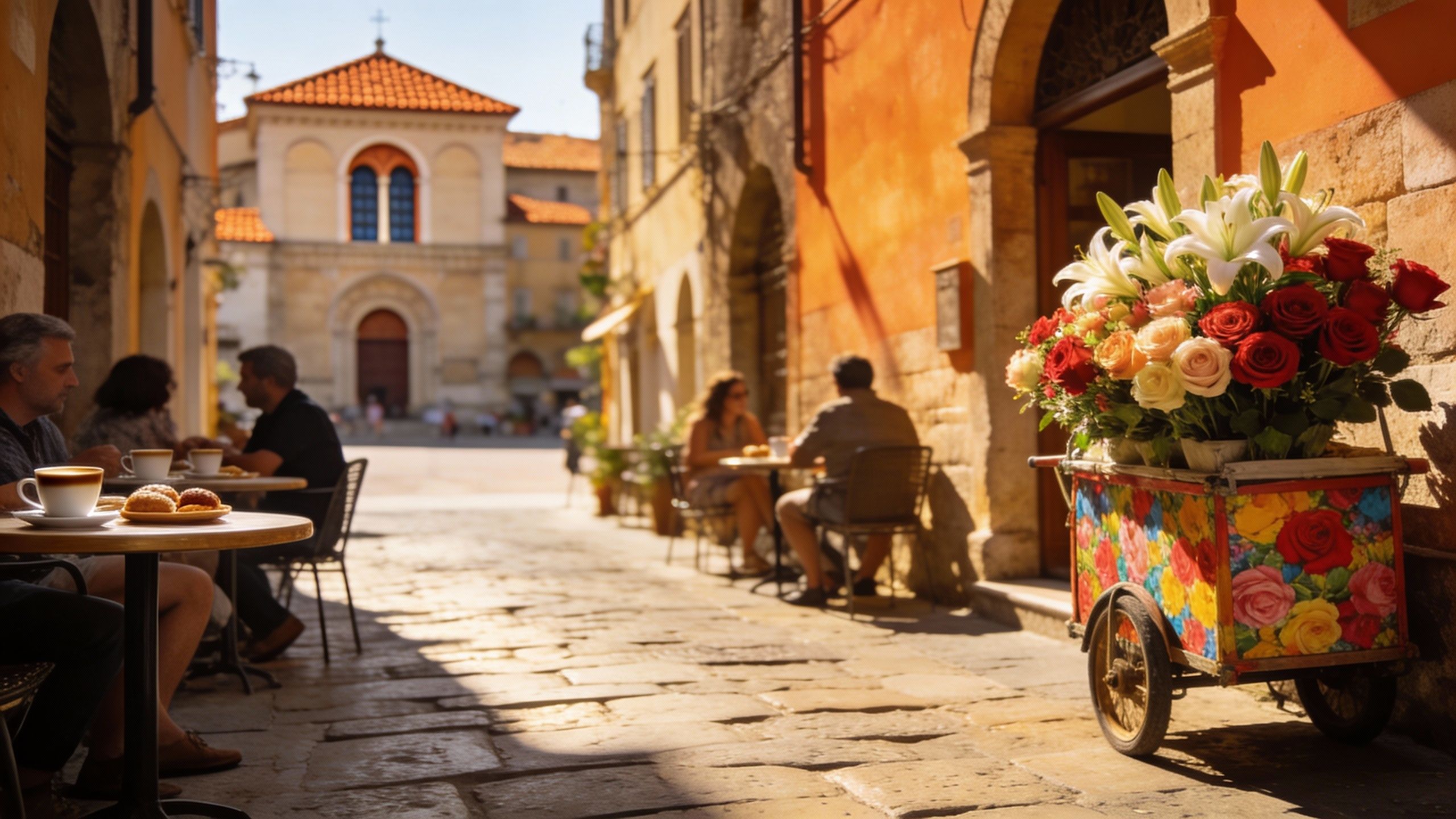
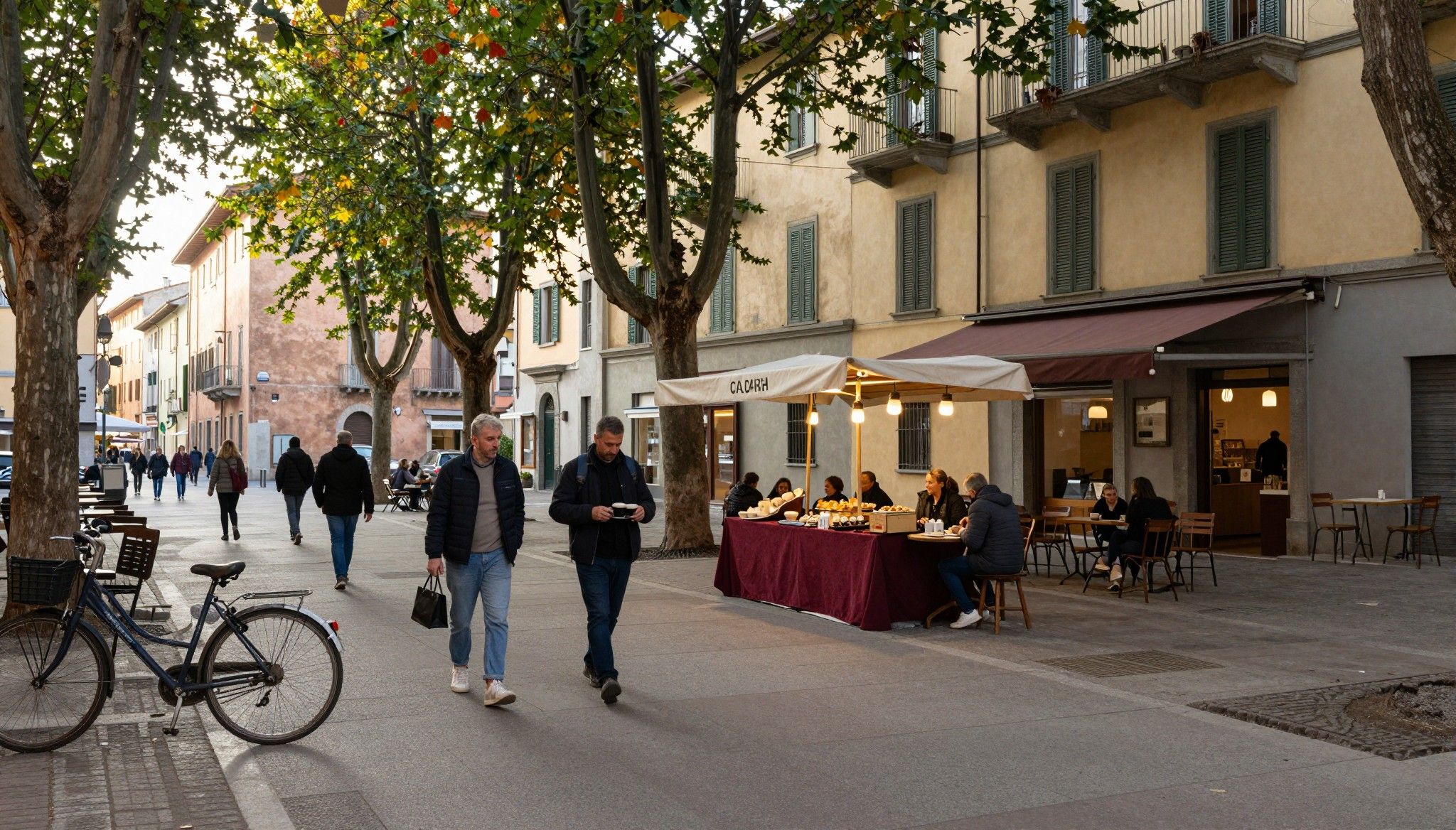
Imagine an early morning in Bologna: steam rising from porcelain cups at Caffè Zanarini, shutters opening along Via dell'Indipendenza, and a baker arranging warm focacce in a glass case. This is the texture of life most buyers fall in love with before they think about mortgage rates or renovation permits. Yet those rhythms — markets, seasons, regional costs — determine whether the love affair endures. Recent analysis from specialist property research shows how lifestyle choices in Italy map directly to living costs and investment outcomes.
Living the Italy lifestyle: daily rhythms that shape cost
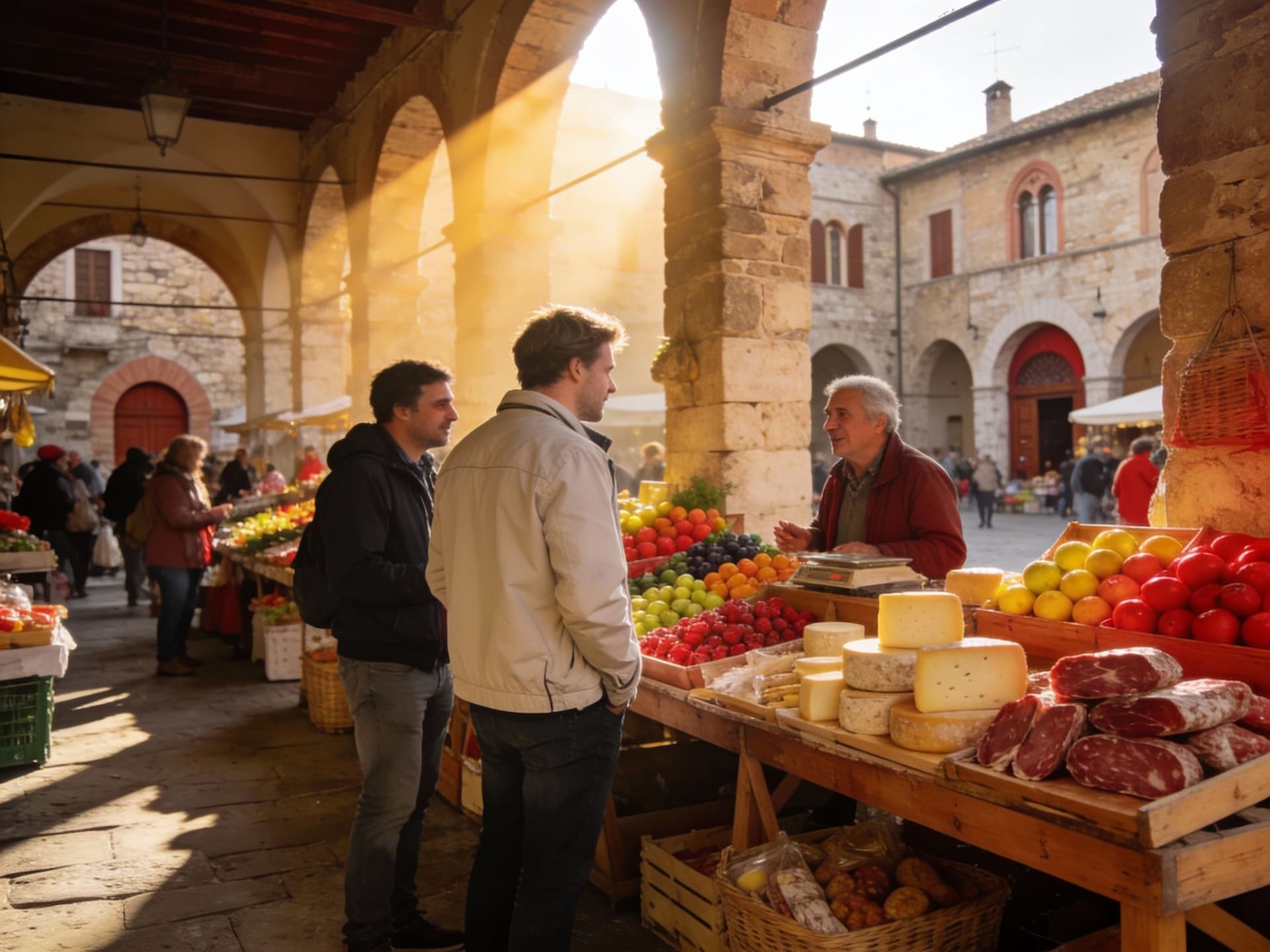
Italy is many small countries in one: the mercantile cadence of Milan, the courtyard hush of Florence, the slow sea-breeze life of Puglia. Daily costs follow those cadences — espresso at a corner bar in Naples costs less than a design café in Brera, utility needs rise in alpine towns during winter, and municipal taxes differ between comuni. To understand living costs here is to learn how people live: markets, family-run trattorie, and communal piazza life reduce entertainment and dining expenses but can add value to properties located on those streets where life is lived outdoors. Consider the lifestyle first and the ledger will follow; the two are inseparable in Italy.
City centre vs village: where lifestyle meets the ledger
A small, well‑restored apartment in Trastevere offers immediate access to cafés and evening passeggiata but carries higher service and communal costs than a stone farmhouse outside Umbria. Conversely, a countryside casa in Langhe gives privacy and land but higher heating costs in winter and longer runs to the market. In practical terms this means buyers must weigh daily conveniences against recurring expenses: regular taxi or petrol use, higher seasonal heating bills, and local service charges that vary by region.
Food, markets and saving where it matters
Local markets and seasonality are not merely charming; they are economical. ISTAT's recent consumer price releases show that food and household spending remain a material part of Italian household budgets, with regional divergence between north, centre and south. Shopping where producers sell directly — weekly mercato stalls, cooperatives, and small grocers — can materially reduce monthly living costs while deepening your connection to place. That rhythm of buying seasonally is one of the clearest ways to reconcile refined living with sensible expenditure.
Daily lifestyle highlights that also trim costs:
Morning espresso at a standing bar (saves €1–€1.50 per drink compared with seated cafés).
Weekly mercato purchases: seasonal fruit, regional cheese, and cured meats directly from producers.
Walking neighbourhoods: lower transport spend and a richer social life in piazza‑centred localities.
Making the move: practical considerations that preserve lifestyle value
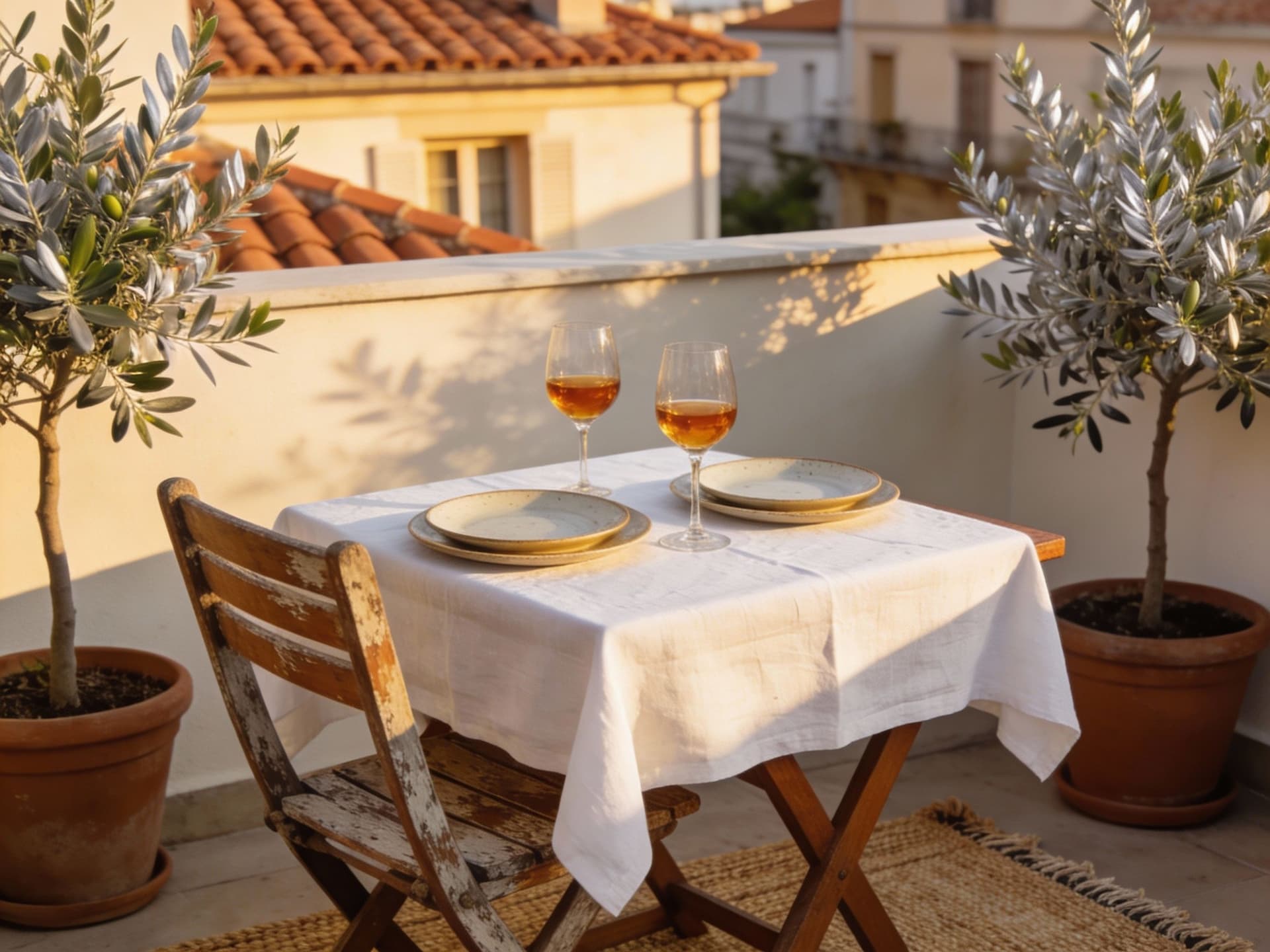
Buying in Italy is rarely impulsive; it is a stewardship decision. Property research firms note modest growth in rents and a stabilising market, which means that choices about neighbourhood and property type determine both monthly living costs and long‑term value. A central Milan apartment will command premium services and higher condominium charges, while a restored palazzo room in a smaller centro storico will carry preservation responsibilities — and correspondingly different cost structures. Use regional market data to align the life you want with the true ongoing costs of sustaining it.
Property types and the real cost of living in them
Historic apartments reward aesthetic and social capital but can demand bespoke heating solutions, seismic retrofits and artisan repairs. New builds offer efficient systems and lower short‑term maintenance but often sit outside historic cores, changing commute and social habits. When you measure cost, include anticipated maintenance, seasonal utility variance, and the likely need for specialist craftsmen. These elements, more than headline price per square metre, determine whether the property sustains the lifestyle you imagine.
Working with agencies who know the life, not just listings
An agent seasoned in local rhythms will point you to streets where neighbours gather at the same café, where municipal services are reliable, and where public transport fits your routine. That expertise reduces wasted viewings and uncovers properties with lower hidden costs — such as sensible orientation (lower winter heating bills), good water pressure, and discreet storage for winter gear. Seek agencies that present comparable running costs alongside listing prices; the best introduce you to local artisans who can estimate ongoing maintenance honestly.
Steps to reconcile lifestyle wish‑lists with realistic running costs:
List the daily rituals you refuse to give up (market visits, proximity to a café, sea access) and prioritise them against a realistic monthly budget.
Request historical utility bills and condominium minutes during due diligence to reveal recurring charges and planned works.
Factor seasonal variance: heating in the north, cooling near the coast, and tourist-season waste collection costs in popular villages.
Ask your agent to introduce a local architect or restoratore to estimate medium‑term works and their likely cadence.
Insider knowledge: what expats wish they'd known about costs
Expats often assume that Italian living costs are uniformly low; the truth is granular. Cities such as Milan and Rome have pockets where everyday costs approach other Western capitals, while smaller towns can offer remarkable value provided you accept different rhythms of life. Practical surprises include utility seasonality, local taxes that vary by comune, and the premium for properties immediately adjacent to sought-after markets and schools. These variables shape not only monthly spending but the long‑term pleasure you derive from the purchase.
Social integration, language and their hidden savings
Learning enough Italian to shop at markets and negotiate with local craftsmen pays dividends. Friendship networks unlock informal tradespeople, lower-cost local suppliers and invitations to meals that replace restaurant spending. Many buyers underestimate how much community reduces the friction and cost of everyday life; neighbours can recommend cheaper plumbers, share bulk olive‑oil purchases, and alert you to municipal discounts on services.
When seasonality becomes a cost driver
Tourist seasons change municipal practices: higher summer waste fees, increased local service charges in resort comuni, and occasional short‑term rental restrictions that affect income prospects. Winter brings higher heating invoices in the north and maintenance needs for older roofs and chimneys. Understanding seasonal cycles — both social and mechanical — turns an elegant house into a manageable home rather than an expensive hobby.
Common cost surprises from long‑term residents:
Municipal tassa (local service charges) that differ street by street.
Periodic condominium extraordinary works — budget for one every 5–10 years when in an historic block.
Practical next steps: marrying the dream with sound purchase practice
Begin by visiting the neighbourhood at different times: dawn market, midday quiet, and evening passeggiata. Ask local agents for running‑cost sheets, speak with current residents, and commission a short technical survey focused on heating, roof fabric and drainage. Where possible, budget a reserve equal to 10–15% of purchase price for medium‑term restoration or efficiency upgrades that both reduce running costs and enhance provenance.
Conclusion: Buy the life, budget the stewardship
Italy sells a way of life as much as it sells walls and roofs. Treat property selection as an exercise in crafting a sustainable daily life: prioritise the local rhythms you love, demand transparent running‑cost data from agents, and meet the craftsmen who will care for the place. Do these and the property becomes a home that rewards both the senses and the ledger.
Norwegian with years in Florence guiding clients across borders. I bridge Oslo and Tuscany, focusing on legal navigation, cultural context, and enduring craftsmanship.