Italy: How Neighbourhood Life Rewrites the Cost Ledger
Italy’s monthly living costs are shaped more by neighbourhood rituals and seasonality than headline prices; budget with local bills, market rhythms and stewardship in mind.
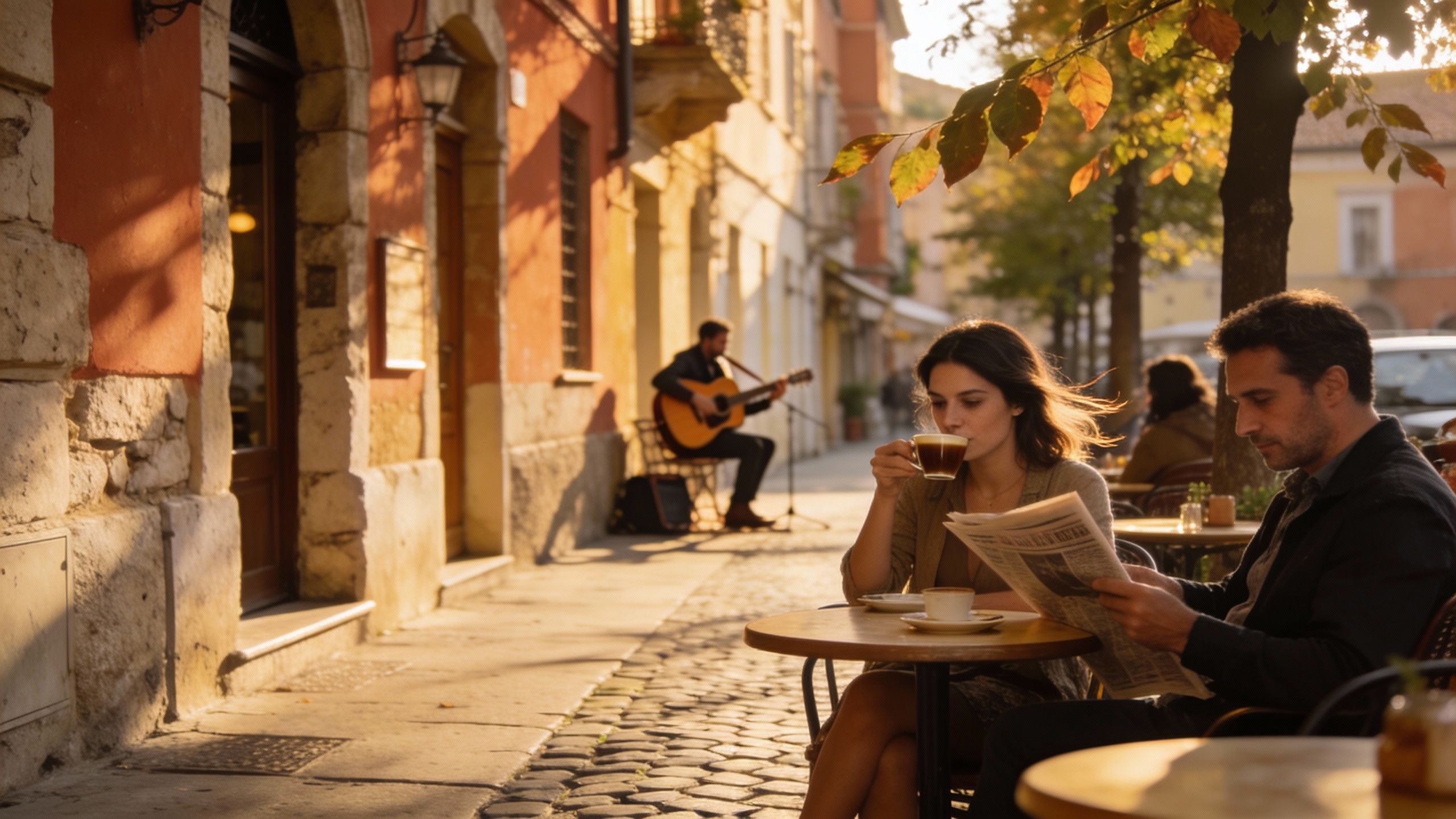
Imagine leaving your apartment door and, within minutes, finding a barista who knows your name, a market stall selling Sicilian oranges, and a piazza where conversation continues until dusk. That quotidian rhythm—coffee at first light, a late paseo, a weekly mercato—shapes not only how you live in Italy but what you should pay for when you buy. Recent market analysis shows Italy’s housing market settling into a slow recovery even as household spending patterns shift; for an international buyer, the true cost of living in Italy is as much about neighbourhood life as it is about a mortgage rate.
Living the Italy life: daily rhythms that define cost
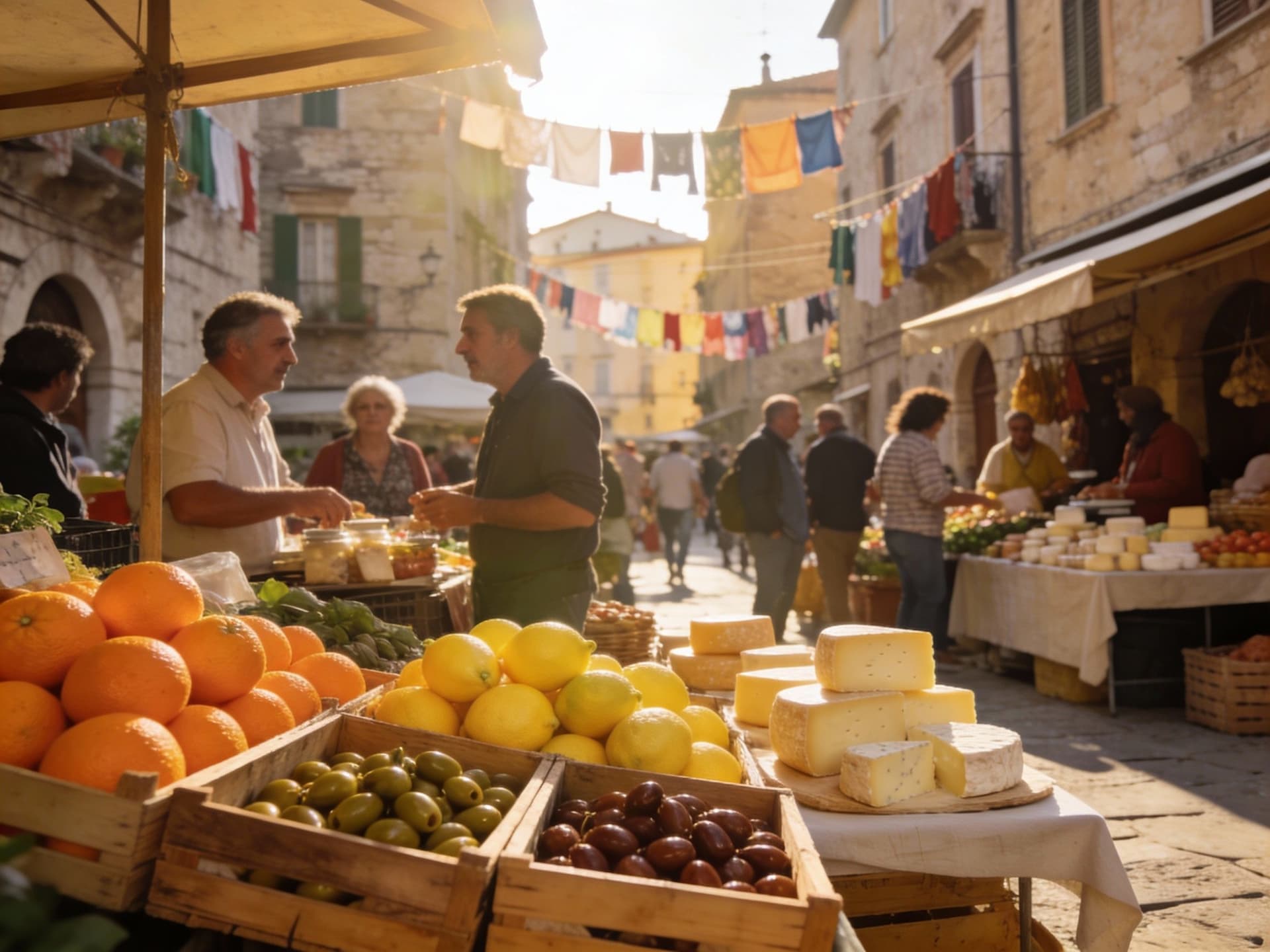
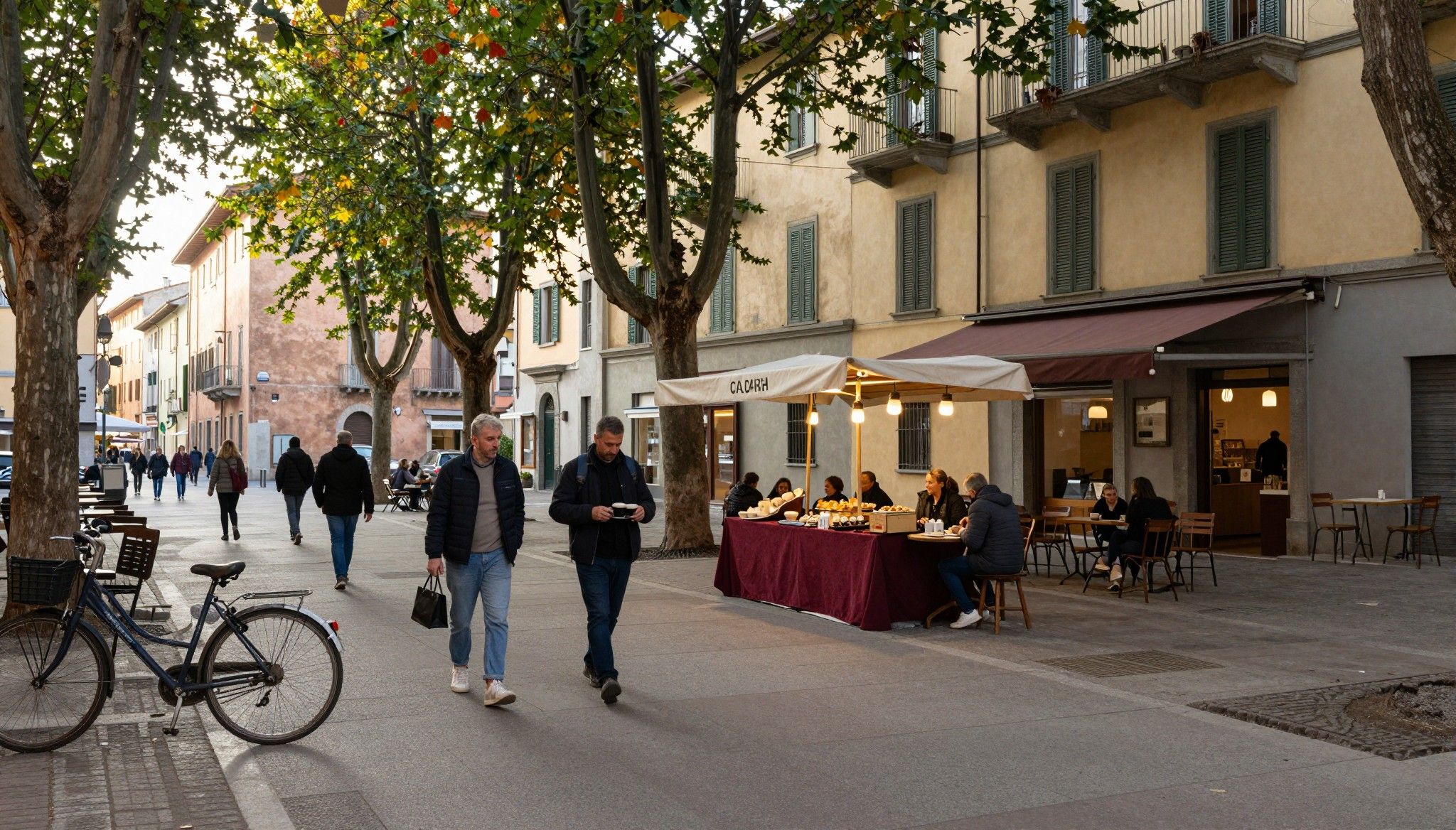
Italy’s expenses are best read through its daily rituals. A morning espresso and a cornetto at a corner bar will set you back a few euros; a table at a neighbourhood osteria is where friendships form and where food budgets are spent. National averages mask wide regional variation—northern cities typically register higher household expenditure than the Mezzogiorno—so lifestyle choices (dining out, private healthcare, international schooling) materially alter a buyer’s monthly outgoings. Government-collected data and expat surveys place a comfortable two‑person monthly budget in many cities around the low thousands of euros, excluding mortgage or large property expenses.
Neighbourhood spotlight: Trastevere to Brera — character that costs
Choose Trastevere in Rome and you buy into narrow cobbled lanes, late-night trattorie, and a social calendar of street festivals; choose Brera in Milan and you pay for polished galleries, fashion boutiques, and compact luxury apartments. The premium in each case buys proximate cultural life: morning markets, artisan bakeries, evening passeggiata. That premium affects everyday living—higher restaurant prices, boutique services, and transaction costs—yet it also preserves convenience and the slow, local pleasures that define Italian living.
Food, markets and seasonality: how taste shapes budgets
Seasonality is central: market purchases in spring and summer (berries, fresh tomatoes, seafood) lower weekly grocery bills compared with imported winter produce. Istat’s measures underline that food and transport account for large shares of household spending, and regional price weights shift with season and place. For buyers who prize a farm‑to‑table life—Tuscany’s markets, Naples’ street food, Sicily’s fish stalls—upfront property costs are often offset by daily living that feels both richer and, in some respects, more economical.
- Lifestyle highlights to factor into monthly costs
- Weekly mercato visits (Piazza Santo Spirito, Florence; Mercato Centrale, Rome) — fresh produce, convivial shopping
- Aperitivo culture (Milan’s Navigli, Bologna’s student bars) — social life with modest per-person cost
- Seasonal travel to family homes or seacoast (Amalfi, Liguria, Sardinia) — adds to annual living costs if you adopt a bicoastal life
- Local services and crafts (tailors, restorers, artisanal food) — sustaining quality of life and property maintenance
Making the move: the real costs behind the dream
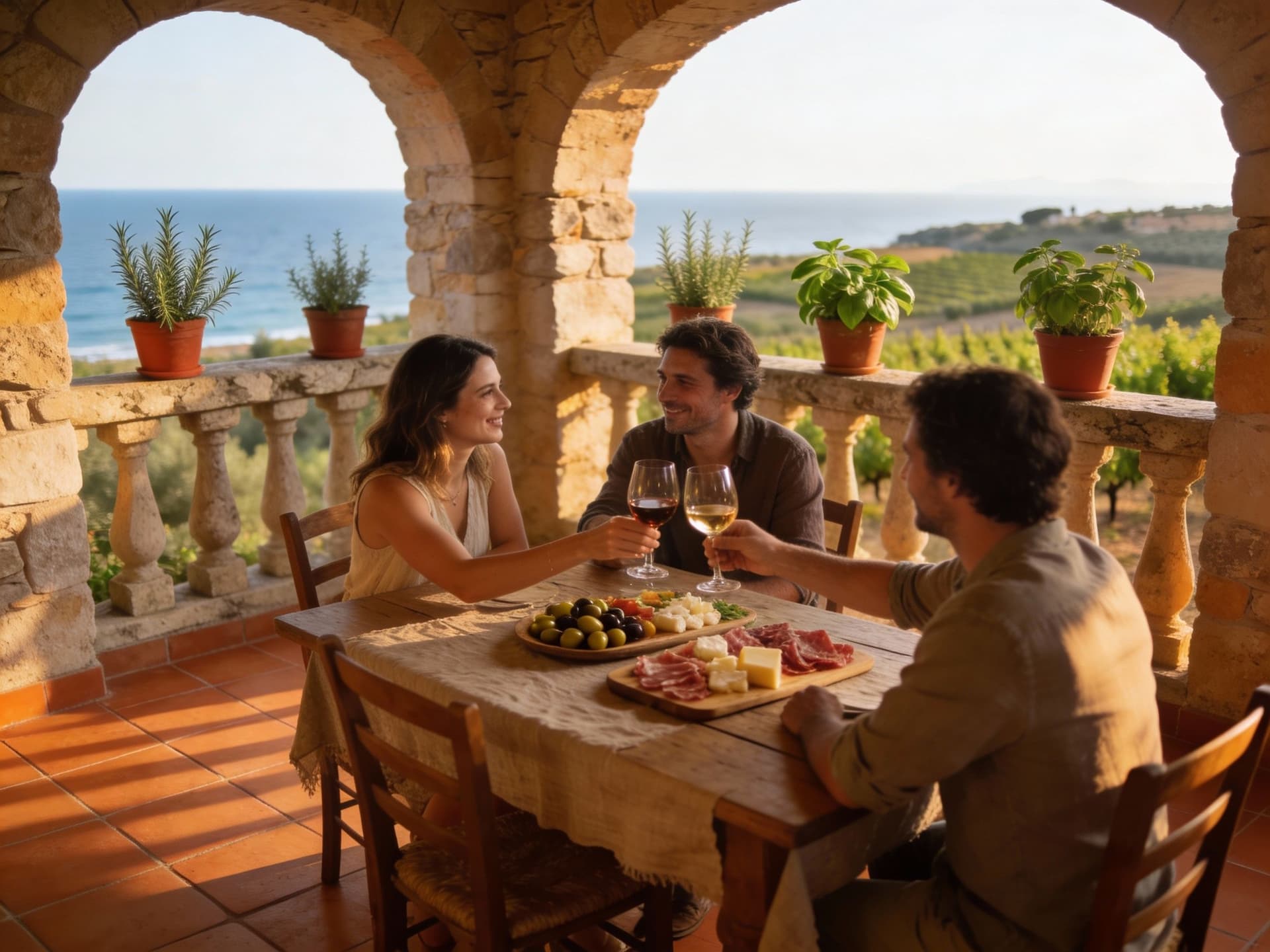
Transitioning from desire to deed requires attention to how market trends and everyday expenses interact. Nomisma’s outlook in 2025 anticipates modest price growth and an uptick in mortgage activity as rates ease. For international buyers, the decision is rarely binary: a centrally located apartment reduces commuting and invites daily social life but costs more; a villa outside town buys space and quiet but brings higher transport and running costs. Consider total cost of living—including utilities, community fees, seasonal maintenance, and lifestyle spend—when comparing listings.
Property styles and how they shape monthly life
An apartment in a historic palazzo requires different budgeting than a restored farmhouse. Thick stone walls and original shutters reduce heating costs in winter yet may demand specialist restoration that is costly. Newer constructions offer insulation and lower immediate utility bills but can lack the character that makes daily life in Italy distinct. Match property type to lifestyle: frequent urban socialising favours compact, well‑connected flats; a desire for land and self-sufficiency points to rural estates with vegetable gardens and a budget for seasonal upkeep.
Working with local experts who conserve lifestyle and value
A discerning local agent or architect will translate neighbourhood life into hard numbers: average utility costs for a period property, likely seasonal maintenance, and realistic restoration estimates. Agencies that specialise in heritage buildings can advise on artisan costs and energy upgrades that preserve character while lowering long‑term expenses. Use local expertise to forecast lifetime costs, not merely transactional fees.
- Steps to estimate true monthly cost before you buy
- Gather local price data (utilities, groceries, transport) for the municipality from statal and market sources.
- Ask your agent for recent bills from comparable properties (heating, water, condominium fees) and factor seasonal variation.
- Budget for one-off annual costs: IMU/TASI where applicable, insurance, and a restoration/maintenance reserve.
- Add lifestyle allocations: dining, travel to family or coast, private services (cleaning, gardening) and cultural activities.
Insider knowledge: expat realities and seasonal surprises
Expats often underestimate seasonal cost swings. Electricity and heating bills can double in colder months if a property relies on electric heating; conversely, summer in coastal towns brings higher local service demand and short-term rental income opportunities. Language and social customs also reshape expenditure: joining the local circolo or contributing to festa preparations is part of integration and can be inexpensive social capital—yet these are real recurring spends that deepen belonging.
Integration, language and daily life
Learning Italian materially reduces costs: negotiating with local artisans, understanding invoices, and accessing services at resident rates all become easier. Building friendships through neighbourhood rituals—bar mornings, volunteer church markets, football matches—lowers social friction and often leads to trusted, cost-effective local suppliers for maintenance and restoration.
Long-term lifestyle costs and generational stewardship
Think beyond five-year horizons. A well‑chosen property in a village with a stable community or in a conserved urban quarter will often appreciate in cultural and monetary value. Stewardship—appropriate restoration, energy upgrades sympathetic to heritage, and careful tenant selection if renting—keeps both your lifestyle and investment intact. The small costs of good craftsmen, quality materials, and patient conservation repay over time.
If you are ready to begin, prioritise neighbourhood life as you would a property ledger. Seek local evidence—recent energy bills, market tastes, artisan availability—and a market view supported by organisations such as Nomisma and Istat to quantify inflation and price trends. A measured selection process, guided by agents who value cultural fit and long‑term stewardship, will make the numbers align with the daily pleasures that brought you to Italy in the first place.
Conclusion — imagine: an evening conversation under a lemon tree, the murmur of a nearby market, the quiet confidence of a home that has been chosen with both heart and calculation. That balance—sensory life and pragmatic accounting—is the true cost of living in Italy. When you assess price, do not subtract the sound of church bells or a bakery’s oven; include them. Then ask an expert who knows both the ledger and the lane.
Former Copenhagen architect who relocated to Provence, offering relocation services, market analysis, and a curator’s eye for authentic regional design.