Italy: Living Costs and the Quiet Value Beneath Headlines
Italy’s living costs vary by neighbourhood and lifestyle; pair local observation with ISTAT, OECD and market data to budget for stewardship, not just purchase price.
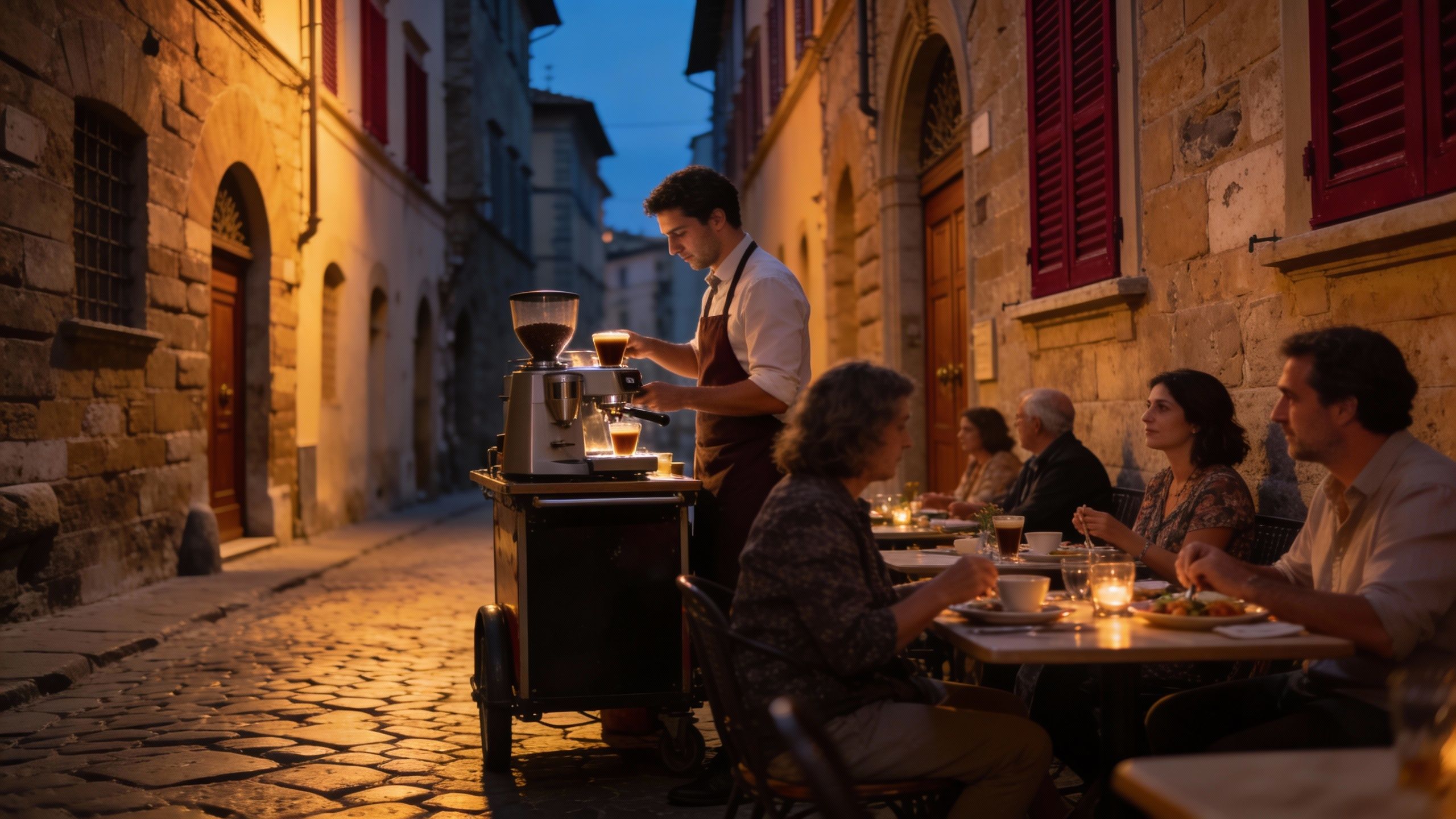
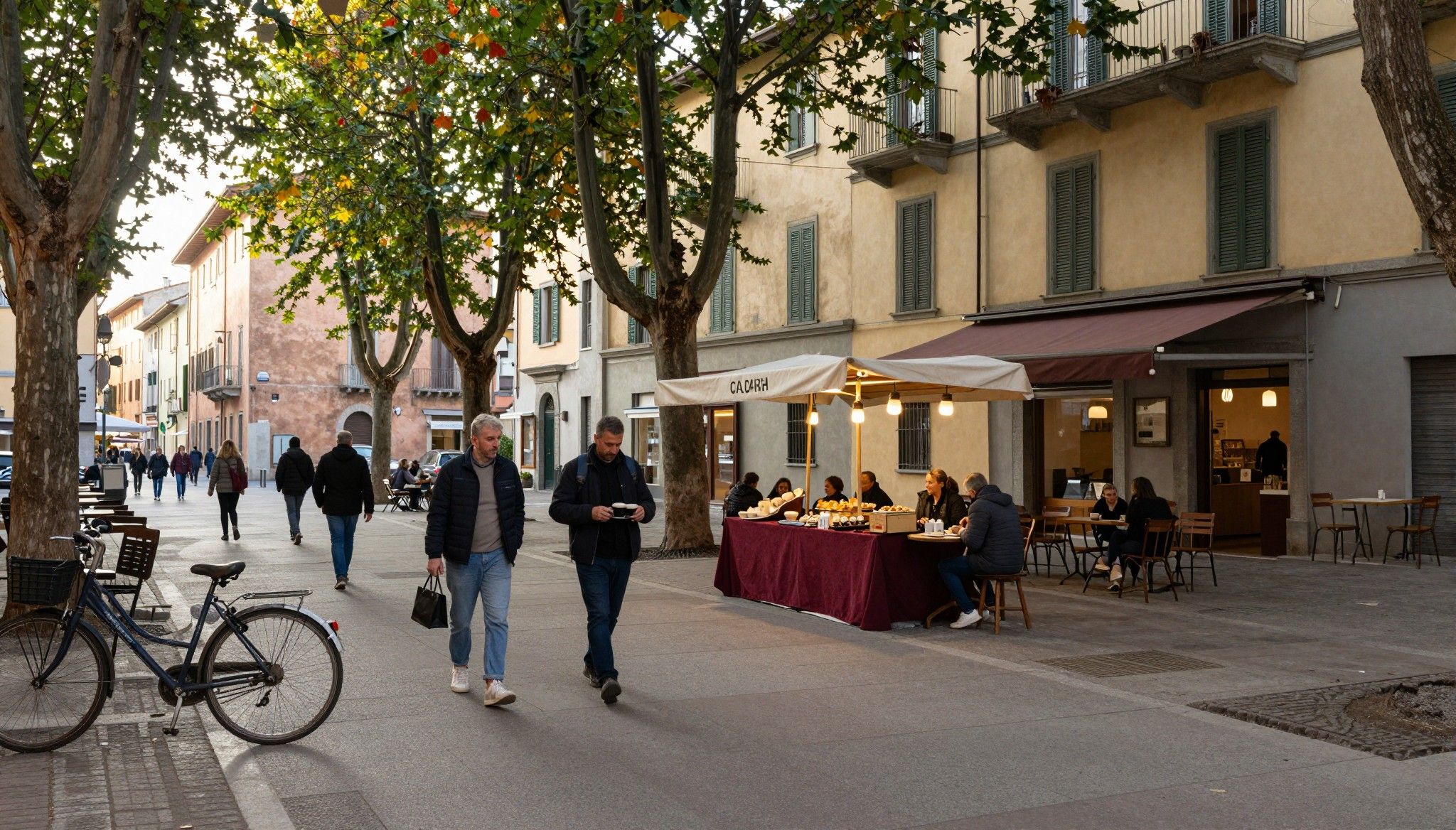
Imagine an early morning in Bologna: steam rising from a bar where neighbours trade news over cappuccino, a greengrocer arranging seasonal porcini and late‑summer tomatoes, and a stone palazzo whose shutters have been opened for generations. That rhythm — markets, small professions, measured hours — is what shapes the real cost of living in Italy, not a single headline figure. For international buyers the question is less “Is Italy expensive?” and more “Which Italy will I live in?” and how that choice changes monthly budgets and long‑term stewardship. Below, we pair the sensual, neighbourhood life with the data and local advice you need to plan with confidence.
Living the Italy lifestyle
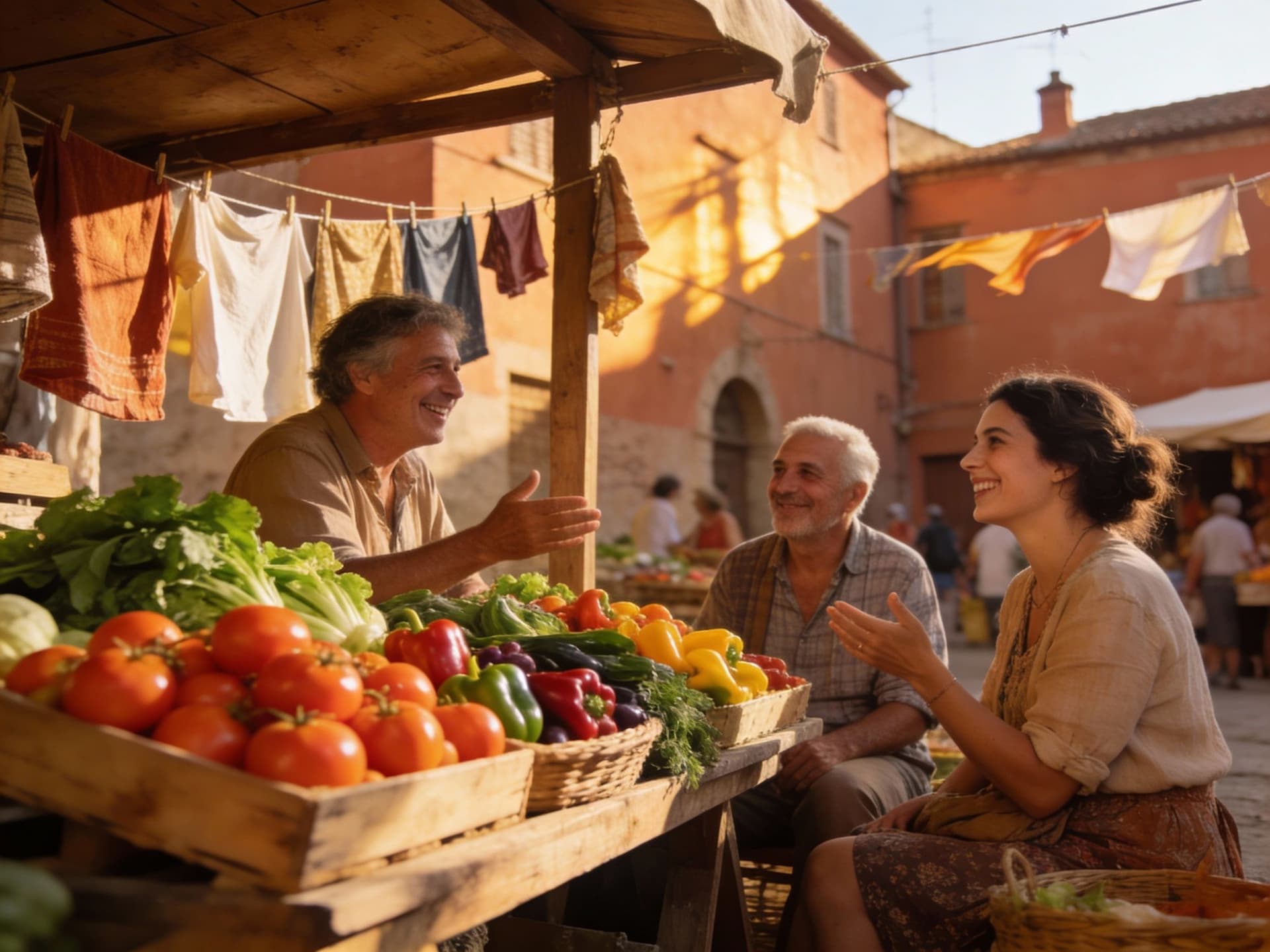
Daily life in Italy is organised around place: a morning espresso at a bar counter, a midday mercato, the later hour of dinner and conversation. Cost patterns reflect those rhythms — grocery bills are shaped by markets and seasonality, while housing cost varies wildly between Milan’s fashion districts and a village in Calabria. Broad indices such as Numbeo highlight city‑by‑city differences but they cannot substitute for the micro‑economy of a street or the maintenance realities of a 19th‑century palazzo. Read those indices as a starting point; treat neighbourhood observation and local agency insight as the decisive information.
Northern city pulse: Milan, Turin, Bologna
In Milan and other northern cities the tempo is brisk: contemporary services, co‑working hubs, international schools and a higher price base for both purchase and daily services. Expect café prices, private healthcare top‑ups and schooling to cost more, but also to deliver convenience and choice. The OECD notes that housing affordability varies greatly across regions; in practice this means your monthly living costs will be defined as much by commute times and building fabric as by headline rents. For buyers who prize urban life, budget for higher service costs and the premium that accrues to well‑located, well‑specified residences.
Historic city centres and the intangible premium
Owning in a centre such as Florence or the historic core of Palermo is to pay for story, light and fabric as much as for square metres. Older buildings bring lower running costs for heating in mild winters but higher periodic maintenance: roof terraces require masonry attention, timber windows demand careful sealing, and listed façades limit certain modernisations. Market reports from sources such as Idealista reveal that centre prices can diverge from provincial averages; factor in the cost of conservation and the value of immediate access to museums, cafés and a walkable routine when you compare budgets.
Making the move: practical considerations
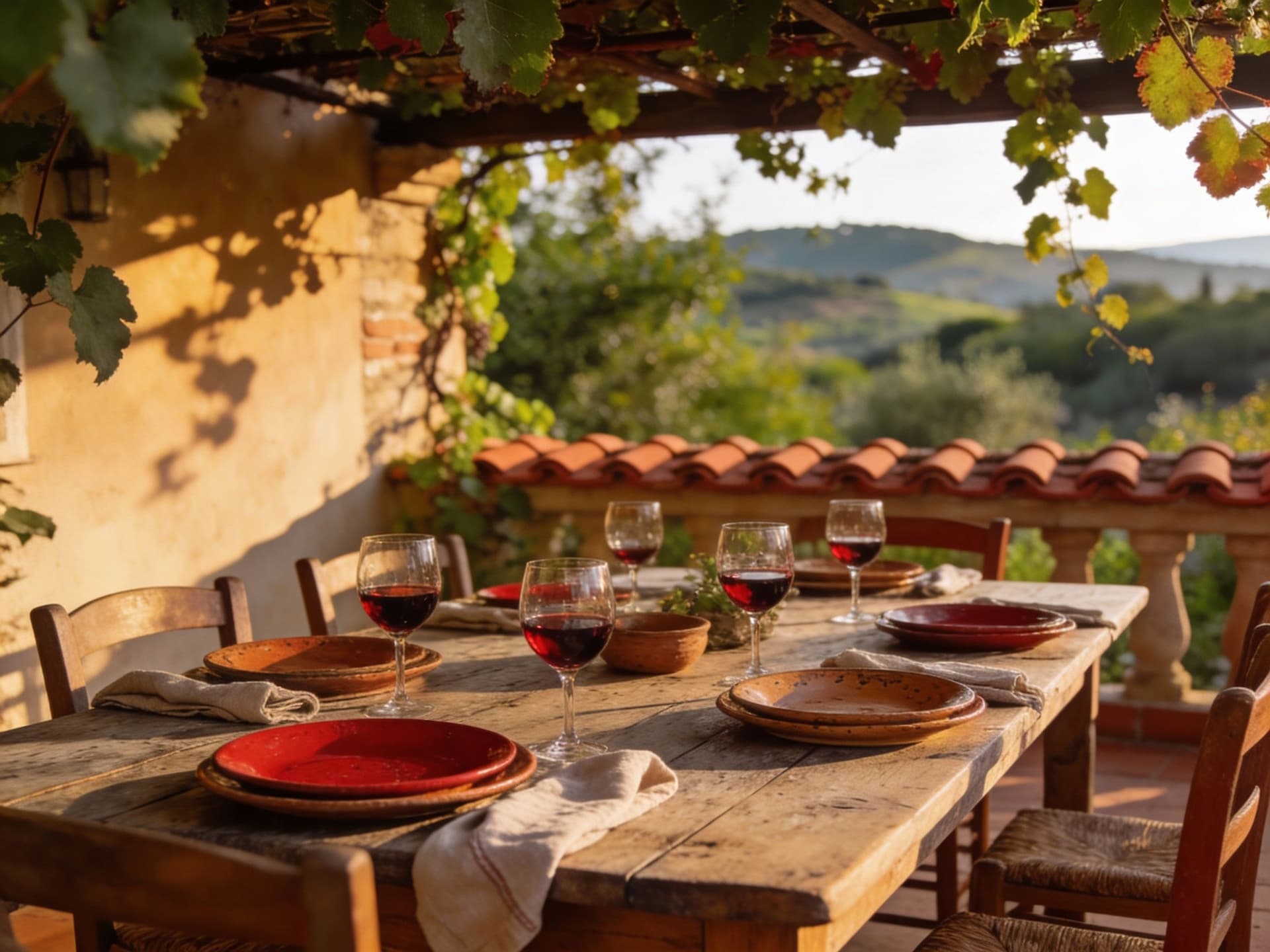
The romantic image of buying in Italy must meet practical realities: transaction timing, regional taxes, insurance and the ongoing cost of preserving older buildings. Macro indicators show modest inflation and a softening housing market in places, but pockets of resilience remain in metropolis centres and tourist hubs. Work with an agency that knows both the local market and the service ecosystem — tradespeople, notaries, accountants — because these relationships materially change maintenance and operational costs. Below are the property and service areas that most affect a buyer’s monthly and annual budget.
Property styles and the real cost to live there
A restored stone farmhouse in Umbria will have a different budget profile from a modern apartment in Porta Nuova, Milan. Farmhouses bring higher heating and occasional roofwork, but lower council taxes and the possibility of growing some food; new builds have better insulation, lower immediate maintenance and often higher condominium fees. Consider lifecycle costs: energy efficiency, roof and façade maintenance, and the availability of local trades. When we advise buyers we model 5‑ and 10‑year running costs, not only the purchase price, because stewardship in Italy is both a cost and a form of cultural participation.
Working with local experts who understand lifestyle and ledger
An agent who can narrate a neighbourhood — which baker, which market day, which local builder — is worth their fee for both lifestyle alignment and cost control. They will identify hidden charges (condominio reserves, historic‑building obligations) and realistic budgets for renovation. Seek agencies that provide contractor networks and written maintenance forecasts; this reduces surprises and keeps your monthly outgoings predictable. Agencies that combine architectural sensitivity with financial transparency are rare but decisive allies.
Budget factors every buyer should check
- Local property tax (IMU/municipal rates) and service charges — vary by region and building type.
- Condominium reserve funds and extraordinary maintenance contributions for historic buildings.
- Seasonal energy bills (heating in the north, cooling in summer on the coast) and metering regimes.
- Local trades availability — regions with active restorers command better long‑term upkeep prices.
Insider knowledge: what expats wish they'd known
Expat experience emphasises three practical truths: first, local life reduces living costs if you engage with it; second, international conveniences raise them; third, the season you arrive matters. ISTAT’s recent data shows low single‑digit inflation in 2024, but food and energy categories can swing budgets seasonally. Many expats find that if they eat locally, use seasonal produce and adopt local rhythms — later dinners, market shopping — they enjoy a higher quality of life at a lower net cost than expected.
Language, social integration and the wallet
A modest investment in language classes and local associations often returns in lower costs: better negotiation with builders, quicker municipal permit resolutions and warmer community support for small repairs. Integration reduces reliance on concierge services or imported goods and builds informal support that saves money over time. Expect to budget for an initial integration phase — language tutors, local memberships, and small hospitality gestures — which stabilises after the first year.
Longer term: how lifestyle choices change your balance sheet
Over five to ten years, choices about neighbourhood, building conservation and energy upgrades will outweigh short‑term swings in food prices or tourist season premiums. The OECD and property research note geographic disparity: invest in a well‑documented restoration and you preserve both lifestyle and capital. Consider lifecycle upgrades (insulation, double glazing, rainwater management) early — they cost upfront but reduce annual running costs and protect value.
Six practical steps before you commit
- Visit the neighbourhood at least twice — once in high season, once in quiet months — to feel running costs and community rhythm.
- Request a written five‑year maintenance forecast from the seller or a local architect to understand extraordinary costs.
- Ask your agent for recent utility bills and condominium minutes to reveal hidden recurring charges.
- Cost out replacements for fenestration, heating and roofing — these are the most common and expensive deferred works.
- Factor local taxes and IMU exemptions into cash flow modelling; these change with residency status and property use.
- Retain an independent surveyor with experience in historic fabric; their report will save both surprise costs and negotiation time.
Conclusion: Italy rewards those who observe. Choose a place first for how you intend to live — which markets you will walk, which cafés you will claim, which seasons you will favour — and then assemble the local expertise to make that life reliable. Agencies that combine an appreciation for craft and conservation with transparent cost modelling are the partners that convert affection into a sustainable, affordable life. If you would like, we can introduce you to local advisers who prepare the five‑year forecasts every discerning buyer ought to request.
Relocating from London to Mallorca in 2014, I guide UK buyers through cross-border investment and tax considerations. I specialise in provenance, design integrity, and long-term value.