Italy: How Lifestyle Choices Rewrite Living Costs
Italy’s varied rhythms mean lifestyle choices — city centre, coast, or countryside — dictate living costs; ISTAT and expat data help translate romance into a reliable budget.
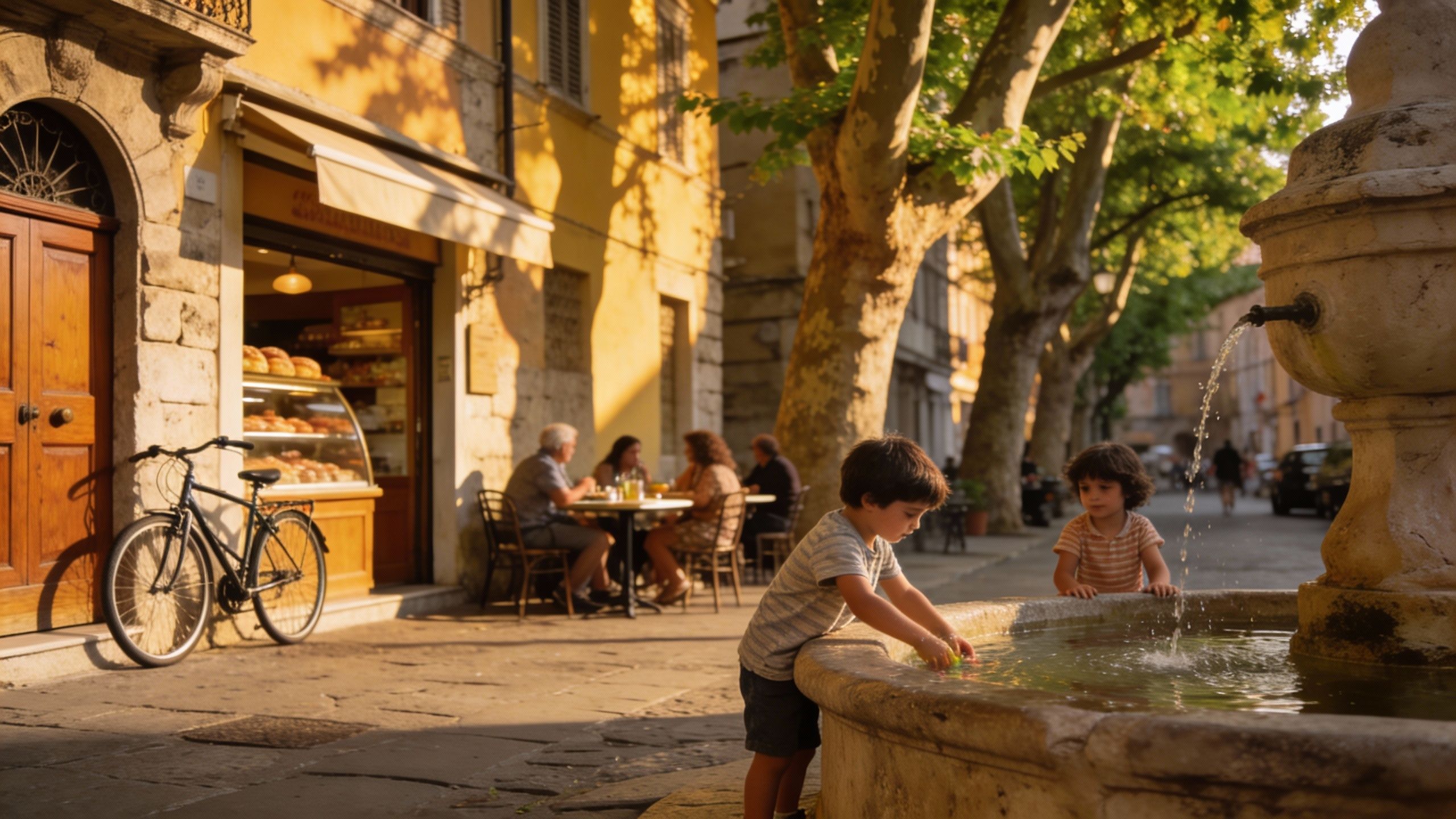
Imagine morning light on a narrow street in Trastevere, the clink of small ceramic cups, a baker opening shutters on pane rustico. That sensory clarity is what draws many of us to Italy — the daily choreography of cafes, mercados and piazze — yet loving a place and living affordably within it are separate questions. Recent market analysis shows regional divergence in prices and living costs, so the choice of neighbourhood rewrites your monthly budget as surely as it changes your address. This piece pairs the romance of Italian life with precise cost signposts to help international buyers imagine residence and plan realistically.
Living the Italy Life: rhythms and pockets of value

Italy is not a single tempo but a chorus: fast-paced mornings in Milan, measured afternoons in Florence, languid seaside time in Puglia. Monthly household spending varies markedly between North, Centre and South, with ISTAT and expatriate surveys placing average household outlays around €2,700–€2,900 per month — a useful baseline that conceals striking local contrasts. For an international buyer the practical implication is simple: choose a neighbourhood first for life you want, then test whether the ledger of everyday costs supports it. The following vignettes show how taste, season and neighbourhood determine what you pay and what you receive in return.
City centre provenance: Rome, Milan, Florence
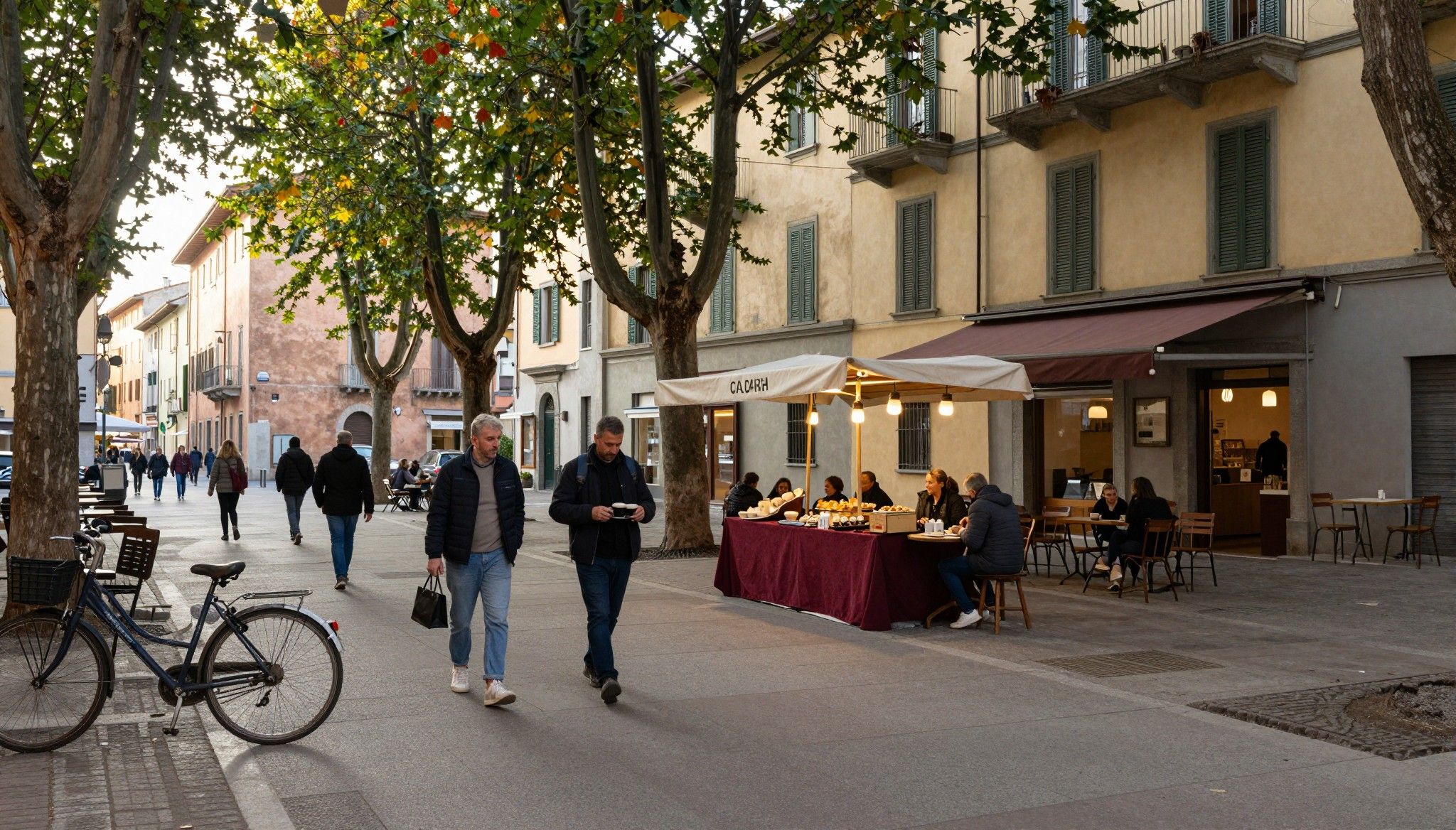
Historic centres carry architectural pedigree — frescoed facades, carved doorways, high-ceiling apartments — and with that comes a price premium. ISTAT house-price indices show modest national growth in recent quarters but sharper divergence at city level; prime Milan and central Rome prices commonly sit well above national averages. If you prize provenance and are prepared for higher purchase and maintenance budgets, central locations deliver cultural density and rental appeal; if you prefer the same style at lower cost, look one tram stop out where eighteenth‑century character often meets quieter pricing.
Coastal life and the seasonal ledger
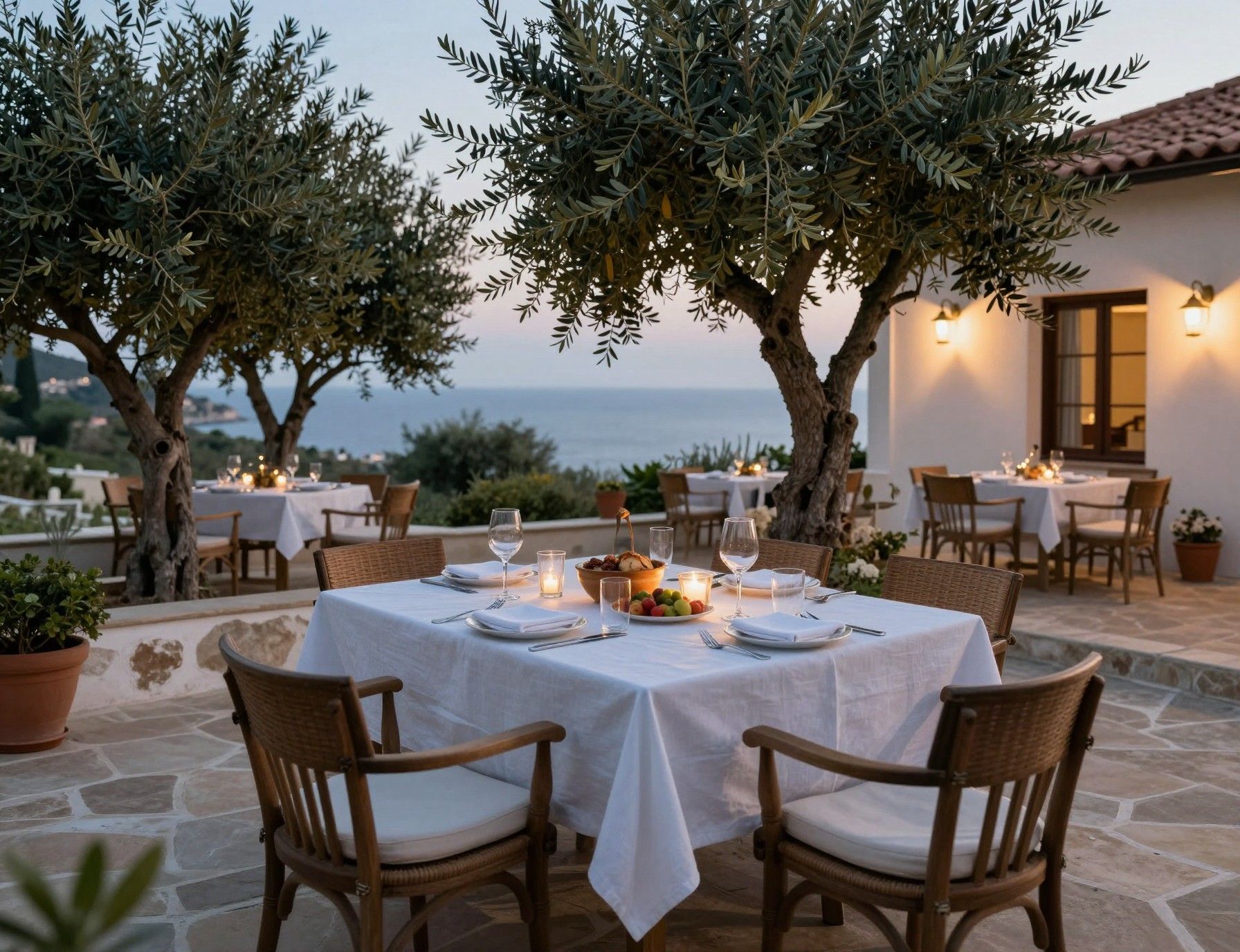
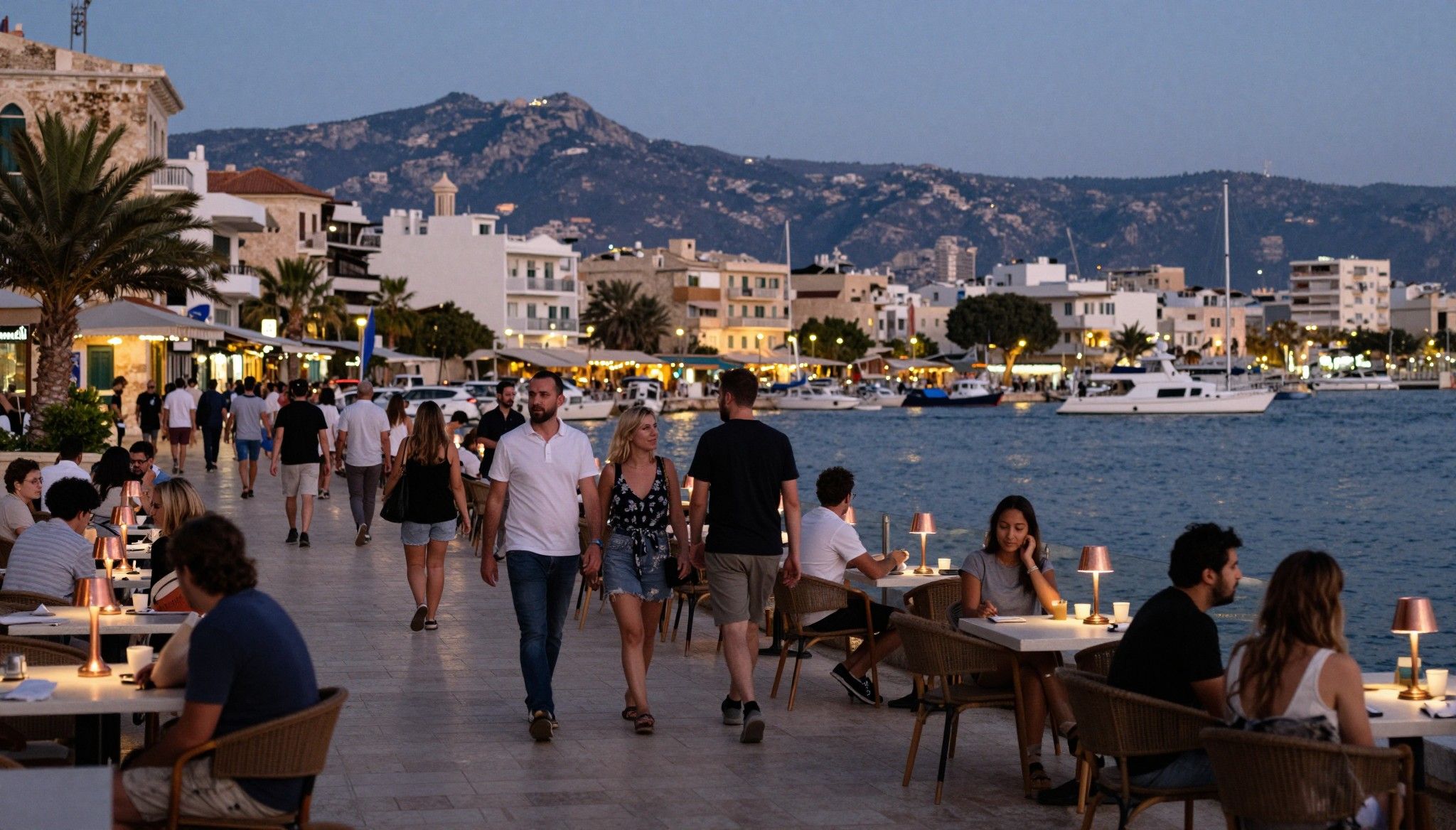
Seaside towns from Liguria to Puglia offer sunlit terraces and seafood markets, but they also introduce seasonality into costs: utility spikes, short-term letting income and maintenance cycles. Coastal properties can look attractively priced off-season; yet you must allow for higher cleaning, security and occasional vacancy costs if you plan part-time use. The trade-off is living by the sea — salted air, morning swims, fishermen’s markets — a lifestyle that often rewards patience and local relationships more than speculative flipping.
Neighbourhood and lifestyle highlights to test in person
- Historic centre apartment: morning market on Via Cola di Rienzo, artisan bakery, congregation of cultural institutions
- Trastevere/Oltrarno‑style neighbourhood: cobbled lanes, family trattorie, an active piazza life suited to walkers
- Smaller city districts (e.g., Bologna’s Santo Stefano fringes): livable urban texture with lower per‑square‑metre prices
- Seaside villages (e.g., Salento towns, Cinque Terre periphery): seasonal vibrancy, modest year‑round local services
Making the move: practical considerations that preserve lifestyle

Turning affection into a purchase requires mapping lifestyle priorities onto the tax, maintenance and market realities of each region. National indices show modest price increases, but those averages can mislead: a single‑street difference in Rome or a block in Bologna can change both view and annual running costs. Work with advisors who understand local council taxes (IMU/TARI), energy systems, and heritage protections that affect renovation budgets. Practical diligence allows you to keep the pleasures — morning espresso, market produce, evening passeggiata — without unexpected drains on your monthly finances.
Property types and the true cost of living with them
A central apartment conserves heating and often benefits from shared maintenance but may incur higher condominium levies and limited outdoor space. A restored country villa offers gardens and privacy yet brings grounds maintenance, seasonal heating bills and potential access costs for remote services. Consider energy class (classe energetica) and envelope quality — these materially affect winter bills — and budget for artisan‑grade maintenance where original materials (stone, terrazzo, timber beams) are prized and require specialist care.
Working with local experts who preserve lifestyle intent
A local agency grounded in stewardship will introduce you to streets, not just square metres, and will quantify ongoing costs in the neighbourhood you love. Ask agencies for recent running-cost case studies: monthly utility invoices, condominium statements and examples of renovation quotes for comparable properties. Those documents convert romance into a reliable cash flow model, whether your plan is full‑time residency, seasonal use or careful leasing.
Steps to reconcile lifestyle and ledger
- Visit target neighbourhoods across seasons to experience noise, services and local commerce firsthand.
- Request recent utility and condominium statements from sellers or agents to model monthly outgoings precisely.
- Factor specialist maintenance (stonework, fresco preservation, roof tiles) into your annual budget rather than treating it as exceptional.
- Assess rental demand and short‑term letting regulations locally if rental income is part of your financial plan.
Insider knowledge: what long‑term residents wish they'd known
Expats and returning Italians repeatedly tell the same truths: language opens doors to local pricing and better tradespeople; buying for lifestyle often yields steadier satisfaction than speculative purchase; and seasonal realities — quieter winters in coastal towns, busy summers in tourist centres — shape both living costs and personal happiness. Inflation has been modest in recent years, but utility and service costs can differ regionally; anticipating those differences keeps budgets honest and life comfortable.
Cultural nuances that alter your cost picture
Neighbourhood generosity — invitations to dinners, collective festivals, maintenance of communal stairs and gardens — often substitutes for paid services in towns with strong civic ties. Conversely, more transient or tourist‑heavy streets can demand more paid services and yield higher prices for everyday goods. Understanding these social economies changes how you estimate monthly spending and where to allocate funds for integration versus convenience.
How life matures: sustainability of your chosen lifestyle
Over five to ten years, neighbourhoods evolve: new cafes appear, transport links shift commuting patterns, and local services adapt to resident needs. Budget for this evolution by choosing properties with architectural resilience — sound masonry, classic proportions, adaptable floor plans — which retain both lifestyle quality and resale appeal. A considered purchase respects provenance while allowing modest, high‑quality interventions that sustain comfort and reduce long‑term operating costs.
Conclusion: live first, then buy with full knowledge. Fall in love with a street, a market, a time of day — but ground that affection in documents: recent utility bills, condominium minutes, local sales comparables and an ISTAT‑backed sense of where prices are moving. Work with agents who can translate neighbourhood rhythm into an annual budget and who value heritage as much as return. That balance is the distinguishing pleasure of living in Italy: a life shaped by craftsmanship, community and measured beauty, supported by a ledger you can trust.
Former Copenhagen architect who relocated to Provence, offering relocation services, market analysis, and a curator’s eye for authentic regional design.