Italy: How Neighbourhood Life Rewrites Your Budget
How daily rituals, neighbourhood character and real 2025 market data reshape living costs in Italy — lifestyle first, practical steps to budget and buy.
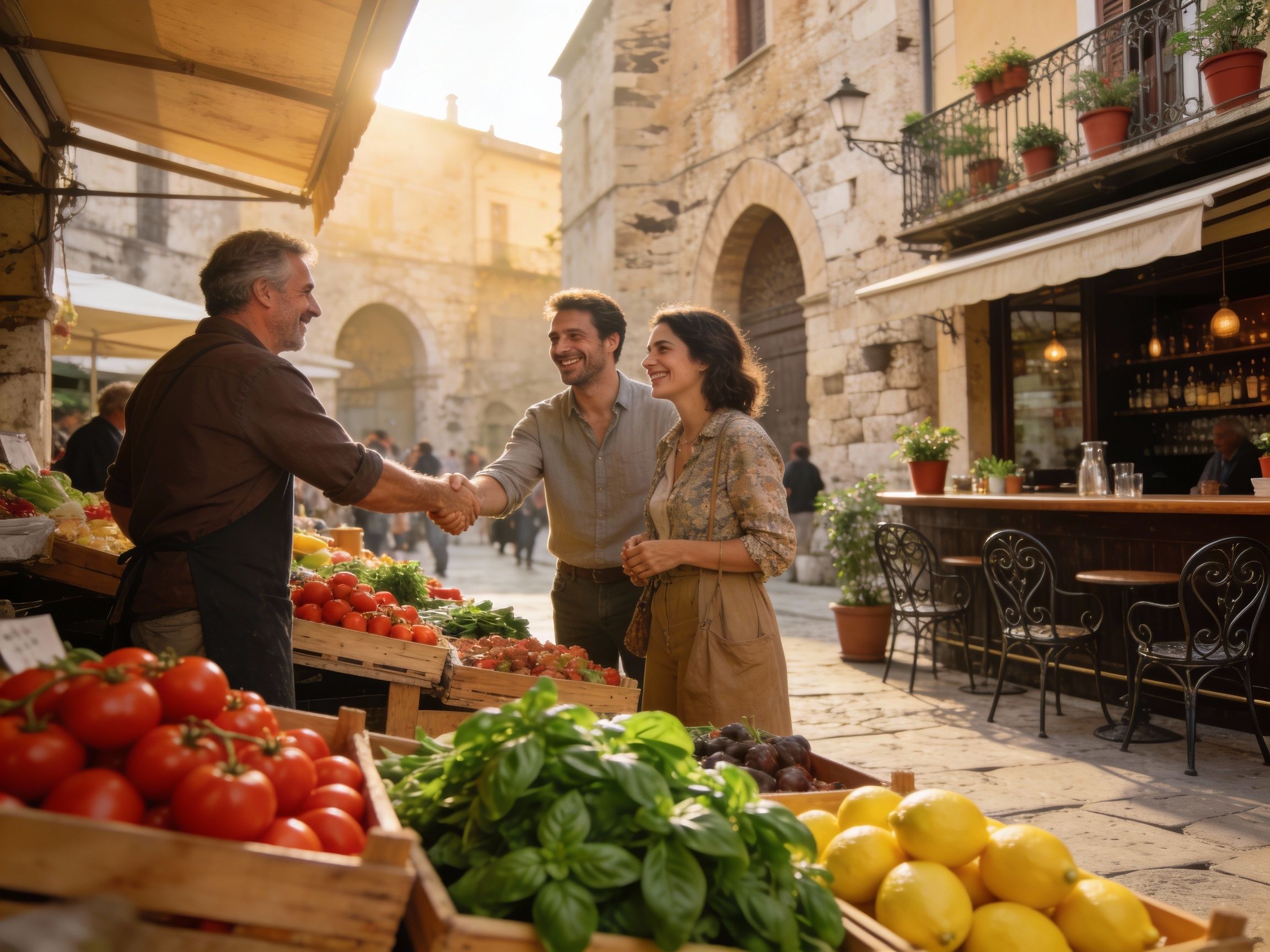
Imagine an early morning in Trastevere: a barista pulling espresso, light on ancient cobblestones, an elderly neighbour buying bread at the same forno each day. Italy lives in these small, persistent rituals — market stalls, aperitivo rhythms, and neighbourhood piazzas that define both cost and character. For an international buyer, understanding living costs in Italy is therefore as much about these daily choices as it is about headline prices. This piece pairs that lived atmosphere with current market data so you can imagine life first and then make a practical decision.
Living the Italian Lifestyle
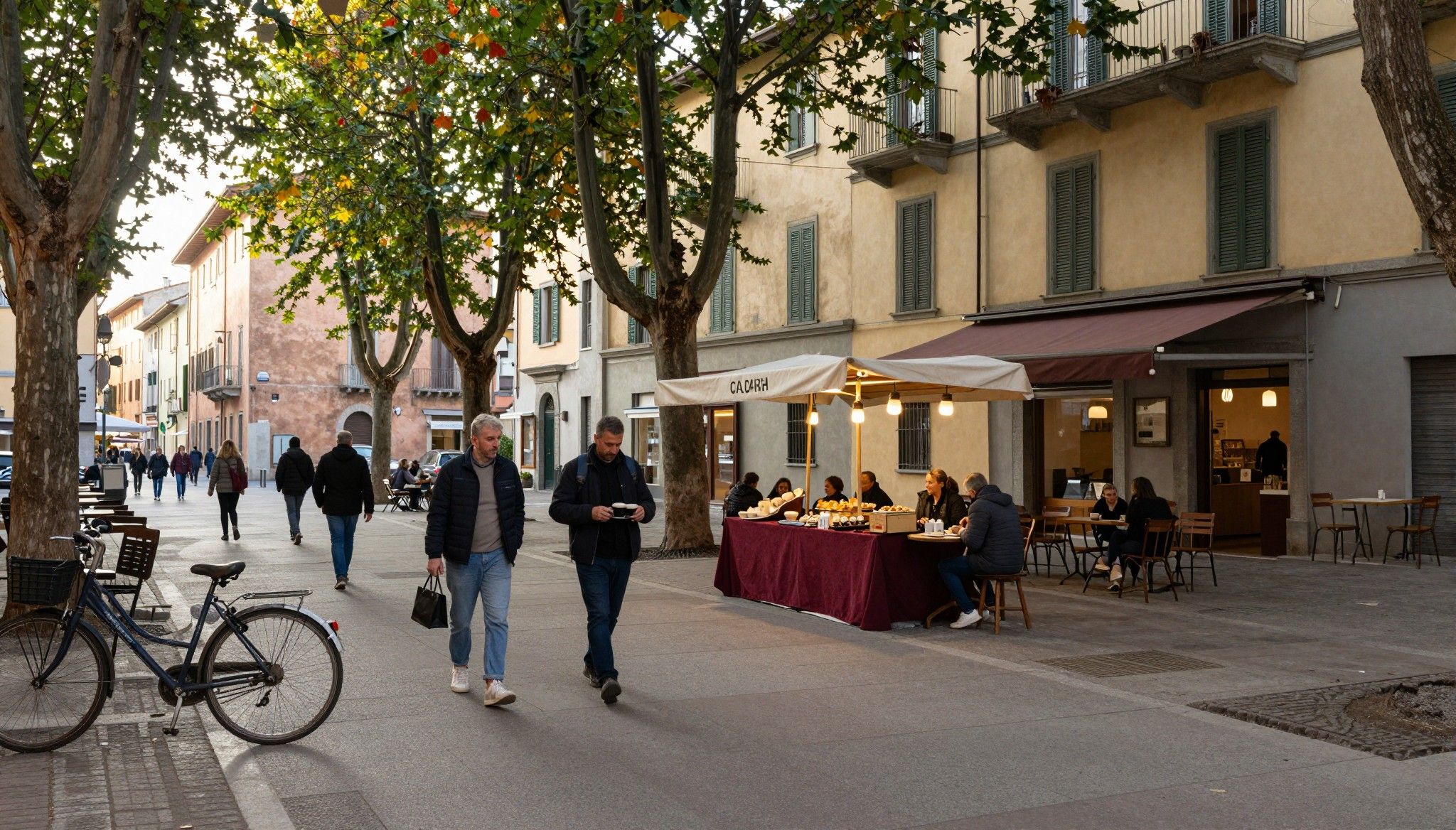
To live in Italy is to trade in tempo and texture. Morning markets in Bologna’s Quadrilatero, an afternoon espresso on Milan’s Via Brera, and slow dinners in Florence’s Oltrarno each shape what you spend and how you spend it. National averages mask sharp local contrasts: Milan’s rent and lifestyle premiums are notable while provincial towns in Emilia-Romagna, Le Marche or Abruzzo offer disproportionate quality for a lower outlay. Use city indices as a starting point, then overlay neighbourhood rituals to know what budget buys you in practice.
City and neighbourhood contrasts: Milan, Rome, the coast
Milan combines high professional salaries with correspondingly high rents and dining bills, especially in Brera and Porta Nuova where boutique stores and Michelin kitchens cluster. Rome’s historic centre and Trastevere are about atmosphere — you pay for proximity to monuments and trattorie; move to Monteverde or Trieste and your lifestyle dollars stretch further. On the coast, towns such as Positano or Capri command seasonal premiums, while Puglia’s Ostuni or Liguria’s Cinque Terre alternatives deliver coastal living at a gentler cost outside peak months.
Food, markets and daily spending
Groceries and dining form a surprisingly large slice of monthly outgoings — but they are also where astute buyers economise without sacrificing quality. Shopping the mercati for seasonally abundant produce, using neighbourhood macellerie and forni, and favouring family-run osterie will halve your food bill compared with eating out in tourist-heavy squares. Utilities and heating deserve attention: older masonry homes can be charming but costly to heat in winter, whereas well-restored properties often include upgraded insulation and efficient boilers that reduce year-round costs.
- Lifestyle highlights to budget for and enjoy
- Morning espresso at Sant’Eustachio (Rome) or Pasticceria Marchesi (Milan)
- Weekly market shopping at Campo de' Fiori, Mercato Centrale (Florence) or Mercato di Porta Palazzo (Turin)
- Seasonal coastal escapes: Amalfi Coast in May/September rather than August
- Neighbourhood aperitivo culture: Navigli evenings in Milan or sunset spritzes on Venetian canals
Making the Move: Practical Considerations
The romance of Italian living meets a pragmatic property market that rewards preparation. National data show modest inflation and a measured real estate recovery, but regional dynamics vary markedly. From a buyer’s perspective you must reconcile the lifestyle you want with structural realities: local supply of restored historic homes, seasonal tourism pressure, and the cost of retrofitting older properties for modern comfort. A local adviser who understands both neighbourhood life and renovation realities is indispensable.
Property types and how they shape living costs
A palazzo apartment in Florence offers high ceilings, historic detail and central convenience but often carries higher condominium fees and heating costs. A restored farmhouse in Tuscany or Le Marche brings land, autonomy and lower municipal charges but requires maintenance budgets for roofs, wells and access roads. Newer apartment buildings in Turin or Bologna offer predictable utilities and lower maintenance — attractive for part-time residents or those seeking minimal management.
Working with local experts who know the lifestyle
Engage an agent who demonstrates local lifestyle fluency, not just price lists. Tour neighbourhoods at different times of day to feel commuting, evening, and weekend rhythms. Inquire about community costs — condominio, TARI (waste tax), and seasonal energy demand — before making an offer. Ask for references from recent international clients and examples of renovations they supervised. Secure a local notary and solicitor early; their knowledge of municipal rules and past property deeds prevents late surprises.
Insider Knowledge: What Expats Wish They'd Known
Expats often arrive enchanted and then are surprised by recurring, small costs. Seasonal energy bills, municipal taxes, and periodic building levies can add up more quickly than anticipated. Conversely, once you learn local habits — shopping markets, using local tradespeople, and timing travel outside peak months — your day-to-day living cost falls significantly while quality rises. Language helps: a few phrases open doors, but exemplary agents and trusted neighbours accelerate integration.
Cultural integration and finding your community
Italians live locally. Joining a market morning, volunteering at a festa, or frequenting a single barista builds social capital more quickly than joining expatriate groups. For families, neighbourhoods with active parishes and local sports clubs provide social anchors; for professionals, Milan’s coworking scene connects you faster to local networks. Expect a slower initial social pace but a deeper neighbourhood belonging once reciprocity forms.
Longer-term lifestyle costs and stewardship
- Plan for these enduring costs and considerations:
- Periodic roof and façade maintenance on historic homes; budget annually rather than episodically.
- Seasonal tourism tax and short-term rental regulation if you plan to let out the property.
- Energy retrofits: insulation and efficient boilers usually pay back in comfort and lower bills.
- Steps to reconcile lifestyle desire with a practical budget
- 1. Identify the daily rituals you will not compromise (market, commute, schools) and cost them. 2. Choose three neighbourhoods that support those rituals and compare real rental or purchase listings at the street level. 3. Engage a local agent to audit running costs (condominio, utilities, local taxes) for comparable properties. 4. Reserve 10–15% of purchase price for immediate adaptation and a modest annual maintenance fund thereafter.
When you buy in Italy you buy into living patterns as much as stone and timber. The right neighbourhood gives you a weekly market, a reliable baker, and a route for the Sunday paseo — these are the things that transform a purchase into a home. Practically, a local agency attuned to that lifestyle will surface properties that look right on paper and feel right in practice. Begin with visits in differing seasons, assemble a shortlist, and then let careful local counsel translate aspiration into a sustainable budget.
Relocating from London to Mallorca in 2014, I guide UK buyers through cross-border investment and tax considerations. I specialise in provenance, design integrity, and long-term value.