Italy’s Cost Rhythm: Neighbourhoods That Shape Your Budget
Italy’s romantic scenes mask a regional cost map: housing and neighbourhood rhythms, not groceries, determine whether the lifestyle you love is affordable long term.
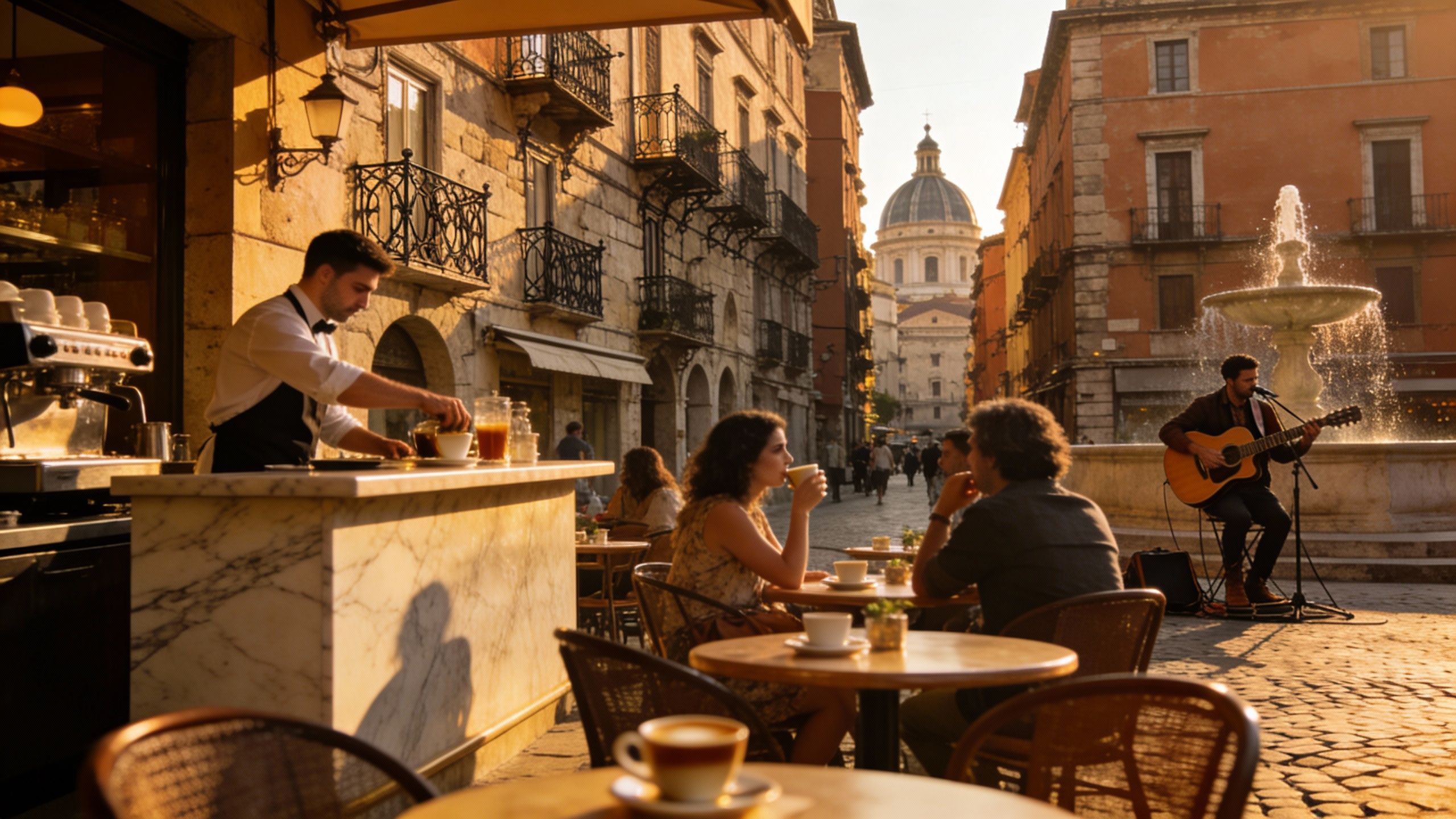
Imagine a slow Sunday morning in Italy: a barista pulling a crema-heavy espresso on Via dei Coronari in Rome, linen-draped tables at a trattoria in Bologna filling at noon, and fishermen mending nets near Riomaggiore as the light turns honeyed. These daily scenes are not just romantic backdrops; they shape costs and choices for anyone buying a home here. Understanding what Italians pay for everyday life — and where prices quietly diverge — is the sensible way to fall in love with a place without surrendering your budget.
Living the Italy lifestyle — what you actually pay for

Daily life in Italy is textured: markets on cobbled streets, seasonal menus set by the weekly catch, and a rhythm that privileges conversation and sitting with a drink. Yet cost of living is not uniform — Milan and Rome carry metropolitan premiums, while cities such as Lecce or Palermo offer noticeably lower routine costs. Sources like Wise and Numbeo compile these differences and make clear that housing, not groceries, often dictates whether a chosen neighbourhood will feel sustainable long term.
City contrasts: Milan, Rome, Bologna and the quieter alternatives
In Milan and central Rome, the market registers steady demand and correspondingly higher rents and purchase prices; Idealista and Nomisma note modest year‑on‑year increases in 2025. Yet stepping an hour away — to towns in Emilia-Romagna or the Marche coastline — buys you square metres and local life at a fraction of central-city costs. The sensible buyer reads these differences as design choices: proximity to opera and Michelin dining or daily markets and quieter piazzas.
Seasonality and the cost rhythm
Italy’s costs breathe with the seasons: coastal towns swell in summer, nudging short‑term rental revenues and service prices; winter in mountain villages reduces visitor-driven costs but raises heating bills. ISTAT data show household spending patterns that vary regionally, and one in three families reported cutting back on food quantity or quality in recent years — a reminder that inflationary pressure is real, even where the lifestyle feels indulgent.
- Market‑defining lifestyle highlights to weigh
- Morning espresso on a local bar counter (neighbourhood habit, low cost)
- Weekly covered market shopping (fresh produce, seasonally cheaper)
- Rents and mortgages in major cities (material share of monthly budgets)
- Utility and heating differences between apartment and country home
Making the move: practical considerations that preserve the lifestyle

Dreams of a villa in Tuscany or an apartment on a Roman street must contend with market texture: transactional volume, financing conditions and local taxes all shape what you can afford to actually live with. Nomisma’s recent analysis points to continued price resilience in existing housing and rising financed purchases; a thoughtful buyer couples that market view with neighbourhood-level cost checks — transport, school fees, and service availability — before making an offer.
Property types and how they change monthly costs
A compact restored palazzo flat requires different outgoings than a detached farmhouse: shared building heating, condominium (condominio) charges, and maintenance differ markedly. Historic homes offer provenance and character but often higher restoration and energy‑upgrade costs; newer builds may cost more upfront but can be cheaper to run. Match the architecture to the life you want — if entertaining under an olive pergola matters, factor in garden maintenance and local service availability.
Working with agencies who understand life, not just listings
Choose an agent who knows which streets hold morning markets, which neighbours keep late hours, and where small‑town services close on Wednesday afternoons. Local agencies translate lifestyle preferences into practical search filters: proximity to an orto (community garden), noise patterns on festa days, or the cost of converting a ground‑floor cellar into a wine room. Their role is to align provenance and practicality so the property supports, rather than undermines, daily life.
- Six practical steps that pair lifestyle with due diligence
- Survey local monthly expenses (utilities, condominio, municipal waste fees).
- Compare rent vs buy in your target neighbourhood to test long‑term affordability.
- Request recent energy certificates (APE) and quotes for necessary upgrades.
- Ask an agent for neighbourhood rhythms: market days, school term dates, festival weekends.
- Factor in one-off renovation budgets, and obtain local contractor references.
- Confirm likely rental income seasonality if you plan to offset costs with short lets.
Insider knowledge: what expats wish they’d known before buying
Expats often discover quickly that culture alters costs: a neighbourhood with plentiful community markets reduces grocery bills but may lack late-night supermarkets; a central address offers convenience but also condominium rules that curtail the lifestyle you pictured. Istat’s regional spending differentials are a reminder that the North–South gap matters both to monthly budgets and to the kind of community you will join.
Language, integration and the hidden costs of convenience
Not speaking Italian adds subtle costs: translation for paperwork, reliance on intermediaries for local services, and sometimes higher fees for contractors who prefer dealing directly with Italian‑speaking clients. Conversely, investing time in language and local networks often reduces long‑term living costs and yields better vendor relationships. The investment in cultural fluency pays both socially and financially.
How life changes after moving: the pragmatic romance
After the first year you will trade the flight frequency of scouting trips for local routines: favourite butcher, the barista who knows your order, and a trusted geometra for small works. Market trends suggest modest price growth in many areas, so those who buy with a long horizon often find that the lifestyle dividends — community, food, and seasons — compound value in ways a spreadsheet does not capture.
Conclusion — fall in love with the life, budget for the reality
Italy rewards slow, observant buyers: choose a neighbourhood first for how it feels on an ordinary weekday, then check the numbers. Work with agents who live the rhythms you want, verify local expense patterns with recent market reports, and plan renovation and running costs conservatively. Do that, and the espresso‑drenched mornings and late suppers will be more than a dream — they will be a carefully sustained way of life.
Norwegian with years in Florence guiding clients across borders. I bridge Oslo and Tuscany, focusing on legal navigation, cultural context, and enduring craftsmanship.