How Italy’s Neighbourhoods Define Your Living Costs
Italy’s daily rituals shape living costs more than square‑metre prices; pair neighbourhood character with running‑cost data to buy a home that sustains the life you love.
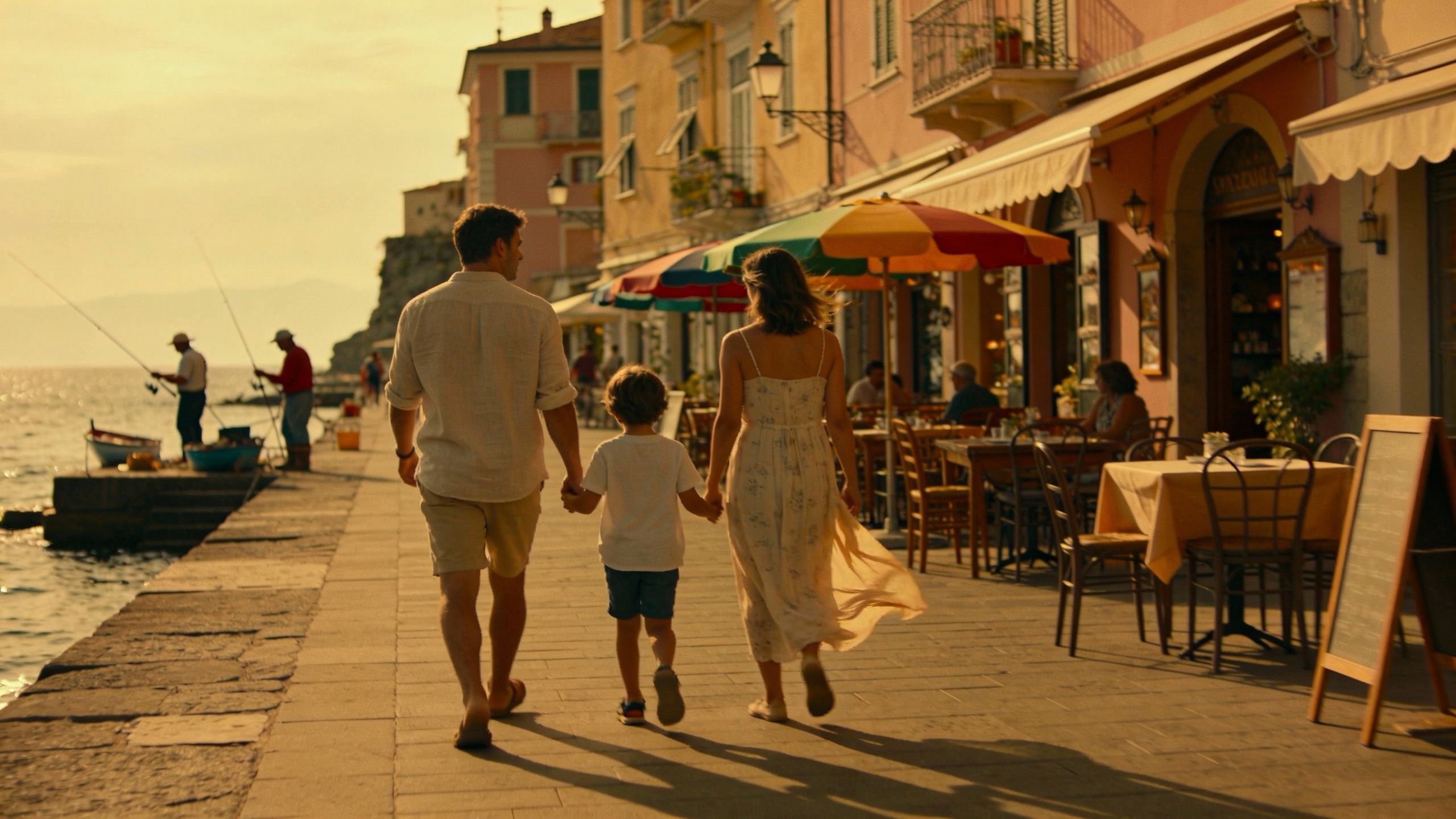
Imagine waking to the clink of espresso cups on a narrow Roman side street or the salt-sweet air of a Ligurian morning while your dog trots past an artisan bakery. Italy does that to you: it converts the ordinary into something intimate, tactile and slow, and it does so differently in each region. For anyone assessing living costs, those sensory pleasures matter — they shape daily expenses, seasonal rhythms and the kind of home you will want. Recent market analysis shows subtle price movements across cities and provinces; understanding how lifestyle pulls cost is as important as the headline numbers.
Living the Italy lifestyle

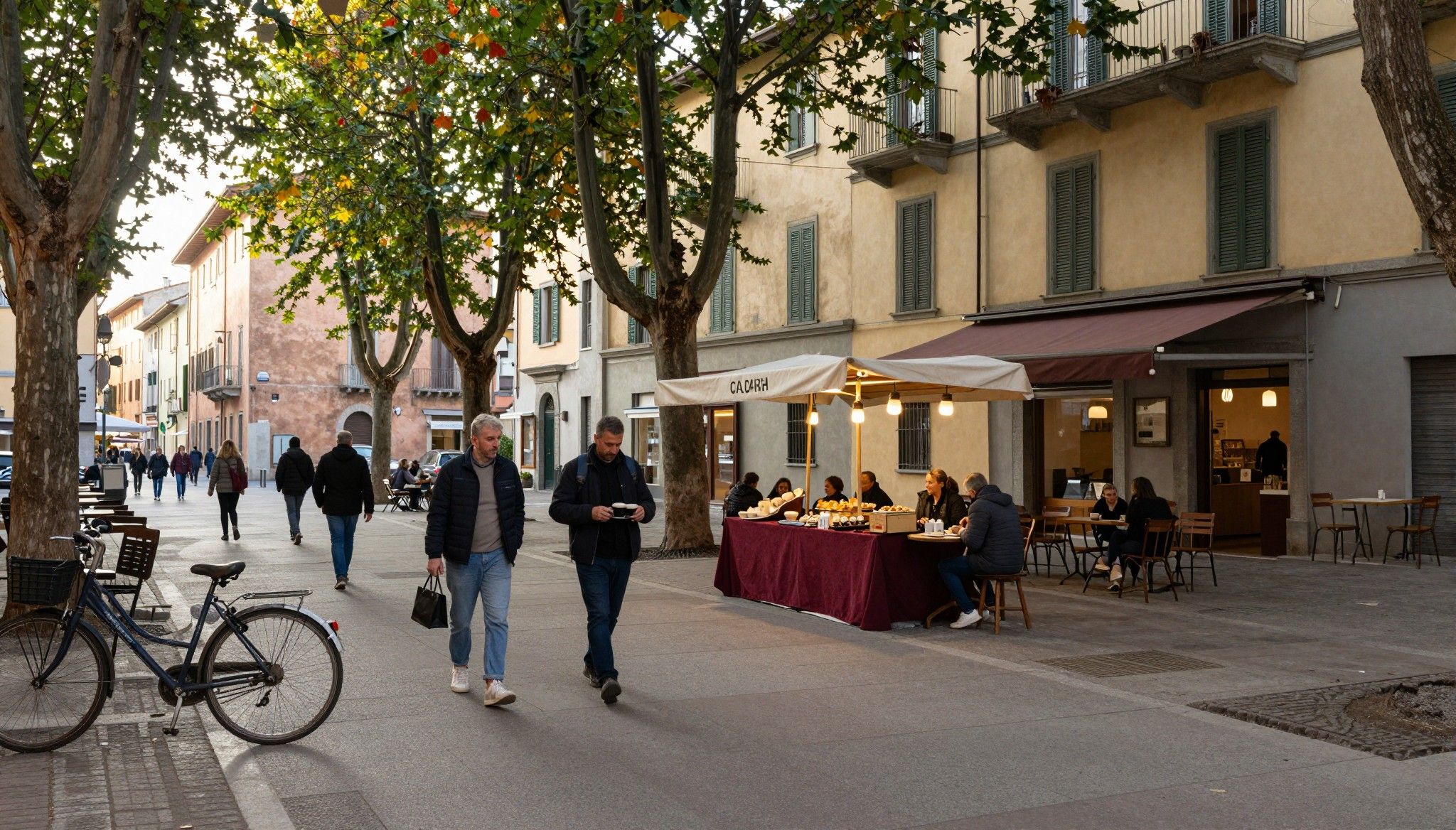
Italy’s tempo is local by design: sunrise markets in Palermo differ from the café cadence of Milan’s Brera, and both differ again from slow afternoons in Umbria. Daily life is built around neighbourhood rituals — morning espressos, mid‑day markets, long family lunches and the evening passeggiata — all of which shape recurring budgets more than occasional splurges. The practical consequence is simple: where you live in Italy changes what you spend and how you live, often more dramatically than the square‑metre price alone suggests. For buyers, pairing a neighbourhood’s character with realistic cost expectations prevents later disappointments.
City centre intimacy: Rome, Milan, Florence
In Rome, Milan and Florence a compact apartment means proximity to culture, restaurants and efficient services — and a predictable premium for convenience. OMI and market surveys show central districts maintain higher per‑metre prices and steady demand, but they also reduce everyday transport and time costs, which many buyers value highly. If you prize curated evenings and architectural immediacy, accept higher fixed housing costs in exchange for savings in logistics and a richer daily life. Consider also that central areas often yield stronger short‑term rental prospects, offsetting some ownership costs.
Coast and island rhythms: Amalfi, Liguria, Sardinia
Coastal living trades daily convenience for seasonal abundance: sunlit piazzas, seafood markets and a calendar that swells in summer. Many seaside towns see wide cost swings between high and low season; services contract in winter and hospitality costs concentrate in summer. For owners this means fluctuating utility and maintenance budgets, and for those who rent, the potential for concentrated seasonal income. A measured purchase accounts for both the lifestyle uplift and the practical realities of supply, access and off‑season quiet.
- Daily lifestyle highlights to factor into budgets
- Morning espresso at Caffè Greco (Rome) or Marché Centrale produce mornings (Florence) — small recurring pleasures that add up.
- Weekly open markets (Mercato di Ballarò, Mercato di Testaccio) where shopping cost is lower but time investment is higher.
- Seasonal property maintenance (sea air, damp in north) which appears as periodic but necessary expense.
Making the move: practical considerations
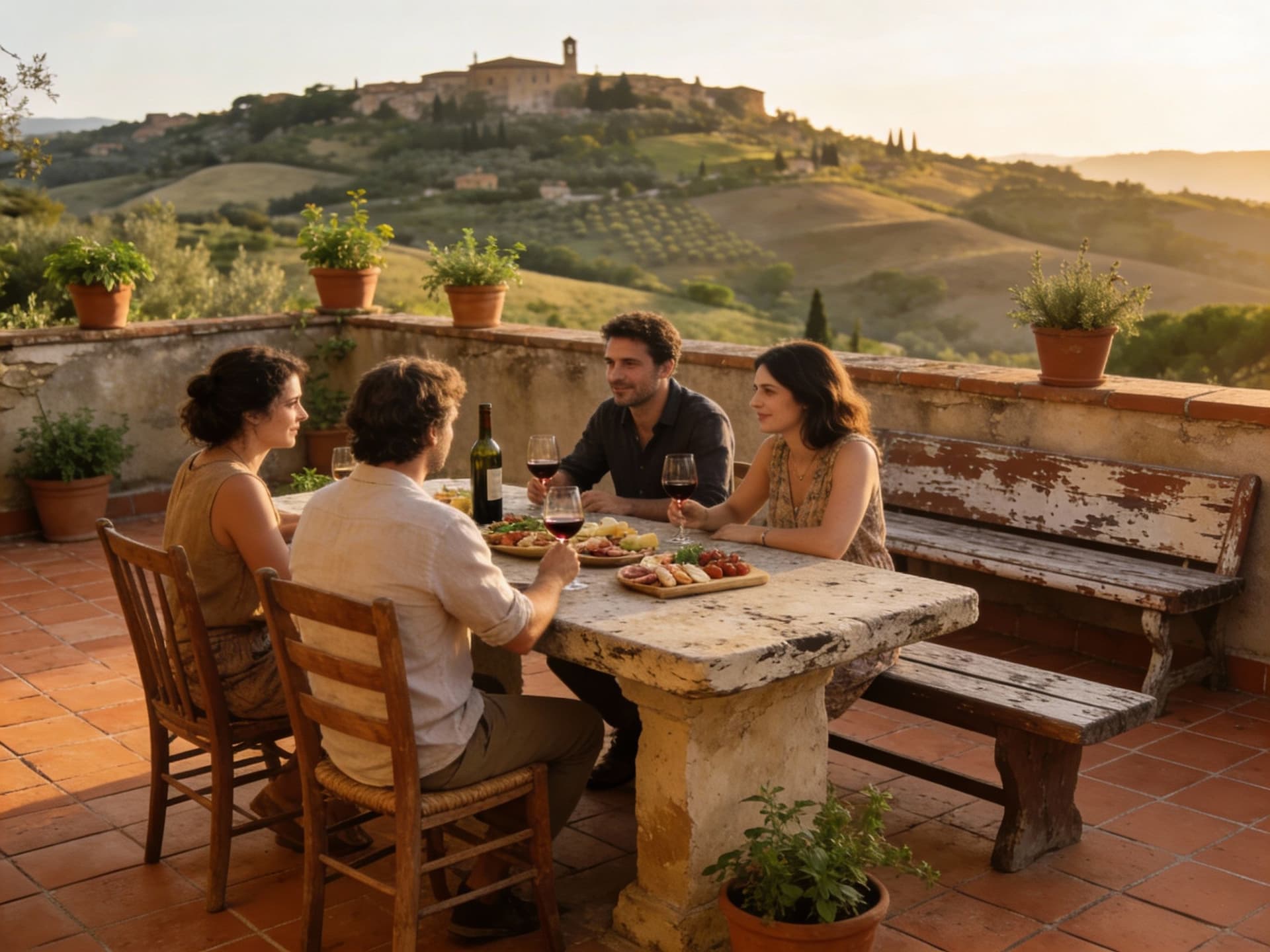
The romance of an Italian life must be reconciled with local systems: municipal rates, condominium fees, energy costs and regional service provision all shape running costs. National statistics and market reports show modest annual price rises in many cities, yet inflation and regional variation influence everyday expenses more than many expect. To translate desire into an affordable plan, buyers should map neighbourhood rituals to monthly cashflows — for example, seaside heating and summer cooling costs or urban garage versus daily transport fares. That mapping is where a local agency’s knowledge becomes indispensable; they can translate lifestyle priorities into realistic budgets.
Property styles and their cost implications
A palazzo apartment demands careful restoration budgets and higher condominium fees, while a rural farmhouse entails land upkeep and utility upgrades. Nomisma’s outlook points to modest growth and differentiated performance between primary and intermediate markets, which matters when comparing renovation and lifecycle costs. New builds often lower immediate maintenance but sacrifice the patina and centrality that many buyers seek; older homes carry heritage value but require stewardship. When cost of living is the deciding factor, weigh predictable monthly fees over uncertain one‑off restoration expenses.
Working with local experts who know the lifestyle
Local agencies and geolocated consultants bridge the sensorial and fiscal: they know which streets flood in winter, where permits are slow, and which cafés define a neighbourhood. For international buyers, a curated agent is both translator and steward — aligning a lifestyle brief with practical checks like energy class certification, building history and seasonal operating costs. Agencies that specialise in provenance and restoration can also advise on long‑term value and potential rental patterns, turning lifestyle tastes into measurable returns. Choose firms with verifiable local track records and references from other international purchasers.
- Steps to align lifestyle with cost (practical sequence)
- Define daily priorities (markets, schools, transport) and map them to neighbourhoods before viewing properties.
- Ask agents for recent utility bills and condominium minutes to reveal recurring costs and upcoming works.
- Compare seasonal maintenance (coastal salt, alpine heating) against potential rental income if you plan to let.
Insider knowledge: what expats wish they'd known
Seasonality alters more than tourism; it reshapes local services, opening hours and sometimes prices. Expats often underestimate the time cost of living in Italy: administrative procedures, local registration and language exchanges all require patience and sometimes paid assistance. Many wish they’d budgeted more for small, repeated costs — pharmacy visits, local specialists, and occasional remedial works on older properties — which are less headline‑worthy than taxes but add up. Learning to value local trade relationships (trusted tilers, a neighborhood ferryman of favors) reduces surprise expenses and secures a smoother life.
Cultural integration and day-to-day savings
Speaking some Italian transforms spending: you’ll shop smarter at markets, negotiate modest service fees and find hidden artisan suppliers. Community rituals — la spesa at the mercato on certain days, sharing bulk olive oil from a trusted frantoio — yield measurable savings and a richer social life. Joining local associations or practical networks, such as a neighbourhood co‑op or expat club, reduces friction and offers bargains on services and seasonal goods. Integration is therefore both cultural and economic.
Long-term lifestyle considerations
Inflation and regional service quality will shape retirement comfort and property stewardship costs over decades. Recent ISTAT summaries indicate moderate inflation trends that influence utilities, repairs and food prices; good planning builds modest buffers for those variations. Consider properties with durable materials, accessible services and flexible interior layouts that age well and reduce future retrofit costs. Stewardship — a commitment to maintenance and local relationships — is the single most effective hedge against rising incidental living costs.
Conclusion: if Italy seduces you, let the details keep you there. The country sells a life of material pleasures and social rituals; costs are simply the arithmetic of living that life well. Begin with neighbourhood visits in different seasons, demand recent running costs from agents, and prioritise properties whose character matches daily routines rather than Instagram moments. A discerning local agency will not only find the right home but will translate lifestyle wishes into predictable monthly budgets — the practical kindness every international buyer deserves.
Relocating from London to Mallorca in 2014, I guide UK buyers through cross-border investment and tax considerations. I specialise in provenance, design integrity, and long-term value.