How Italy’s Everyday Life Shapes True Living Costs
Italy’s charm changes the meaning of cost: regional habits, energy needs and neighbourhood rituals shape realistic budgets — align lifestyle desires with running‑cost diligence.
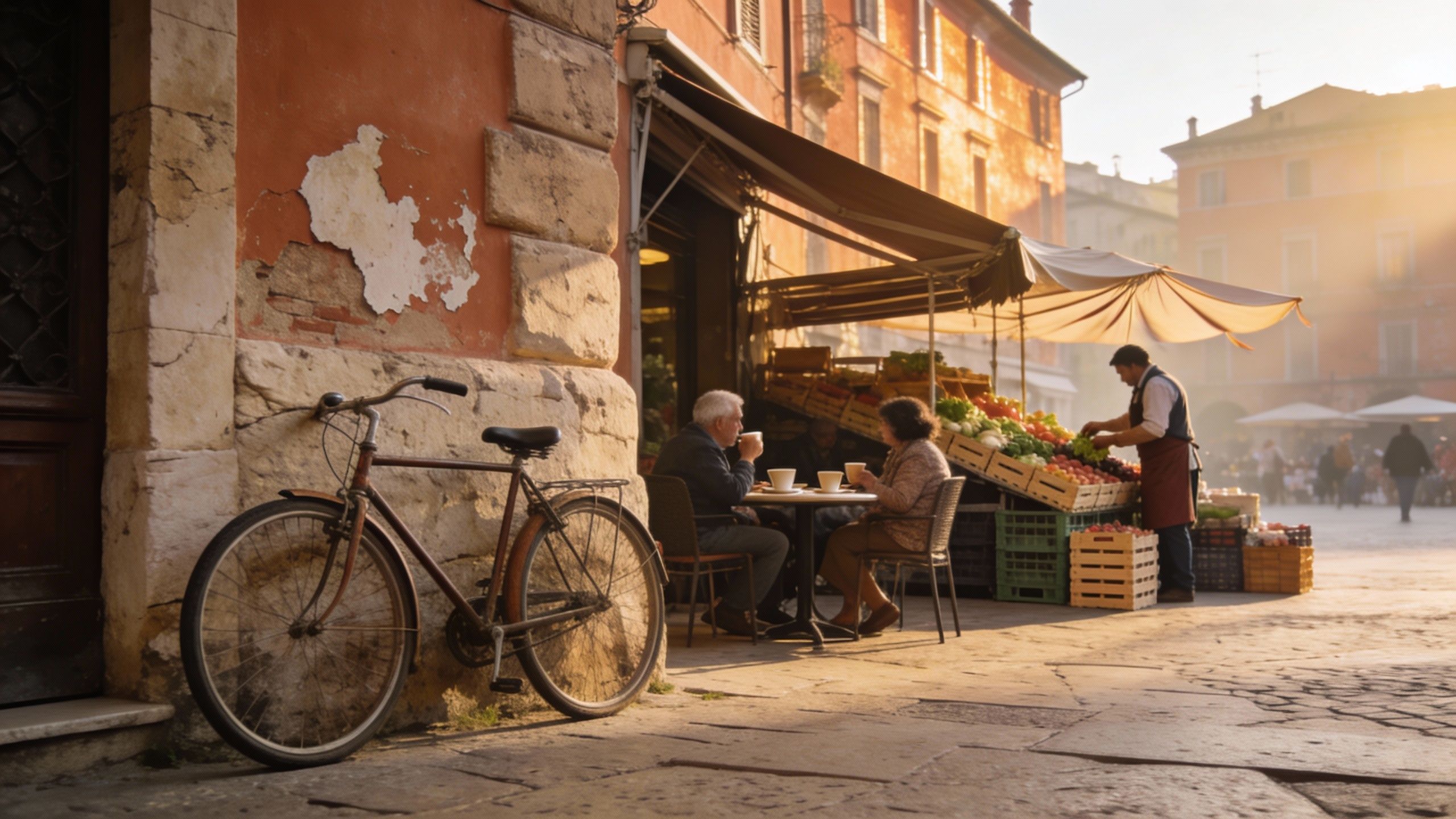
Imagine an autumn morning in Florence: steam rising from a bar of espresso on Via dei Neri, scaffolds framed against terracotta palazzi, and a local fishmonger arranging the last of the day’s catch. Italy seduces through texture — cracked stone, wrought iron balconies, the hush in a church at midday — and that lived-in elegance quietly reshapes what 'cost' means. For many international buyers, the arithmetic of monthly bills and taxes is only meaningful when set beside these daily pleasures and the neighbourhood rhythms that make a house feel like home.
Living the Italian Rhythm
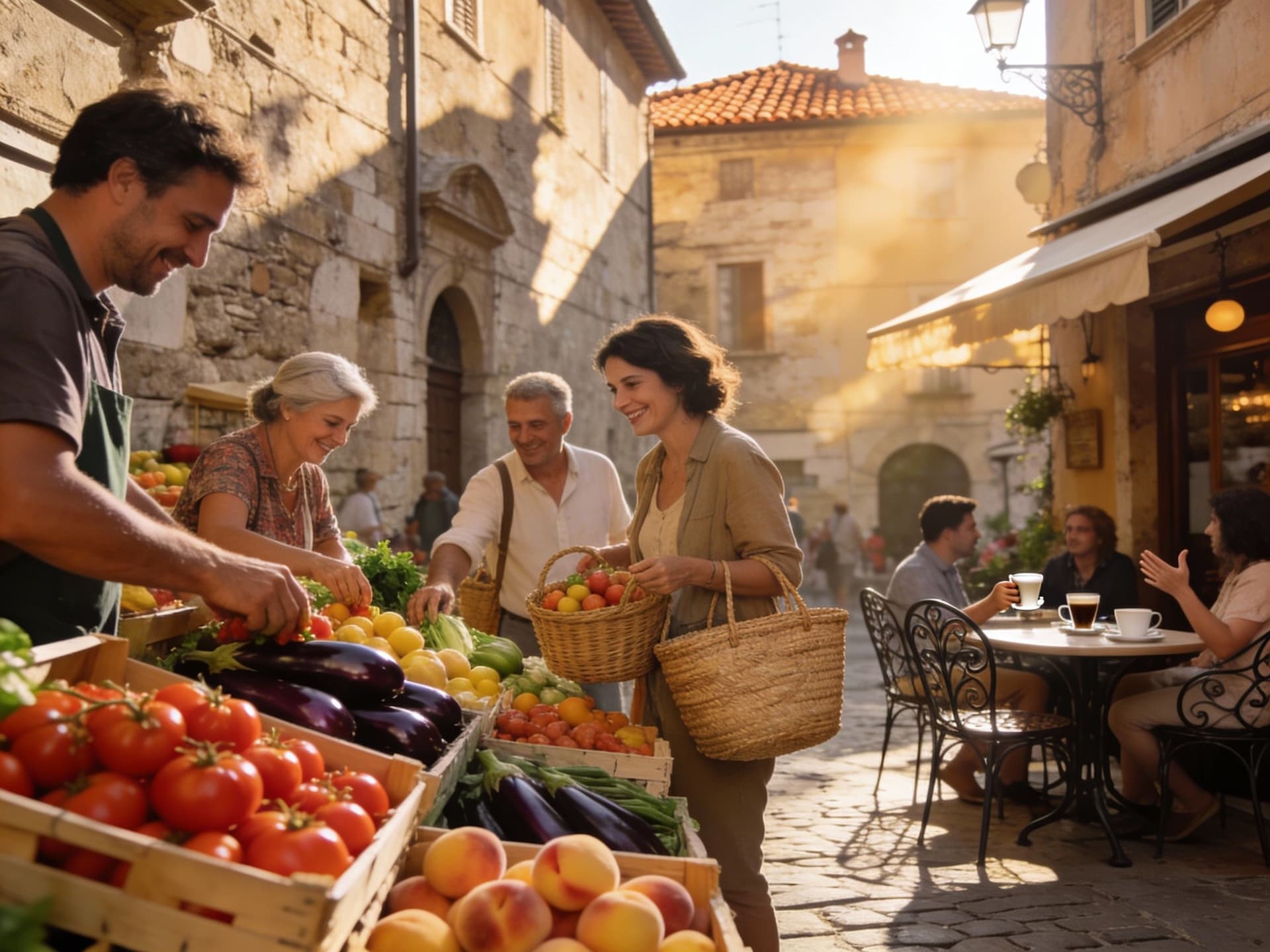
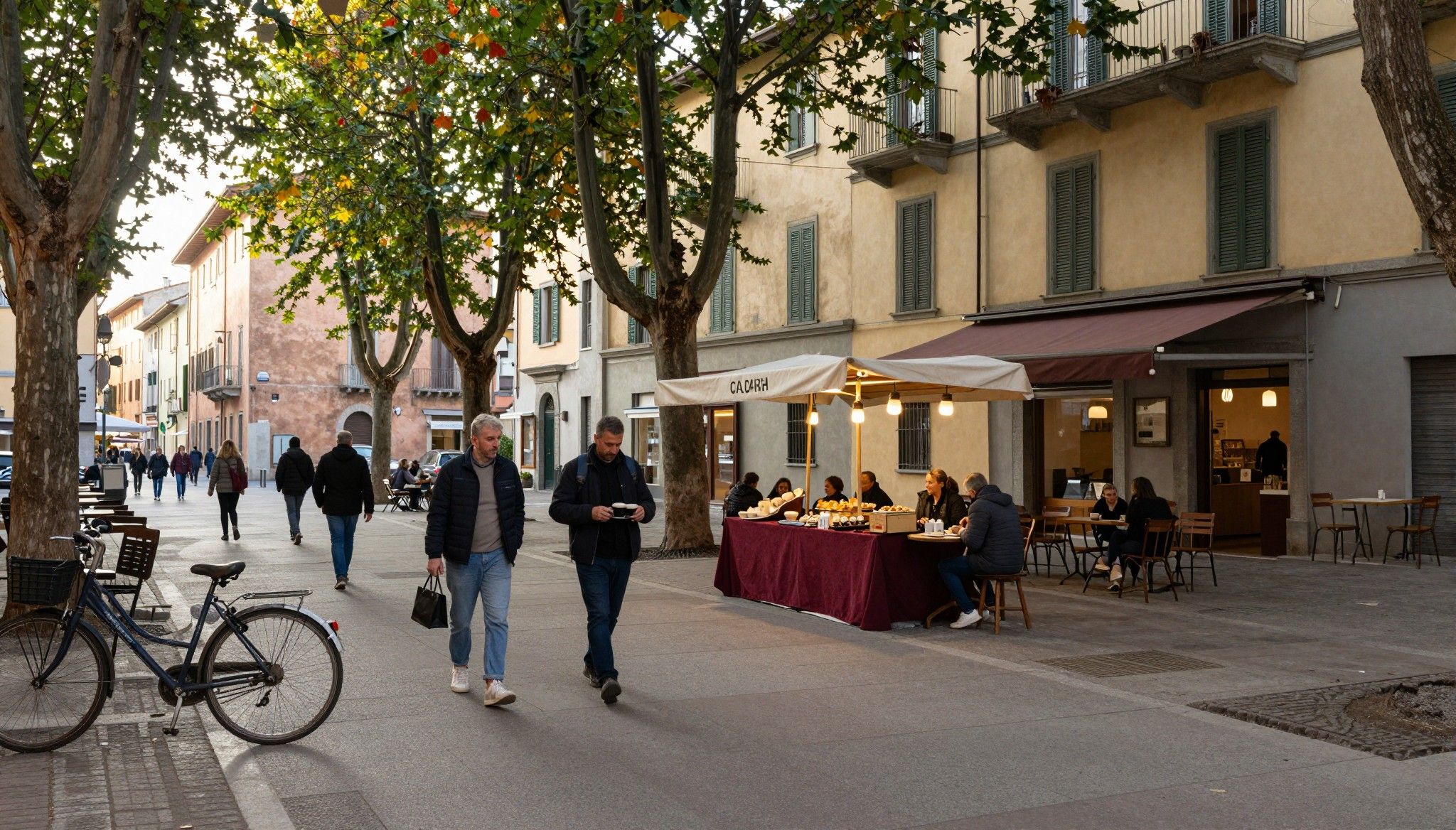
Life in Italy is comprised of short, precise pleasures: a cornetto at sunrise, a walk through a daily mercato, an aperitivo that becomes an evening ritual. Those rituals determine where you live — proximity to a morning market or a reliable trenino can save time and expense. Practical costs vary dramatically between a historic centro in Siena and a sunlit apartment in Lecce; national averages conceal vivid regional contrasts. According to local market guides, monthly grocery budgets commonly run €180–€300 for a single person, while utility and transport patterns move with season and region.
City centre vs. provincial life
A central Roman flat on a cobbled street will trade square metres for immediacy: step outside and life is on your doorstep, but expect higher rents and more frequent maintenance. Move to Pigneto or San Lorenzo and you buy more space and a bohemian pulse. Conversely, provincial towns such as Matera, Lucca or parts of Puglia reward buyers with lower purchase prices and a slower cadence, where weekly market shopping replaces the supermarket run and heating costs in winter become an important line item.
Food, markets and seasonal budgets
Eating locally is both a pleasure and a budget lever. Buying from mercato vendors in Bologna or Palermo reduces grocery spend and deepens local ties; choosing imported or organic staples in a Milan supermarket increases costs appreciably. Expect monthly utilities for an individual to fall in the €130–€200 range, with air-conditioning and heating pushing bills at seasonal extremes. Clever buyers factor market days, seasonal produce and energy-efficiency of period homes into their running costs.
- Lifestyle highlights that influence cost and choice
- Morning markets: Mercato di Sant’Ambrogio (Florence), Mercato Centrale (Rome) — cheaper fresh produce, social life.
- Cafés and coffee rituals: speciality bars on Via Po (Turin) or Navigli (Milan) anchor neighbourhood value.
- Regional seasonalities: heating in the north (Lombardy/Tyrol) vs cooling in Puglia/Sicily affects annual bills.
Making the Move: Practical Considerations
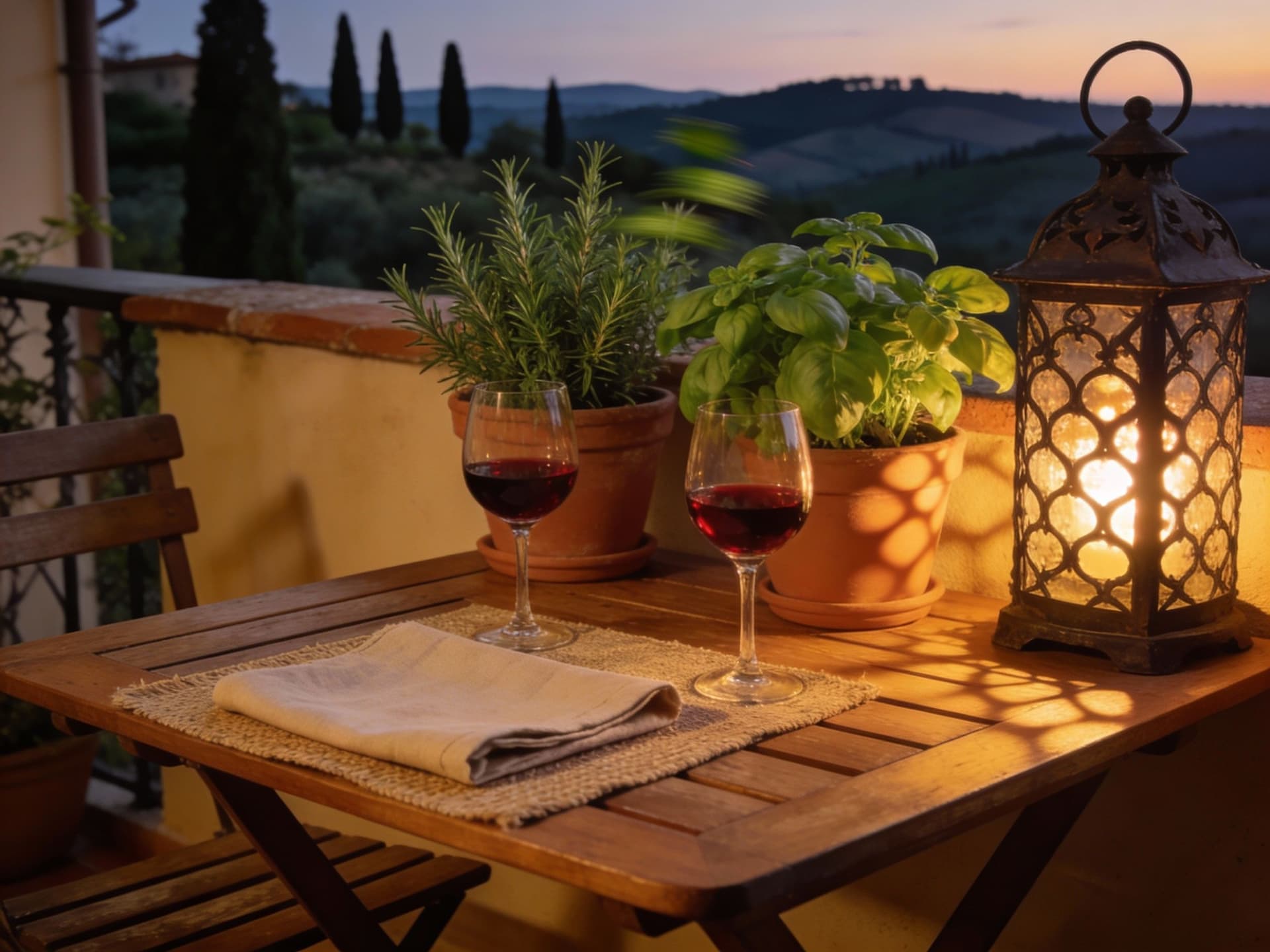
The romance of Italian living must be matched with clear-eyed budgeting. Mid‑2025 market commentary notes improving mortgage conditions and a steady flow of foreign buyers; yet regional variation is decisive. Cities such as Milan and Florence command premium per-square‑metre figures, while opportunities in secondary towns and parts of the south remain underappreciated. Align lifestyle requirements — proximity to schools, train links, or a favourite mercato — with realistic running-cost estimates before bidding.
Property styles and everyday costs
A medieval palazzo requires a different budget than a recent conversion. High ceilings and period windows are alluring but may demand bespoke heating solutions and periodic restoration of stonework. Conversely, recent conversions or new-builds often include insulation and modern systems that reduce long-term utility costs. Factor routine maintenance — roof inspections, fresco conservation, terrazzo polishing — into running-cost planning when a property carries historical fabric.
Working with local experts
Engage agents who speak the language of both architecture and budgets. A regional agent familiar with energy ratings (APE), local utility norms and seasonal cost drivers will translate lifestyle desires into a realistic ownership model. Agencies adept at heritage properties can also advise on available renovation incentives and the likely cadence of maintenance, helping you weigh upfront investment against long-term stewardship.
- Steps to align lifestyle with realistic costs
- Estimate running costs: calculate utilities, TARI waste tax, condominium fees and seasonal energy needs.
- Inspect energy performance: request the APE certificate and budget for insulation or window upgrades where necessary.
- Factor in local services: private schooling, regional healthcare access, and reliable public transport can alter monthly outlay.
Insider Knowledge: What Expats Wish They’d Known
Expat experience often reduces to small, accumulative adjustments. Italians measure value by convenience and conviviality — a neighbourhood trattoria or a reliable greengrocer can be more important than floor area. Many newcomers underestimate condominium (condominio) charges in historic buildings, or the administrative time required to register utilities and residency. Those who acclimate quickly find that mastering local rhythms — market days, seasonal closures, municipal schedules — both enriches daily life and trims unexpected costs.
Language, community and hidden savings
A modest investment in language tuition accelerates access to neighbourhood services and better prices at local shops. Expat communities cluster around university towns and regional centres — Florence’s Oltrarno, Bologna’s Santo Stefano — where social integration brings practical savings: shared carpools, local tradespeople recommended by neighbours, and informal child‑care networks that reduce private service costs.
Longer view: stewardship and generational value
Think beyond first-year budgets. Properties with considered restoration and quality materials often outperform superficially cheaper options because they demand less recurring work and attract confident tenants when rented. In regions such as Tuscany and Umbria, documented provenance and sensitive conservation can protect both lifestyle quality and capital value, making stewardship an economic as well as cultural decision.
- Red flags that signal hidden ongoing costs
- Missing or expired APE energy certificate — likely need for costly upgrades.
- Unclear condominium accounts — deferred repairs become owner liabilities.
- Properties in flood or seismic zones without insurance or reinforcement plans.
When we purchased our first stone house outside Lucca, a single missing roof tile suggested a larger ledger of deferred maintenance; a local architect’s inspection saved more than the purchase price in unexpected repairs. That practical vigilance — and the right agency that understands artisan restoration — transforms romantic impulse into enduring home.
Before you make an offer, step back: walk the neighbourhood at different hours, visit the market, sit in a café, and listen. These small rituals reveal utility rhythms, seasonal noise, and the social fabric that will become your daily life. Practical due diligence — energy certificates, neighbourhood fees, and municipal services — should follow; they are the scaffolding that supports the lifestyle you seek.
If the dream is an Italian life lived slowly and richly, the path is deliberate. Work with an agent who reads both floor plans and neighbourhood timetables, request full running‑cost estimates, and preserve a margin for the unglamorous work of stewardship. Do this and the calculation shifts: costs become a measure not just of expense but of a life carefully composed.
Relocating from London to Mallorca in 2014, I guide UK buyers through cross-border investment and tax considerations. I specialise in provenance, design integrity, and long-term value.