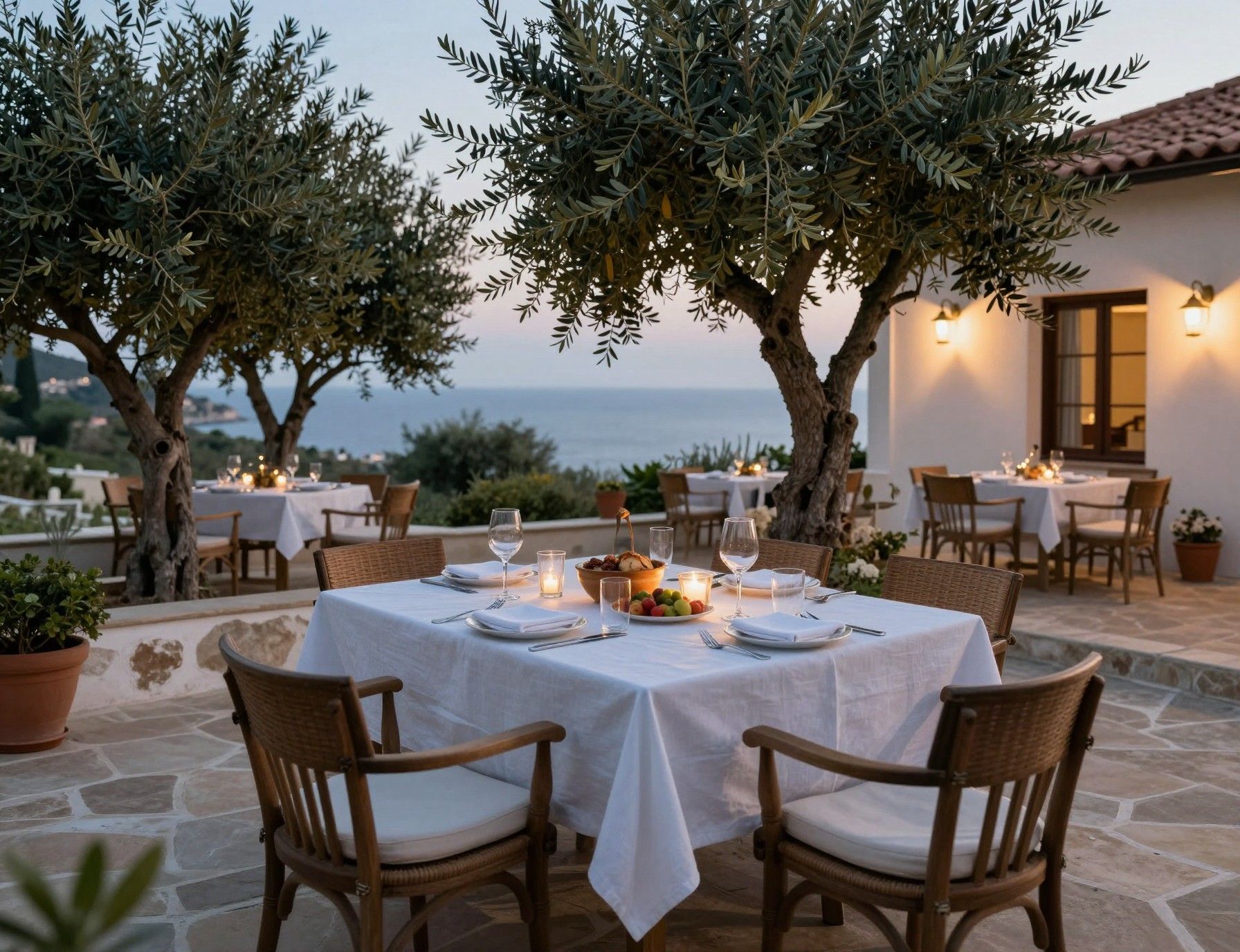
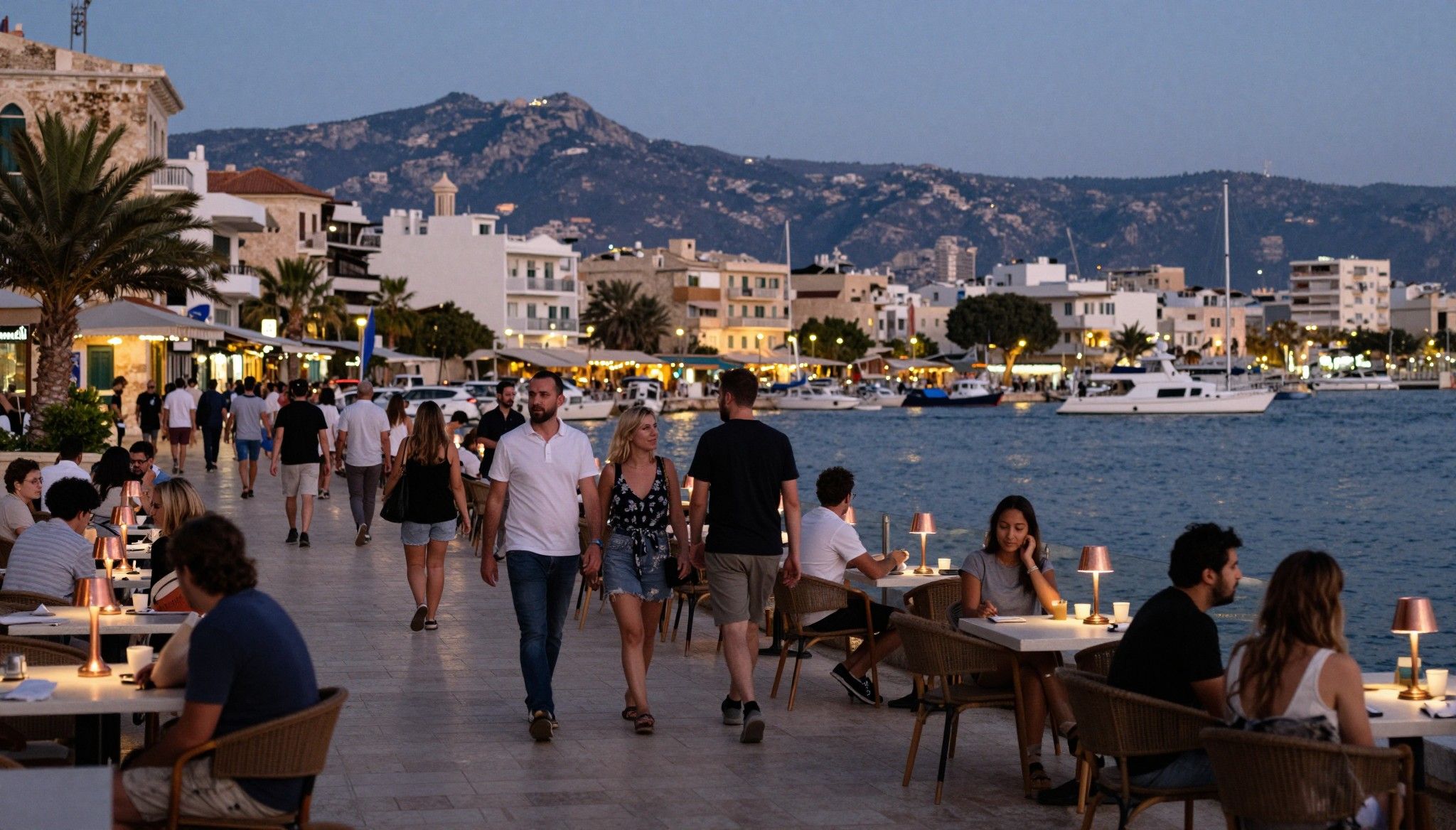
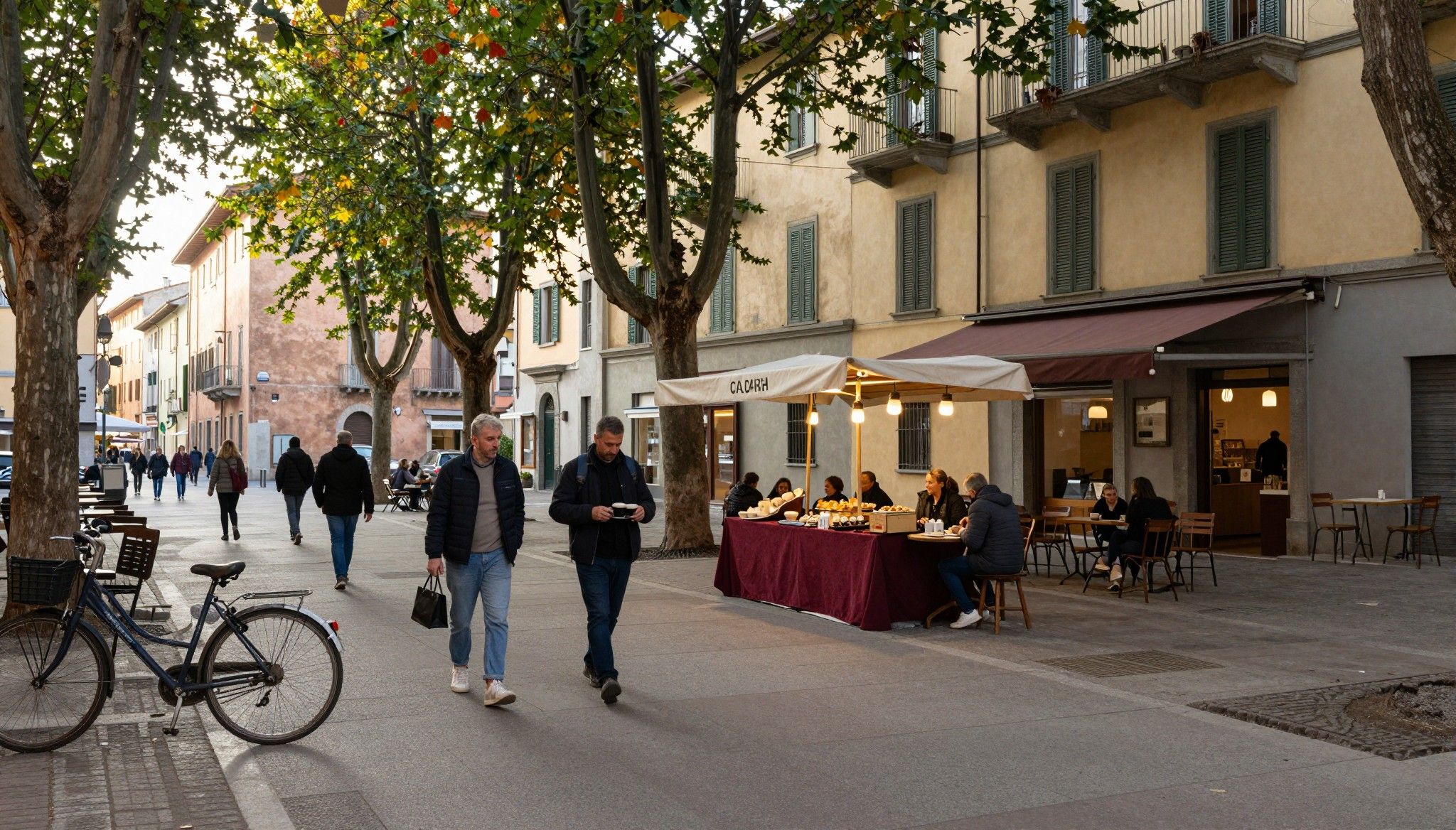
Imagine waking to the smell of roasted coffee drifting from a corner café in the 6th arrondissement, or stepping out onto a sun-warmed terrace in Aix‑en‑Provence after a morning market run. France is not a single life but a collection of lives — riverbank mornings in Lyon, late-night dinners in Bordeaux, quiet country rhythms in the Lot — and the cost of each is written into those rhythms. Understanding living costs here is therefore less about headline numbers and more about the tradeoffs that let you live the life you crave.
Living the France life — what it really feels like
Strollable neighbourhoods, markets that set the day’s rhythm and cafés where time dilates: these are the constants that shape everyday cost. Rent or purchase price buys proximity to texture — a boulangerie, a marché, a tram stop — and those conveniences change spending patterns: fewer supermarkets, more seasonal produce, and small habitual pleasures that add up. In cities like Paris and Lyon, daily life is punctuated by cultural options; in smaller towns, leisure comes from landscape and local festivals.
Paris & inner suburbs: convenience at a premium
Paris remains the reference point: professional services, specialist shops and cultural institutions are densely available, which reduces time costs but raises monetary ones. A one‑bed flat in central arrondissements commands much higher rent per square metre than a similar apartment in Nantes or Montpellier, but you gain an urban fabric of daily cafés, late-night dining and best-in-class private healthcare and schooling options within short journeys.
Provence & Côte d’Azur: seasonal life, year-round costs
Living in the sunlit Provençal towns or on the Riviera is a study in seasonality. Markets swell in summer, local services adjust to tourist flux and utility and maintenance costs can vary with second‑home usage. Property prices remain strong in sought-after communes, but daily living costs outside high-season are often lower than perceived; local produce, smaller commerces and slower winter rhythms reduce recurring spend.
- Morning routines and lifestyle highlights
- Stroll the Marché d’Aligre in Paris 12ème for cheese and flowers; café seating is for conversation, not convenience.
- Saturday marché in Aix‑en‑Provence — seasonal produce, regional olive oil and a few euros’ difference in weekly groceries vs supermarkets.
Making the move: practical costs woven into lifestyle choices
Dreams meet ledgers when you choose a locale in France. The features you prize — a courtyard garden, a third‑floor walk‑up with views, a charming stone façade — all carry recurring and one‑off costs: maintenance regimes for old stone, winter heating, or higher insurance for coastal exposure. The sensible buyer begins with lifestyle priorities, then quantifies their cost over five to ten years rather than as a single sticker price.
Property types & their living-cost signatures
A Haussmann apartment brings higher co‑propriété charges for concierge and façade upkeep; a farmhouse in Dordogne trades lower regular outlay for occasional roofing and heating bills. New construction often carries lower immediate maintenance but may charge for gated-community services. Match the building’s material and infrastructure with your tolerance for hands‑on stewardship and its predictable cost profile.
Working with agents who understand life, not just listings
How an informed local agent shapes cost expectations:
- 1. They compare running costs across neighbourhoods — energy, co‑propriété, proximity to services — rather than only price per square metre.
- 2. They flag seasonal effects — heating in winter in older stone houses, summer water bills for landscaped gardens, or tourist levies in coastal towns — so you budget realistically.
- 3. They advise on small investments that reduce lifetime cost: thermostatic radiator valves, reliable insulation, or a modest cellar conversion that improves thermal performance.
Insider knowledge: the surprises expats usually learn too late
Expat life in France is richly rewarding but peppered with local practices that affect spending. Commune services, holiday closures, and the cadence of local artisans can extend timelines and costs. Small, regular habits — a weekly boulangerie purchase, spontaneous marché hauls, restaurant meals with friends — compose a lifestyle premium that is cultural rather than purely financial.
Language, bureaucracy and seasonal timing
Administrative rhythms influence cost: timing renovations around local holiday periods, navigating municipal permits for sympathetic restorations, and understanding billing cycles for utilities can all save months and euros. A modest investment in bilingual legal or architectural advice early on often prevents costly rework.
Longer view: stewardship and sustainability
The buyers who age gracefully into French life treat property as stewardship. Energy upgrades, considered landscaping and sympathetic restoration preserve both value and daily comfort. These projects ask for capital and cultural patience, but they convert an appealing house into a sustainable home and often lower running costs after the initial outlay.
- Practical tips to align lifestyle and living costs:
- Buy proximity if time is your priority: centrality costs more but reduces private transport and creates access to daily cultural life.
- Consider a small renovation budget for insulation and heating controls; these reduce winter bills and extend comfort in older properties.
- Factor seasonal service fluctuations into timelines and budgets — artisans and public offices often slow in August and around Christmas.
Conclusion: The true cost of living in France is the life it enables. If your priority is mornings spent at markets, dinners that linger and a neighbourhood that feels lived-in, then model your budget around those choices. Work with agents who translate lifestyle into predictable costs, plan for stewardship rather than spectacle, and remember that small local habits — olive oil from a favourite producer, a nearby bakery — are the ledger that will define your daily pleasure. When pleasure and prudence are in balance, you have not just a property in France but a life that was worth buying.