Why winter house‑hunting in Malta often pays
Winter viewings in Malta often reveal quieter negotiations and clearer value—RPPI rose 5.6% in Q2 2025, but season and neighbourhood choice still open negotiation room.
Imagine stepping out at dawn to a cafe table on Sliema Seafront as fishermen sort their nets and the island wakes slowly. In Malta, the day begins practical and convivial—espresso, conversation, a harbour that holds history and modern life in the same view. This compactness is the island’s virtue and its market’s constraint: land is finite, neighbourhood character is immediate, and small timing differences—season, festival, fiscal quarter—can meaningfully change buying conditions. Here is a contrarian premise: winter house‑hunting in Malta often yields clearer choices, quieter negotiations and unexpected value — provided you know where to look and whom to ask.
Living the Maltese rhythm
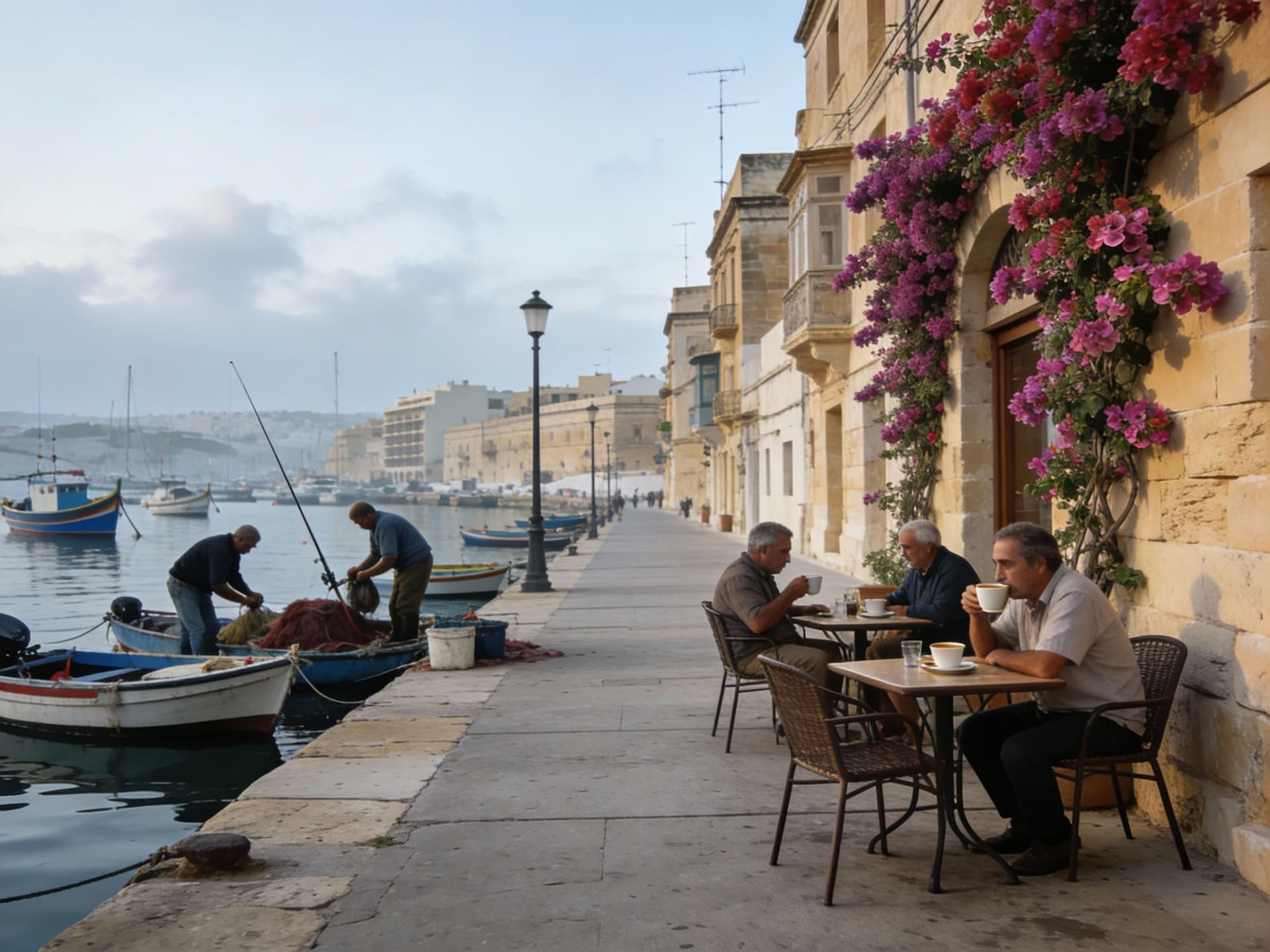
Malta’s rhythm is measured by light and sea, market days and festa bells. Mornings favour coffee in neighbourhood piazzas, afternoons slip into harbour swims or museum visits, evenings gather around seafood and vinho. Life here is intimate: streets are narrow, rooftops are used, and community life happens on thresholds — bar counters, church steps and the band club. For the buyer who values provenance and quiet civic life, a Maltese address is as much about civic belonging as it is about square metres.
Neighbourhood spotlight — Valletta and the Three Cities
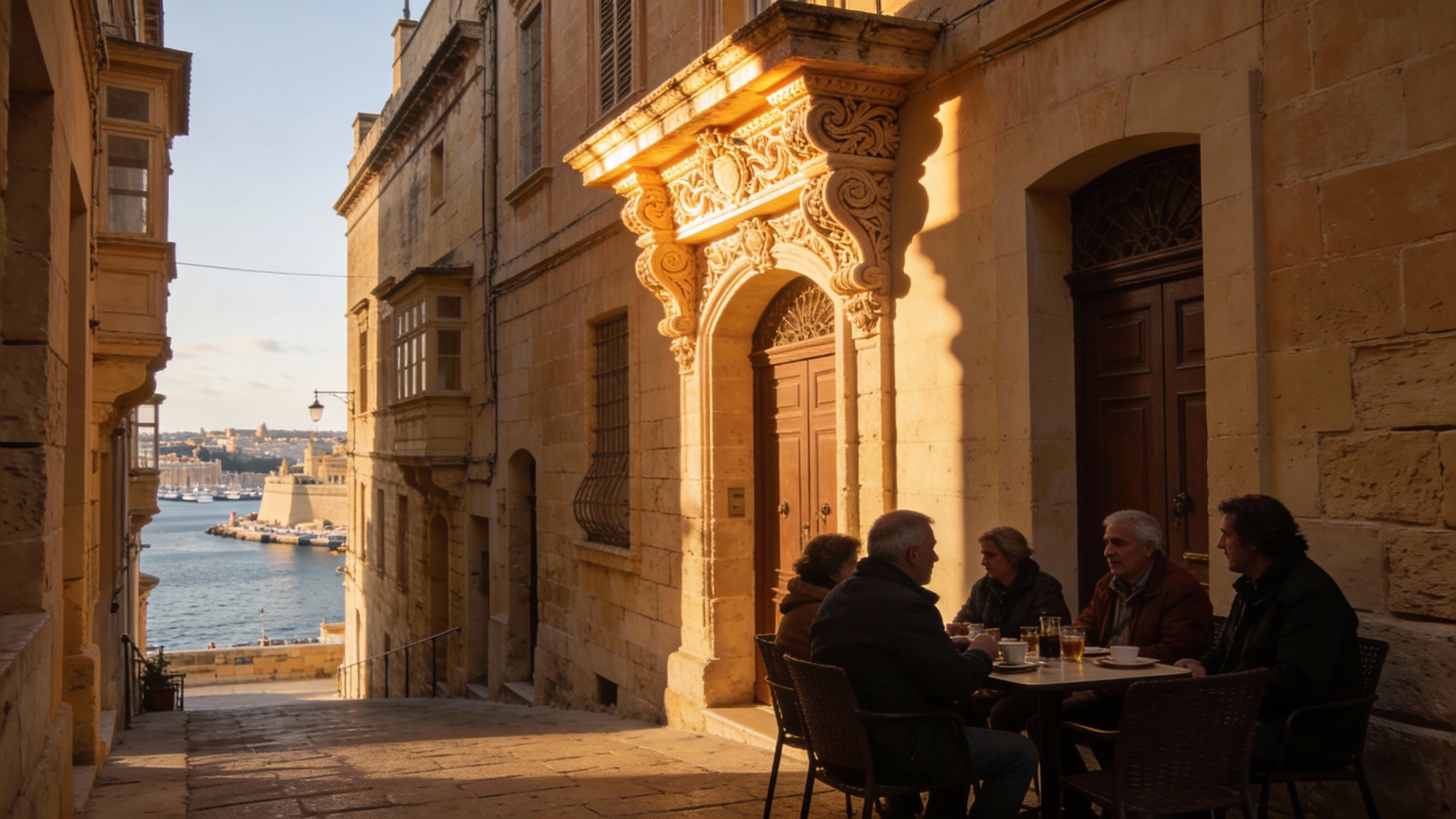
Valletta offers a compact, ceremonial life — bastioned promenades, carved lintels, intimate palazzini and an attentive calendar of concerts and openings. Across the Grand Harbour, the Three Cities (Vittoriosa, Senglea, Cospicua) keep an older, quieter maritime sensibility: restored warehouses, jetties where small boats sleep, piazzas animated by neighbourhood bars. These areas attract buyers seeking architectural provenance and constant proximity to cultural life rather than suburban anonymity.
Coastal living — Sliema, St Julian’s and hidden bays
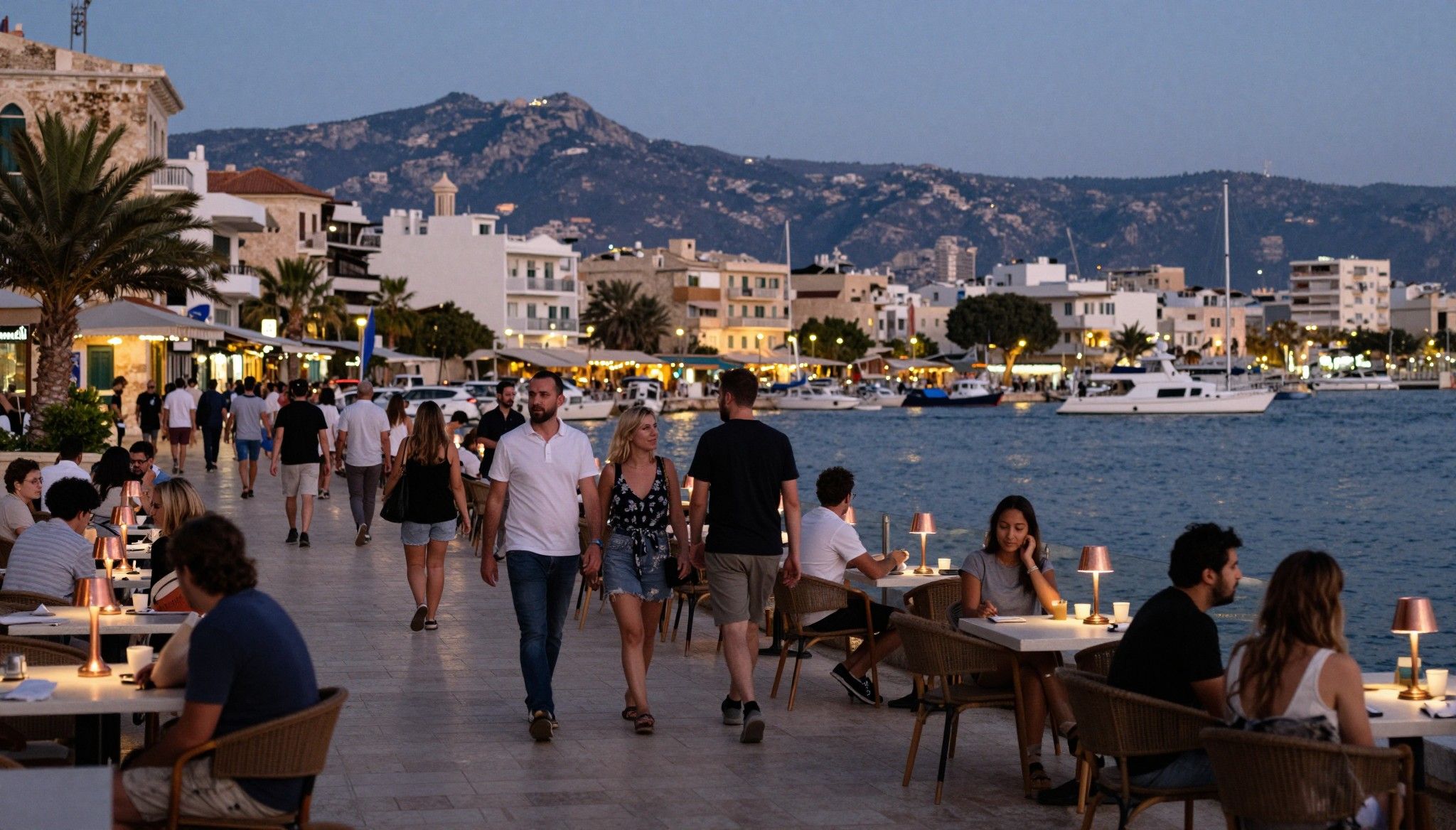
Sliema and St Julian’s present the island’s more urbane, cosmopolitan face: cafes that open early along the promenade, discreet embassies and a market for contemporary apartment living. Yet within walking distance are quieter coves — Balluta Bay’s sandstone steps at sunset, the modest beaches near Pembroke — where the sense of daily private life persists. For many, the appeal of these districts is practical: services, international schooling options and a lively dining scene within a stroll.
Lifestyle highlights
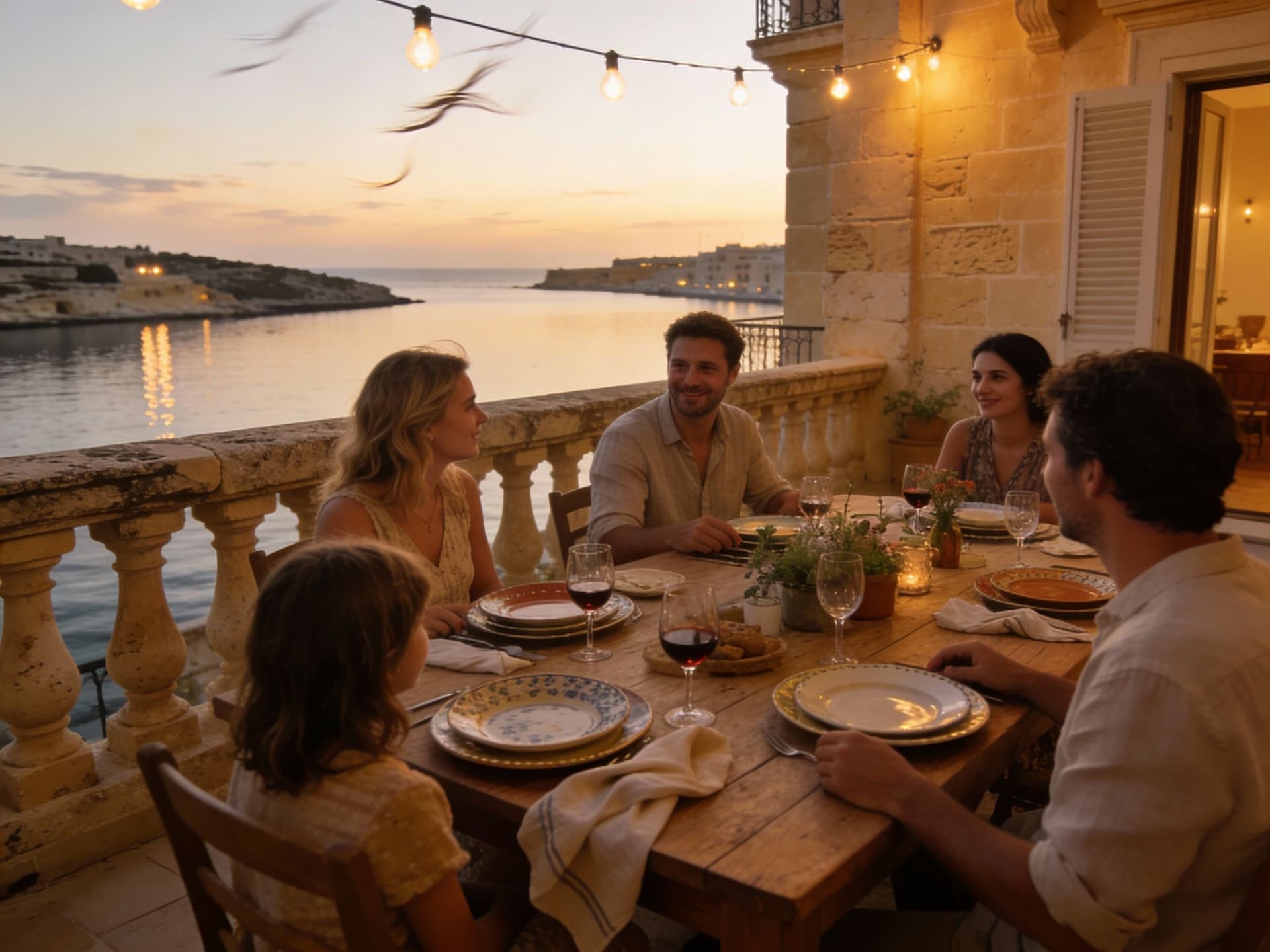
- Morning espresso at Caffè Cordina in Valletta; an after‑work swim at St George’s Bay; Sunday fish at Marsaxlokk market; an autumn concert in Mdina’s silent streets; a terrace dinner beneath bougainvillea in Gozo’s Xlendi.
Making the move: practical considerations
The island’s desirability is measurable: the Residential Property Price Index rose 5.6% year‑on‑year in Q2 2025, evidence of steady demand and constrained supply. Land scarcity has pushed values upward — the National Statistics Office notes a sustained climb in the RPPI — which makes timing, neighbourhood choice and local advice more consequential than in larger markets. Winter search seasons often reveal sellers who are pragmatic rather than busy with summer lettings; agents are available, viewings are calm and you can compare properties rather than be swept by high‑season momentum.
Property types and how they shape life
Maisonettes and converted townhouses speak to domestic life — roof terraces, vaulted rooms, traditional timber closed balconies (gallarija). Modern penthouses and new apartments offer light, insulation and engineered comfort but less provenance. For those who prize craft and longevity, restored palazzini in Valletta or a stone townhouse in Rabat will resonate; buyers seeking a seasonal lock‑and‑leave option often prefer newer, serviced blocks in Sliema or St Julian’s.
Working with local experts
A trusted agent does more than show property: they translate local customs (how offers are presented, the cadence of negotiations), flag building‑specific issues (roof terraces, party‑wall rights, apartment deed entitlements), and advise on season‑sensitive timing. In Malta’s compact market, an agent’s network — conveyancers, architects, local contractors — is often the decisive advantage.
Steps to a winter purchase in Malta:
- 1) Shortlist neighbourhoods by lifestyle — Valletta/Three Cities for heritage, Sliema/St Julian’s for services, Gozo for quiet; 2) Arrange targeted viewings in November–February when sellers are receptive; 3) Commission a local survey focused on damp, roof structure and historical fabric; 4) Use the quieter season to negotiate completion timelines that suit renovation work.
Insider knowledge: what expats wish they'd known
Expat life in Malta is generous but particular. English is an official language, which eases daily life, yet cultural integration depends on small rituals: joining a band club for local ties, accepting that festa season reshapes Sundays, and learning the polite cadence of negotiations. Regulatory shifts — including the 2025 EU court decision affecting citizenship‑for‑investment programmes — can alter the market’s international buyer profile and, over time, the supply of certain high‑end stock. Understanding such shifts helps temper expectation and locate genuine opportunities.
Cultural integration and daily community life
Making friends in Malta often happens through repeated, ordinary encounters: the same barista, the same fishmonger, the weekly market at Marsaxlokk. For families, schools and parish activities anchor social life; for professionals, club evenings and cultural openings provide networks. The social currency here is reliability and presence — living in a street for a season matters more than a single grand gesture.
Long‑term lifestyle and stewardship
Malta rewards stewardship. Restoring a townhouse demands patience and respect for fabric; done well, it adds tangible value and provenance. Consider long‑term maintenance (stonework, roof terraces, heat and moisture management) as part of purchase deliberation. For those seeking generational value, properties with documented restoration, original features and sympathetic extensions tend to retain cultural and market appeal.
Expats’ practical red flags
- Unregistered alterations to historic townhouses; unclear terrace rights; electric and plumbing systems dated beyond simple repair; apartments without proper deed separation; sellers dependent on high‑season short lets for pricing expectations.
Conclusion — the winter advantage and the next step
If Malta’s compact market and rising RPPI suggest urgency, the quieter months offer a strategic counterpoint: more measured viewings, agents focused on matching lifestyle to property, and room to negotiate detail. Begin with a short, practical visit in winter: walk the streets at different hours, sit in the cafes named here, and instruct an agent to source properties that reflect lived‑in quality rather than staged glamour. The island’s rewards are tactile — a well‑patinated lintel, a terrace that catches evening light, a neighbourhood where shopkeepers know your name. Secure the lifestyle first; the rest follows.
Having moved from Stockholm to Marbella in 2018, I help Scandinavian buyers navigate Spanish property law, restoration quality, and value through authentic provenance.