The Seasonal Illusion: How France’s High Season Distorts Value
High season in France disguises how places function year‑round; test neighbourhoods outside tourist peaks and use notarial data to judge true value.
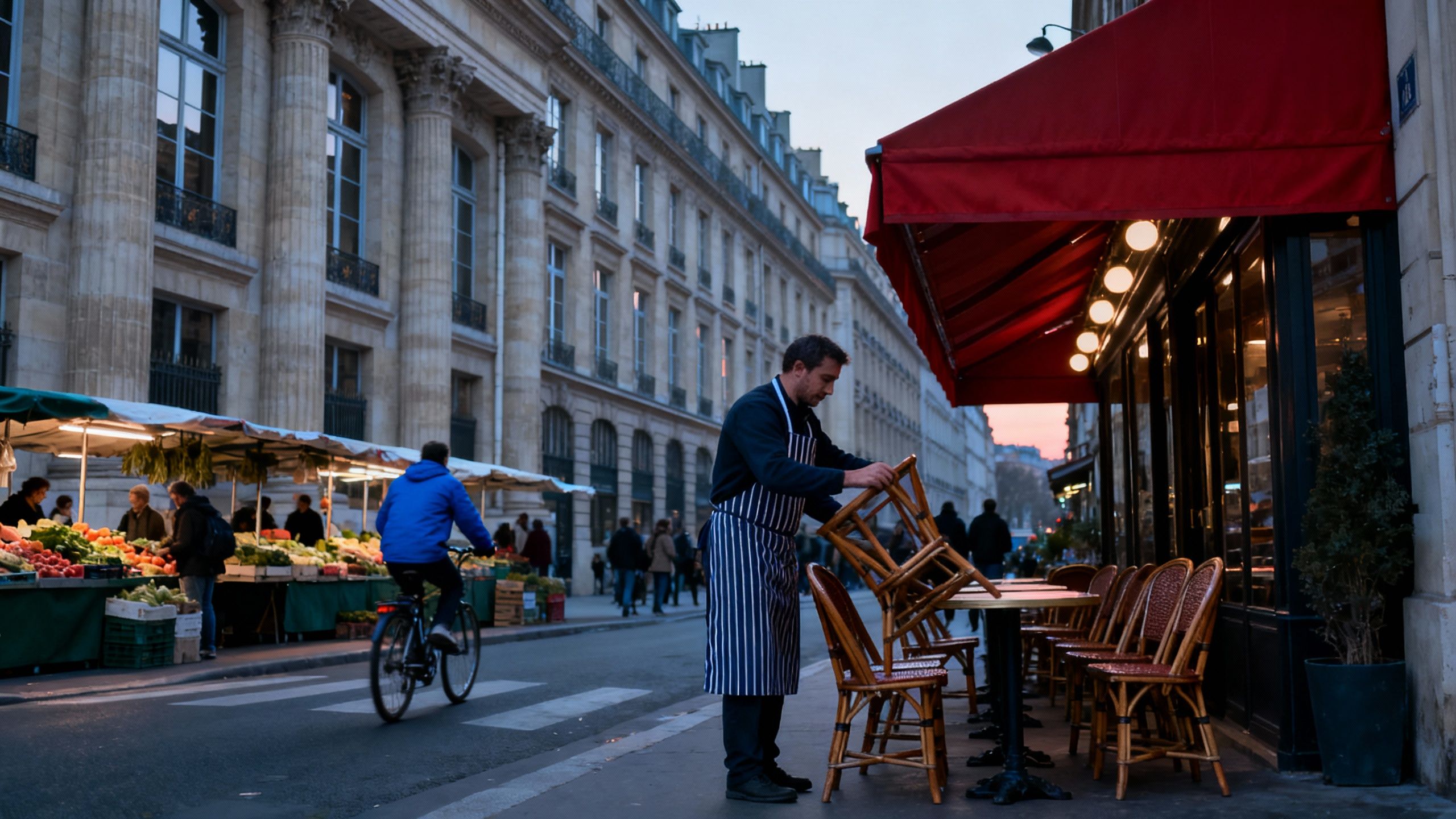
Imagine a Sunday morning in Aix‑en‑Provence: market stalls heavy with figs, a boulanger standing at the corner of Cours Mirabeau, and a courtyard apartment where light pours through tall shutters. That ease—unhurried, tactile, weathered—defines much of life in France. Yet the scenes you see during peak season often mislead buyers about value, noise, visitor pressure and even negotiation room. This piece argues that the country’s calendar—fêtes, school holidays and a tourism economy that concentrates life into a few months—changes both how places feel and what they cost.
Living the French Life, and When It Changes
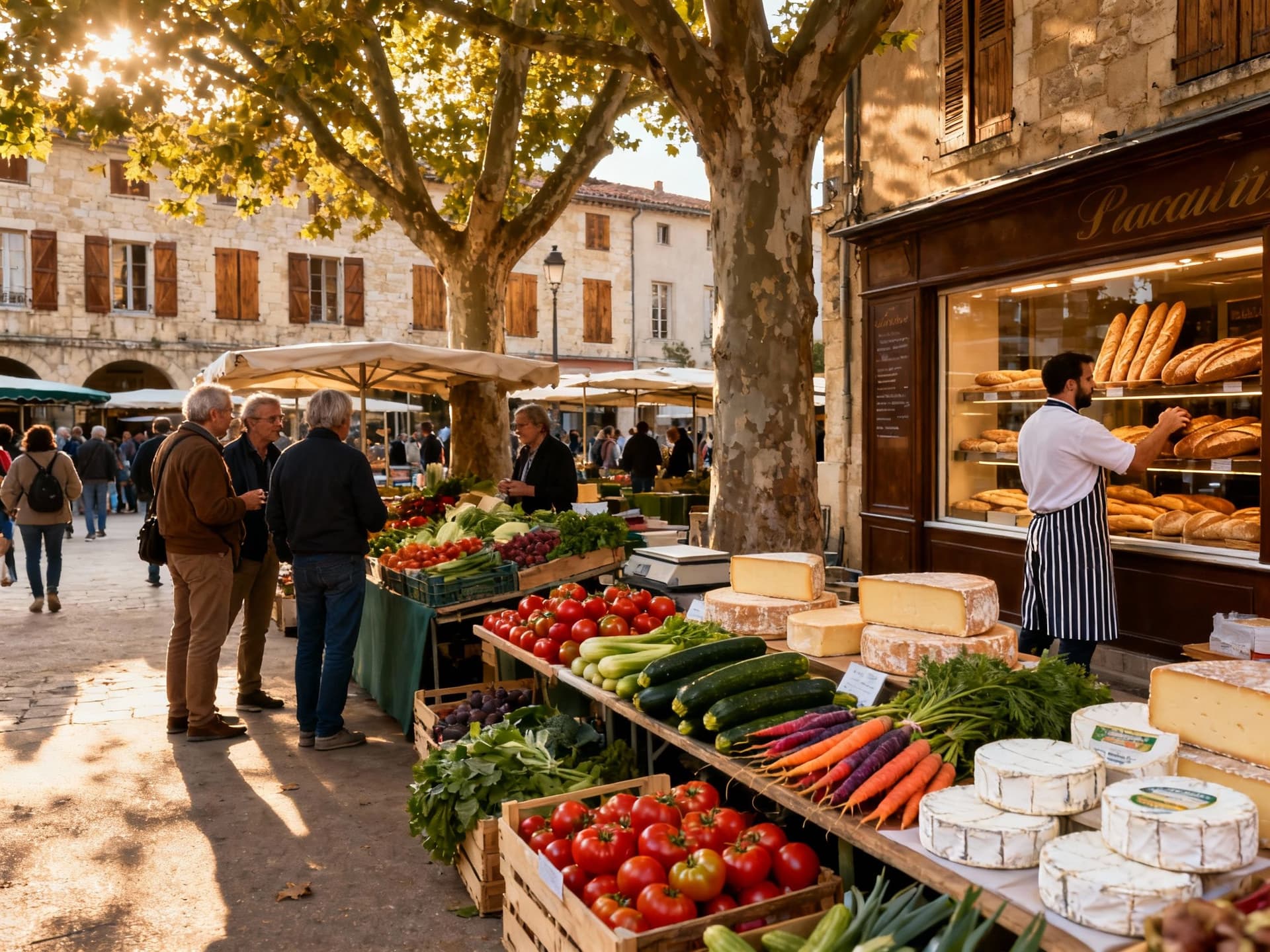
France is not a single tempo but a chorus of rhythms. The Mediterranean coast moves from slow winter cordiality to an incandescent July; Paris has a cadence of weekday commerce and weekend ritual; rural departments follow seasonal agricultural cycles. Understanding these patterns is as important as neighbourhood selection: the same rue in Nice feels like a tranquil village in November and like a festival thoroughfare in August. That duality shapes services, short‑term rental pressure, and how neighbours relate to incoming buyers.
City spotlight: Paris arrondissements vs. Île‑de‑France suburbs
A Saint‑Germain apartment on a weekday morning is a study in patisserie ritual and measured anonymity; Le Marais hums with cafés and boutiques; the 16th preserves a discreet residential stateliness. Move ten kilometres outward and you find townhouses with gardens, different school rhythms and far quieter streets. Buyers who visit only in high season can mistake touristic pulse for permanent vitality. For a lasting life in France, consider how weekday life, school terms and local service provision feel outside tourist peaks.
Coastal life: Côte d’Azur towns and the summer illusion
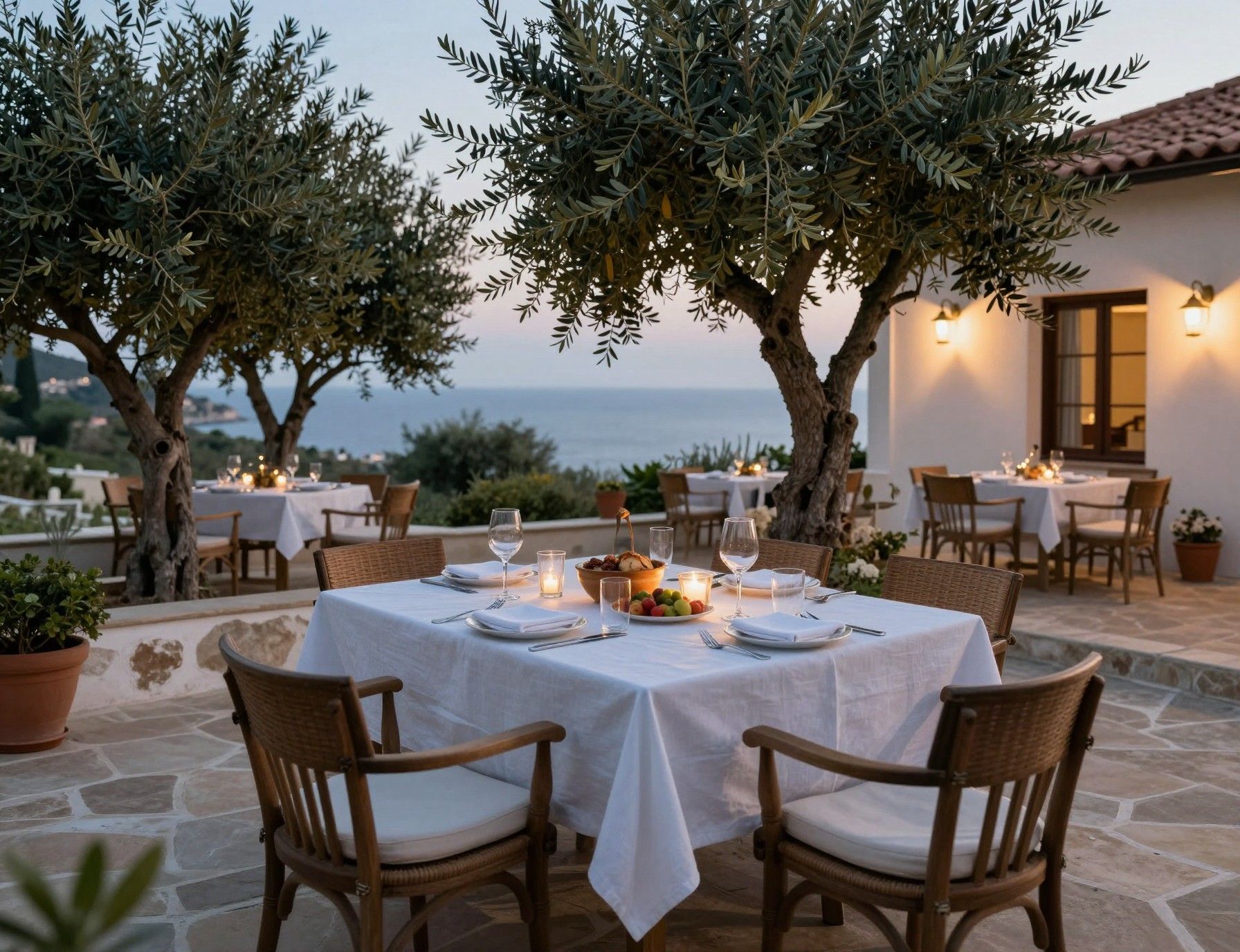
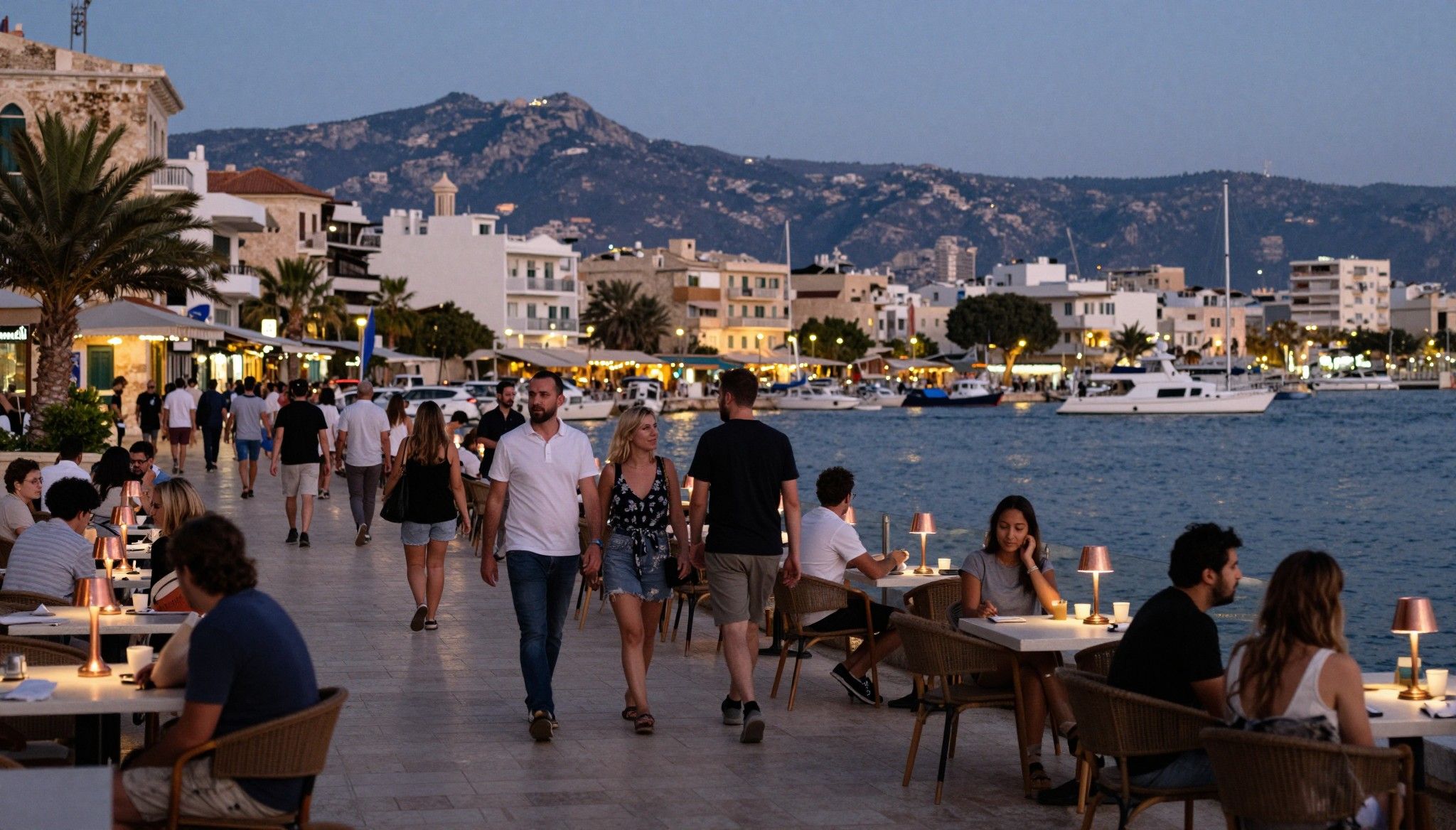
Nice’s Promenade and Saint‑Tropez’s harbour are rehearsed theatre in July. Streets fill with visitors and short‑let turnover spikes; terraces expand and municipal life compresses into summer commerce. Beneath the glamour, many desirable residential pockets—like Cimiez in Nice or the hills above Saint‑Tropez—offer year‑round calm, artisanal shops and resident communities that reappear in autumn. If you judge a town by its August self, you risk buying into a seasonal economy rather than a community.
- Seasonal lifestyle highlights to test outside high season: visit markets (e.g., Marché Forville in Cannes on a Tuesday), attend a weekday mairie coffee morning, check local school term rhythms, note weekday public transport frequency, and ask about municipal ferie closures.
Making the Move: Practical Considerations
The French market’s shape is shifting. Recent reporting and notaires‑insee data show a recovery in transactions as borrowing costs eased in 2024–2025, yet regional variation is pronounced. That matters when you time viewings: a price quoted in August may not reflect buyer activity in November, nor the negotiation leeway when local demand softens. Use market data to time both visits and offers, and remember that tax and administrative calendars (local budgets, new municipal rules) can change pricing dynamics.
Property types and how season affects them
Historic apartments, village houses and coastal villas respond differently to seasonal demand. Second homes are highly correlated with summer occupancy and short‑let returns; city apartments tied to business and school calendars fare more steadily. When you inspect a property in high season, ask for year‑round utility bills, previous winter occupancy and recent rental calendars. A well‑regarded local agency can provide anonymised occupancy records and long‑term comparables to test the seasonal premium.
Working with local experts who know the calendar
A notaire, an architect familiar with regional heritage codes and an agent who keeps a rolling list of off‑market opportunities are essential. Notaires’ guidance on acquisition costs and compulsory diagnostics prevents surprises, while an agency steeped in local cycles helps you see past the season. When interviewing advisors, ask how many clients they moved in January versus August and request references from buyers who viewed outside the calendar peak.
- Steps to test seasonality before you bid: 1. Book a midweek visit outside school holidays and compare footfall to high season notes. 2. Request utility and municipal service logs for summer and winter months. 3. Ask the notaire for historical sale dates in the micro‑market (same street/block). 4. Seek at least one winter or low‑season comparable when modelling yield or lifestyle suitability.
Insider Knowledge: What Expats Wish They'd Known
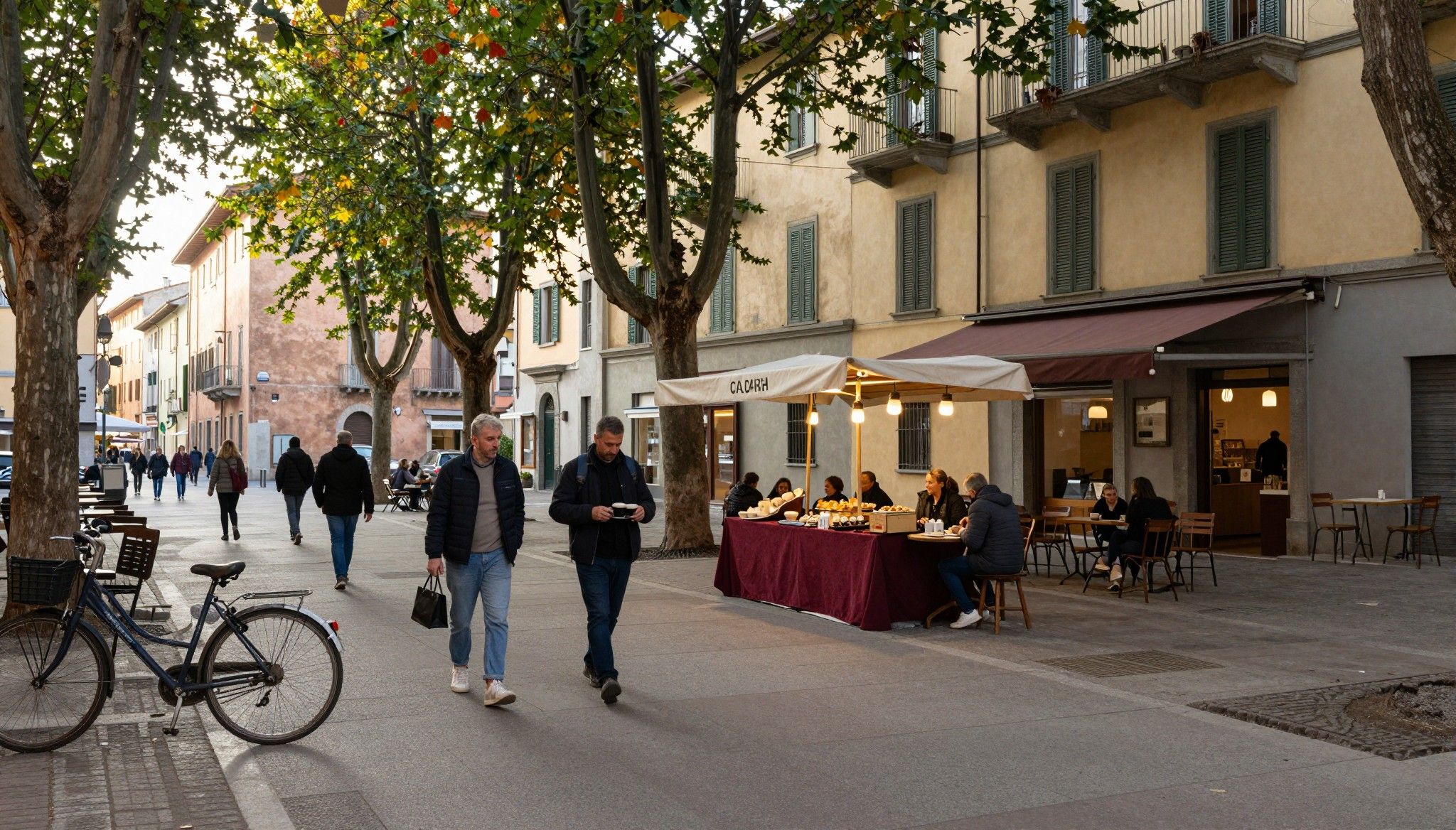
Expats often tell the same story: they fell in love with a summer image of a place, only to discover different rhythms afterward. Neighbourhood cafés close for August, mairie services run reduced hours, and some artisan shops shutter for weeks. That can be disorienting but also instructive: quieter months reveal community practices—where neighbours meet, which boulangeries are local institutions, and which streets hold steady value when tourists ebb.
Cultural integration and the language of place
French social life rewards attention to ritual: market days, aperitif windows, and the rhythm of municipal fêtes. Learning a few habitual phrases, arriving for a marché at opening, or joining a local association opens doors faster than polished credentials. For buyers, this is practical: a neighbour’s recommendation can expedite contractors, a mairie contact assists renovation permissions, and cultural fluency helps when interpreting the tone of offers and counteroffers.
Long‑term stewardship: what changes after you move
A house in France rewards stewardship. Over five to fifteen years you will confront maintenance cycles—roof work, façade repointing, heating upgrades—that are easier to manage when you understand local trades and seasonality. Choose advisors who can introduce reputable artisans and who know timing: some repairs are best done in spring, gardens planted in autumn. A well‑timed renovation not only conserves character but often enhances value more than cosmetic, seasonally focused upgrades.
- Practical red flags to check irrespective of season: • Repeated short lets on the block (tourism pressure) • Municipal planning notices or pre‑emption (mairie droit de préemption) • Discrepancies in winter utility bills vs. summer occupancy • Unresolved copropriété (condominium) debts or pending travaux • Energy performance anomalies in diagnostics (DPE)
Conclusion: If you seek a French life rather than a postcard, make season your lens. Visit outside the high season, ask for year‑round data, and partner with notaires and agencies who can show you the town when fewer people are looking. The reward is a residence that feels authentic in ordinary months and endures as a home through the cycles of French life. When you are ready, have an advisor assemble a winter and summer dossier for any property you consider—then decide with both calendars in view.
Norwegian with years in Florence guiding clients across borders. I bridge Oslo and Tuscany, focusing on legal navigation, cultural context, and enduring craftsmanship.