The Greek neighbourhoods buyers often overlook
Look beyond postcard addresses: Greece’s most rewarding purchases are in lived‑in neighbourhoods where community, craft and steady market fundamentals meet.
Imagine waking to the sound of delivery scooters threading through a market square in Koukaki, spilling into a narrow street where a neighbourhood bakers’ early loaves steam in the winter air. In Greece, daily life folds around such small certainties: espresso at 9 a.m., a late afternoon passeggiata, and neighbourhood rhythms that matter more than glossy sea views. Yet many international buyers arrive chasing postcards — islands, vistas, tourist corridors — and miss the quieter streets where provenance, community and steady value quietly align. Recent market data shows price growth has moderated but remains positive, making those overlooked quarters worth a closer look.
Living the Greek life — more than a view
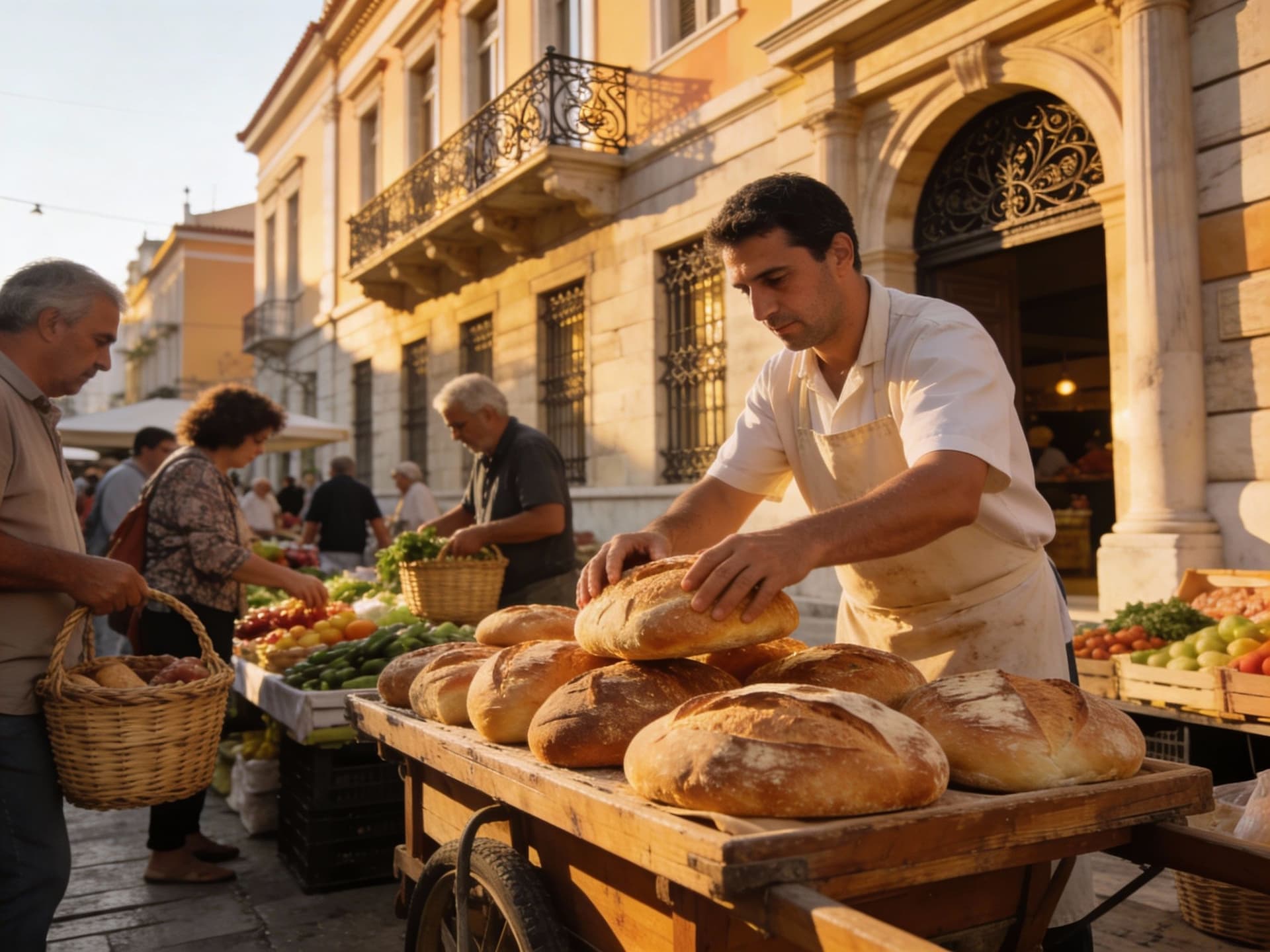
Living in Greece is tactile. In central Athens, you inhabit layered history — neoclassical façades, iron‑balconied apartments, and ground‑floor kafeneia where the same faces gather for decades. On the islands, life is paced by light and sea: mornings spent at a local market, afternoons on a terrace shaded by vines. This is a country where the quality of a neighbourhood’s café, its municipal gardens and the weekly market often shape everyday contentment more than headline square‑metre prices.
Athens: neighbourhoods that reward attention
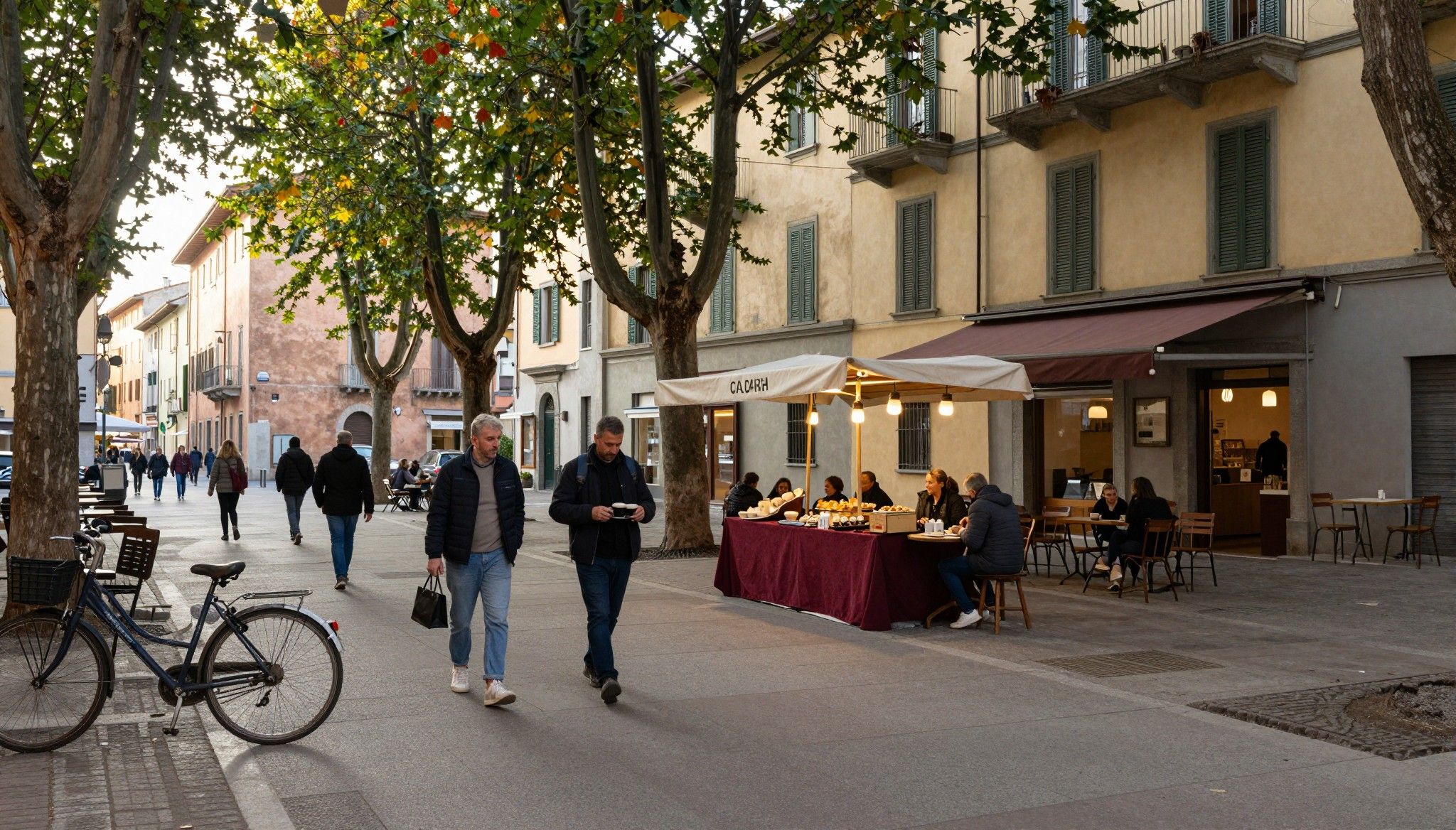
Walk Koukaki at dawn and you see why certain inner‑city districts have become magnets: small artisan shops, a clutch of bistros run by chefs who trained in Europe, and pedestrian streets that age gracefully. These are not the touristed parts of Plaka; they are lived‑in urban quarters where old Athenian families and young professionals coexist. Demand here has translated into steady price rises — driven as much by lifestyle as by investment — and yet the character endures if purchases are made with stewardship, not speculation.
Islands beyond the postcard: where life feels local
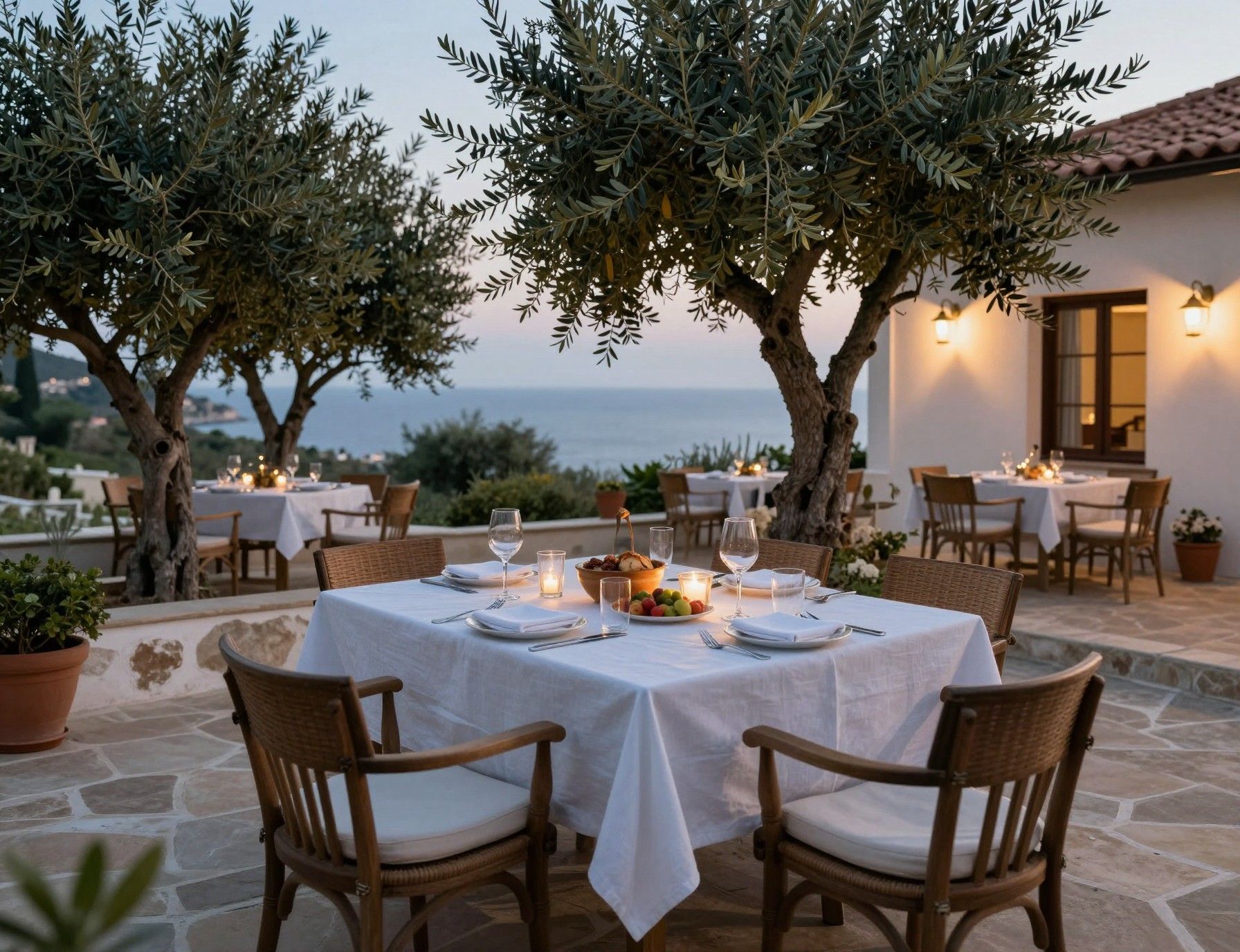
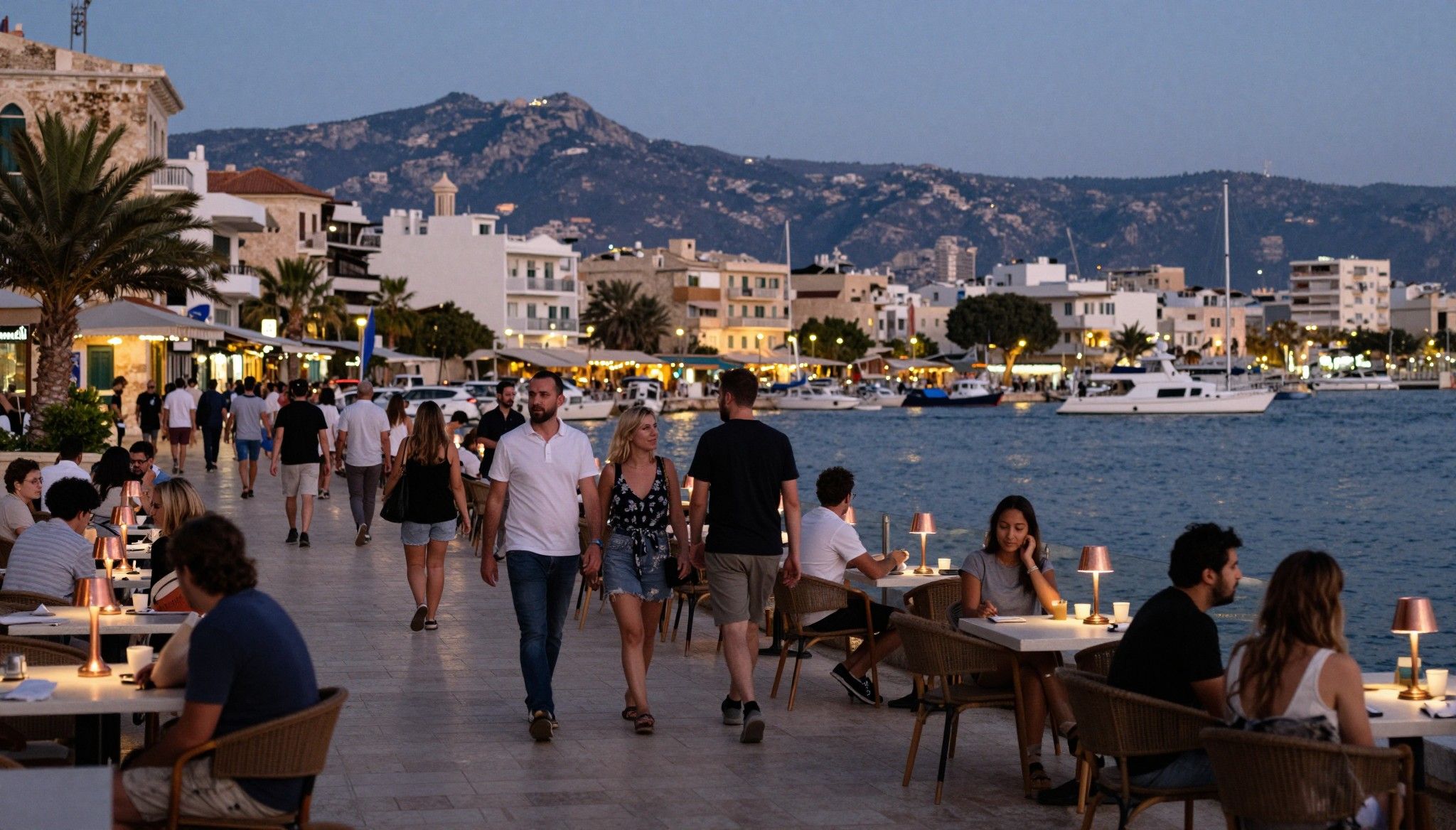
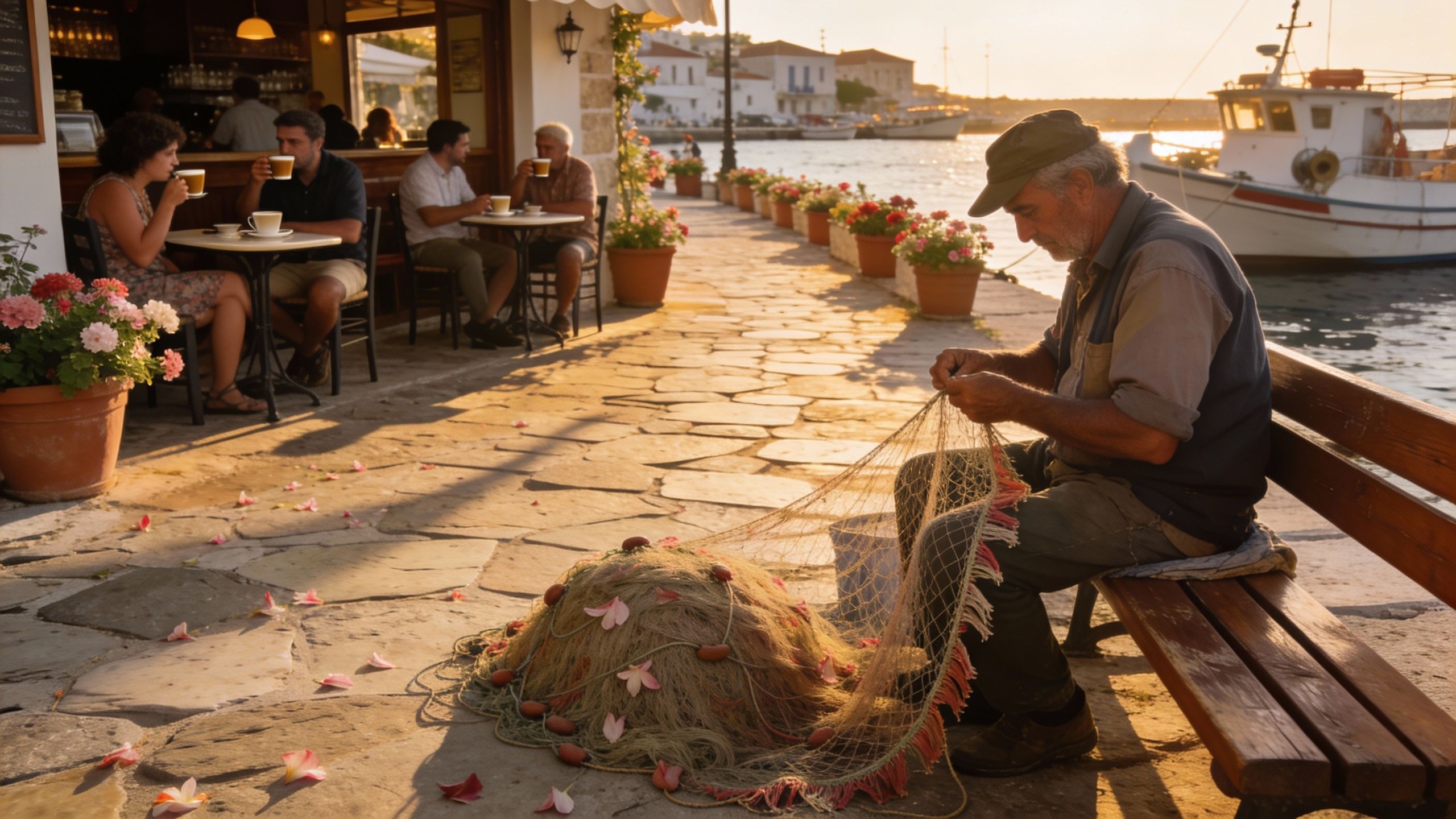
On many islands, the parts favoured by locals — small harbours, inland villages with stone squares, coastal hamlets with a single fish taverna — offer a cadence of community life that tourists rarely penetrate. These locations often deliver the lifestyle buyers imagine, but at more reasonable premiums than the headline 'blue‑flag bay' addresses. Buying here asks for patience: you trade immediate spectacle for authentic daily pleasures.
- Lifestyle highlights worth prioritising
- Early‑morning markets: Varvakios in Athens or local island markets for fresh produce and exchange of neighbourhood news
- Neighbourhood cafés and bakeries: the locus of social life — choose streets where these exist year‑round
Making the move: lifestyle-led, data-anchored
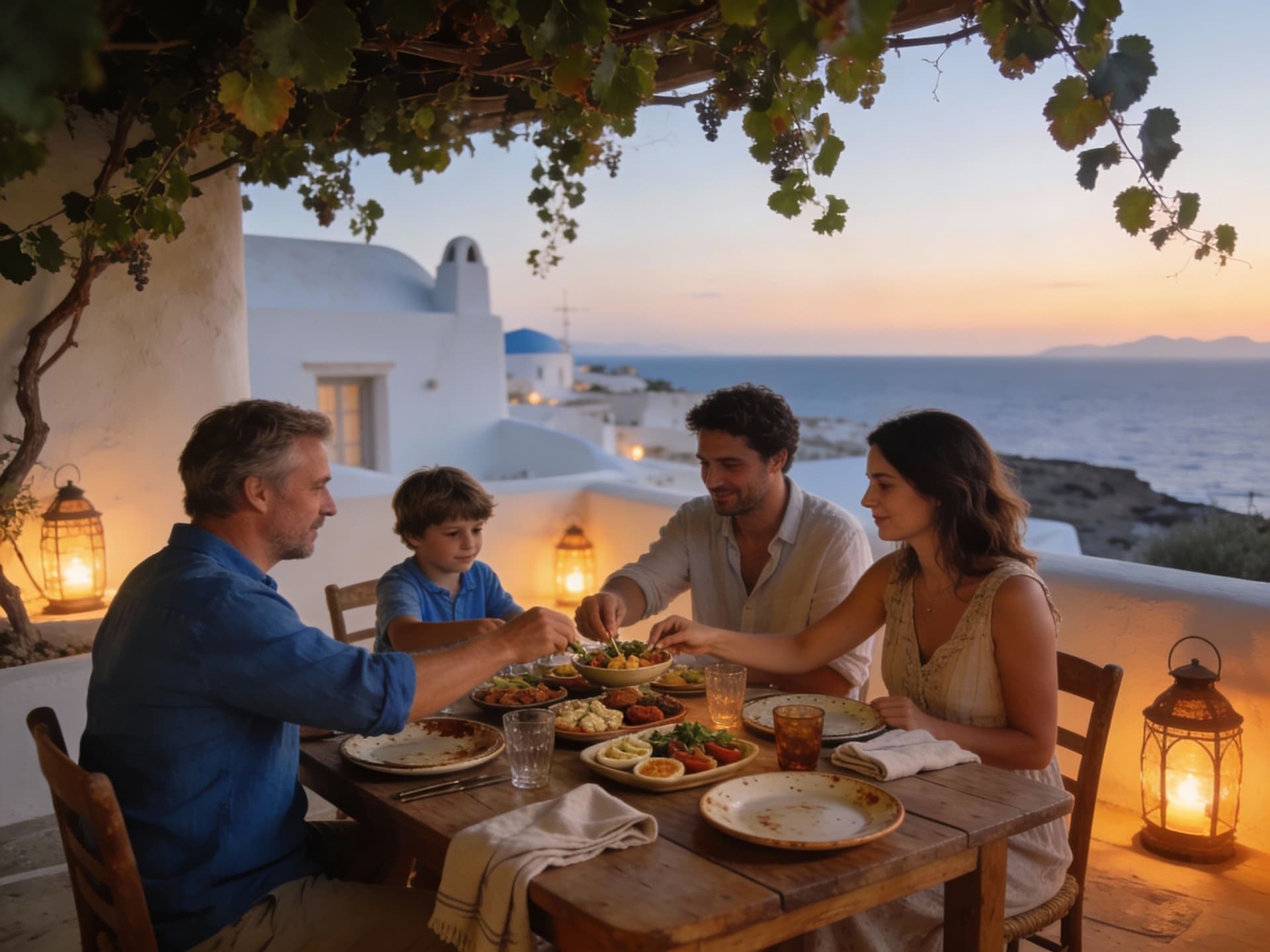
Your emotional reasons for buying — evening walks, a favourite taverna, a compact study with light — should sit beside the market facts. National indices show continued price growth but uneven regional performance: Athens, Thessaloniki and sought‑after island centres have outpaced many rural areas. The prudent buyer maps lifestyle priorities against these trends and accepts that true value often resides where the market is less headline‑driven.
Property types and how they shape daily life
A 19th‑century neoclassical apartment gives scale and classical detail; a renovated 1930s Athenian flat yields high ceilings and deep windows; a Cycladic stone house provides courtyards and thermal comfort. Each form supports a particular life. If you prize terrace dining and water proximity, coastal villas answer that wish. If you want daily social life year‑round, an inner‑city apartment close to markets and cafés will repay you in intangible value.
Working with experts who understand the life you want
A local agency fluent in architecture and municipal practice becomes a curator of neighbourhood life, not merely a vendor of square metres. They can reveal which streets retain community shops, where restoration standards preserve façade integrity, and which properties are likely to see permitting friction. Look for agencies that show provenance — original plans, restoration records and local references — and ask them to contextualise a property within daily seasonal life.
- Steps to blend lifestyle and prudence when buying in Greece
- 1. Walk the street at three times of day across a week to sense year‑round life.
- 2. Request municipal records and recent utility statements to confirm occupancy patterns and service costs.
- 3. Commission a local architect to estimate restoration or adaptation work — material authenticity matters.
Insider knowledge: what expats wish they’d known
Expats often recount a similar arc: enchanted arrival, a misjudged purchase driven by scenery, then a quiet recalibration toward the neighbourhoods that sustain daily life. The advice that repeats in private conversations is simple: buy where you see year‑round domestic activity; value the presence of small shops and municipal care; and be ready to steward a property rather than treat it as a short‑term asset.
Cultural fluency and social ease
Language need not be perfect to belong. Learning a few phrases, patronising the same kafeneio, and participating in local festivals conveys respect and accelerates invitations to local life. In many neighbourhoods the social contract is civic: if you care for the property and contribute to local rhythms, the community will welcome you. This cultural integration often determines whether a purchase feels like home after the first year.
Long‑term lifestyle and investment sustainability
Greece’s house price index shows recovery since the nadir of the crisis decade, but regional disparities persist. Properties bought with an eye to authentic neighbourhood life — and restored with respect for local materials and regulations — tend to hold value better through market cycles. Think of stewardship, not turnover: you are buying into a community as much as a building.
Practical next steps: visit, listen, and commission insight. Arrange multiple visits across seasons, insist on architectural and title due diligence, and choose an agency that demonstrates both market data and a tactile knowledge of the streets you intend to join. In Greece, the most fulfilling purchases are those that pair a quietly excellent daily life with careful, informed stewardship — homes one intends to love for decades.
Norwegian with years in Florence guiding clients across borders. I bridge Oslo and Tuscany, focusing on legal navigation, cultural context, and enduring craftsmanship.