Provincial France: Where Quiet Streets Hold Value
Provincial France’s understated towns are quietly regaining value; combine market data with neighbourhood character to buy a life, not a headline.
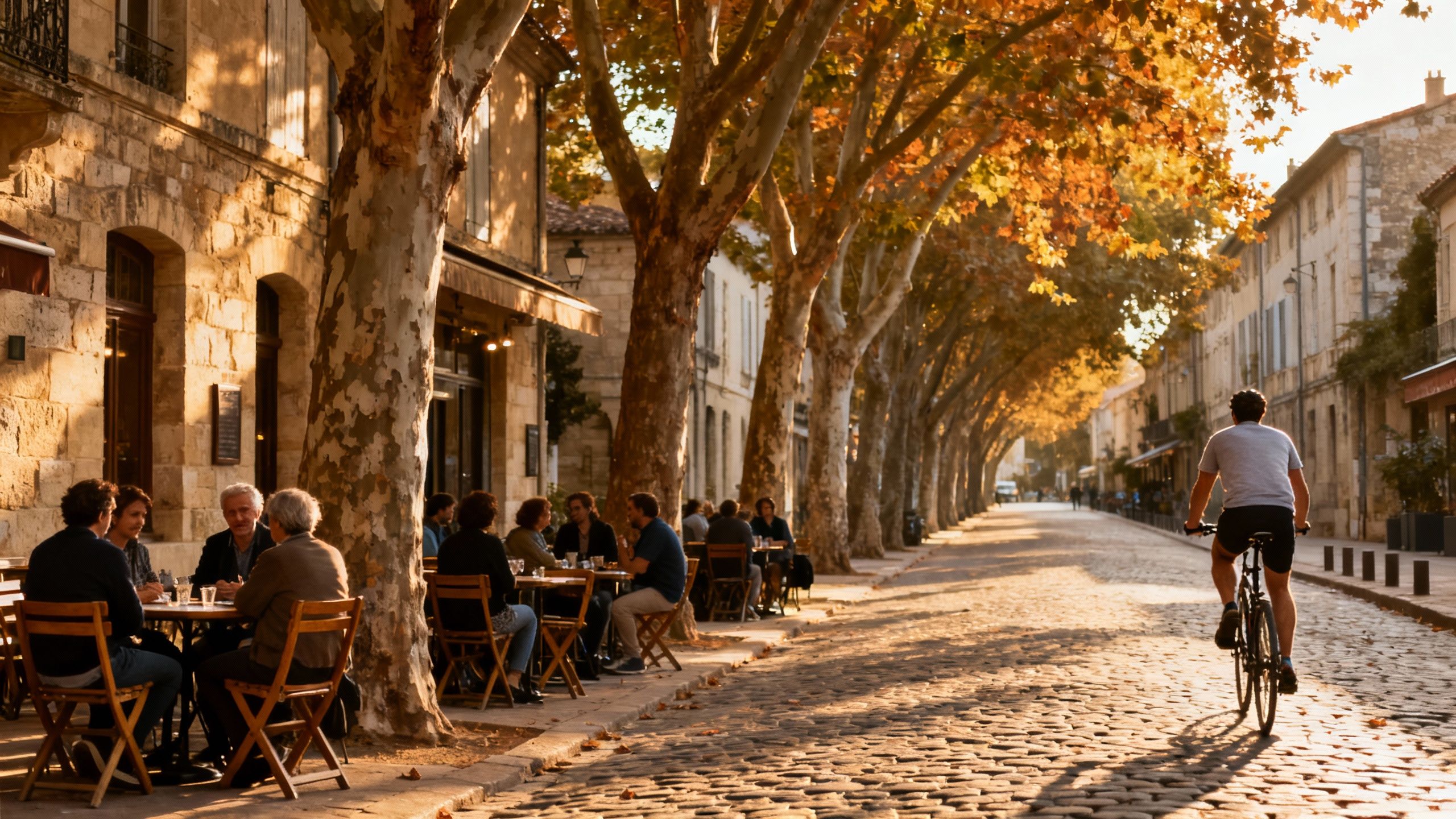
Imagine a morning in provincial France: a baker on Rue des Halles pulling brioche from the oven, shutters opening on limestone facades, and a market that still trades in conversations as much as cheese. This is the life many international buyers picture when they think of France — measured, tactile and quietly generous. Yet that image hides a practical opportunity: outside Paris and the Riviera, towns that feel "undervalued" are reshaping their markets. According to recent INSEE data, price movements since 2024 show renewed momentum in provincial areas, creating windows where lifestyle and investment align.
Living the French life: provincial rhythms and urban counterpoints

Daily life in France is shaped by scale: narrow, storybook streets in Lyon’s old quarters; the late-afternoon hush of a Biarritz beach outside summer; the formal, disciplined elegance of Parisian arrondissements. Recent market briefs from French statistical services show that after a long adjustment, provincial prices began rising again in early 2025 — a reflection of renewed demand for space, character and calmer routines away from dense capitals. For buyers seeking a life change rather than a headline, this matters: the market now rewards buyers who prioritise provenance and neighbourhood character over glamour.
Spotlight: The streets locals still favour
Walkable streets define quality of life in many French towns. In Aix‑en‑Provence the Cours Mirabeau is a lived experience of terraces and plane trees; in Nantes, Île Feydeau’s quiet courtyards and workshops hint at a creative afterlife. These are not merely pretty addresses: they host artisans, weekly markets and small restaurants that sustain neighbourhood economies. When you buy here, you buy into a rhythm — morning coffee at a single café, an afternoon at a marché, neighbours who know your name — all features that translate into durable demand.
Food, market life and seasonal texture
Markets and food shape how French towns are lived. From the truffle stalls in Périgord to the oyster tables on Arcachon’s quay, seasonal produce punctuates the year. Buyers often underestimate how much the calendar shapes demand: towns with weekly markets and an active food scene attract part‑time residents and short-term visitors, supporting second‑home values. Journalists and market commentators have noted a resurgence in transactions where lifestyle amenities are tangible — precisely where market activity is increasingly concentrated.
- Lifestyle highlights to seek in a neighbourhood
- A daily market within a ten‑minute walk (fresh bread by 08:00)
- An artisanal café or bistro where locals meet (not a tourist trap)
- Mixed‑use streets with independent shops and evening life
- Nearby green space or a riverwalk used year‑round
Making the move: how lifestyle shapes the practical search
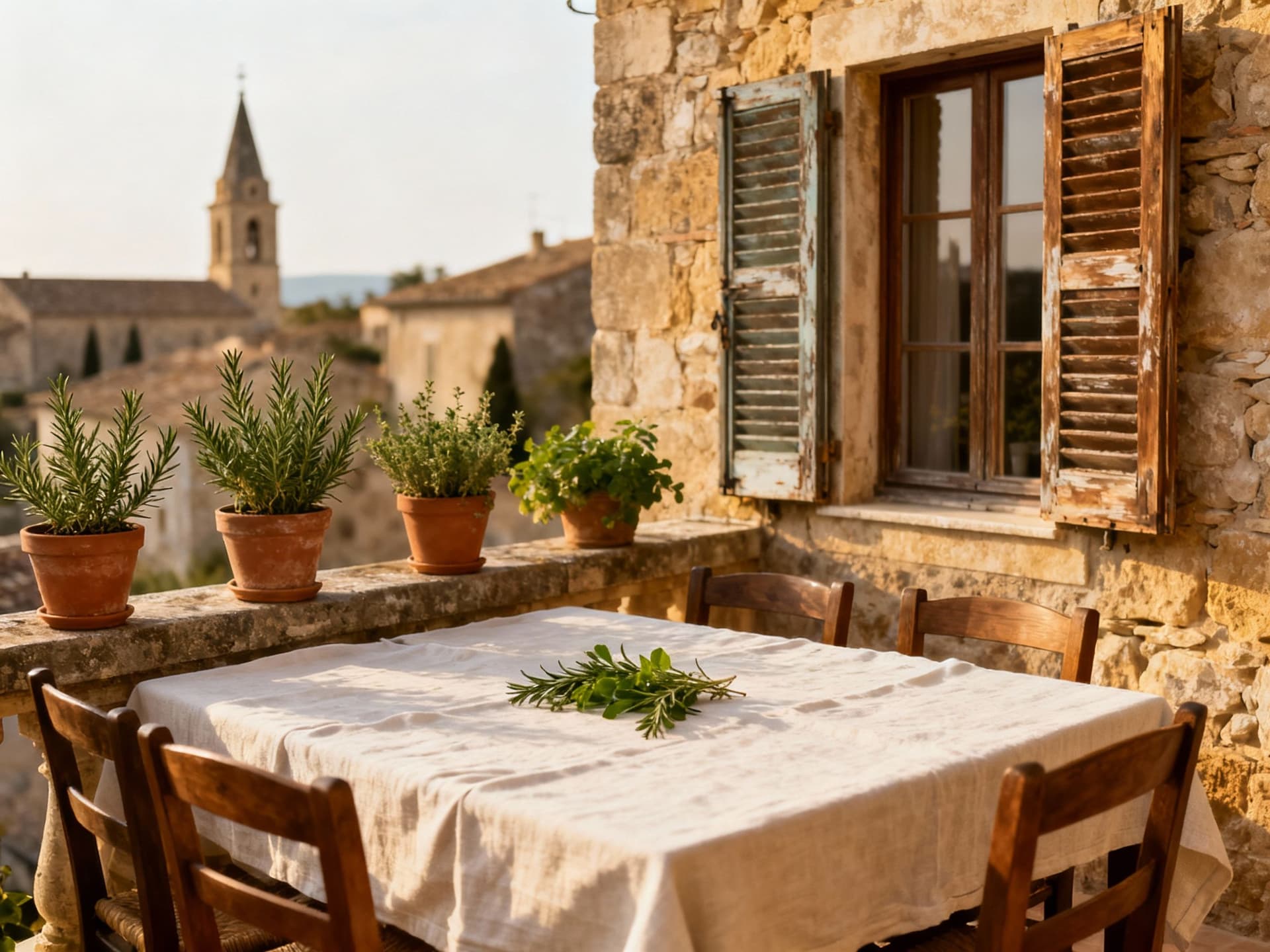
The moment you fall for a street in France is the moment you must ask: how will this address stand up as a long‑term asset? Lifestyle choices determine practical needs — larger kitchens for market cooking, cellars for wine, ground‑floor access if you see yourself living on the same street for decades. Equally, recent statistical shifts suggest buying now in certain provincial towns is less about timing the market and more about selecting the right micro‑location.
Property types and the life they permit
Stone village houses offer provenance: thick walls, shutters, low running costs in winter when well maintained, and generous cellars. Town apartments near market squares offer civic life and convenience; they are efficient to manage and rent. Modern renovations with high‑quality insulation and discreet contemporary fittings give the best of both worlds: heritage character with amenity. Choose the typology that matches how you intend to use the home — permanent residence, seasonal retreat or rental asset — and let that decision guide inspections and offer strategy.
Working with agencies who understand local life
Local agencies are translators of lifestyle into measurable criteria. A curator‑minded agent will show you daily sunlight patterns, market routes, delivery logistics and whether cobbled streets mean limited vehicle access. They will bring comparables that account for character features — cellars, exposed beams, courtyard orientation — rather than relying on generic per‑square‑metre averages. Agencies grounded in their towns also help anticipate maintenance demands for traditional materials and liaise with artisans comfortable with historic fabric.
- Practical steps that blend lifestyle and process
- 1. Spend three full days living in a neighbourhood (morning market, evening, a weekday).
- 2. Commission a structural survey focused on heritage elements (roofing, timber, masonry).
- 3. Ask your agent for comparable sales that list artisan repairs and running costs.
- 4. Build a one‑year living budget that includes seasonal hospitality and travel.
Insider knowledge: what expats wish they had known
Expat accounts often begin with romance and end with surprising practicalities: the small hours of municipal services, the cadence of local politics, and the social protocols of village life. People who integrate best arrive with curiosity and a respect for local customs: they learn basic French for courtoisie, they join associations, and they accept that things take time. The most valuable local knowledge is rarely market data; it is whether a neighbourhood hosts an autumn fête, a weekly pétanque group, or a cooperative bakery that binds residents together.
Language, manners and everyday integration
A little French smooths transactions and daily life. Use formal greetings in first encounters; accept that bureaucracy has formality but also predictability. Exchanging a few phrases with your notary, architect or boulanger builds trust and often uncovers practical shortcuts. Agencies that coach clients in cultural courtesy reduce friction at every stage, from offer to final signature.
Long‑term stewardship and neighbourhood legacy
Buying in France is an act of stewardship. Heritage homes demand ongoing attention: lime mortar repointing, slate maintenance, sympathetic glazing and respect for local conservation rules. Buyers who approach purchases as long‑term commitments find the lifestyle reward multiplies; those seeking quick flips are often vexed by regulations and restoration timelines. The towns that prosper are those where owners care for fabric and community in equal measure.
- Red flags to watch in charming properties
- Persistent damp in basements or cellars that indicates drainage problems
- Undeclared renovations lacking permits in conservation areas
- Road access that prevents practical deliveries or emergency services
Conclusion: France rewards those who buy a life, not a headline. Current statistics show provincial markets steadying and, in many cases, returning to modest growth — precisely the environment where well‑chosen, characterful homes outperform. Begin with taste and curiosity; complete the process with local expertise that understands both materials and manners. If you want to explore towns where daily life, market prudence and architectural quality converge, an on‑the‑ground conversation with a curator‑minded agency is the most efficient next step.
Dutch former researcher who moved to Lisbon, specialising in investment strategy, heritage preservation, and cross-border portfolio stewardship.