Why Malta’s Quiet Coastal Villages Often Outshine the Centre
Malta pairs steady price growth with intensely local lifestyles; choose by tempo — Valletta’s ceremony, Sliema’s promenade, or Marsaxlokk’s maritime calm — and pair with heritage-minded local expertise.
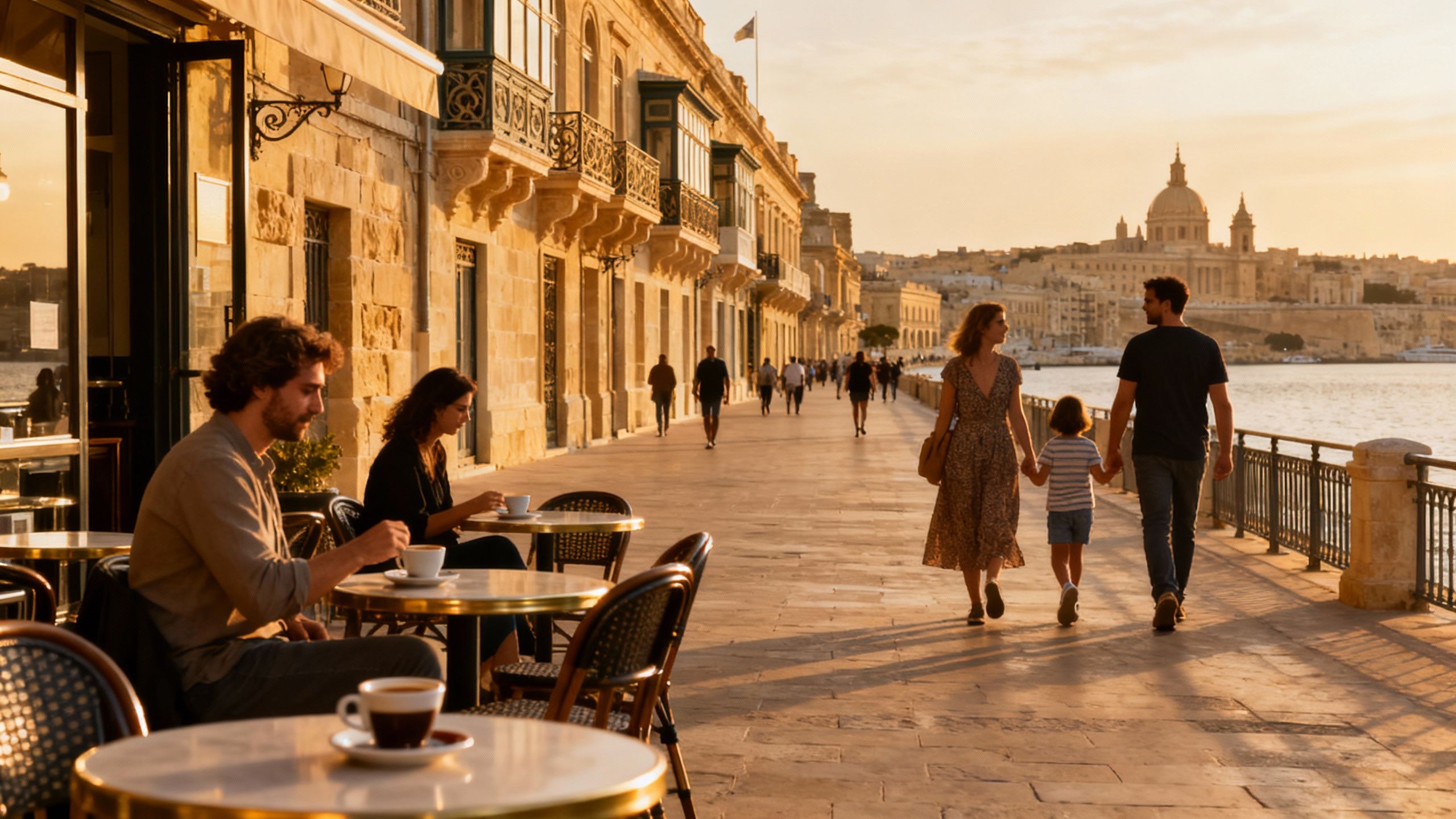
Imagine an evening in Malta: a low sun gilds limestone facades, a harbour lunch of lampuki at Marsaxlokk, and a short walk brings you to a quiet bar tucked behind Valletta’s bastions. That feeling — compact islands, immediate sea, human scale — is what draws buyers. Recent market indicators show steady price appreciation, but the story for someone seeking a life here is more nuanced than 'expensive' or 'bargain'.
Living Malta: daily rhythms, places and textures
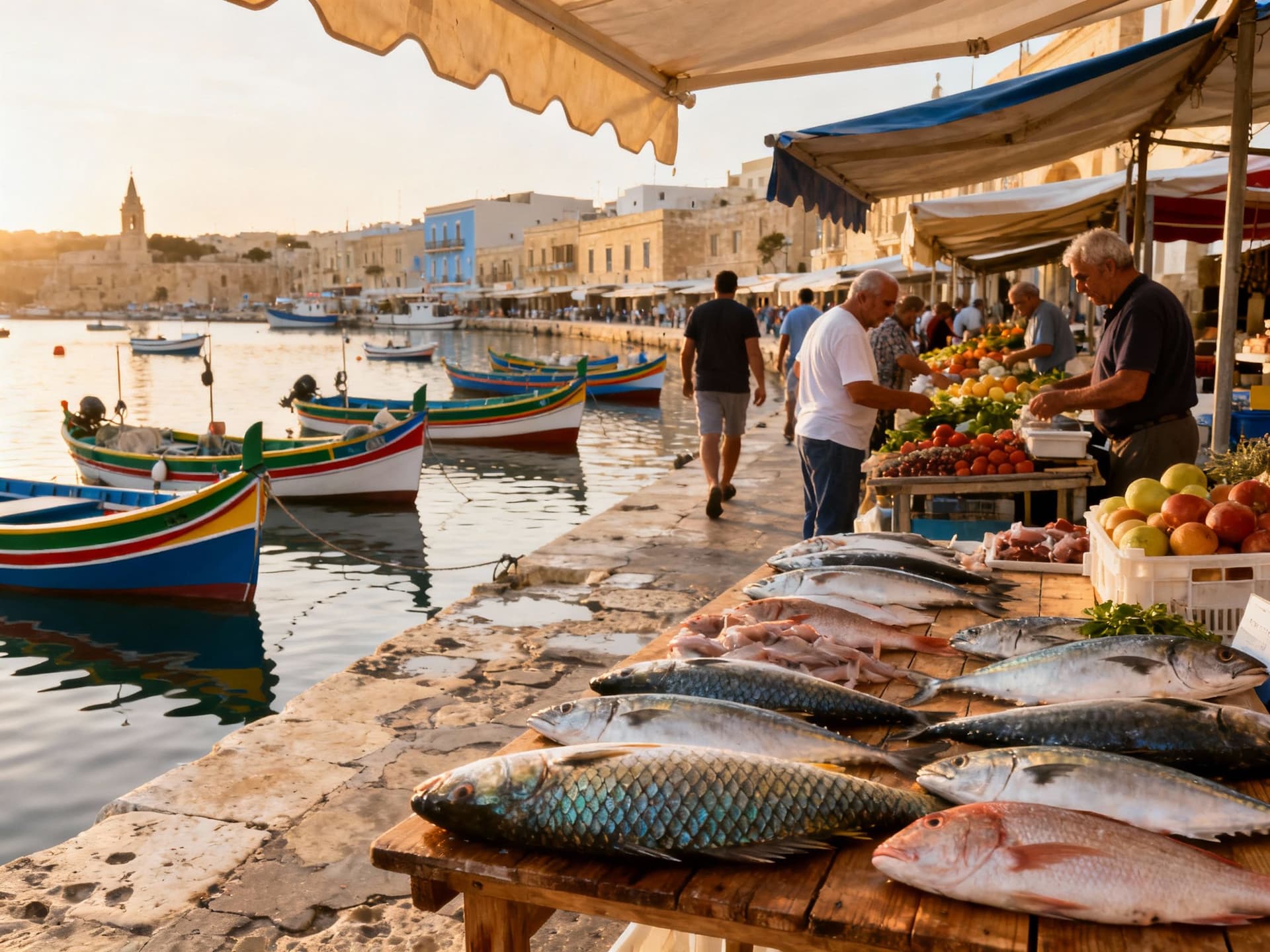
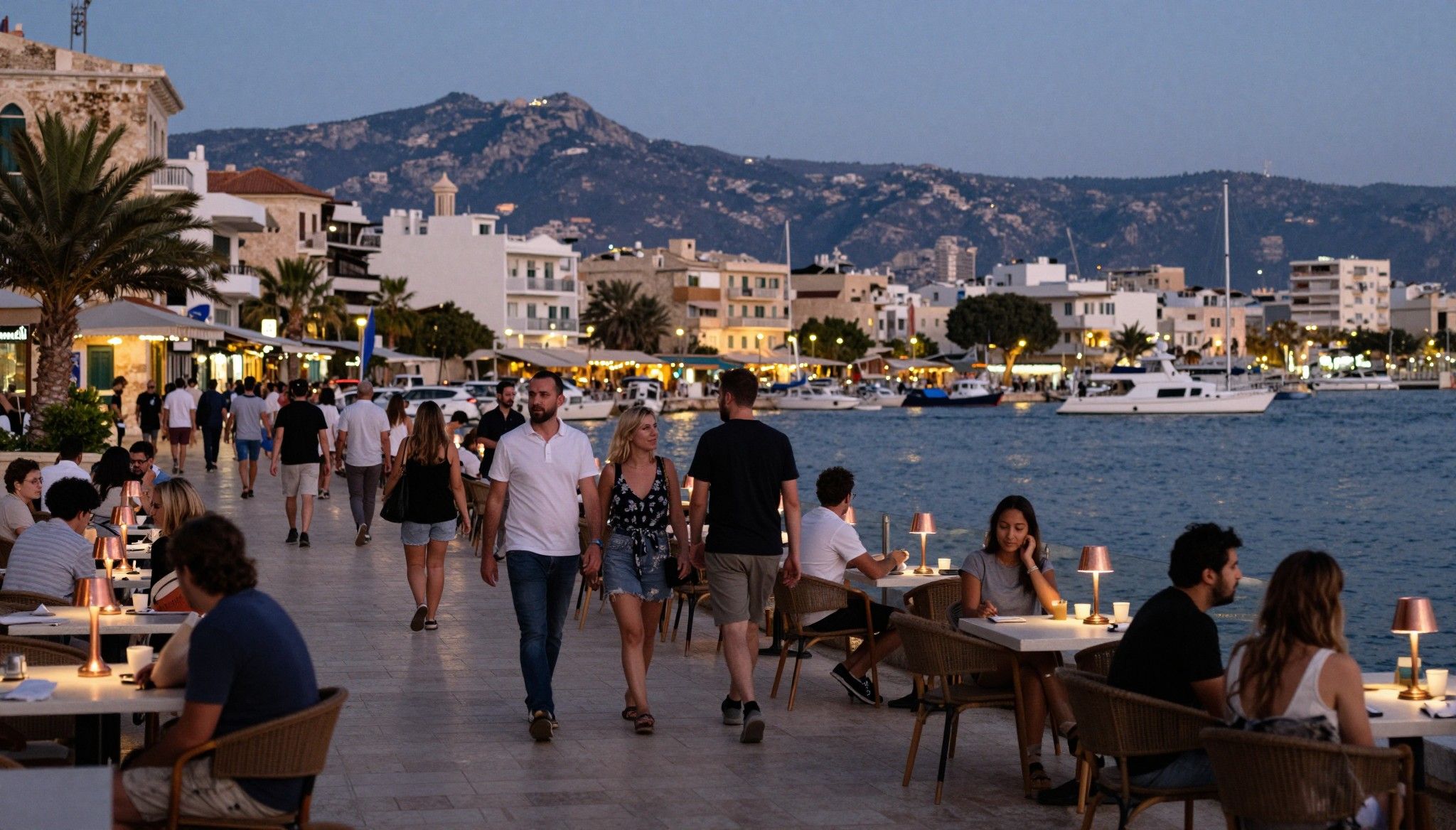
Life in Malta is lived at the intersection of sea and streets. Mornings start with short espresso conversations on Triq it-Torri, afternoons bend around the promenade and small coves, and evenings move toward intimate festa processions or refined restaurants in restored townhouses. Sliema and St. Julian’s are lively and waterfront-facing; Valletta keeps a quieter, ceremonial tempo; villages such as Marsaxlokk offer slow, maritime days that feel generational.
Valletta, Sliema and St. Julian’s — formality and immediacy
Valletta rewards those who value architectural pedigree: Baroque facades, balconied townhouses, and compact streets that open onto grand piazzas. Across the harbour, Sliema and St. Julian’s combine Victorian terraces, modern promenades and contemporary apartments — practical for daily life, cafes and private marinas, and a short commute to international schools and business nodes.
Marsaxlokk and the southern fishing villages — sea, market, and a different tempo
Picture a Sunday market where brightly painted luzzijiet bob in the harbour and fishermen sell lampuki at the quay. Marsaxlokk’s rhythm is local: seaside restaurants, modestly scaled houses, and natural swimming spots like St. Peter’s Pool nearby. For buyers seeking authenticity and a quieter shore-life, these places offer value that seldom registers on mainstream ‘prime location’ lists.
Making the move: market signals and what they mean for lifestyle buyers
The factual backdrop matters. Malta’s Residential Property Price Index has risen consistently in recent years, reflecting high demand across a compact supply base. That trend tightens availability in Sliema and central Valletta, but also elevates the relative appeal of the quieter southern villages and Gozo for buyers prioritising space, provenance and a slower daily life.
Property types and how they shape living
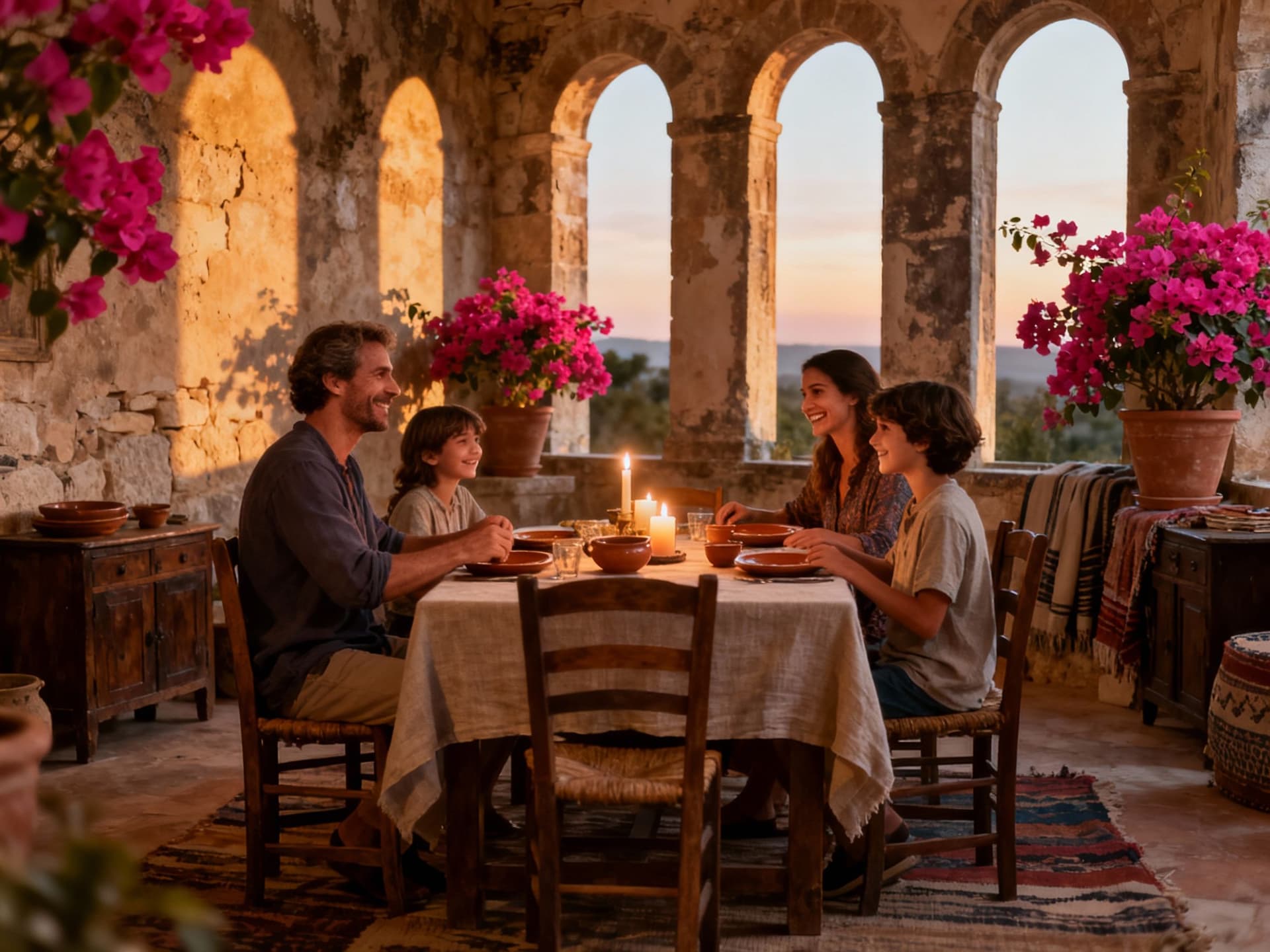
Maltese property ranges from stone-built townhouses with internal courtyards to seafront apartments and modern conversions. A restored townhouse in Valletta offers ceremonial reception rooms and high ceilings; a maisonette in Sliema gives terrace life and views; a house in Marsaxlokk trades proximity to the sea for larger gardens and quieter streets. Match the building’s character to how you intend to live — entertaining, long-term family residence, or seasonal retreat.
Working with local experts who understand place
An agent who knows the micro-neighbourhoods — which streets flood in storms, where planning permits favour restoration, which properties retain original stonework — will save time and guard value. Look for agencies that demonstrate heritage sensitivity, present comparable sales by area, and introduce you to local artisans for authentic restorations rather than generic refurbishments.
Insider knowledge: what expats often learn too late
Expats arrive charmed by the idea of Mediterranean light and immediate sea access; after a year, their priorities have shifted toward community patterns, service rhythms and maintenance realities. The unglamorous truths — older roofs, seasonal noise from festas, narrow parking lanes — are manageable when anticipated, and they often represent the reason prices differ between neighbouring villages.
Cultural integration and daily life
English is an official language, easing daily administration and schooling. Yet local social life moves around parish schedules, seaside promenades and restaurants that open late. Learning a few Maltese phrases and joining a local festa or market day accelerates acceptance; many buyers find friendships form fastest in shared neighbourhood rituals rather than expat clubs.
Longer view: stewardship, heritage and value
Owning in Malta asks you to be a steward: limestone needs attention, terraces demand waterproofing, and sympathetic restorations retain capital better than wholesale modernization. For buyers who see property as a legacy, older houses with authentic fabric often outperform superficially new builds in desirability and cultural fit.
- Lifestyle-led practical checklist
- Choose a neighbourhood by tempo: Valletta for ceremony, Sliema for promenades, Marsaxlokk for maritime quiet.
- Inspect roofs and terraces with a conservation-minded surveyor before contract.
- Prefer agents who introduce local craftsmen and heritage architects.
- Test daily logistics: groceries, school runs, hospital access and ferry timetables if choosing Gozo.
Step-by-step for a place‑led property search
- Spend one week living in your target village to test tempo and noise at different times of day.
- Commission a pre-contract survey focused on heritage risks and conservation costs.
- Request local comparable sales and ask your agent for three off-market leads that match your life plan.
Conclusion — Malta’s compactness is its advantage. You buy not just a property but an address intertwined with communal life, festivals, and shoreline access. Use market data to time offers, but let the daily scenes — morning coffee on a bastion, a market haul at Marsaxlokk, a winter walk along the Sliema promenade — decide the neighbourhood. When you pair that life‑first clarity with a local agency versed in heritage stewardship, the purchase becomes both a sensible investment and a seamless change of life.
Relocating from London to Mallorca in 2014, I guide UK buyers through cross-border investment and tax considerations. I specialise in provenance, design integrity, and long-term value.