Malta neighbourhoods: where price tags mislead
Malta’s charm masks a market with steady price momentum; choose neighbourhood life first, then use RPPI data and local expertise to align lifestyle with long‑term value.
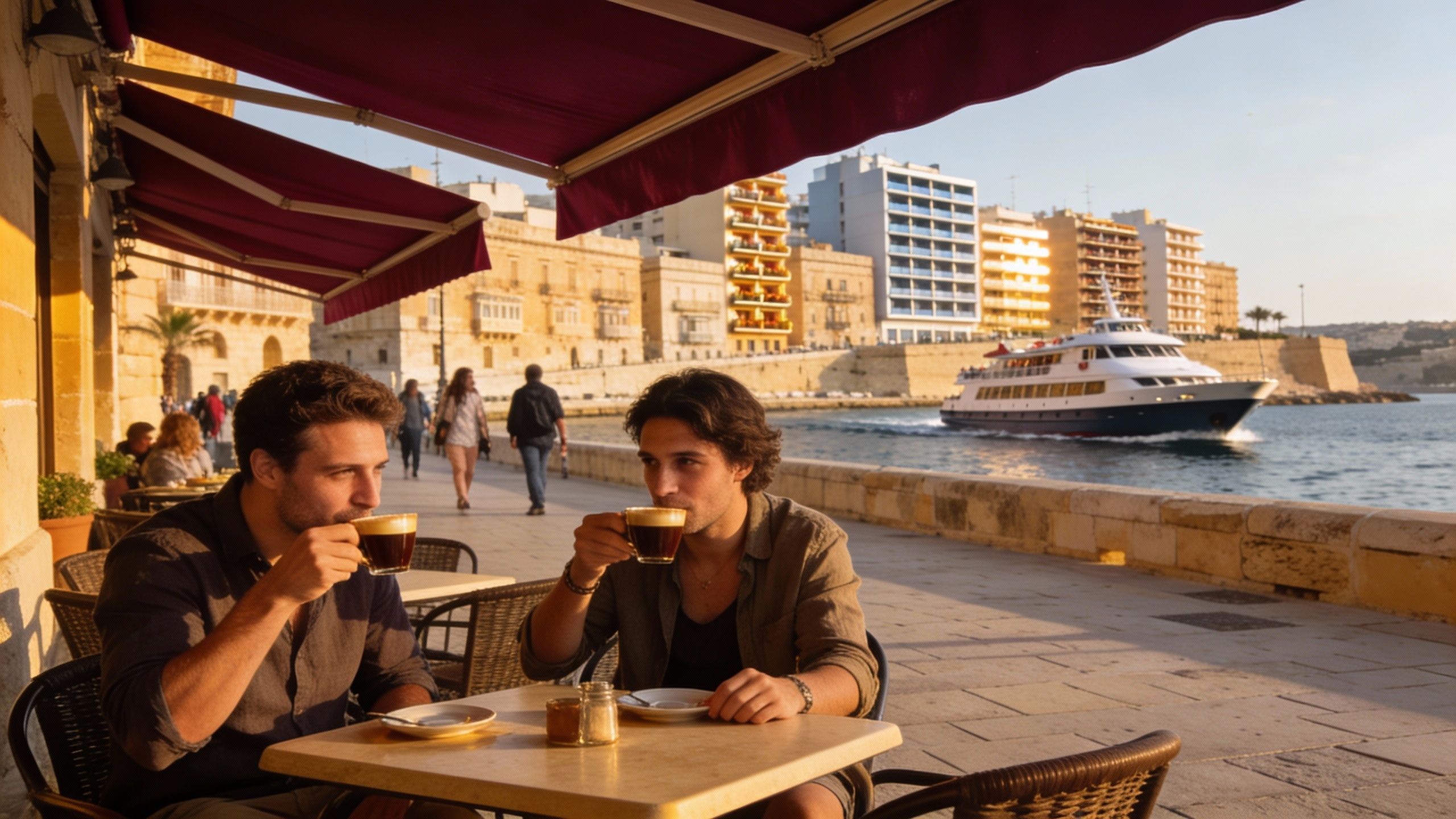
Imagine a late‑afternoon promenading in Sliema: espresso at a small corner café, limestone warmed by low sun, ferry horns marking a daily ritual. In Malta the quotidian feels intimate — narrow streets, piazzas that double as living rooms, and layers of history in every balconied façade. Yet beneath this charm the market moves with uncommon vigor: prices have climbed steadily and regional nuance matters. Knowing which neighbourhood delivers the life you want — not merely the headline price — changes everything.
Living the Malta life
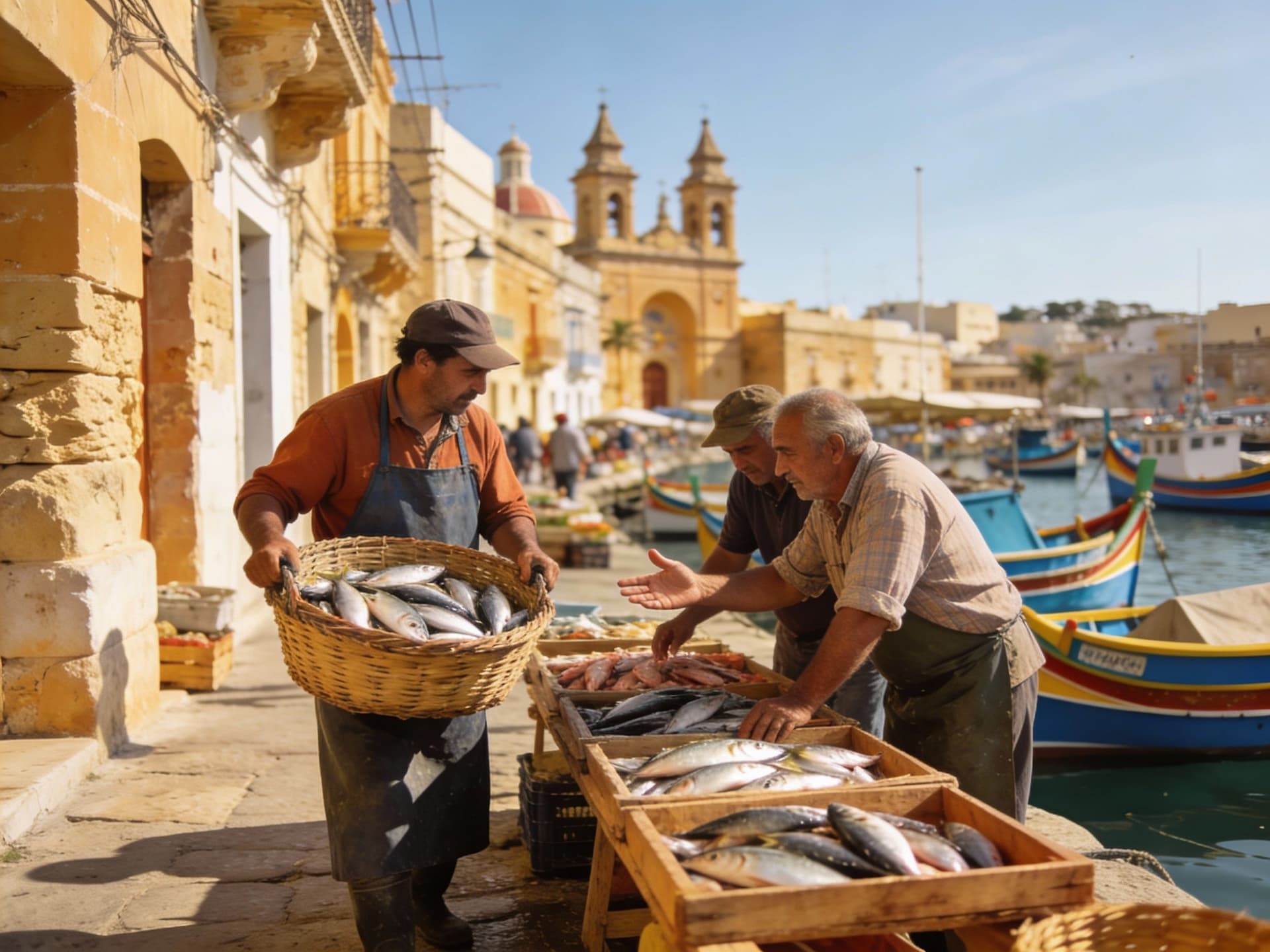
Malta is compact and conversational: neighbours still exchange news in front of shutters; kitchen windows open onto communal courtyards. Days are orchestrated by light and sea — morning markets in Marsaxlokk, languid afternoons on Għajn Tuffieħa cliffs, and evenings in Valletta where theatre and small‑plate dining continue into the night. For buyers, the island’s intimacy means your street often defines your life as much as the home itself.
Neighbourhoods that speak different languages
Sliema and St Julian’s trade on sea views, cafés and a predictable international rhythm — convenient, immediate, and high‑turnover. Valletta offers a quieter, ceremonial pace where Baroque façades and elegant palazzos appeal to collectors and those seeking architectural provenance. Move inland and you find village life: Naxxar and Mgarr prize tranquil streets, local festas and generous gardens. Gozo, by contrast, is deliberately pastoral: a different tempo for buyers who prize space and silence over urban convenience.
Food, markets and the daily rituals
Walk a Saturday in Marsaxlokk and you will understand why so many buyers picture life here: fishermen arranging catch, sun‑bleached tiles, and a neighbourhood pace that prizes ritual. Maltese cuisine is salted with history — rabbit stews, lampuki pies, and ftira bought from a morning oven. These habits influence property choices: proximity to a market or a favoured café is often worth measurable price premium to the buyer who plans to live here.
- Lifestyle highlights to consider
- Sliema promenade cafés and small‑scale retail life
- Valletta’s cultural calendar and palazzo living
- Gozo’s stone farmhouses and larger gardens
- Marsaxlokk market and coastal fishing communities
Making the move: practical considerations
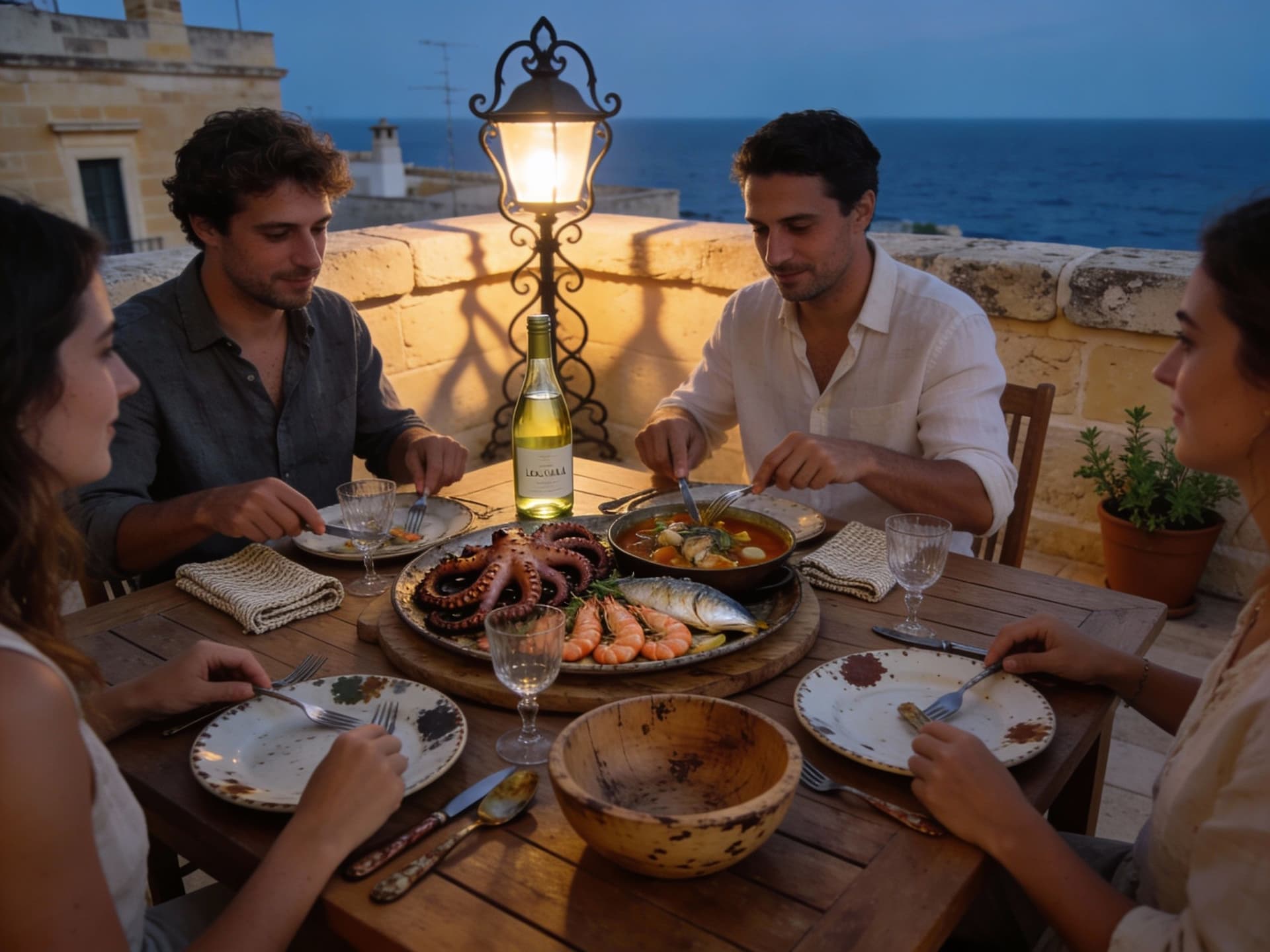
The romance of island life is tangible, but the recent data remind us that price momentum is real. Malta’s Residential Property Price Index rose by roughly 5–6% year‑on‑year through 2024–2025, with maisonettes and apartments leading gains. That means a lifestyle decision has financial consequences: choose a neighbourhood for daily life, then measure how market momentum affects value and liquidity.
Property types and how they shape living
Traditional Maltese maisonettes offer generous terraces and a clear indoor‑outdoor life; palazzini in Valletta favour formal rooms, high ceilings and period detail; modern apartments in Sliema trade on efficient plans and sea access. Your choice affects daily rituals — whether breakfast on a private roof terrace or evening walks to a harbour café — and also maintenance expectations: restored limestone demands different stewardship than new concrete construction.
Working with local experts
A local agent who knows festa calendars, communal ownership norms and the quirks of Malta’s title registry will save weeks of uncertainty. Seek advisers who can read an old deed, explain rights of way, and match a lifestyle brief — not only price range — to the right street. Agencies also help identify micro‑decisions that shape long‑term enjoyment: orientation for light, roof‑terrace privacy, and proximity to the small amenities that make daily life graceful.
- Practical steps that blend lifestyle and process
- List neighbourhoods you can live in for a year, then visit each at different times of day.
- Ask an agent to show properties within walking distance of your preferred daily routes (market, café, transport).
- Commission a heritage‑aware survey for older limestone properties to anticipate maintenance and authentic restoration needs.
- Compare RPPI trends for your target area to national indices to judge near‑term liquidity and price momentum.
Insider knowledge: what expats wish they'd known
Expats often arrive with a catalogue of expectations: great weather, English language ease, and Mediterranean rhythm. What surprises many is how locally governed daily life is — festa timetables close streets, neighbourhood committees influence repairs, and parking is a civic negotiation. These are not barriers; they are the social textures that make a street feel like home once understood.
Cultural integration and daily life
English is widely used, yet learning Maltese opens doors to deeper friendships and invitations. Participate in a festa, buy from a local bakery, or learn basic Maltese phrases; the returns are practical and social. For families, schools in suburban towns offer a different rhythm than international schools clustered around Valletta and the north.
Long‑term stewardship and value
Think generationally. Restored palazzos and well‑maintained stone maisons tend to retain cultural cachet and desirable rental potential; poorly executed modern conversions can look dated fast. Where preservation and craftsmanship are prioritised, value follows. Use market indices — such as the RPPI and international house price series — to judge whether the neighbourhood’s momentum aligns with a stewardship horizon of five to fifteen years.
- Red flags and local pitfalls
- Unclear title histories on older properties; insist on original deeds and professional translation where necessary.
- Inadequate ventilation or insulation in stone buildings; factor restoration costs into your offer.
- Overpaying for a view without checking rights of access to neighbouring rooftops or terraces.
- Final practical checklist before an offer
- 1. Commission a local notary to review title and encumbrances.
- 2. Obtain a condition survey focused on stonework, damp and terrace waterproofing.
- 3. Compare recent RPPI figures for your micro‑area to the national index to assess momentum and resale prospects.
Buying in Malta is as much a choice of life as it is a property transaction. Choose the street that fits the life you imagine, work with advisers who understand local social and legal contours, and budget for stewardship that honours the island’s material legacy. When this balance is struck, the result is not only an investment but a place that feels, quietly and inevitably, like home.
Norwegian with years in Florence guiding clients across borders. I bridge Oslo and Tuscany, focusing on legal navigation, cultural context, and enduring craftsmanship.