Italy’s Price Myth: Where Neighbourhoods Define Value
Italy is less a single price tag than a set of lived places: national indices show modest growth, but neighbourhood rituals and building fabric determine lasting value.
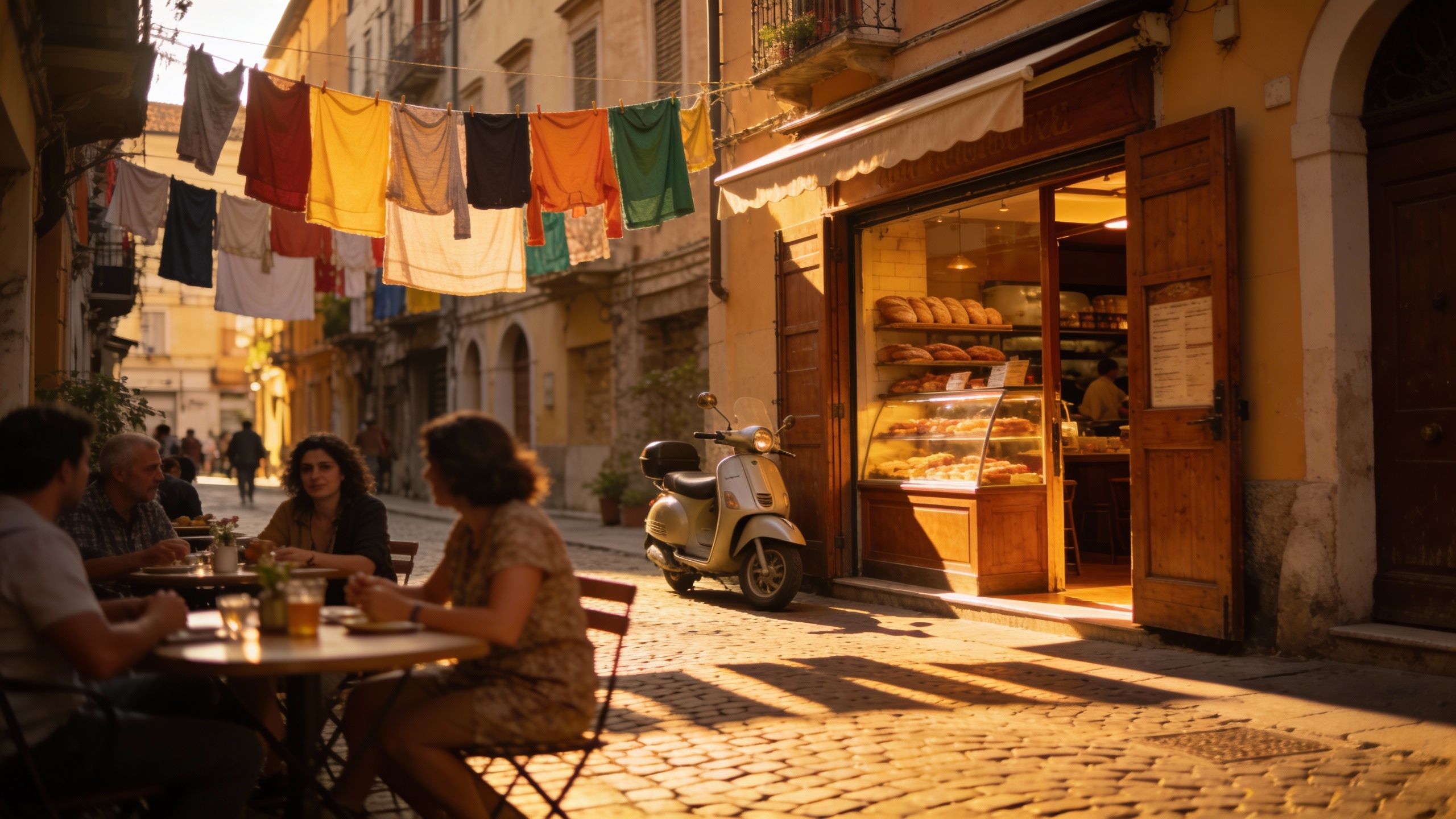
Imagine opening a café window in Trastevere at dawn: the streetlamps still hum, a baker arranges warm brioche, and a neighbour stops to chat in rapid, affectionate Italian. That ordinary scene explains why many buyers underestimate Italy — it is less about headline price-per-square-metre and more about the daily economies of place, habit and material quality.
Living the Italy lifestyle
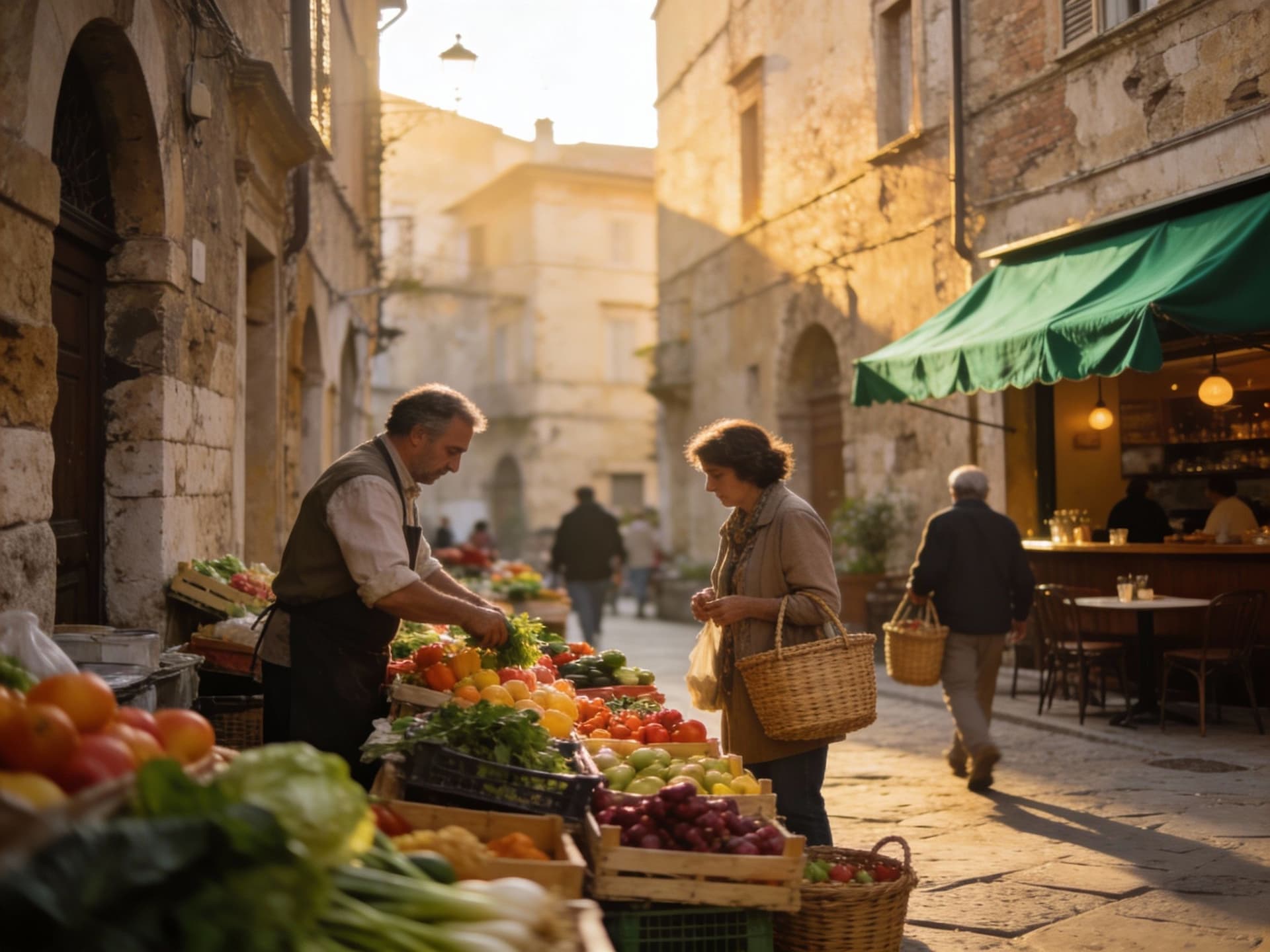
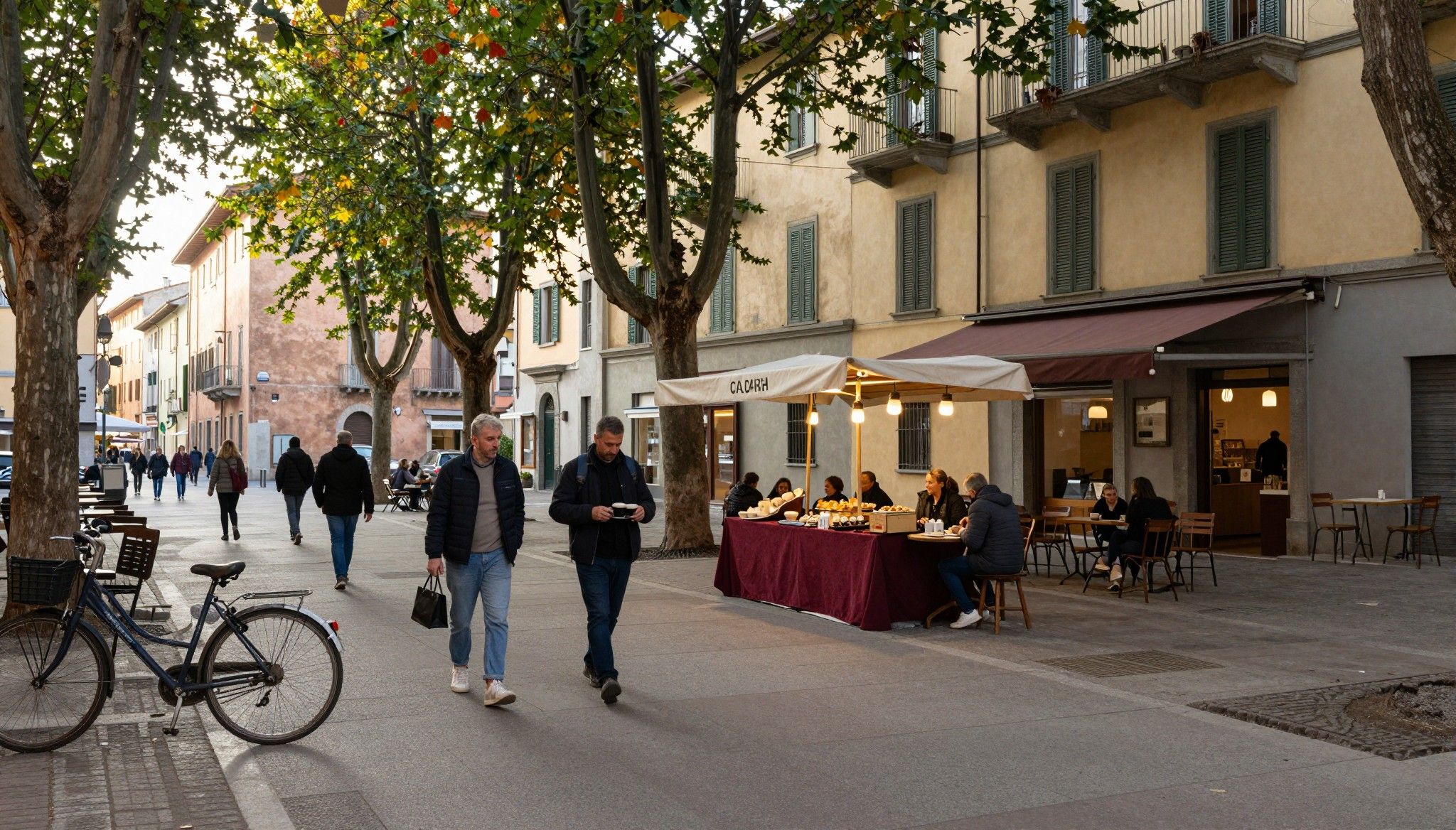
Daily life in Italy moves at a considered pace: morning espresso at a corner bar, a market visit before lunch, late-afternoon passeggiata and communal aperitivo that draws a neighbourhood together. These rituals shape what buyers value — proximity to market stalls, a balcony for late light, a kitchen suited for long Sundays — and they explain why a property’s street, aspect and original fabric can matter more than headline rates. National statistics show modest but steady price movement; the detail is local. (See ISTAT for quarterly trends.)
Rome: neighbourhoods that narrate life
Walkable lanes in Trastevere or the bookshops of Monti are not luxury add-ons; they are the infrastructure of daily contentment. In Prati you buy proximity to morning markets and embassy-level discretion; in the Spanish Steps area you accept tourist hum in return for classical façades and short routes to cultural institutions. When I advise buyers, I begin with how they want to live each weekday and weekend, then match that to streets, not price points alone.
Coastal life demands a different attention: Posillipo and the Amalfi Coast sell views and exposure; Ligurian towns such as Camogli or parts of Genoa reward those seeking a quieter sea rhythm with markedly lower per-metre prices than Italy’s headline coastal spots. In urban centres north and south, subscription to local ritual — gelato makers, late market stalls, club-style wine bars — determines both the desirability and the resilience of value.
Food, markets and the year’s rhythm
Italy’s seasons are a calendar of flavour: truffle hunts in autumn, market-sourced summer tomatoes, and winter citrus on the Amalfi peninsula. For many buyers, access to a morning market or a kitchen suited to slow cooking matters as much as square metres. Recent policy incentives and growing demand for energy-efficient homes have also shifted buyer preferences toward well-preserved, upgradeable stock rather than experimental new builds.
- Morning markets in Campo de' Fiori (Rome); fish market on Viareggio’s harbour; Paolo e Francesca wine bar (Brera, Milan); bakery on Via dei Coronari (Rome); Porto Venere coastline walk; Langhe vineyards’ harvest festivals.
Making the move: practical considerations
The romance of place meets hard data. National indices indicate modest annual price increases in 2025 and rising sales volumes, yet that picture disguises regional variation: historic centres and major northern cities behave differently from smaller southern towns. Understanding that split is essential to reconcile lifestyle ambitions with investment sense. Before viewing, ask how neighbourhood life changes through seasons and whether the property’s fabric matches your intended use.
Property types and how they shape life
A converted attic in a palazzo offers light and view but usually no parking; a restored farmhouse outside Siena offers land, cellar space and isolation but requires maintenance. Historic apartments reward attention to original detail — be it coffered ceilings or stone thresholds — while modern apartments offer predictable mechanical systems. Consider which elements you cannot live without: a full kitchen for market cooking, a private garden for summer, or a study with sound insulation for remote work.
Working with local experts who know the lifestyle
- Engage an agency that triangulates three things: architectural pedigree (to assess restoration quality), neighbourhood rigour (market rhythm, noise, services) and practical stewardship (local artisans, property managers).
- Ask for a day-in-the-life briefing: a scheduled hour showing the morning market, an afternoon in the street and an evening near a local bar to reveal how the neighbourhood breathes across hours and seasons.
- Prioritise agencies with documented restorations and verified references rather than those promising speculative flips; restoration-aware agents will advise on conserving value through materials and craft.
Insider knowledge: what expats wish they'd known
Many expats arrive enchanted by façades and piazzas, then discover practical frictions — seasonal heating bills in older masonry, delivery logistics on narrow streets, and the slower cadence of public services in small towns. Those frictions are manageable if recognised early. Recent market reviews also show buyers are paying premiums for energy-efficient improvements; that is both a lifestyle comfort and an emerging value driver.
Cultural integration and daily belonging
Learning a few phrases, joining a market queue and frequenting the same café will open doors. Italians measure trust in time and ritual. For families, school calendars and local sports clubs are as important as property size; for professionals, proximity to regional transport and reliable broadband determines whether a town supports remote work. Community is the currency of durable satisfaction.
Long-term lifestyle and stewardship
- Buy with a view to maintenance: roof works, stone cleaning, and seasonal garden management; prefer properties where local craftsmen are available. Value accrues to houses with provenance — documented restorations, quality materials and sympathetic upgrades.
If you choose Italy for its composed daily life, select a property that supports that life: a kitchen for market cooking, a sunny balcony for late afternoons, and a neighbourhood where rituals continue year-round. When those elements align, the property becomes the stage for a life rather than an asset on paper.
Conclusion — Italy is not a single market; it is a tapestry of lives. Use national data to sense direction, but choose at street level. Ask agents for day-in-the-life viewings, favour properties with documented craftsmanship, and remember that lifestyle choices — markets, cafés, communal rituals — are the principal drivers of enduring satisfaction and value.
Former Copenhagen architect who relocated to Provence, offering relocation services, market analysis, and a curator’s eye for authentic regional design.