Buy into Italian neighbourhood life, not just price
Italy’s appeal is lived: choose neighbourhoods that match daily rhythms, then use local market data and expert stewardship to buy with confidence.
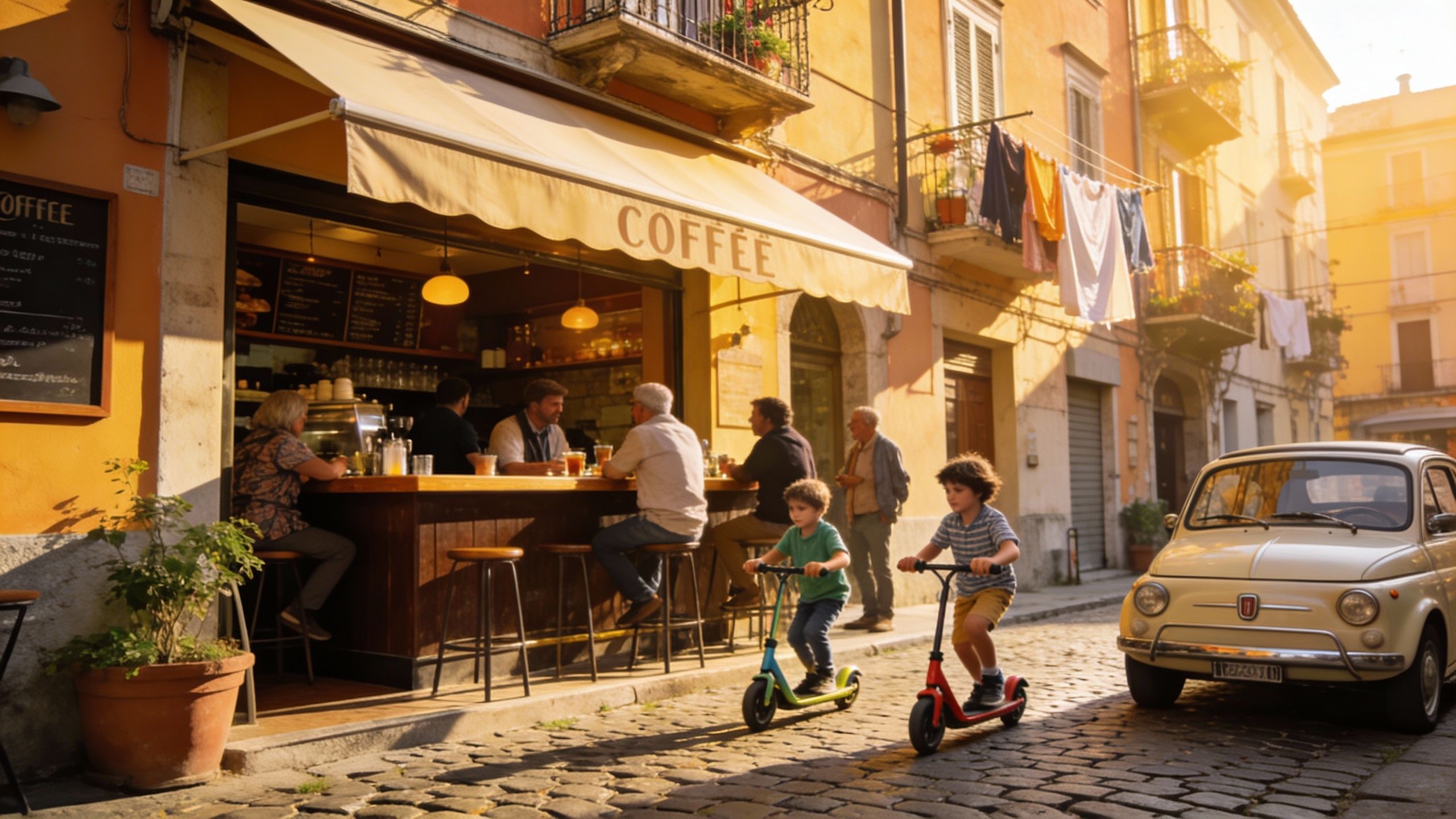
Imagine a late‑morning in Bologna: a barista tamping coffee, wrought‑iron balconies catching soft sunlight, and a neighbour carrying a crate of seasonal fruit from the mercato. That daily clarity — the small, exact pleasures of place — is the reason international buyers return to Italy not for a single room but for a life. Recent market analysis shows modest, city‑led price growth and rising transactions; understanding those patterns lets you buy into a lived tradition rather than a headline.
Living the Italy lifestyle

Italy is best understood as a set of daily rituals rather than one monolithic fantasy. The morning espresso, the slow stroll to the neighbourhood panificio, the piazza where neighbours meet at dusk — these rhythms shape what it means to live well here. Architectural variety matters: a restored palazzo in Parma will deliver a different tempo of life from a sea‑facing townhouse in Salento, and both differ again from a contemporary flat in Milan’s Porta Nuova. For buyers, taste and tempo should guide location as much as price per square metre.
City cores and their characters
Walk Rome’s Centro Storico and you encounter carved travertine, narrow lanes that open into sunlit squares, and cafés that still claim the same tables across generations. Central neighbourhoods — Trastevere, Prati, Parioli — are resilient in price and deeply social in fabric. Portal data show Centro Storico remaining among the highest priced city zones, a sign that heritage, not just tourism, sustains demand.
Coast, countryside and quieter lives
If you favour morning light over nightlife, coastal towns such as Polignano a Mare or Liguria’s quieter villages trade the frenetic centre for slower days and sea views from terraced gardens. Inland, Emilia‑Romagna’s towns and Tuscany’s hilltop villages offer restored farmhouses and strong community networks around weekly markets, agricultural fairs and seasonal festivals. These markets are not only cultural; they structure the logistics of daily life — where you shop, how you socialise, what travel infrastructure you need.
- Lifestyle highlights to look for
- Daily espresso culture: best experienced on a barstool of a family‑run caffè (e.g., Caffè Righini in Parma or Sant’Eustachio in Rome).
- Weekly mercato: check where artisans, butchers and greengrocers cluster — these markets define neighbourhood livability.
- Evening passeggiata route: a safe, populated walking route that signals community life and local rhythm.
Making the move: practical considerations
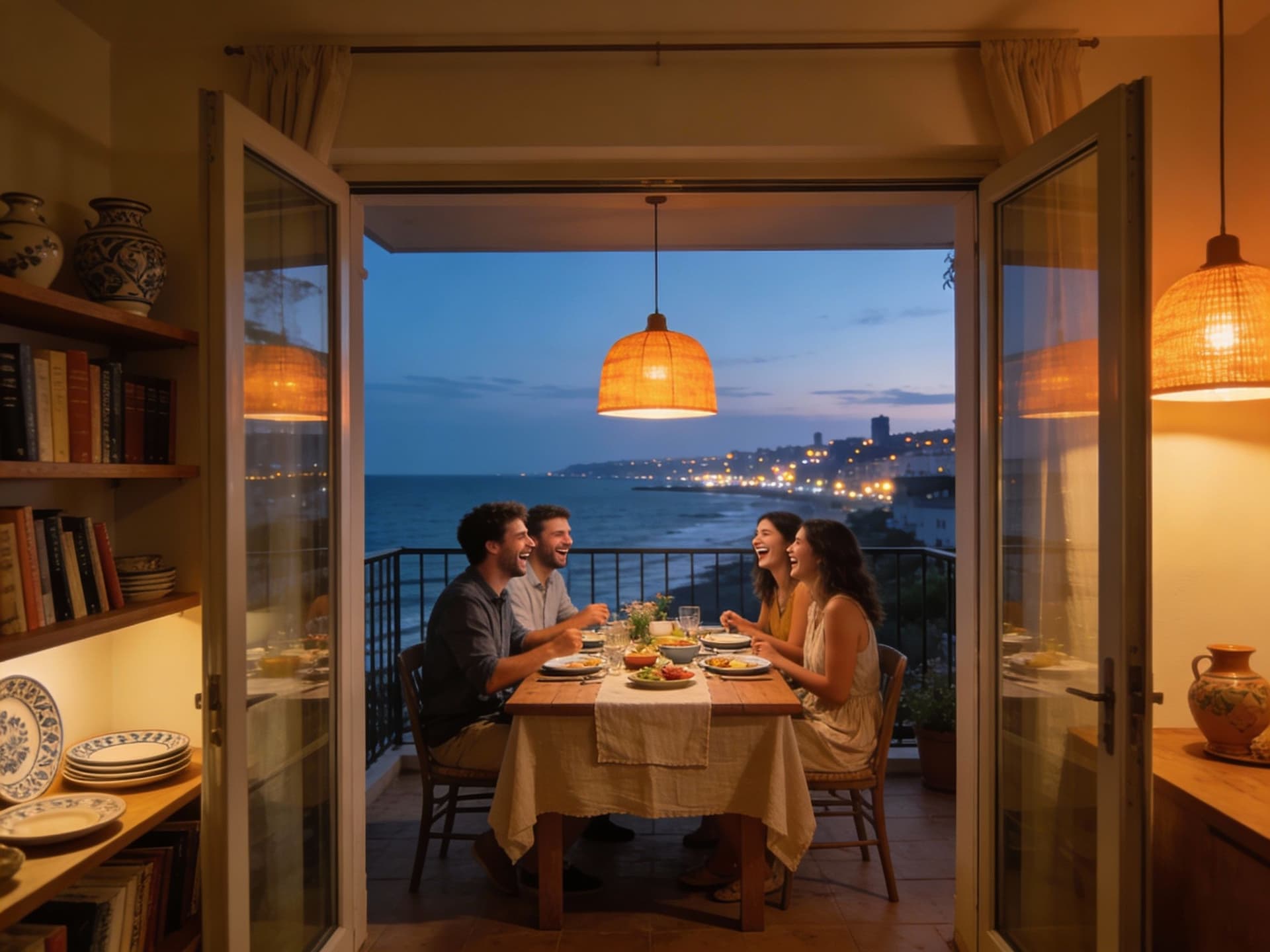
Lifestyle is primary, yet the market context matters. National statistics show house prices rising year‑on‑year in 2025 with stronger growth for existing stock; sales volumes have also rebounded. These signals mean more choices for buyers but also competition in desirable cores. Aligning lifestyle priorities with market timing and the right local expertise reduces missteps — and secures properties with both charm and resilience.
Property styles and how they shape daily life
A palazzo apartment often offers generous rooms, high ceilings and proximity to cultural institutions but carries higher maintenance and stricter conservation constraints. A restored rural casa provides outdoor space, slower seasons and potential for agritourism income — yet also demands attention to insulation, plumbing and access. New‑build flats supply modern comforts and easier management but may lack the patina and provenance many buyers prize. Choose the type that most closely matches the life you seek, not only the investment case.
Working with local experts who understand the life you want
Engage agents versed in neighbourhood culture — not only transactions. The best agencies introduce you to a place’s daily fabric: which café holds the morning crowd, which conservation office enforces façades, which strata board tolerates pets. For international buyers, bilingual agents who can read historical deeds and translate municipal constraints are indispensable. They will also advise on realistic offers in markets where heritage value and human value drive prices.
- Practical steps to marry lifestyle and purchase
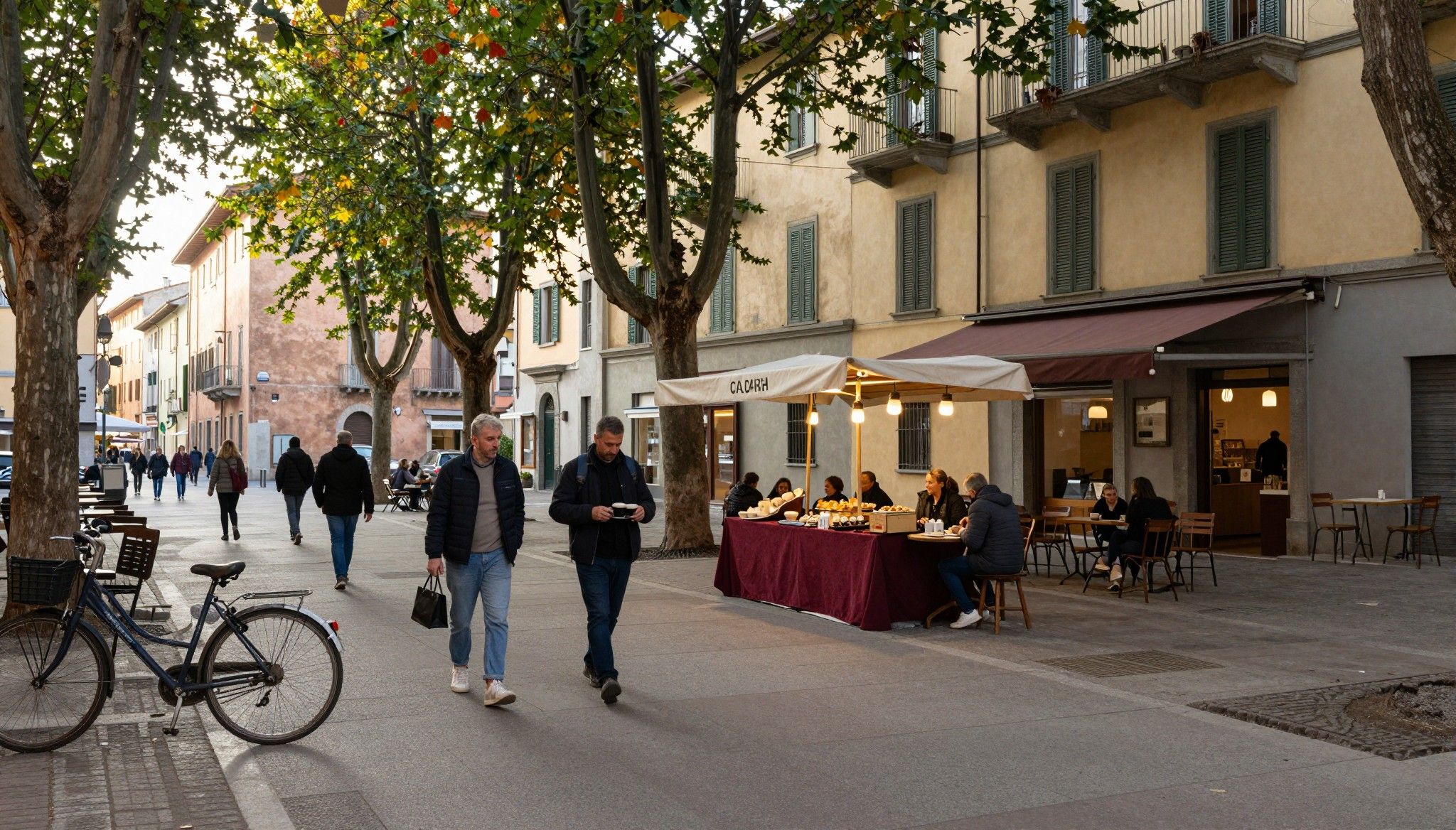
- 1) Spend a sequence of mornings and evenings in target neighbourhoods before making offers; observe markets, cafés and pedestrian life.
- 2) Commission a local survey focused on heritage constraints and habitual maintenance (roof, damp, stonework).
- 3) Use an Italian‑licensed notary and bilingual lawyer to verify title, past renovations and any servitudes that will shape how you live in the home.
Insider knowledge: what expats wish they'd known
Expat experience quickly reveals intangible frictions: the slow cadences of bureaucracy, the seasonal emptiness of some towns in winter, and the social currency of small daily courtesies. These are not problems but realities that alter where you choose to live. Many buyers regret choosing a postcard‑perfect village that is quiet nine months a year; others regret a central apartment that lacks outdoor space once children arrive. Match the life you want to the place that sustains it.
Language, community and social integration
A modest investment in Italian — learning phrases used at the mercato, and understanding polite local forms — pays social dividends. Community life in Italy is often organised around schools, parish events or the local sport club; participating opens doors to friendships that transform a house into a home. Where international schools or expat networks are important, cities such as Milan, Rome and Florence offer more immediate infrastructure than provincial towns.
Long‑term lifestyle and stewardship
Think of a purchase as assuming stewardship of place. Older buildings require ongoing care and an eye for authentic materials; buyers who invest in skilled restoration preserve value and the pleasure of living in an honest space. Conversely, properties selected for short‑term rental often lose the lived‑in atmosphere that discerning owners most cherish. If legacy and provenance matter, prioritise quality of restoration and neighbourhood continuity over short‑term yield.
Conclusion: fall for the life, then buy the house
If Italy seduces you with light and ritual, let that seduction lead a careful, research‑driven purchase. Use market data to understand timing and competition, commission local expertise to protect both investment and lifestyle, and choose a neighbourhood whose daily rhythms match yours. The right agency is less a salesperson and more a curator of life — someone who places provenance, craft and community at the centre of the search. Begin with mornings and markets; the rest will follow.
Former Copenhagen architect who relocated to Provence, offering relocation services, market analysis, and a curator’s eye for authentic regional design.