Italy: Buy for Neighbourhood Life, Not Just Price
Italy’s 2025 market is a regional mosaic: buy for daily life — neighbourhood rhythm, architecture and stewardship — backed by ISTAT and market reports.
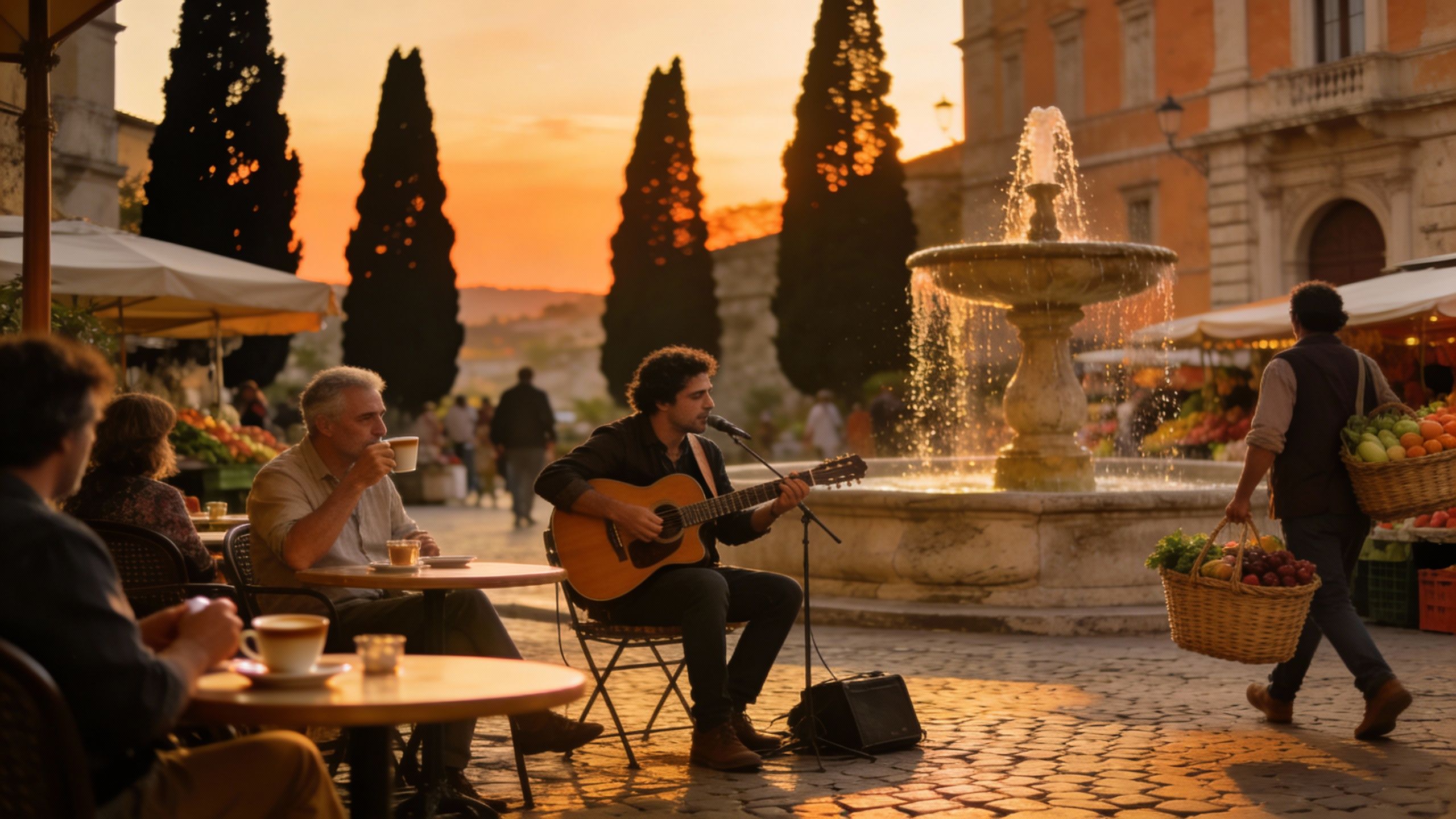
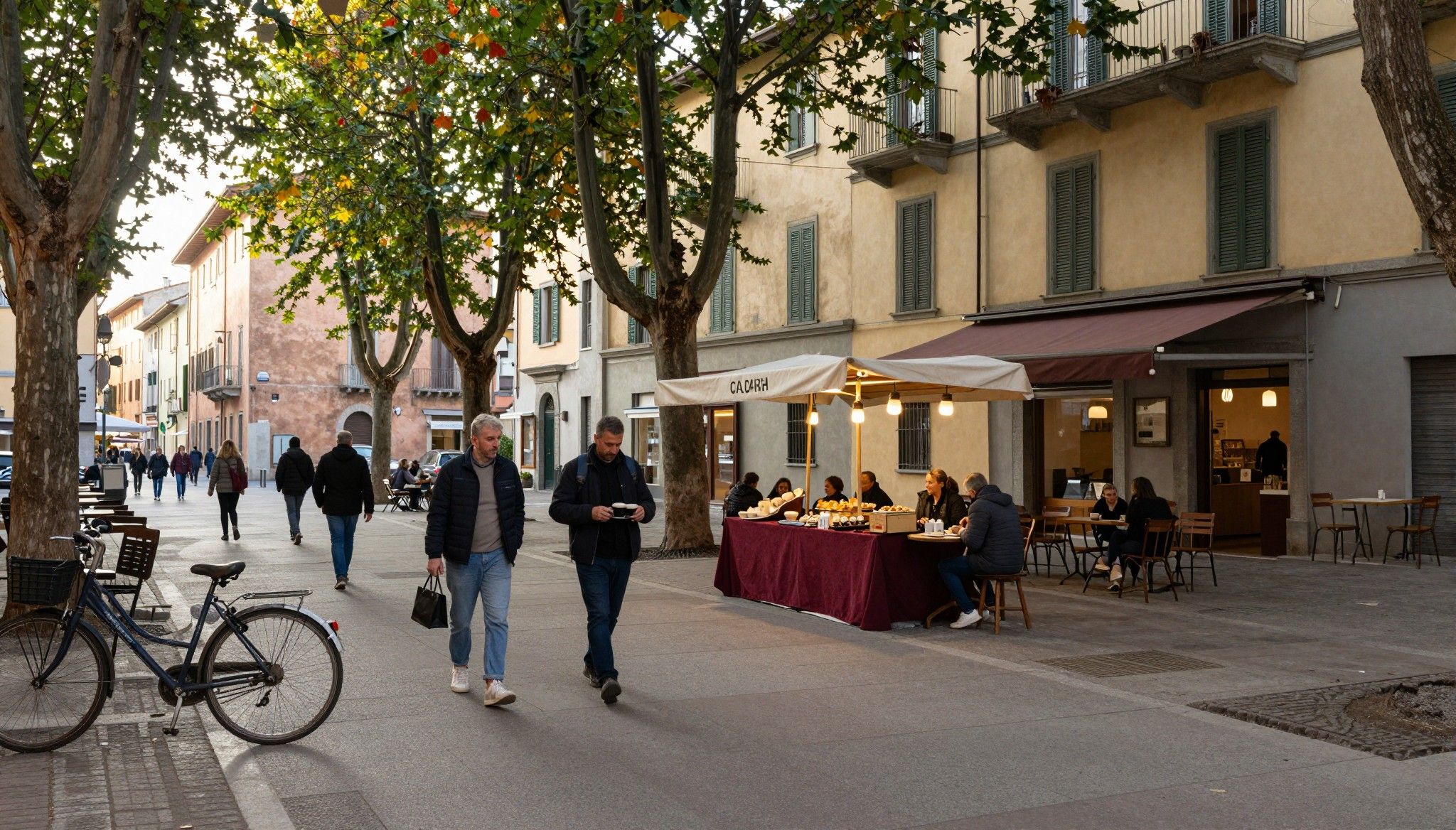
Imagine an early evening in Italy: a narrow street in Trastevere where terrazzo café tables catch the last light, a shopkeeper sweeping fallen chestnuts outside a deli in Bologna, and beyond the piazza, a stairwell of a palazzo whose door still bears the original bronze knocker. Italy rewards slow attention — the texture of mortar, the cadence of market days, the ritual of espresso — and those qualities shape how property feels and what it costs. For buyers from abroad, the country is less a single market and more a mosaic of lived cultures, and recent data (see ISTAT Q2 2025) shows price trends that vary as much by region as by style.
Living the Italian Life — What You Really Buy
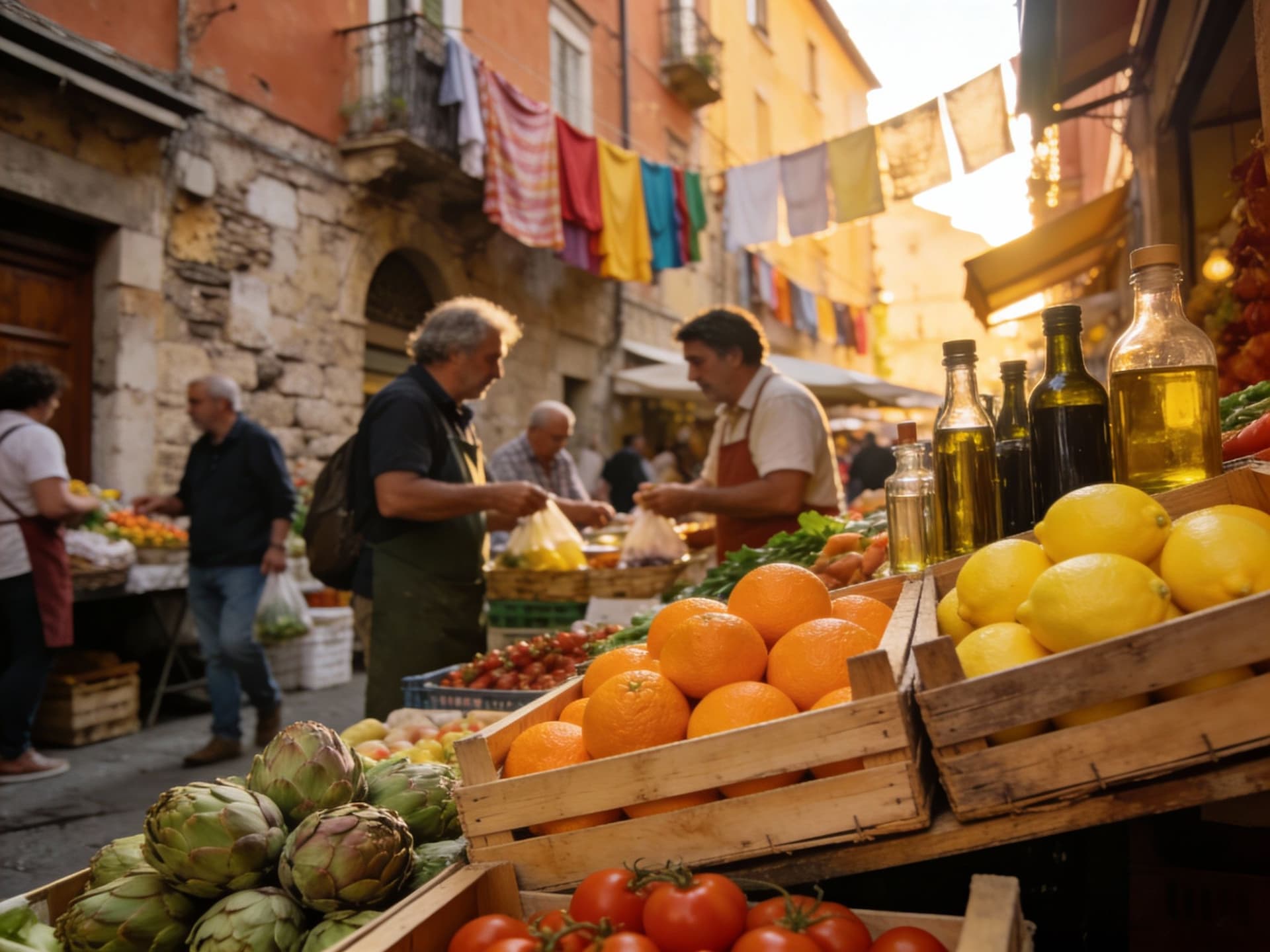
To live in Italy is to accept a daily choreography: mornings shaped by cafés, afternoons that empty for riposo in many towns, and evenings that begin at the market and end with slow conversation over regional wine. Cities carry different rhythms — Milan moves with a crisp, businesslike tempo; Florence is measured by sunlight on pietra serena; Naples insists on chaotically generous street life. Those rhythms determine what a property will give you: a front-door social life, a private garden, or a quiet, cool attic in a historic centre.
Neighbourhood pulse: Rome’s Trastevere and Testaccio
Trastevere offers the archetypal neighbourhood life — cobbled streets, family-run osterie and a strong sense of local custodianship — while Testaccio remains quietly authentic with markets and bakeries that mark the day. For a buyer who prizes convivial streets and short walks to groceries and wine bars, these pockets are invaluable; for someone seeking silence and larger rooms, they may be less suitable. Local pressures — including short-term rental popularity near major sites — influence both price and lived experience, as recent reporting has shown.
Coastal calm: Puglia’s towns vs. Amalfi or Liguria
Coastlines offer a different contract with place. In Puglia you buy wide skies, olive groves and low-rise life; the Amalfi Coast sells a dramatic, photographed lifestyle where every terrace commands a view and prices reflect that scarcity; Liguria marries elegance with steeper budgets. Practicalities follow: humidity and maintenance on marine facades, seasonal visitor flows, and the cost of winter-proofing an older structure must be factored into any romantic image of seaside living.
- A few lifestyle highlights to test whether a place fits the life you want
- Morning espresso on a stone step: Trastevere’s Bar San Calisto or a bar near Piazza Santo Spirito in Florence
- Saturday produce at Mercato di Testaccio or Campo de' Fiori and a weekly fish market in Naples
Making the Move: Practical Considerations that Respect the Lifestyle

Dreams must meet local realities. National indices show modest price growth in 2025 but with strong regional divergence: alpine and tourist towns remain expensive while much of the south still offers materially lower square‑metre values. That spatial variety is an advantage: it allows buyers to prioritise lifestyle attributes — village life, vineyard proximity, or urban culture — without automatically paying a Milan or Venice premium. However, the property you habitually imagine — a restored farmhouse with modern services — requires careful due diligence on systems, restoration quality and energy performance.
Property types and how they shape daily life
A palazzo flat gives you high ceilings, centrality and an entrance that frames a social life; a country villa buys land, privacy and the labour of upkeep; a modern conversion offers efficiency but rarely the patina of historic materials. Think: will you entertain neighbours, host extended family, or need a workspace? Your daily routines — children to school, markets, commuting — determine which architectural features are non‑negotiable: storage for market shopping, a kitchen oriented to day‑to‑day family cooking, or a shaded courtyard for summer evenings.
Working with local experts who understand place
An agent who knows the neighbourhood spirit — which streets are quiet at dinner, which buildings favour morning light, which owners accept longer closing timetables — saves you months of unwelcome surprises. They will also flag local regulatory matters that change how a home functions: limits on short‑term rentals in historic centres, condominium rules affecting renovations, and municipality maintenance obligations for façades. Choose a firm that places craft and conservation ahead of quick flips; those relationships become custodians of your investment.
- Steps to marry lifestyle with purchase (practical, sequential)
- Clarify the life you want: daily routines, entertaining habits, and seasonal needs.
- Engage a bilingual local agent with restoration and neighbourhood knowledge.
- Commission a technical survey focusing on structure, moisture, wiring and roofing.
- Understand seasonal cashflow: heating, air‑conditioning, garden care and tourist‑season management.
Insider Knowledge: What Expats Wish They'd Known
Expats often arrive enchanted by image and receive instruction from municipal offices, neighbours and agents. The recurring lessons: language matters (even modest Italian smooths negotiations and speeds integration), seasons reframe property utility (a terrace is a summer room in many places), and the ongoing cost of stewardship — from plaster repairs to termite checks — is both cultural and financial. Those who stay long term treat acquisition as stewardship: they invest in fabric, hire local artisans and accept slower administrative tempos.
Cultural rhythms that affect ownership
Neighbourhood life is governed by unwritten conventions: shopkeepers expect predictable hours, condominium assemblies decide shared priorities, and public festivals can close streets for days. If you plan to rent seasonally, be aware of municipal rules and evolving tax proposals that may affect short‑term income. Engaging with local associations and a skilled notary early in the process defuses many of these surprises.
Longer view: how your life changes after buying
A year after buying you will measure value differently: it will be the neighbour who brings homemade conserve, the reliability of a baker, the sun on your kitchen table at 10 a.m. — not merely capital appreciation. For those considering both investment and life, look for homes that combine good location, sound fabric and the flexibility to evolve: an extra room for guests, a courtyard that can host dinners, or an attic that can be upgraded to a study.
Conclusion: Italy rewards patient custodians. Begin with lifestyle: test markets, live locally for a spell, and prioritise places that match your daily rhythms. Then apply disciplined due diligence — a detailed survey, a local agent who knows the buildings and the bakers, and up‑to‑date market data from sources such as ISTAT — to ensure the property supports both the life you want and the investment you make. When those elements align, Italy does what it does best: it becomes not just where you live, but how you live.
Relocating from London to Mallorca in 2014, I guide UK buyers through cross-border investment and tax considerations. I specialise in provenance, design integrity, and long-term value.