Greece: Buy for Provenance, Not Projection
Greece offers varied rhythms — city culture, island seasons, village stewardship — with steady price growth; buy for provenance, not projection.
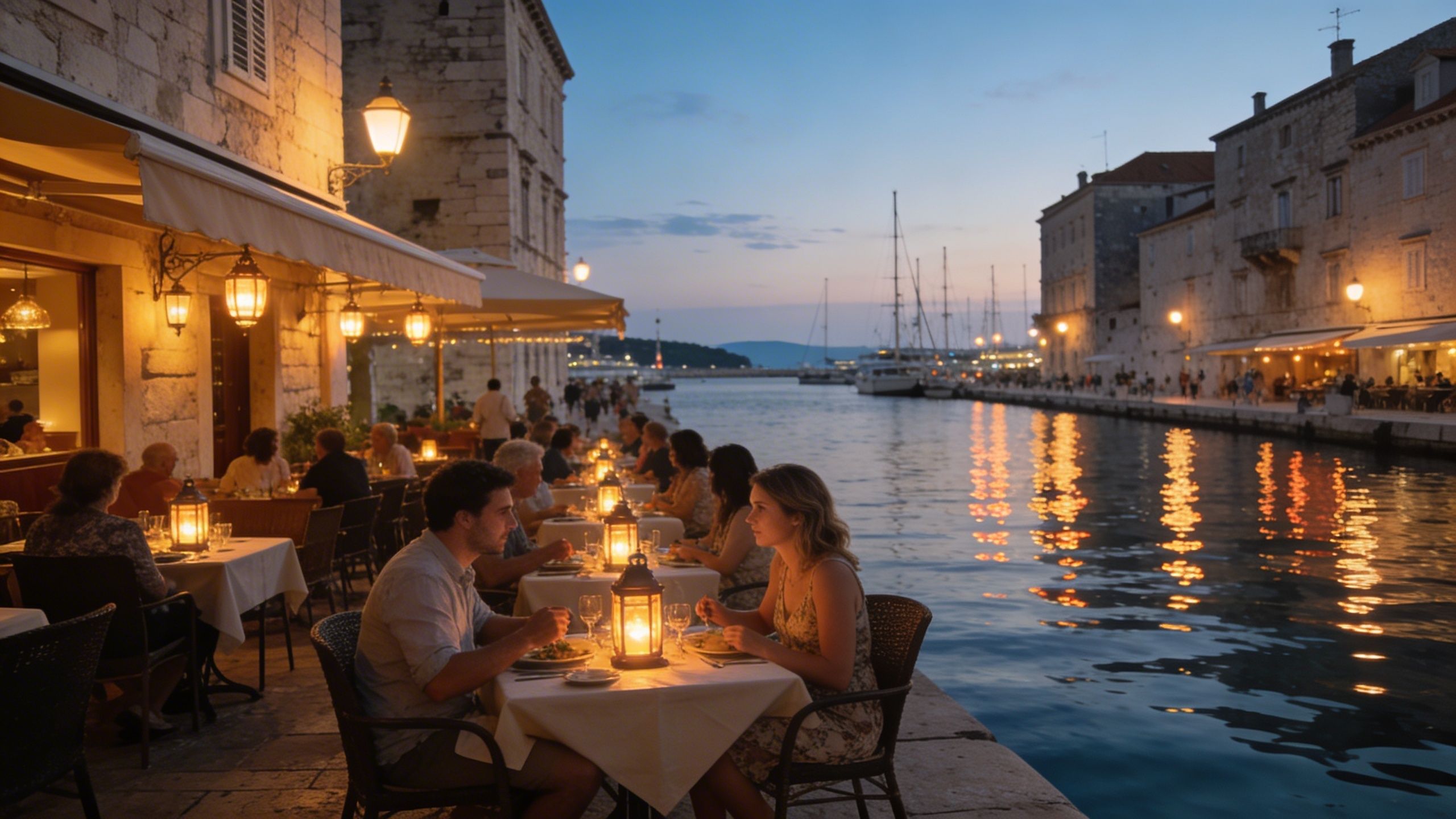
Imagine a late afternoon in Plaka: a slow ribbon of light through Ionic columns, the smell of roasting chestnuts from a street cart, and a neighbour folding down a wrought‑iron balcony. Greece lives in rhythm — afternoons for coffee and conversation, early evenings for a walk along the seawall, and long, restorative Sundays. For buyers who prize atmosphere as much as square metres, the country offers varied cadences: cosmopolitan moorings in Athens and Thessaloniki, island time on Mykonos and Syros, and the pastoral calm of Pelion and Evia.
Living the Greece lifestyle
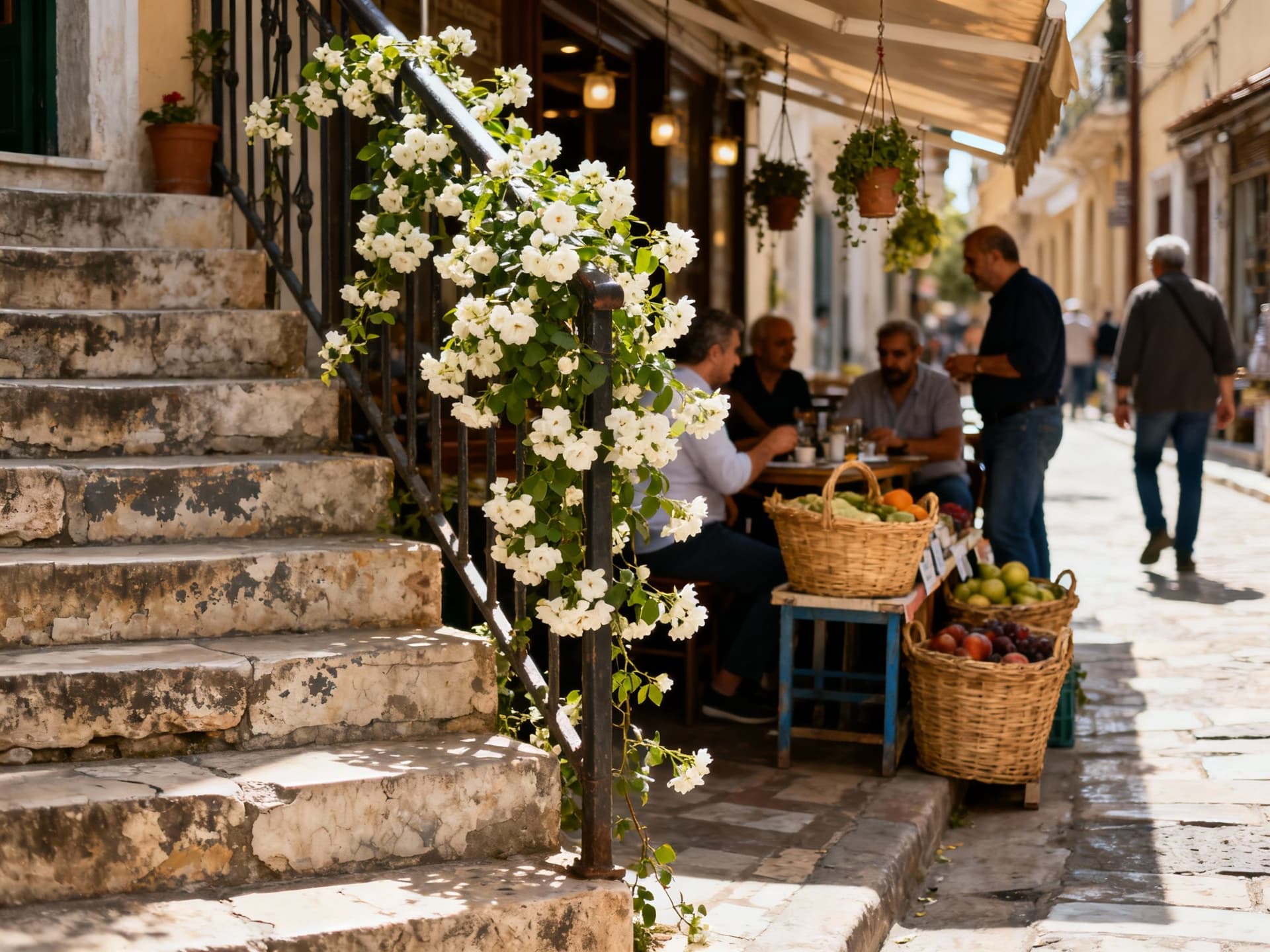
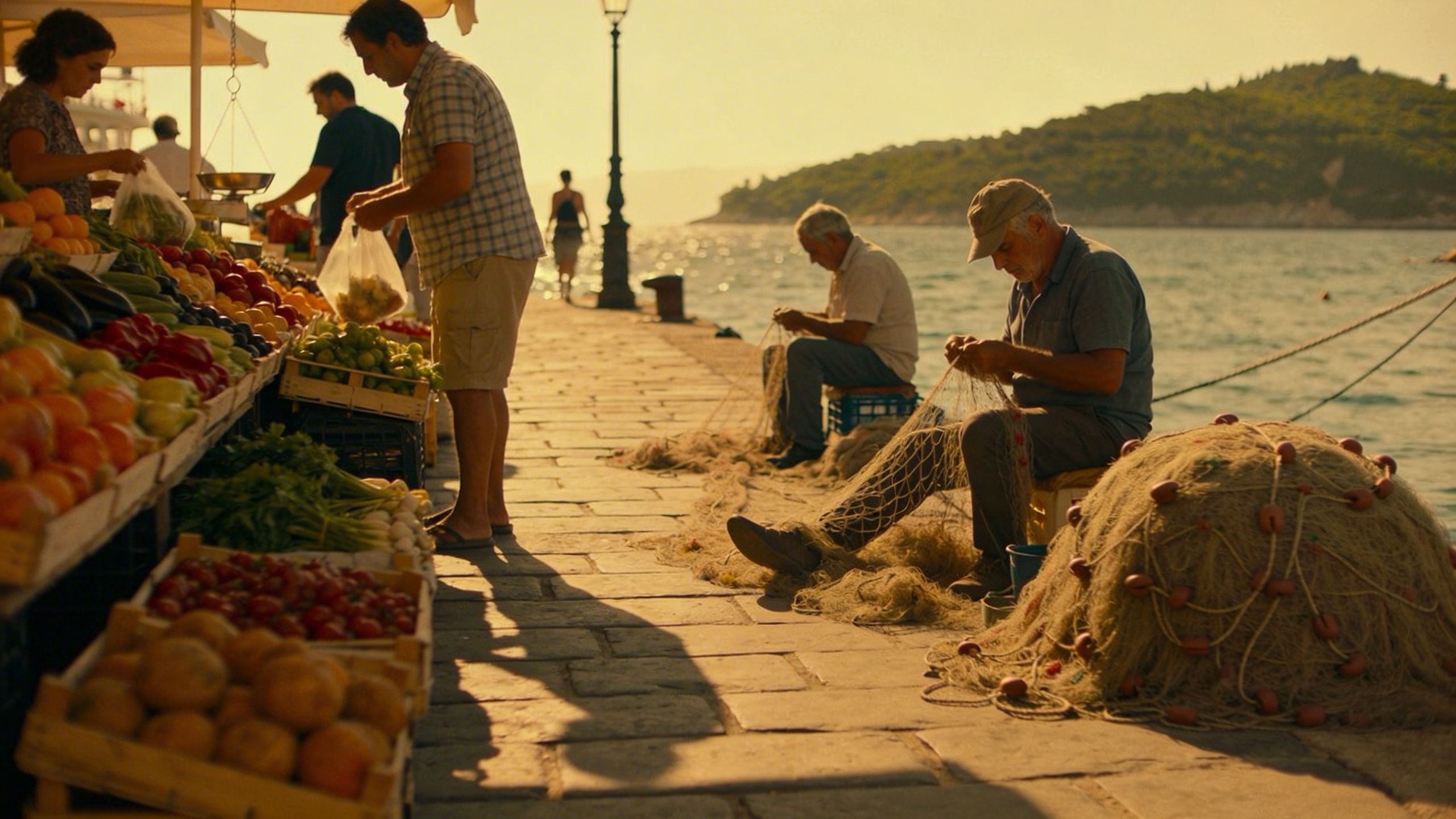
Daily life in Greece is a study in texture. In central Athens, mornings begin with thick espresso at kafeneia on Adrianou or in Kypseli bakeries where filo and cheese are still folded by hand. On the islands, terraces spill into narrow lanes: fishermen mend nets while cafés keep late hours. Climate and cuisine shape the day — lengthy, shade‑filled siestas in summer; brisk walks and stews in winter. These rhythms shape what you want from a property: a shady courtyard in Crete, a south‑facing veranda in the Cyclades, or a converted townhouse within walking distance of a city’s cultural institutions.
Athens and islands — contrast as choice
Athens today is quietly refined: restored neoclassical façades in Kolonaki, renewed civic life around Koukaki’s tavernas, and galleries opening in repurposed warehouses in Metaxourgeio. Contrast this with the Cyclades, where whitewashed volumes and stone terraces frame sea views and a different tempo. Your choice is more than scenery — it is whether you want a life of immediate cultural capital or one ruled by seasons, wind and ritual.
Food, market life and the social calendar
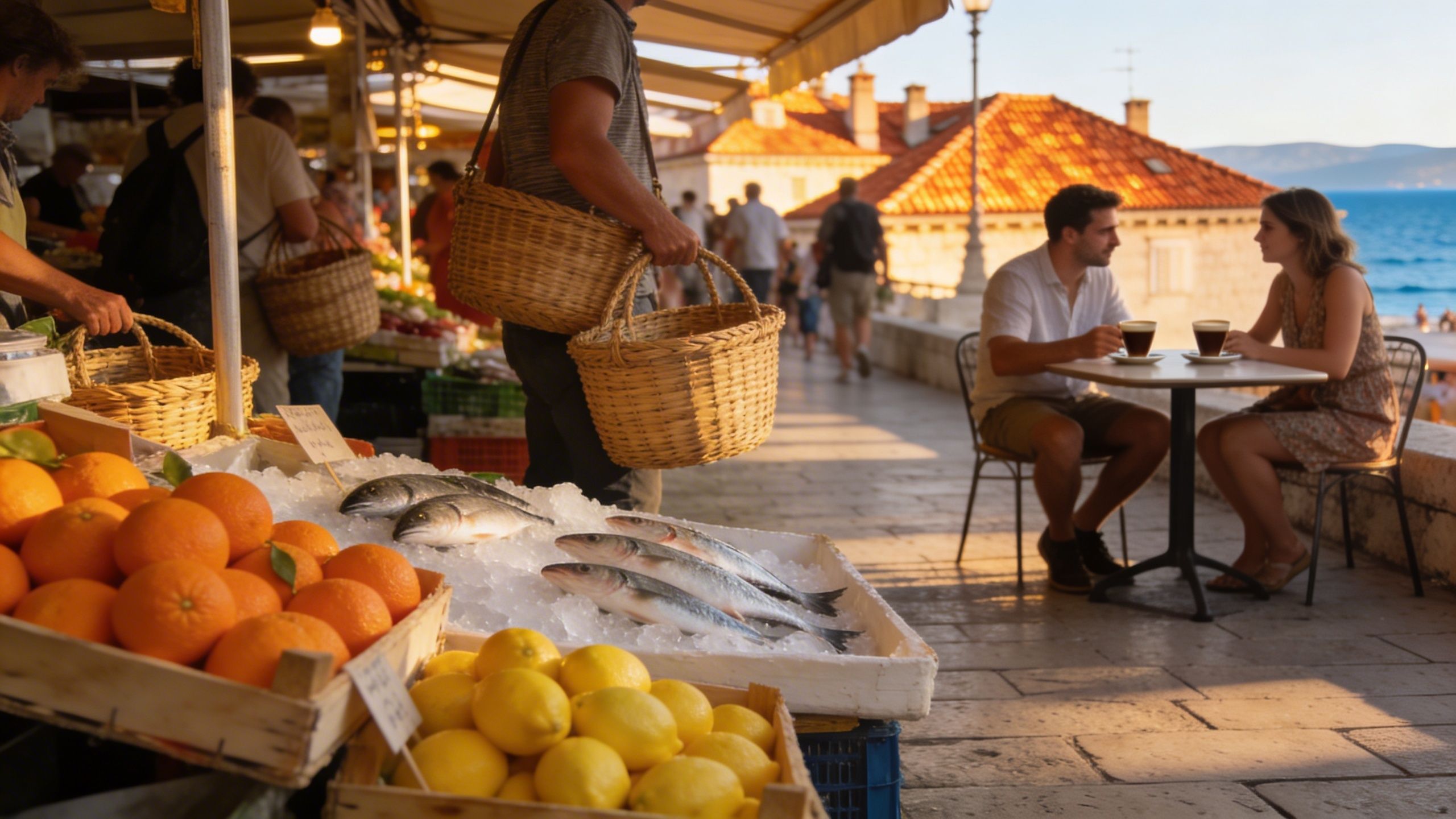
Markets matter here. From the Saturday stalls in Monastiraki to fish auctions in Piraeus, buying locally is social ritual and daily practicality. Eating out remains comparatively affordable — ELSTAT data shows restaurants and cafés have seen notable spending growth — and that vibrancy is the backdrop to owning a Greek home. Expect neighbourhood trattorias with owners who remember your order, seasonal produce that dictates menus, and festivals that gather whole villages.
- Athens: Kolonaki galleries and quiet courtyards; Koukaki’s bistro scene
- Cyclades: south‑facing terraces, breezy verandas and minimal maintenance exteriors
- Peloponnese: stone houses, olive groves, proximity to antiquities and slow markets
- Thessaloniki: lively cafés, Byzantine architecture and shorter winters
Making the move: practical considerations
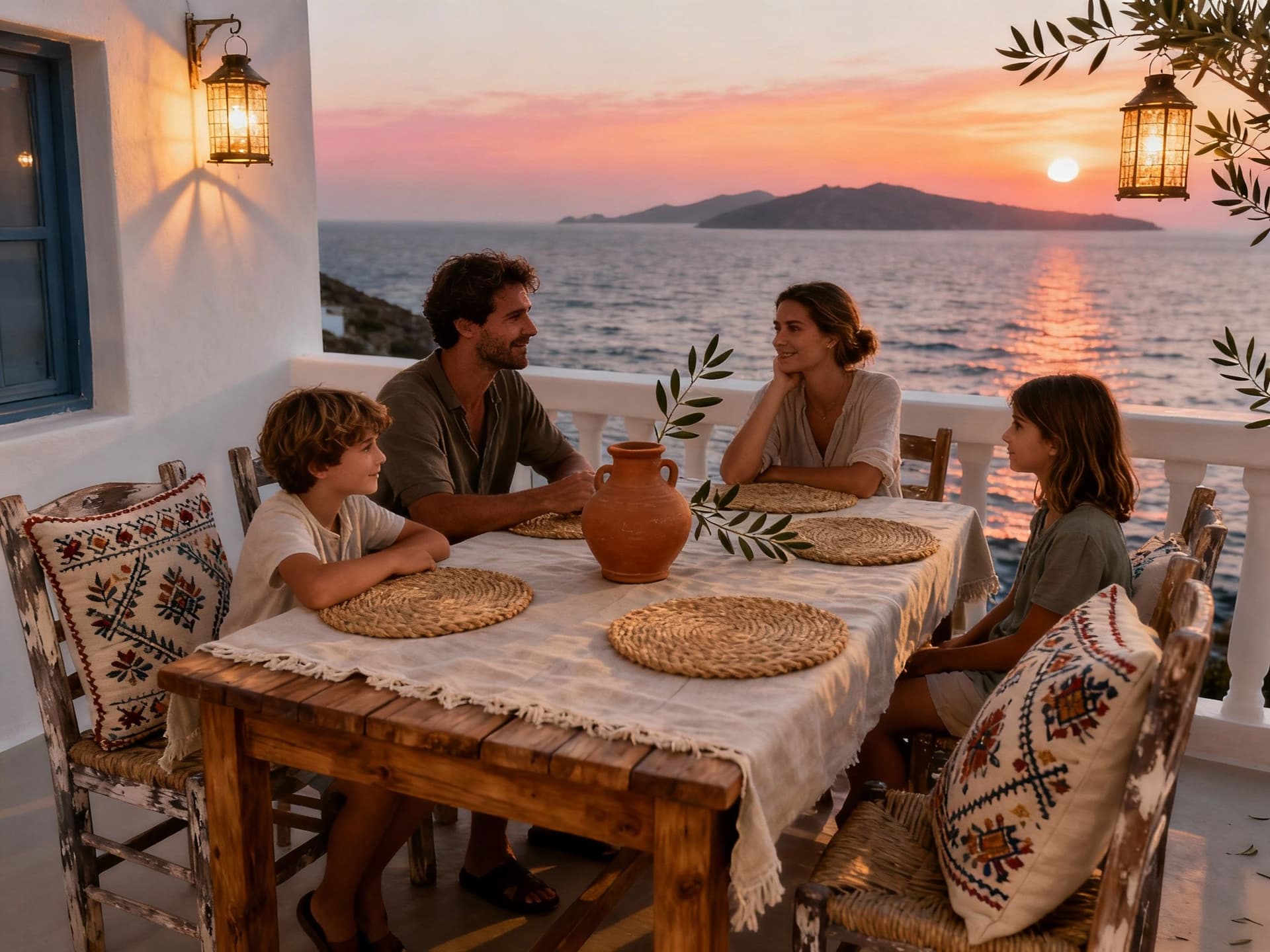
The romance of place must coexist with market facts. Greece’s housing market has been firming: recent house‑price indices and BIS‑sourced measures show positive year‑on‑year growth through 2024–2025, moderating from the rapid rises of 2022–23. That trend means selection matters: neighbourhoods that feel quaint can carry meaningful capital momentum, while some island markets are seasonally driven and sensitive to tourism shifts.
Property types and how they shape daily life
A restored neoclassical in Plaka will deliver proportion, timber shutters and high ceilings — it suits collectors and those who value provenance and walkability. A modern seafront apartment in Glyfada or on Corfu prioritises indoor‑outdoor living, minimal maintenance and amenities. Stone village houses in Mani or Zagori invite stewardship: gardens, cisterns and local craftsmen will be part of ownership. Match form to use; your leisure, entertaining habits and commitment to maintenance determine the right typology.
Working with local experts who know the life you want
A discreet local agency is indispensable. The best practitioners know the craftsmen who restore marble staircases, the notaries who expedite cross‑border closings, and which neighbourhoods host the cultural life you seek. They will show you how north‑facing terraces behave in winter, where Mavromatis bakery still bakes before dawn, and which coastal roads flood during heavy rains — the small details that affect living and value.
- Arrange viewings in shoulder seasons to experience everyday life and avoid tourist distortion.
- Ask agencies for running‑cost estimates specific to the property (heating, water, local levies).
- Prioritise properties with documented restoration work and artisan receipts for material provenance.
- Verify seasonal rental data locally if you plan to offset ownership costs; island yields vary widely.
Insider knowledge: what expats wish they’d known
There are cultural and seasonal subtleties that change how a property feels once you live there. Many expats underestimate the importance of micro‑community: the bakery owner who knows everyone’s name, the municipal gardener who decides whether a square is kept neat, the winter neighbour who will clear snow. Policy shifts — such as changes to investment thresholds and bank practices that have featured in recent reporting — can also affect the market and the strain on services.
Language, neighbours and the slow currency of trust
Learning a handful of phrases goes further than imagined: shopkeepers welcome effort and doors open faster. Social life is woven through neighbourhood institutions — football clubs, church festivals, and volunteer groups — which is where enrooting happens. Respect for local rhythms and a willingness to steward a property are often the single biggest determinants of a happy transition.
Longer horizon considerations
Greece rewards patience. Invest in quality repairs and materials that age well; stone, lime plaster and solid timber will outlast cosmetic interventions. Think in decades rather than quarters: renovated houses in sustainable locations tend to appreciate steadily, particularly where cultural infrastructure and year‑round communities exist rather than purely touristic enclaves.
Conclusion: Greece offers an intimate and varied life — from the theatre of Athens to the quiet of a Mani courtyard. Market indicators show measured growth, but the real value here is in cultural capital and stewardship. Start with a seasonally timed visit, engage an agency that understands both craft and conveyancing, and favour properties with authentic materials and clear provenance. That way, you buy not only a house but the life that will unfold within it.
Dutch former researcher who moved to Lisbon, specialising in investment strategy, heritage preservation, and cross-border portfolio stewardship.