Buy in Italy Off‑Season: Why Winter Viewings Win
Off‑season house‑hunting in Italy reveals infrastructure, bargains and community—use winter viewings, seasonal surveys and local experts to buy smarter.
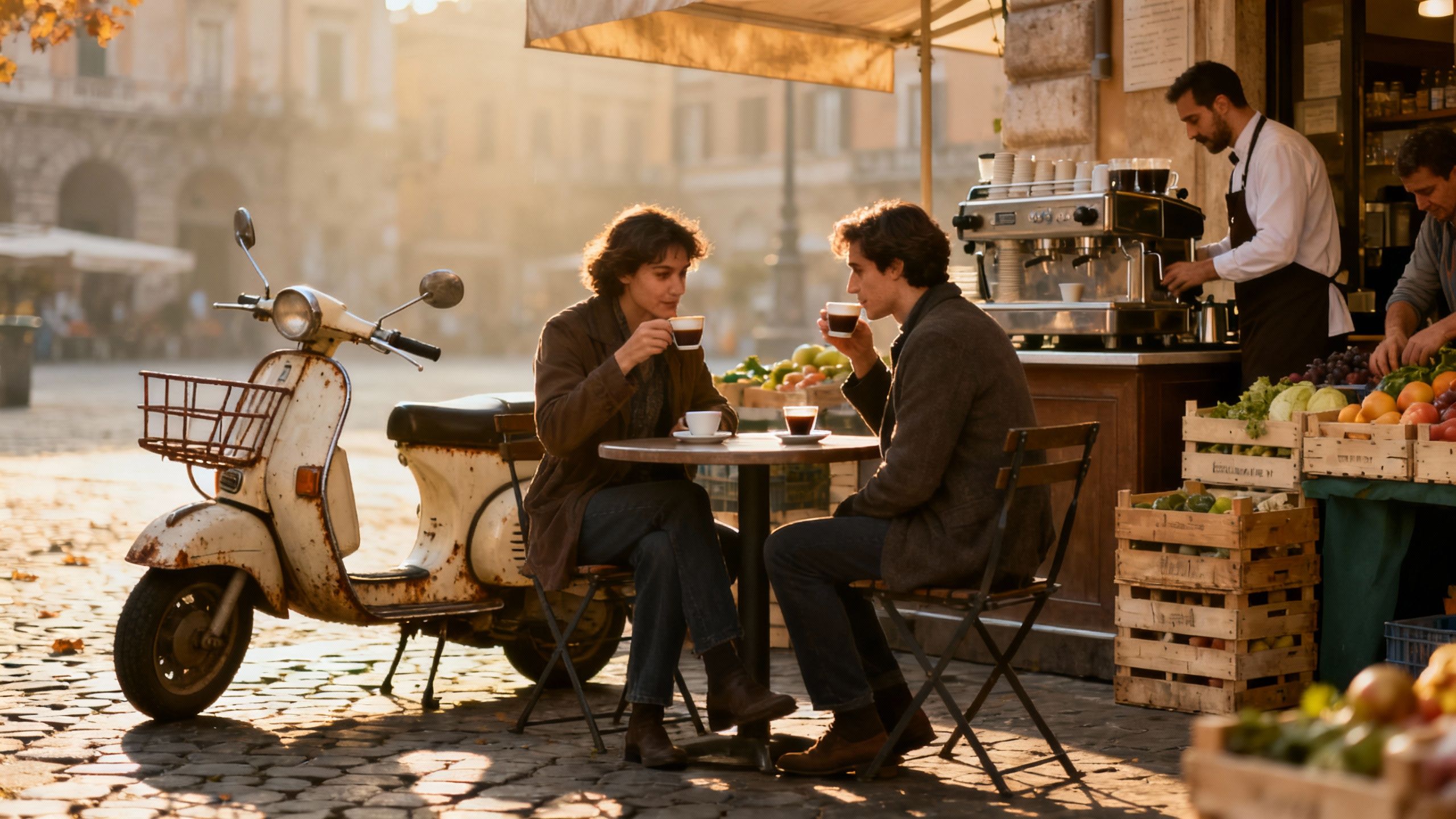
Imagine arriving in an Italian morning that feels like a small ceremony: a barista adjusting a shot of espresso on Via dei Coronari in Rome, fishermen unloading anchovies by the Rialto at dawn, and an old stone piazza in Tuscany clearing of tourists so you can hear a church bell. These moments—unhurried, sensory and local—are what many international buyers hope to capture. But the calendar of when you search and buy changes the story you will live. Recent market analysis shows seasonal rhythms in listings, prices and agent availability that can materially shift outcomes for buyers who time their move thoughtfully.
Living Italy in the low season
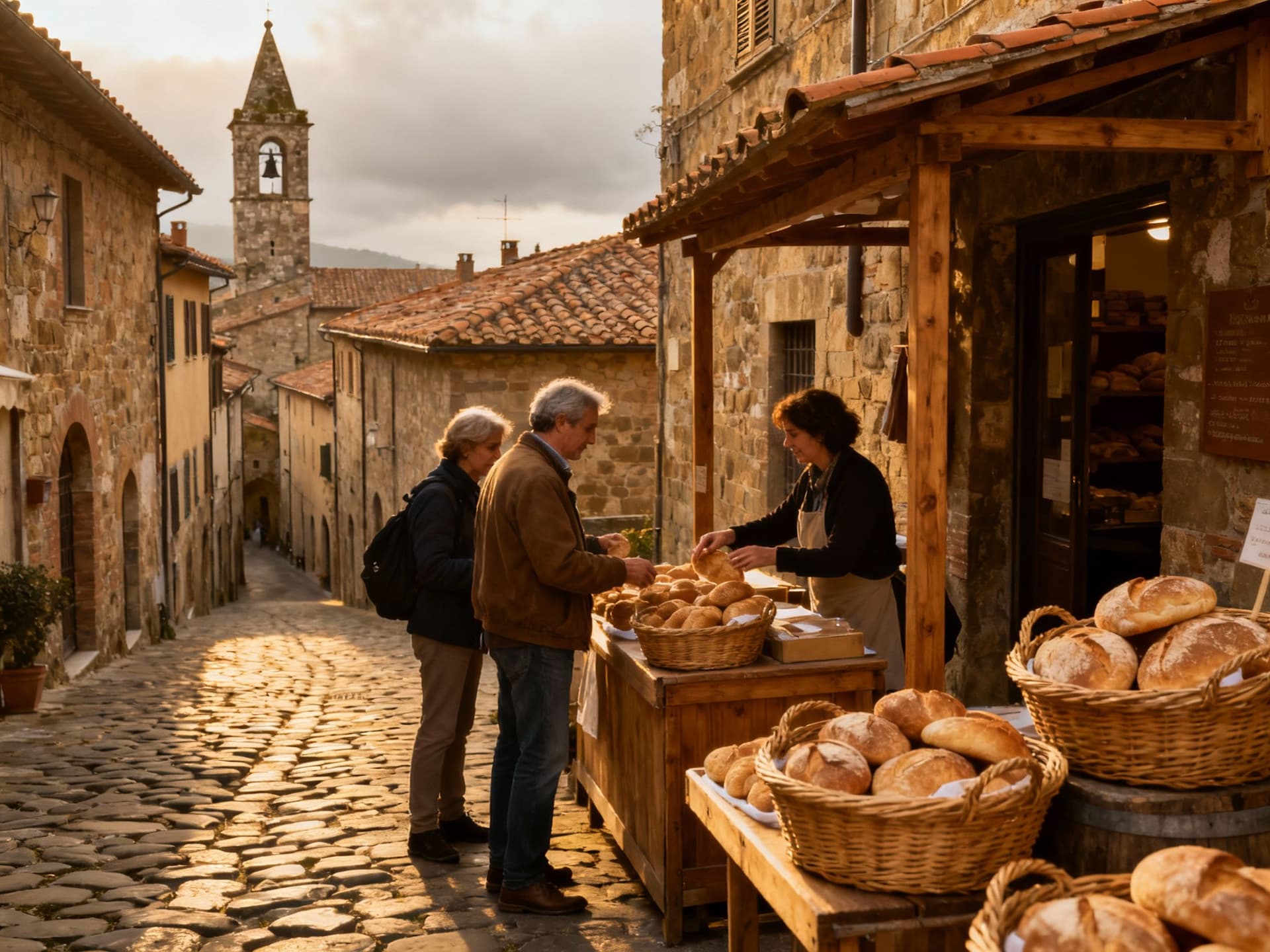
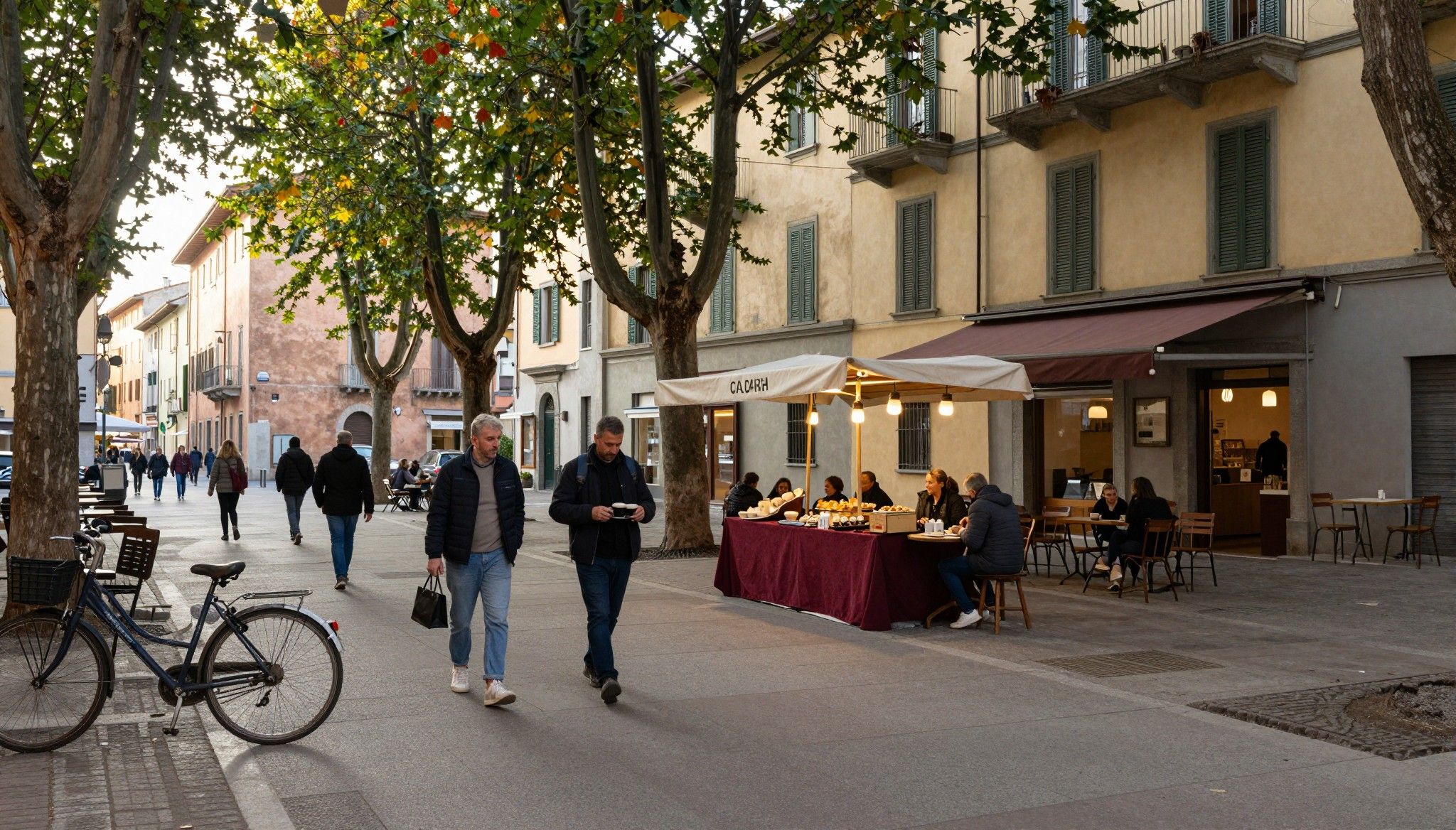
Winter and autumn in Italy reveal a quieter, more authentic rhythm than the postcard months. Streets that feel overcrowded in July become promenades again, and neighbourhood cafés reassert their role as community rooms. That quieter rhythm also means different inventory: motivated sellers, fewer competing bidders and agents with time to guide detailed inspections. Official statistics indicate price growth varies through the year and region, so timing can change negotiating power as meaningfully as location does.
Centro Storico and the advantage of off‑peak viewings
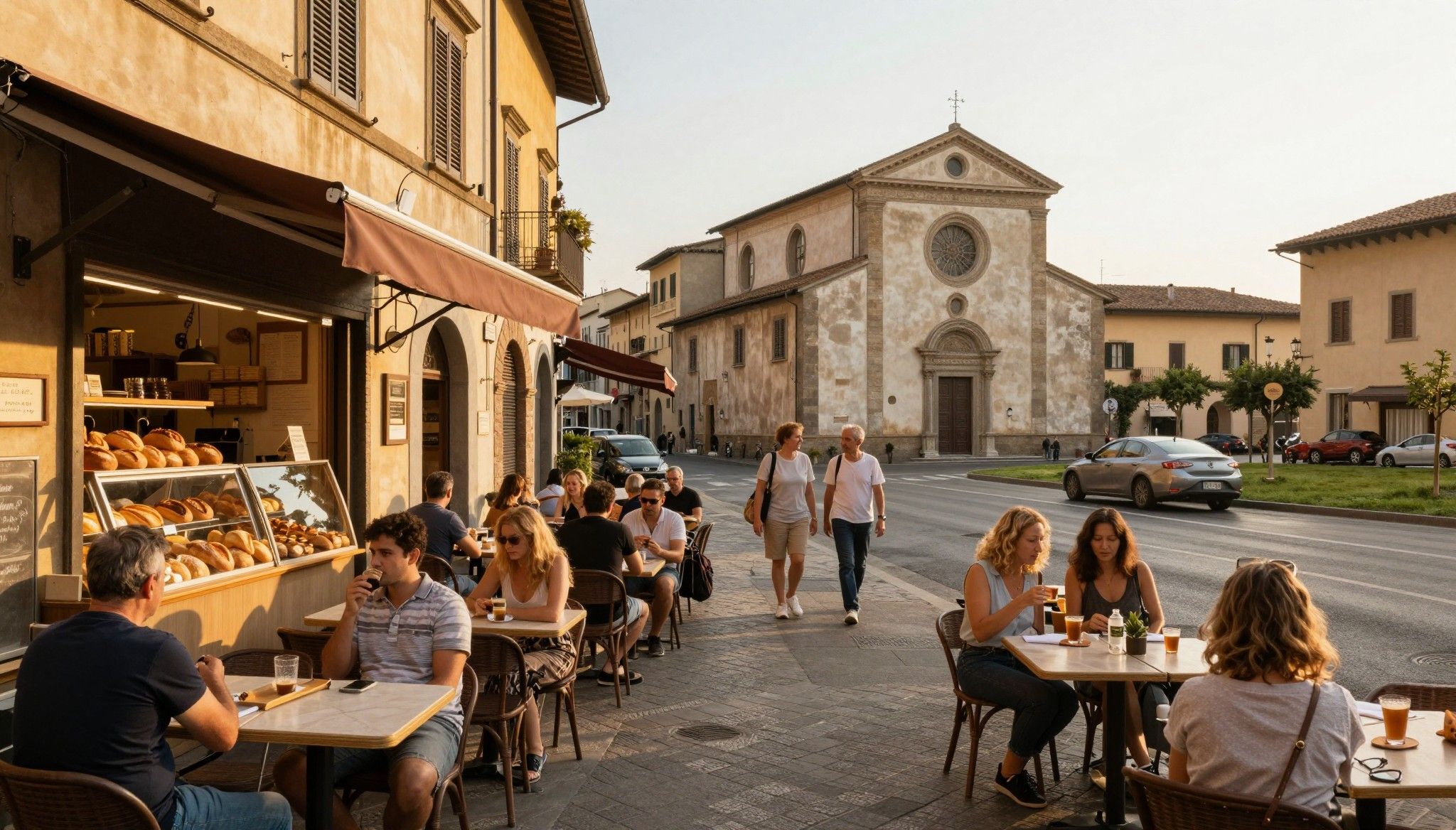
Historic centres—Rome’s Trastevere, Florence’s Santo Spirito, Bologna’s Quadrilatero—are often shown at their busiest. Visit in November or February and you see the real light, the way morning shadows fall across pietra serena and the subtle damp patina that tells you about drainage, insulation and wall thickness. Those are precisely the details that determine running costs and restoration scope. Agents who know these neighbourhoods will point out the mortar, the sash-window repairs and whether a listed façade requires municipal approval—details typically missed on a summer viewing when charm distracts from structure.
Coastal towns and the winter truth
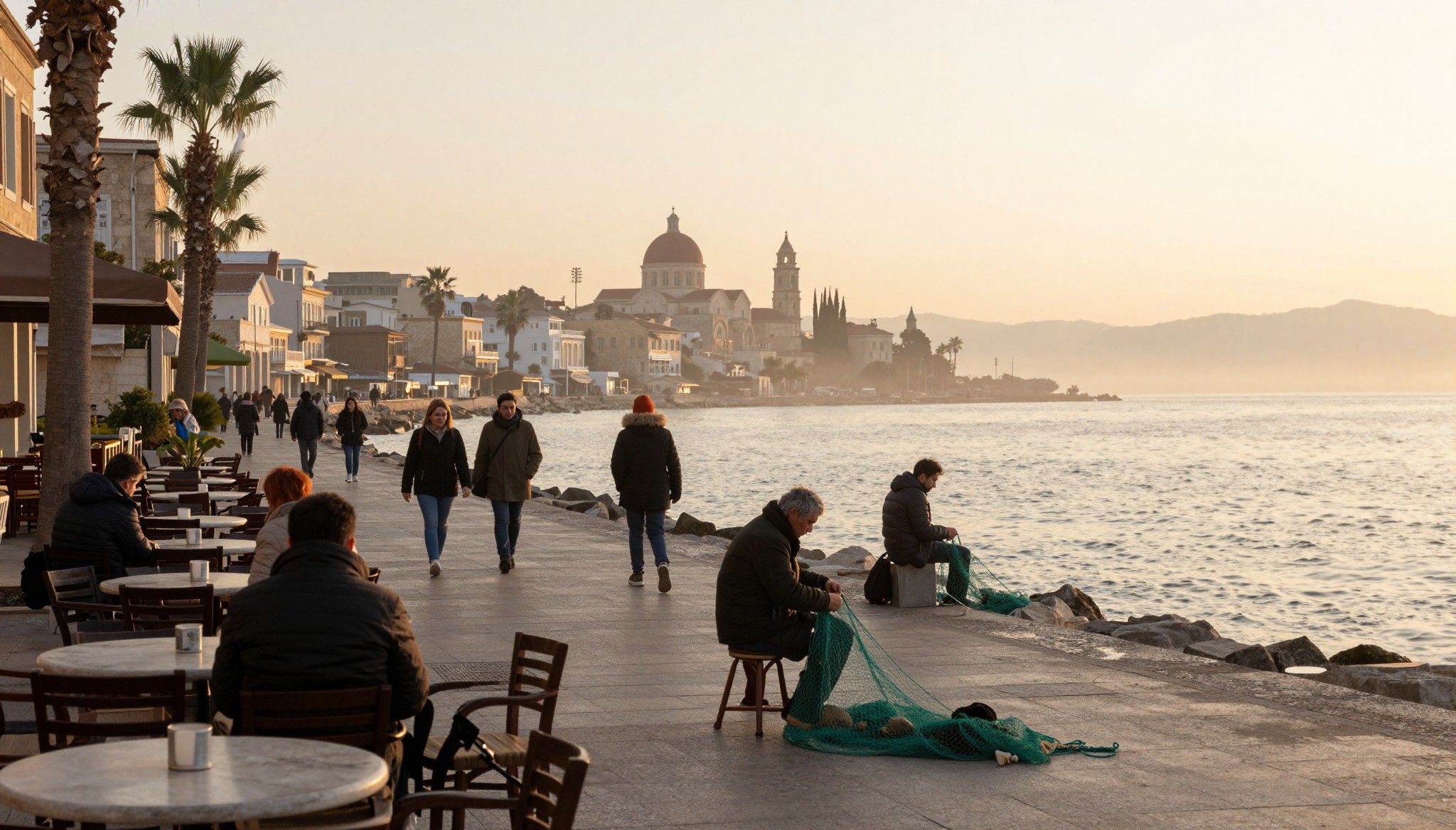
Liguria and parts of Puglia feel very different out of season: promenades are empty, restaurants close for refurbishment and the calm shows the durability of seaside infrastructure. For buyers seeking year‑round living rather than a summer bolt‑hole, winter reveals insulation quality, plumbing condition and exposure to storms—practicalities that affect long‑term comfort and insurance. Regional price data also show marked north–south variation, so seasonal inspection is essential to compare value fairly.
- See‑what‑matters list:
- Check heating systems and chimney flues in person—many sellers neglect winter checks.
- Observe street life at 8am and 8pm to judge noise, light, and local services on weekdays.
- Note shop openings and school drop‑off routines—they reveal whether a place is lived in year‑round.
Making the move: practical considerations that align with lifestyle
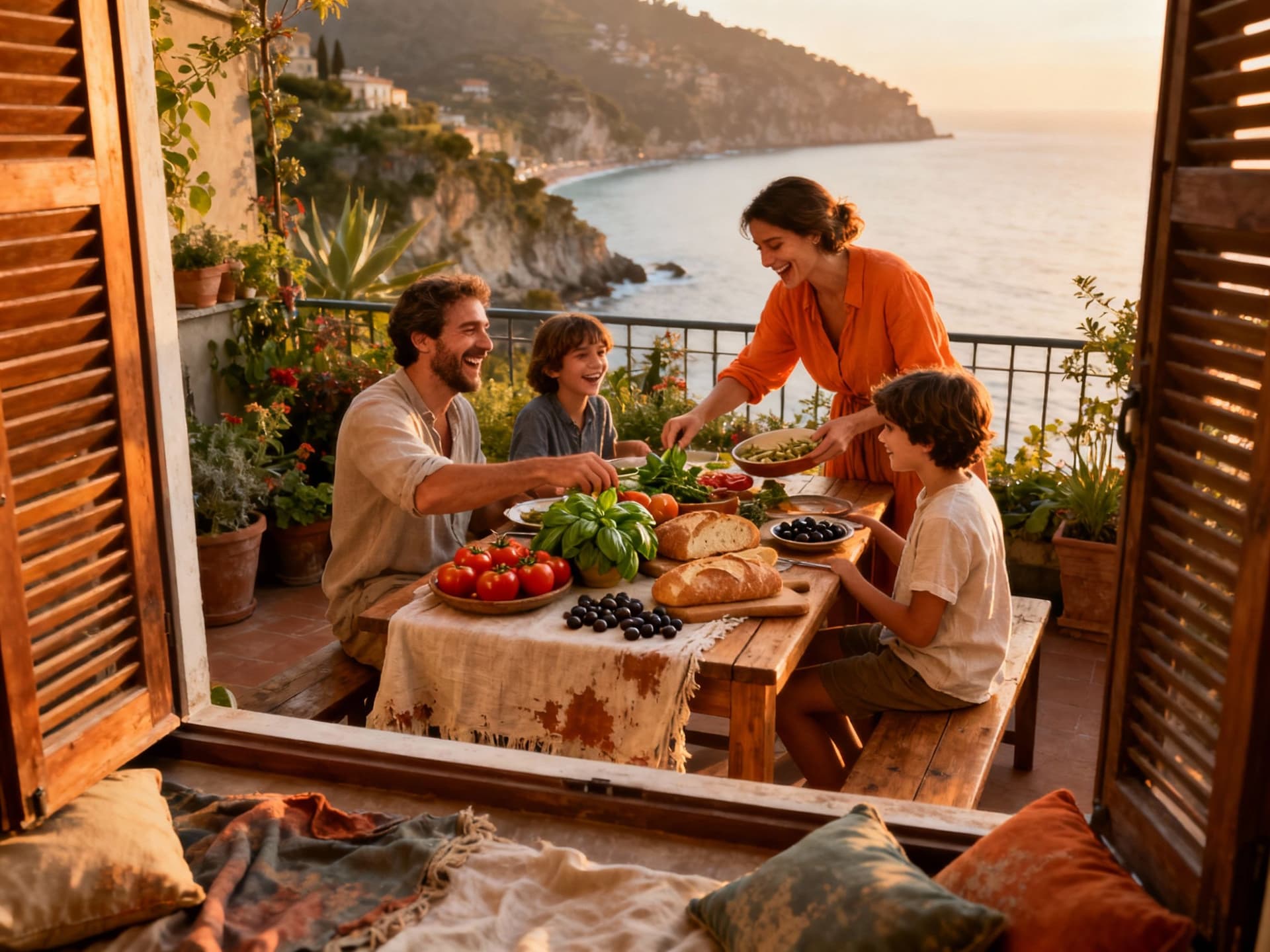
If the romantic image is the reason you came, the practicalities determine whether that image endures. Market volumes and mortgage activity have increased in recent reporting, suggesting more movement but also shifting leverage for buyers. A winter search often yields more realistic asking prices and greater access to experienced local lawyers and surveyors who are less rushed. Working with specialists who operate year‑round—local architects, restorers and notaries—turns seasonal insights into a durable plan for stewardship.
Property types and how seasons reveal their truth
A Tuscan farmhouse with exposed beams and single‑glazed windows reads as romantic in July; in December it reads as cold. New builds show thermal performance immediately in winter, while historic apartments reveal sound insulation and damp issues. Match the property type to the life you intend to lead: frequent visitors favour low‑maintenance moderns; year‑round residents prize thermal mass and thick walls. Local agents can prepare seasonal checklists specific to typology so you judge a home by how it lives in every month.
Working with local experts who know the seasons
An agency is most valuable when it understands both the aesthetic you want and the municipal realities that will shape renovation and long‑term costs. Seek agencies with demonstrated experience in conservation rules, heating retrofits and local zoning—those aspects matter most after you buy. Be explicit: ask for a recent list of similar properties sold in the same season and a map of municipal services (waste collection, water pressure, school catchments). Agencies that provide seasonal inspection reports and trusted tradespeople offer practical advantage, especially during quieter months when planning is calmer.
- Step‑by‑step winter house‑hunting checklist:
- 1. Book viewings midweek and at different times of day to catch service rhythms and noise patterns.
- 2. Commission a structural survey and a winter heating test—make these conditional in your offer.
- 3. Ask agents for utility bills across a 12‑month period and recent maintenance invoices.
Insider knowledge: what expats consistently say they wish they'd known
Expats who have stayed share similar hindsight: prioritise live‑tests over staged impressions, and treat locals’ rhythms as data. Many recount cooling their plans after a damp winter revealed a poorly ventilated attic, or choosing a less famous village because it kept its baker and school open year‑round. These pragmatic discoveries often originate in off‑peak months when the theatrics of high season are absent and infrastructure is honest.
Language, community and the slow work of belonging
Integration is less about fluency and more about habits: the café where your name is known, a volunteer project at the parish, a mercato stall you visit every fortnight. These patterns form in months, not days; autumn and winter offer the chance to begin them before the tourist season alters who is present. Local language courses, civic lists and community noticeboards are better read when neighbours are at home rather than on holiday. Agencies that introduce you to local operators—carpenters, market vendors, school principals—accelerate this social settling.
Long‑term stewardship and seasonal costs
Think in generational terms: what will this house require in five and twenty years? Seasonal inspections reveal where damp, thermal bridging or roof repair are imminent—issues that compound if left unseen. An agent who frames the purchase as stewardship will discuss restoration quality, original materials and how the local authority treats heritage façades. Those conversations lead to more durable investment decisions and preserve the character that drew you to Italy in the first place.
If the idea of Italy is a sequence of meals, markets and quiet streets, begin your property search when the country is being lived in, not performed for tourists. Start with a winter visit, compile seasonally informed questions for agents, and make offers that reflect the full year of living. An agency that offers seasonal insight, trusted local trades and a measured view of restoration will translate the romance into a residence that endures. Book viewings in the quiet months and let the country reveal its honest shape; the result will be a better property and a truer life in Italy.
Norwegian with years in Florence guiding clients across borders. I bridge Oslo and Tuscany, focusing on legal navigation, cultural context, and enduring craftsmanship.