How France’s Lifestyle Choices Shape Your Tax Picture
Blend French daily life with tax realities: how transfer taxes, local levies and IFI shape ownership decisions so your dream home remains a sustainable life.
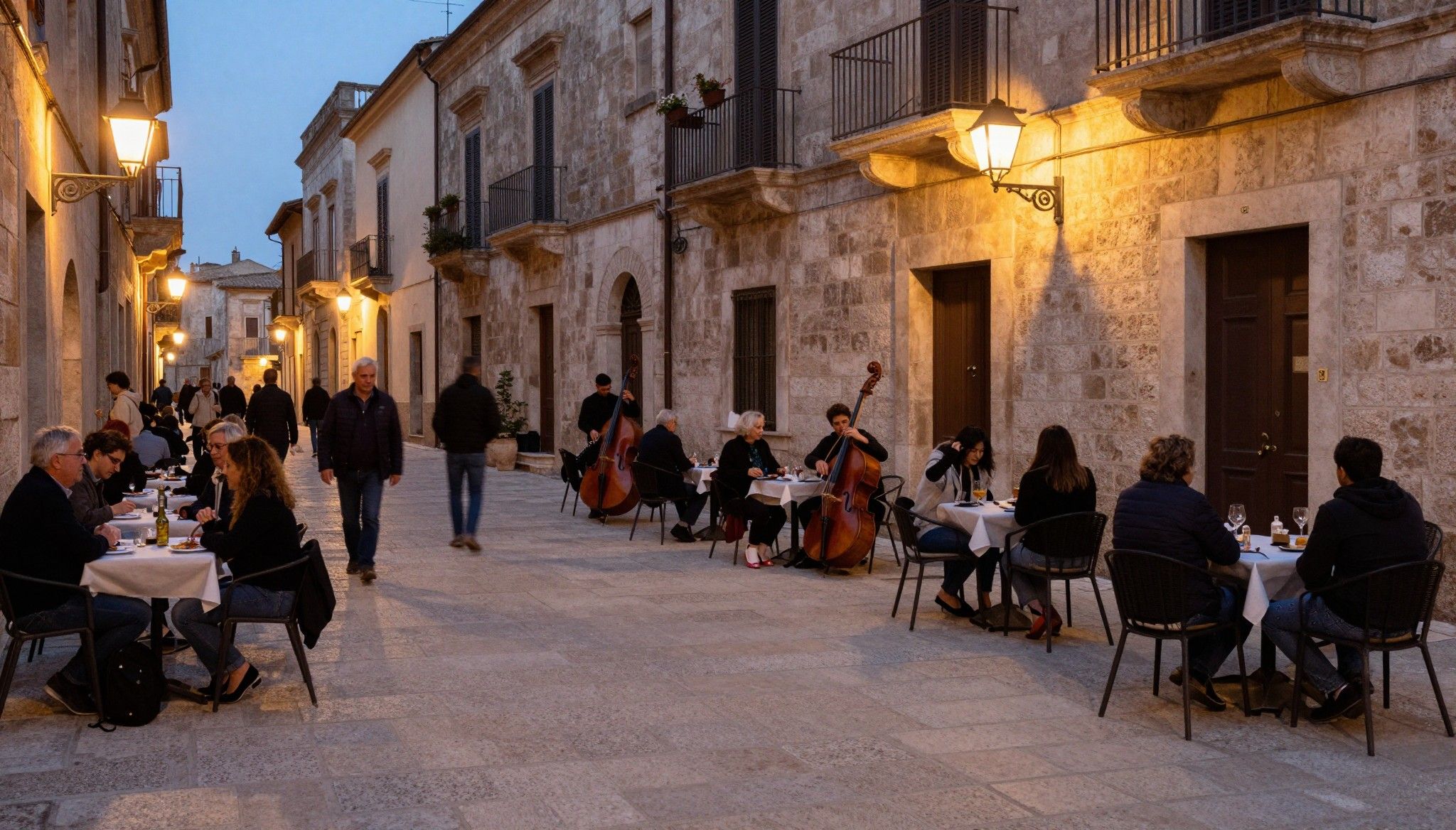
Imagine a Saturday morning in Aix‑en‑Provence: the marché fills with walnuts, lavender and tapenade, a boulanger arranges fresh fougasses, and a stone courtyard drips golden light. It is this texture of place — markets, small squares, the cadence of meals — that should guide where you place your purchase rather than abstract yield tables. Yet the fiscal architecture that shapes ownership in France is unusually specific: local transfer taxes, municipal charges, and an estate tax logic that reward provenance and long‑term stewardship. For an international buyer, those details decide whether a villa off the Riviera remains an affordable dream or a surprising annual obligation. This guide blends the lived pleasures of French neighbourhoods with the precise tax signals you must know before making an offer.
Living the France lifestyle
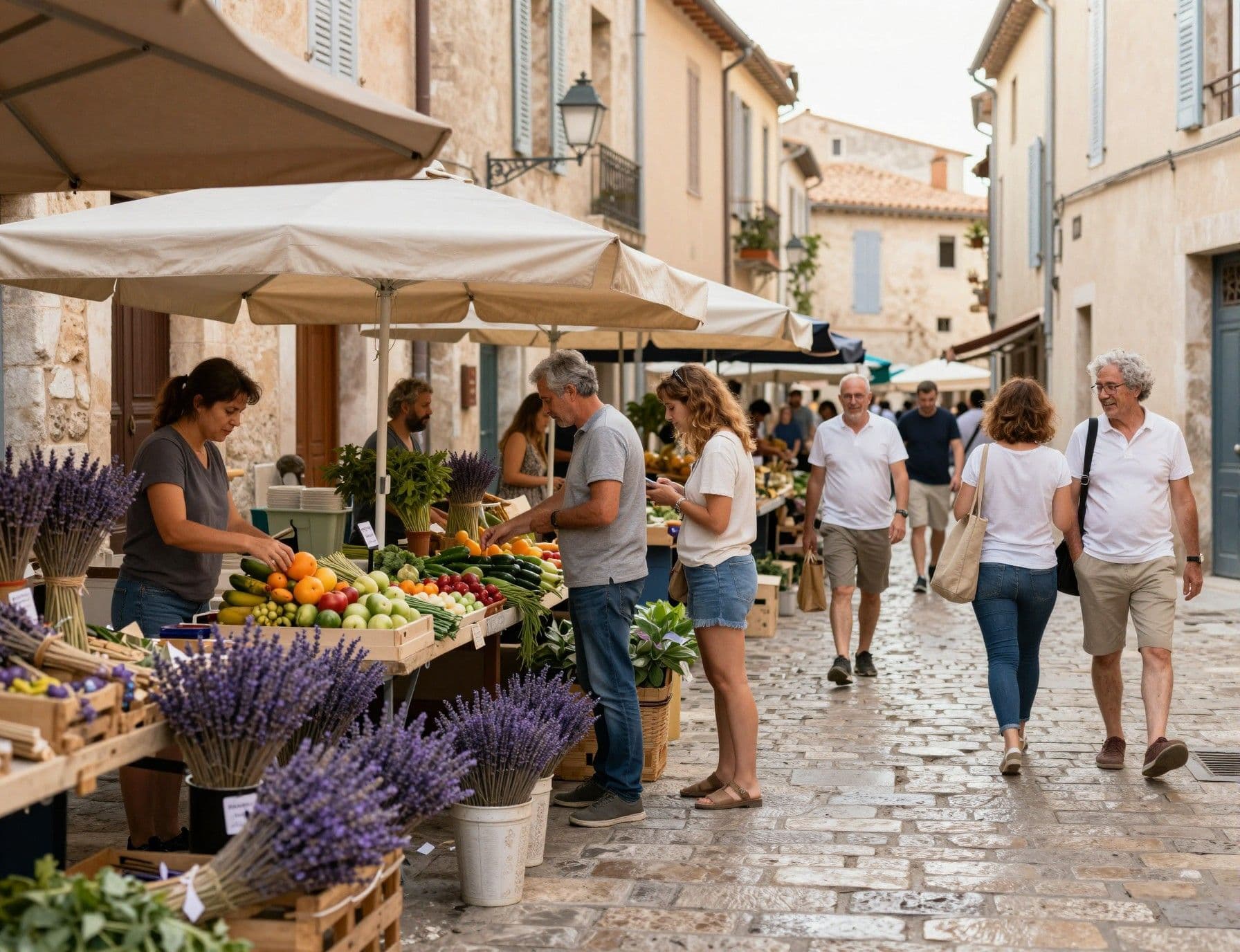
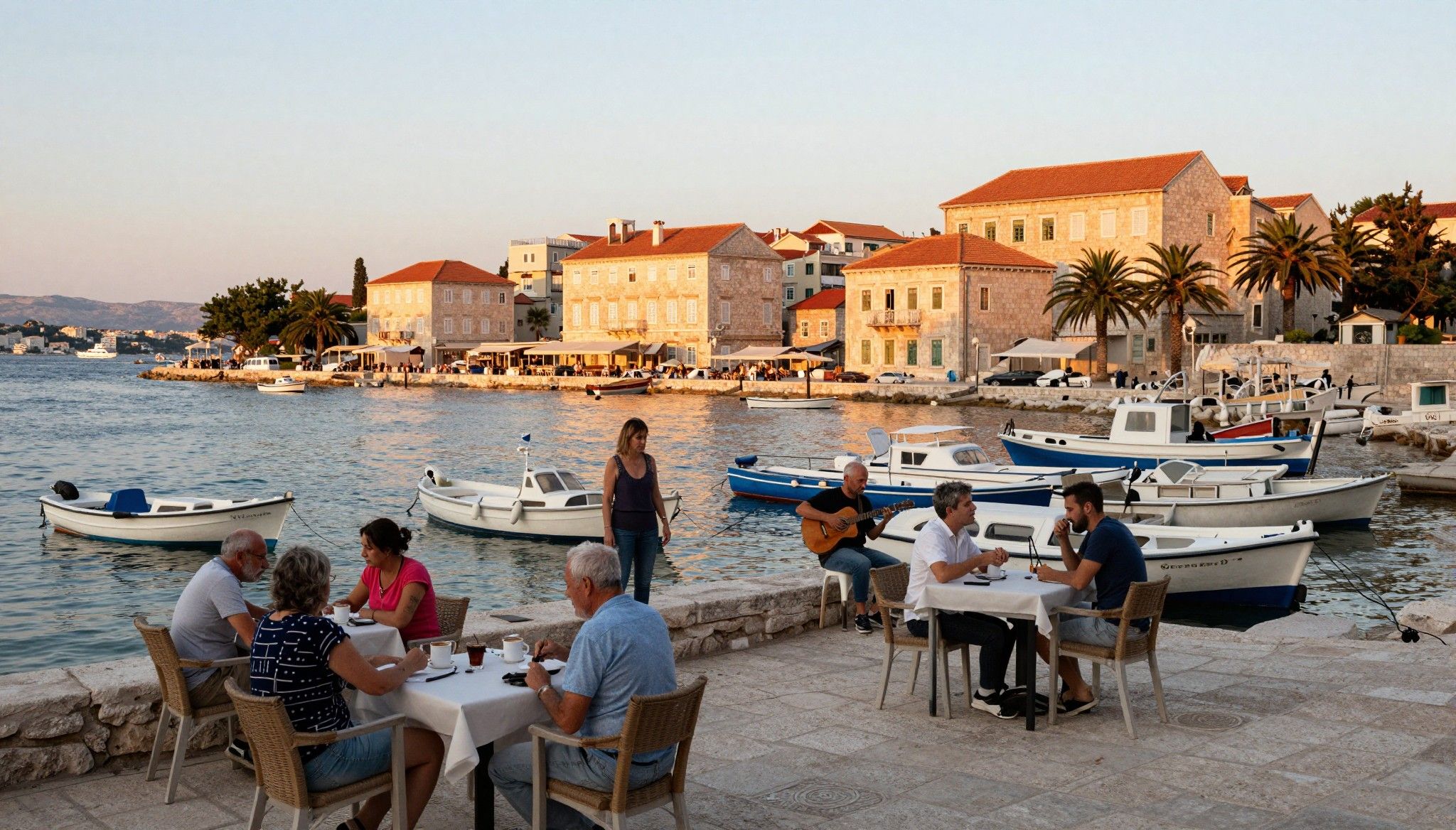
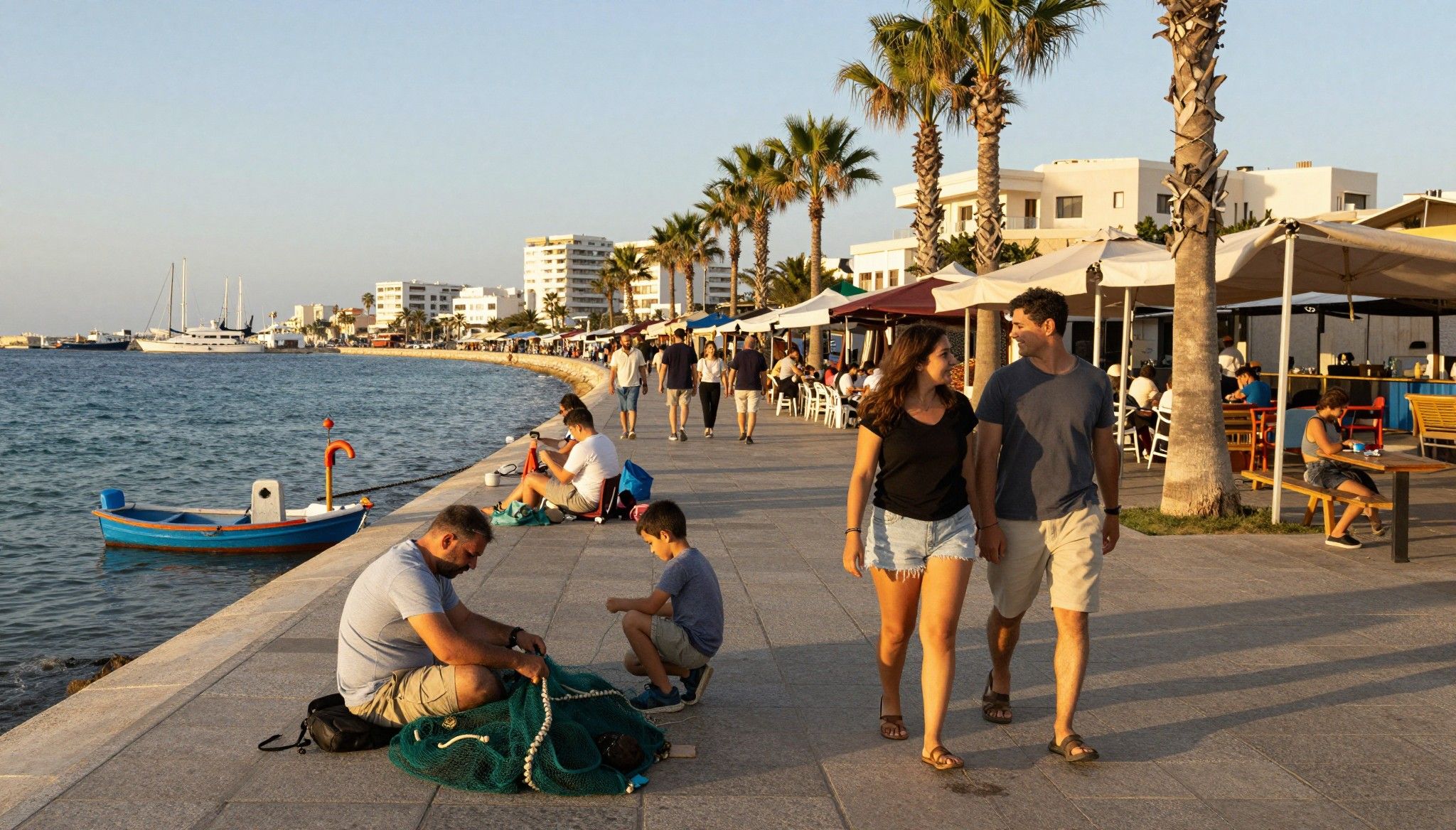
France arrives as a sequence of neighborhoods rather than a single identity: a Breton port with salted air, a Marais lane with bookshops, a Provençal street where the same café tables reappear year after year. The practical joy of ownership here is proximity: to daily bread, to civic life, to seasonal rituals. That rhythm influences property choices — a compact apartment near Rue des Rosiers will offer a different tax and running‑cost profile than a stone farmhouse in Dordogne with lands and a dépendance. Appreciating how life is lived in a place will let you match property type to fiscal strategy and emotional intent.
Neighbourhoods that define daily life
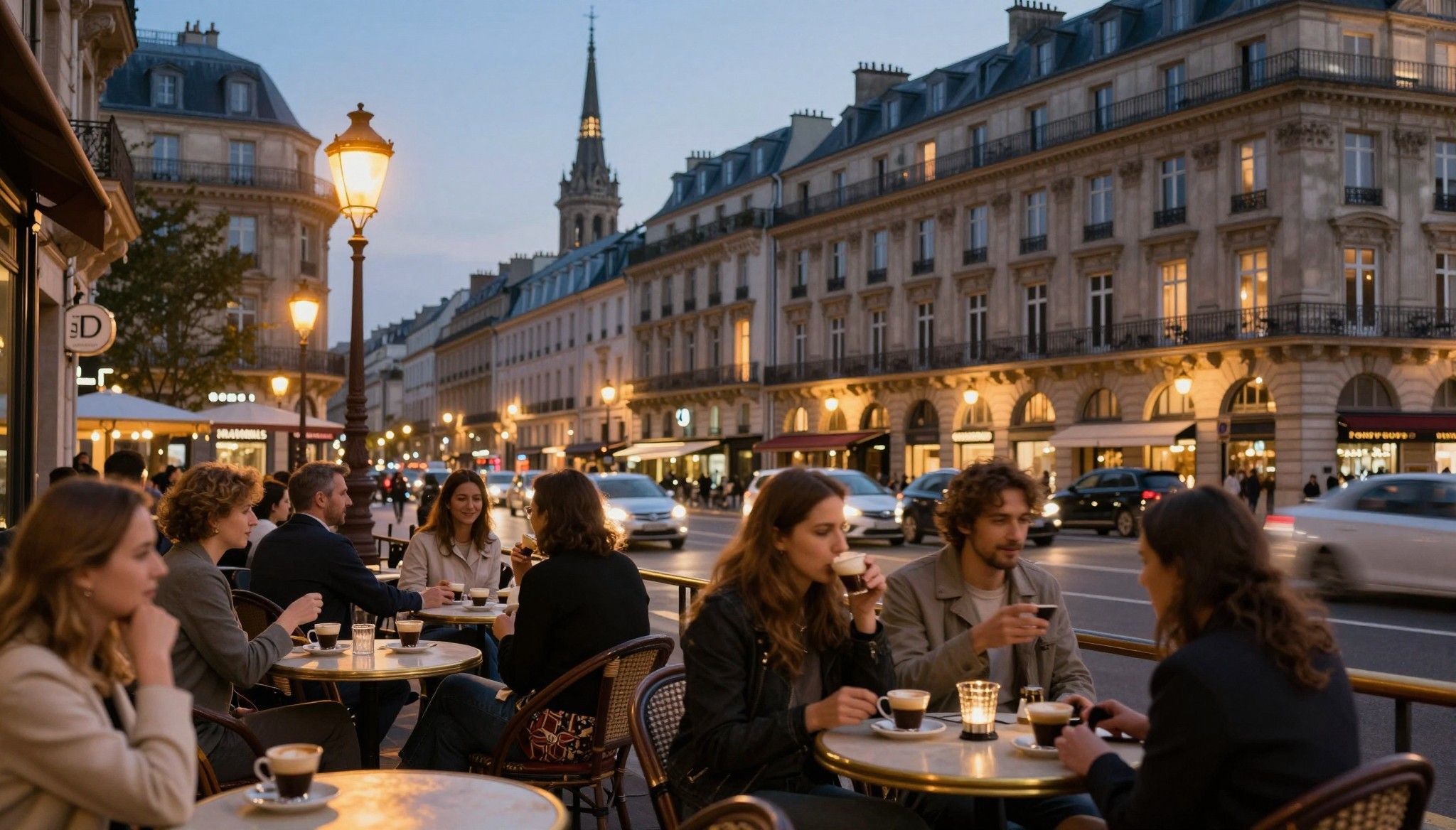
In Paris, Saint‑Germain and the Marais are about salons, galleries and small historic courtyards; in Nice the Promenade and Vieux‑Nice offer a waterfront ritual of marchés and petits restaurants; in Bordeaux the Chartrons district balances antique shops with quiet quays. These are not mere postcards — they determine municipal taxes, parking realities, and the availability of services that affect your cost of living. When you visit, listen for the daily noises: deliveries, school bells, market set‑up — those are the practical signals of resident life, and they matter for everything from rental potential to local taxe foncière expectations.
Food, markets and small rituals
- Market mornings in France are a civic act: Marché Forville in Cannes for fish and small producers; Place du Marché in Uzes for truffle season; Marché Bastille in Lyon for regional charcuterie. These rituals shape how families use kitchens, how storage space is valued, and whether a dining terrace becomes negotiable in price. Buying with the lifestyle in mind helps you prioritise tax‑relevant features: a separate gite for seasonal rental needs different VAT and income‑tax planning than integrated rooms in a primary residence.
Making the move: practical considerations
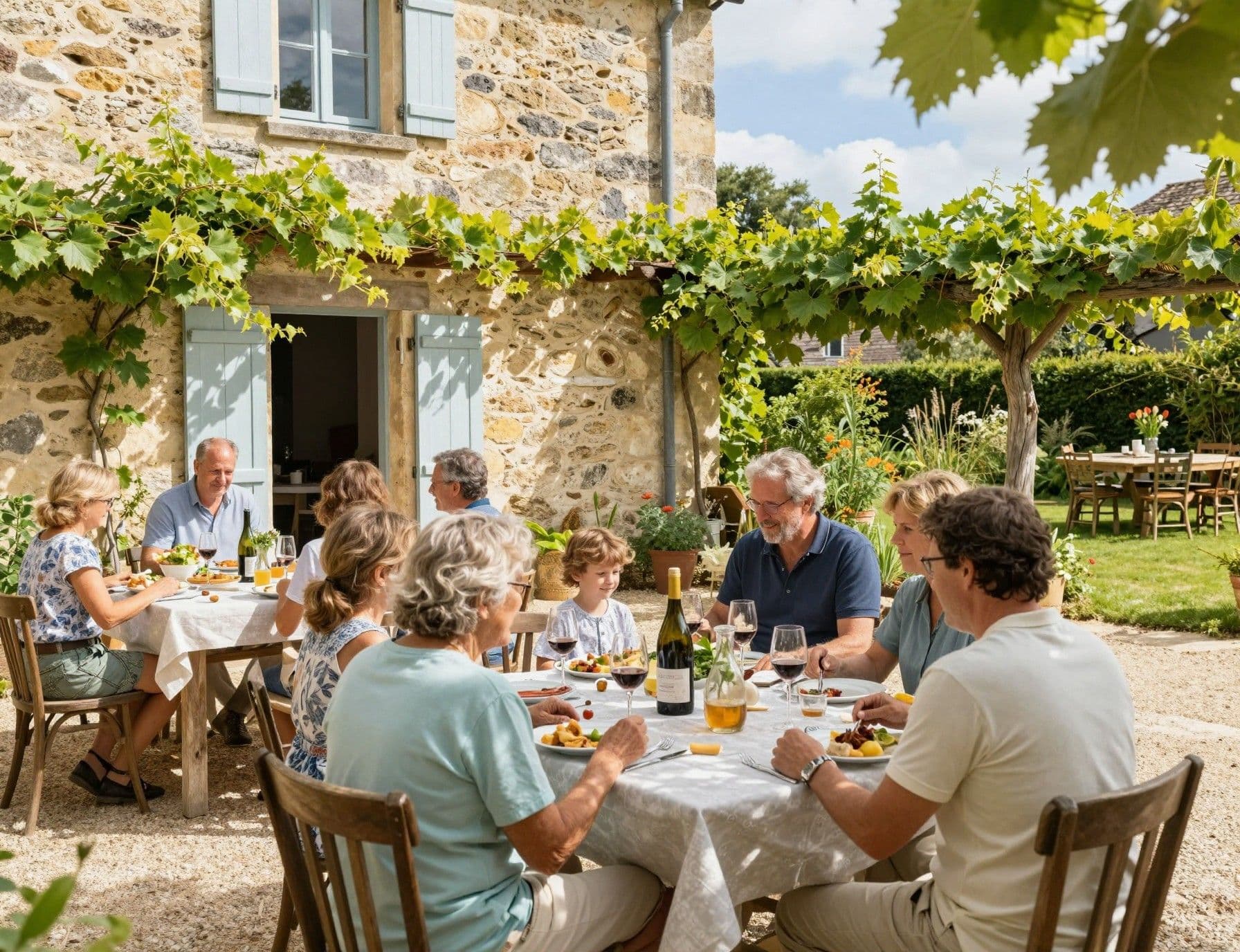
The romance of place must be balanced with the fiscal choreography of acquisition and ownership. Transfer taxes and notary costs — commonly called "frais de notaire" — are mostly taxes passed to local authorities and typically add 7–8.5% to purchases of older homes; new builds attract reduced rates. The administration of local taxes continues after purchase: taxe foncière is levied annually on owners, while taxe d'habitation no longer applies to primary residences since January 1, 2023 but remains for second homes. Understanding these specifics early protects your lifestyle plan from unwelcome annual surprises.
Property styles and what they mean for life
A stone longère in Brittany invites quiet, land and restoration; an Île‑de‑Ré townhouse offers seasonally strong rental income; a Parisian Haussmannian flat trades private outdoor space for refined proportion and resale liquidity. Each form brings different tax treatments: capital gains reliefs for primary residences, special regimes for furnished rentals, and distinct VAT or registration regimes for new builds versus old. Match the architectural type to how you intend to use the asset — permanent residence, seasonal retreat, or regulated rental — and plan taxes accordingly.
Working with local experts who know both life and law
- 1. Engage a notaire early to explain DMTO, emoluments and the recent departmental adjustments to transfer rates. 2. Ask a bilingual tax avocat or fiscaliste to outline income tax implications if you plan to rent, including whether your activity is classed as professionnel. 3. Consult with an estate planner about succession rules and IFI thresholds for property held directly or via an SCI (société civile immobilière). 4. Test cash‑flow scenarios including taxe foncière, local services, insurance and maintenance so lifestyle choices remain affordable year after year.
Insider knowledge: what expats wish they'd known
Seasonality alters costs and expectations: a second home on the Côte d'Azur may generate attractive short‑term rental revenue but also higher municipal levies and stricter occupancy rules. Many expatriates underestimate administrative friction — residency status affects how social contributions and wealth taxes (IFI) apply to property held in France. Those who plan ahead use structures like SCIs to clarify ownership and succession, but such tools require careful reporting and periodic reassessment to avoid accidental tax exposure. The practical lesson: local paperwork is part of daily life in France, not an occasional nuisance.
Cultural integration and community rhythms
Learning enough French to read municipal notices, understand syndic convocations, or ask about drainage on Rue names will save both money and time. Neighbours in small communes attend mairie meetings where decisions about local taxes or planning permissions are quietly made; being able to converse grants access to nuance. Investing in a neighbourhood is therefore both fiscal and social: your presence contributes to stewardship, and local familiarity often reveals cost‑saving practicalities, from trusted artisans to methods of reducing heating bills.
- Practical red flags to watch for
- Unclear ownership chains (multiple heirs or old donations), ambiguous planning history that limits future works, high taxe foncière relative to comparable properties, lack of indexed maintenance records for roofs and façades, and rental classifications that could trigger professional tax status.
Owning a property in France is an invitation to a particular life: long lunches, seasonal markets, and an architecture that holds stories. If you let lifestyle guide your search and fiscal prudence shape your structure, the result is a home that rewards daily living and endures as an asset. Begin with a short visit that focuses on morning rituals in your preferred quartier, bring a notaire and fiscalist into conversation early, and test ownership scenarios against real local charges. When you are ready, a local agency versed in provenance, restoration and discreet stewardship will translate your life vision into an acquisition plan that protects both emotion and capital.
Former Copenhagen architect who relocated to Provence, offering relocation services, market analysis, and a curator’s eye for authentic regional design.