Italy: How Neighbourhood Rhythm Shapes Living Costs
Italy’s living costs hinge on neighbourhood rhythms and seasonal realities; decisive local insight often saves more than headline price differentials.
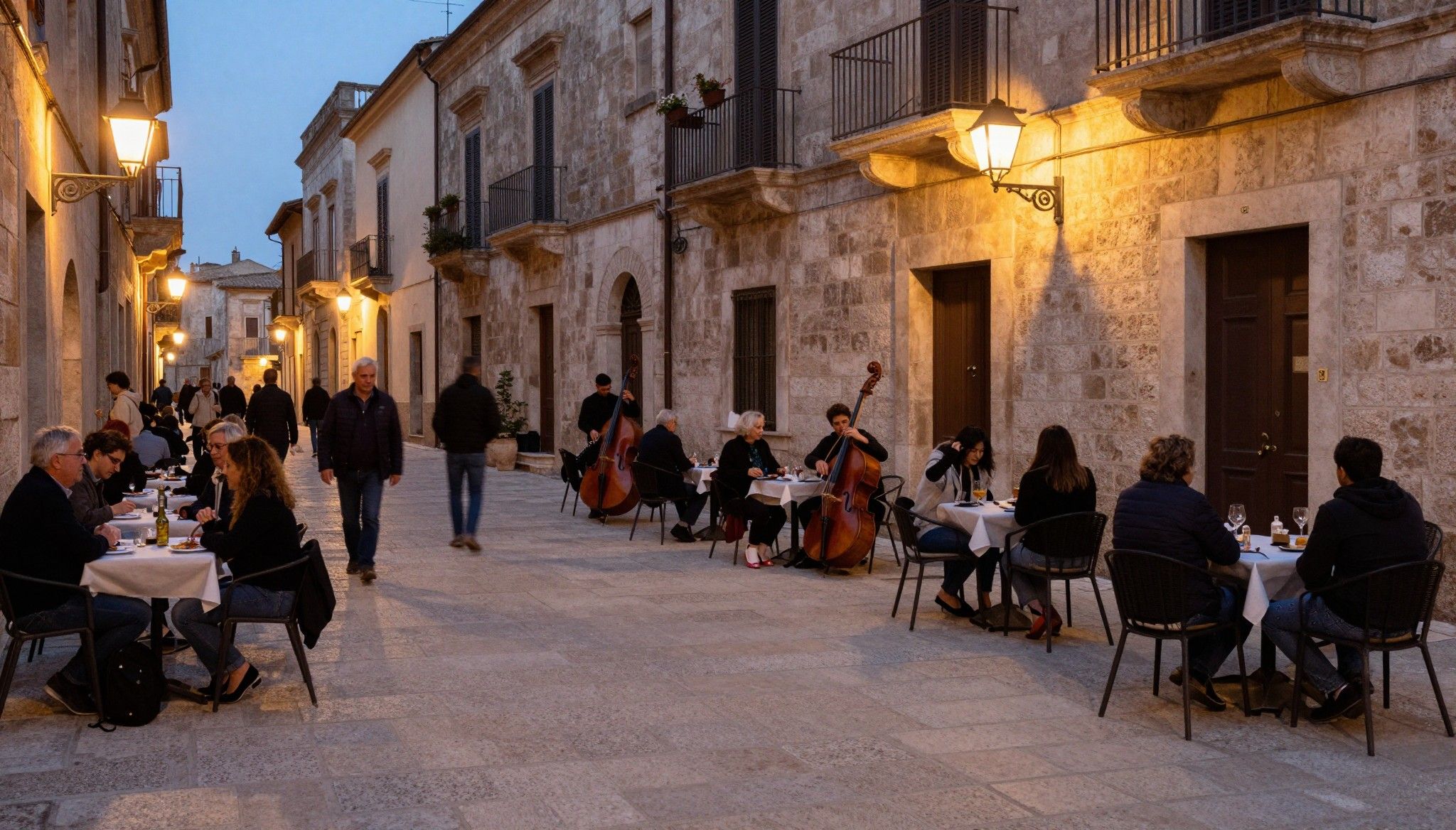
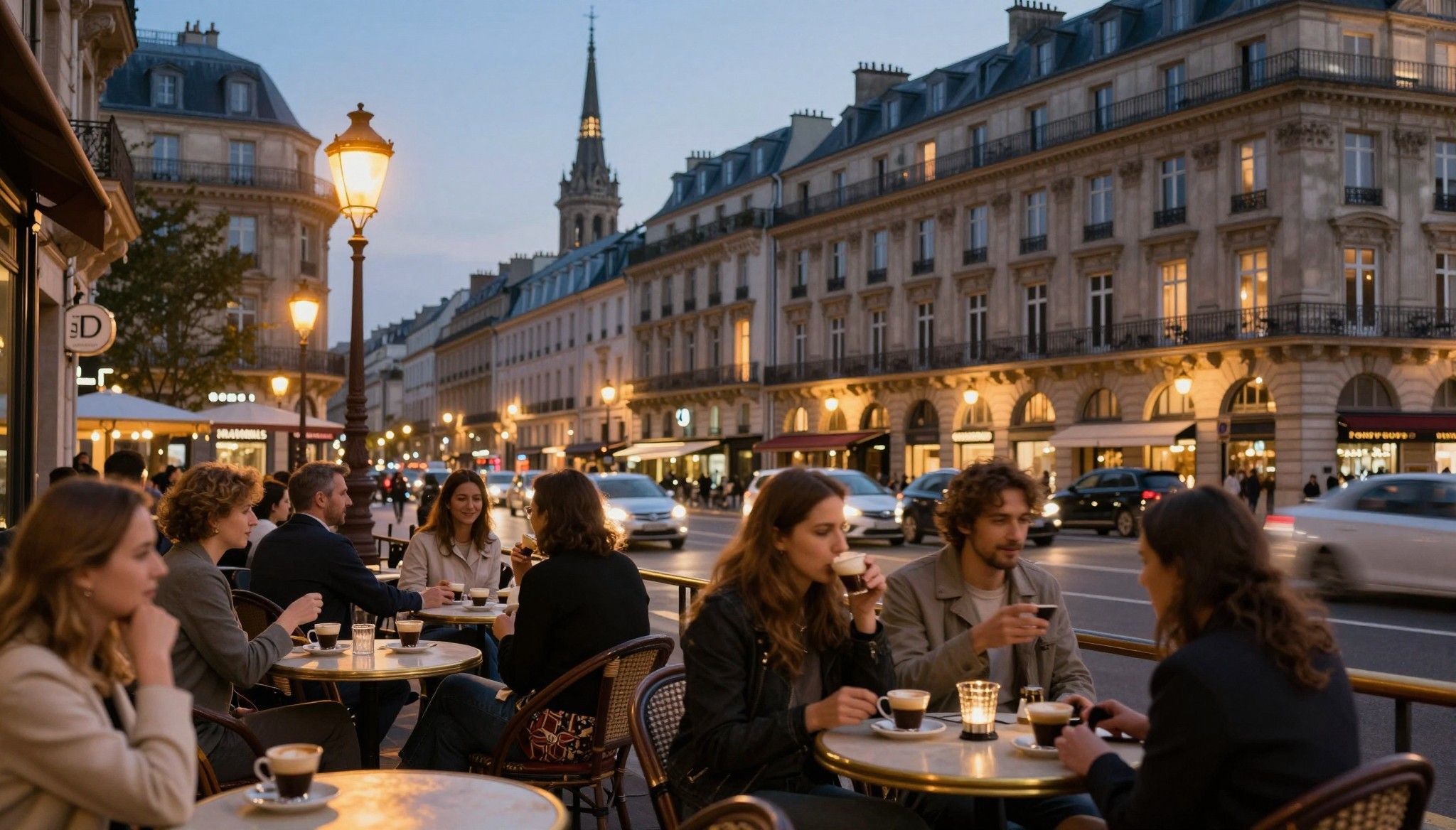
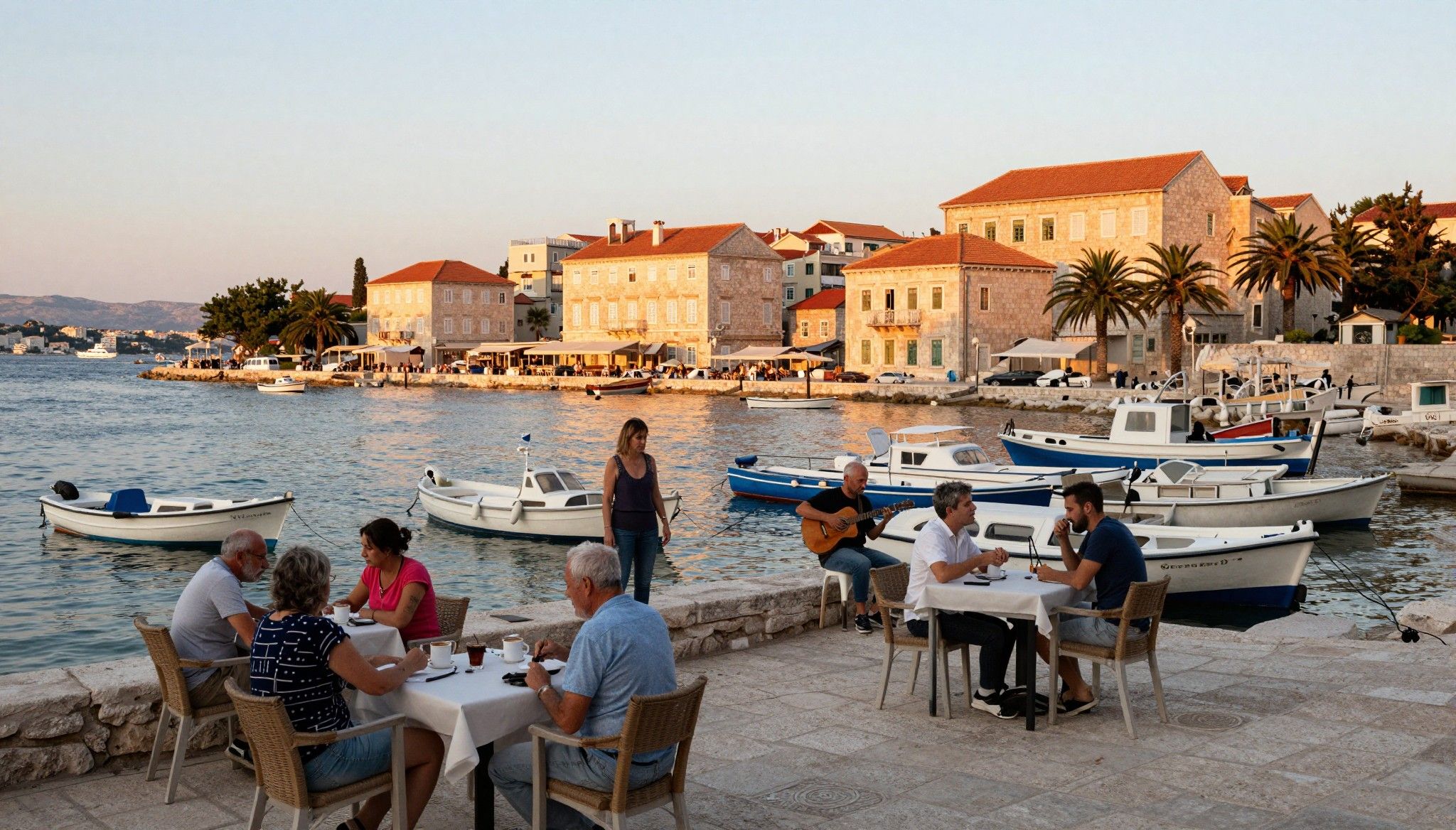
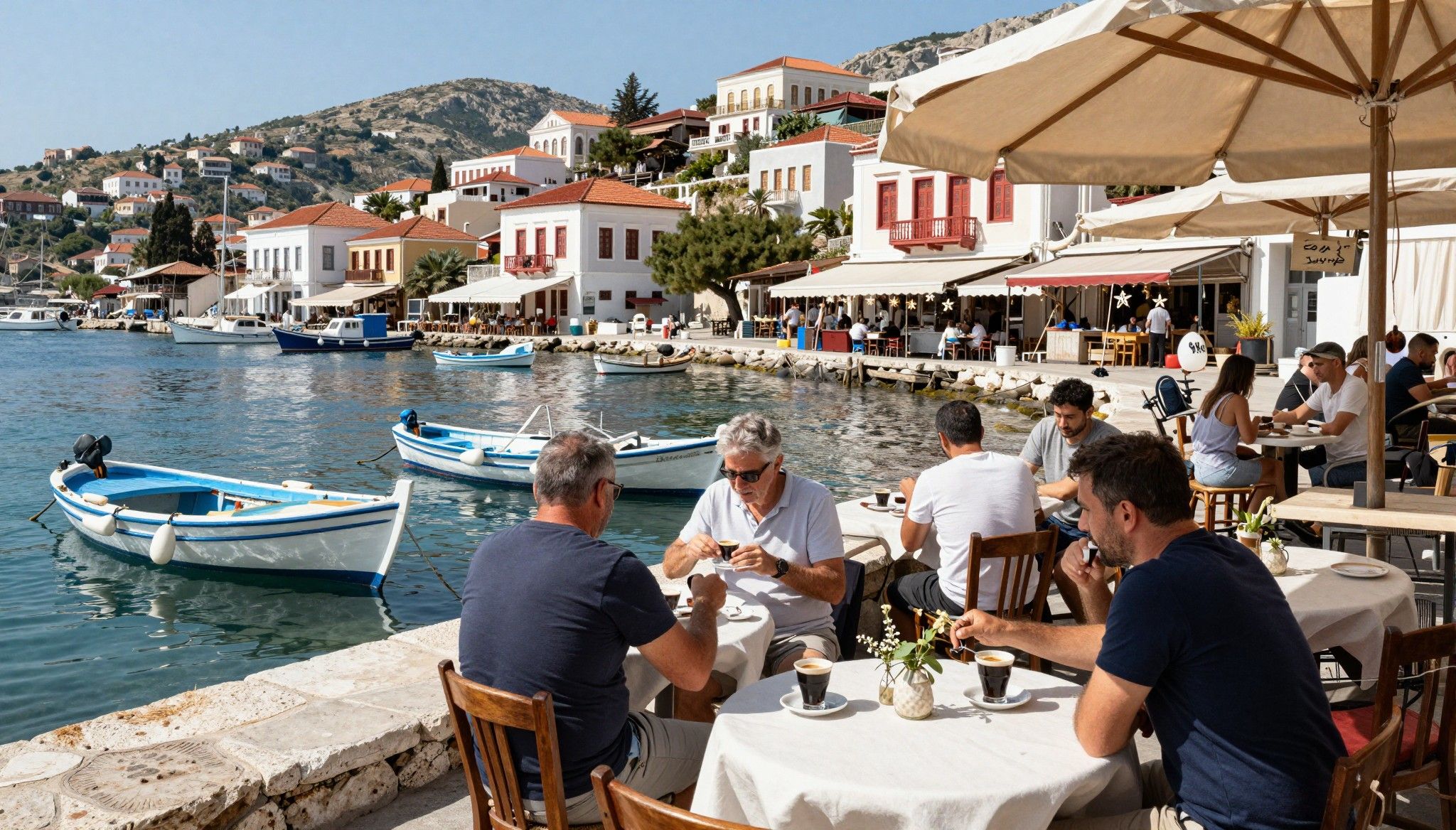
Imagine waking to the clatter of a morning market in a narrow Ligurian lane, or returning from an afternoon of olive‑grove walks to a terrace where the light turns the terracotta warm. Italy’s daily life is measured in cafés, neighbourhood rituals and seasonal rhythms — and these rhythms shape both cost and value in ways price lists miss.
Living the Italian lifestyle — what the price tag rarely shows
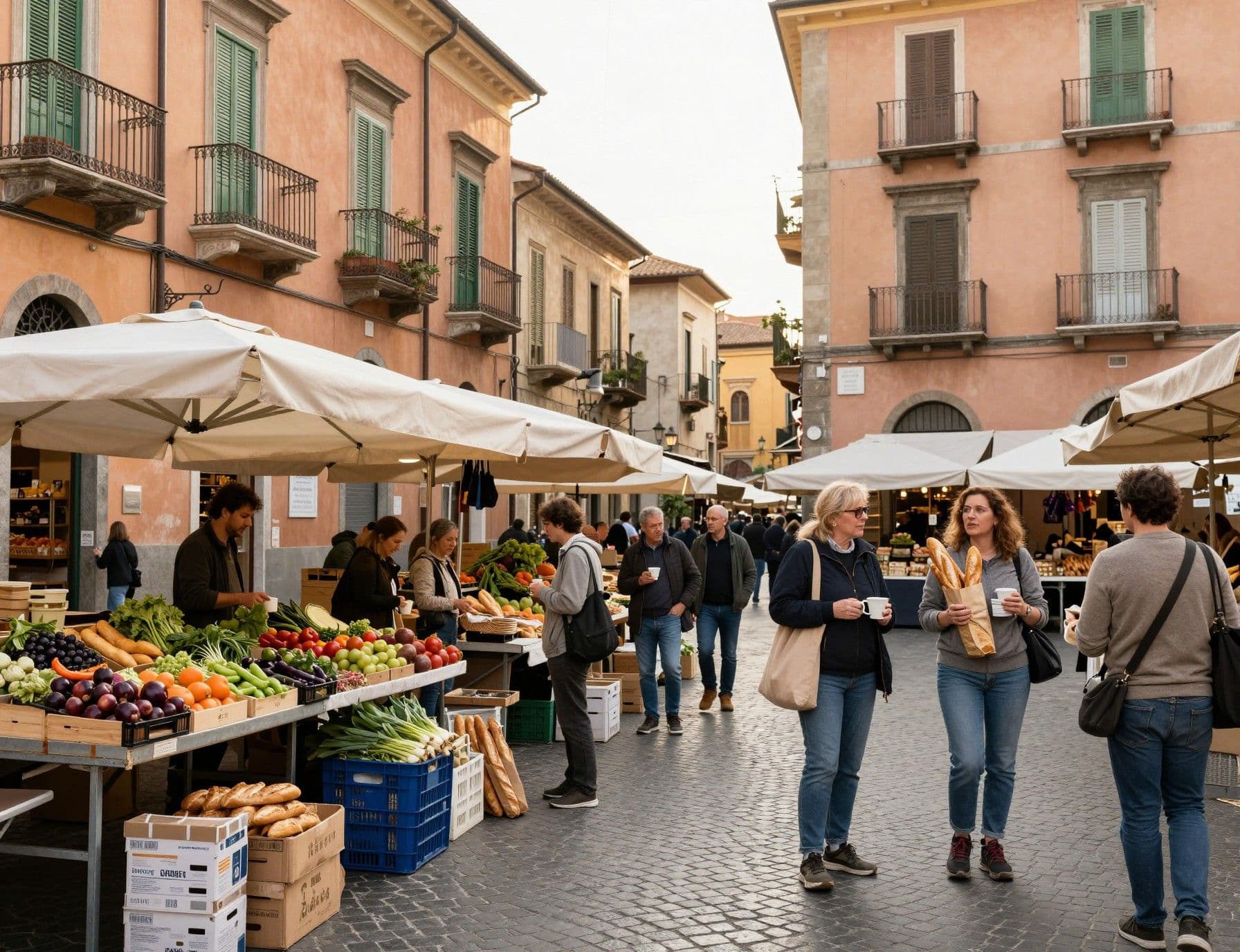
Daily life in Italy is economical in small, specific ways and expensive in others: a simple espresso and a market loaf are modest, while city-centre services, heating in winter and restoration work on older buildings add notable recurring costs. User‑generated cost indices and national consumer price data both show that food and transport remain affordable relative to many northern European capitals, but housing is the dominant variable for budgets. Local nuance matters: a hilltop village in Umbria and an elegant flat in central Milan deliver entirely different monthly realities.
Neighbourhood focus: Milan’s Brera vs. Naples’ Chiaia
Brera is the language of galleries, narrow courtyards and high service fees; Chiaia is a seaside rhythm where morning fish markets meet evening passeggiata. Both command premiums, but for different reasons: Milan’s premium buys proximity to commerce and international schools; Naples’ price reflects sea views, a dense local life and seasonal tourist demand. Recent market reports show city‑by‑city divergence in price growth, underscoring that ‘Italy’ is several markets in one.
Food, markets and the hidden monthly savings
A weekly market habit transforms budgets: fruit, vegetables, cured meats and cheeses purchased in neighbourhood markets reduce grocery bills and deliver superior produce. Seasonal buying — porcini in autumn, citrus in winter — is both a culinary joy and a practical saving. For many buyers the lifestyle payback is immediate: smaller kitchens, greater outdoor living and proximity to community markets lower long‑term living costs compared with big‑city supermarket dependence.
- Lifestyle highlights worth budgeting for
- Morning espresso at Bar Biffi (Milan) or a sea‑side breakfast at Gran Caffè Gambrinus (Naples)
- Saturday markets: Mercato Centrale (Florence), Porta Palazzo (Turin), Testaccio (Rome)
Making the move: practical considerations that preserve the lifestyle
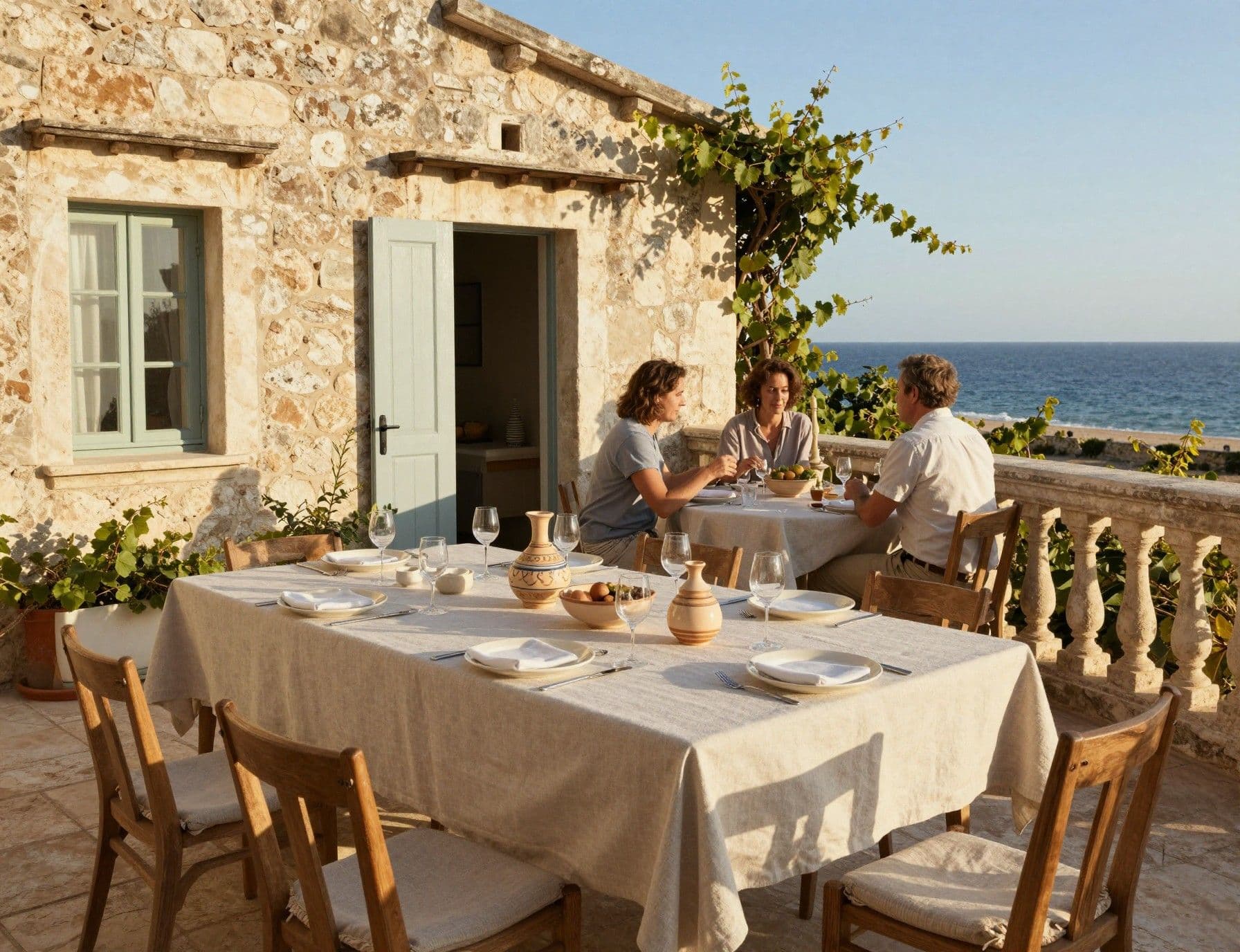
If lifestyle is the lead, the purchase process must follow with precision. Regional price momentum, renovation costs for historic fabric and local tax regimes all change what you pay monthly and what you ultimately enjoy. Recent market analysis shows modest national price growth and stronger performance in select cities; a careful regional comparison — not a national average — will keep your lifestyle budget realistic.
Property types — what suits daily life
A restored stone farmhouse provides space and low density but demands ongoing maintenance; a central apartment offers services and social life but higher condominium charges and heating bills. Consider how you want to live: terraces and courtyards trade off maintenance for outdoor rooms; historic homes trade lower purchase prices in secondary towns for restoration budgets and a different pace of life.
Working with local experts who protect your lifestyle
- Steps an experienced local agency will take
- Map neighbourhood rhythms: market days, noise patterns, school runs and seasonal tourism peaks so your property works year‑round.
- Estimate true running costs: energy for older masonry, condominium fees, routine restoration and local service prices.
- Match architecture to lifestyle: suggest properties whose fabric supports your intentions rather than forcing costly conversions.
- Negotiate with locality knowledge: agencies with relationships to craftsmen, notaries and municipality offices reduce surprise costs and time.
Insider knowledge — expat truths and seasonal realities
Expats quickly learn that seasonality governs both life and costs. Towns that bustle in summer shrink in winter; heating bills become the main expense in older northern houses. Language matters less to daily ease than local relationships: a baker who knows your name, a local builder who understands traditional mortar — these lower friction and long‑term costs more than a fluent Italian once did.
Cultural integration and the small economies of belonging
Joining local associations, volunteering at the festa or learning a few phrases opens services and friend‑networks that reduce reliance on paid help. Practical living costs fall when you are invited into local supply chains — trusted handymen, second‑hand furniture sources and seasonal produce swaps are part of the lived economy.
Longer term: how lifestyle choices affect investment merit
Properties bought for authentic, lived‑in reasons — proximity to markets, local schools or artisanal communities — often outperform speculative buys. Market data points to steady regional appreciation rather than uniform national booms; when lifestyle aligns with rental appeal (wine country homes, city centre apartments), both enjoyment and yield follow.
- Red flags and hidden costs to watch for
- Condominium arrears: communal debts can become your responsibility after purchase.
- Under‑estimated restoration budgets for load‑bearing masonry or heritage constraints.
- High winter heating costs in older rural properties without modern insulation.
- Simple steps to reduce lifetime costs
- 1. Prioritise properties with good solar orientation and outdoor rooms that extend living without heavy heating.
- 2. Budget for incremental restoration rather than a single large overhaul; stage work across seasons.
- 3. Use a local agency with documented regional performance and relationships with trusted artisans.
Conclusion: buy the life first, then secure the property that sustains it. Italy rewards attention to craft, season and neighbourhood rhythm. An informed agency will translate those rhythms into a budget that respects both taste and the ledger — so you arrive not with a checklist but with the beginning of a lived life.
Relocating from London to Mallorca in 2014, I guide UK buyers through cross-border investment and tax considerations. I specialise in provenance, design integrity, and long-term value.