Croatia: Buy the Life, Then the Property
Fall in love with Croatia’s markets, sea and seasons — then protect that life. Practical steps on reciprocity, transfer tax, local experts and red flags.
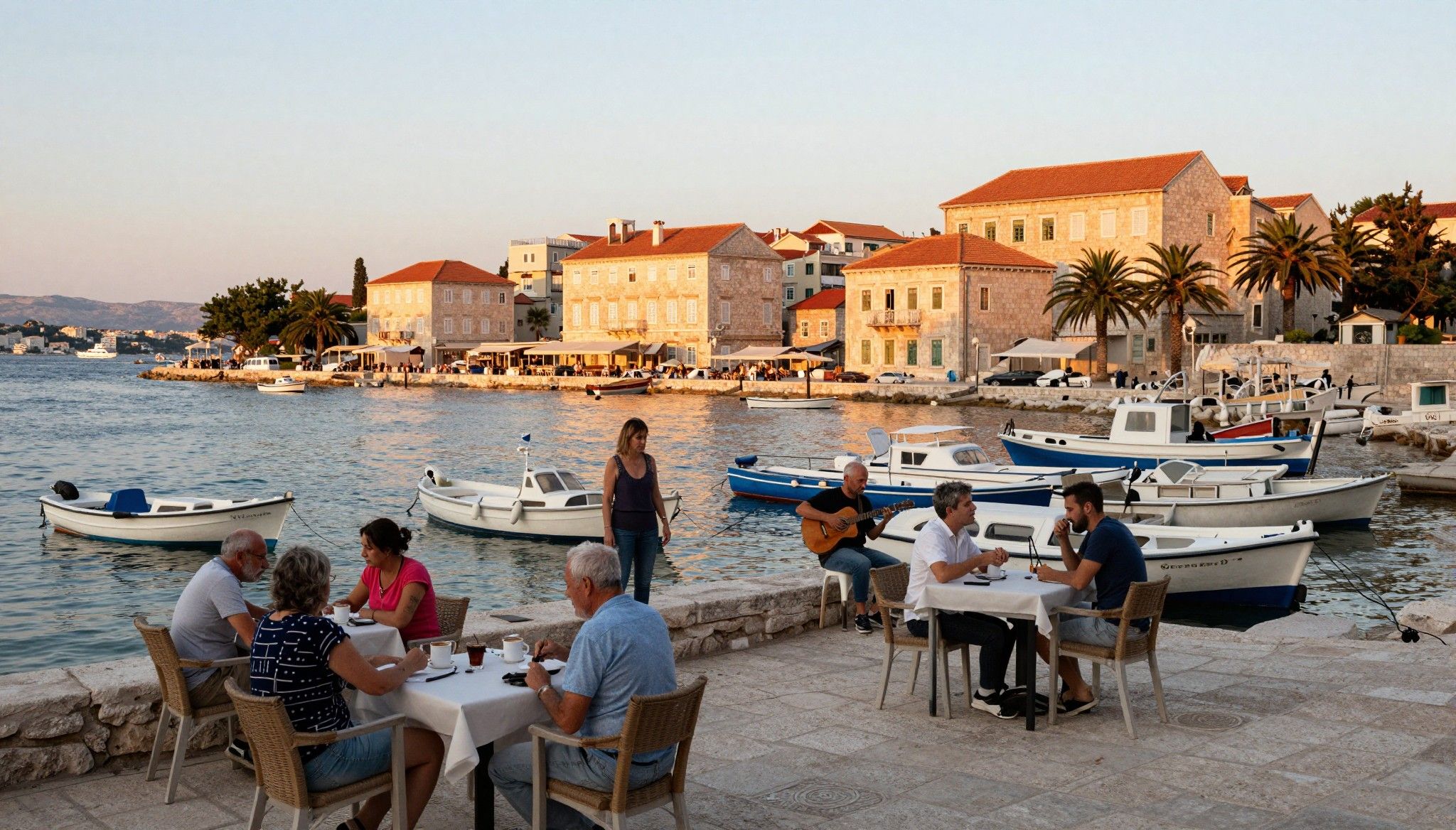
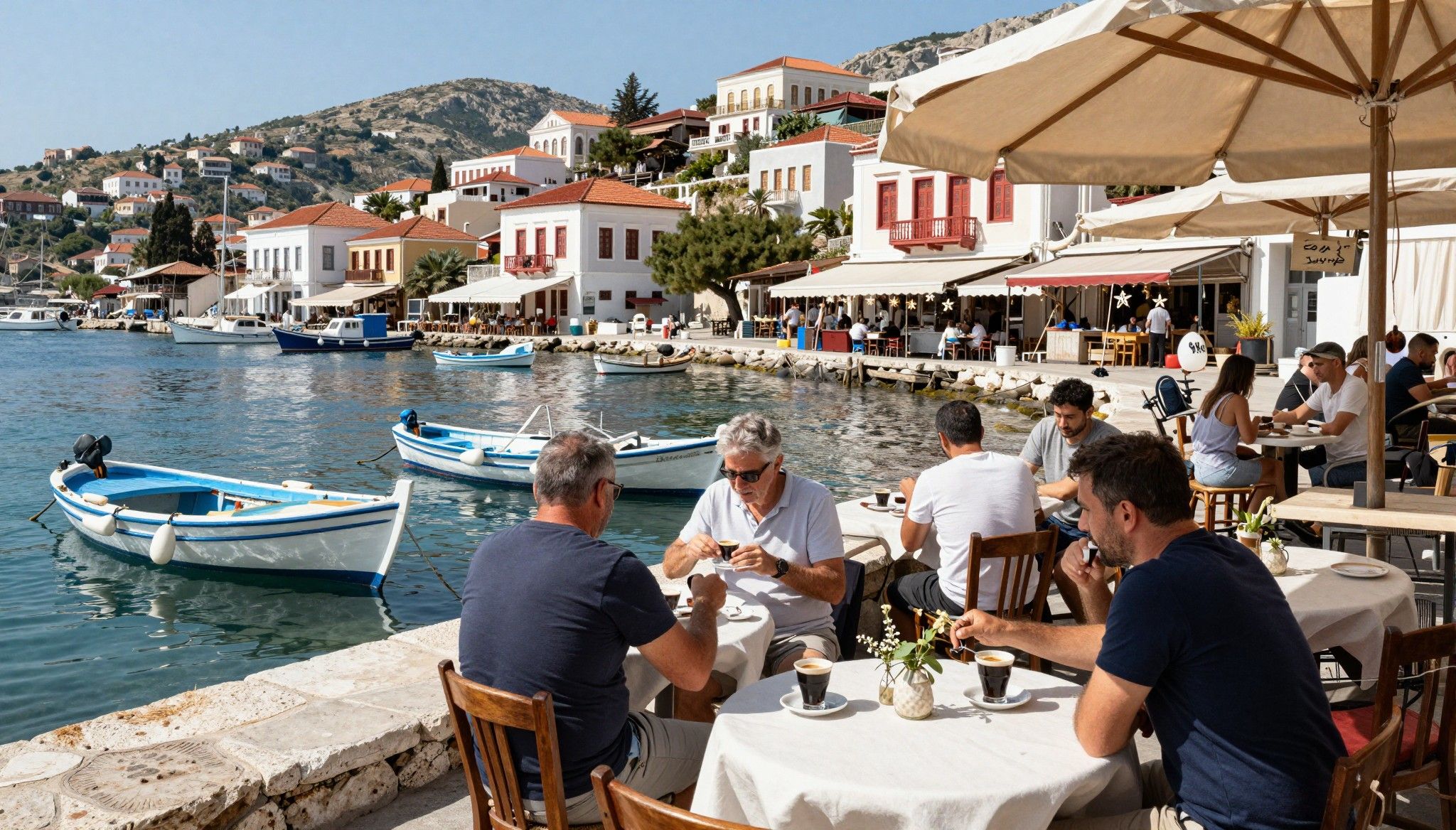
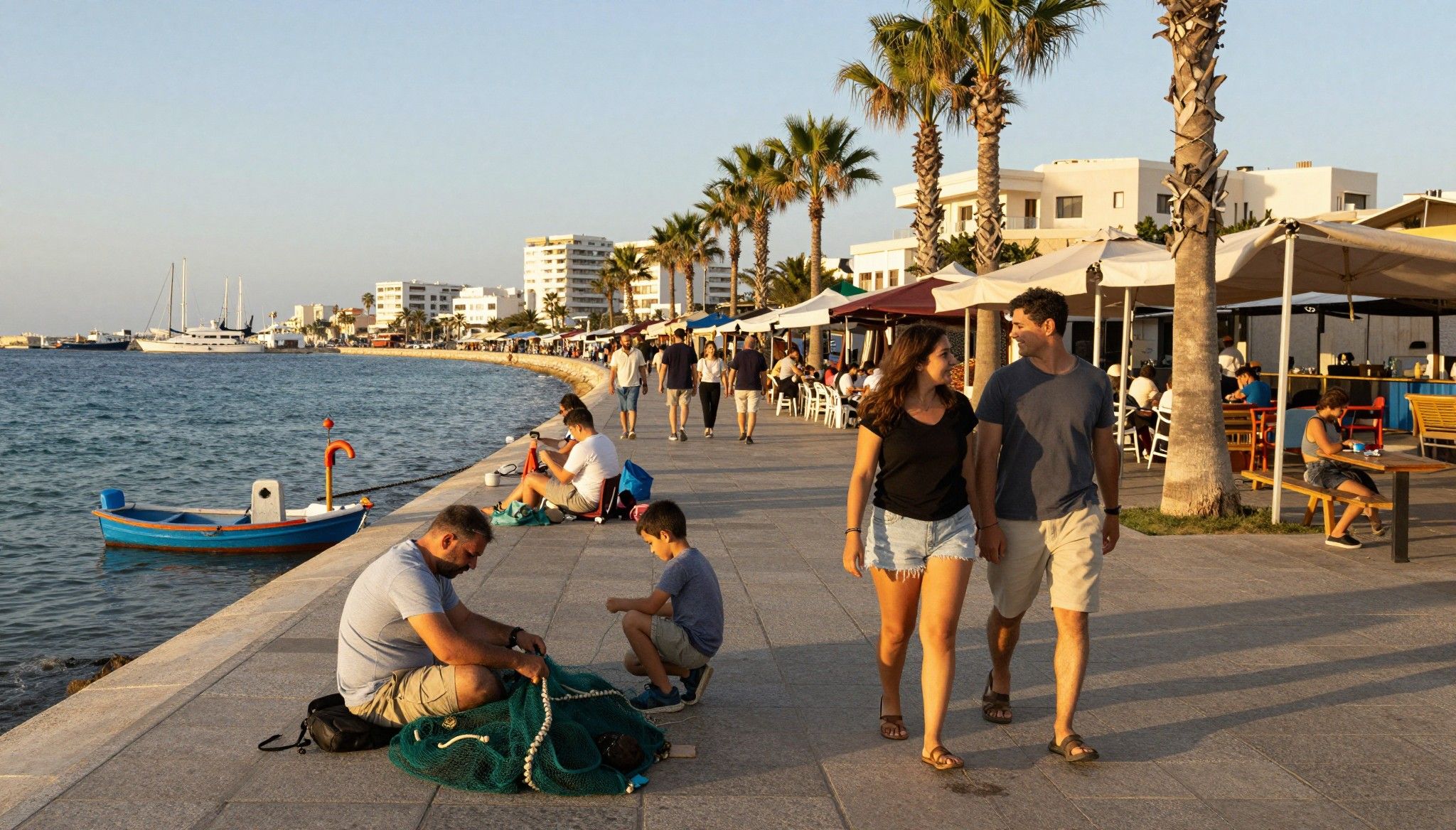
Imagine standing on the Riva in Split as a late-afternoon breeze lifts the salt-sweet scent of the Adriatic; café tables brim with conversation, an elderly man polishes a wooden fishing boat, and sun-warmed limestone reflects a soft, persistent light. For many international buyers, Croatia begins as this sensorial promise — a life measured by markets, sea and season — yet the legal path from daydream to deed requires a companion who knows the rules as well as the streets.
Living Croatia: atmosphere, neighbourhoods and rhythms
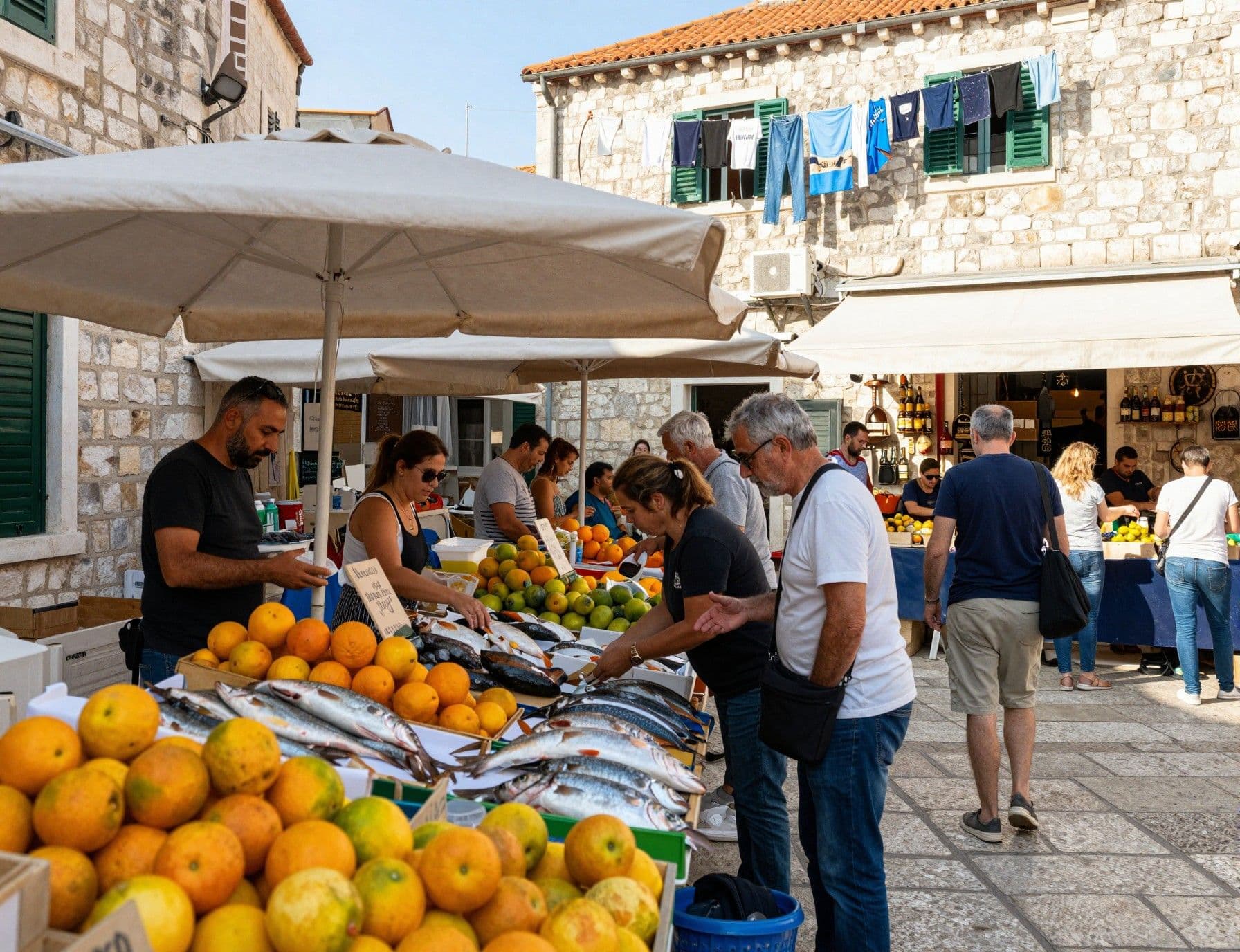
Croatia’s daily tempo is a blend of coastal ease and continental ritual. In Zagreb, mornings begin at Dolac market and wind down on Tkalčićeva’s café terraces; on the Dalmatian coast life orbitates the sea — Split’s Riva, Hvar’s harbour bars, Rovinj’s fishing quay — where architecture and public life are inseparable. This is a country where the built fabric — Venetian façades, austere Austro-Hungarian town houses, and rustic Istrian stone villas — shapes when and how people live.
Zagreb’s Gornji Grad and the quiet of everyday rituals
Picture walking from Ban Jelačić Square toward Gornji Grad: vendors arrange cherries and kotlovina spices at Dolac, university students queue for espresso, and shopkeepers lower iron shutters as dusk approaches. For buyers who prize urban life with discreet privacy, a restored apartment near Tkalčićeva (Tkalča) offers immediate access to this ritualised city cadence and a year-round rental appeal for short-term stays.
Coast & islands: daily life written around the sea
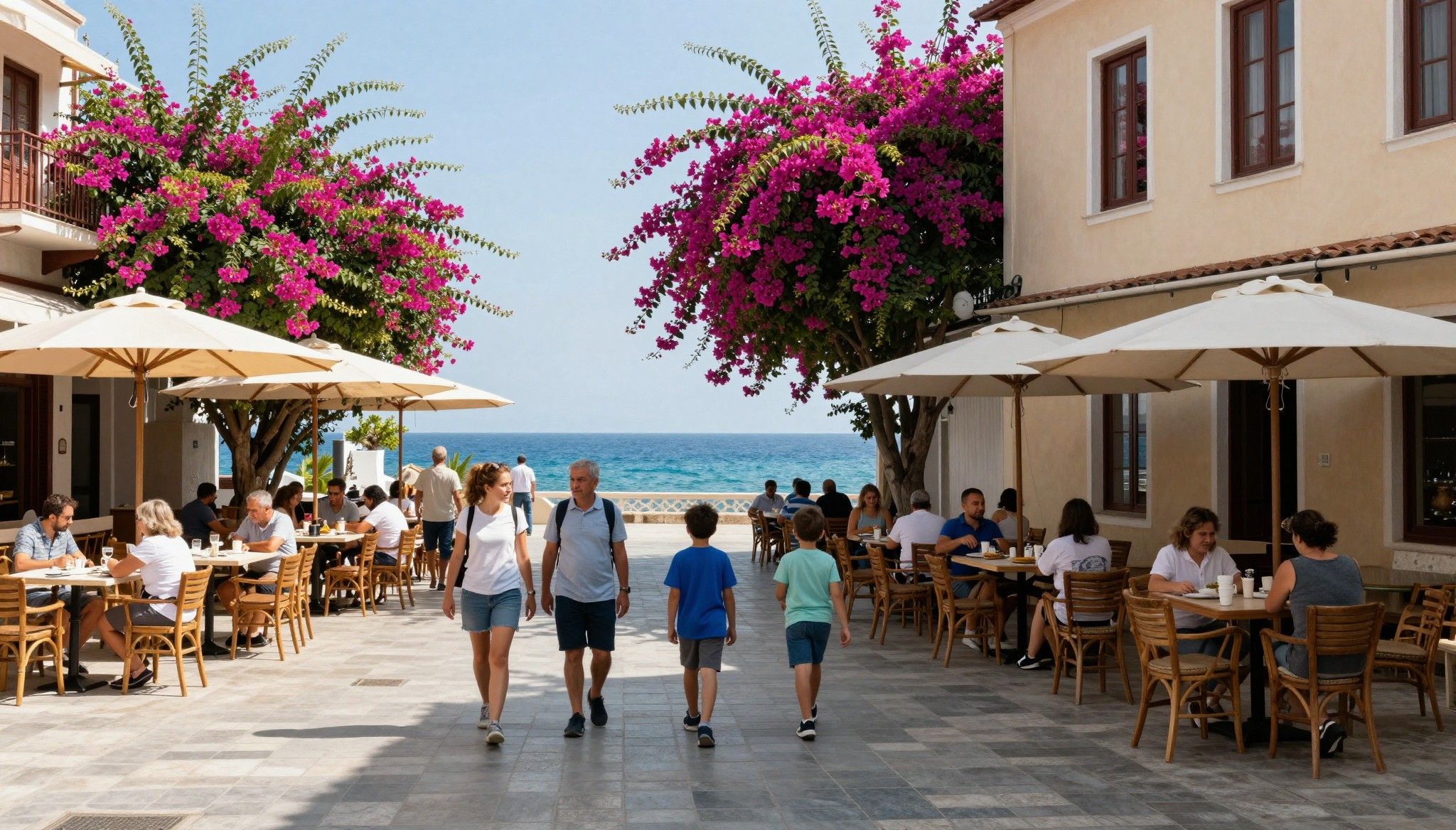
On the Adriatic, mornings are for markets and boat runs; afternoons, for siesta and olive oil. Hvar and Korčula morph between tranquil winter communities and lively summer economies. Buying here is buying into a seasonal heartbeat: restaurants, cultural festivals and marinas pulse in summer, while winter rewards those who value quiet streets and restoration projects at more agreeable prices.
- Lifestyle highlights: markets, cafés and hidden corners
- Morning market ritual (Dolac, Zagreb) — buy fruit from the same stall each week and you learn the neighbourhood.
- Sunset promenade (Split Riva) — an evening cadence that defines social life and makes waterside apartments uniquely desirable.
- Istrian food culture — truffle hunts, family-run konobas and markets in Rovinj that reward owners of country houses.
Making the move: practical considerations that preserve the lifestyle
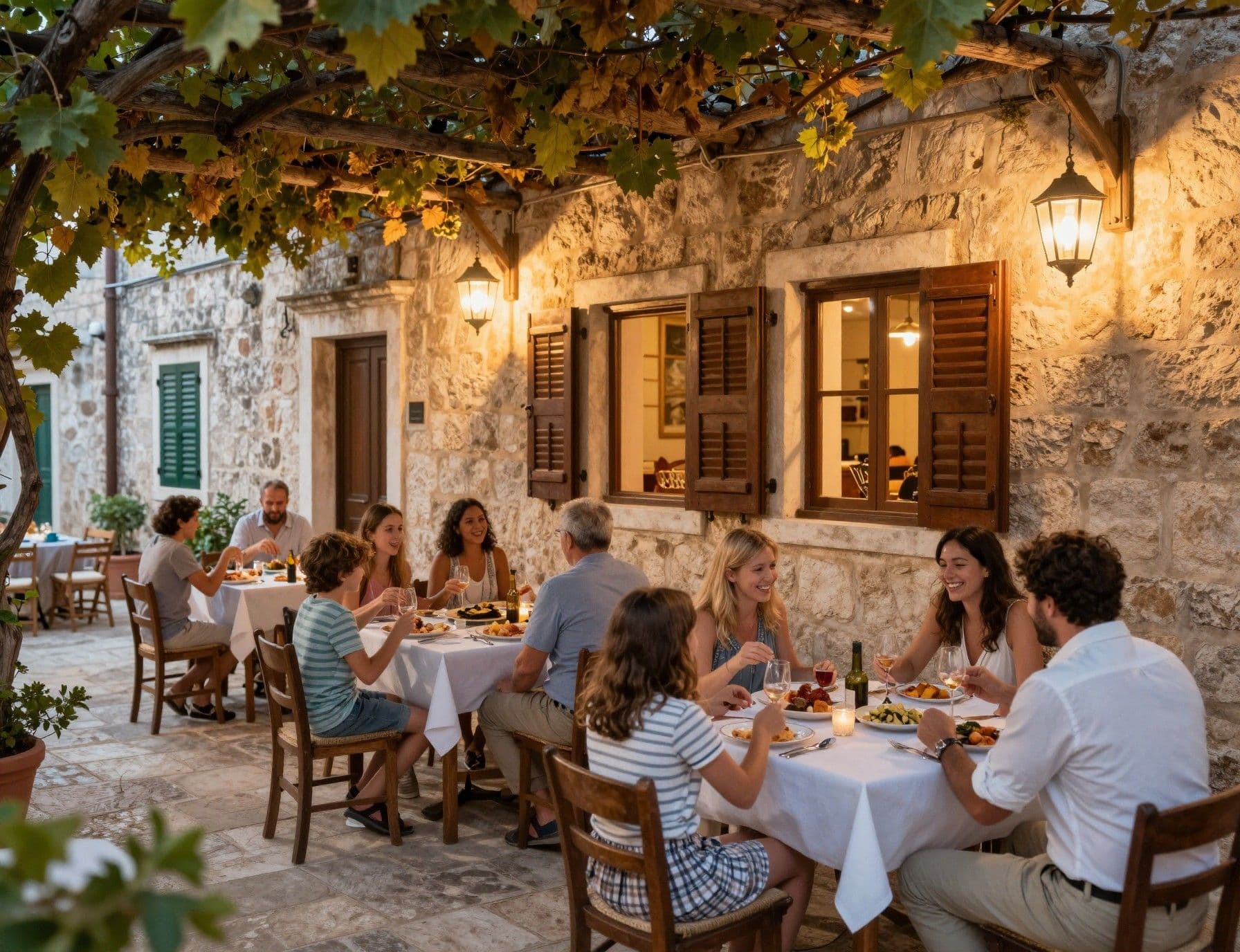
Translating lifestyle into legal ownership in Croatia is straightforward for EU, EEA and Swiss citizens — they enjoy the same acquisition rights as Croatians — but for non‑EU nationals the principle of reciprocity applies and administrative consent may be required. Taxation is modestly predictable: transfer tax is generally 3% where VAT does not apply, and other transactional costs are set out on official pages for clarity.
Property types and how they shape daily life
A stone Dalmatian townhouse offers air circulation, thick walls and a terrace where evenings are lived; an Istrian villa gives agrarian space for olive groves and seasonal harvests; a Zagreb apartment provides walkable urban life and cultural proximity. Match the property’s architectural logic to how you want to spend days: choose a courtyard house for privacy, a seafront apartment for sociability, or an inland stone farmhouse for slow‑season enjoyment.
Working with local experts who know the lifestyle
A local lawyer and an agency attuned to regional rhythms are indispensable: they check land registry entries, confirm coastal‑zone restrictions, advise on reciprocity applications for non‑EU buyers, and translate the informal rules of living in a place (parking patterns, tenancy customs, seasonal maintenance). For buyers intent on the life rather than the transaction, choose advisers who can speak both legal detail and local habit.
- Practical steps that protect lifestyle and value
- Commission a land‑registry (gruntovnica) extract and title report before offering — confirm easements, historic protections and exact plot lines.
- Engage a Croatian‑qualified lawyer to handle the purchase contract and reciprocity consent for non‑EU buyers; do not rely on standard foreign forms.
- Plan for the transfer tax (typically 3%) or VAT where applicable, and budget for notary, registration and agency fees.
Insider knowledge: expat realities and local cautions
Expats quickly discover that the pleasures of Croatia — markets, neighbours, and seasonal festivals — come with practical rhythms: summer visitors transform quiet lanes into bustling corridors, and winter maintenance of older stone homes requires an eye for restoration. The smartest buyers factor in running costs, winter accessibility and the social seasonality of any locale before committing.
Cultural integration and everyday civility
Learning a few phrases, registering residency when appropriate, and participating in local markets and festivals accelerate belonging. Neighbours value courtesy — introduce yourself, ask about waste collection schedules, and respect common‑use courtyards. These small rituals matter to long‑term contentment and to how a property is treated by its community.
Longer‑term considerations: stewardship, inheritance and tax posture
Consider the estate and inheritance framework early: Croatian law and tax treatment may affect how property passes to heirs and the tax burden on transfers. For owners planning to hold a property as a family asset, sound tax advice and a clear will — in both your home jurisdiction and Croatia — preserve the lifestyle you intend to pass on.
- Red flags and repair‑first warnings
- Unclear land titles or missing building permits — avoid properties where the paperwork and physical fabric are out of sync.
- Properties in coastal protection zones with restricted development rights — check municipal plans before purchase.
- Unrealistic seasonal income assumptions — rental returns are highly seasonal on islands and small coastal towns.
Few things change a purchase like an honest local: a notary who speaks English, a lawyer who reads cadastral maps fluently, and an agent who knows which streets flood in autumn. These professionals transform a transaction into stewardship — and the best ones protect both your capital and the life you imagine.
If Croatia’s light, cuisine and public life have already taken hold of you, begin with a short reconnaissance: rent in the season you hope to buy, meet neighbours, and ask your lawyer to run title checks on two or three properties rather than one. Taste the life before you buy the address.
Next steps: have a local lawyer verify reciprocity rules if you are non‑EU, budget for the 3% transfer tax when VAT does not apply, and ask your agent for walkable‑life examples — a morning market stall, a favourite baker, a winter‑quiet cove — so your paperwork aligns with the life you want.
Conclusion: buy the life, then the property. In Croatia, the most enduring value lies in places that reward daily rituals — markets, promenades, places where neighbours know one another. Match your legal and financial safeguards to that lifestyle and you will not only own a home, you will belong.
Relocating from London to Mallorca in 2014, I guide UK buyers through cross-border investment and tax considerations. I specialise in provenance, design integrity, and long-term value.