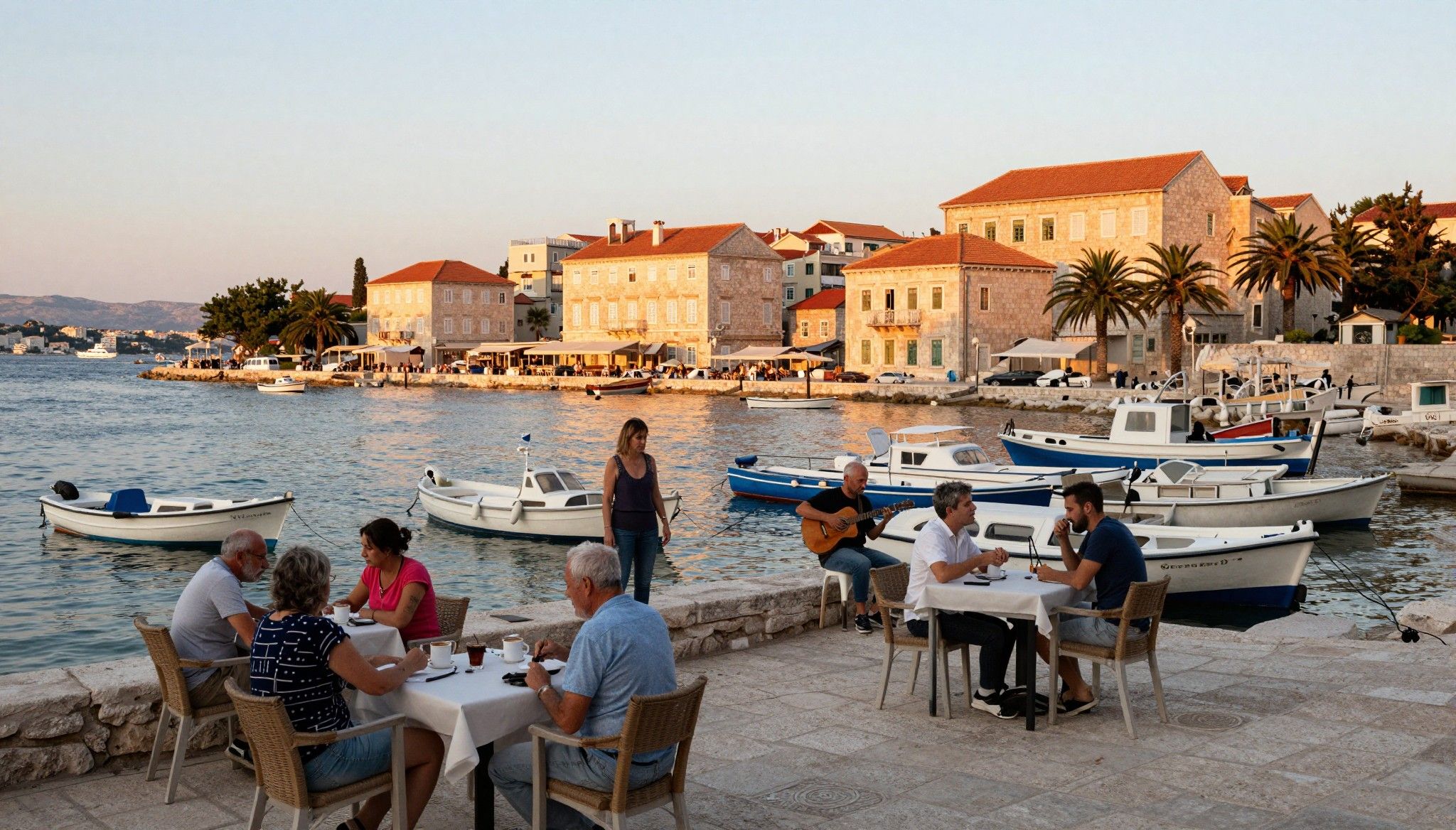
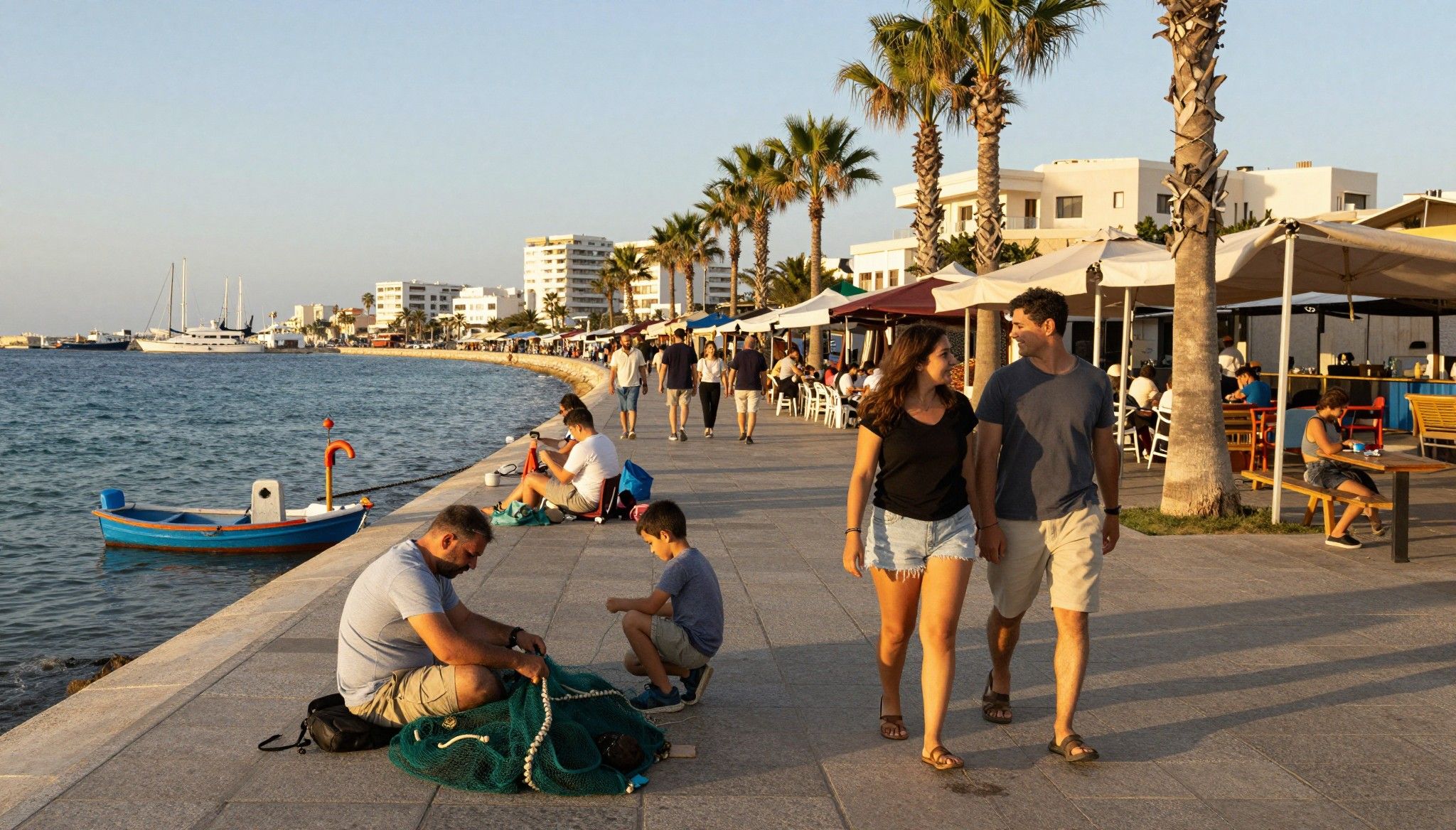
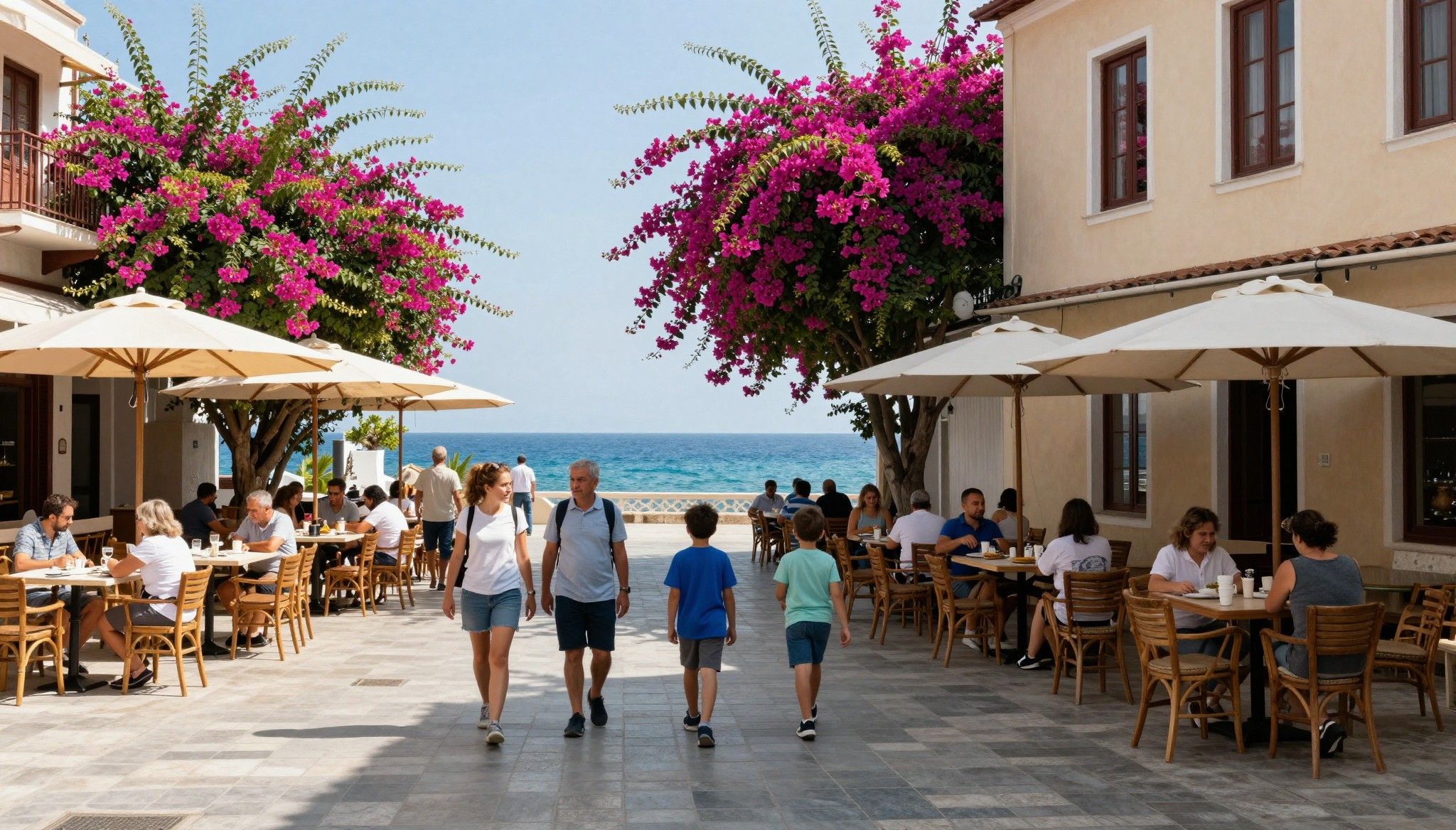
When Greece’s Off‑Season Reveals the Best Deals
Seasonality shapes value in Greece: visit off‑season, verify price indices and prioritise vendors who know winter life to secure better deals and honest stewardship.
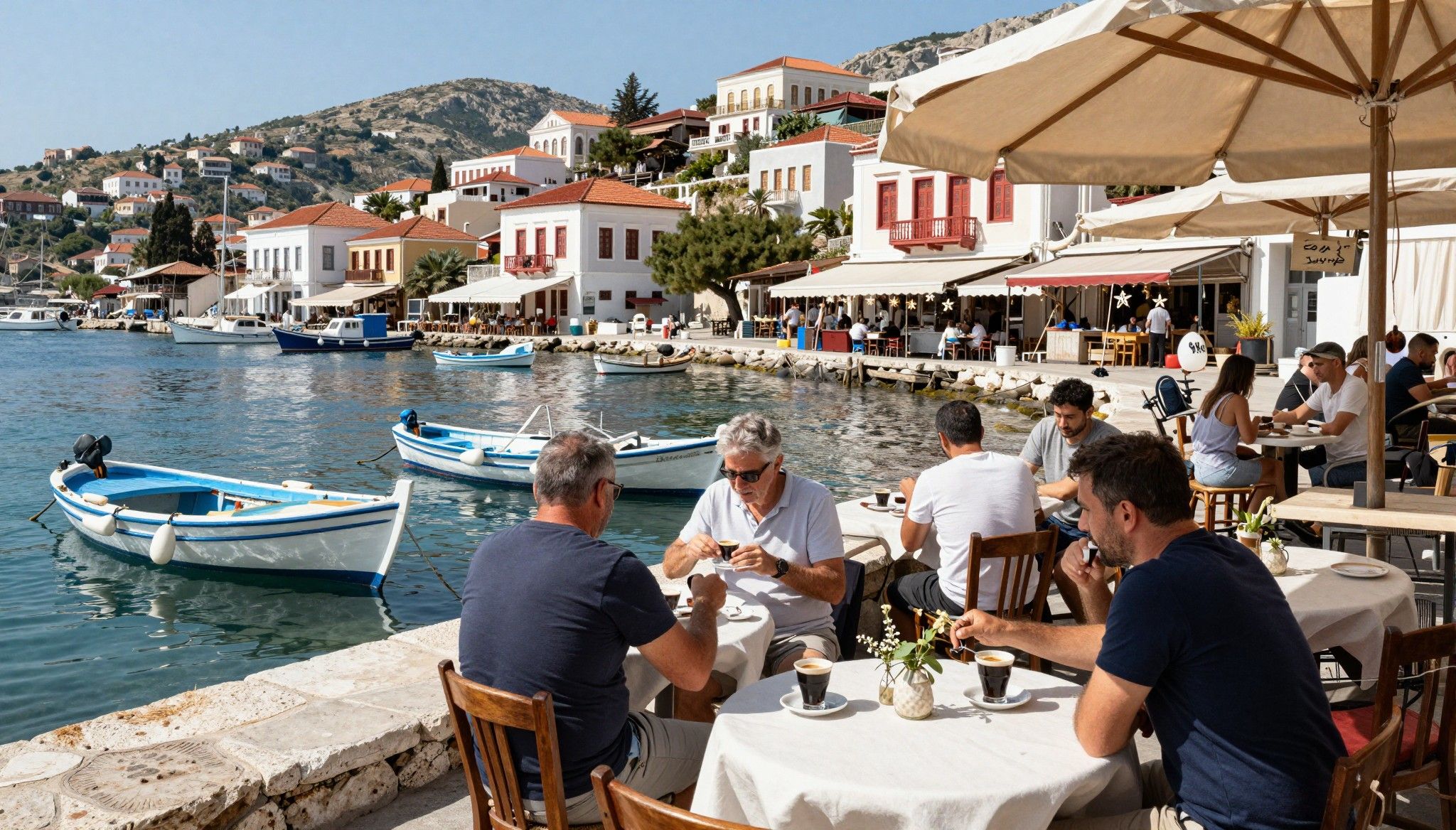
Imagine waking to a small bakery on Plaka where the morning light makes the marble of an old courtyard glow; by noon you are browsing a seaside taverna on the Cycladic coast and, by evening, sitting on a terrace where the breeze carries the scent of thyme. In Greece the day is measured in markets and cafés, harvests and festivals—rhythms that change not only how you live, but when it makes sense to buy. Recent national indices show prices have continued to rise, but the smartest buyers are timing their entries around seasonality, local market liquidity and micro‑location quirks rather than headlines. (See Bank of Greece housing indices.)
Living the Greece lifestyle: neighborliness, markets, light
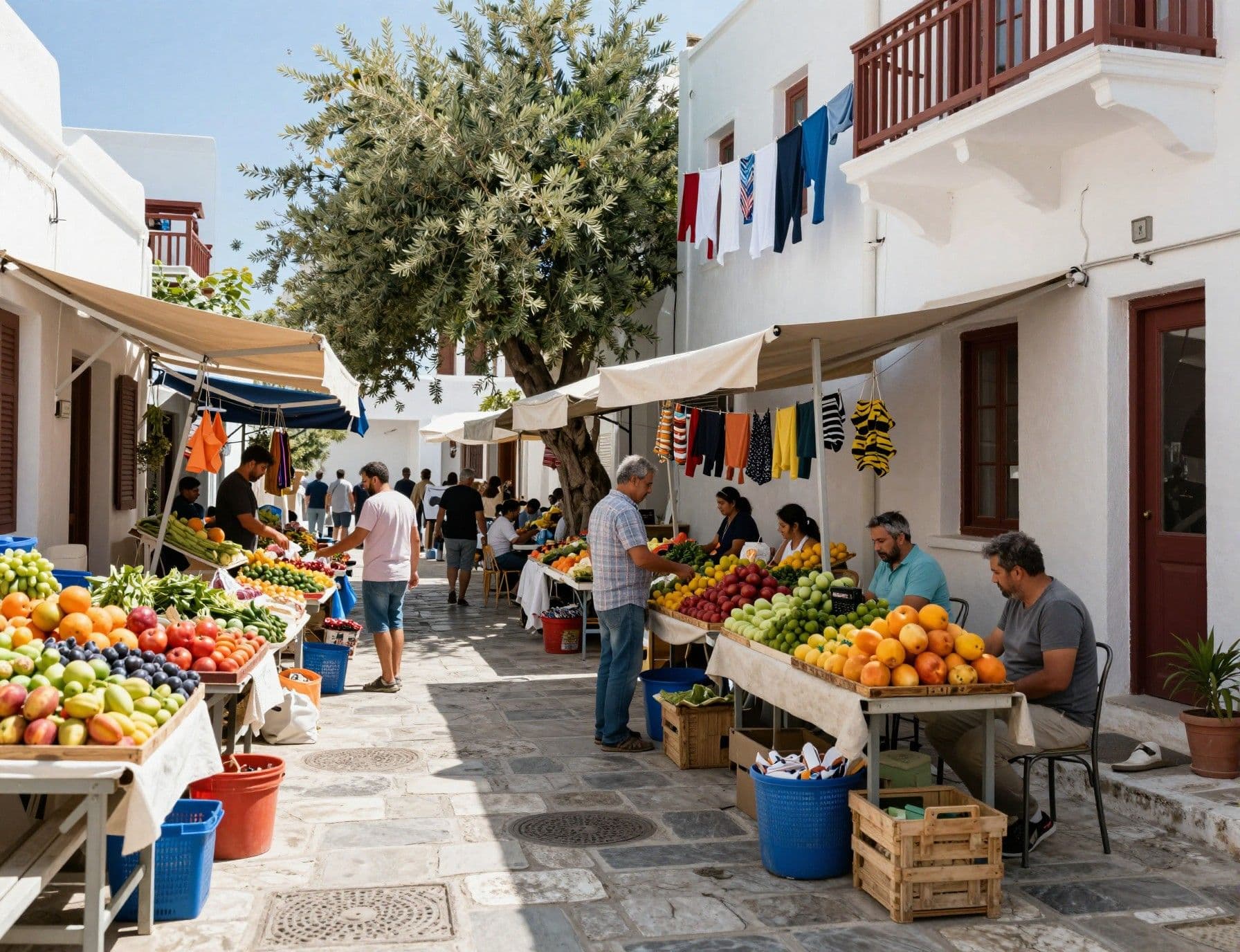
Greece moves at a human scale. Whether in Athens’ leafy Kolonaki or the narrow lanes of Chora on Naxos, life is public yet private: a morning espresso becomes a daily appointment, the afternoon siesta a collective breath, and the evening meal an unhurried ritual. These social patterns shape what properties are useful—wide kitchens for family suppers, shaded verandas for long summers, cellars and cool basements for winter food preservation. Official price indexes and micro‑market reports help explain why certain neighbourhoods trade differently through the year (ELSTAT house price indices).
Athens: a capital of layers — from Kolonaki to Metaxourgeio
Stroll from Kolonaki’s galleries to the restored neoclassical houses of Thiseio and you feel how recent investment has layered over old civic fabric. North Athens suburbs offer leafy villas and established schools; central quarters supply apartments with immediate access to museums, restaurants and long‑term rental demand. Each street yields different liquidity: pedestrianised lanes near Syntagma remain in constant demand from expats and professionals; fringe districts like Petralona offer more value and a distinct local pace.
Islands: two markets in one — tourist season and year‑round life
On the islands the summer economy dominates headlines, but beneath the season lies year‑round communities with schools, co‑ops and slow winter commerce. Crete’s coastal towns show a dual character: peak‑season liquidity and an off‑season local economy that sustains property values differently than smaller, purely touristic islets (see regional reports for Crete). A buyer seeking quiet winters should look for villages with municipal services and an active expatriate community rather than only beachfront villas marketed to holiday crowds.
- Lifestyle highlights: markets, tavernas and rhythms that matter
- Mornings at Varvakios Market (Athens) for fresh fish and conversation
- Sunday village plateia suppers in Mani or the Peloponnese — community as calendar
- Late‑afternoon promenades on Nafplio’s waterfront, where a small apartment buys proximity to culture
Making the move: practical considerations with a lifestyle lens

The appetites of the lifestyle buyer and the transaction specialist must be reconciled. Season affects inspection quality, price negotiation and post‑purchase life: a July viewing shows a place at full volume; a November visit reveals structural issues, local neighbours and winter daylight. Market data confirm that prices rise in aggregate, but micro‑seasonal timing and local supply cycles determine the best opportunities to secure value.
Property types and how they translate into day‑to‑day living
Stone townhouses in the Peloponnese offer provenance and cool interiors for summer; modern apartments in Athens provide proximity to services and better year‑round rental liquidity. Coastal villas trade premium seasonality for capital appreciation but can sit empty in winter. Consider gross yields and occupancy patterns when weighing income‑oriented purchases—market compilations show average gross yields typically in the mid‑4% range nationally, with higher figures for compact city apartments (Global Property Guide).
Work with local experts who know the rhythm, not just the listings
A locally rooted agent will arrange winter and summer viewings, introduce you to municipal engineers, and explain micro‑planning issues such as permitted uses and local conservation rules. Use central bank and regional market bulletins to corroborate asking prices and rental assumptions; the Bank of Greece publishes indices and commentaries that are invaluable for underwriting seasonality risk.
- Steps that blend lifestyle and transaction sense
- 1. Visit off‑season (late autumn/early spring) to assess livability and maintenance needs.
- 2. Cross‑check asking prices with national indices and local comparable sales for the same month.
- 3. Confirm services (winter ferry schedules, municipal waste, healthcare access) before bidding.
Insider knowledge: expat truths and seasonal red flags
Expats often recount the same surprises: a dreamy summer rental that is a logistical problem in winter; a village with convivial plateia life that has only one winter shop. Those discoveries reshape what buyers want. Local customs—how neighbours negotiate façades, communal repairs or olive harvest duties—are as important as tile patterns. Understanding these social contracts prevents regret and sharpens negotiation.
Culture, language and building etiquette
A basic Greek will go a long way: greetings, enquiries about family and patience with bureaucracy. Respect for communal hours, festival dates and olive‑press seasons builds goodwill—and sometimes unlocks off‑market opportunities. Look for sellers who maintain relationships with local builders; that social capital often equates to better restoration outcomes and honest cost estimates.
Long‑term living: stewardship, renovation and seasonal choices
If you plan to steward a historic property, budget for moisture control, sympathetic thermal upgrades and skilled artisans. Banks and economic briefs note the ageing housing stock and the need for renovation—an opportunity for buyers who prize craftsmanship and responsible restoration (see regional bank reports). Choose materials and contractors who understand the climate: lime mortars, shaded pergolas and thermally considerate glazing will preserve value and comfort.
Conclusion: the season you buy is part of the home you buy. See the place in both its high and low moods, bring data to every negotiation, and enlist advisors who know the off‑season as well as the high season. If you cherish village mornings, late dinners and a home that lives with the calendar, timing and local knowledge will reward you as much as location. When ready, ask an agency for coordinated seasonal viewings and indexed price comparisons so you can decide from full evidence, not summer theatre.
Norwegian with years in Florence guiding clients across borders. I bridge Oslo and Tuscany, focusing on legal navigation, cultural context, and enduring craftsmanship.