Small Deposit, Big Problem: Cyprus Mortgage Trade‑offs
A lifestyle‑first take on financing in Cyprus: how local mortgages, developer plans and all‑cash deals reshape where and how you’ll live—backed by Central Bank and government data.
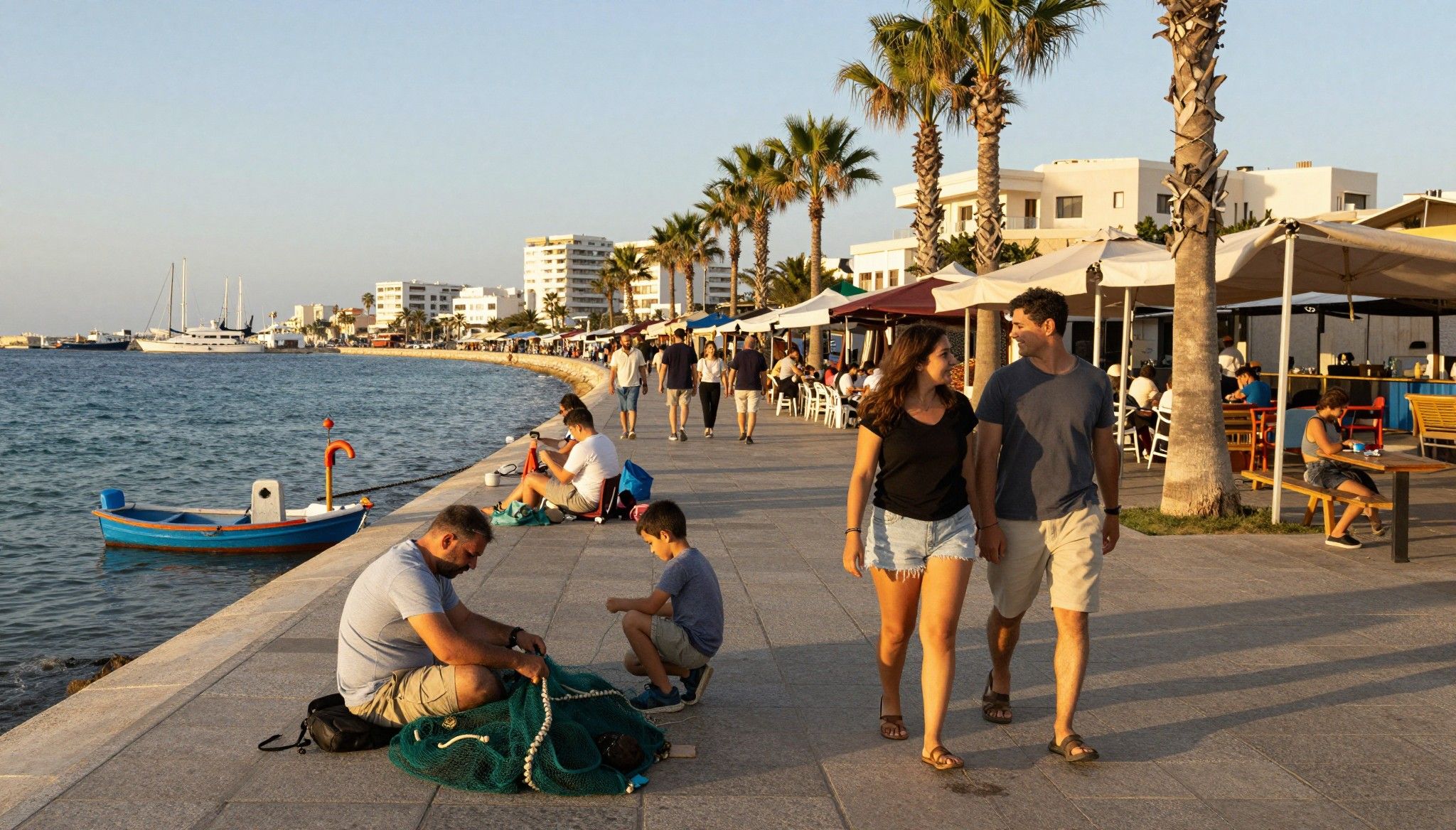
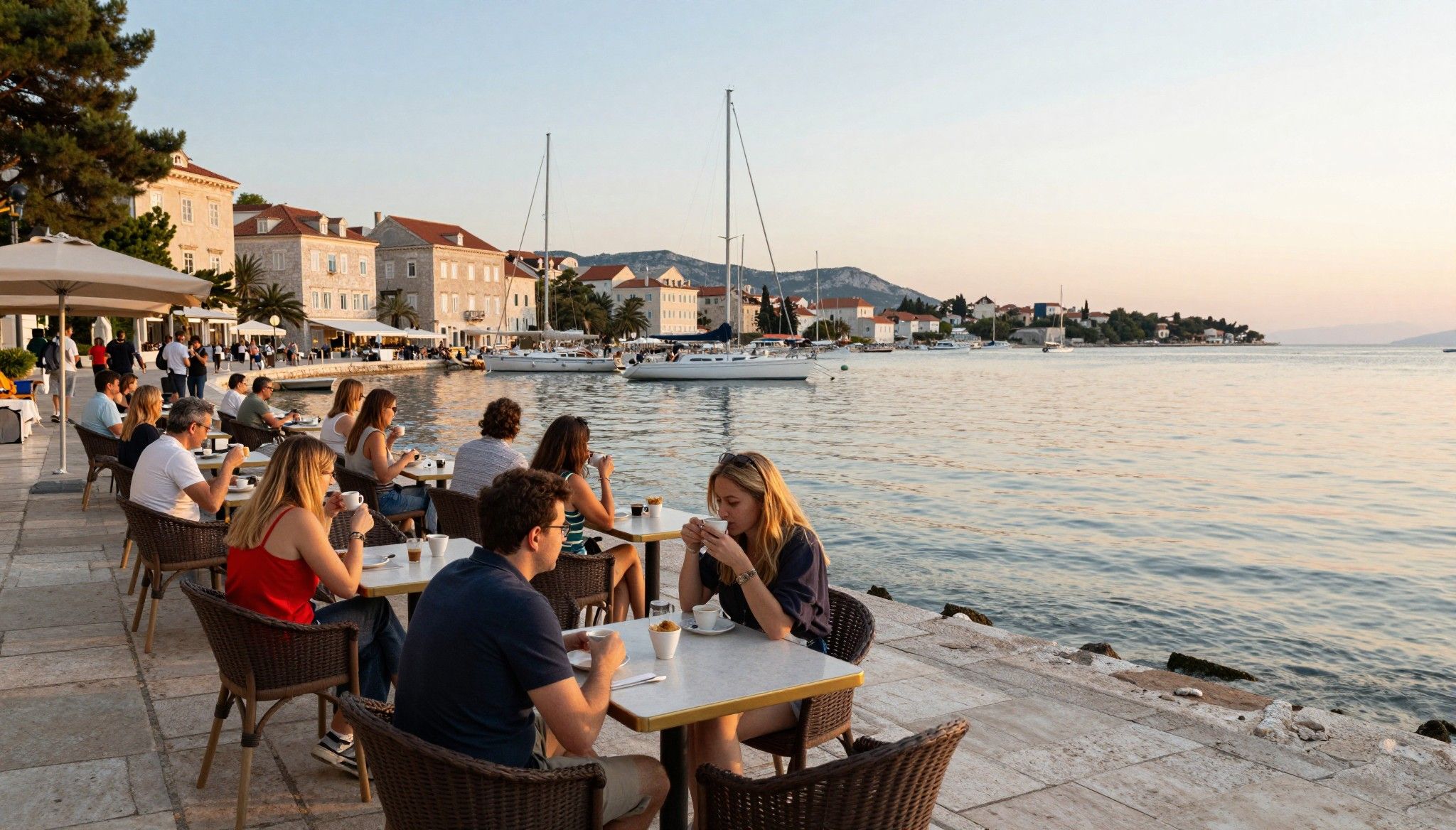
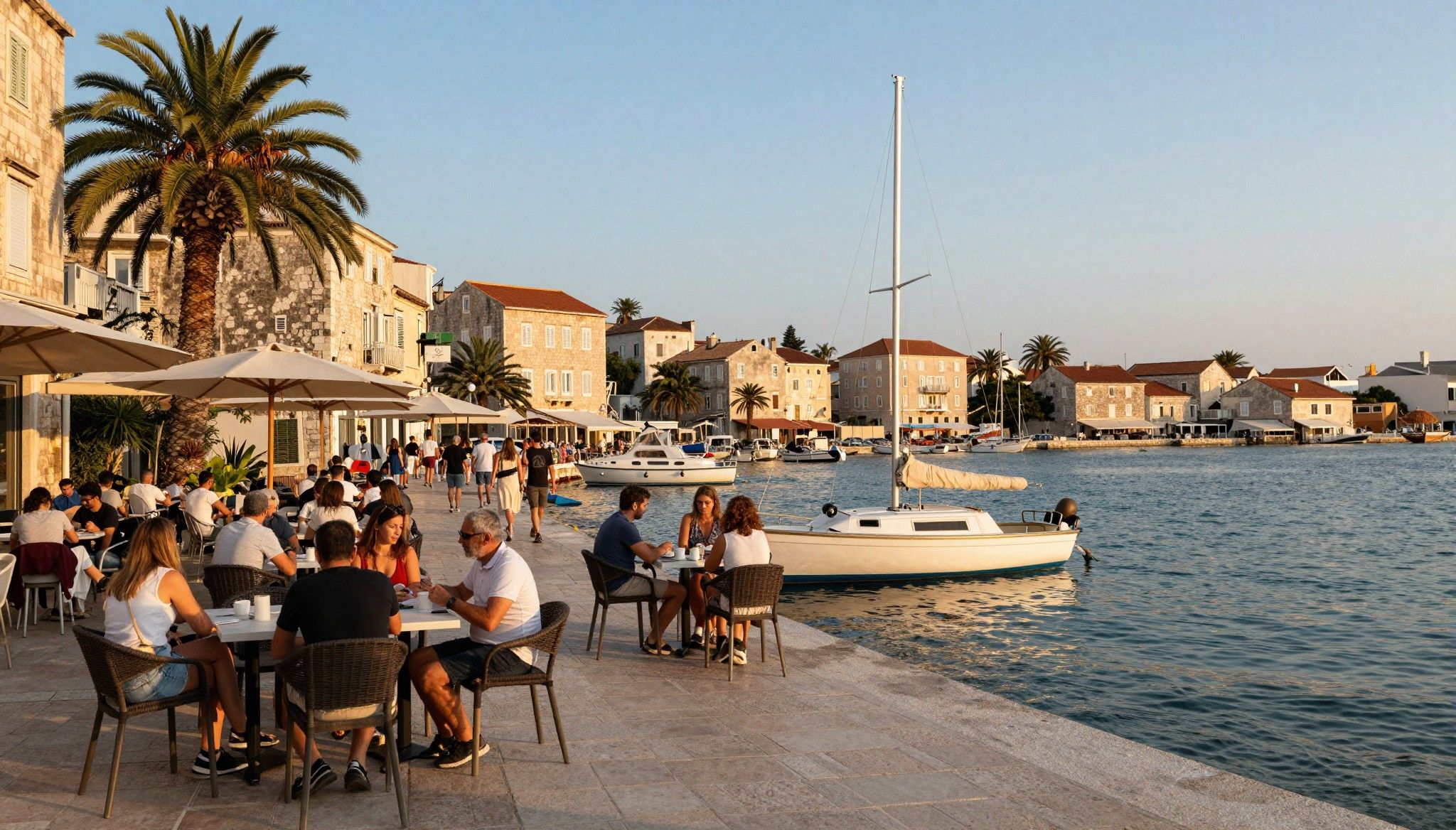
Imagine a late‑afternoon promenade in Limassol’s old quarter: espresso steaming in small hands, limestone facades softened by bougainvillea, the sea a bright ribbon beyond the palms. That everyday ease is precisely what draws buyers to Cyprus — but the practical question that follows the romance is rarely cinematic: how will you pay for it? The island’s market has been resilient in recent quarters, and financing choices — local mortgages, developer plans, or all‑cash purchases — shape not only price but lifestyle choices and long‑term stewardship.
Living the Cyprus life, financed with intent
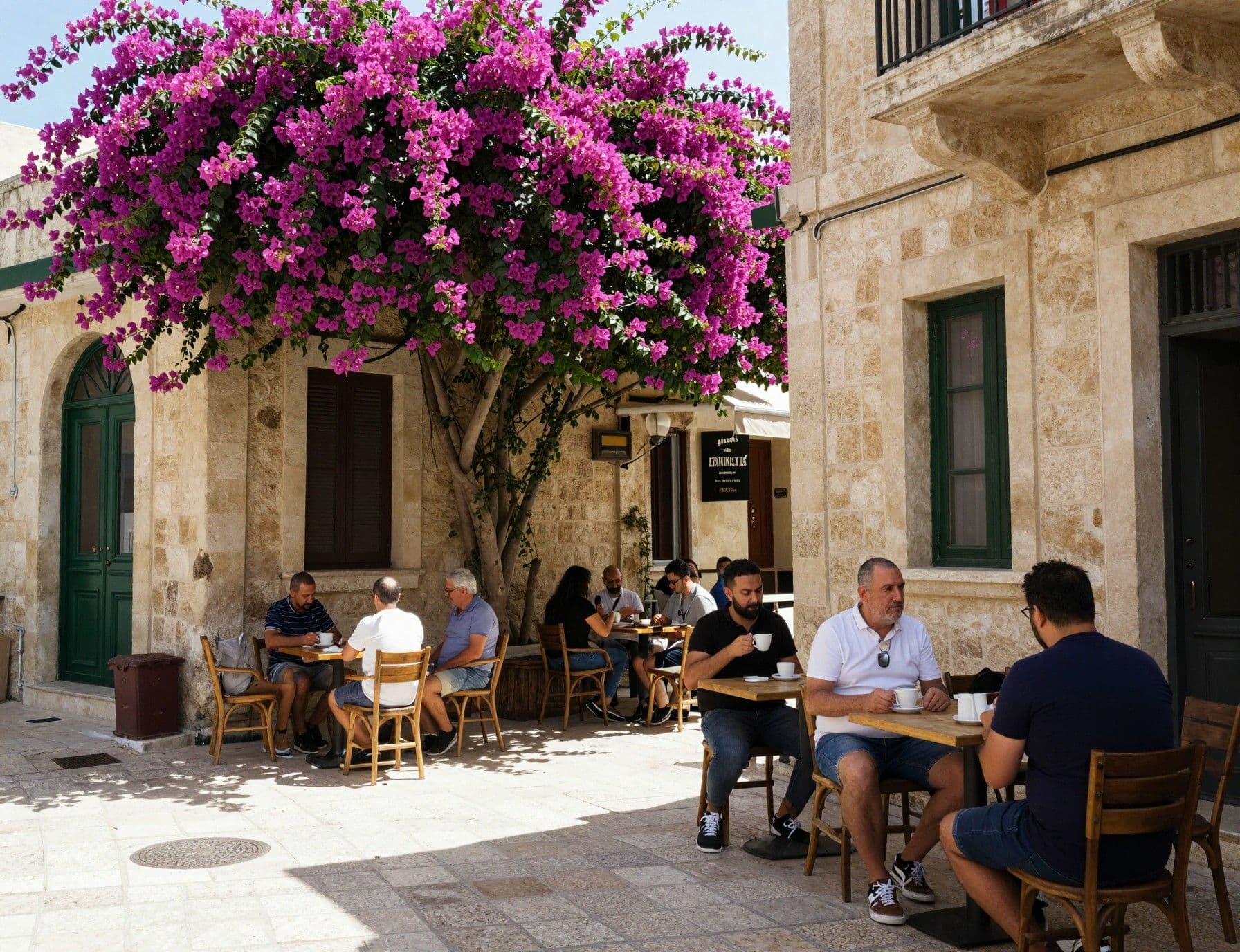
Cyprus feels calmer than its postcards suggest: mornings begin in neighbourhood bakeries, afternoons belong to small coastal tavernas, and weekends are measured in market visits and village festas. This rhythm affects what you buy. A harbour apartment offers connection and sociability; a Troodos stone house grants winter solitude and provenance. How you finance a property will determine whether you inhabit the place immediately, rent it seasonally, or hold it as a generational asset.
Where you’ll have coffee: Limassol, Larnaca, Paphos
Limassol’s marina and old port host a cosmopolitan café culture; walk the Molos and you will see designers, yacht crews and families in equal measure. Larnaca’s Finikoudes keeps a quieter, seaside hospitality — ideal for buyers prioritising everyday calm. Paphos blends antiquity and new developments: consider Kato Paphos for seaside life and the surrounding villages for restored stone homes with courtyards. Each choice carries a financing implication: high-demand coastal apartments command higher LTVs from banks when market data shows sustained price growth.
Food, festivals and the slow calendar
A Sunday in Cyprus might mean fresh halloumi at the Nicosia municipal market, a coastal fish taverna at dusk or an olive harvest in the hills. Seasonal rhythms matter: summer rental demand peaks influence yields, and winter months reveal how insulation, chimneys and double glazing affect living costs. These lifestyle elements should be reflected in the financing plan: lenders and insurers will examine intended use — primary residence, holiday home or rental — when setting terms.
Making the move: practical financing considerations
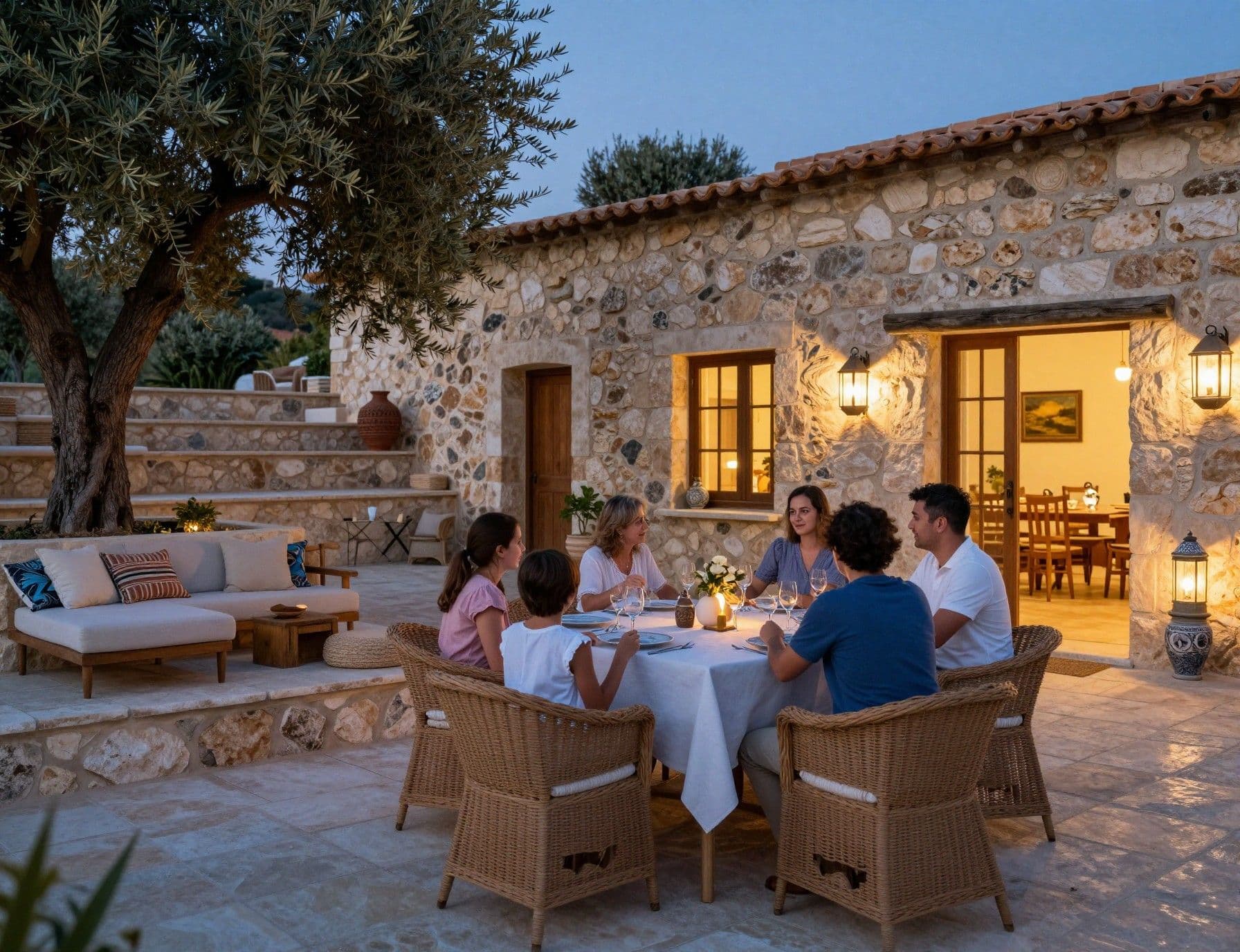
Recent official indices show steady price appreciation across Cyprus, particularly for apartments in coastal centres, which alters lending behaviour and buyer strategy. Banks underwrite conservatively for non‑residents: expect lower loan‑to‑value ratios, stricter income proof and longer processing times. If you prioritise lifestyle over leverage, bringing a larger deposit can both simplify the process and broaden the choice of properties that retain authentic architectural character.
How Cypriot banks treat non‑resident applications
Major domestic lenders (Bank of Cyprus, Eurobank/Hellenic and others) routinely lend to foreigners, but terms differ from resident packages. Typical practice: a non‑resident may secure 50–60% LTV for investment purchases; stronger local ties can push that toward 70%. Expect robust documentation checks (translated tax returns, multi‑year bank statements) and insurance conditions tied to the mortgage. Local valuations and first‑ranking mortgages are standard; plan for valuation and registration fees in your budget.
Alternatives: developer finance, foreign bank loans and cash
Developers sometimes offer staged payment plans for off‑plan properties; these reduce initial cash needs but may carry different protections than bank mortgages. International lenders can provide currency flexibility but require cross‑border structuring. The contrarian truth: all‑cash purchases can be decisive in Cyprus, converting negotiation power into choice of location and access to off‑market villas that preserve provenance and character.
Insider knowledge: costs, timing and small legal choices that shape lifestyle
Tax and registry changes influence net cost and the moment you take possession. Stamp duty abolition in 2026 removed one friction point; transfer fees remain but resale discounts and first‑time exemptions can be negotiated. These nominal savings translate into lifestyle choices: a lower transactional tax can free funds for restoration, interior commissioning or landscaping — the very elements that turn a house into a home.
Hidden costs that affect daily living
Beyond headline price and mortgage rate consider insurance (building and contents), seasonal utility profiles (air‑conditioning in summer, heating in the mountains), and agent/legal fees. These recurring items determine how comfortably you live year‑round. A modest reduction in transaction fees used instead for proper insulation or a sympathetic restoration will repay you in comfort and resale appeal.
- Lifestyle + finance checklist when choosing a property in Cyprus
1. Match use to finance: primary residence gets better LTV; holiday lets are underwriten more tightly. 2. Prioritise valuation quality: a conservative valuation protects you and your lender. 3. Budget for registration and legal fees even when stamp duty is reduced or abolished. 4. Consider developer escrow and guarantees for off‑plan purchases. 5. Use a local mortgage broker and a solicitor who values architectural provenance as part of due diligence.
What expats wish they’d known — practical local truths
Many buyers arrive enchanted and underestimate local timing: island bureaucracy and bank underwriting add weeks to any plan. Language is widely spoken in professional contexts, but paperwork often needs certified translations. More importantly, neighbourhood nuance matters: a modest stone house one street in will feel very different from its coastal neighbour. Financing that allows time for thoughtful restoration — rather than rushed renovation to meet rental calendars — produces both better living and better returns.
Integration: community, language and everyday life
Cypriots prize hospitality and continuity. Learning a few phrases, using local craftsmen and joining seasonal festivals are practical steps that repay social capital and make stewardship easier. From a financing standpoint, local relationships matter: a trusted notary, a valuer who understands village houses, and an agent who prefers provenance over price will save both money and time.
Looking forward: how finance shapes the life you build
Think of financing as part of design: are you buying to preserve a family house, to live seasonally, or to create a rental business? Each path warrants different capital structures. A conservative mortgage leaves room to commission quality masonry or bespoke joinery; an aggressive leverage strategy may require surrendering some control over restoration timelines. The best properties in Cyprus are those purchased with intent and held with care.
Conclusion — a measured way forward
If Cyprus appeals for its light, terroir and quiet public life, let your financing reflect that temperament. Bring enough equity to preserve the property’s character, choose a lender and legal team who value provenance, and use recent market data to time offers thoughtfully. When financing supports lifestyle rather than constraining it, the island rewards stewardship with a living that is at once sincere and enduring.
Relocating from London to Mallorca in 2014, I guide UK buyers through cross-border investment and tax considerations. I specialise in provenance, design integrity, and long-term value.