How France’s Hidden Tax Rules Turn Residence Into Opportunity
How French local levies, transfer taxes and succession rules quietly shape the cost of owning—practical strategies to preserve lifestyle and reduce fiscal surprises.

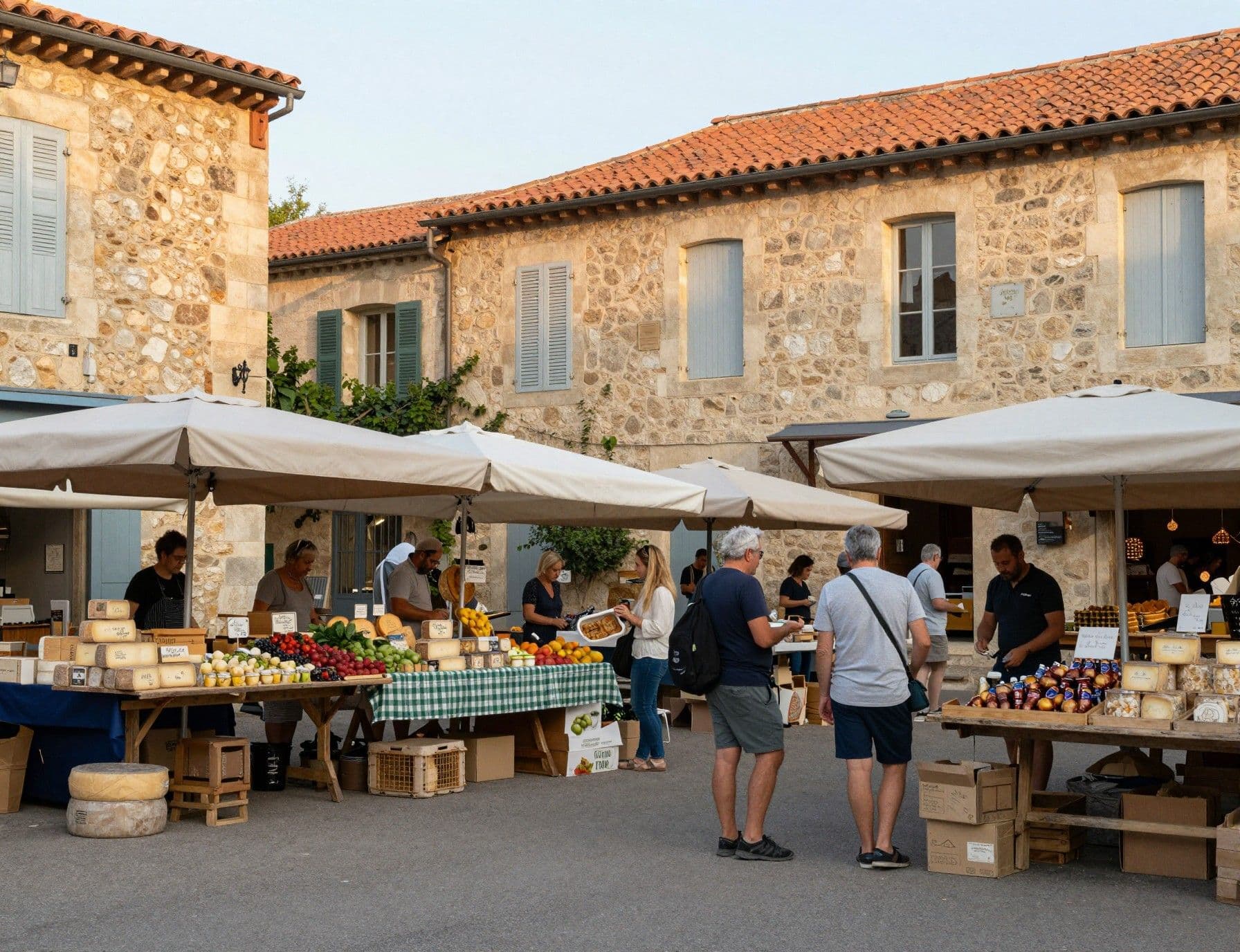
Imagine walking down Rue de l'Annonciation in Aix‑en‑Provence as stalls fold after the morning market; the air holds rosemary, chèvre and espresso. In France the pace of life is at once deliberate and rich with small certainties: boulangeries open at dawn, municipal fêtes gather the village, and the stone walls keep the seasons close. Yet beneath this lived elegance lie tax rules, local levies and inheritance customs that quietly shape the way you own and steward property here. Understanding a few counter‑intuitive French fiscal realities—where timing, residency status and local department rules can cost or save tens of thousands—changes how you choose a home and when you move.
Living France: small rituals, big fiscal footprints
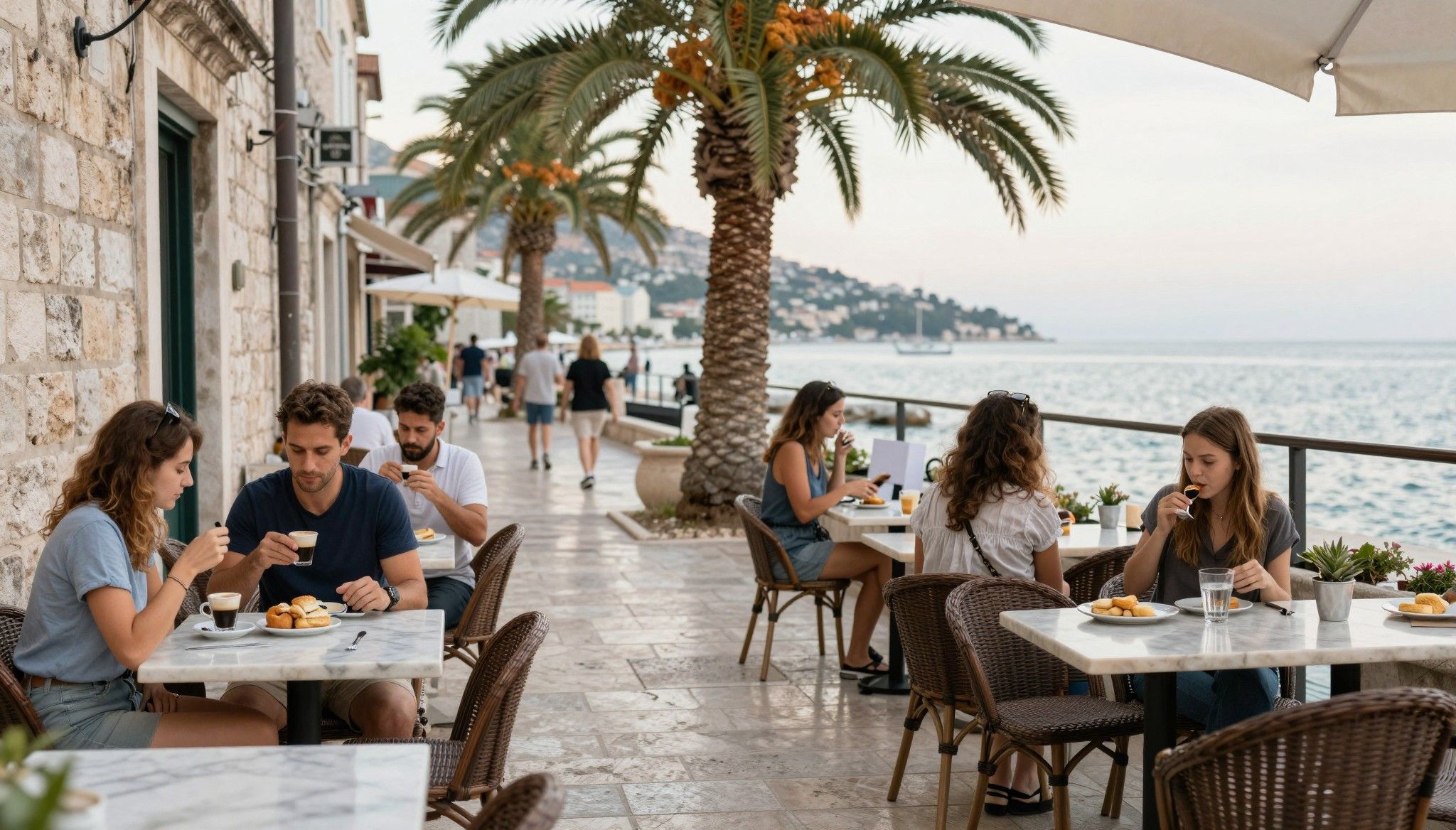
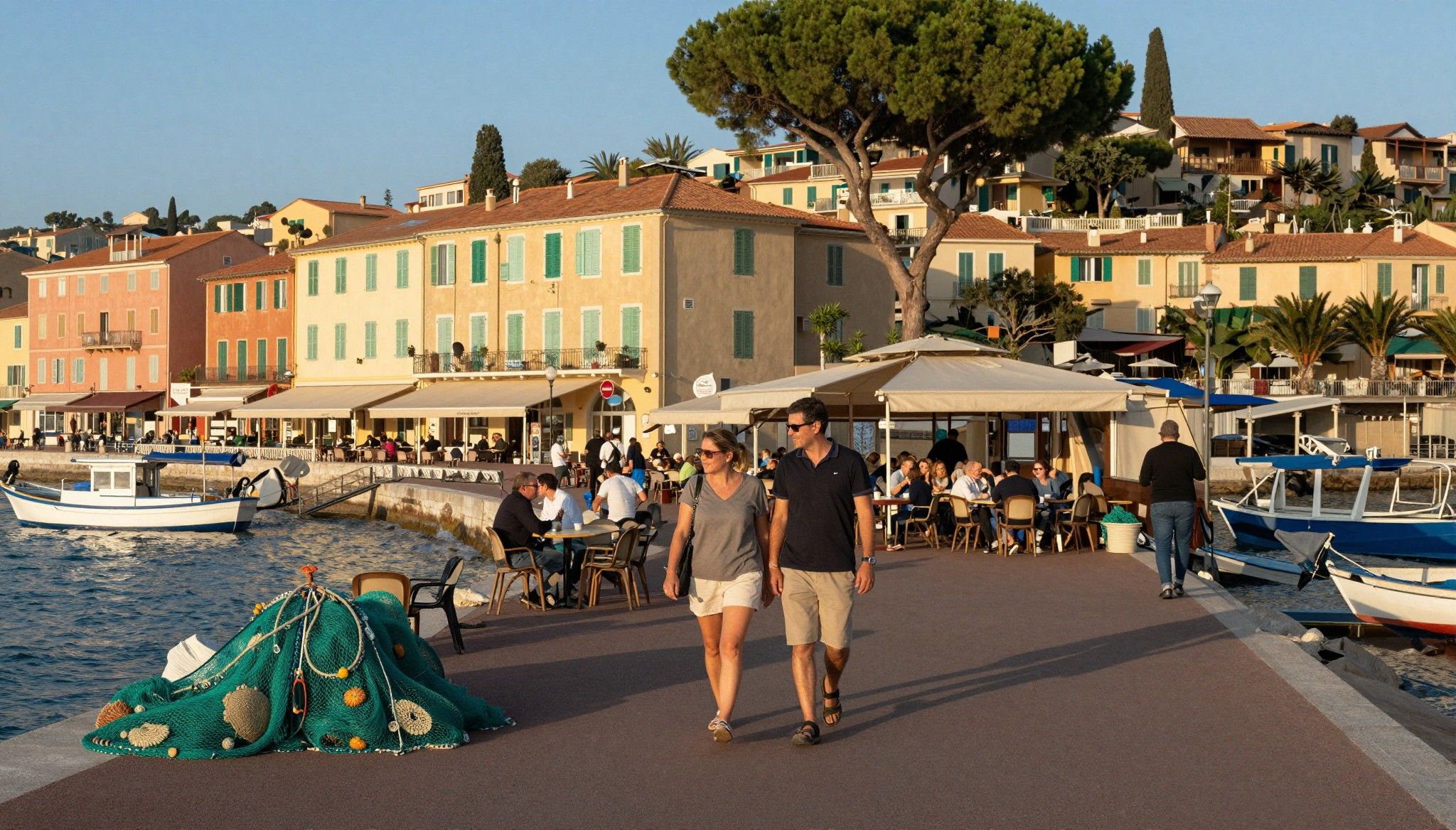
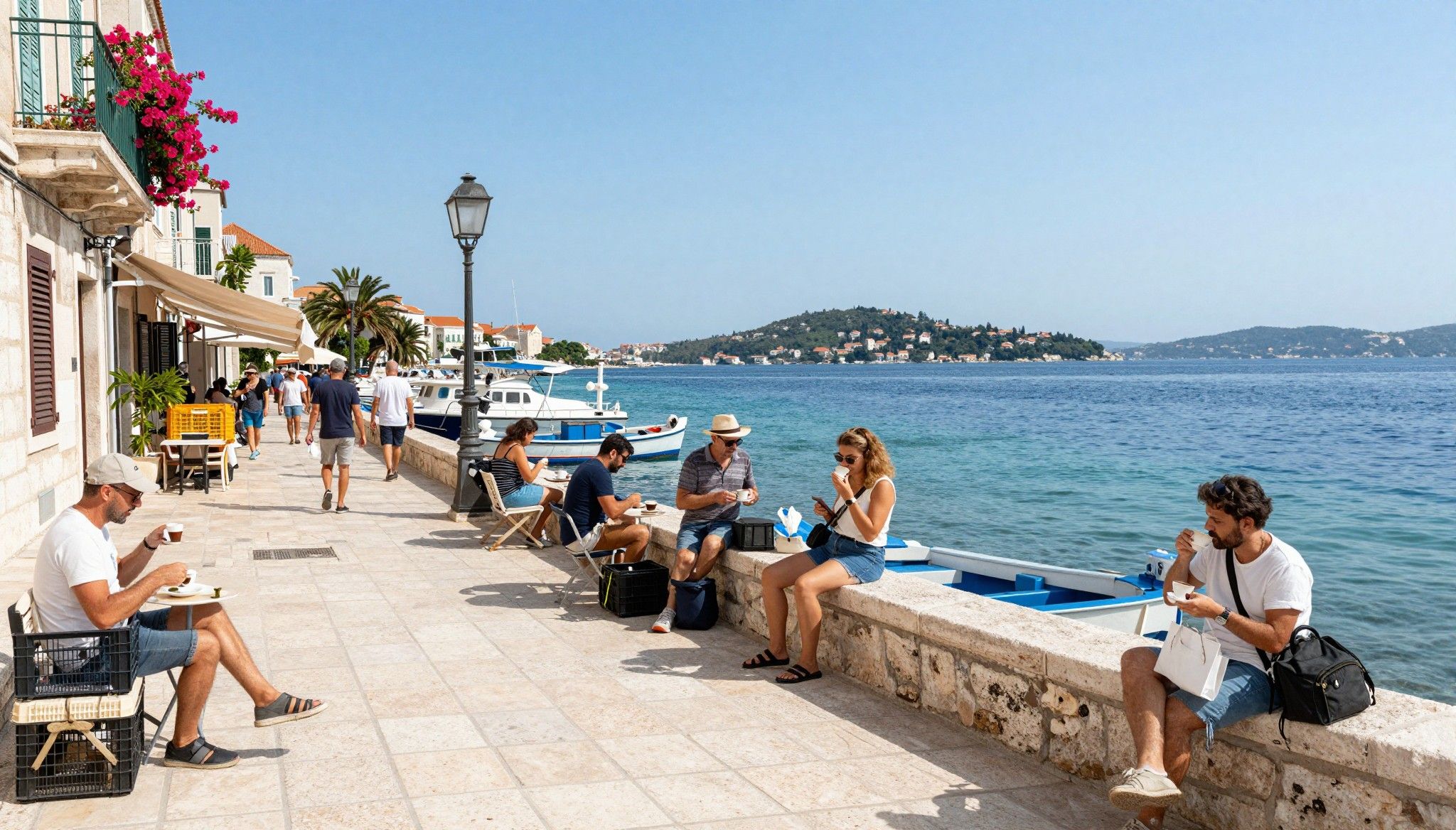
Daily life in France is organised around neighbourhood rituals — morning cafés in the Marais, late aperitifs on Cannes’ La Croisette, farmers’ markets in Rennes — and each of those rhythms is reflected in local taxation. If you own a second home, municipal obligations follow the property rather than the owner: taxe foncière and taxe d'habitation (on secondary homes in some communes) are assessed at the property’s location and collected by local services. That means your idyll in a village can bring annual charges that differ markedly from a nearby town; the cost of living in place is not only about food and fuel but the parish‑scale fiscal choices of mayors and councils. For non‑residents, the French tax administration is precise about property-based liabilities; anticipate regular local charges and an administrative rhythm that respects the calendar more than the visitor’s wish.
Neighbourhoods that feel similar—taxes that do not
Two villages separated by ten kilometres can look identical—limestone facades, a single rue, a central square—but departmental and municipal decisions alter the net cost of ownership. Departments may raise the droits de mutation (DMTO, often called 'frais de notaire' in sales for the buyer) for three‑year periods, a policy seen since 2025 in several departments. The result is that buying the same house across a departmental line can leave you paying a significantly different acquisition levy. Consider the administrative boundary as much as the postal code when you shop: charming as a village may be, its council’s recent fiscal choices matter materially.
How you time a purchase affects upfront cost: recent legislative changes permit departments to temporarily increase DMTO on older properties until 2028, which raises transfer costs by up to a few percentage points on the sale price. For buyers with a strict budget, this can quietly move options from feasible to unaffordable. Good tax planning therefore means mapping departmental rates before you make an offer and asking your notaire for the specific rate that will apply on completion.
Making the move: taxation as a strategic tool

When you translate desire into transaction you must link lifestyle to structure. Are you buying a pied‑à‑terre for months at a time, a rental asset in Bordeaux’s Left Bank, or a full family home near Lyon? Each intention invites different fiscal choices: residency status affects income taxation on rental receipts, the need for a fiscal representative (for non‑EU owners), and whether your global assets enter French wealth tax (IFI) calculations. Early decisions—declaring intended use, timing renovations, and the manner of ownership (personal name, SCI, trust structures in home jurisdiction)—inform both immediate cashflow and long‑term inheritance outcomes.
Property types and the tax lives they lead
A renovated village maison offers charming rooms and stonework, but if you intend to rent it out seasonally your regime may be micro‑foncier or réel: the former suits low yields and light administration, the latter rewards documented expenses (interest, repairs, management fees). Coastal apartments popular with holidaymakers often fall into short‑term rental scrutiny with different tax implications and municipal licence regimes. Match property type to your intended use early; the fiscal regime you fall under determines allowable deductions, social charge exposure and whether you need a fiscal representative.
Practical steps that combine lifestyle and tax sense
1. Ask the notaire for the DMTO rate applying on the day of signature and factor this into your maximum offer. 2. Confirm with impots.gouv.fr whether municipal rules require a licence for short‑term rentals in the commune. 3. If non‑EU, appoint a fiscal representative early to avoid delays and liabilities on rental income. 4. Consider buying through a French SCI only after tax modelling—its benefits for inheritance may come with added annual obligations. 5. Time renovation invoices before sale or after purchase depending on whether you want current-year deductions.
Insider knowledge: inheritance, residency and the quiet rules
French succession law and tax practice are among the most consequential subjects for long‑term owners. French law confers reserved shares to children and can treat heirs differently from common‑law expectations. Additionally, whether one heir lived in France for a sufficient period can bind the entire succession to French rules, altering available allowances and rates. This is not a point for post‑mortem discovery: prudent buyers plan for eventual transmission, coordinating notaires, cross‑border wills and tax advisors to ensure property passes as intended.
Language, paperwork and cultural realities that affect tax outcomes
Administrative precision is a French virtue; documentation must be exact and timelines observed. Simple misfiling—delay in the annual Gérer mes biens immobiliers declaration or an incomplete representation letter—can trigger penalties or slow refunds. Engage a bilingual notaire or tax adviser familiar with your home jurisdiction’s treaties with France. Their local knowledge will not only translate the forms but will spot opportunities: treaty provisions that prevent double taxation, fiscal credits for foreign taxes paid, and timing of capital gains exemptions when you eventually sell.
Lifestyle‑minded tax tips buyers often miss
Buy just inside a neighbouring department—if DMTO is lower you can keep character while saving on transfer tax.
Time final invoicing for renovations so deductible expenses fall into the year you declare rental income.
If you intend occasional stays, declare use carefully—treat a property as primary only when you meet residency tests to avoid retrospective tax adjustments.
Steps to protect the lifestyle you bought
1. Commission a pre‑purchase tax memo from a French tax adviser and your home‑country adviser. 2. Request a notaire’s calculation of all acquisition charges (DMTO, registration, notaire fees) before offer. 3. Where rentals are planned, verify local short‑term rental regulations with the mairie. 4. Put in place cross‑border succession measures (international will, pacte successoral, SCI where appropriate).
Living in France is an accumulation of fine details: the bookshop on Rue Mouffetard, a market table you come to own by habit, the baker who remembers your order. The same attention to detail—mapping departmental tax moves, aligning your use with the right fiscal regime, and structuring ownership with future heirs in mind—makes the property a pleasure rather than a headache. Work with advisers who value provenance and stewardship as much as you do; their guidance lets the lifestyle flourish without unexpected fiscal interruptions.
Next steps: if a particular department, commune or property has captured your imagination, ask your agent to obtain the notaire’s pre‑calculation, confirm local short‑term rental rules with the mairie, and schedule a tax memo that compares outcomes under residency and non‑residency. With a little homework you preserve the light, bread and market rhythms that first drew you here—and avoid the fiscal surprises that most buyers only discover later.
Relocating from London to Mallorca in 2014, I guide UK buyers through cross-border investment and tax considerations. I specialise in provenance, design integrity, and long-term value.