Italy: Where Price Perception Hides Opportunity
Italy’s steady market hides regional opportunity: marry sensory neighbourhood choice with data to find undervalued, lifestyle‑rich properties backed by authoritative market reports.
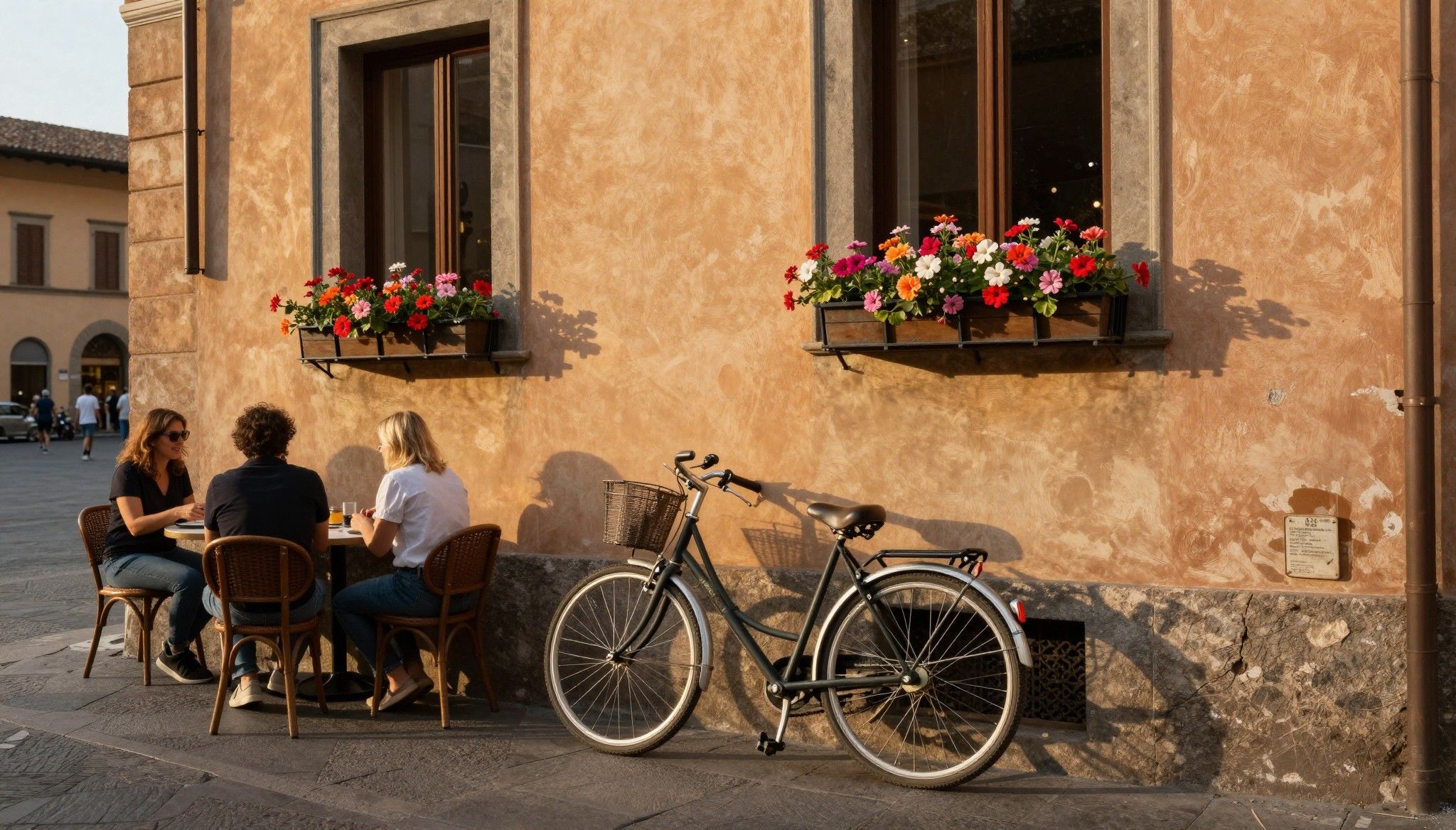
Imagine waking early to the smell of fresh brioche, crossing a small piazza where a barista knows your order, and choosing between a morning market of sun‑ripened tomatoes or a quiet walk along a centuries‑old canal. Italy lives in moments: precise, tactile, and layered with history. For the international buyer this is the seduction, but it is also where perception — of price, of demand, of what is ‘worth it’ — often obscures opportunity. Recent market studies show modest nationwide price growth but large regional variation; knowing where to look changes everything.
Living the Italian rhythm
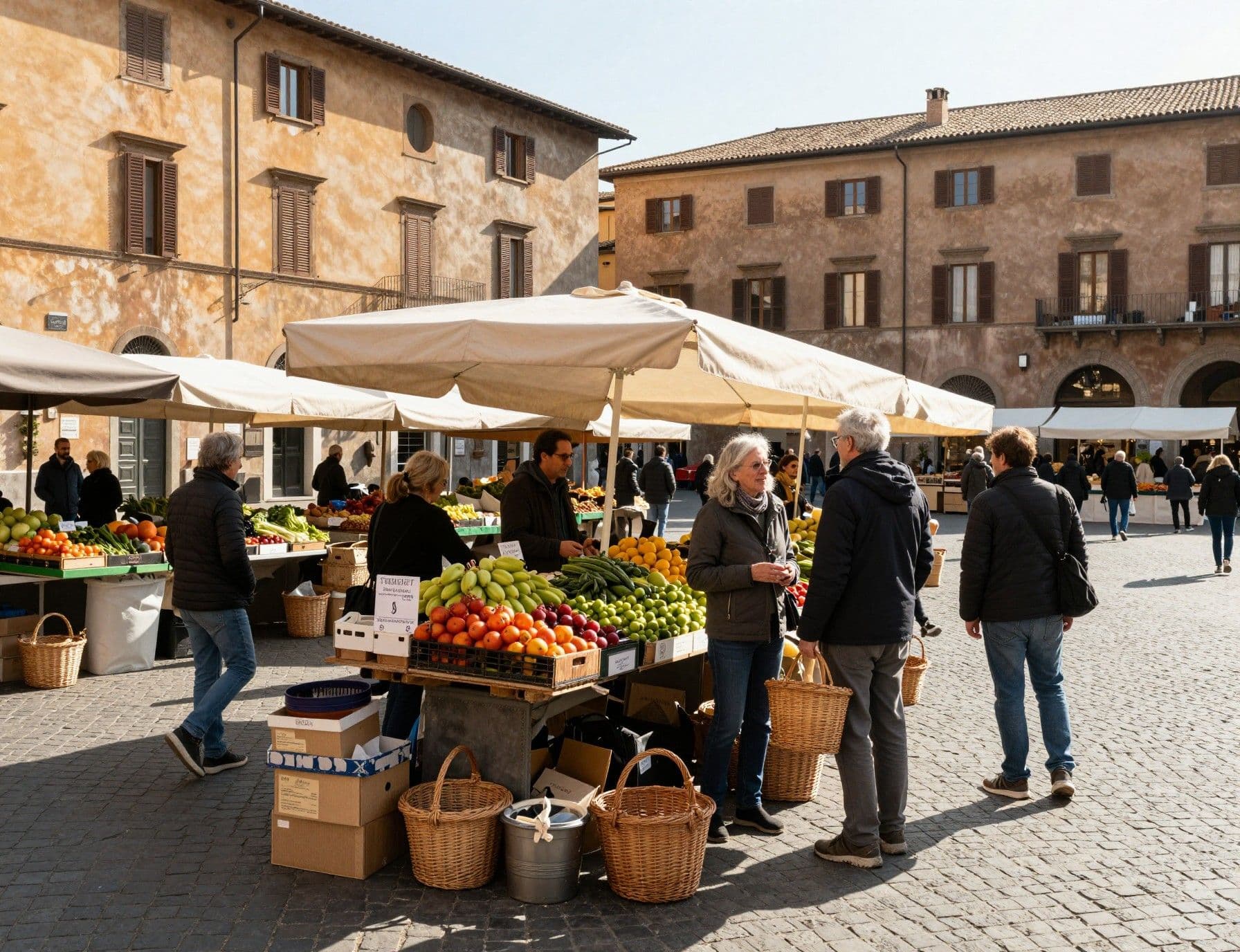
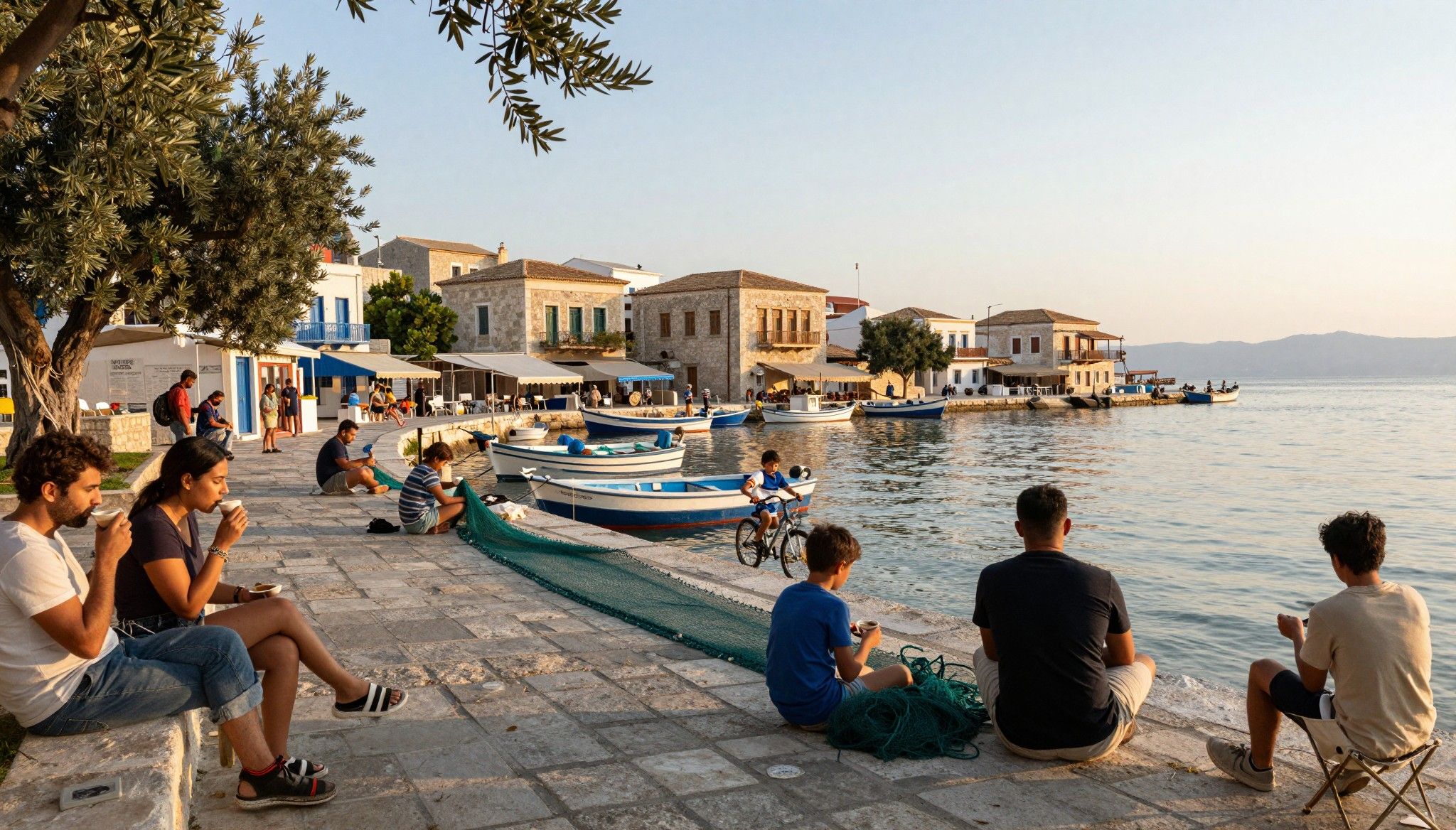
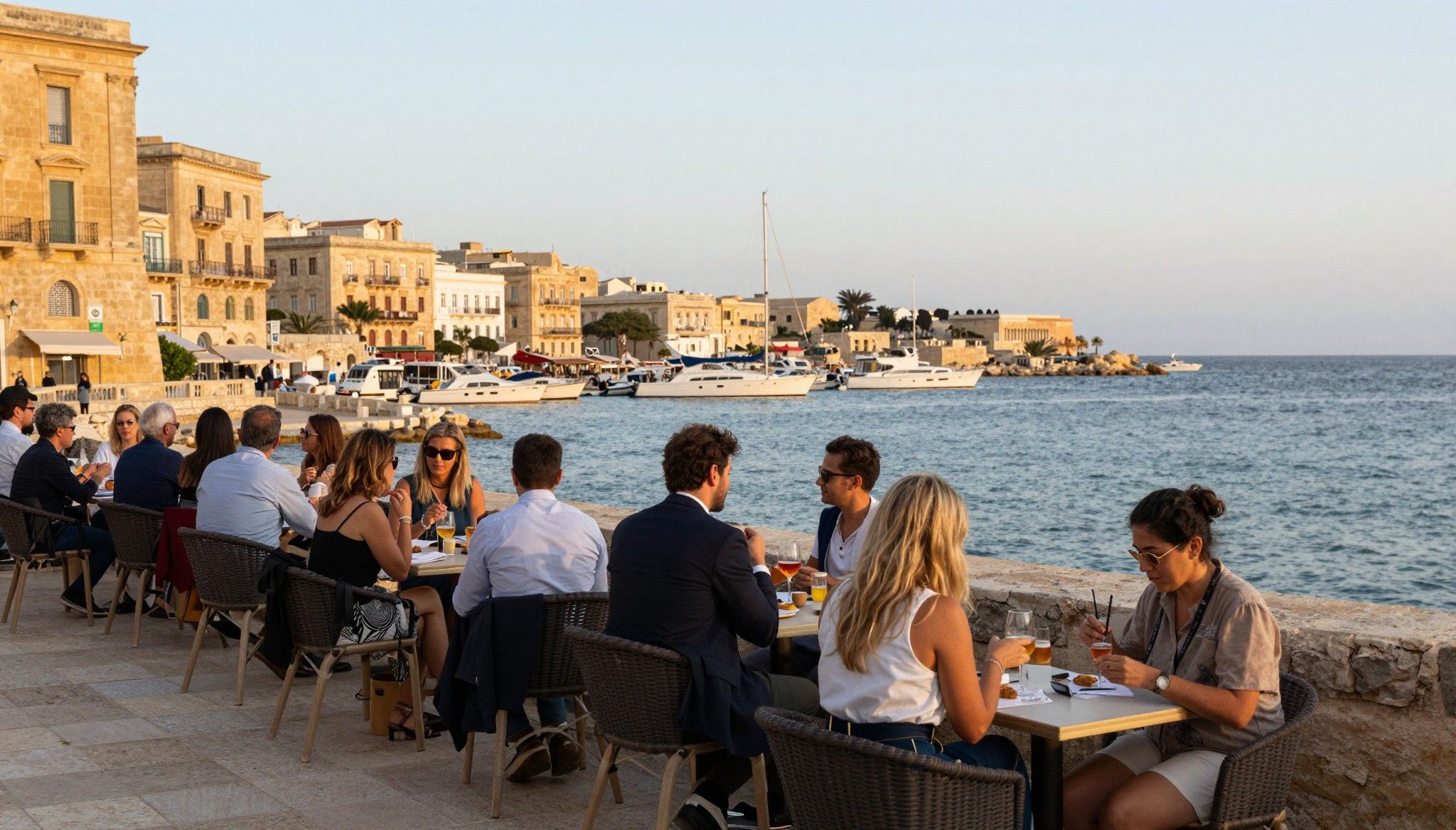
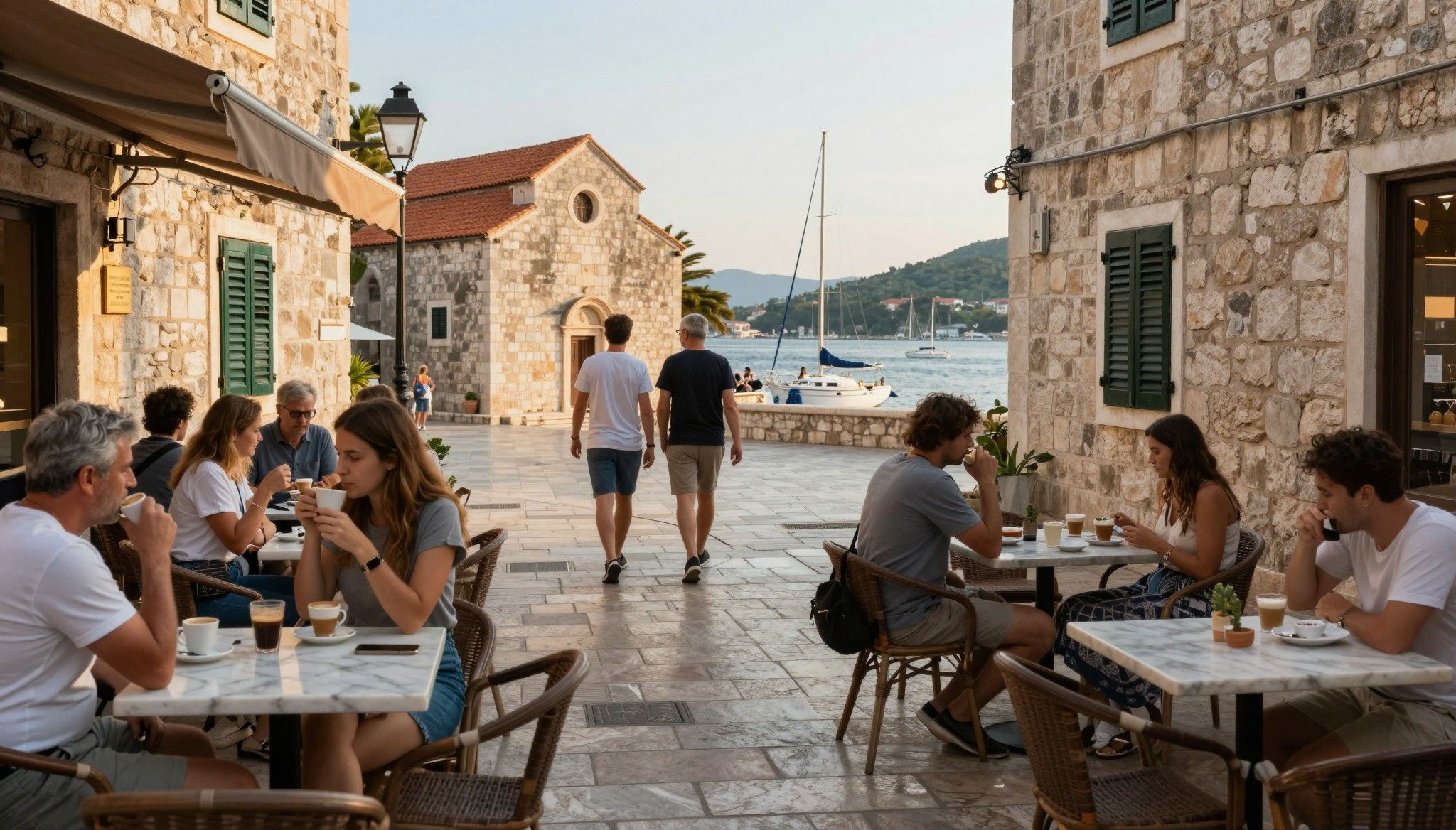
Daily life in Italy is composed of neighbourhood rituals: early market stalls in Florence, a late espresso near Milan’s Navigli, aperitivo gatherings along Genoa’s narrow alleys. These rituals shape property desirability as surely as façade quality or square metres. Markets and small cafés are not incidental extras; they are infrastructure for the life you’ll lead and often the decisive factor for resale value. Transaction data from 2024 confirms steady activity across regions, but it is the local texture that determines whether a purchase feels like home.
A neighbourhood portrait: Oltrarno, Florence
Cross the Ponte Vecchio and Oltrarno presents itself as a constellation of artisan workshops, shady courtyards and low‑lit osterie. Restoration here favours retained timber beams, original tiled floors and intimate courtyards — features that attract buyers who prize provenance. Streets such as Via Romana and Piazza Santo Spirito have small markets and weekly life that do more to sustain long‑term value than a short burst of tourism. For an international buyer seeking tactility and community, Oltrarno is a study in how local culture becomes a durable asset.
Food, markets and seasonal life
From Palermo’s Capo market to Rome’s Mercato Testaccio, marketplaces form the social spine of Italian neighbourhoods. They are places to learn the language of a street, meet neighbours and discover seasonal produce — and their presence consistently correlates with steady rental demand and buyer interest. In summer the coast towns fill with sunlight and visitors; in winter, inland squares pulse with community life. Savvy buyers pair a market‑rich address with realistic expectations about seasonal income and year‑round livability.
- Oltrarno’s artisan workshops and Santo Spirito market
- Mercato Testaccio and authentic Roman dining culture
- Seaside morning markets in Liguria and Sicily for immediate coastal life
- Historic town squares that host year‑round community events
Making the move: practical considerations
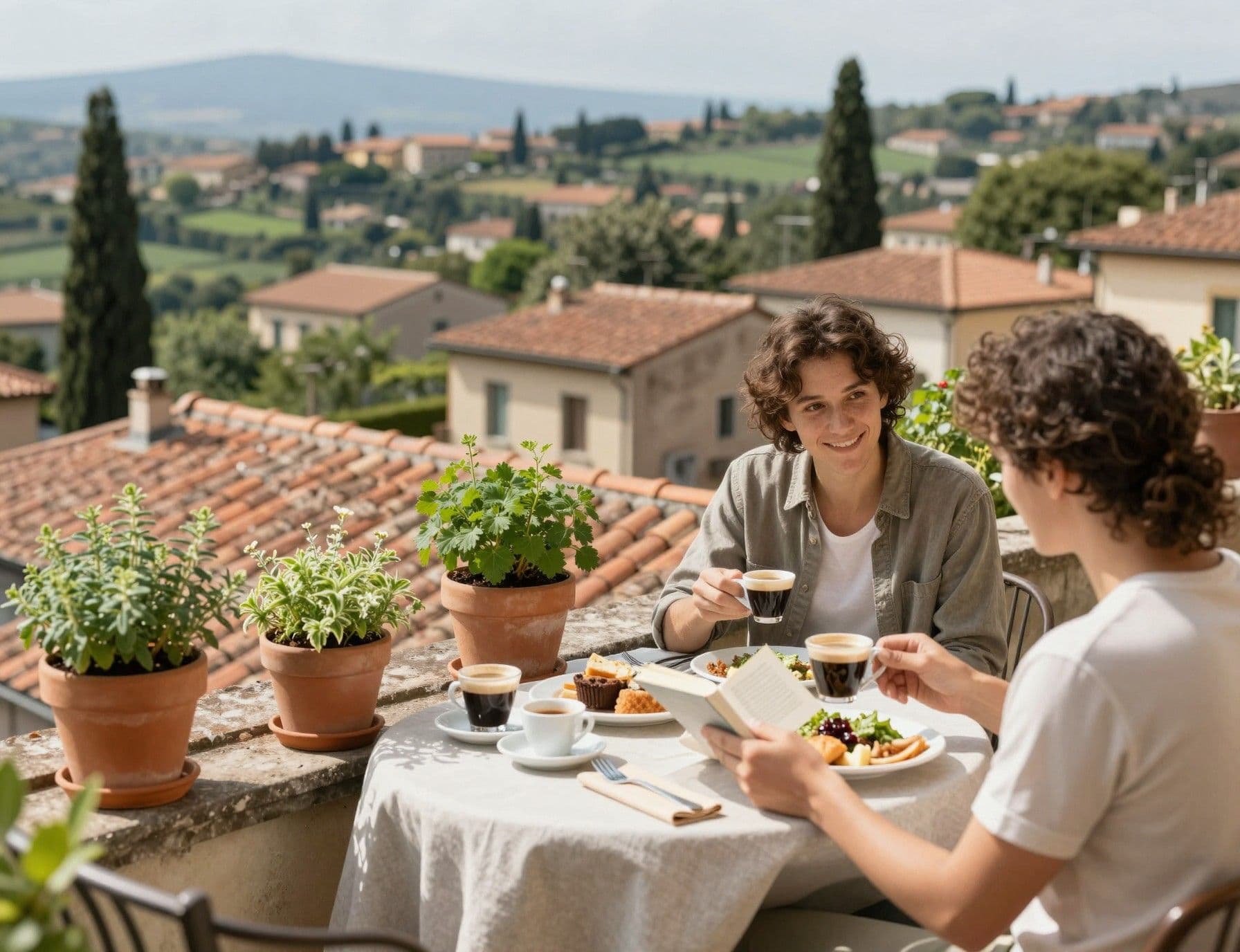
Turning the romance of place into a sound purchase requires blending lifestyle priorities with market reality. National reports indicate modest price increases and stronger activity in the north and primary cities, but these aggregate numbers hide prime pockets, undervalued secondary towns and seasonal dynamics. Work with local experts who read neighbourhood nuance — the stone stair that adds charm but raises renovation cost, or the nearby market that sustains year‑round rental occupancy. A considered purchase pairs sensory choices with data: transaction trends, mortgage availability and local planning rules.
Property types and how you’ll live in them
A restored palazzo apartment offers scale, mouldings and formal reception rooms suited to collectors and households that entertain. A stone farmhouse in Umbria delivers land, olive trees and privacy but also ongoing maintenance and agricultural zoning. Newer coastal townhouses provide panoramic terraces and lower renovation needs at the cost of architectural pedigree. Match the property typology to daily rituals: if coffee at a corner bar is non‑negotiable, prioritize compact urban flats; if space for a garden matters, accept rural trade‑offs.
How local agencies become lifestyle translators
A good local agency is fluent in neighbourhood customs and procurement realities: they arrange viewings timed to market rhythms, introduce trusted restorers and explain municipal constraints on changes to historic buildings. For international buyers, the agency is not merely a listing conduit but a steward of lifestyle expectations and an interpreter of local practice. Seek firms that demonstrate provenance in listings, show before‑and‑after restorations, and present references from clients who live locally rather than only overseas investors.
- Deciding that balances lifestyle and pragmatics 1. Visit the neighbourhood at different times: weekday morning, market day, and weekend evening. 2. Prioritise infrastructure that sustains daily life: market, pharmacy, small grocer, and reliable transport. 3. Engage a local architect early to estimate realistic restoration costs. 4. Ask agencies for comparable sale evidence within a 12‑month window, not just asking prices. 5. Plan for seasonality in rental or personal use: coastal earnings can be concentrated in months.
Insider knowledge: what expats wish they’d known
Expat buyers frequently report underestimating local seasonality, municipal bureaucracy and the social capital required to feel at home. Official market reports show recovering mortgage activity and greater transaction volume in 2024–25, but on a practical level integration requires local rituals: neighborhood cafés, the libreria owner’s recommendation and the butcher who keeps your preferred cut. These small relationships transform a holiday infatuation into a sustainable life.
Language, social circles and daily ease
Fluency is not required but effort is rewarded. Learn café conventions, greeting protocols and how to ask for local produce — such gestures open doors to neighbours and tradespeople. Expat communities concentrate in predictable pockets: central Milan and Florence for professional networks, parts of Liguria and Puglia for seasonal second‑home communities, and towns in Tuscany for those seeking artisan culture. Each cluster offers different social rhythms and practical supports.
Longer horizon: stewardship and adaptation
Think in decades. Properties of architectural merit reward restraint: correct repairs, use of traditional materials and respect for the building’s rhythm protect value. Expect to adapt: converting attic space into a study requires permits; a garden may be bound by agricultural rules; rental planning needs to respect local seasonality. Frame your purchase as stewardship — a cultural as well as financial commitment — and you will make choices that sustain both life and capital.
- Red flags to watch for • Overly glossy photos with no neighbourhood context. • Large price discounts with unclear reason — check flood, seismic and zoning records. • Sellers unwilling to share recent comparable sales or certificates of habitability (abitabilità). • Promises of rental income without documented bookings. • Restoration cost estimates without formal quotes from local conservatori or architects.
- A practical sequence to move from wish to settlement 1. Spend a fortnight living in two candidate neighbourhoods to confirm rhythms. 2. Commission a quick local market report and short‑list three properties. 3. Obtain structural and regulatory pre‑checks from an architect and municipal office. 4. Negotiate a conditional offer with time for due diligence and trusted local counsel. 5. Arrange transitional services: property management, trusted cleaner, and a local bank contact.
Italy rewards a patient, observant buyer. The nation’s measured price growth across 2024–25 hides pockets of accelerated demand and overlooked value — medium‑sized northern cities and coastal hamlets ripe for considered purchases. Pairing sensory exploration with contemporary market data and a local agency committed to provenance will ensure that the property you buy is also the life you sought. Begin with a neighbourhood visit, bring a concise brief of daily rituals you cannot do without, and let local expertise translate that brief into addresses with real potential.
Norwegian with years in Florence guiding clients across borders. I bridge Oslo and Tuscany, focusing on legal navigation, cultural context, and enduring craftsmanship.