How Croatia’s 3% Transfer Tax Can Work in Your Favor
How Croatia’s 3% transfer tax, VAT rules and reciprocity create timing and structuring opportunities that can lower upfront costs for discerning buyers.
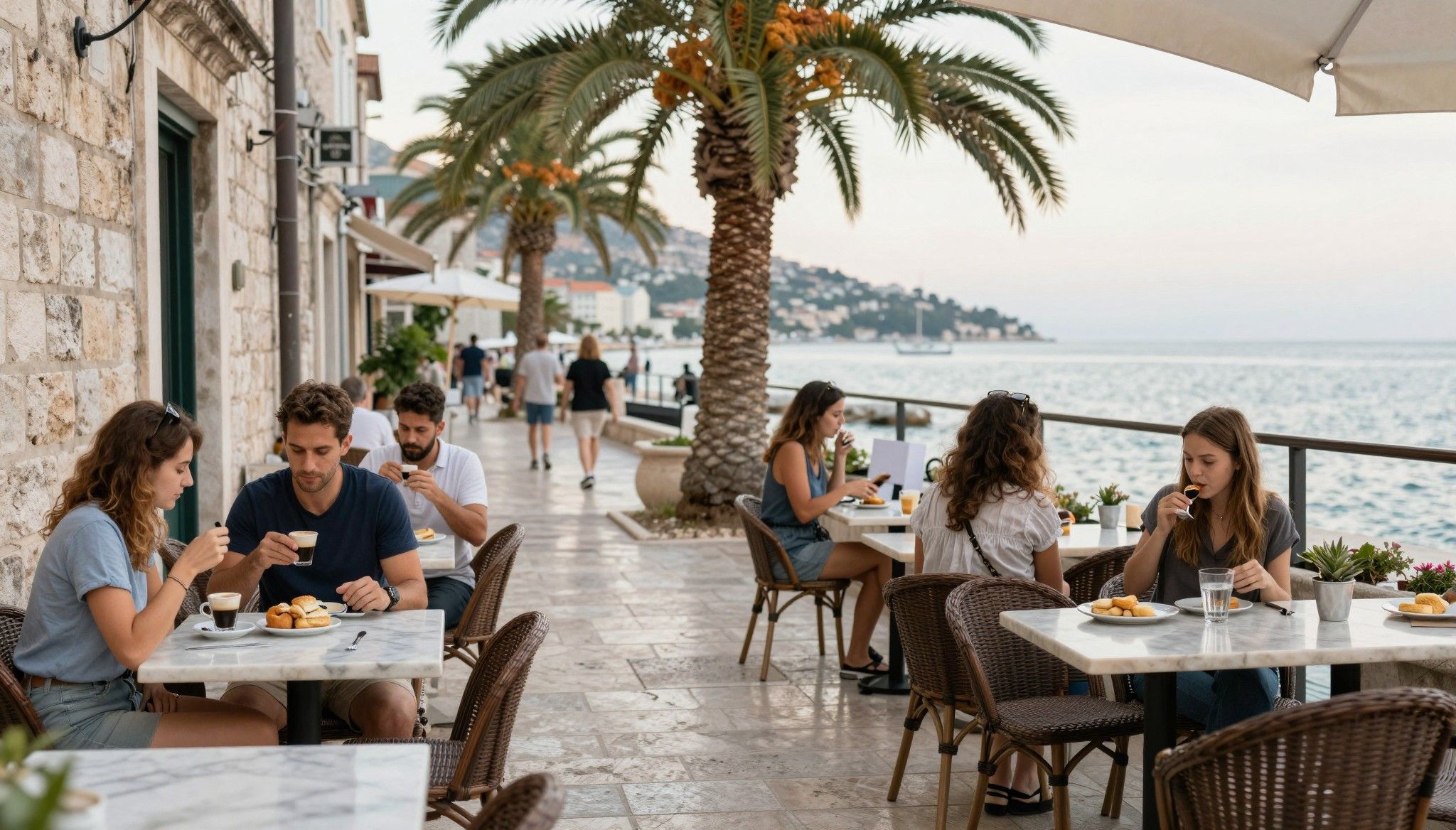
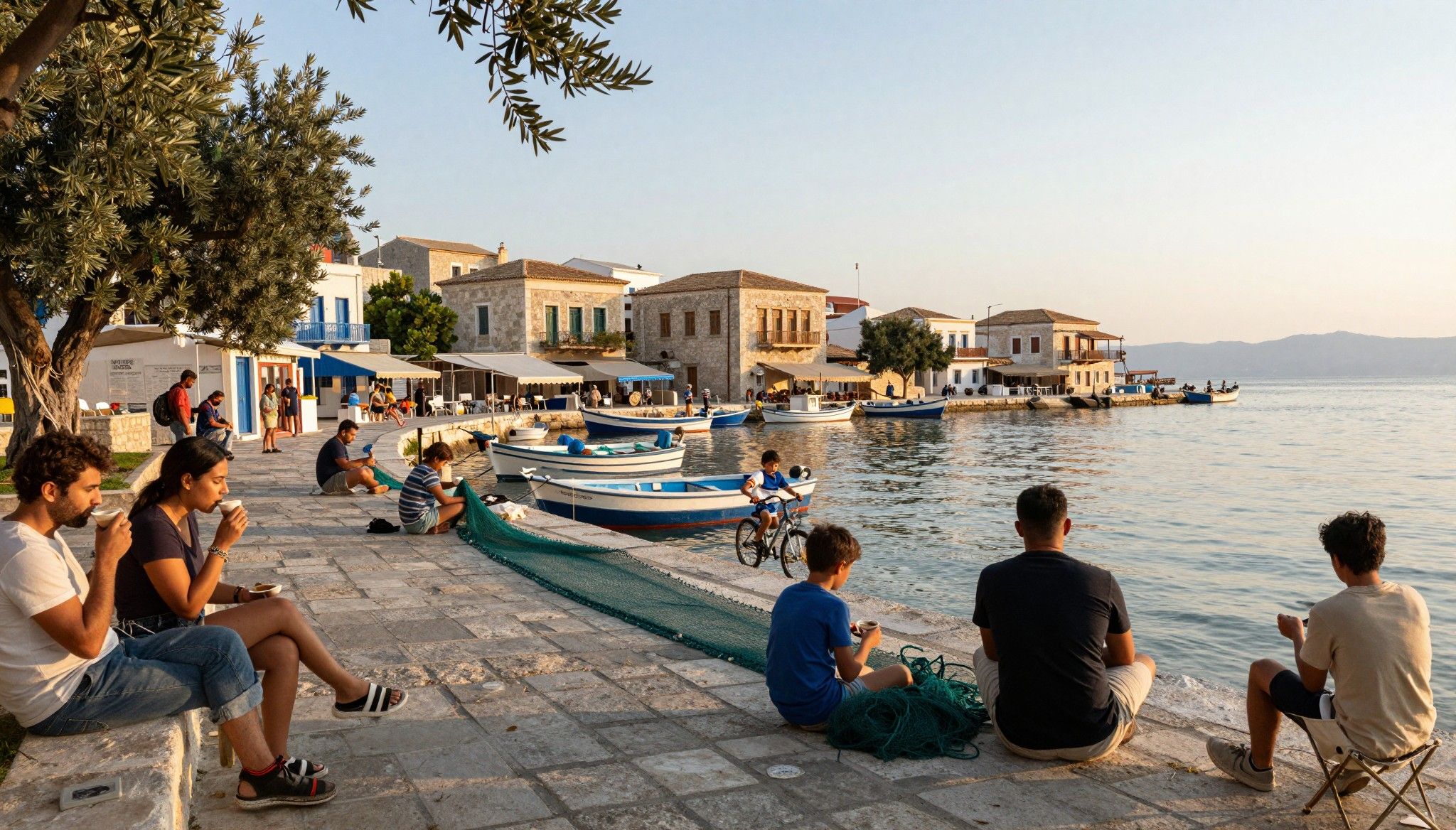
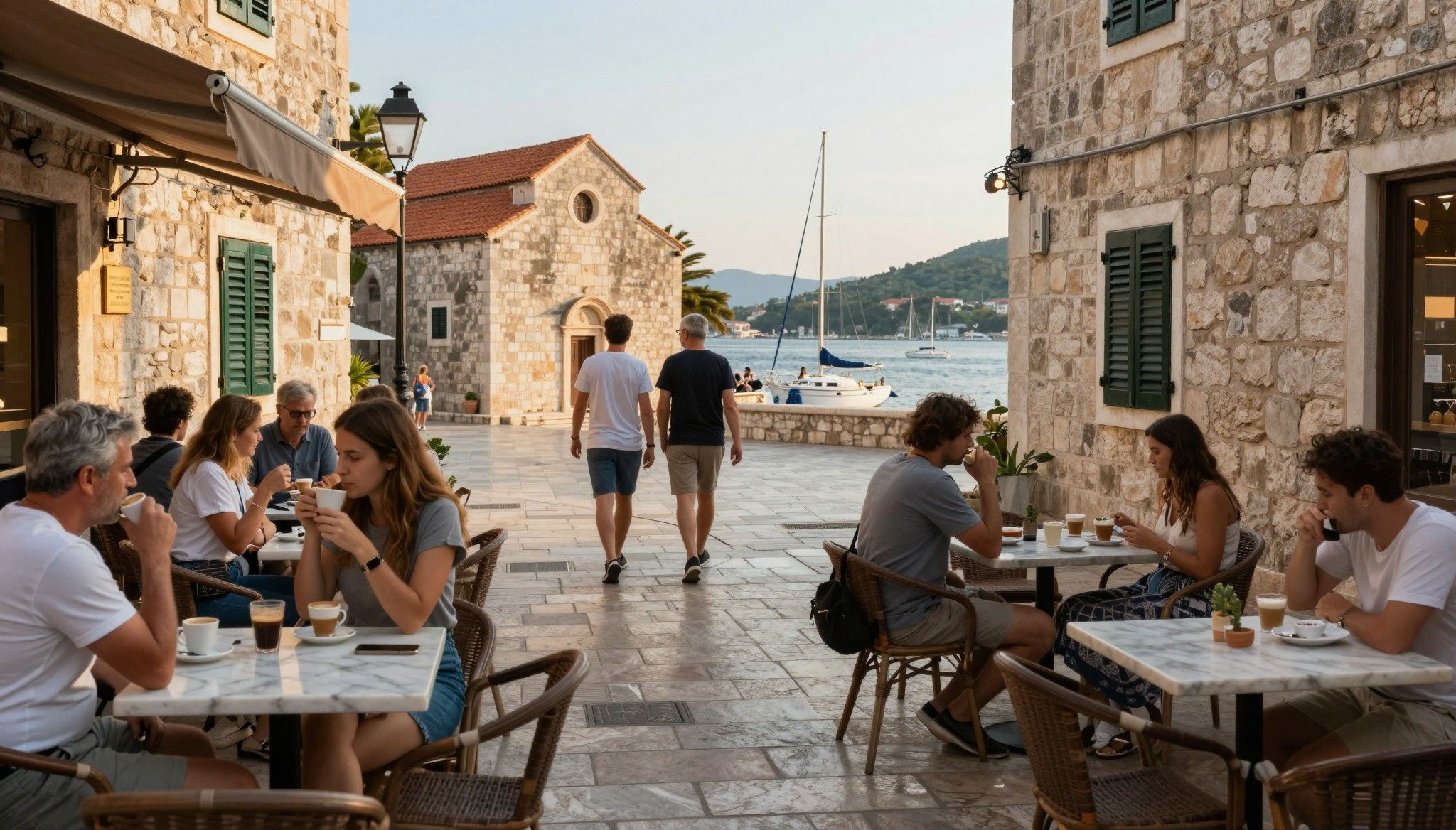
Imagine a morning in Split: espresso steaming at a sun-warmed table on Marmontova, fishermen unloading amber-lit catches at the Riva, and a late‑19th‑century townhouse—stone stairs worn soft by generations—waiting quietly for someone to restore its interiors. That sense of provenance is exactly why many international buyers travel to Croatia first for the life, then for the property. Yet the financial choreography behind such purchases — transfer taxes, VAT on new builds, reciprocity rules — changes how and when the dream should be realised. Recent market analysis shows uneven transaction volumes and a cautious market; understanding tax mechanics can convert seasonality and regulation into advantage.
Living the Croatian Life: sensory rhythms and neighbourhoods
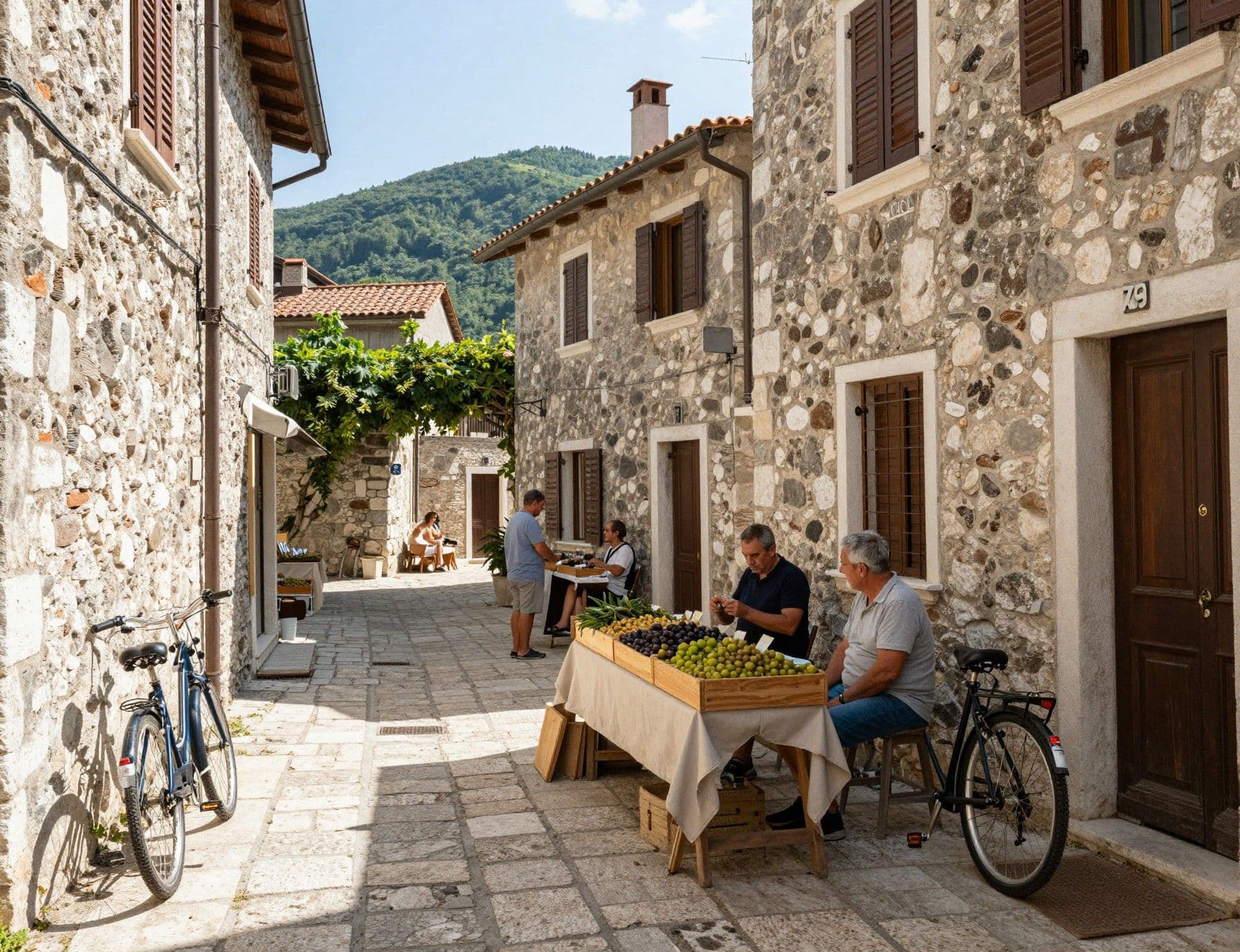
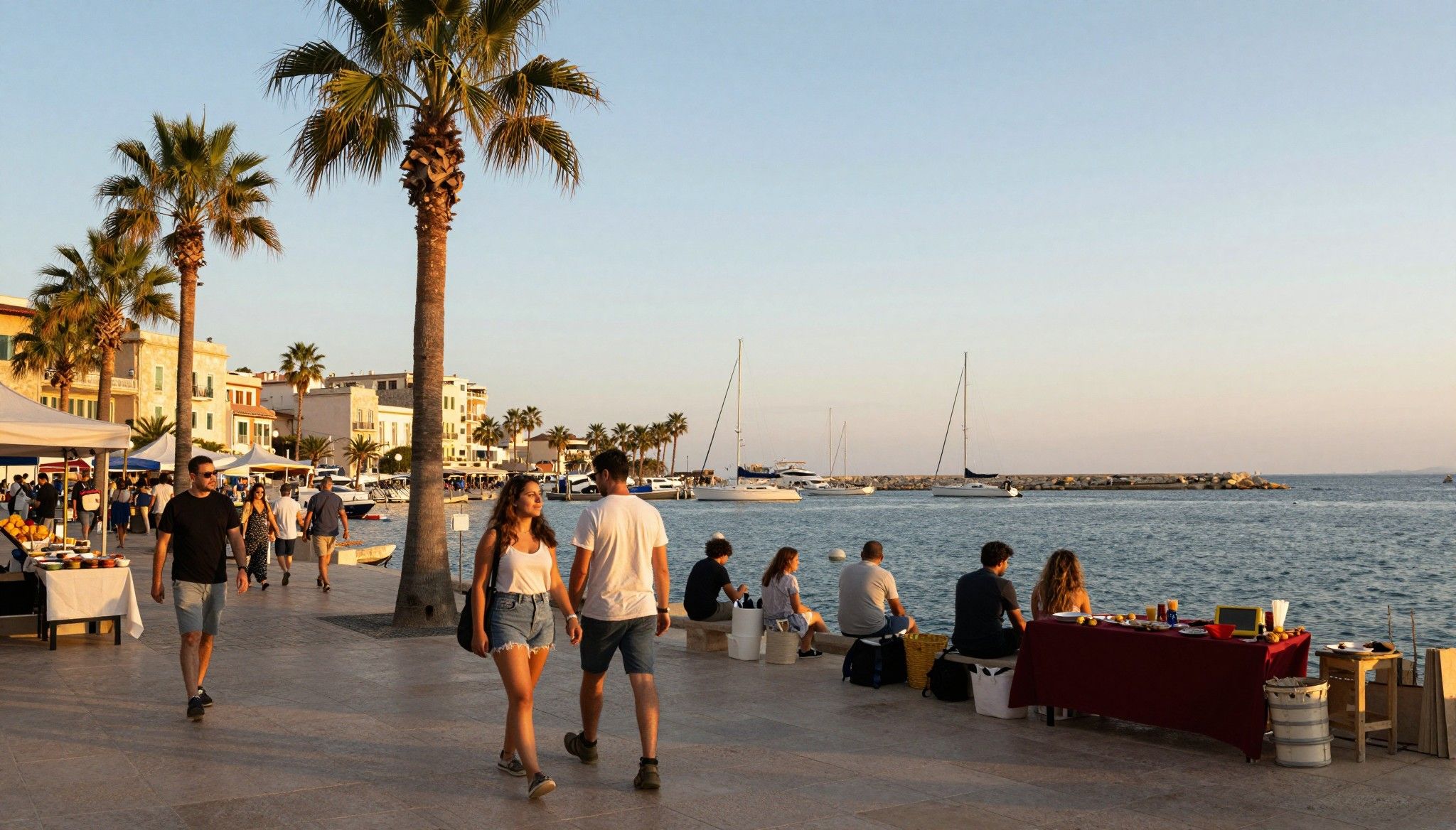
Croatia moves at a tempo that rewards small rituals. Mornings begin with espresso and a quick mercato sweep — fish, olive oil, late‑season figs — while afternoons find people on shaded promenades and evenings settle into long dinners of grilled scampi and dalmatian pašticada. The Adriatic defines more than the view; it dictates summer life on islands such as Hvar and Korčula, and sets a gentler rhythm in Istria and Zagreb’s more urban square life. For the buyer who cares about provenance and programme — a restored stone house with terracotta, a modern apartment with teak terraces — those rhythms determine which property types will feel like home.
Split & Diocletian’s Palace: daytime charm, evening discretion
Walk the lanes inside Diocletian’s Palace at dawn and you see the difference between a tourist postcard and residential life: laundry over limestone arches, shopkeepers opening shutters, and families buying bread at the same bakery for decades. Properties here are prized for fabric and location rather than square metres; restoration is the currency. Buyers should expect to prioritise heritage guidance, conservation permissions and a specialist architect who understands both Venetian façades and modern building systems to preserve the integrity that makes these homes valuable.
Istria’s hill towns and coastal coves: provenance in every stone
Motovun and Rovinj offer a quieter, terroir‑led life: truffle hunts, slow wines, and houses with thick walls that carry summer breeze and winter warmth. In these towns the lifestyle is agricultural and artisanal; properties often include small outbuildings, terraces and olive groves. For buyers drawn to farm‑to‑table living, Istrian purchases mean understanding local zoning for agricultural land, water access and renovation limits imposed by protected cultural areas.
Making the move: how tax rules shape timing and strategy

Beyond atmosphere, the purchase depends on clear legal steps. EU (and certain EEA/Swiss) citizens buy on equal footing with Croatian nationals, while many third‑country buyers must obtain approval from the Ministry of Justice — a process that can take several weeks and is governed by reciprocity. Tax treatment differs by the vendor: resale properties typically attract a flat 3% real‑estate transfer tax, while new builds sold by a company are usually subject to 25% VAT instead of the 3% transfer tax. These distinctions create tactical opportunities: timing a contract to fall under resale rules or to use corporate structures can materially change upfront cash needs.
Why the 3% transfer tax becomes a timing lever
A straightforward 3% transfer tax sounds simple until you look at how properties are classified and sold. If a developer offers a finished apartment with a company invoice, VAT applies; if an owner sells privately, the 3% transfer tax is due. For buyers who can be patient, focusing on resale listings over developer stock — particularly in cooler seasons when owners are more willing to negotiate — can reduce immediate tax outlay. Conversely, if a property is a new construction where VAT applies, buyers may reclaim VAT only in limited circumstances, so structuring the purchase with tax counsel matters.
Practical steps to use tax timing to your advantage
1. Identify whether the vendor is a private seller or a company; this determines transfer tax versus VAT. 2. If you are a non‑EU national, confirm reciprocity and prepare the Ministry of Justice application well before signing. 3. Ask for recent tax valuations and register the purchase promptly to avoid re‑assessment by tax authorities. 4. Arrange for a Croatian OIB (tax ID) and a local bank channel before funds move; delays can create costing mismatches.
Insider knowledge: what expats wish they’d known
Conversations with buyers reveal recurring surprises: the land registry details, old easements, and mismatched OIB numbers often cause delays; seasonal markets mean that a home that feels empty in winter will feel crowded in July; and renovation costs in older stone houses can uncover structural issues not evident at first view. Market reports have recorded variable transaction volumes across regions, reminding buyers that local liquidity matters. The pragmatic lesson is to match a lifestyle brief with a careful technical survey and tax plan before committing funds.
Cultural small print: language, community and stewarding a Croatian home
Learn a few phrases before negotiating; hire a lawyer who will explain local customs such as how long neighbours expect renovations to run and where municipal permissions are issued. In many towns residents value continuity — keeping a building’s rhythm intact — and municipal heritage rules can constrain visible changes even when structural work is allowed. Engaging a local architect and builder with proven restorations will protect both the home’s character and its market value.
Practical red flags and lifestyle trade‑offs
• OIB mismatch between seller and land registry — slow and fixable, but costly in time. • Properties marketed as 'sea‑view' but with shared access lanes; check privacy and access rights. • Off‑grid wells and septic systems that require modernisation — budget for these when restoring heritage houses. • VAT vs transfer tax confusion on contracts — always confirm which applies before deposit. • Rental licence limits in historic centres — if you intend short‑term lets, verify municipal rules.
For buyers who plan to rent, national market research shows steady interest in coastal holiday lettings, but yields depend on seasonality and municipal rules. Institutional reports note pockets of yield compression in well‑traveled corridors and steadier demand for quality long‑let apartments in larger cities. A local agent with experience across seasons will help align your rental expectations with realistic net return after taxes, maintenance and management.
A gentle checklist before you sign
1. Secure an OIB (Croatian tax number) and, if needed, ministry consent for non‑EU buyers. 2. Commission a land‑registry extract and technical survey; verify encumbrances and easements. 3. Confirm whether the sale is subject to 3% transfer tax or 25% VAT, and model cashflow accordingly. 4. Agree who pays notary and registration fees in writing and allow contingency for conservation‑grade works. 5. Retain a Croatian lawyer experienced in real estate and a local architect for restorations; their fees protect value in the long term.
If you have a clear lifestyle brief — coastal stone house with a studio for guests, a Zagreb pied‑à‑terre, or a small vineyard in Istria — let the tax strategy follow the brief rather than lead it. Thoughtful timing, the right team, and an appetite for stewardship will turn Croatian architecture and seasonal life into a home that feels inevitable rather than purchased.
Next steps: begin with conversation, not commitment. Speak with a Croatian property lawyer and an agency versed in seasonal market rhythms; ask them to run two scenarios (resale vs new build) showing upfront taxes and a five‑year cashflow including likely renovation and management costs. These numbers will show whether the 3% transfer tax is a saving or a symptom of a more complex deal structure — and more importantly, whether the property will support the life you imagine.
Former Copenhagen architect who relocated to Provence, offering relocation services, market analysis, and a curator’s eye for authentic regional design.