Malta: Neighbourhoods, Provenance and Practicality
A sensory tour of Malta’s neighbourhoods with research-backed market context—how scarcity, tourism and provenance shape where you should buy.
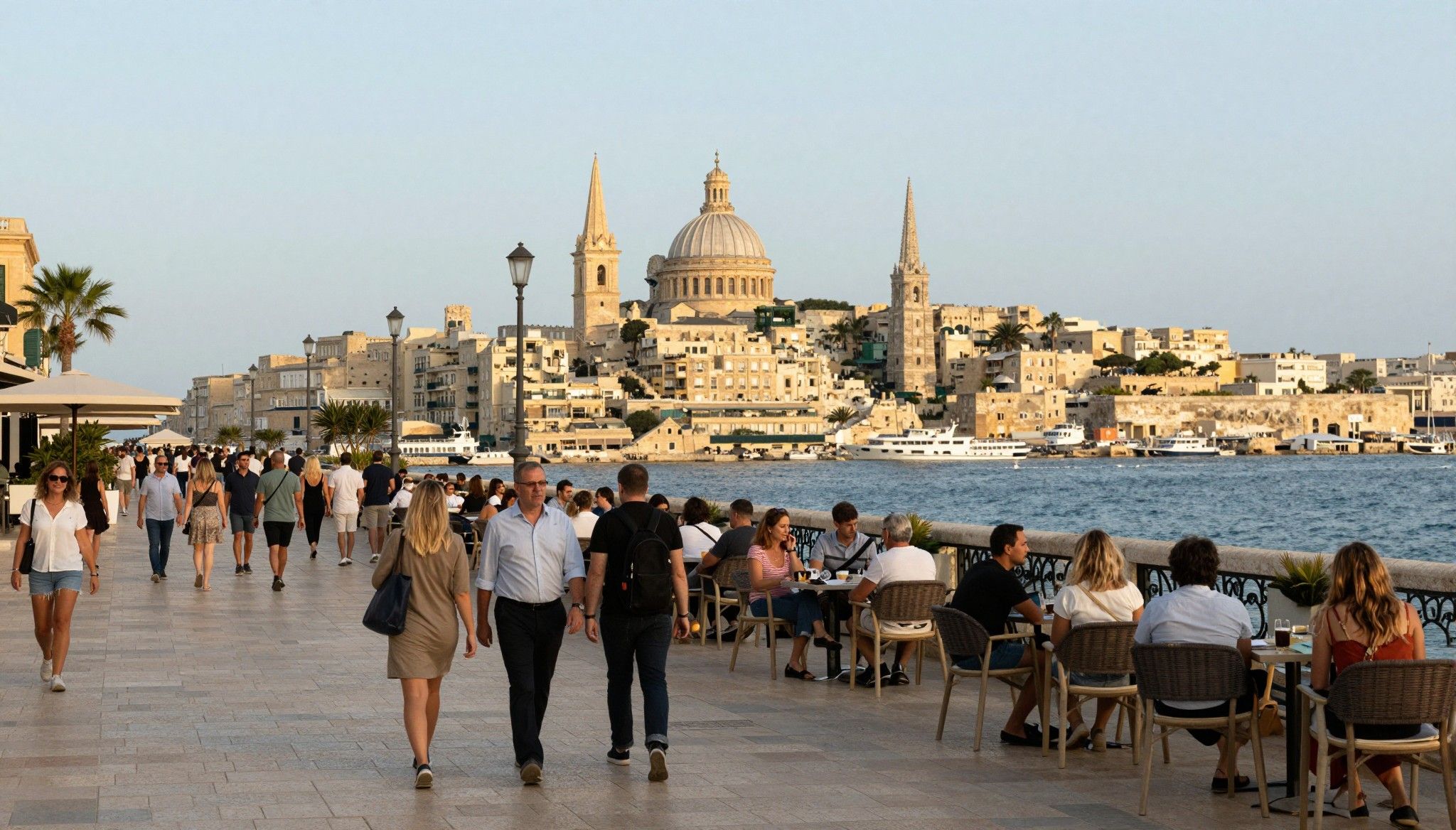
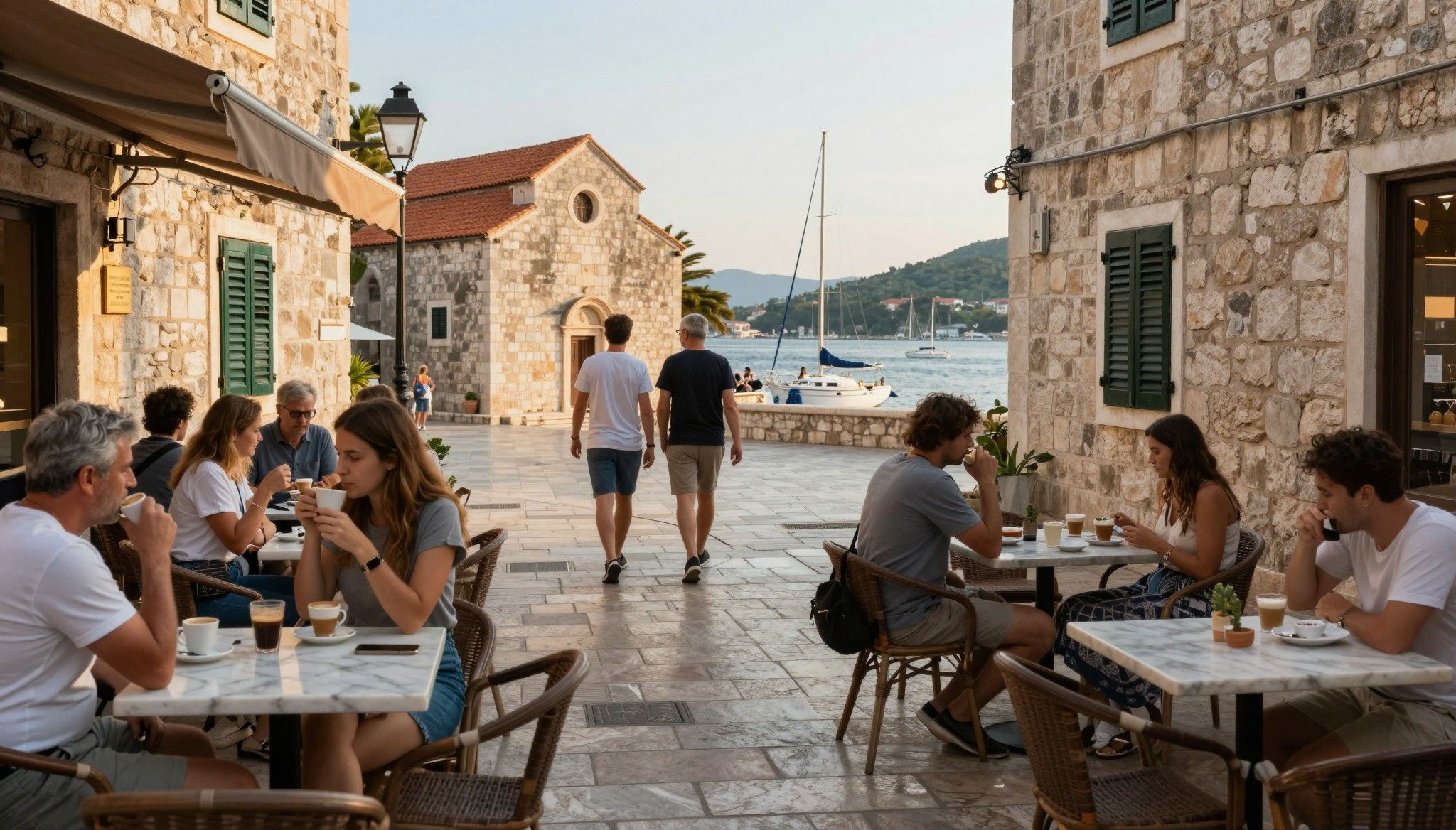
Imagine an early morning in Valletta: espresso steam rising against honeyed limestone façades, a fisherman unloading nets at the Grand Harbour and a neighbour sweeping the steps of a 17th‑century palazzo. Malta is compact enough that these quotidian moments—market chatter on Triq San Pawl, aperitivi by the promenade in Sliema, children chasing pigeons in Mdina’s silent streets—become the architecture of daily life. For international buyers, that intimacy is the appeal; for long‑term stewardship it is the constraint.
Living the Malta life: density, light and intimacy
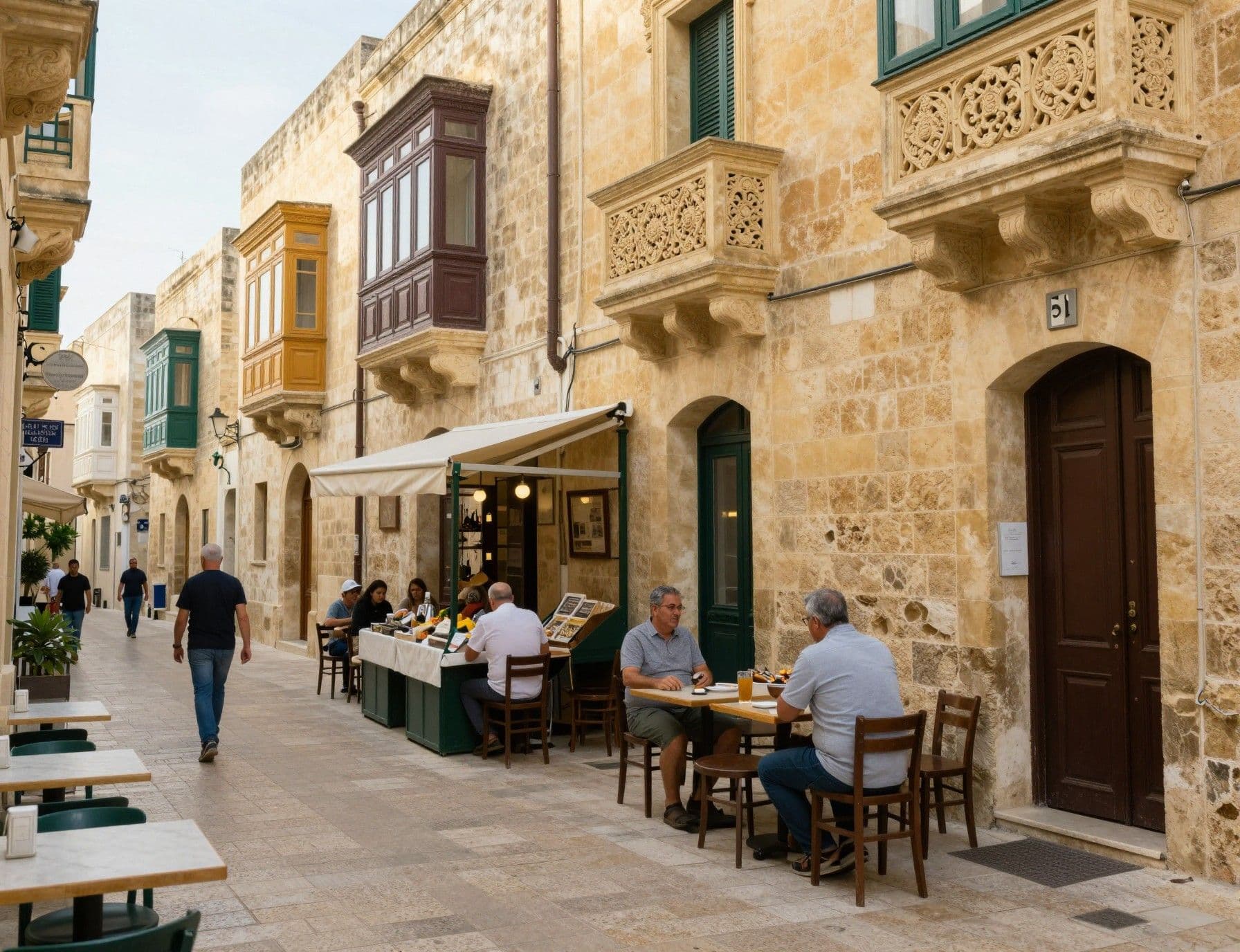
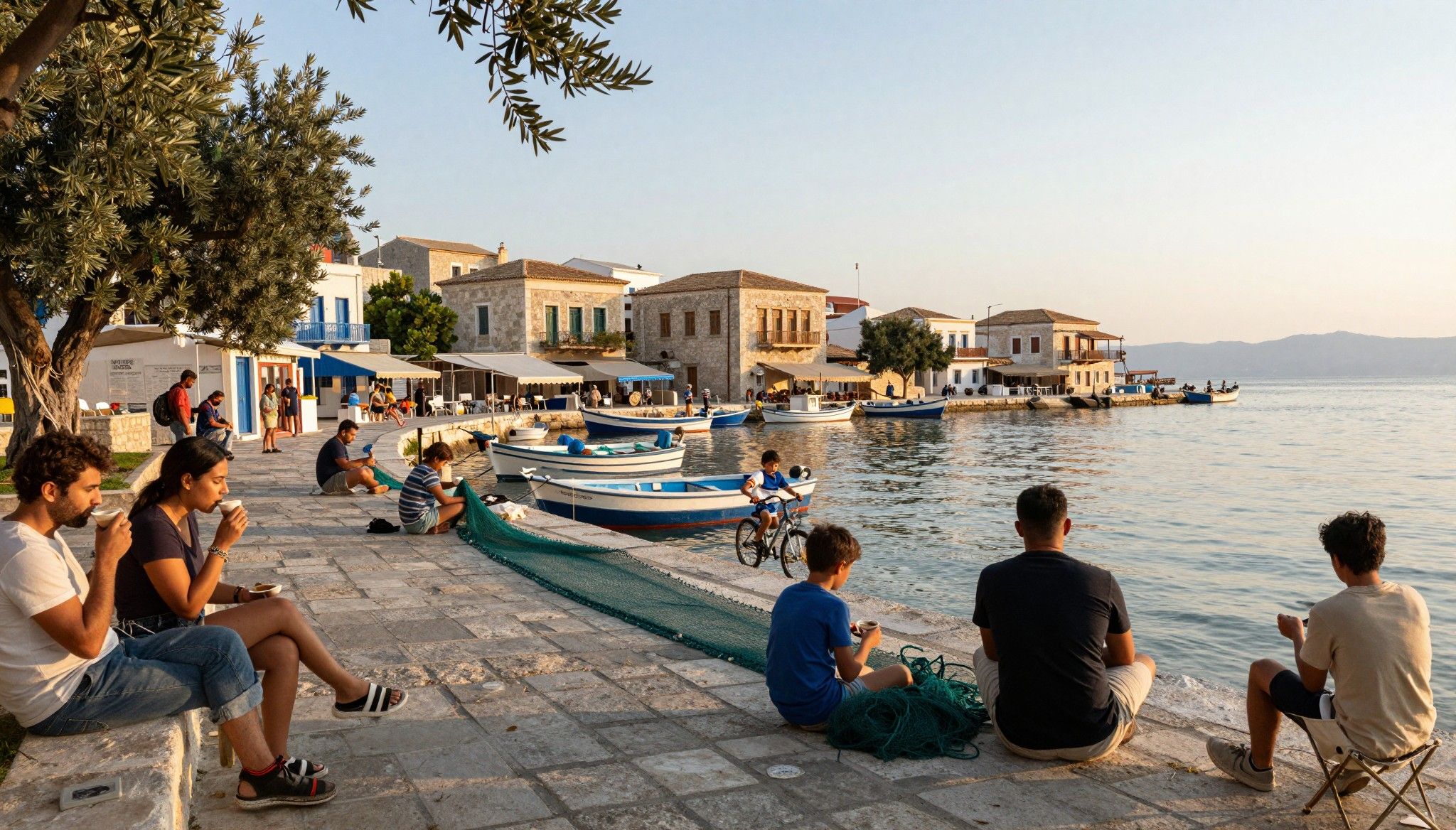
Malta’s rhythm is Mediterranean but compressed: seasons are short, distances are polite, and every neighbourhood has a distinct cadence. Mornings are for cafés and errands, afternoons for siesta‑slow promenades and markets, evenings for long dinners that stretch into candlelit lanes. The island’s density—one of the highest in Europe—means that you can live beside both a baroque church and a working harbour; the trade‑off is that privacy and land are scarce commodities, which shapes both price and provenance.
Valletta and the Three Cities: formal charm, quiet stewardship
Valletta’s coiffed streets and grand entrances suit buyers who prize architectural pedigree: stone cornices, carved stone balconies and palazzo layouts that welcome careful restoration. Across the Grand Harbour, the Three Cities—Vittoriosa, Senglea and Cospicua—offer weathered facades, quieter quays and properties where a considered conservation project can add measurable value. Mdina, the silent city inland, trades bustle for a curated tranquillity and a small cluster of character homes.
Sliema, St Julian’s and the coast: daylife, cafés and compact seafront living
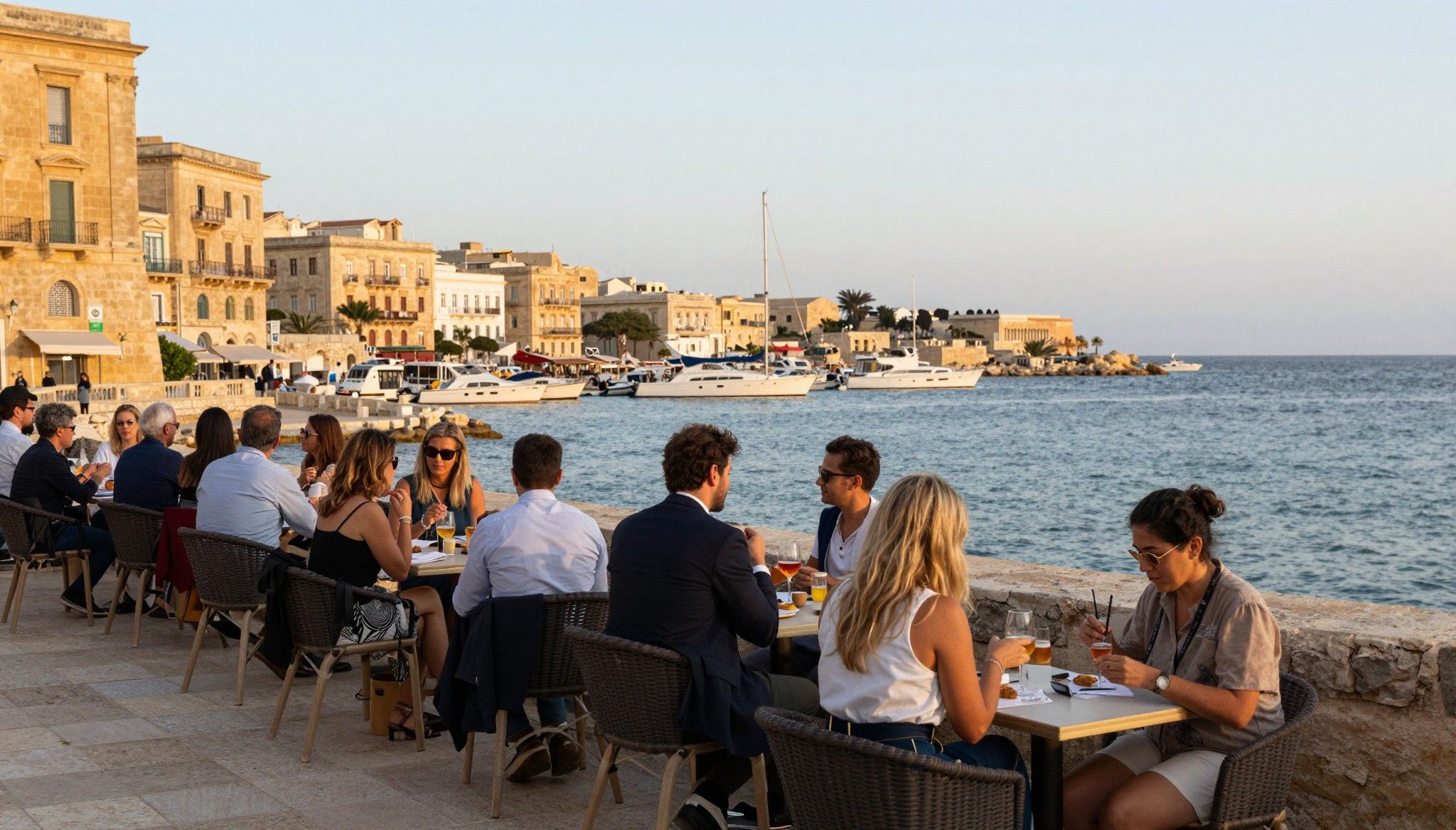
If you imagine mornings on a promenade and dinners with a harbour view, Sliema and St Julian’s deliver. Apartments here are often modern or sensitively refurbished, oriented to sea light and fast social life. Expect cafés with outdoor seating, boutique grocery shops, and a rental market energized by short‑let demand—advantages for yield‑minded buyers but a factor in long‑term neighbourhood character.
- Marketable lifestyle highlights
- Morning espresso on Valletta’s Republic Street; late afternoons at Sliema’s promenade
- Fresh fish and local produce at Marsaxlokk market on Sundays
- Weeknight passeggiata in Mellieħa or a cliff walk at Dingli for sea views
Making the move: lifestyle wants meet market realities
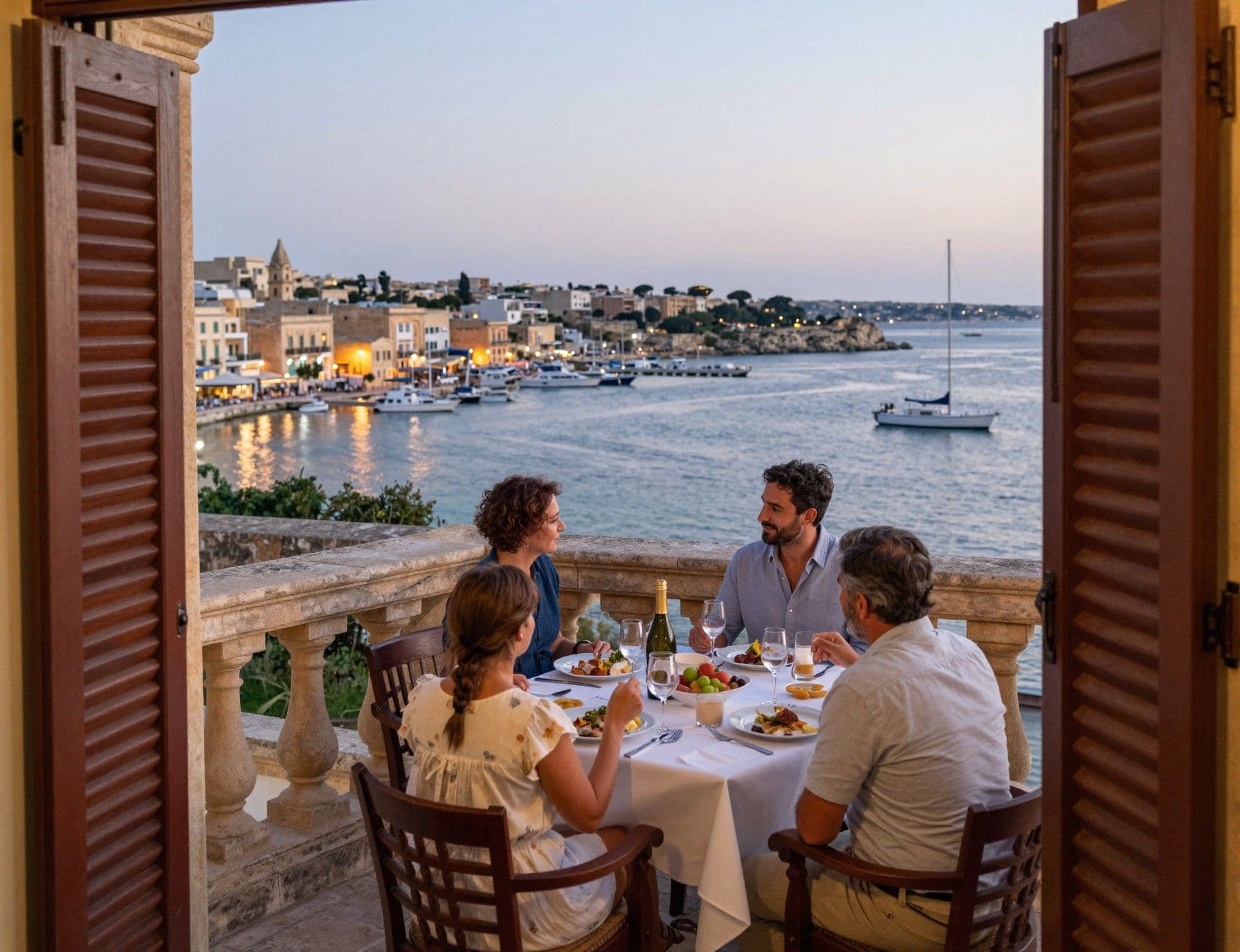
The romance of place must be balanced with realities. National statistics show steady price appreciation—NSO data recorded a notable RPPI uptick through 2024—while analysis of dwelling value highlights how land scarcity has driven a near tripling of housing worth over a decade. For an international buyer that means three practical truths: location premium, limited supply of generously proportioned homes, and a market where careful provenance matters as much as spectacle.
Property styles and how they shape daily life
Malta offers maisonettes, traditional townhouses, and contemporary apartments. Maisonettes and townhouses afford outdoor courtyards and roof terraces that extend living; apartments deliver proximity to services and glazed vistas. PwC’s market commentary notes stronger luxury segment growth, so match property type to how you intend to live: a terrace for dinners, a restored townhouse for a layered household, or an apartment for urban ease.
Working with experts who understand place and provenance
Engage a local agent experienced in conservation projects and the island’s planning nuances. 1) Ask for examples of completed restorations and references. 2) Prioritise agents who can frame rental dynamics alongside stewardship. 3) Insist on clarity about permitted alterations in conservation zones. 4) Use local solicitors with repeated cross‑border experience to streamline conveyancing. 5) Commission a staged inspection that accounts for stone fabric, moisture ingress and services.
Insider knowledge: what expats wish they’d known
Expats often remark that Malta is easier to live in than to buy into. English is official and everyday life is practical, yet the island’s popularity with tourists and short‑term rentals means that neighbourhood character can pivot quickly with season. NSO tourism metrics underline how visitors swell the effective population—an important consideration when assessing quiet‑season authenticity versus high‑season energy.
Cultural integration and daily rituals
Joining local life is straightforward: markets, festa celebrations and club‑based sports are the social scaffolding. Learn a few Maltese phrases, attend a village festa, and you quickly unlock invitations and goodwill. Yet be mindful of local rhythms—Sunday is family day, and planning permissions are debated at the municipal level—so patience and respectful stewardship win more than urgency.
Looking ahead: sustainability and long‑term value will hinge on supply response and careful stewardship. International buyers who treat a Maltese property as a legacy asset—preserving stonework, respecting urban grain and engaging with neighbours—will find both superior living and resilient value as the market responds to constrained land and consistent demand.
- Practical takeaways for international buyers
- Prioritise proximity to daily life—markets, cafes, transport—over headline views if you seek lived authenticity
- Insist on documented restoration histories and detailed surveys for older stone houses
- Consider the rental market seasonality before assuming year‑round yield
- Next steps: 1) Shortlist two neighbourhoods that match your daily life vision. 2) Request comparable sales and RPPI context from your agent. 3) Book viewings in both high and low season, or ask for recent short‑stay reviews. 4) Commission a conservation‑aware survey before offer.
Malta rewards the buyer who sees beyond the postcard: the true pleasure is everyday ritual—neighbourly conversation, market produce on a terrace, a church bell at dusk. Pair that sensibility with local expertise, a careful inspection regime and an appreciation for provenance, and the island becomes not a weekend fantasy but an inhabitable legacy.
Having moved from Stockholm to Marbella in 2018, I help Scandinavian buyers navigate Spanish property law, restoration quality, and value through authentic provenance.