Italy: How Lifestyle Choices Shape Cost and Value
Italy’s varied daily rhythms shape where to buy: pick the neighbourhood that matches your mornings, budget regionally, and plan for seasonal realities backed by market data.
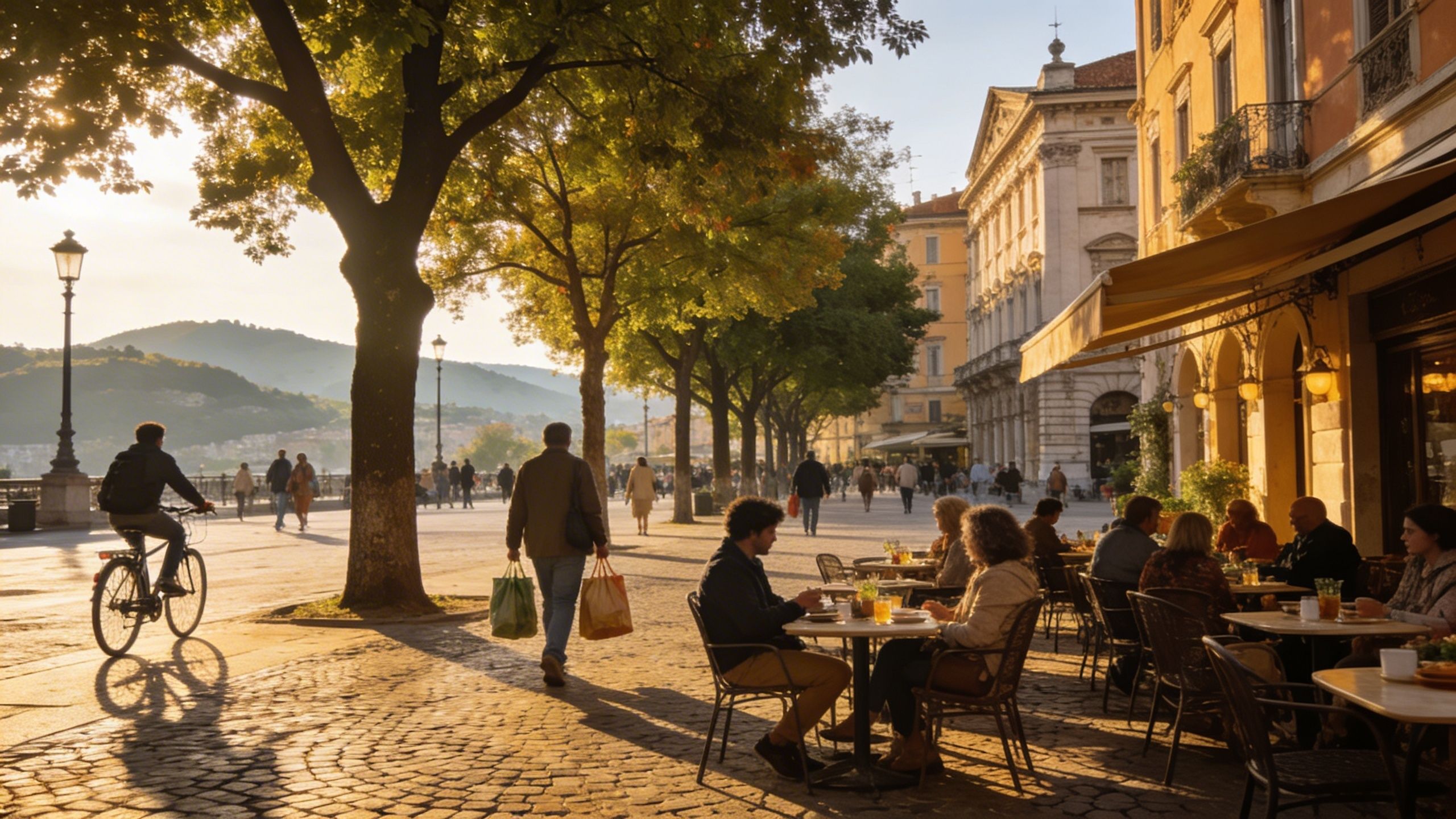
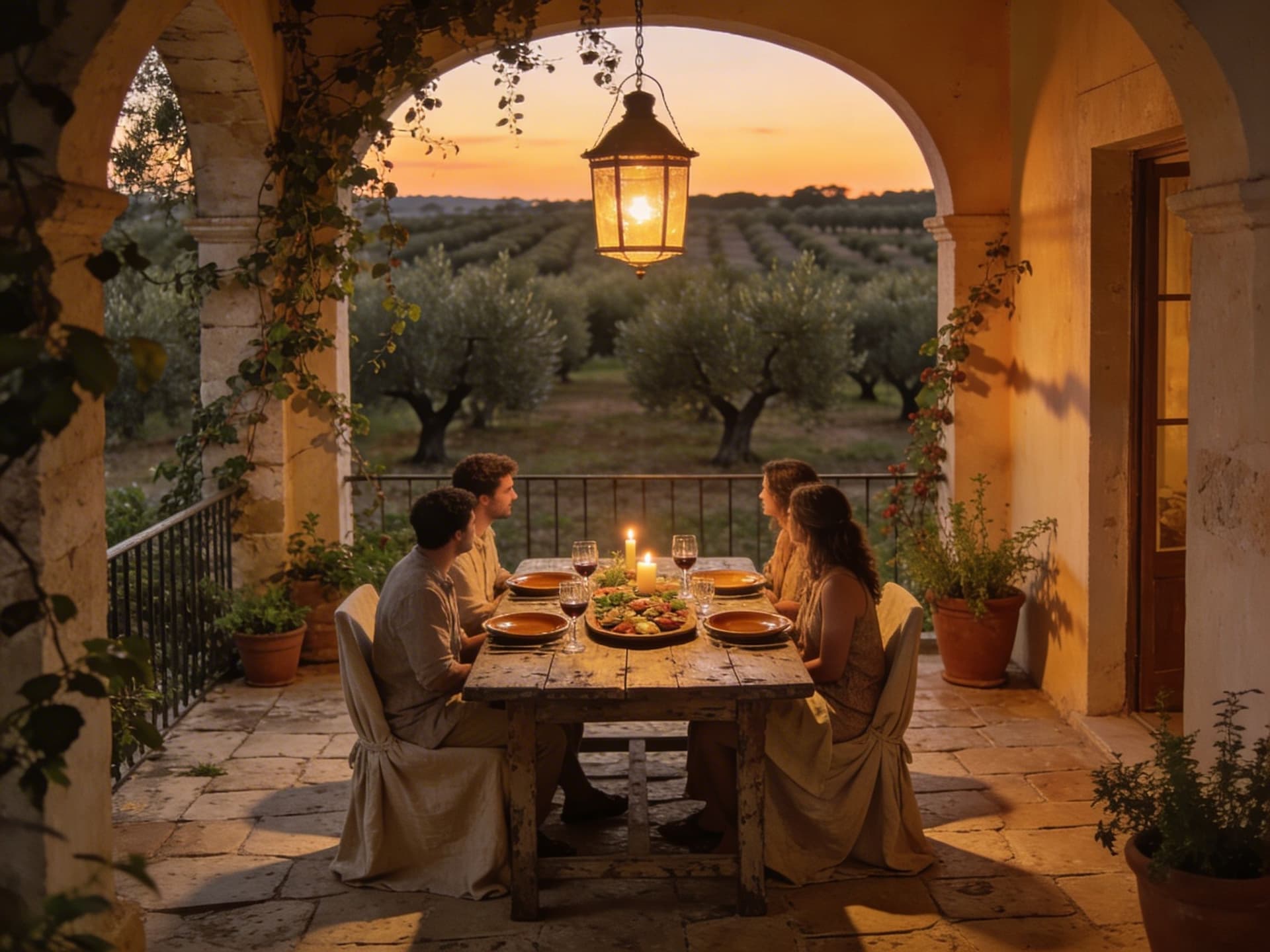
Imagine waking to the bell‑ring of a neighbourhood barista in Trastevere, buying glossy red pears at the Mercato Centrale in Florence, and closing your day on a terrazzo that looks out across olive groves. Italy is not a single rhythm; it is a dozen rhythms stitched together—city mornings, coastal afternoons, hilltop evenings—and that variety is what makes the country so alluring for long‑term buyers.
Living the Italy lifestyle: daily textures and neighbourhoods
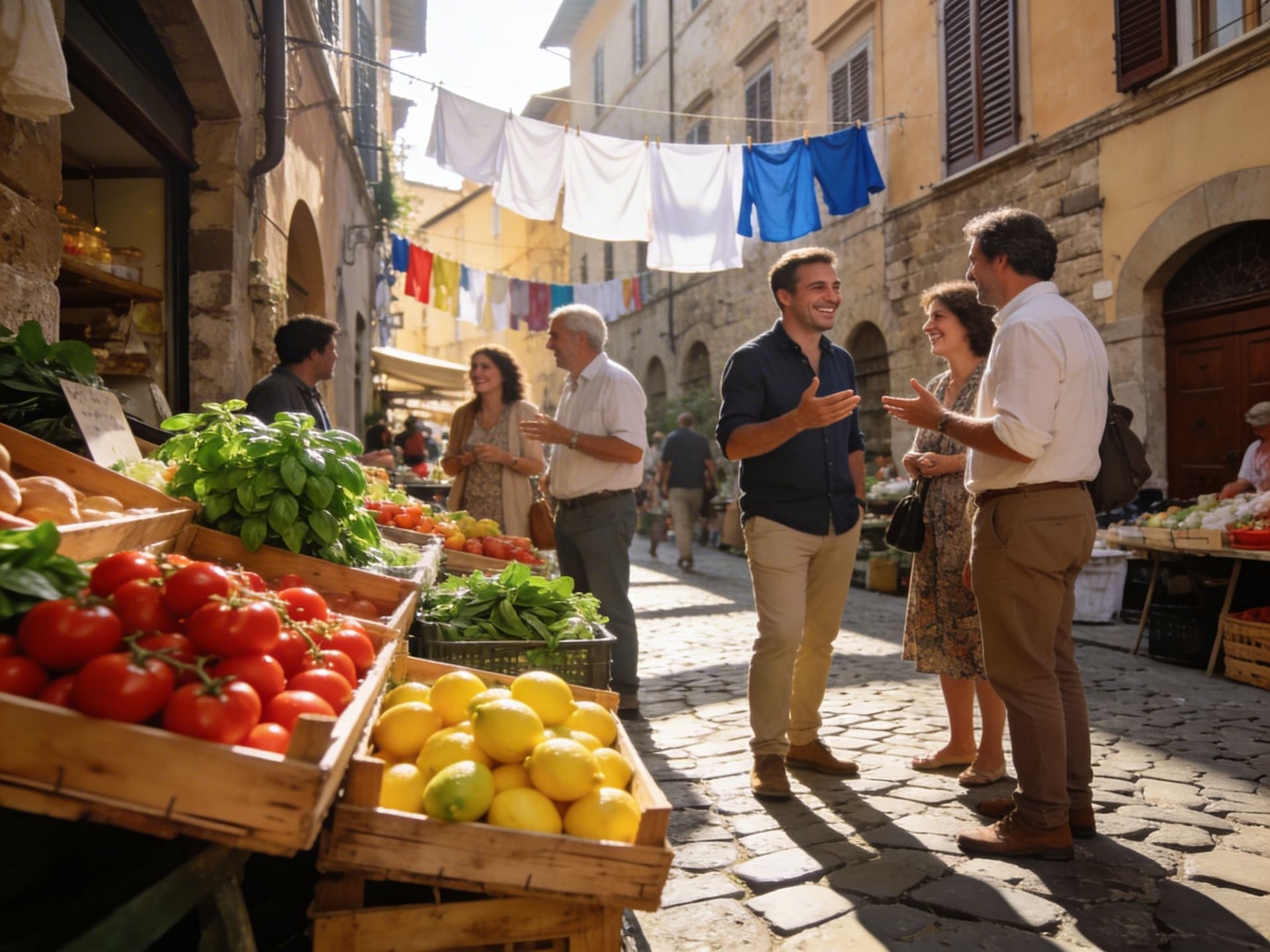
Life in Italy arranges itself around small daily pleasures: a morning espresso, a market run for seasonal produce, a late afternoon passeggiata. Urban neighbourhoods present a careful choreography—Milan’s elegante Corso Como, Rome’s layered streets in Trastevere, Florence’s quiet Oltrarno—each with a particular tempo that influences the kind of property that fits your life. Market signals show steady interest in both prime city cores and characterful regional towns, making lifestyle choice central to value. (See market context from national listings and regional reports.)
Neighbourhood spotlight: Oltrarno and Trastevere—artisans, piazzas, and late light
In Florence’s Oltrarno, craftsmen still cut and finish leather in small workshops; in Rome’s Trastevere, cobbled lanes preserve an evening energy that resists tourist flattening. These quarters reward curiosity—a small osteria with house‑made pasta, a bookshop that knows your name—and they lend themselves to apartments with high ceilings, original cornice, and modest terraces. Even in cities undergoing regeneration—Genoa, for example—local character anchors demand and can improve long‑term desirability when public investment arrives.
Food, markets and seasonality: how cuisine shapes address choice
Markets are not tourist props: they are the calendar of local life. Choosing a property a five‑minute walk from a morning mercato or an afternoon alimentari means liveable convenience and a daily connection to seasonality. Coastal buyers will trade proximity to a lido for quieter winter months; wine‑country buyers accept a longer drive to services for the reward of vineyards and light. These practical trade‑offs should guide both lifestyle and valuation expectations.
Lifestyle highlights: Oltrarno workshops, Trastevere piazzas, Mercato Centrale (Florence), Marina Grande (Sorrento), Via Veneto mornings, Amalfi‑coast sunsets
Making the move: practical considerations that preserve the lifestyle
The romance of Italian life must be balanced with measurable realities. Inflation has been moderate in recent years according to official statistics, but food and services—what you will spend for daily life—show regional variation. Property markets are similarly uneven: Milan and Rome command premium per‑square‑metre prices, while Puglia, Sicily and many inland areas offer space and provenance at a fraction of city rates. Knowing these gradients helps you choose an address that matches both appetite and fiscal sense.
Property styles and what they mean for living (historic palazzo, country masseria, seaside apartment)
A centuries‑old palazzo in a city centre offers volume, original mouldings and proximity to culture, but typically requires higher maintenance and careful heating solutions. A Puglian masseria delivers land, olive trees and a slower year, yet needs water and roofworks attention. Seaside apartments trade private garden for immediate access to the coast and simpler upkeep. Match the building type to your daily routines: if mornings must begin with a market, prioritise walkability; if privacy and light matter, choose a property with outdoor space even if it sits outside the core.
Working with local experts who know the life you want
An agent who understands craftsmen, renovation norms, and who can introduce you to the local conservatory for planning enquiries is worth their weight in time saved. Seek advisers who can show previous restorations, explain seasonal running costs, and place you in communities rather than solely in a building. Their local network will protect you from common mismatches—beautiful properties poorly sited for daily life.
Practical steps that preserve lifestyle and value: 1. Prioritise a brief walk to essential services (market, pharmacy, café). 2. Budget for realistic running costs based on region, not national averages. 3. Inspect heating, water and insulation—older homes conceal seasonal costs. 4. Confirm planning constraints for façade and interior alterations. 5. Meet neighbours: community fit often determines long‑term satisfaction.
Insider knowledge: expat truths, seasonal realities and hidden costs
Expats quickly learn that Italian life is shaped by season and service rhythms. Many small businesses close in August for a fortnight of holidays; banks and municipal offices keep particular hours. These cycles affect everything from renovation timelines to utility responsiveness. Another frequent surprise is that municipal property taxes and service charges can vary sharply by region—budgeting with local figures avoids unwelcome surprises.
Cultural integration: language, community and everyday customs
Learning Italian opens doors to quieter neighbourhoods and artisan advice; in practice, a little language goes a long way at the market, with builders, and at the municipal office. Regular, small gestures—knowing the barista’s name, attending the local festa—accelerate acceptance. Many expatriates find that volunteering at a community event or joining a local association is the fastest route to genuine belonging.
Long‑term lifestyle: stewardship, heritage and future value
Buying in Italy is often an act of stewardship: preserving craftsmanship, maintaining stonework, and understanding local conservation rules. Those who invest in sensitive restorations—respecting materials and setting—commonly see both a richer life and steadier capital appreciation. Consider whether you want a property to pass to family, generate seasonal rental income, or simply provide a slow‑moving retreat; each choice alters purchase priorities and fiscal planning.
Red flags and less obvious costs to check before you sign: hidden damp in basements; obsolete electrical systems; communal building reserves (condominio) that are underfunded; stringent conservation restrictions on façades; seasonal accessibility for services in small towns.
Conclusion: Italy asks for curiosity and care. The reward is a life threaded with markets, seasons, food and craft—addresses that reward patient stewardship. For buyers who wish to translate a lifestyle into a secure purchase, begin with a clear list: what kind of mornings matter, what you cannot live without within ten minutes, and which compromises you accept for light, land or history. A locally rooted advisor will then translate those answers into addresses that feel like home.
Dutch former researcher who moved to Lisbon, specialising in investment strategy, heritage preservation, and cross-border portfolio stewardship.