Greece: Where Lifestyle Choices Outweigh Hype
A lifestyle‑first look at Greece: where to live, when to buy and which regions now outshine the islands—backed by market data and residency law updates.
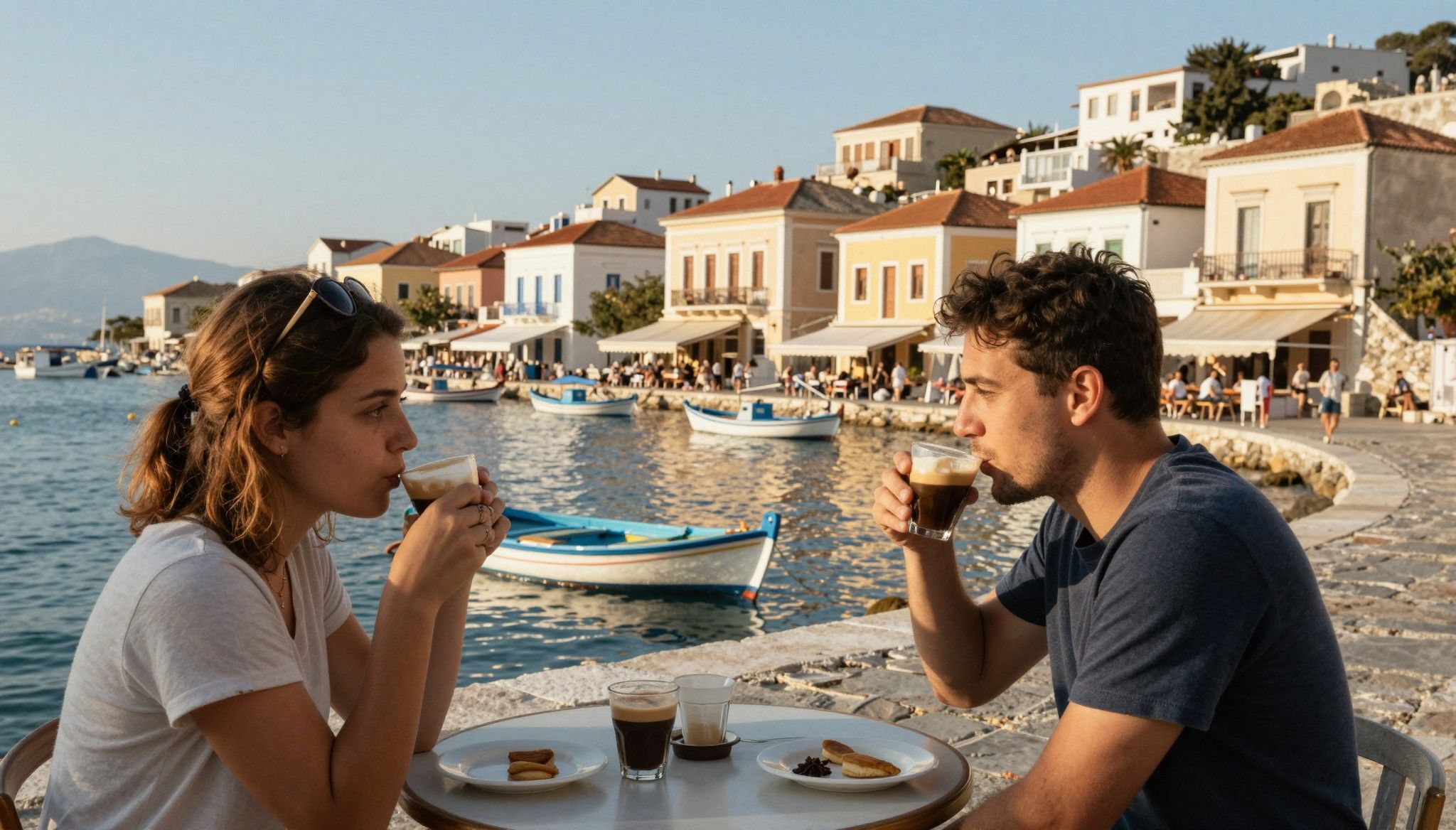
Imagine waking to the smell of freshly baked koulouri, stepping out onto a narrow stone lane where a barista knows your order, and walking five minutes more to a terrace that frames the Aegean. Greece is compact in its pleasures and capacious in its histories: sunlit courtyards, Byzantine churches tucked into coastal villages, and contemporary apartments that open onto bougainvillea-draped balconies. For many international buyers the dream is precise — living within a neighbourhood's daily rituals rather than owning a vacation postcard. Yet the market that sells this life is evolving rapidly; where once islands were the sole prize, mainland corridors and secondary cities now offer equal measures of cultural richness and value.
Living the Greece Lifestyle: Senses, Streets and Seasons
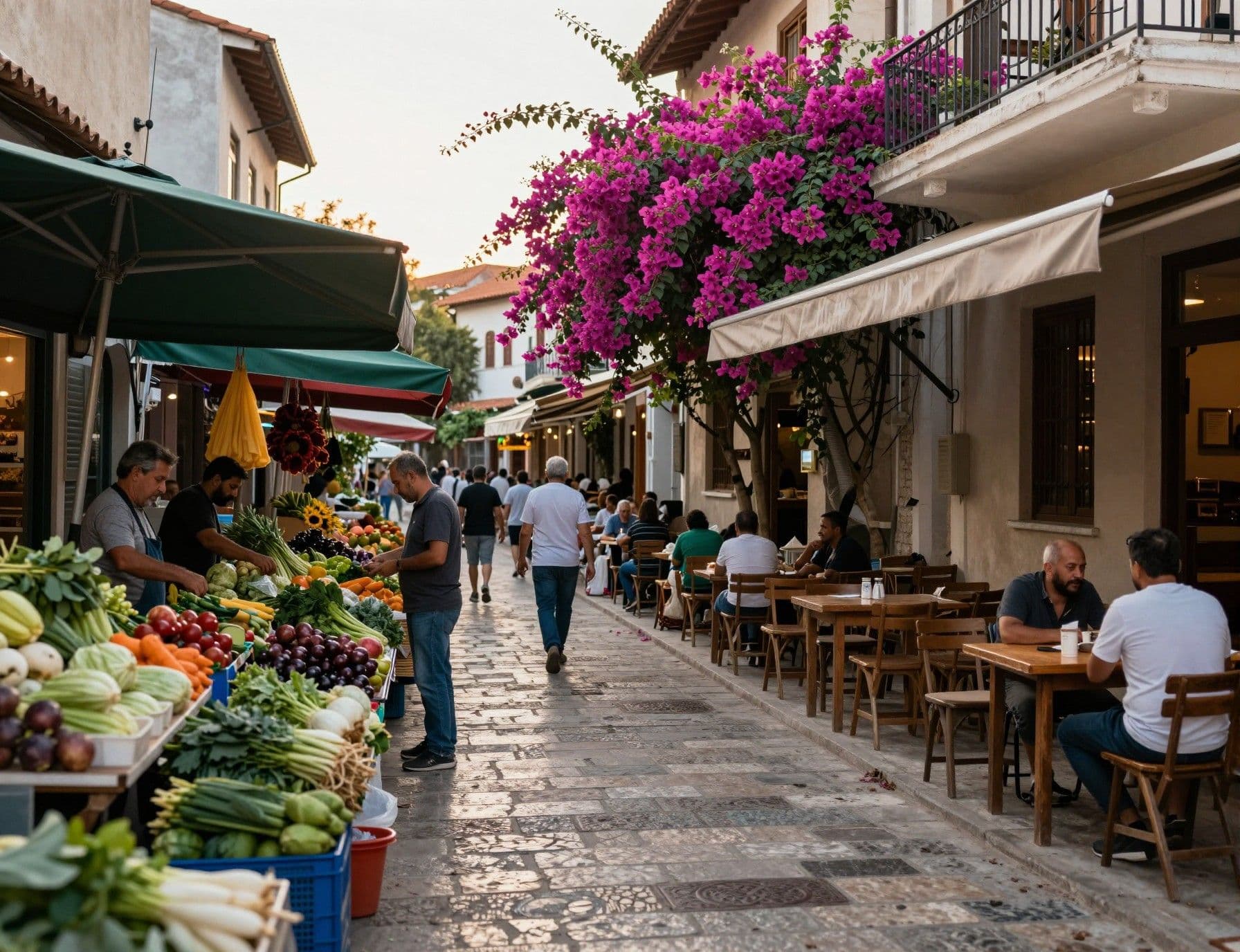
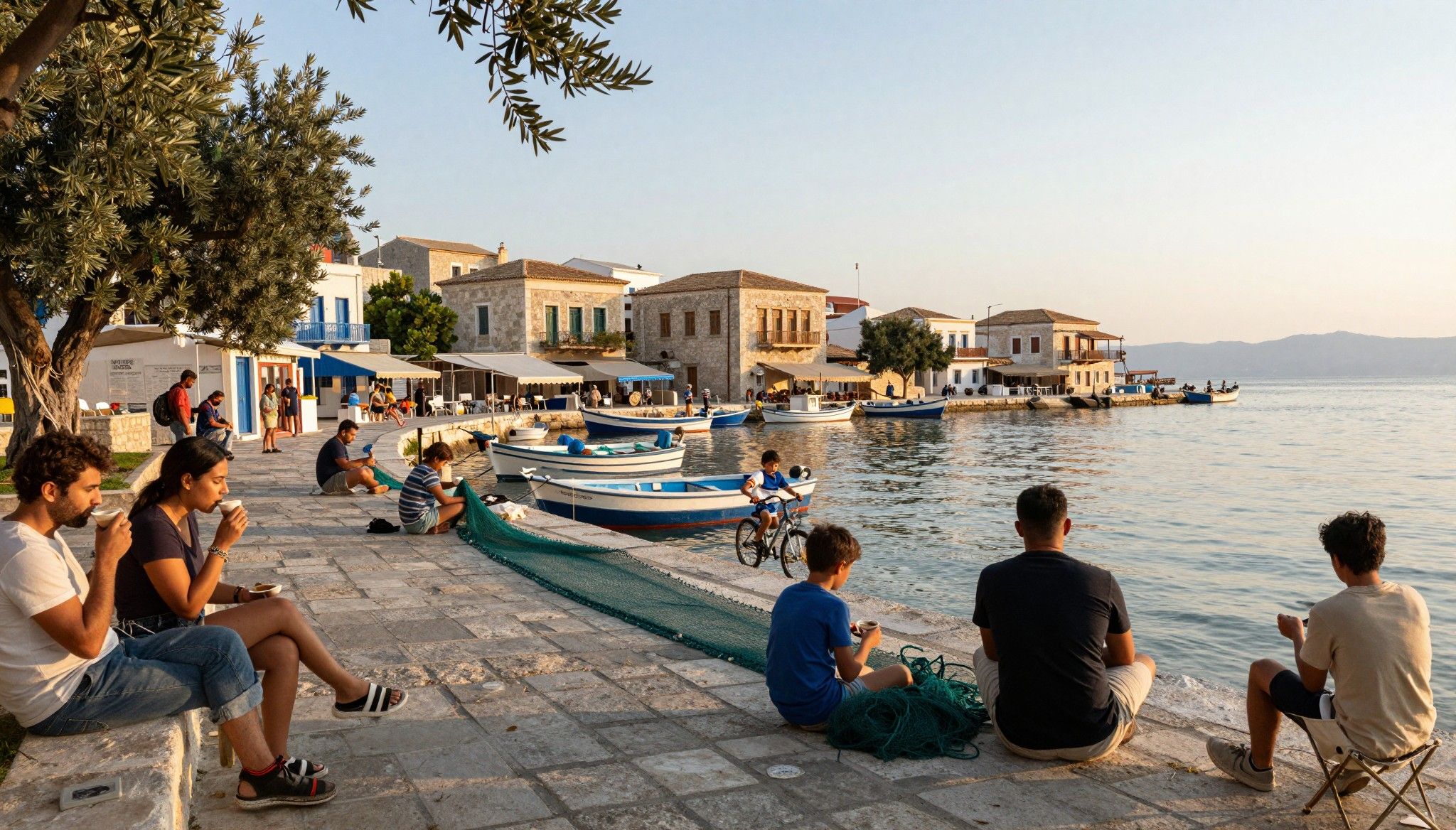
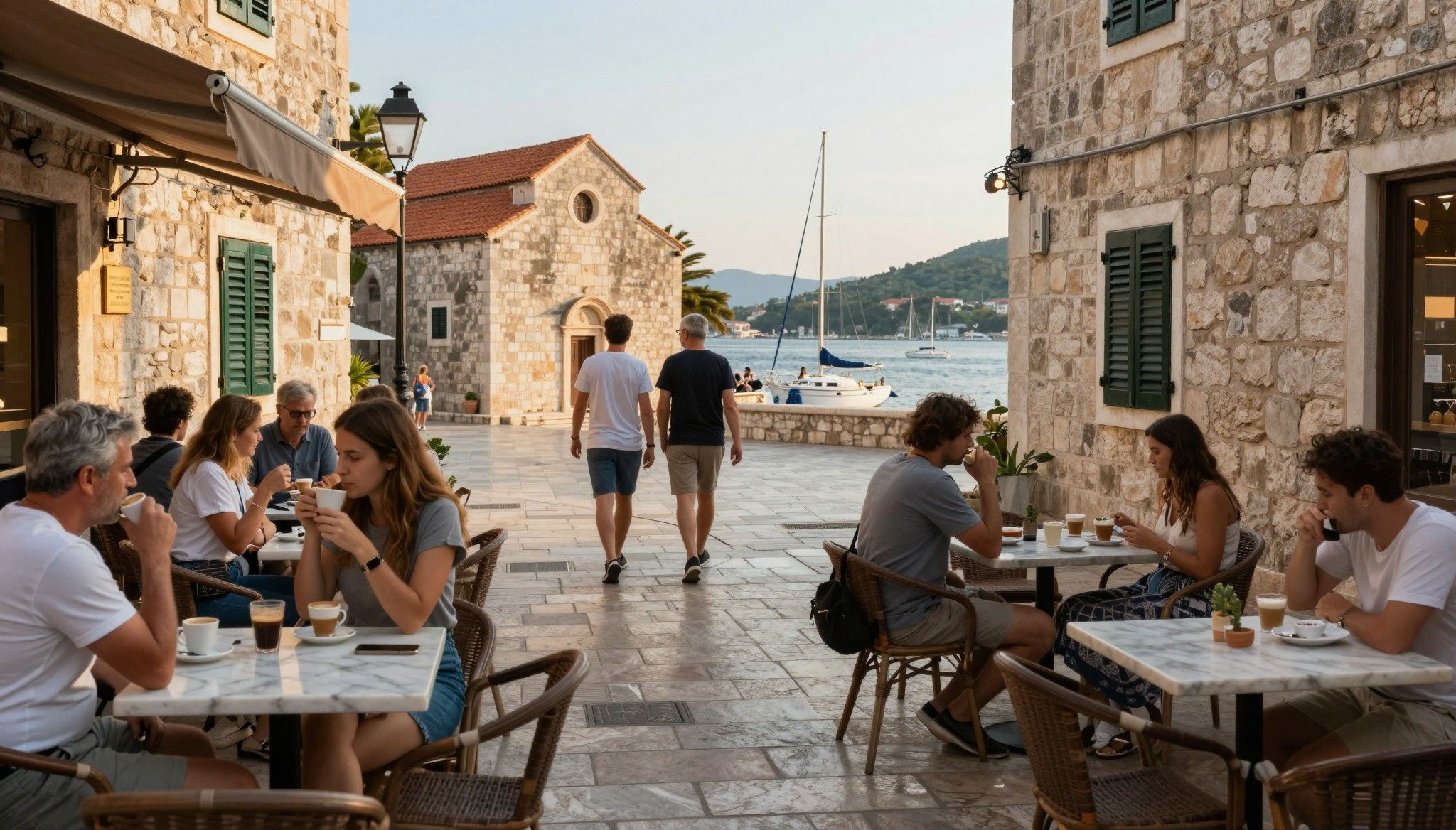
To live well in Greece is to accept a measured tempo. Mornings belong to coffee—freddo espresso in Athens, thick filter coffee on the islands—while afternoons can be for siesta or a long lunch. The week folds into market days, coastal swims and late-evening walks. Which neighbourhood you choose determines whether your life is ocean-fronted ritual (the Cyclades), intellectual and leafy (Thessaloniki), or urbane and discreet (Kolonaki in Athens).
Athens: From Koukaki's alleys to Kolonaki's salons
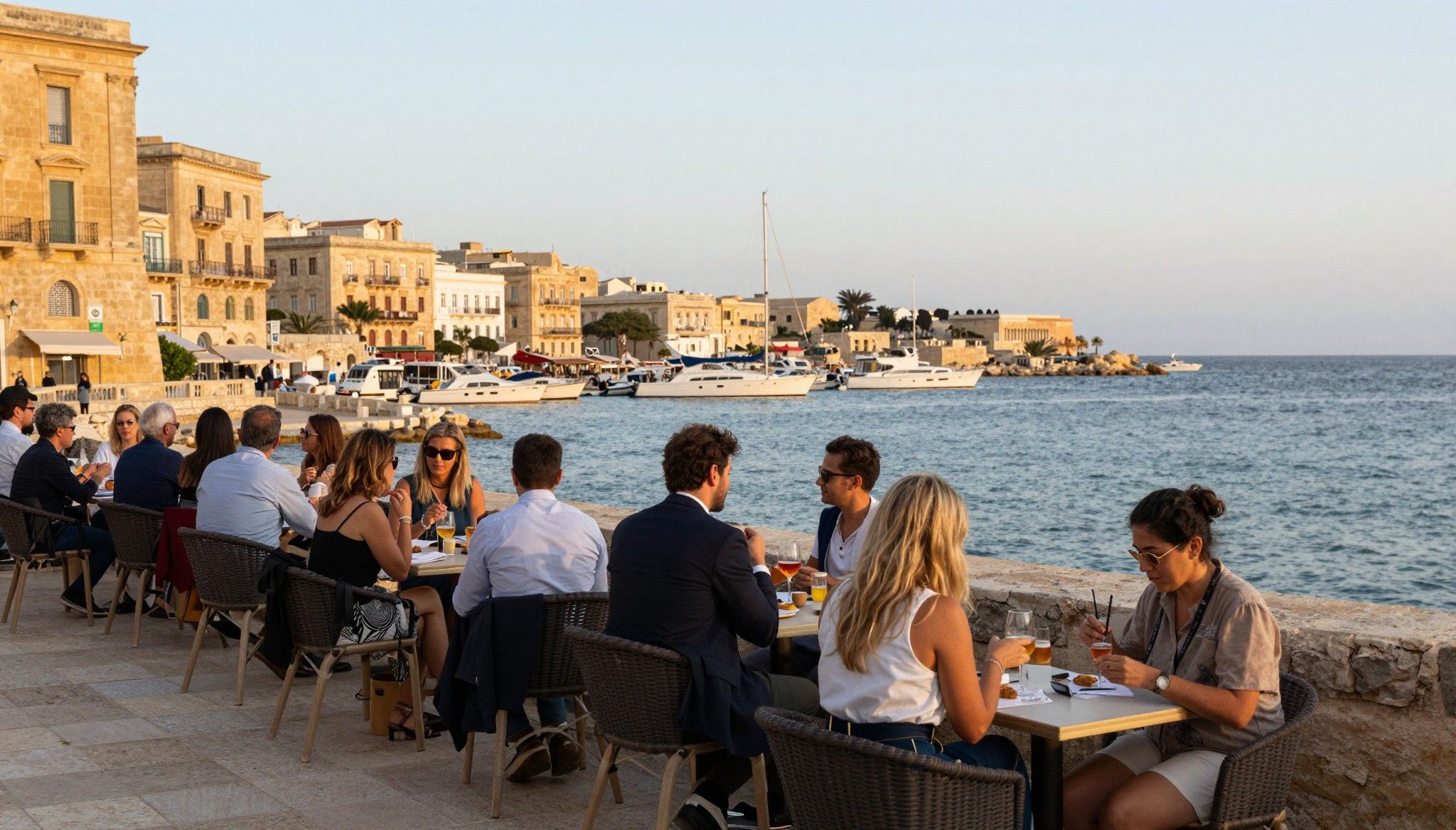
Walk Koukaki at dawn and you hear delivery scooters and the hiss of coffee machines; cross into Pangrati for leafy plazas where residents linger over raki. Kolonaki, by contrast, keeps a quieter dignity—Georgian facades, discreet galleries and a concentration of refined dining. For coastal living, the Athenian Riviera (Vouliagmeni and Glyfada) offers disciplined luxury: sea views, marina-side promenades and resale values that stay resilient. Recent data shows premium coastal districts commanding markedly higher per-square-metre prices than inland suburbs, underscoring the value of provenance and address when lifestyle and capital preservation coincide.
Islands and secondary cities: Paros, Crete and Thessaloniki
Luxury islands still hold sway for buyers seeking iconic vistas and short-term rental yields, but the story now includes Paros, Crete and Thessaloniki—places where cultural life, regional airports and new hospitality projects create a year-round rhythm. Thessaloniki, historically understated, has posted some of Greece’s strongest recent price growth as cultural institutions, cafés and a growing tech scene attract long-stay residents.
- Lifestyle highlights: market squares, cafés, coastlines and concerts
- Athens: Stroll the Anafiotika lanes beneath the Acropolis; buy produce at Varvakios market; dinner in Psyrri.
- Cyclades: Sunset rituals in Oia, small harbor tavernas on Paros, serene mornings on Serifos.
- Crete & Peloponnese: Olive press visits, mountain villages with Byzantine chapels, and beaches washed of tourists outside July and August.
Making the Move: Practical Considerations with a Lifestyle Lens
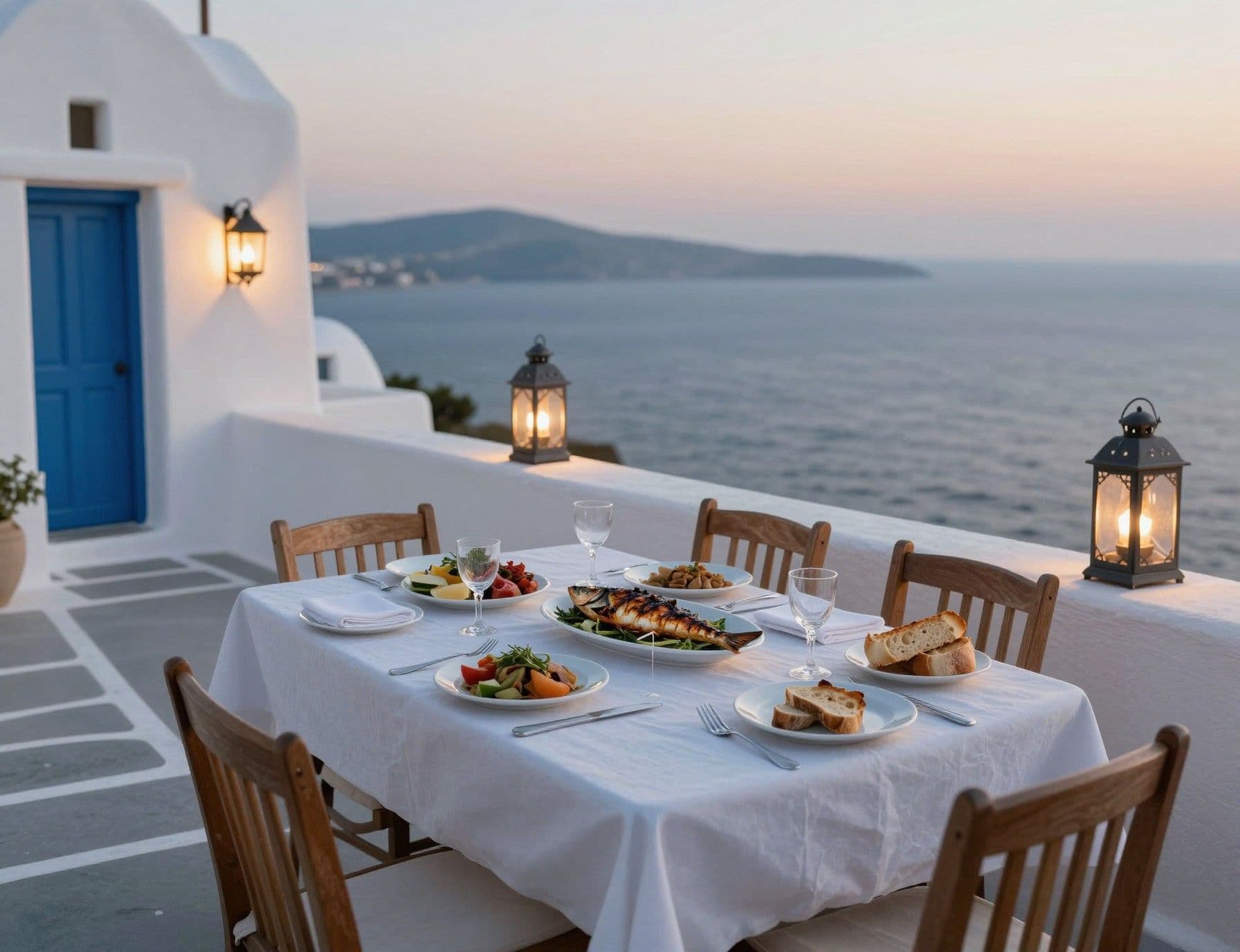
The romance of lanes and tavernas meets clear market mechanics. Nationwide prices rose materially in recent years, but growth is uneven: prime islands and southern suburbs lead while inland and secondary coastal towns can offer better immediate value. For buyers aiming to live where life is authentic rather than staged, look beyond headline growth and consider seasonal habitability, transport links and local services—factors that determine whether a house is lived in twelve months of the year or used episodically.
Property styles and how they shape daily life
Stone cottages in Mani, neoclassical townhouses in Nafplio, modernist flats in Thessaloniki: each type prescribes a way of living. A restored neoclassical requires ongoing stewardship but rewards with high ceilings, original joinery and an address that ages well. New-build apartments offer warranties and lower immediate maintenance, but may lack the patina and connection to place cherished by long-term owners. Match structure to temperament: choose a house that invites daily life—kitchen for long lunches, terraces for evening gatherings, shaded courtyards for summer afternoons.
Working with agencies who understand culture as much as contracts
A local agent’s value is not merely negotiation but cultural translation: which neighbourhood holds market on Saturday mornings, who in the village will repair a roof promptly, where seasonal homeowners converge in low season. For buyers seeking a lived-in life rather than an asset, prioritise agencies with demonstrable local networks—restorers, architects, long-term rental managers and municipal contacts.
- Six practical steps that preserve lifestyle while reducing risk
- 1) Visit off-peak (October–May) to confirm year-round life; crowds mask services in summer.
- 2) Prioritise connectedness: use regional airport timetables and ferry frequency in choice criteria.
- 3) Inspect building provenance: restoration records, original fabric and any recent seismic upgrades.
- 4) Seek an agency that can introduce you to neighbours and local artisans before purchase.
- 5) Blend yield and life: if rental income matters, select properties with dual appeal—seasonal draw plus local residency potential.
- 6) Confirm residency rules early: recent changes have altered investment thresholds for residence permits, which affect where you buy.
Insider Knowledge: What Expats Wish They’d Known
Buyers who arrive with postcards often miss small but persistent realities: the cadence of municipal permits, the centrality of water rights in small islands, and the way seasonal employment defines neighbourhood rhythms. Since 2024 Greece restructured residency-by-investment rules, raising thresholds in hot regions and prompting some buyers to look to secondary towns for both residency eligibility and value. Understanding these shifts at the outset prevents late-stage disappointment.
Language, community and the small customs that matter
Greek civic life runs on familiarity. Learn a few phrases, attend a panigiri (village feast) and you will find doors opening. Practical efforts—recycling protocols, knowing who collects olive oil waste, or the small ritual of paying for bread at the counter—translate into social capital. Expats who invest in the daily rather than the spectacular integrate most quickly.
Looking further ahead, Greece’s market is maturing: national indices show continued growth but at a moderating pace, with pronounced pockets of acceleration in northern regions and constrained supply in island markets. For buyers seeking stewardship and capital resilience, consider towns where investment is becoming infrastructural—regional airports, new marinas or cultural hubs—rather than chasing the hottest island where supply tightness inflates prices rapidly.
- Red flags and refinements: what to check before you commit
- Unregistered alterations that can invalidate insurance; unclear title histories for older townhouses; questionable short-term rental permissions; water and sewer connectivity on smaller islands.
When a property feels right, treat the purchase as both an emotional and technical decision. Use local specialists—an architect familiar with traditional masonry, a notary experienced in island conveyancing, and an agency that will introduce you to the everyday people who will shape your life there.
Conclusion: Greece rewards the buyer who values daily life as much as future value. Visit in shoulder season, prioritise neighbourhoods that suit the life you want to lead, and work with advisers who can translate municipal, architectural and social nuance into durable decisions. Begin with a short residency of observation—rent in the area you prefer, meet local makers, and only then purchase. The right house in Greece becomes a vessel for a slower, richer way of living; choose one that invites you home year after year.
Norwegian with years in Florence guiding clients across borders. I bridge Oslo and Tuscany, focusing on legal navigation, cultural context, and enduring craftsmanship.