Why Autumn Is the Savviest Season to Buy in Italy
Autumn viewings in Italy reveal true running costs, community rhythms and negotiation leverage — a superior season for buyers who prize provenance and practical clarity.
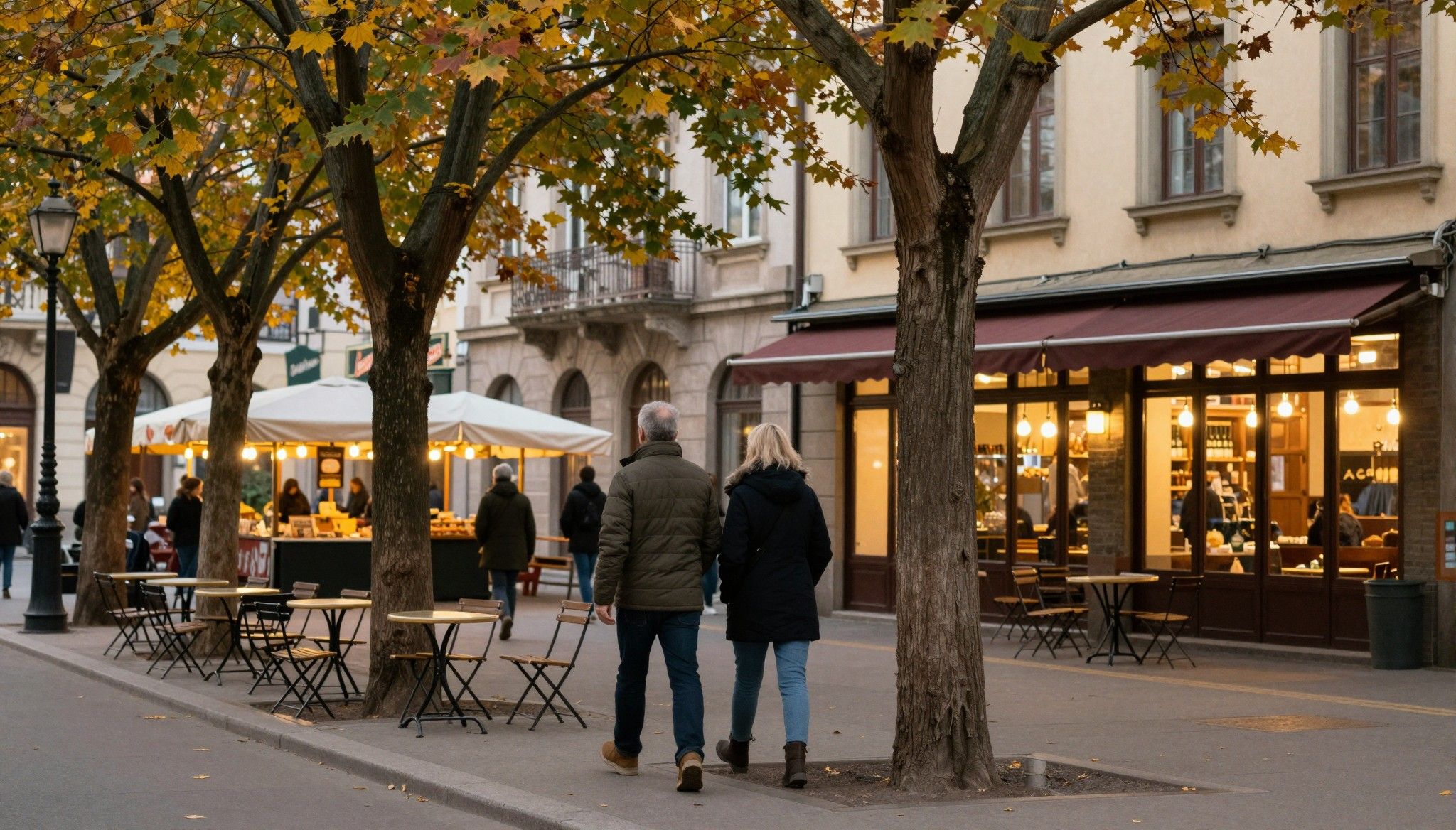
Imagine an autumn morning in Italy: market stalls at Campo de' Fiori heavy with chestnuts, a barista steaming milk beneath an ash‑brown awning in Trastevere, and terraces that have just shed the crush of summer tourists. That quieter season is precisely when the most considered purchases happen — when you can view properties without theatrical staging and speak to neighbours who actually live there. Recent market analysis shows modest, steady growth after 2024's recovery; that stability makes timing as important as location for discerning international buyers.
Living Italy: the rhythm that shapes where you buy
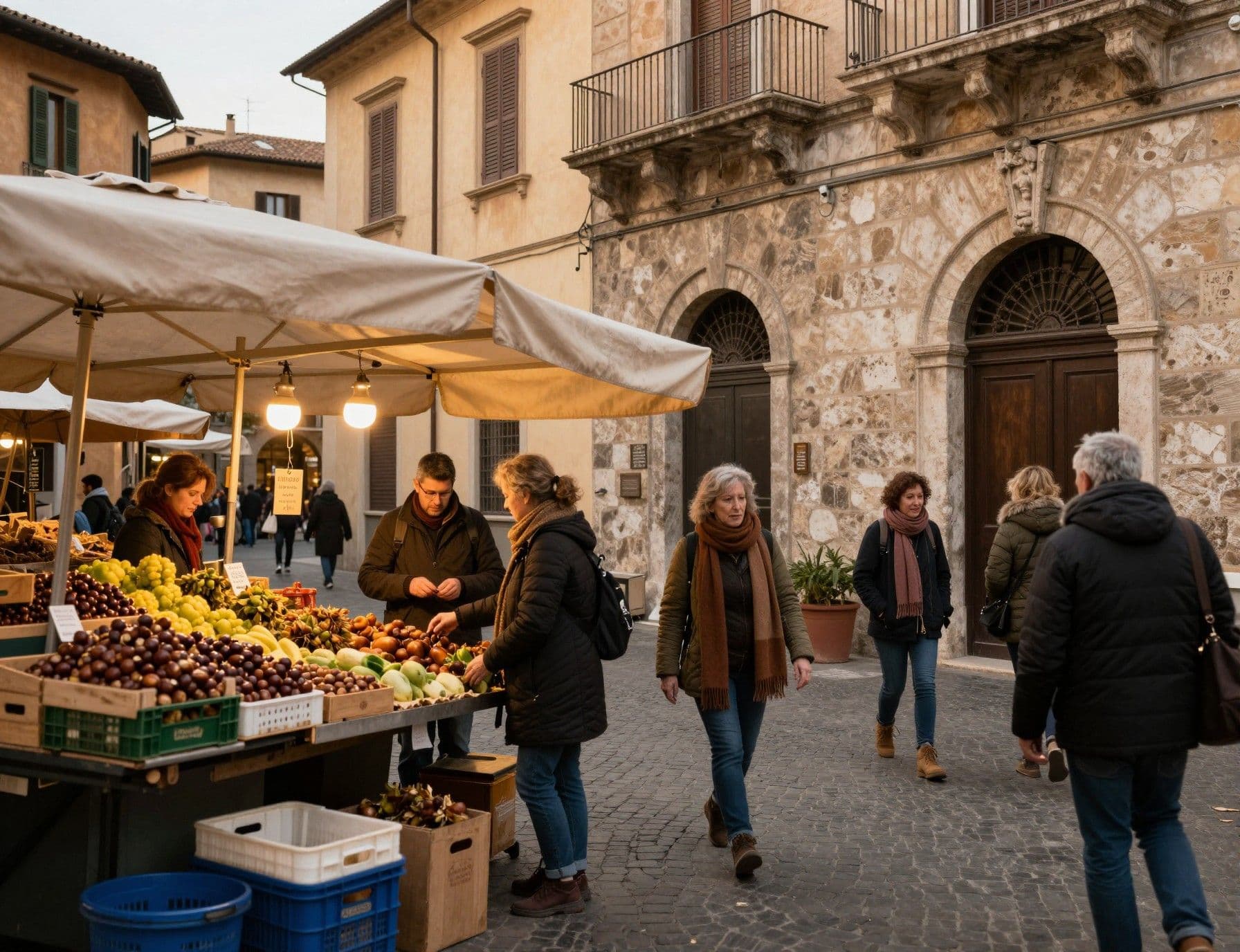
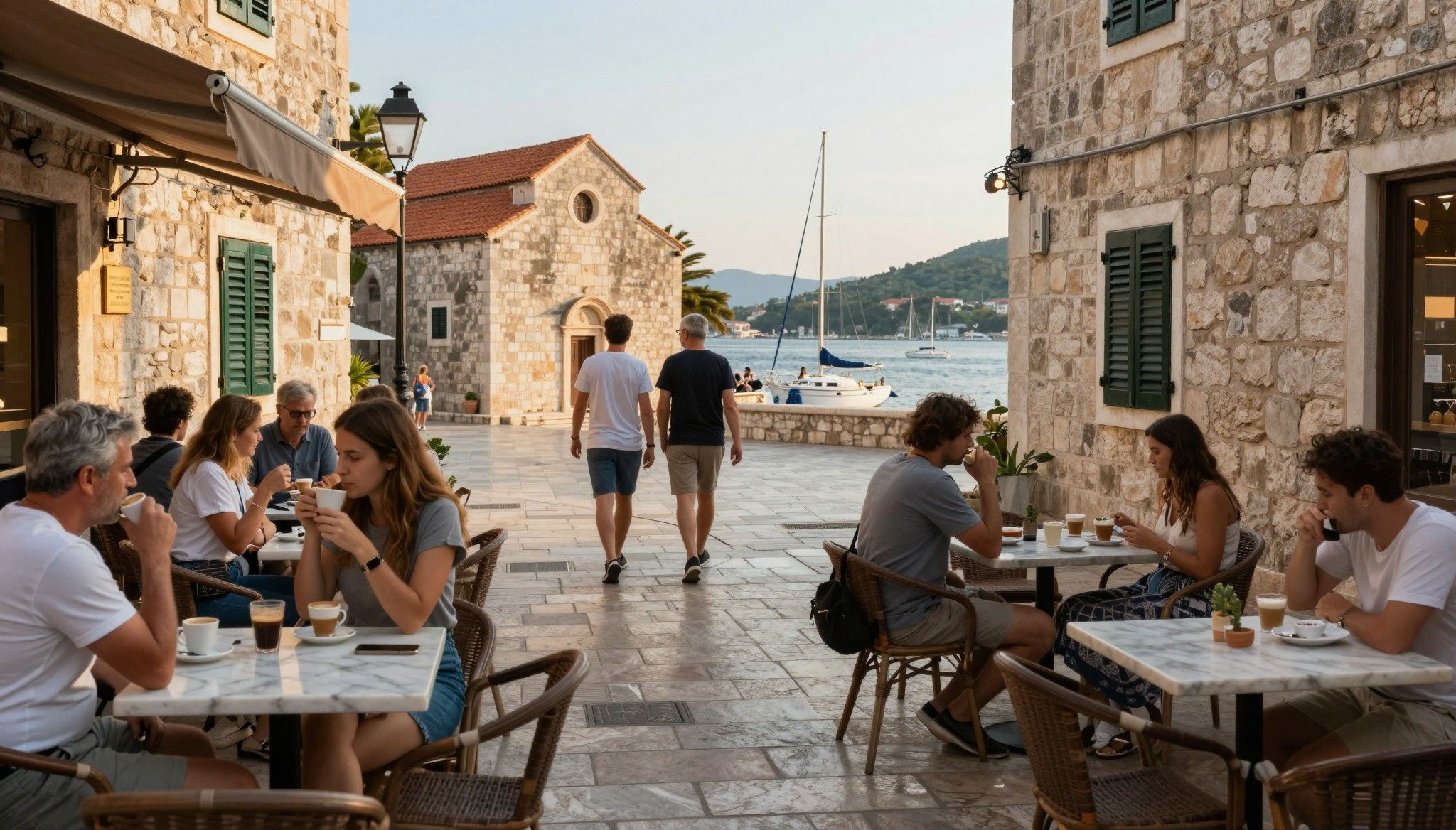
Italy is not a single tempo but a collection of daily rituals: espresso at 9am, a slow long lunch in many towns, an evening passeggiata where shopkeepers and neighbours cross paths. These rhythms determine practical needs — a small apartment in the centro storico serves a life of footfall and cafés; a farmhouse in Tuscany answers to harvest seasons and storage for oil and wine. When you choose a district you are choosing how your days will be arranged.
City-centre living: Milan, Rome, Florence
Centre cities offer proportion and polish: stately 19th‑century façades in Milan’s Brera, the green courtyards of Rome’s Monti, Florence’s narrow lanes that open to secret loggias. Expect compact rooms, tall windows, and buildings with historical protections. These areas reward buyers who value proximity to museums, private clubs and discreet restaurants, but they also demand a patience for renovation permits and conservation rules.
Coastal and lake life: Amalfi, Liguria, Lake Como
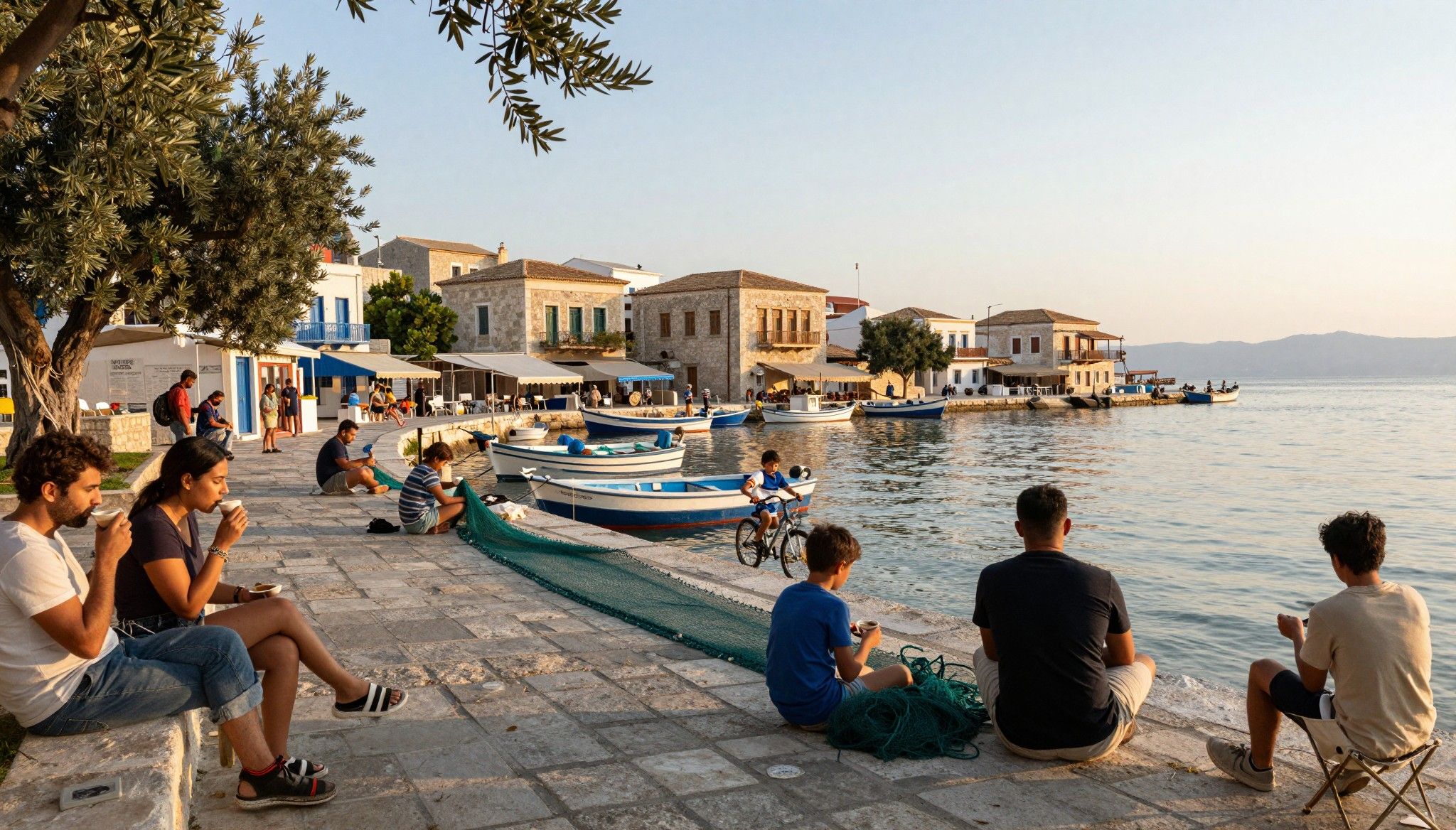
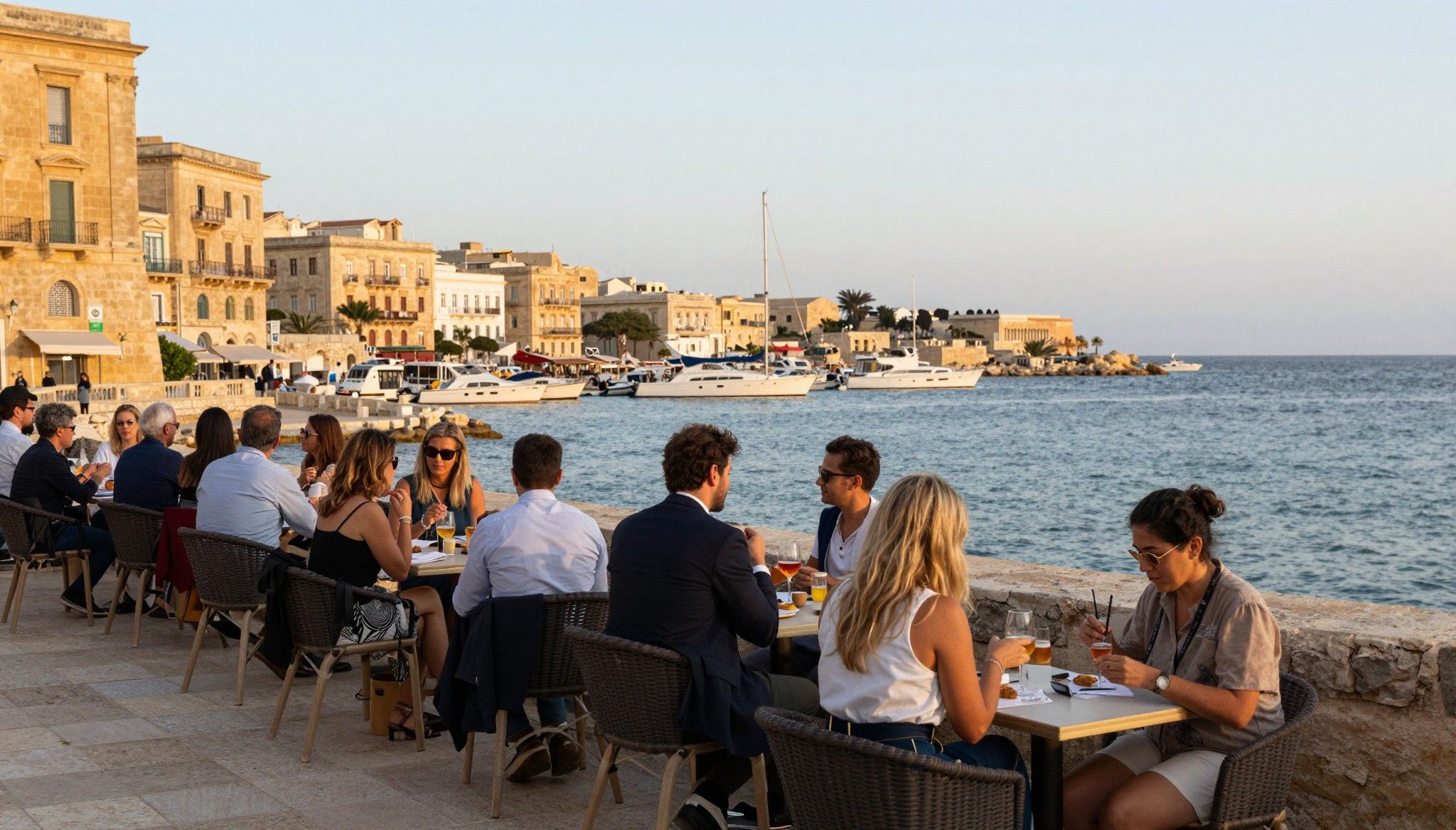
Seaside towns offer that easy, outdoors life — terraces, lemon groves, and a calendar shaped by sea and sun rather than office hours. The trade‑off is seasonal demand: markets steepen in July and August and quieten markedly thereafter. For buyers seeking rental income or a weathered stone house, autumn viewings reveal the year‑round character of a place rather than its holiday persona.
- Lifestyle highlights: an autumn shortlist
- Savouring late‑season markets: Campo de' Fiori (Rome), Mercato Centrale (Florence)
- Quiet coastal walks: Amalfi headlands, Vernazza at dusk
- Harvest rhythm: olive‑pressing in Tuscany, truffle fairs in Alba
Why autumn viewings give you an advantage
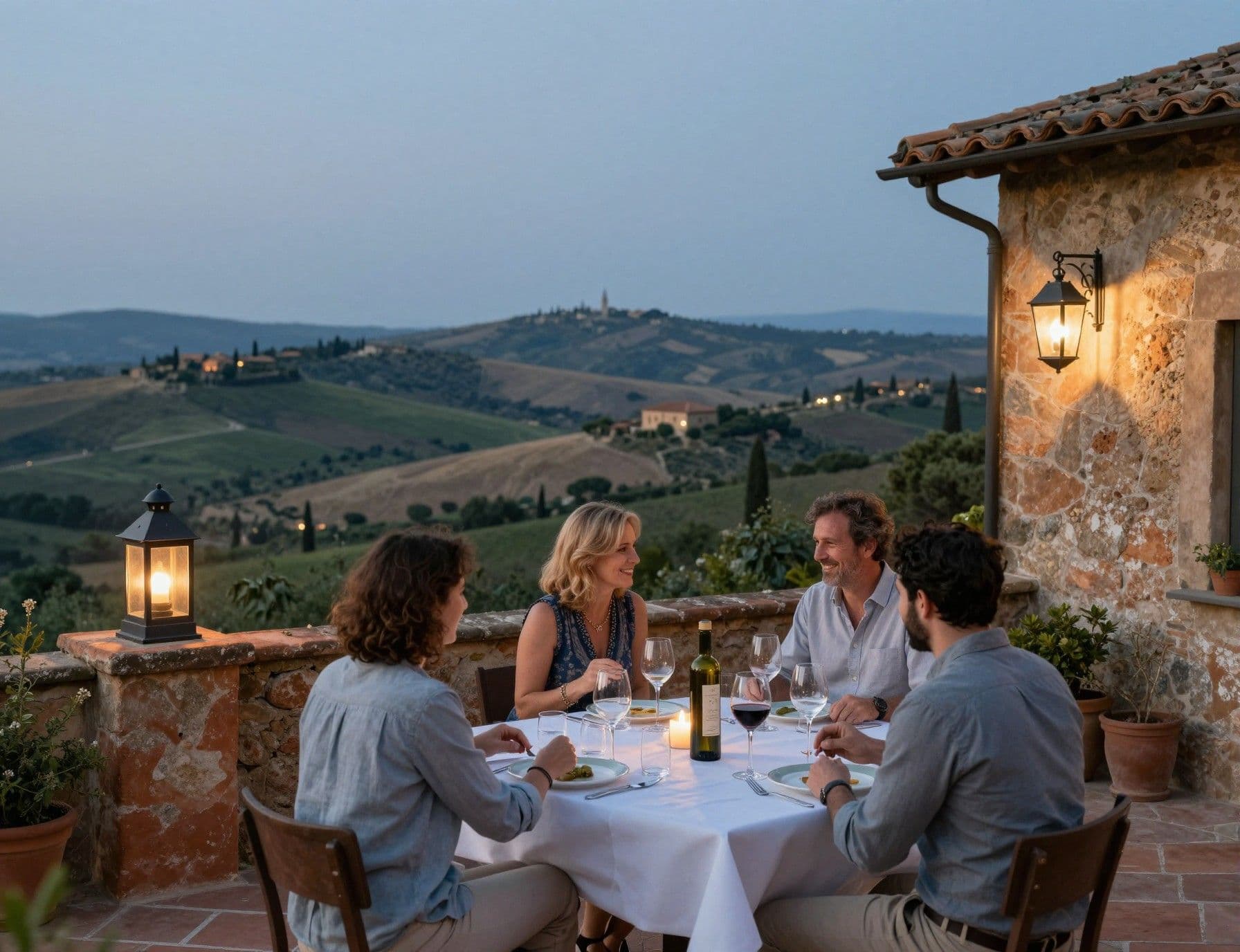
Market indicators suggest steady, moderate growth rather than runaway spikes — ISTAT recorded a 4.4% year‑on‑year house‑price rise in Q1 2025 while industry reports note cautious but rising activity across prime and regional markets. That steadiness means the season you view a property determines negotiation power more than fleeting headline price movements: autumn reduces tourist distortion, reveals maintenance needs, and exposes true running costs such as heating and insulation.
What you see in autumn that summer conceals
Empty terraces show drainage issues, quieter streets let you hear traffic patterns, and winter light reveals damp or failing plaster that staged summer viewings hide. Vendors who are serious will still make themselves available; those relying on summer footfall are less committed. For the buyer who wants authenticity over theatrical staging, autumn is revealing.
- Five practical autumn house‑hunting steps
- Schedule viewings early in the week to observe weekday life and services.
- Ask for recent utility bills and heating costs — autumn shows real consumption.
- Visit nearby cafés and markets twice: morning and evening to sense community patterns.
- Bring an architect or surveyor versed in historic fabric to inspect damp, masonry and wiring.
- Negotiate with time on your side: sellers who prefer quick summer turnovers are often less firm in autumn.
Property types, restoration realities and lifestyle fit
Historic apartment, farmhouse, or contemporary reno?
Each property type answers a different life. A restored palazzo flat gives access to a city’s cultural institutions; a farmhouse in Le Marche or Umbria brings land and seasonal autonomy; a sensitively executed contemporary conversion can give modern comfort within a historic envelope. Reports note that much of Italy’s stock predates 1980, meaning renovation is often necessary — and autumn is the best time to measure what the work will cost and how quickly it can be carried out before high‑season demand resumes.
Working with local experts who value provenance
An agent who understands artisan craft, conservation rules and the cadence of local markets is indispensable. They can read a building ledger, arrange trusted surveyors, and present renovation timelines that respect heritage. For international buyers, that expertise translates into fewer surprises and a property that rewards stewardship rather than transient trends.
- When selecting an agent, look for these practical strengths:
- Proven experience with conservation permits and Soprintendenza procedures
- Local networks of craftsmen, restorers and surveyors
- A discreet marketing approach for off‑market and provenance‑rich properties
What expats wish they’d known: cultural and seasonal truths
Language, community and rhythms of integration
Learning a handful of phrases opens doors, but integration is made by presence: regular café visits, volunteering at a local festa, or joining a conservatory class. Neighbourly goodwill is often the resource that smooths bureaucratic processes and introduces craftspeople. The quieter months are when these relationships form most naturally.
Long‑term stewardship: how life changes after the move
Buyers who plan for stewardship rather than quick turnover find their homes appreciate in both value and quality of life. Modest annual price growth forecasts and steady transaction volumes suggest that properties restored with care and an eye to local craft will outperform speculative flips. Consider how you will use a property across seasons: storage for harvests, heating upgrades for winter, and summer ventilation for coastal homes.
Conclusion: autumn lets the place disclose itself. For the international buyer who values provenance and daily life over spectacle, the off‑season is when truth surfaces: maintenance needs appear, neighbours reveal the real community, and negotiation is honest. Pair that timing with an agent fluent in local conservation, and you acquire not just a property but a life that will deepen with each season.
Relocating from London to Mallorca in 2014, I guide UK buyers through cross-border investment and tax considerations. I specialise in provenance, design integrity, and long-term value.