Protecting Life and Home: Insurance Realities in France
How to protect a French home so your Riviera mornings and village markets stay uninterrupted — practical insurance steps, Cat Nat realities and expat-tested tips.
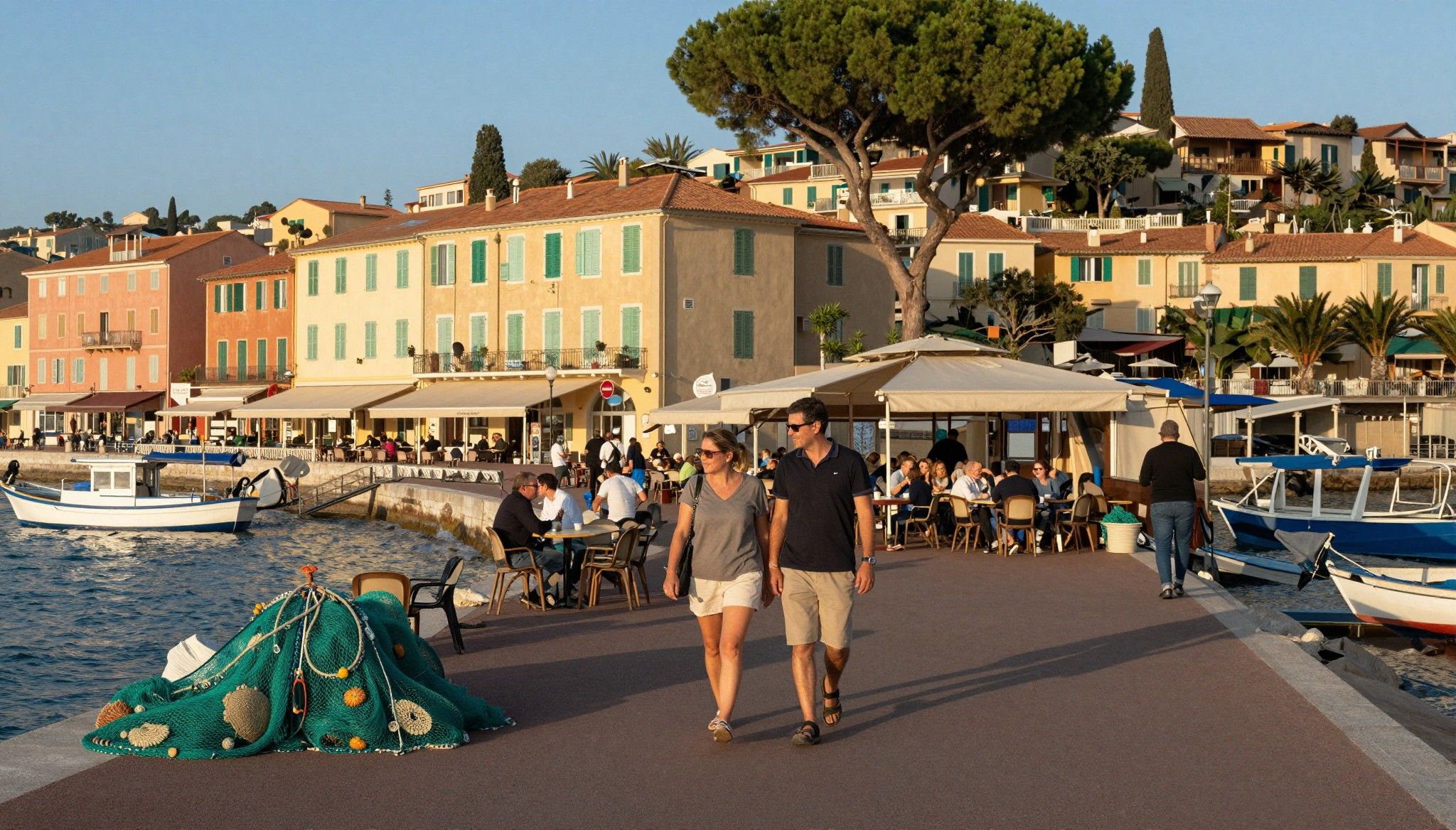
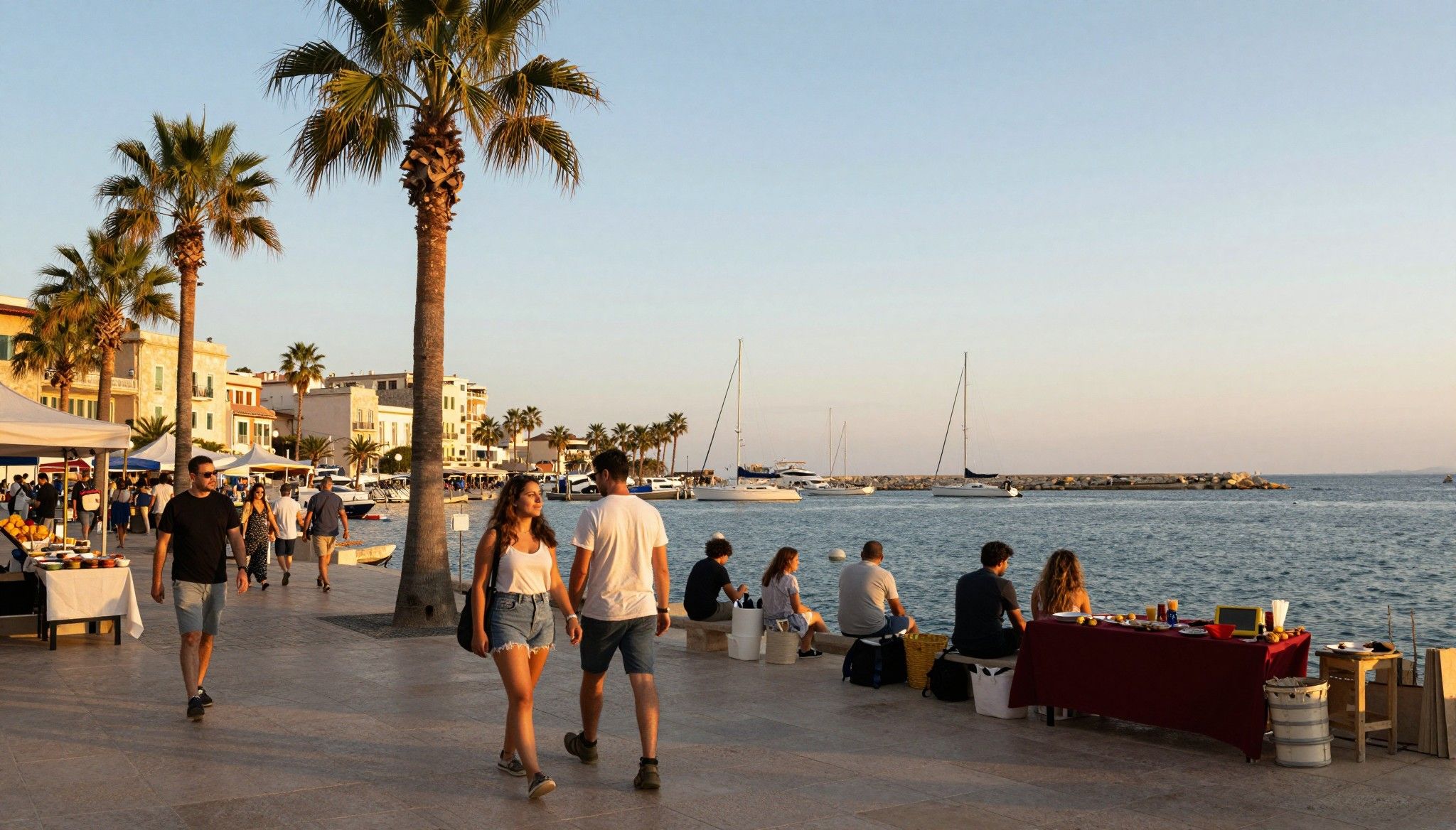
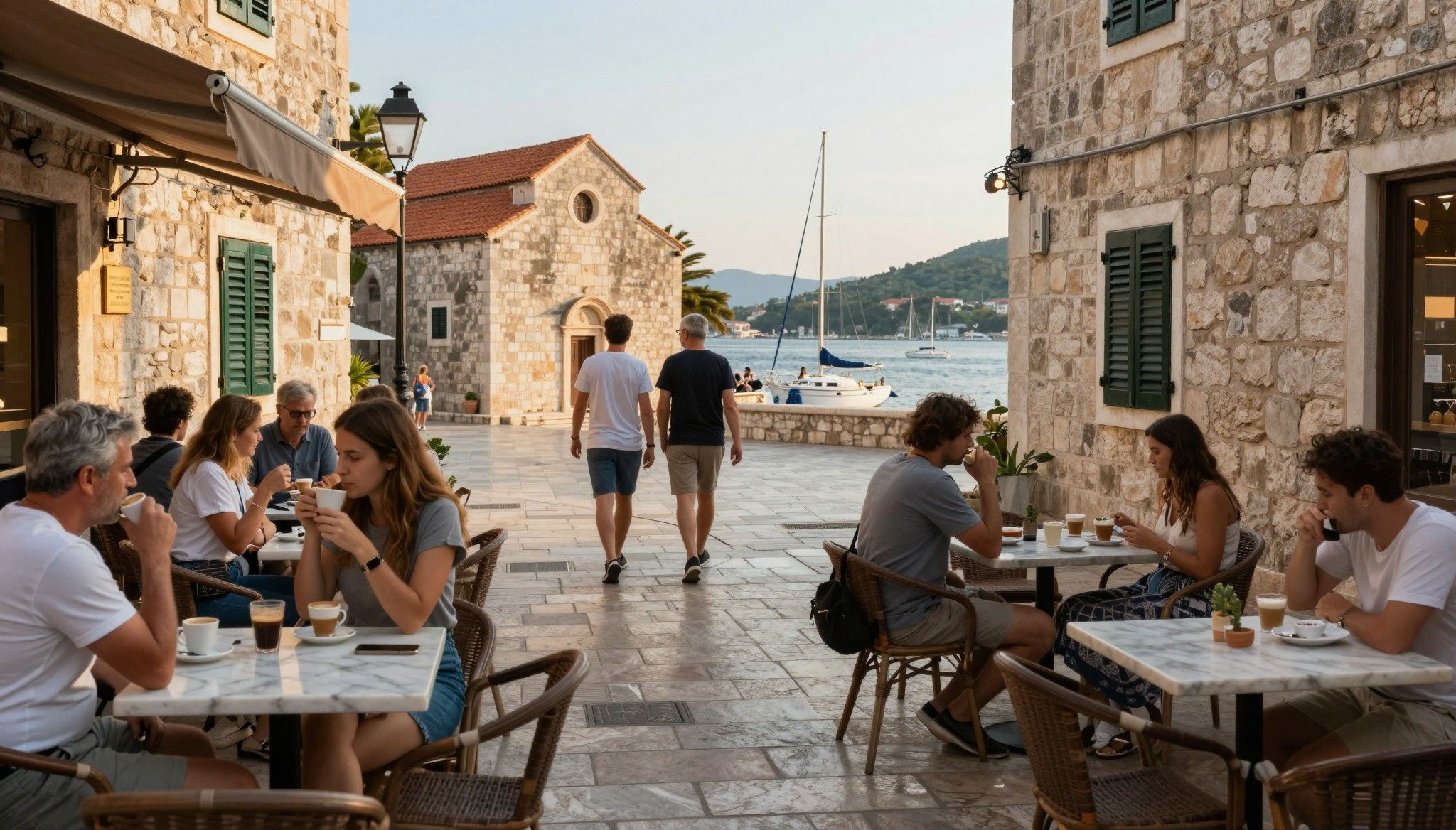
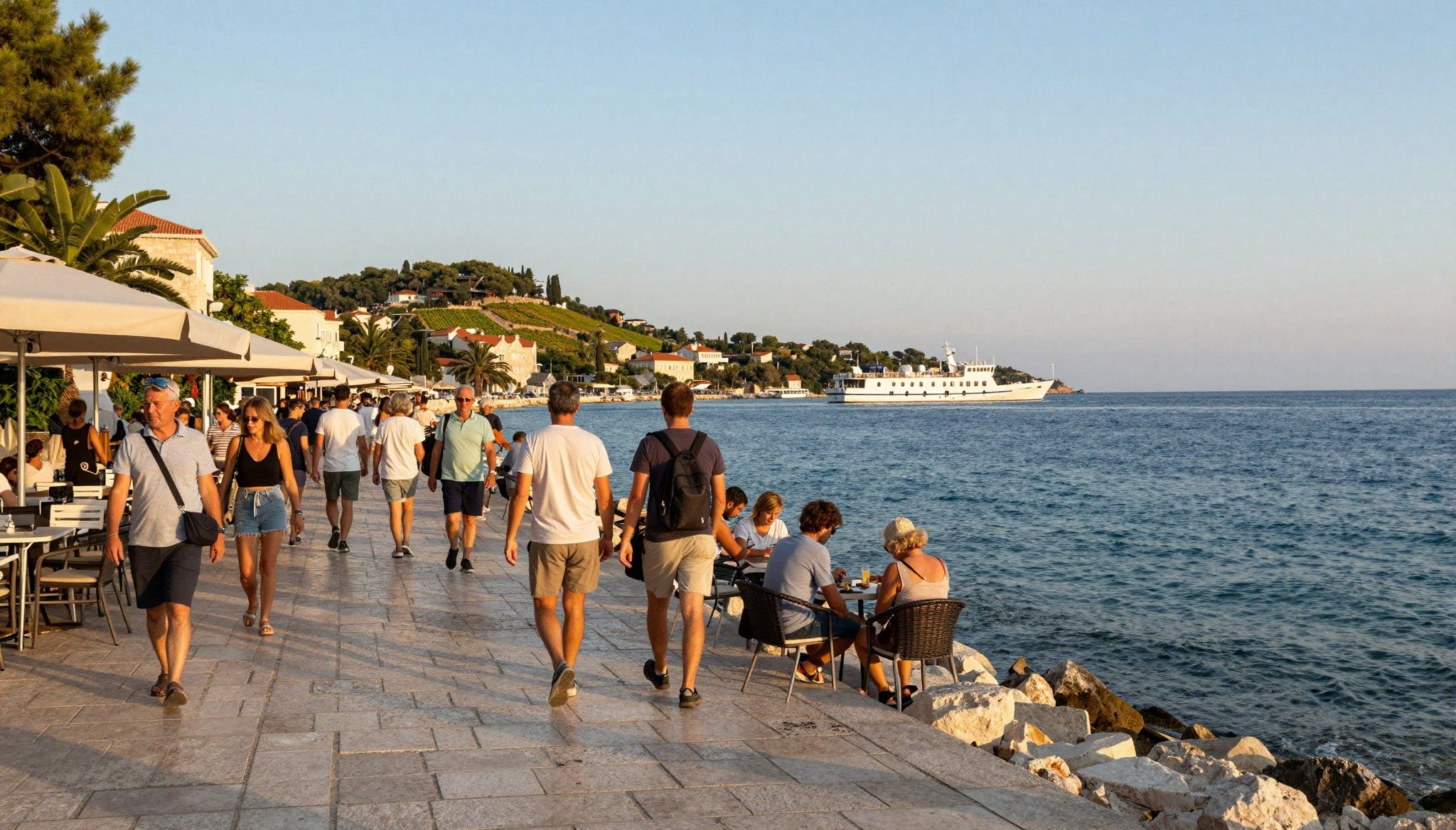
Imagine a late-morning market in Aix‑en‑Provence: tables of sun-warmed peaches, an old stone façade dappled with plane-tree shade, and a short walk home past a rue lined with wrought-iron balconies. That sensory life is what draws many overseas buyers to France — and it is precisely the way insurance and buyer protections should serve: quietly, reliably, and without interrupting the daily rituals you move here to keep.
Living the French life — what insurance must protect
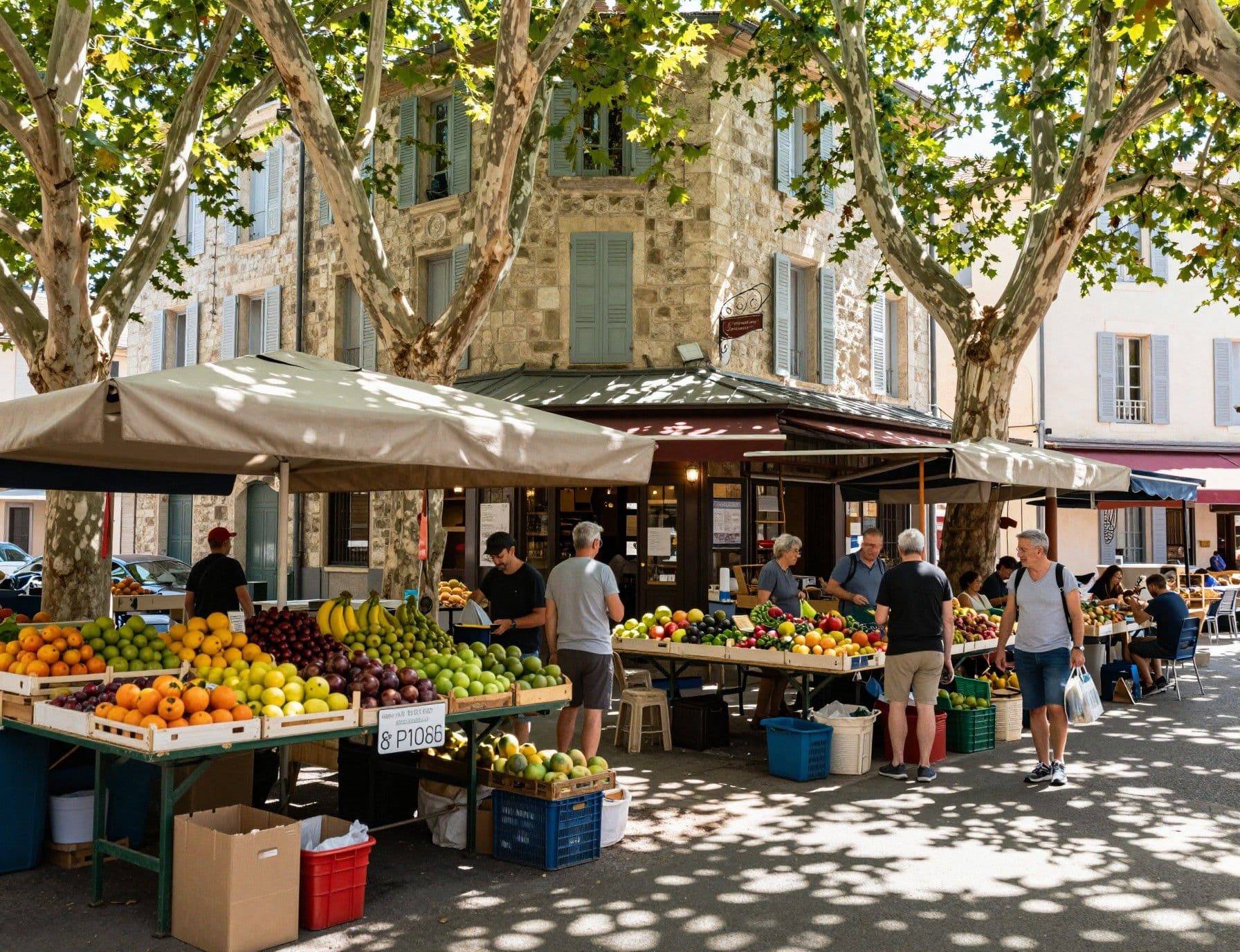
Daily life in France moves at the rhythm of neighbourhood cafés, open markets and seasonal festivals; property risks are the quiet interruptions that prudent buyers aim to avoid. Home insurance (assurance habitation), the state 'Cat Nat' regime for natural disasters, and a well‑scoped owner’s policy are the three pillars that protect that rhythm. Government guidance clarifies obligations and common practice for owners, including the particular position of owners who do not live on site. (See official guidance.)
Why the Riviera terrace and the Dordogne stone house need different covers
A seaside veranda in Nice faces salt, storms and flood risk; a Périgord stone house contends with old timbers, subsidence and humidity. Your cover should reflect those material realities. Insure the structure, the contents you keep there, and — where relevant — loss of rental income if you depend on seasonal lettings. That calibrated approach preserves ambience: your terrace remains a place for long lunches, not paperwork.
Spotlight: when copropriété rules change the obligation
If your apartment is in a copropriété, the syndic and building policy will cover communal damage but many copro rules require a propriétaire non occupant (PNO) policy. That small administrative line often surprises buyers who planned only for a contents policy. Confirm the copro règlement and request proof of the building’s insurance before signing a compromis.
Making the move: practical protection steps that preserve lifestyle
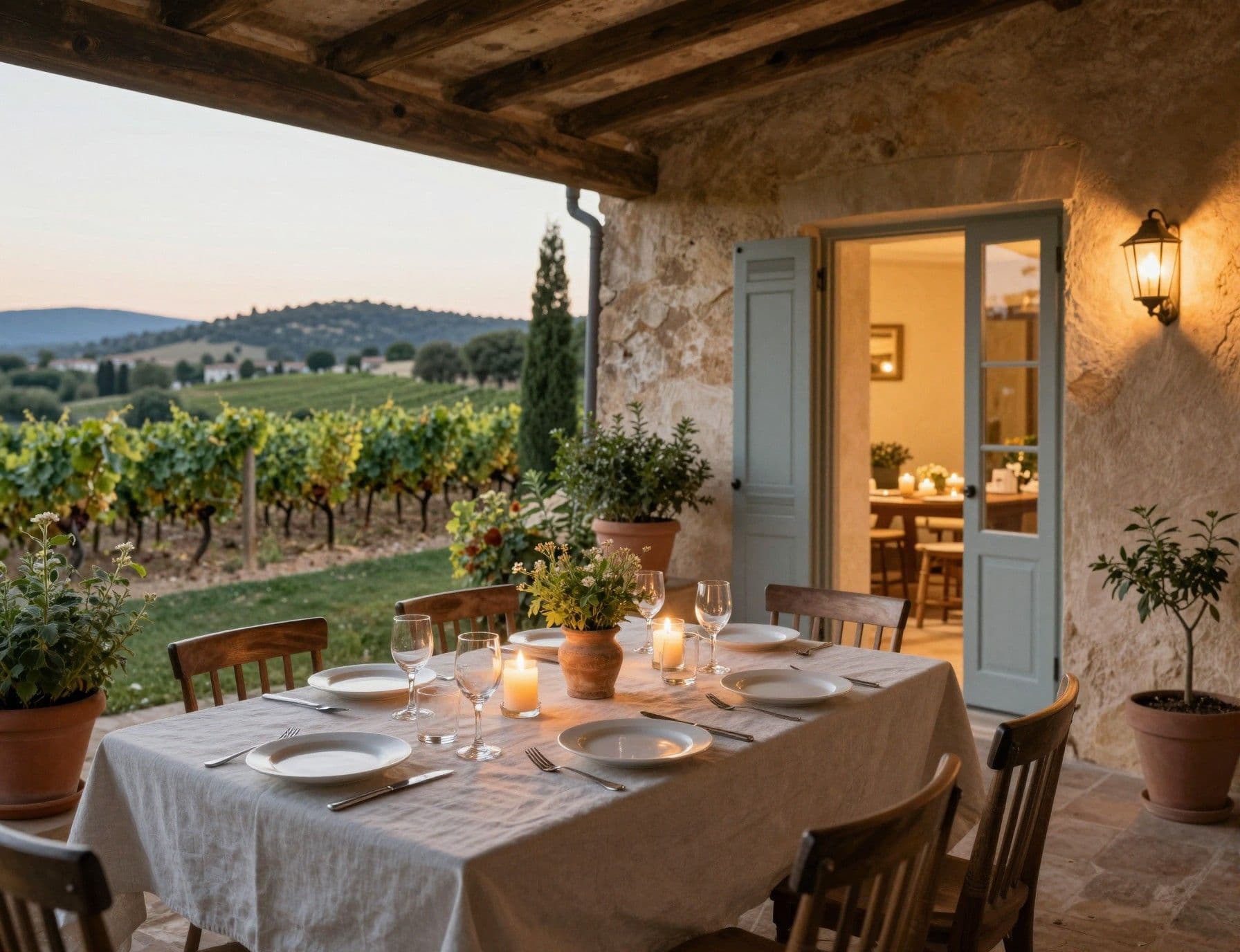
Practical protection is less about paperwork and more about preserving the life you imagine. Begin with an immediate survey of climate‑related exposures: floodplains, coastal surge maps, and the longer-term cost of insuring in higher-risk communes. France’s Cat Nat regime is a public‑private safety net but it does not replace targeted cover for everyday risks or the specific excesses and exclusions that appear in modern policies.
Property types and the protections they demand
Stone farmhouses, Haussmann apartments, new build villas and restored châteaux each bring particular vulnerabilities: rising damp in older masonry, outdated electrics, architecturally protected façades that restrict repairs, and the liability exposures of rental activity. Rather than a single 'multirisque' product, assemble a small portfolio of protections: structural cover, owner‑non‑occupant liability, content cover calibrated to how you furnish and use the home, and loss-of-rent where income matters.
How local experts keep the rhythm intact
A French agent, an independent broker and your notaire play complementary roles. Brokers translate policy wording; notaires ensure the compromis contains required seller declarations (diagnostics) and note any servitudes that affect insurance; local agents know which insurers favour heritage properties or rural homes. Use them to align cover with the life you expect to live: market mornings, vineyard visits and coastal weekends.
- Key protective steps before you sign
- Order a full technical diagnostic and hydraulic/geotechnical report where relevant; request copies of the building insurance (copro) and past claims; obtain written confirmation of any planning restrictions; secure a provisional owner‑non‑occupant policy from day one; and include a clause in the compromis defining who bears risk between signature and completion.
Insider knowledge: what expats wish they'd known
Expats commonly underestimate how quickly climate‑driven premiums and surprimes can rise. The Cat Nat charge is built into property contracts, but regional surprimes and underwriting stances change with loss experience. Buyers who do not compare offers or who accept default renewals find themselves paying for risk that can often be mitigated through modest investments — drainage work, roof repairs, or elevating utilities.
Cultural subtleties that affect claims and repairs
French repair culture values authorised specialists and paperwork. An informal repair by an unregistered artisan can jeopardise a future claim. Keep invoices, use certified artisans for structural work (décennale assurance where relevant) and register any agreed remedial work with the syndic. This preserves not only indemnity rights but also the provenance of the house you will one day steward.
- Everyday habits that reduce premium pressure
- 1. Install water leak detectors and routine valve isolation; 2. Professionally maintain heating and chimneys annually; 3. Keep exterior drainage clear and document work; 4. Limit short‑term lettings without notifying insurer; 5. Update sums insured after refurbishment.
Armed with an understanding of risk, the buyer moves from passive dreamer to active steward. That change transforms questions about price per square metre into inquiries about craftsmanship, repair history and the small interventions that preserve a terrace or courtyard for decades.
Before you take the keys, ask for: the copro’s insurance policy; a PNO quote; the seller’s diagnostic reports; an inventory of fixtures and systems; and a local broker’s written recommendation on Cat Nat exposure. These items are small formally, large in consequence — they preserve the ease of living you bought the house to enjoy.
If you would like a short checklist we can adapt to your chosen commune — whether Bordeaux’s terraces or the lavender fields of Vaucluse — we will tailor it so that the paperwork protects the lifestyle without overwhelming it. Your next small step is to ask the notaire for copies of the building insurance and the seller diagnostics; that clarity rarely disappoints.
Relocating from London to Mallorca in 2014, I guide UK buyers through cross-border investment and tax considerations. I specialise in provenance, design integrity, and long-term value.