Unexpected Costs & Quiet Wins: Buying in Croatia
Practical legal insights and unexpected costs for international buyers in Croatia—how transfer tax, title checks, seasonality and municipal rules shape both lifestyle and purchase.
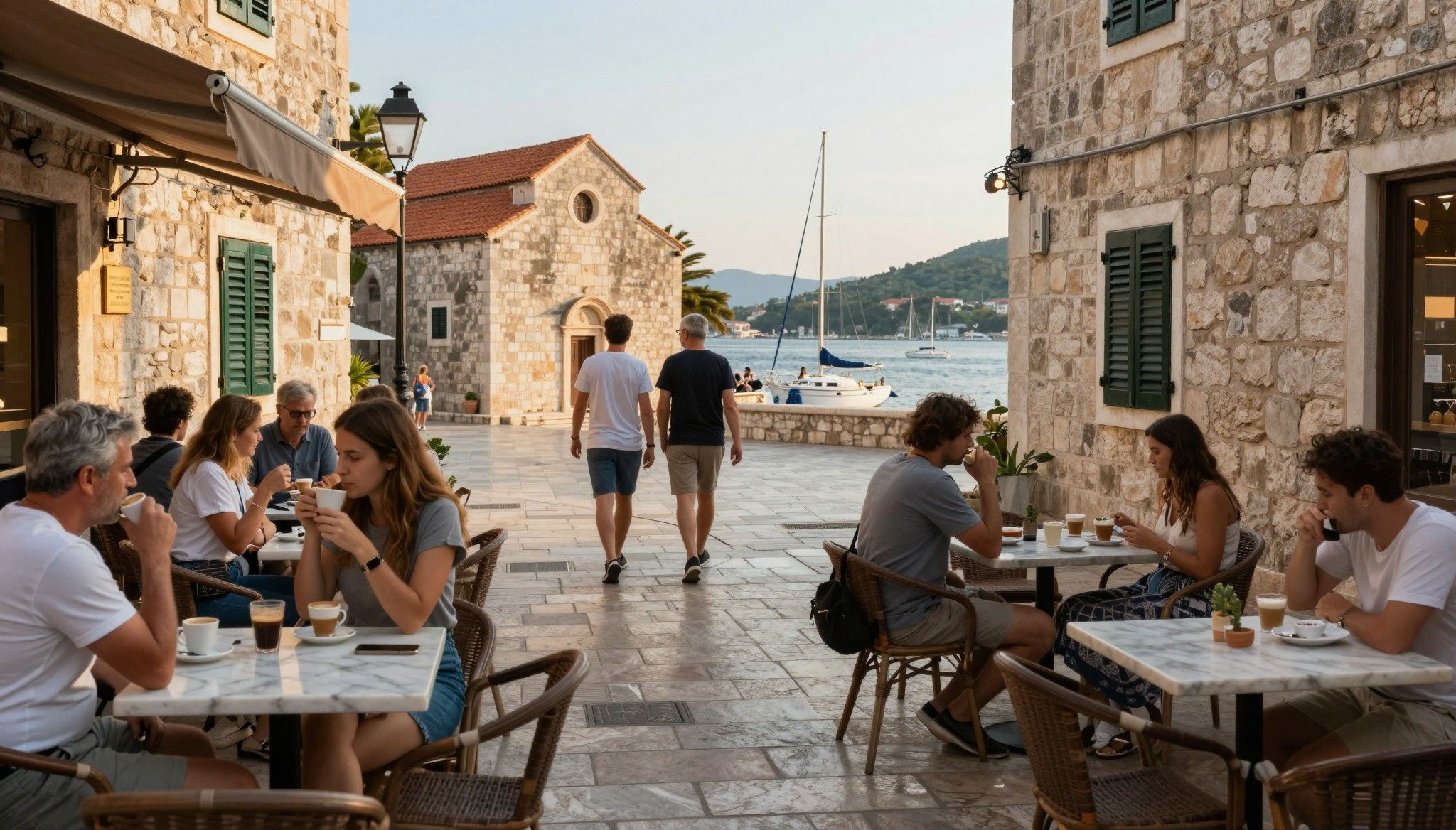
Imagine stepping from a narrow stone lane in Split onto a sunlit piazza where market sellers lay out figs and Dalmatian prosciutto. The day feels measured—espresso at 10, a late lunch, an afternoon swim—and yet the cost of making that scene your everyday life is not always where you expect it to be. This guide looks beyond headline taxes to the quiet legal details and surprising costs that shape an international purchase in Croatia, and points to the practical tradeoffs that let the lifestyle endure.
Living Croatia: the rhythm you buy into
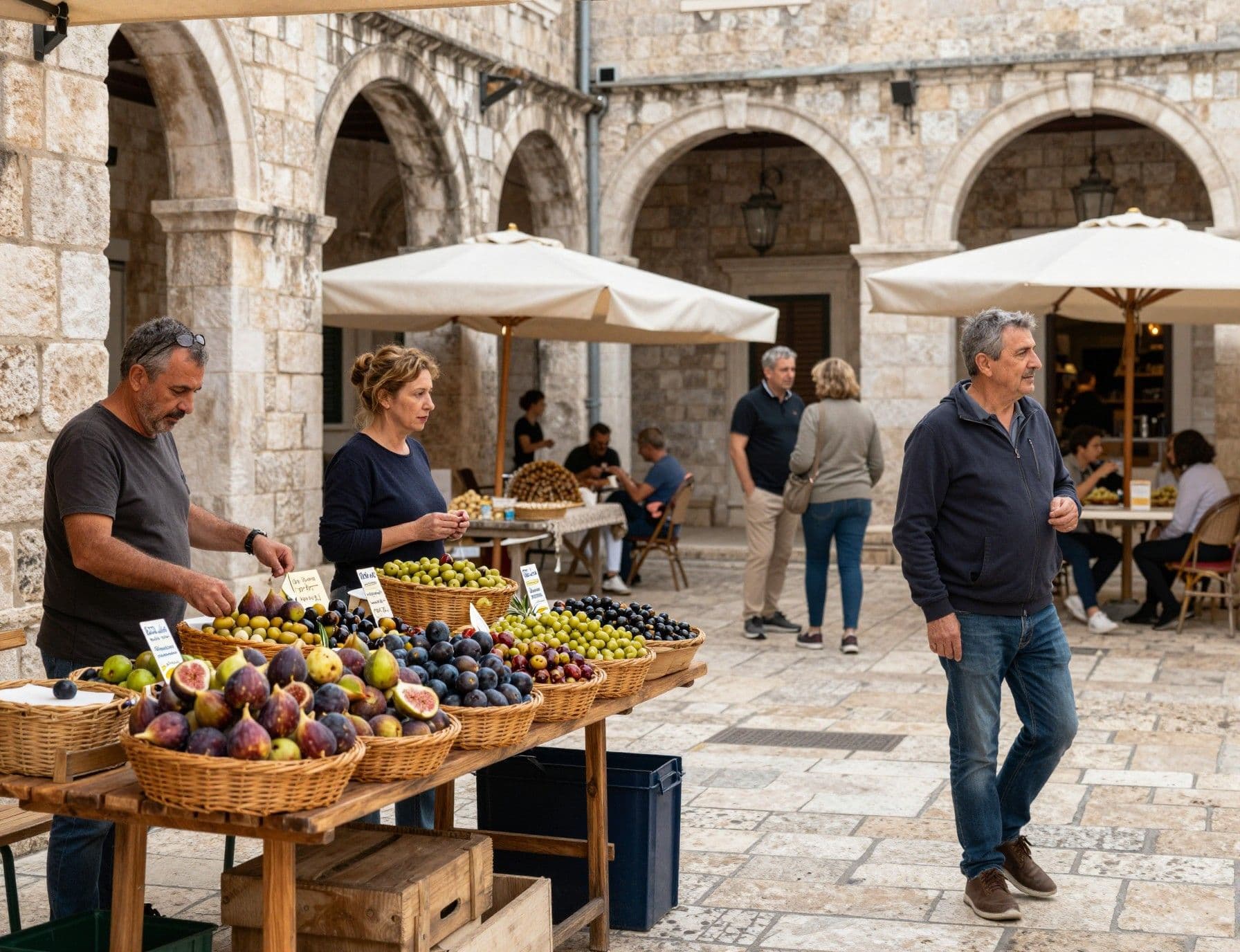
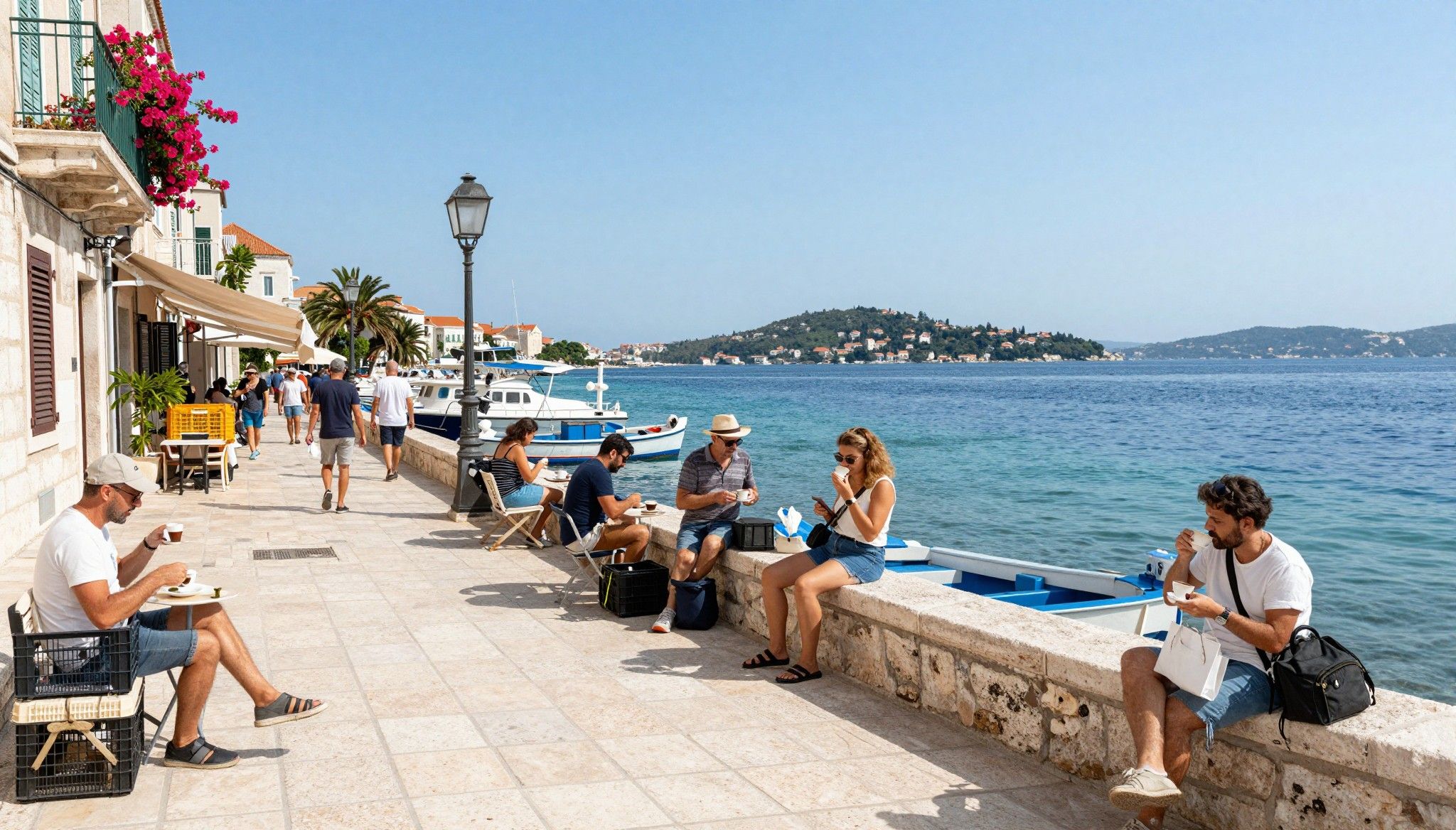
Croatia compresses Mediterranean ease and Habsburg order into walkable towns and cultivated coastlines. In Zagreb, mornings begin with bakery lines and tram bells; on the Adriatic, mornings begin with fishing boats returning, cafés filling, and terraces shaded by grape arbors. For international buyers the appeal is both everyday—neighbourhood gelaterias, local markets on market days—and architectural: stone villas, narrow Gothic alleys, and modernist townhouses with generous terraces.
Dalmatian coast: harbour life and seasonal cadence
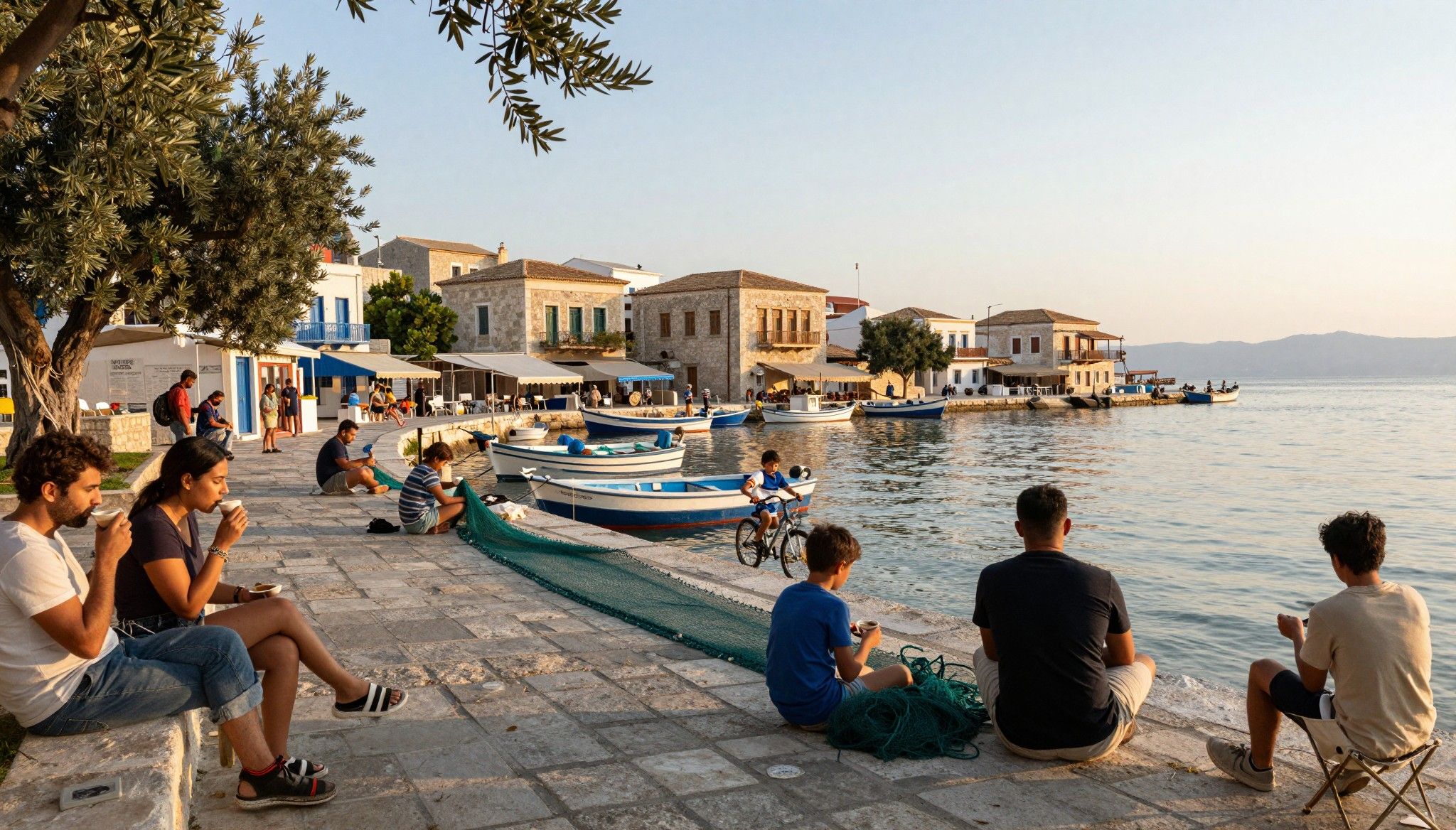
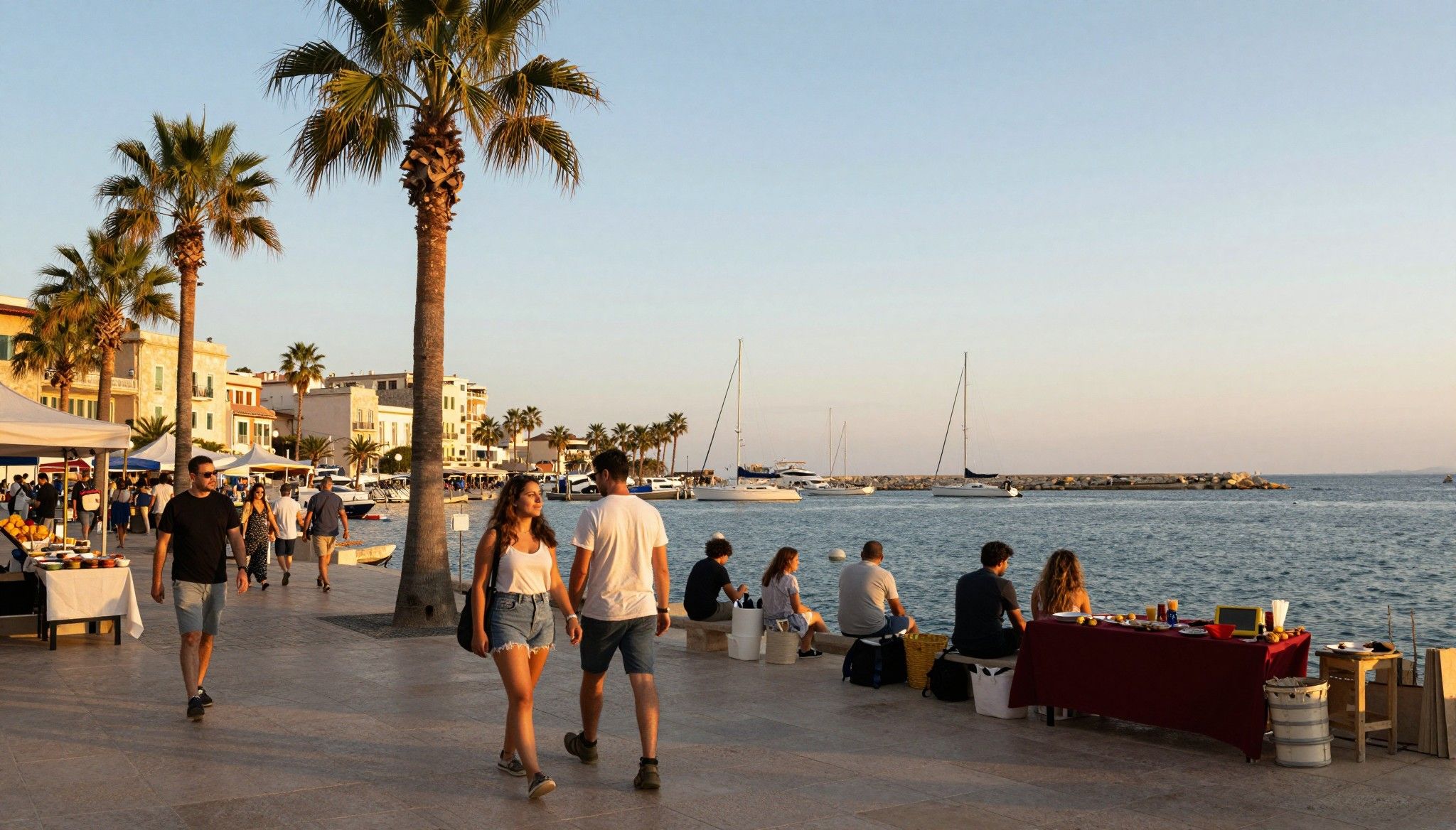
Picture Trogir’s cobbled streets, Split’s waterfront Riva, or Korčula’s quiet lanes at dusk. These places pulse with a summer tempo—restaurants that open for the season, galleries timed to tourist weeks—and a very different winter calm. That seasonality matters legally: rental demand, municipal services, and even construction schedules shift with the calendar, so what looks investible in July can feel very different in January.
Zagreb and Istria: year‑round cultural life
If you crave year‑round life—concerts, galleries, consistent groceries—look to Zagreb, Rovinj or Pula. The cultural calendar in these places supports permanent residency in a way that seasonally driven Dalmatian towns do not. That stability eases the practicalities of schooling, healthcare registration and household management for longer-stay buyers.
- Lifestyle highlights
- Morning espresso on Split’s Riva; evening promenades under plane trees.
- Sunday market mornings in Dolac (Zagreb) and fish markets along the coast.
- Weekday neighbourhoods: Trešnjevka’s café culture in Zagreb; Komiža’s intimate harbour on Vis.
Making the move: legal facts that change the story
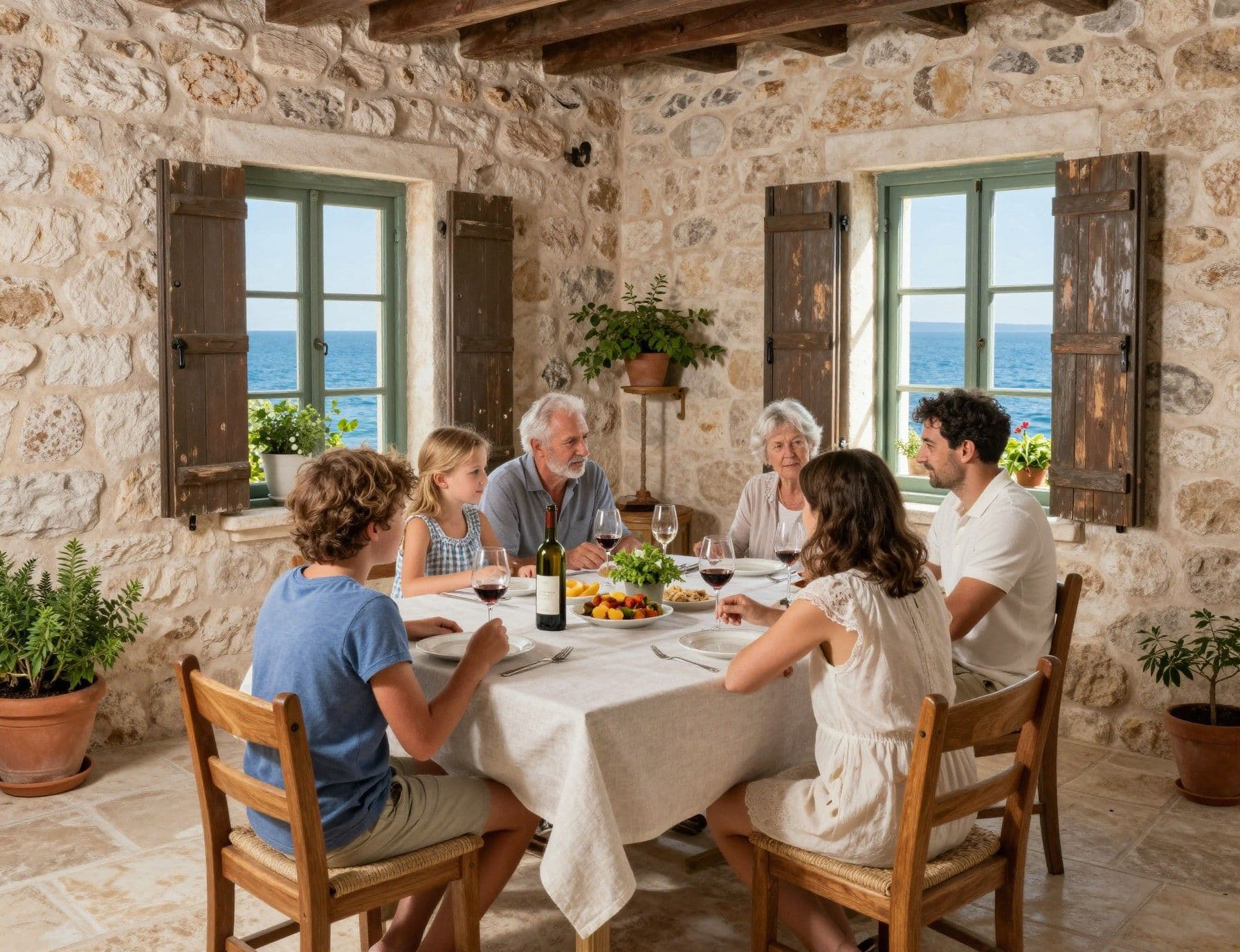
The romance of a coastal home collides with recorded market trends. Transaction volumes have cooled even as prices in key centres continue to rise, a dynamic that alters negotiation power and due diligence priorities. Knowing which legal points cause delays—title irregularities, historic‑building constraints, or municipal construction restrictions—lets you plan with discretion rather than surprise.
Who may buy: EU citizens and reciprocity rules
EU citizens generally purchase without special permission; non‑EU nationals may need reciprocity arrangements or prior approvals depending on bilateral treaties. The practical result is this: your nationality can determine not only paperwork but the timeline of a transaction—delays that ripple into rental seasons, loan availability, and closing costs.
Taxes and fees you’ll actually pay
Croatia applies a property transfer tax commonly cited at a flat 3% of the agreed market value. That rate is straightforward, but it sits alongside notary fees, cadastral (land registry) costs, and potential VAT on new builds—each of which requires precise calculation against the contract price. For high‑value properties, small valuation adjustments can produce meaningful tax differences.
- Legal steps that protect the lifestyle you buy
- Commission an independent cadastral/title search before offering; verify coastal zone permits for seafront plots.
- Include a conditional clause for efficient municipal clearances (building permits, utility connections) tied to your deposit.
- Consider a valuation by a certified appraiser to anchor the tax base and avoid reassessment risk.
Insider knowledge: expat lessons that matter
Expats speak of small bureaucratic snags that become large inconveniences—one example is municipal registration and utility account transfers that require local identification and sometimes presence. Others note that seasonal sellers often expect summer closings; a winter completion can reveal maintenance issues hidden during high season. Those are not legal showstoppers but are the practical frictions that alter satisfaction after move‑in.
Language, trust and the agency you choose
A local agency fluent in both English and Croatian—preferably one that handles notarisation, cadastral liaison, and tax filings—reduces delay and misinterpretation. Look for agents who can introduce trusted local lawyers and certified translators; these relationships preserve the lifestyle you imagined by ensuring the contract maps to local reality.
Hidden costs buyers often miss
- Extra considerations
- Seasonal maintenance and winterisation for coastal houses (heating, insulation, shuttering).
- Municipal infrastructure works planned by local authorities that can restrict construction timelines.
- Local association fees for historic quarters and private marina/community charges for seafront properties.
A small checklist for the discerning buyer
- Order a cadastral extract and certified title history; keep proof of seller’s inheritance clearance if relevant.
- Ask for a written statement of outstanding municipal charges and utility debts and make them contract conditions.
- Confirm whether the sale is subject to VAT (new builds) or the 3% transfer tax, and budget for both possibilities.
Conclusion: steward the dream with precise steps
Croatia offers a life of measured textures—stone, sea, market days—and the legal landscape is correspondingly particular. By treating the purchase as stewardship rather than a transaction—by verifying title, aligning seasonality with closing, and engaging local counsel—you preserve the lifestyle and reduce the chance that charm becomes compromise. If you would like, we can connect you with Croatian specialists who pair that local precision with a respect for provenance and design.
Former Copenhagen architect who relocated to Provence, offering relocation services, market analysis, and a curator’s eye for authentic regional design.