How Cyprus’s ‘Low‑Tax’ Reputation Masks Practical Traps
Cyprus’s favourable tax headlines hide timing traps: align residency, VAT rules and non‑dom evidence to protect lifestyle and returns.

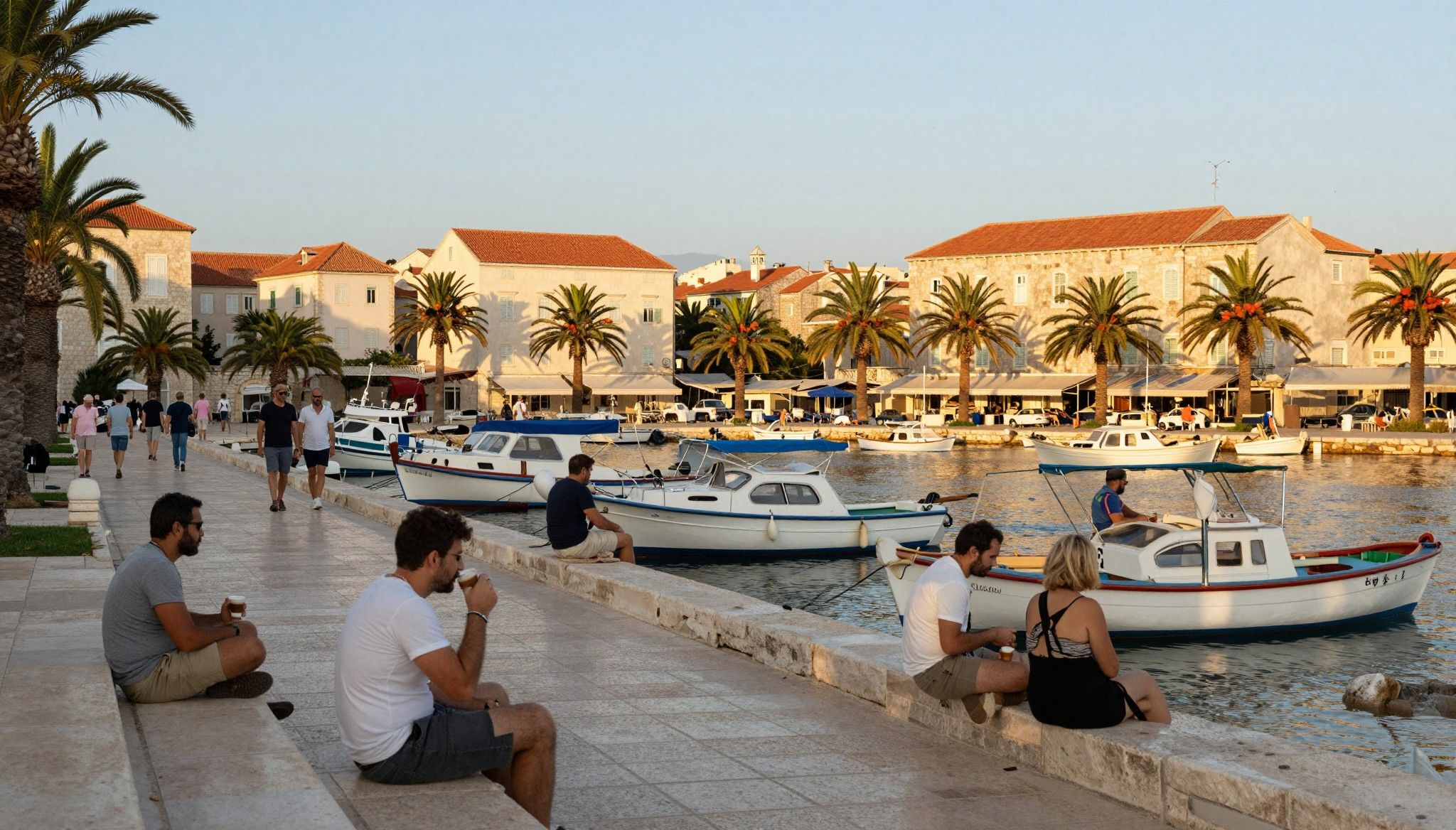
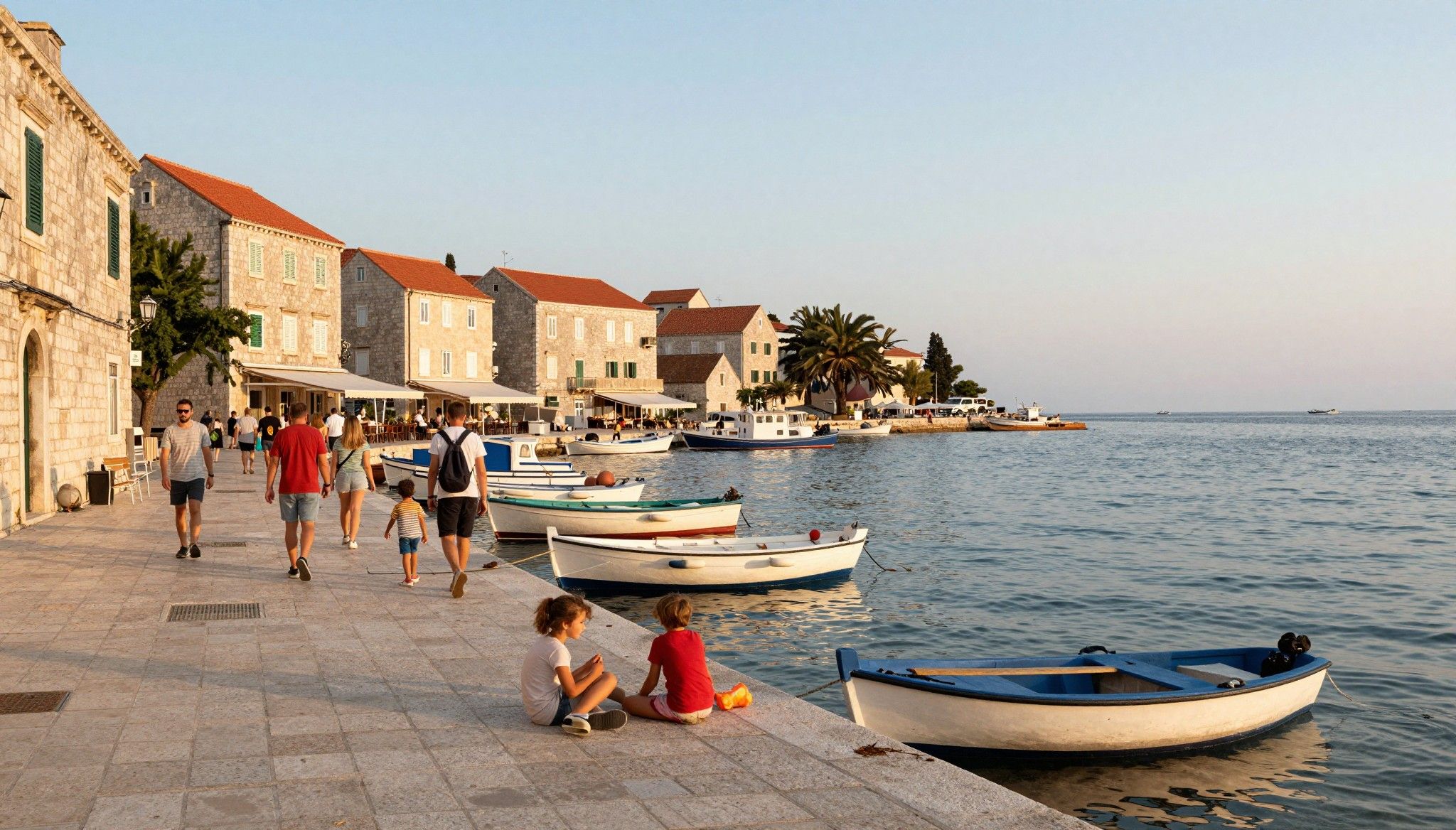
Imagine arriving in Limassol on a late‑spring morning: terraces steaming with espresso, bougainvillea spilling over limestone walls, and a quiet confidence to daily life that feels effortless. For many, Cyprus promises sunlit weekends, neighbourhood cafés, and a tax environment that sounds almost too obliging. The reality is more nuanced. Beneath generous headlines—“non‑dom” exemptions, abolished annual property levies—lie timing traps, municipal quirks and transactional costs that quietly reshape the cost of living and ownership.
Living the Cyprus life
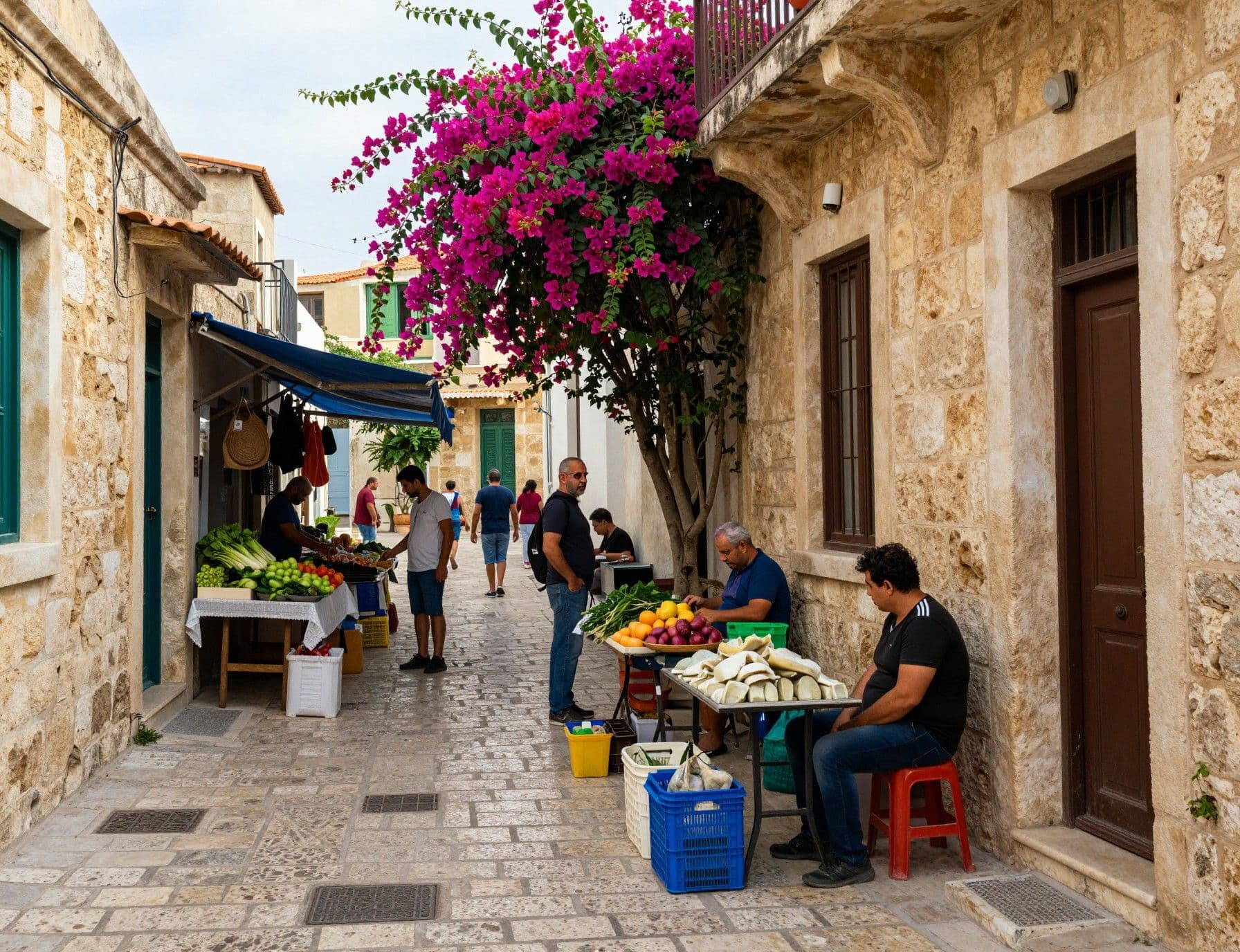
Cyprus is a study in contrasts: the narrow lanes of Nicosia’s old quarter, the polished marinas of Limassol, and the staggered stone terraces of Paphos. Days begin with market bargainers in Strovolos and end with neighborhood families walking to taverna tables. For buyers, the question is not simply which property but which life—village calm, coastal conviviality or a compact city pied‑à‑terre.
Neighbourhoods that shape daily rhythms
Limassol’s Germasogeia district blends beachside promenades with discreet residential streets; old Paphos (Kato Paphos) lives around a port and archaeological silence; Nicosia’s Strovolos and Engomi offer leafy streets and private schools that matter to families. Each address alters practical considerations: municipal rates, school commutes, and the viability of short‑let income.
Food, markets and the social calendar
Picture Saturday morning at the Ledra Market tasting haloumi at a stall, then an afternoon espresso at Artima Café in Limassol while brokers and neighbours discuss building permits. Festivals—from wine fêtes in the Troodos foothills to village panegyria—dictate seasonal renting patterns and affect temporary demand for properties in certain villages.
- Lifestyle highlights to consider when choosing an address
- Limassol promenade cafés and evening society; choose seafront for walkability and short‑let appeal.
- Paphos Old Town for heritage properties and quieter winters; expect restoration costs and conservation rules.
- Nicosia’s suburbs (Strovolos, Engomi) for private schools and diplomatic life; higher municipal and service expectations.
Making the move: the tax picture that shapes choices

Lifestyle choices meet tax reality the moment you sign. Cyprus offers notable incentives—chief among them the non‑dom status and a clear residency framework—but policy detail and recent reforms matter. Consider four recurring buyer misconceptions: that annual property taxes are a continuing burden (they were abolished), that all foreign income is exempt as a non‑dom, that VAT never applies to new builds, and that residency programmes remain constant. Each point requires specific timing and documentation to secure the intended benefit.
Property taxes, duties and what’s changed
Cyprus abolished the annual Immovable Property Tax as of 1 January 2017; stamp duty and other transaction rules have seen recent adjustments and should be checked for year‑specific reforms. Buyers still face transfer fees, possible VAT on new builds (standard rate 19%), stamp or registry fees in certain contracts, and municipal rates. Work with counsel to identify if a purchase attracts VAT or benefits from a reduced transfer fee band—these decisions can alter your effective purchase price by several percentage points.
Non‑dom, residency and the real exemptions
Becoming a Cyprus tax resident (183‑day rule, or the alternative 60‑day rule) and claiming non‑dom status can exempt you from Special Defence Contribution on certain income streams and often on dividends and interest. Recent guidance tightens documentary requirements and clarifies healthcare levies; non‑dom relief is valuable but not unconditional. Assess residency timing relative to property completion or rental contracts to lock in intended exemptions.
- Six steps to align lifestyle timing with tax advantage
- Confirm the residency test you will meet (183 or the 60‑day rule) before final exchange.
- Ask your lawyer to model VAT vs transfer‑fee scenarios for new build contracts.
- Apply for non‑dom evidence early; gather domicile history, foreign tax returns and ties documentation.
- Build a schedule for capital gains sensitivity if you plan a short‑term resale (CGT applies at 20% on gains from immovable property).
- Budget for municipal rates, local service charges and occasional conservation levies in heritage zones.
Insider knowledge: what expats wish they’d known
Beyond formal taxes, daily realities influence long‑term cost and satisfaction: utility billing cycles, local council practices for refuse collection, and the seasonal rhythms of tourism that swell short‑let demand in summer and quiet streets in winter. Expats often underprice maintenance for traditional stone houses in Troodos or underestimate the paperwork for listed buildings in Paphos.
Cultural and contractual red flags
Watch for informal vendor promises (verbal parking rights, implied access) that do not appear in title deeds. Verify planning permissions where a beachside renovation is planned: historic coastal zones and mountainous villages carry conservation overlays. A local lawyer and an architect with Cypriot permits are indispensable.
Long‑term lifestyle and stewardship
Think in decades, not months. Properties with craftsmanship — vaulted stone kitchens, mature courtyard gardens, timber shutters — reward stewardship and often avoid being commoditised on holiday‑let platforms. If preserving provenance matters, budget for specialist conservators and choose an agent versed in heritage transactions.
- Practical tips from experienced buyers
- Insist on full title searches and utility clearances before contracts are signed.
- Choose a notary/lawyer who acts for you alone, not the seller.
- Model ownership scenarios with your tax adviser: residency year, rental income, and intended sale timing materially change net returns.
If you love the life—the weekly market, sea swims before work, tavernas that remember your name—let those rhythms guide the search. Then apply disciplined, lawyer‑led due diligence so the tax realities support the life you want rather than undermine it.
- Three immediate next steps
- Book a short call with a Cyprus tax adviser to time residency and non‑dom application to your purchase completion.
- Ask your agent for recent comparables that include VAT/transfer fee outcomes so you can compare like‑for‑like net prices.
- Commission a title search and planning clearance before paying a deposit; treat these reports as cost of discovery, not optional extras.
Cyprus offers an appealing blend of Mediterranean ease and favourable fiscal features. The work for a discerning buyer is to align that ease with careful timing and precise legal counsel. When lifestyle leads and diligence follows, the island’s light and material richness become an enduring asset rather than a pleasant surprise.
Relocating from London to Mallorca in 2014, I guide UK buyers through cross-border investment and tax considerations. I specialise in provenance, design integrity, and long-term value.