Reciprocity, Residency and the Croatian Coast
Fall for Croatia’s markets, light and coast — then learn how reciprocity, land classification and local counsel make an ownership both legal and livable.
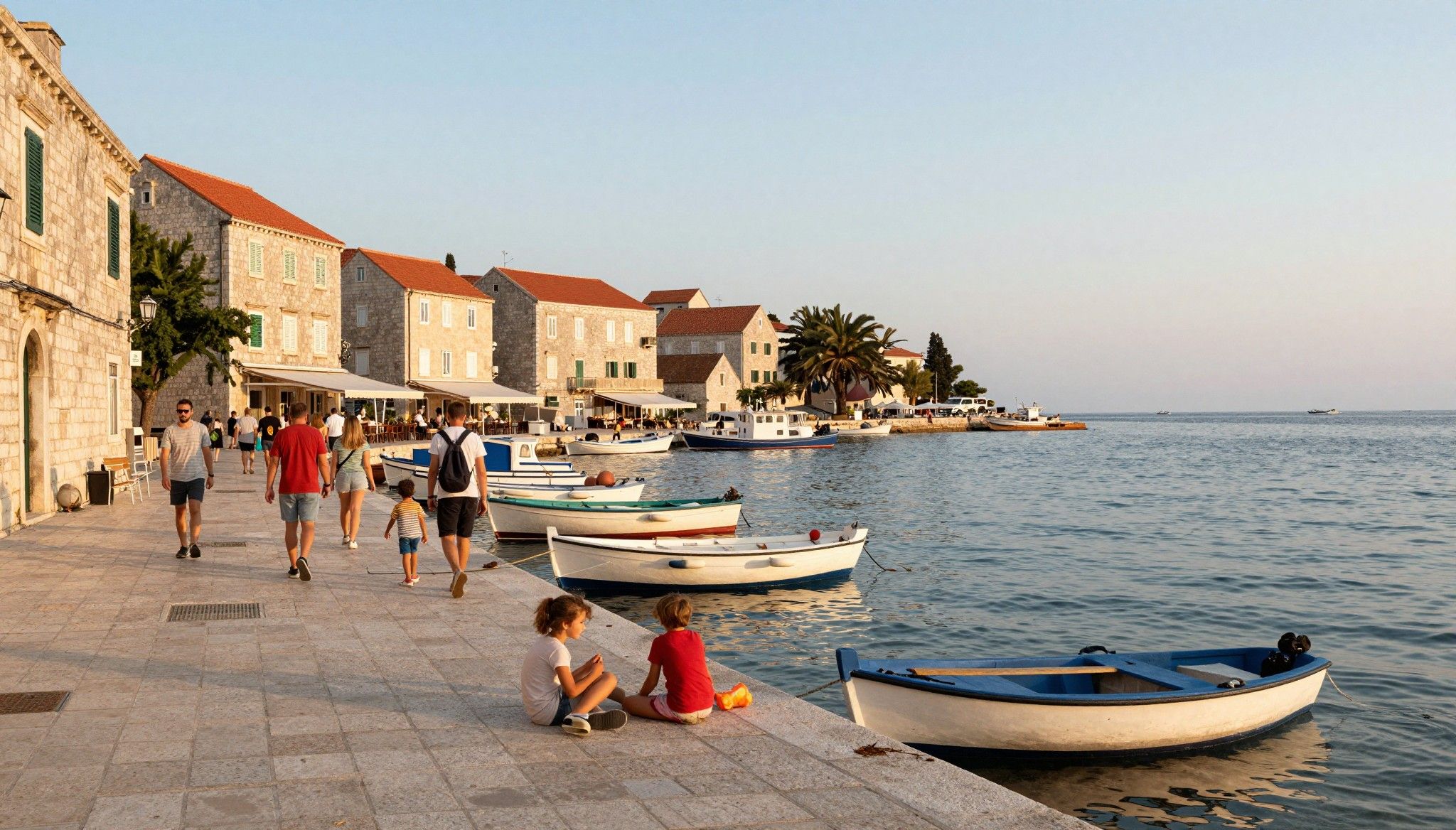
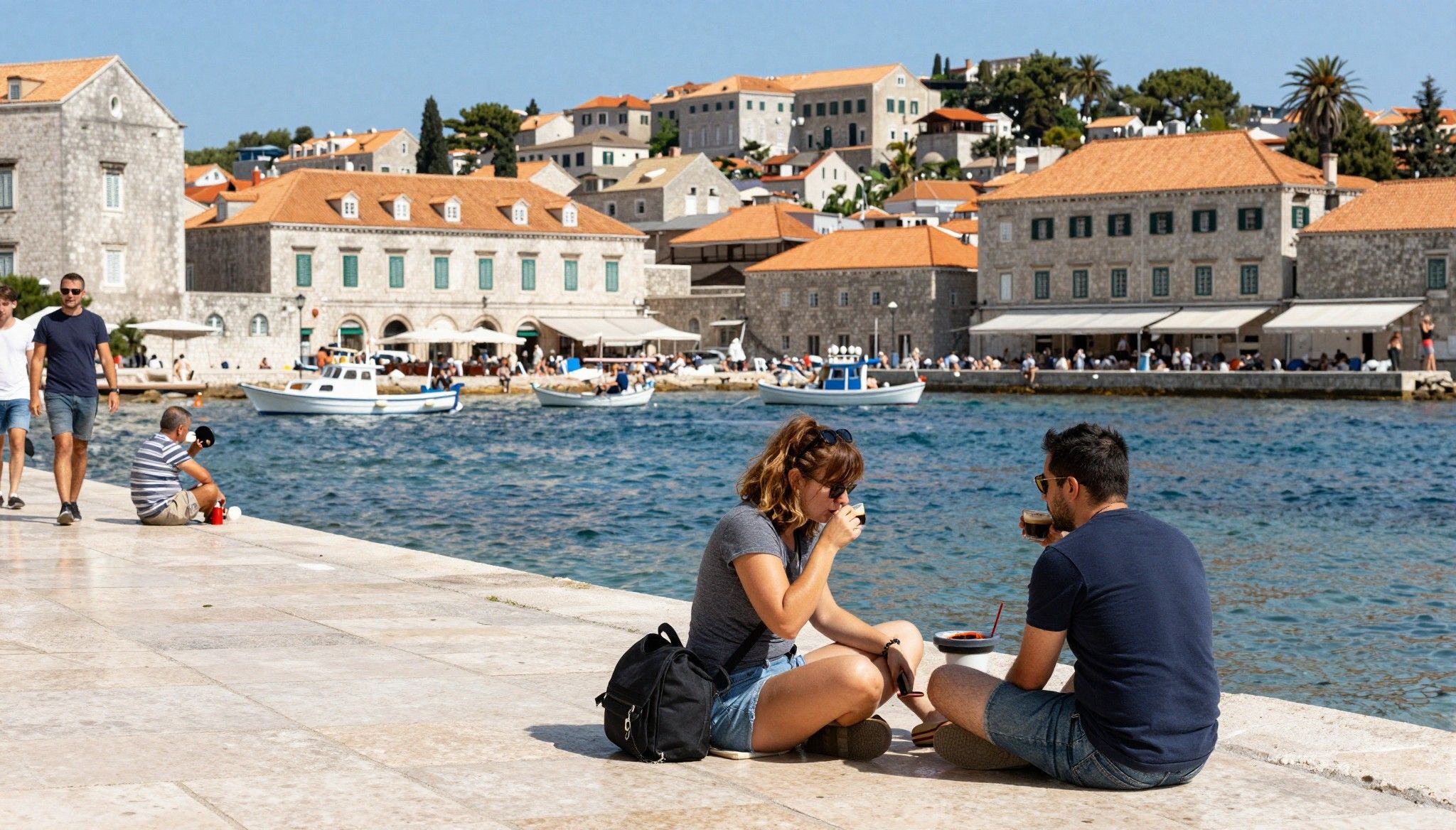
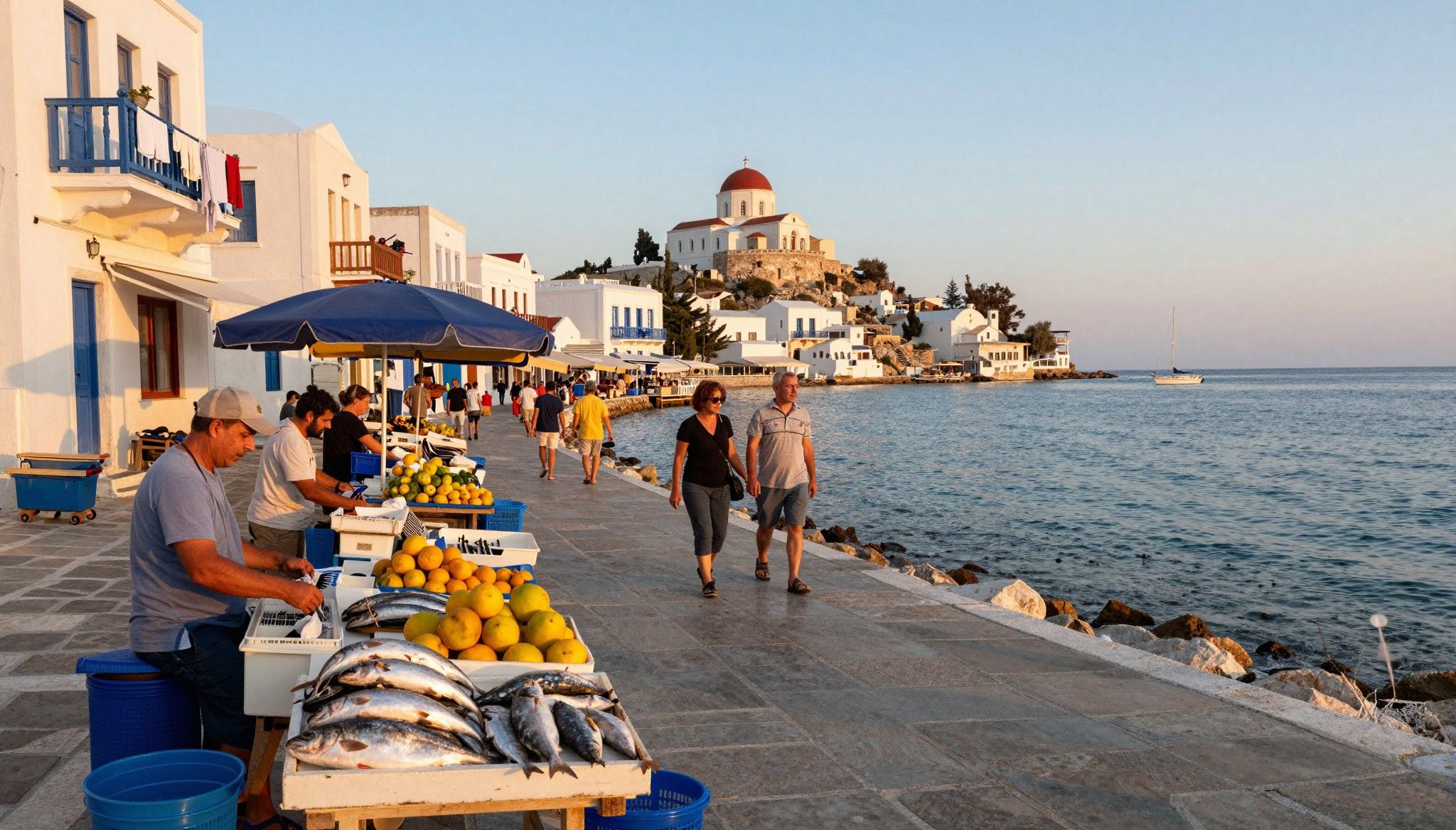
Imagine an afternoon in Hvar: late light on limestone façades, fishermen hauling cages at the harbour, and an espresso poured with unhurried care. It is easy to fall for Croatia this way — for its islands, market mornings and narrow, fragrant streets. Yet beneath that Mediterranean ease are precise legal rules that shape who may own what, where residency follows different pathways, and how local customs quietly determine a property's long‑term appeal. This piece begins with the life you crave and then traces the understated steps — reciprocity, registration, local counsel — that turn a dream residence into a secure, generational asset.
Living the Croatia Life
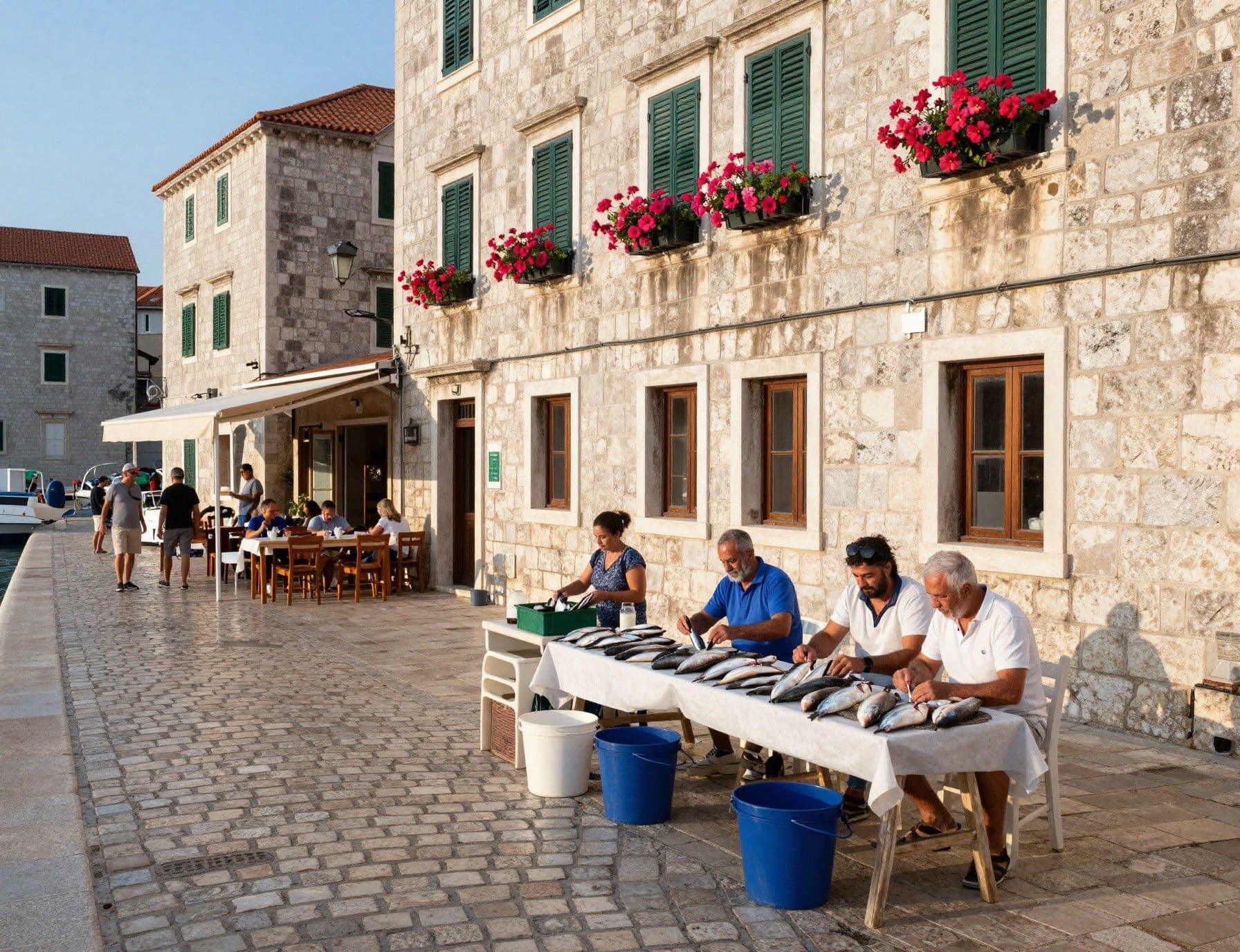
Days in Croatia are structured by light and season: market mornings in Dolac, late lunches in Split’s Bačvice, and evenings that gather on waterfront promenades from Rovinj to Dubrovnik. The architecture is a running story — Austro‑Hungarian townhouses in Istria, Venetian stone in Dalmatia, austere modernism in Zagreb — and it determines how you live. A city apartment means short walks to cafés and galleries; a stone house on the Pelješac peninsula means terraces, drying figs, and a slower rhythm. Lifestyle shapes property choice as much as law does.
Neighborhoods that reward close attention
Zagreb’s upper town and neighborhoods such as Pantovčak offer leafy streets and 19th‑century townhouses for those who prize urban civic life. On the coast, Split’s Veli Varoš and the quieter coves around Stari Grad on Hvar give access to local cafés and fishermen’s markets rather than tourist spectacles. In Istria, the hilltowns around Motovun provide vineyard country living within an hour of Pula’s airport. These micro‑locations show how daily pleasures — a particular bakery, ferry timetables, a coastline orientation — translate to practical requirements for access, parking and seasonal maintenance.
Food, ritual and the cadence of the year
A weekend in Croatia often begins with a market run: oysters in Ston, truffles inland from Istria, citrus in Dalmatia. Festivals — Feast of St. Blaise in Dubrovnik, ultra‑local saint days — reshape small towns for a day and reveal community networks that matter when you restore a house or employ local artisans. Understand the calendar and you understand maintenance cycles, rental seasonality and when a property truly yields the life you bought.
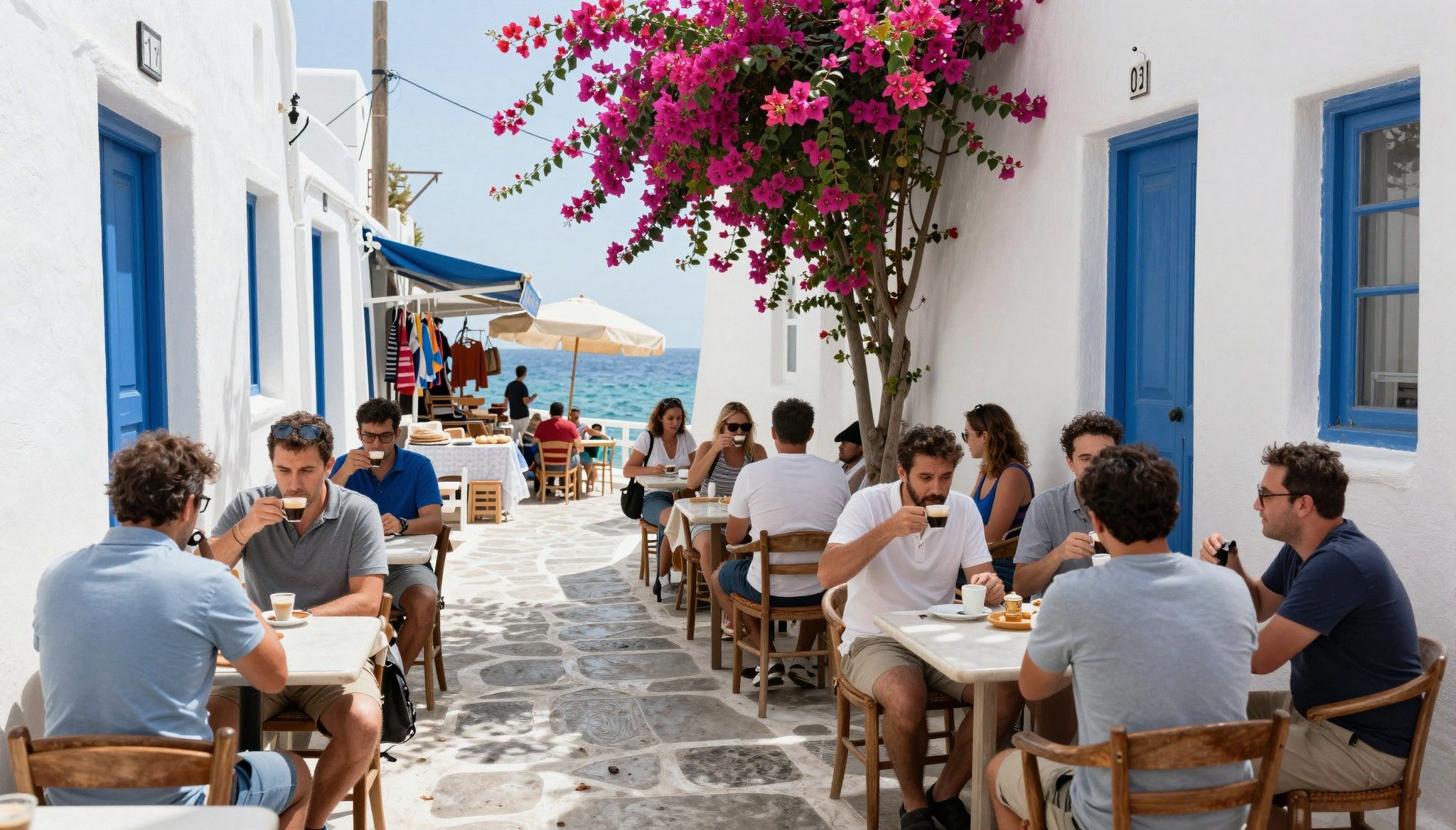
- Market, taste and place: lifestyle highlights to scout in person • Morning fish market at Split’s Riva or Hvar’s harbour • Espresso culture on Zagreb’s Tkalčićeva and lounges in Rovinj’s old town • Local olive‑oil producers and tasting rooms in Istria • Village konobas (family tavernas) where neighbours meet • Off‑season coastal walks on the Pelješac peninsula
Making the Move: Law Meets Lifestyle
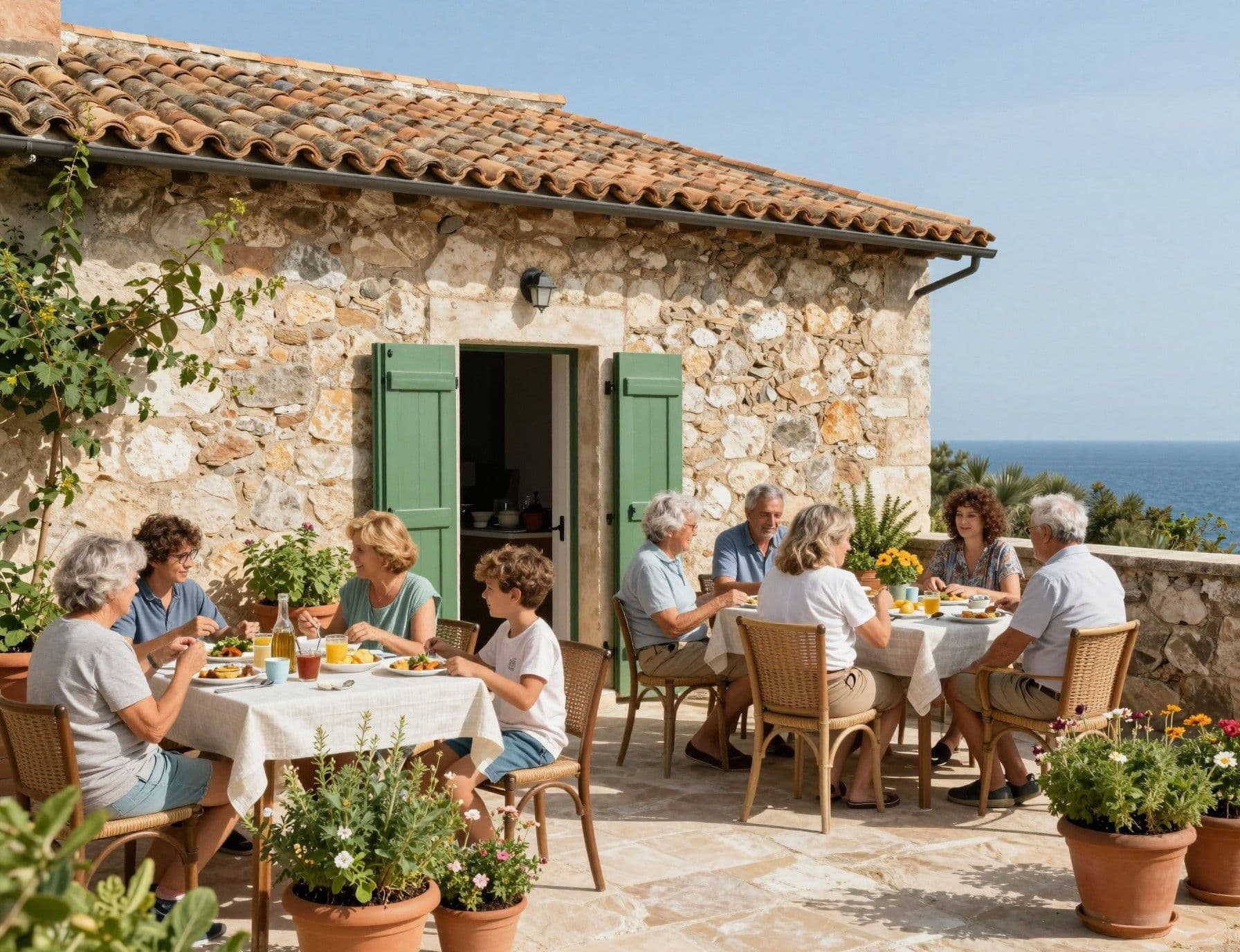
Turning affection for a place into legal ownership requires attention to a few specific rules. EU, EEA and some neighbouring nationals generally acquire property under the same conditions as Croatians; other foreign buyers are subject to the principle of reciprocity and, in some cases, ministerial consent. Land‑use distinctions — especially agricultural and protected lands — have separate restrictions. Registering the purchase and entering the zemljišna knjiga (land registry) finalises ownership and is where a transaction becomes indisputable.
Property types and how they shape legal needs
An apartment in Rijeka differs legally and practically from a rural parcel near Zadar. Apartments and built urban plots are typically straightforward for EU buyers; non‑EU nationals may need approval, especially for undeveloped land. Agricultural and forest land are treated separately and often remain restricted to domestic buyers or inheritances. If you value privacy and acreage, plan for extra legal steps or consider forming a local company — a common route that carries tax and governance implications.
How local experts translate lifestyle into contracts
- Steps where local counsel and agents add value: 1. Confirm reciprocity and whether ministerial consent is required — saves time and avoids surprise refusals. 2. Check land classification (urban, building, agricultural) on municipal planning maps. 3. Commission a title search in the zemljišna knjiga and confirm encumbrances. 4. Agree conditions in a reservation or pre‑contract with clear deposit rules and timelines. 5. Complete notary formalities and register ownership; your lawyer can act as representative if you do not attend.
Insider Knowledge: What Expats Wish They’d Known
Several practical truths surface after the first season living here. Ferry timetables determine rental calendars for island homes; small municipal quirks — waste collection, winter road clearing, local planning permits — affect renovation timelines. Most expats find that a trusted local lawyer and an agency that understands heritage restoration are the difference between a costly mistake and an understated, well‑executed purchase.
Cultural notes that matter for stewardship
Croatians prize provenance and family continuity in property. Negotiations often unfold over coffee and require patience; local craftsmen expect to be consulted early when restorations are planned. Respect for local planning (and listed building rules in historic cores) protects value: a sensitive restoration can lift an old stone house’s market and emotional worth far above a cosmetic renovation.
- Long‑term considerations for a life here • Think seasonally: maintainability in winter and rental viability in summer. • Plan for utilities: island properties sometimes require alternative water/electric solutions. • Tax and residency: owning property does not automatically grant permanent residence — check rules early. • Community integration: local associations and neighbours are essential allies for permits and networks. • Stewardship over speculation: properties with craftsmanship and authenticity retain value.
If you are moved enough by the place to proceed, begin with three parallel actions: secure informed legal advice (to confirm reciprocity and registration steps), visit the neighbourhood across seasons, and engage an agent who can source off‑market options and introduce reliable local artisans. These measures turn aspiration into a confident transaction and protect the life you want to lead here.
Norwegian with years in Florence guiding clients across borders. I bridge Oslo and Tuscany, focusing on legal navigation, cultural context, and enduring craftsmanship.