Greece: Neighbourhood Rhythm That Guides the Purchase
Experience Greece’s neighbourhood rhythms — from Koukaki’s quiet lanes to Kolonaki’s terraces — and pair sensory living with market realities and local expertise.
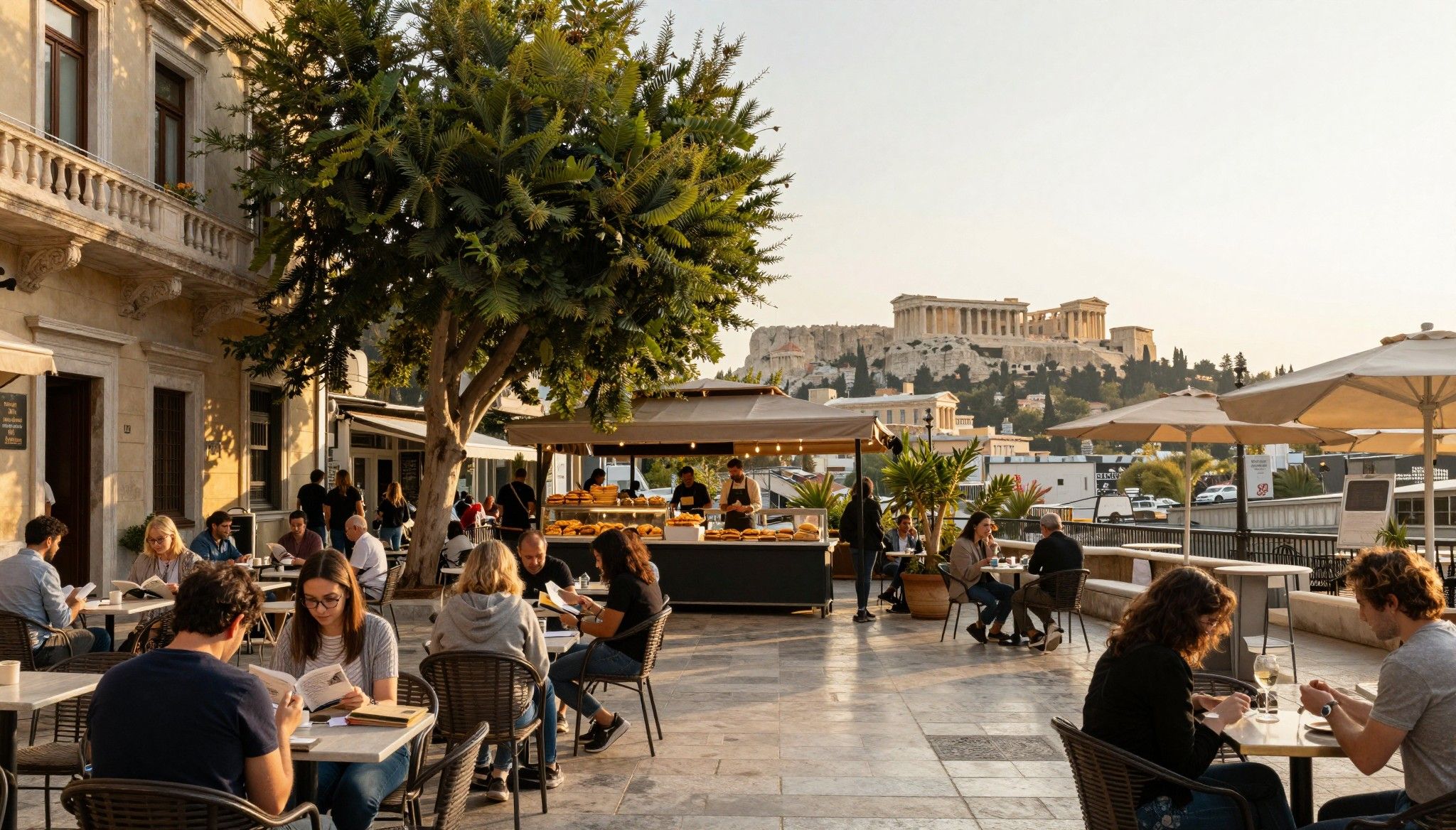
Imagine waking to a slow, sun-softened Athens morning: an espresso at Taf near Makrygianni, a stroll under plane trees to a neighborhood bakery, then an unhurried conversation with a local craftsman about the restoration of an 1880s neoclassical balcony. That rhythm — domestic, convivial, and rooted in place — is why many international buyers choose Greece. Yet the move from yearning to ownership requires more than romance; it requires grounded choices about neighbourhood character, seasonal life and long-term stewardship.
Living Greek Days: The lifestyle that shapes where you buy
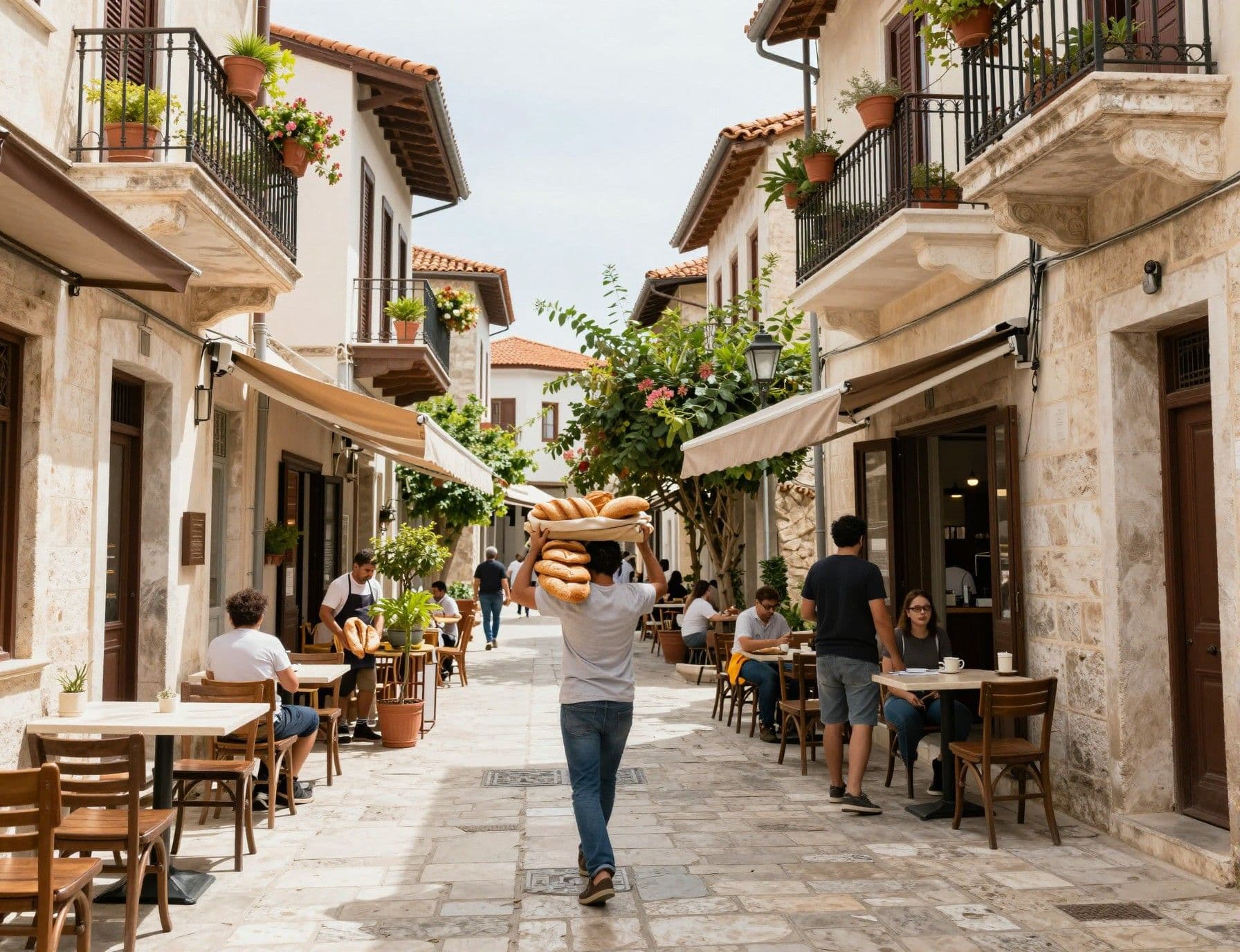
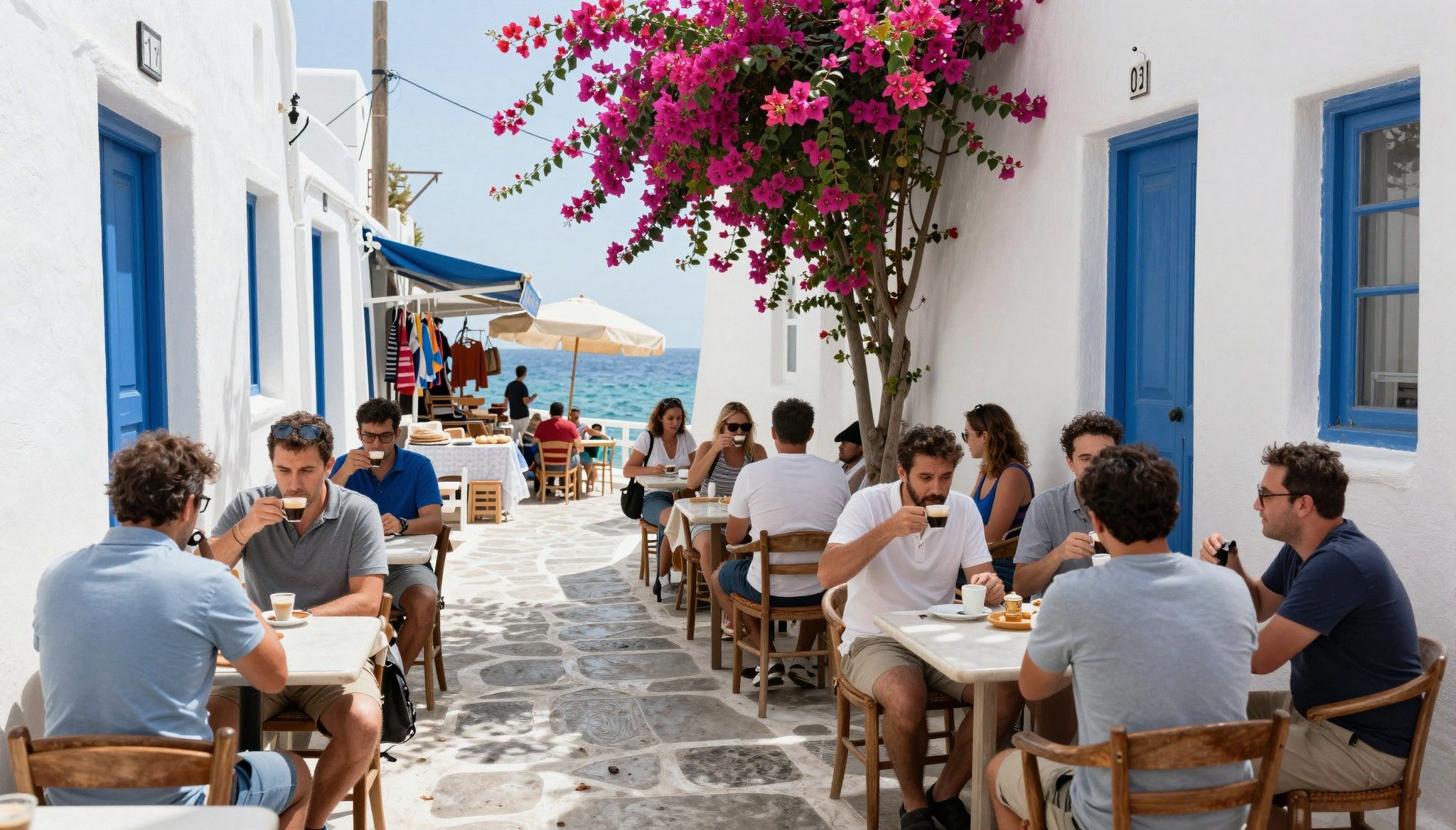
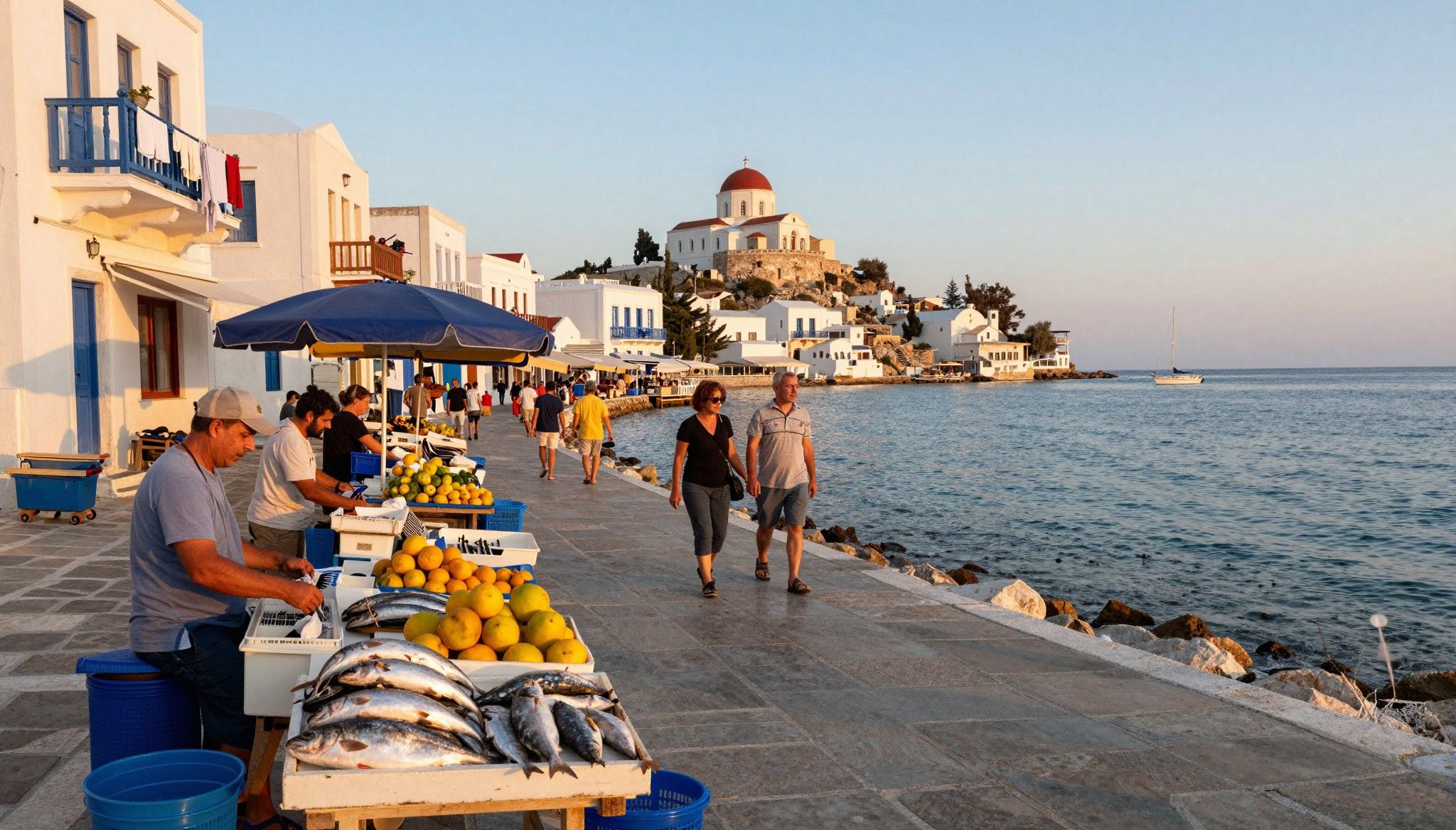
Life in Greece centres on place-making: small cafes that double as communal living rooms, mercados where fishmongers know your name, and squares that fill at dusk. In Athens this translates to neighbourhoods with distinct tempos — Kolonaki’s measured terraces, Koukaki’s quiet lanes near the Acropolis, Pangrati’s long, lively avenue culture — each promising a different daily choreography for residents. Choosing a home here means deciding which rhythm you wish to inhabit.
Koukaki and Makrygianni: intimacy with antiquity
Koukaki sits under the Acropolis like a lived-in stage set: narrow streets, low-rise neoclassical blocks, and discreet tavernas. It is residential rather than touristic, best for buyers who prize proximity to heritage and a strong neighborhood social life. A restored apartment here gives easy access to evening promenades on Filopappou Hill and coffee culture on Drakou, while still offering the quieter cadence of local life.
Kolonaki and Pangrati: polished comfort versus everyday conviviality
Kolonaki offers curated museums and refined terraces for those who prefer formality with convenience; Pangrati feels more domestic and artist-driven, with markets, small galleries and family-run bakeries. Both deliver different social patterns: Kolonaki’s late-morning cafés and polished boutiques, Pangrati’s evening squares and local concerts. Your choice should reflect whether you prefer cultivated quiet or a neighbourhood that hums with everyday life.
- Lifestyle highlights: cafés, squares and coastal escapes
- Morning espresso at Taf or Kytaro (Athens); a Saturday at Varvakios Market; weeknight dinners in a taverna on Anafiotika; weekend ferry to a Cycladic isle such as Paros for wind-swept beaches and slow seafood; winter walks on Crete’s milder coast.
Making the move: property realities that honor the lifestyle
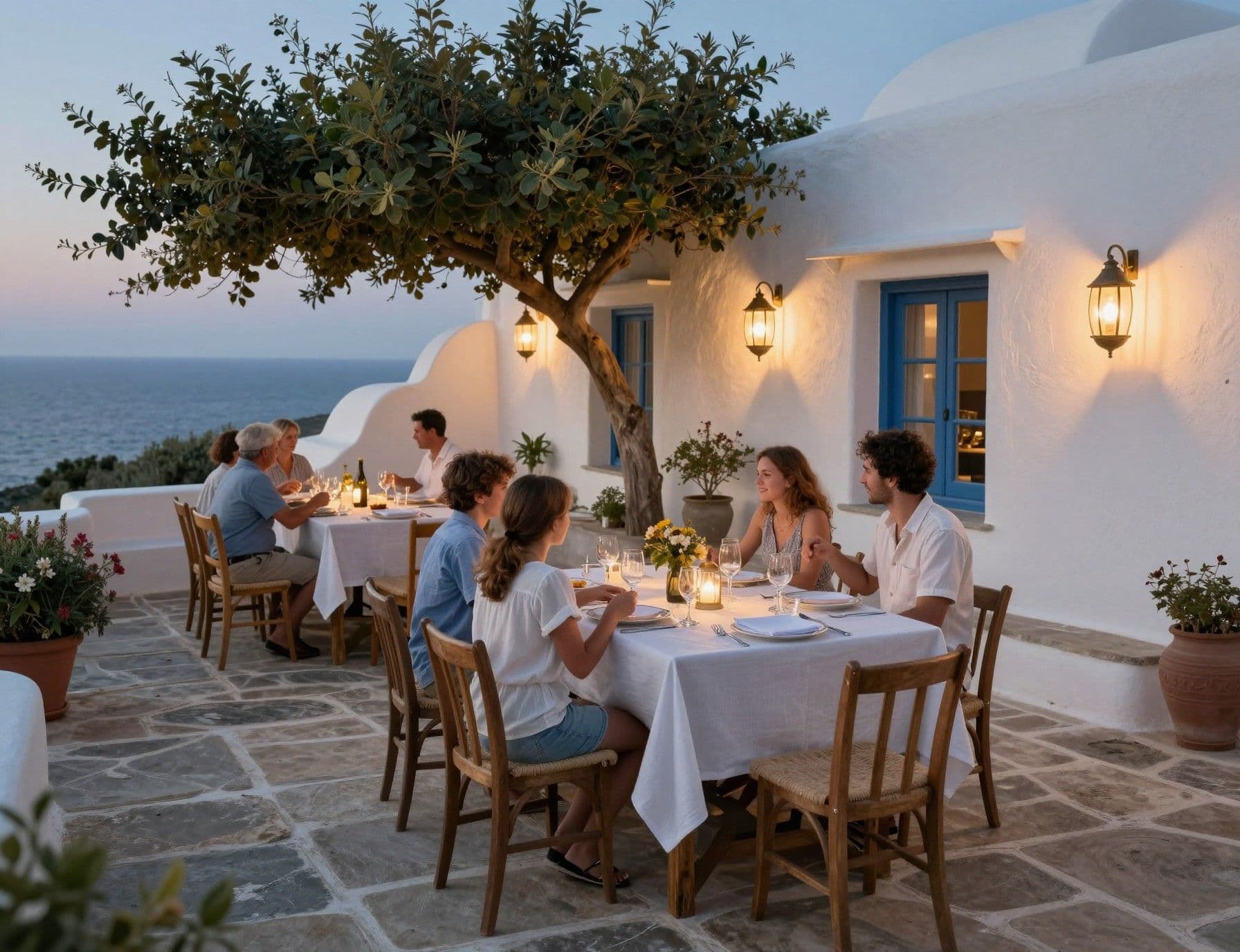
The romance of neighbourhood life must be matched by market realism. Prices rose through 2024–25 and continue to show growth in many segments, particularly refurbished Athens apartments and desirable island properties. Recent surveys and bank indices report steady year-on-year rises in residential prices, reminding buyers that value now rests on provenance and condition as much as location.
Property types and how they translate to daily life
A neoclassical Athens flat offers high ceilings, original moldings and balconies facing plane‑tree courtyards — suited to those who prize domestic ceremony and indoor-outdoor continuity. A renovated Cycladic stone house gives light-filled terraces and dense connection to sea and village life; a modern villa on Crete offers year-round weather resilience and longer-term family use. Look beyond square metres to floor-to-ceiling proportions, cross-ventilation and storage — the features that shape lived comfort.
Working with local experts who curate lifestyle matches
Choose agencies that speak to conservation and craft: they will surface properties with architectural integrity, advise on sympathetic restorations and introduce trusted local artisans. An agent who knows a neighbourhood’s baker, its municipality office and the craftsmen who can replicate original cornices is more valuable than one who only lists prices. Expect an advisory role that blends procurement, provenance checks and local introduction.
- Steps to match lifestyle and property (practical + personal)
1. Spend at least three non-consecutive days living in candidate neighbourhoods at different times of day to sense rhythm and sound. 2. Prioritise buildings with evidence of careful maintenance or high-quality restoration over newer, anonymous developments. 3. Confirm proximity to markets, primary services and a dependable winter population if year-round life is intended. 4. Insist on transparent title searches and a local lawyer who understands municipal building records and conservation zones. 5. Build relationships with local craftsmen early; restoration timelines often determine final cost and usability.
Insider knowledge: what expats wish they’d known
Seasonality, community cadence and the care of place were the lessons many expats learn only after moving. Islands soften in winter; some villages empty, others retain a committed year‑round community. Athens, by contrast, remains urbane through the year but shifts neighbourhood moods between summer and winter. Buyers who account for seasonal variation — both in lifestyle and rental liquidity — make steadier decisions.
Language, social customs and the unspoken rules
Greek social life privileges reciprocity and time. Markets and cafes are where reputations form; an earnest effort to learn basic Greek and attend local events accelerates inclusion. Understand that many municipal processes proceed at a human pace; patience and a trusted local intermediary ease navigation and preserve goodwill.
Long-term stewardship: how neighbourhoods evolve
Neighbourhood character can shift as tourism patterns and public investment change. Islands like Paros and Naxos have retained varied economies — fishing, farming, tourism — which helps maintain authenticity and value. On the mainland, investment in infrastructure and cultural venues stabilises demand; prudent buyers look for places where civic care matches private restoration.
- Red flags to notice in a neighbourhood visit
Sudden density of short‑term rentals with no year‑round life; multiple neglected façades on the same street; murky municipal records for balconies or rooftop additions; absence of basic services in winter; and agents unwilling to introduce local contacts or craftsmen.
The measure of a neighbourhood is how it feels across seasons, not only during high summer. If you love the idea of a life in Greece, begin with neighbourhoods that already sustain daily living: small delis, working markets and neighbours who know one another. From that foundation, work with advisers who understand architectural integrity and local municipal practice; they will translate lifestyle into a durable property choice.
When you are ready, request an agency dossier that includes provenance, conservation status, recent works and local references. A considered purchase in Greece is at once an investment in the property and a commitment to care for place. It is how a house becomes a home and a neighbourhood endures.
Former Copenhagen architect who relocated to Provence, offering relocation services, market analysis, and a curator’s eye for authentic regional design.