Croatia: Life, Loans and Little Legal Truths
A lifestyle‑first look at buying in Croatia: daily rhythms, neighborhood truth, and concrete financing steps — transfer tax, VAT, mortgage realities and local red flags.
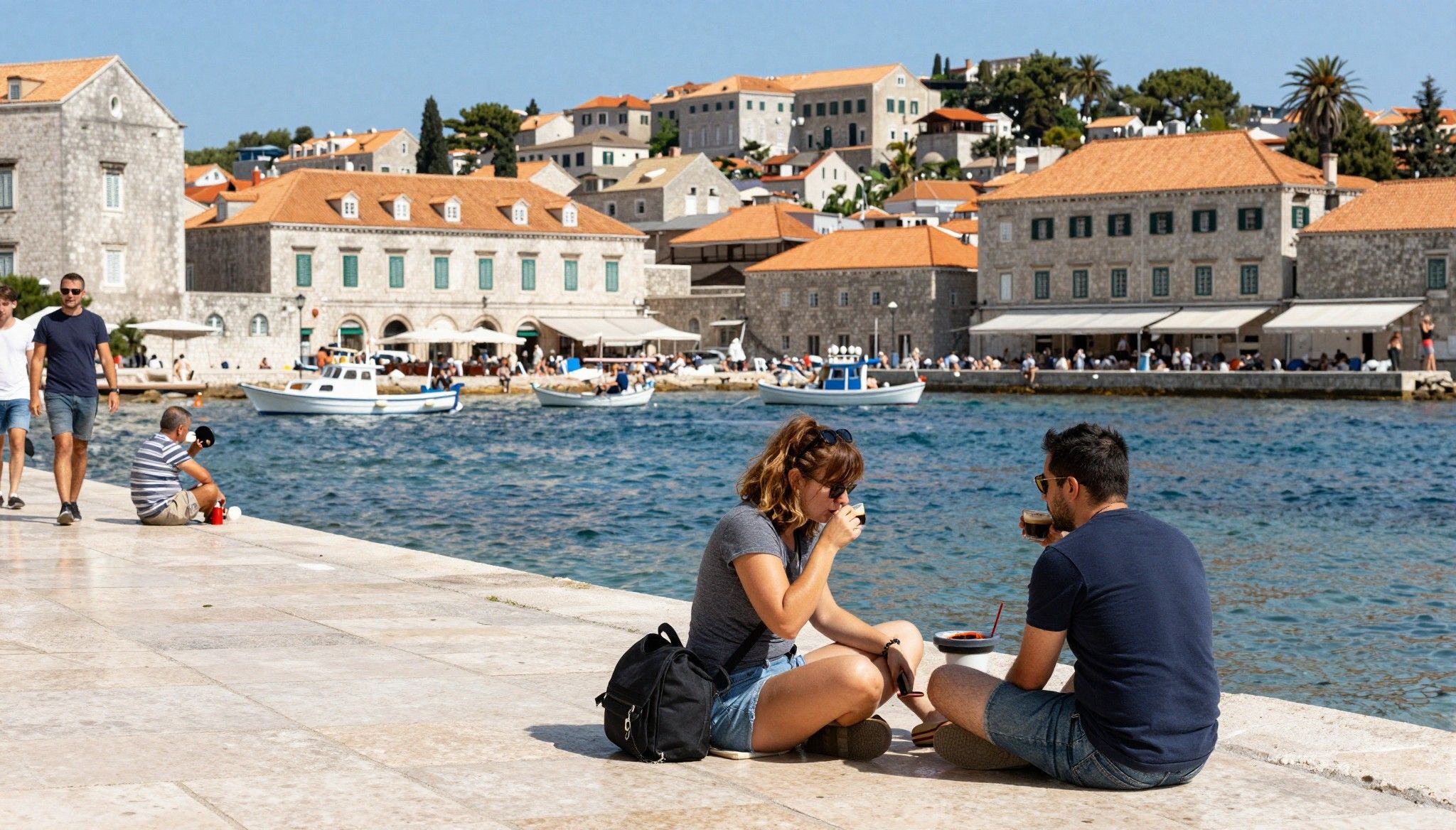
Imagine waking to the smell of roasted beans on Split’s Riva, then wandering narrow stone lanes to buy fish at the Pazar before the day warms. In Croatia the day unspools slowly — sea, market, café — and that ease shapes how you use a home here: compact city apartments morph into weekend refuges; coastal stone houses become year‑round anchoring places. Many international buyers arrive carried by this rhythm; prudent decisions, however, marry the romance with rules and finance. Our aim here is simple: show you the life Croatia offers, then give the precise financial signposts you’ll need to reach it.
Living the Croatia life
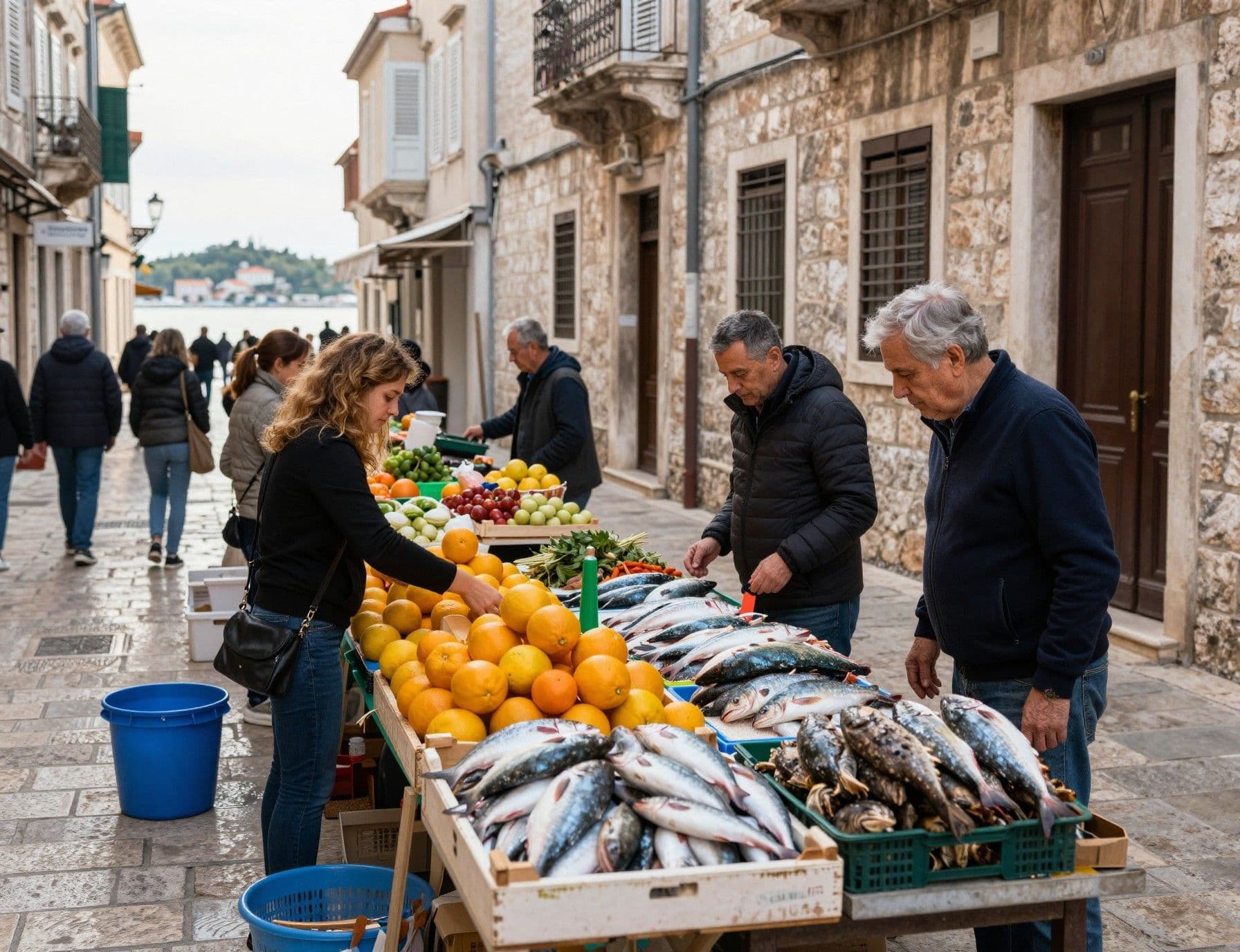
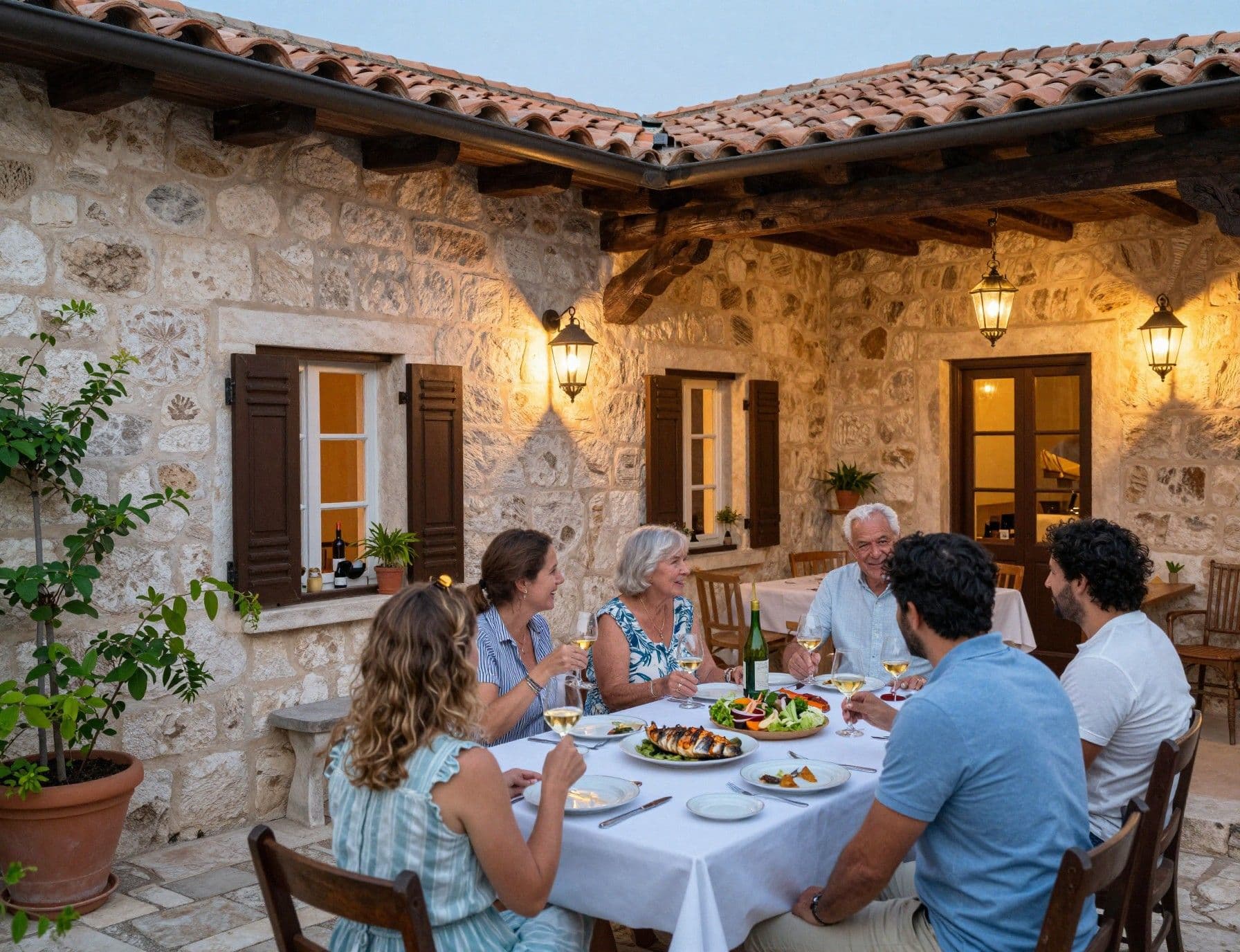
Croatia is a study in contrasts: Baroque facades and Roman mosaics in Dubrovnik sit beside contemporary marinas in Trogir; pebble beaches curve into pine‑fringed coves along the Dalmatian coast, while Zagreb’s tramlines carry commuters past Austro‑Hungarian terraces. Daily life is tactile — morning markets, leisurely lunches that stretch into late afternoon, and evenings on terraces with local plavac Mali wine. These rhythms affect what you want from a property: a courtyard for summer dinners, a compact central flat for cultural life, or a restored stone house with thick walls that keep interiors cool in July.
Coastal neighbourhoods: life by the sea
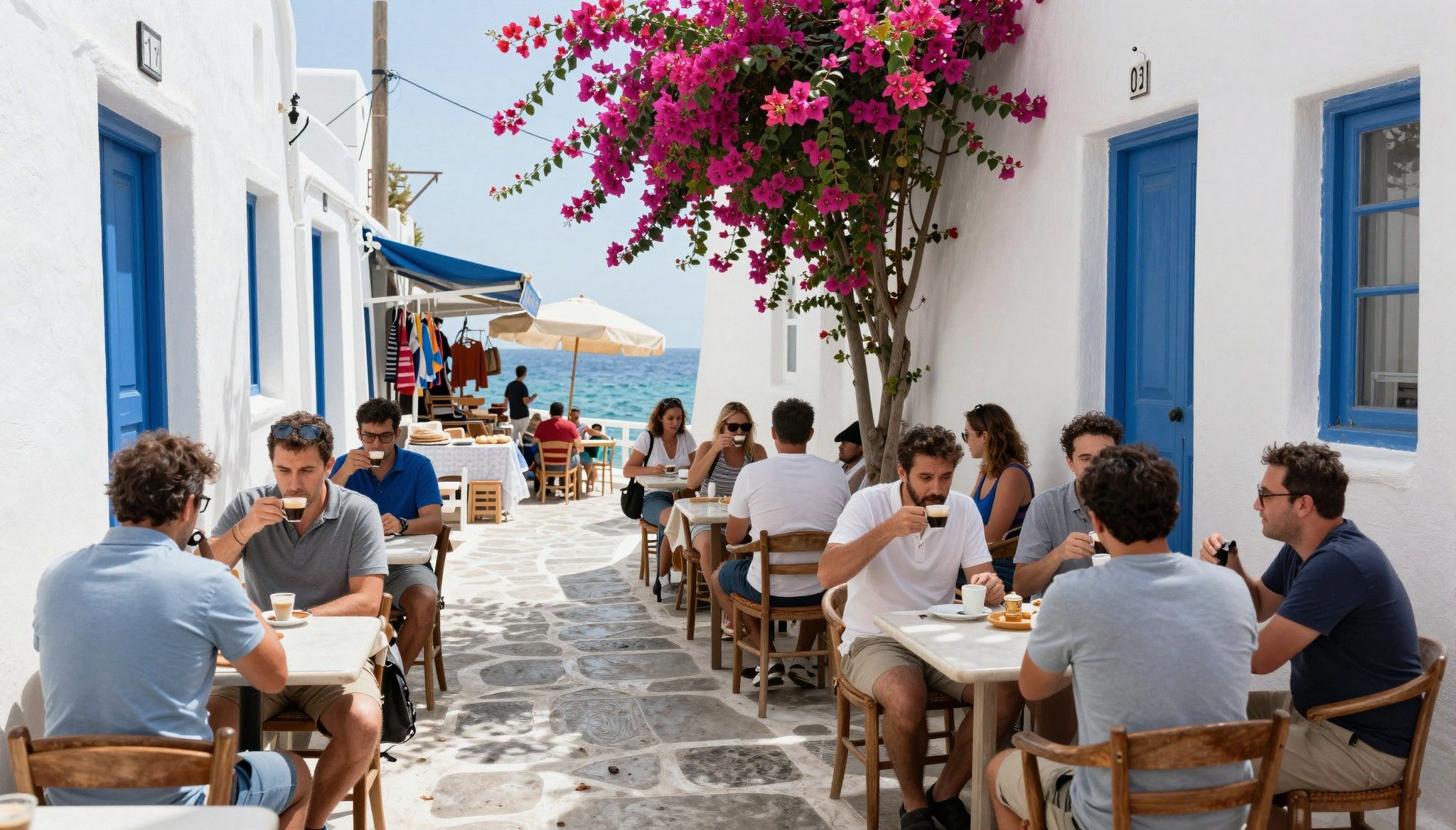
Split’s Veli Varoš and the promenades of Hvar are not merely scenic — they are lived neighbourhoods where cafés double as meeting places and owners greet one another by name. In Dubrovnik, the Lapad peninsula offers family rhythm and green promenades while the Old Town remains more tourist‑centric; on Istria, Rovinj’s Carera is all small galleries and late‑night gelato. For buyers this translates to tradeoffs between rental demand and everyday tranquillity: the most photogenic blocks draw premium short‑term rates, while adjacent streets often preserve the quieter local life.
Food, markets and weekend rituals
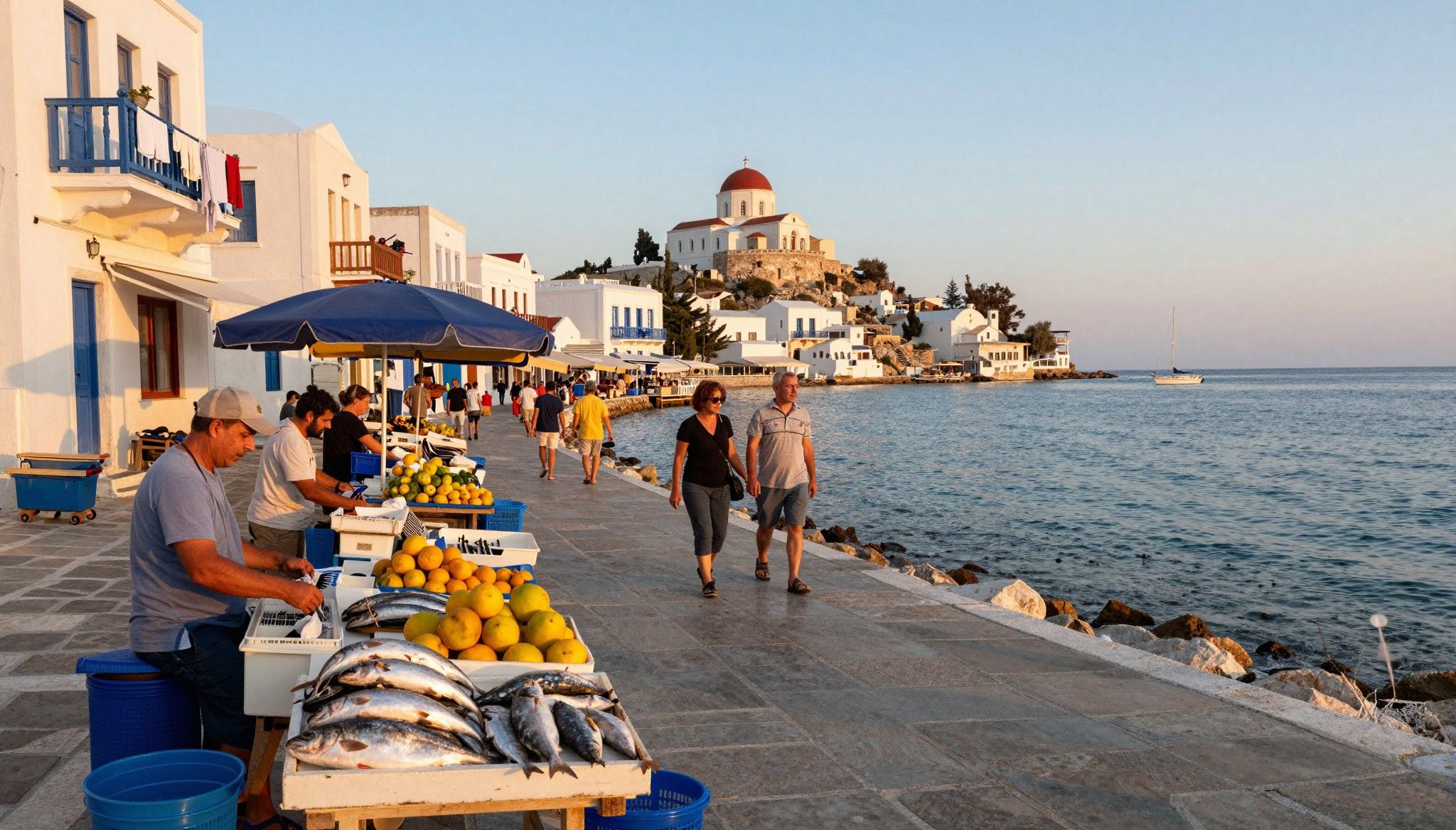
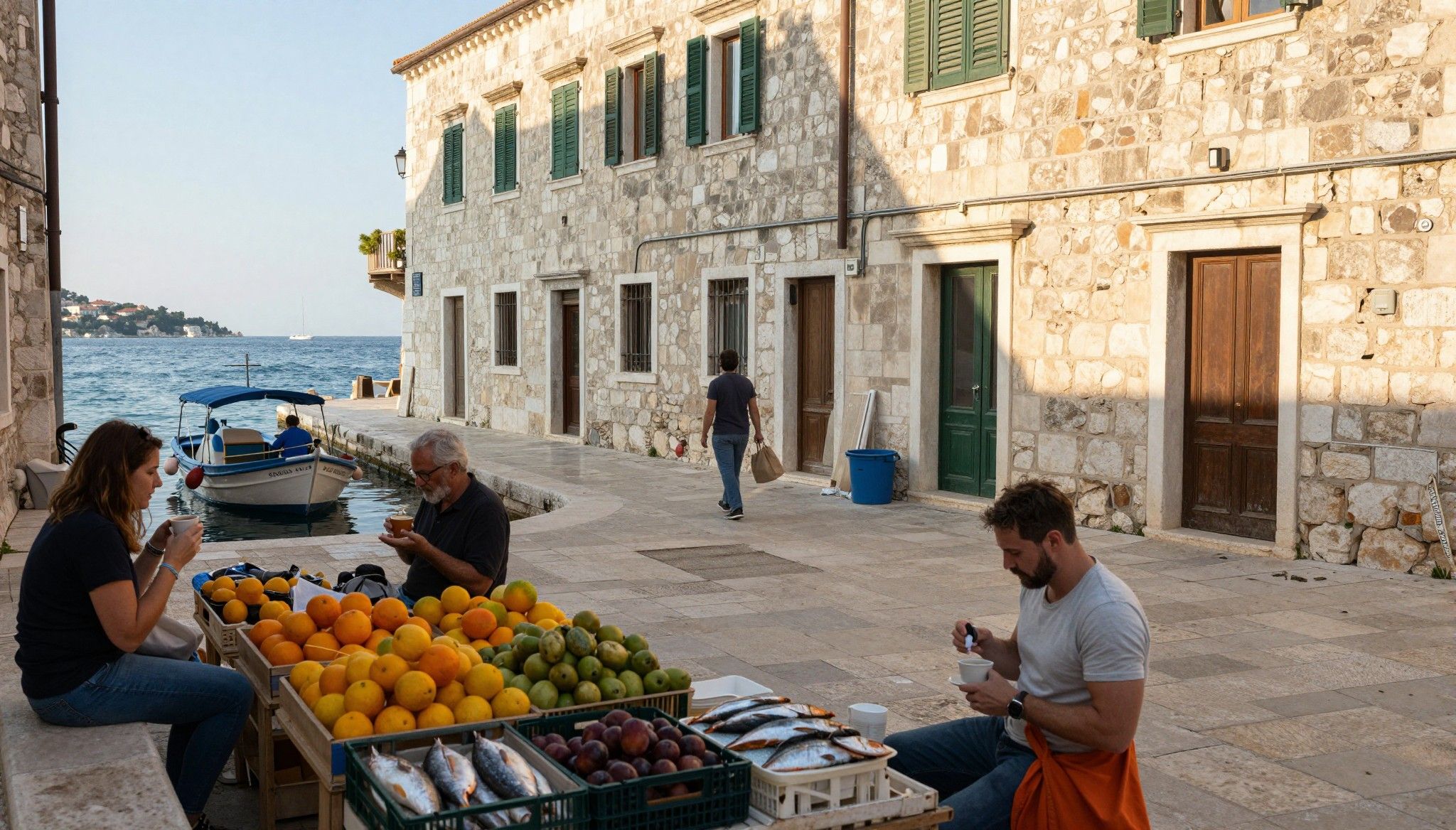
Weekends are punctuated by market visits — Dolac in Zagreb, Pazar in Split — where seasonal produce, fresh cheese, and smoked fish tell you more about the region than any brochure. For property buyers, proximity to market life often matters more than a sea view; a flat two streets from a market will be occupied, lively and easier to rent when you are away. Seasonal festivals, truffle hunts on Istria’s uplands, and summer regattas also shape occupancy patterns and the local short‑term rental market.
- Dolac market (Zagreb) — morning life and food supplies
- Veli Varoš (Split) — community cafés and early‑morning fish stalls
- Carera (Rovinj) — art, trattorias and pedestrian evenings
- Lapad promenade (Dubrovnik) — family walks and accessible beaches
Making the move: practical considerations
Romance must meet regulation. Croatia’s housing market has seen notable price growth in recent years, driven strongly by coastal demand; official statistics report average prices per square metre that vary markedly between Zagreb and Adriatic towns. From a buyer’s perspective, property transfer tax, VAT rules on new builds, and the question of whether you qualify for a domestic mortgage are the practical levers that determine affordability. Understanding these levers early — before making an offer — protects both the lifestyle you crave and the capital you invest.
Property styles and what they offer
Stone houses feature thick walls, small windows and high thermal mass; they require different maintenance from contemporary builds but reward with cool summer interiors and provenance. New developments near marinas offer modern MEP systems and easier rental management, though VAT may apply at purchase and affect transfer tax liability. For buyers who value craft and history, restored Dalmatian houses with original beams and artisan tilework often require a long‑view approach to renovation and stewardship.
Working with local experts who know both life and law
A local lawyer and an agent steeped in neighbourhood rhythm are indispensable. Lawyers secure title checks, clarify whether VAT applies, and confirm reciprocity rules for non‑EU citizens; agents provide the soft intelligence — which street hums in low season, which building retains value due to artisan restoration. Choose professionals who can demonstrate recent transactions in the specific micro‑area you favour and who collaborate with accountants experienced in Croatian tax treatment of rentals and capital gains.
- Before you sign: an action sequence blending lifestyle and finance
- Confirm legal entitlement to buy (EU citizens vs. non‑EU reciprocity rules).
- Ask whether VAT is charged (new builds) — if not, budget a 3% transfer tax on the purchase price.
- Discuss mortgage terms early — most banks expect 20–40% deposit for non‑residents and apply shorter loan terms.
- Verify seasonal running costs — utilities, servicing and property management can double in peak months if you use short‑term rentals.
Insider knowledge: what expats wish they'd known
Experience from long‑term residents yields practical wisdom: proximity to the harbour might please guests, but living near markets and service shops often provides a better year‑round life. Many expats also underestimate the administrative steps — opening a Croatian bank account, securing a PESEL‑like identification for transactions, and ensuring tax residency status if you plan long stays. Mortgages are available to foreigners but banks calibrate terms by residency, income currency and the loan‑to‑value; in practice a larger down payment eases approval and reduces rate sensitivity.
Cultural integration and social cadence
Croatian social life prizes small reciprocities: know your neighbours, frequent the same café, and language learning pays cultural dividends. Expat communities cluster in predictable pockets — Split’s Varoš, Hvar town, parts of Istria and Zagreb’s Črnomerec — but becoming part of local life requires patience and a modest investment in time. This social integration influences property choices: a home near the community heart will feel lived in, not isolated.
Long‑term lifestyle and stewardship
Think of a purchase in Croatia as stewardship. If you restore, use authentic materials — local stone, lime plaster, oak beams — to preserve value. From a financing angle, banks such as leading domestic lenders set mortgage tenors and APRCs that reflect residency status; examples show non‑residents often face shorter maximum repayment periods and higher deposit requirements. Plan renovation budgets conservatively and build relationships with local artisans; quality work maintains desirability and eases future resale.
- Red flags to watch for in listings
- Vague ownership statements — insist on a clear land registry extract and up‑to‑date cadastral plan.
- Unclear VAT status on new builds — this changes whether transfer tax applies and alters total cost.
- Missing consents for coastal or protected‑area works — restoring a façade may require municipal permits.
The practical takeaway is simple: buy the life first, then confirm legal and financial feasibility. A neighbourhood that matches your daily habits will give you far more satisfaction than a headline sea view that is difficult to reach in high season. Combine local market data with neighbourhood visits, and ask your lawyer and agent to provide recent comparable sales so you can see how the property performs across seasons.
If you are ready to take the next step: confirm your legal right to purchase (especially non‑EU citizens), request recent comparable sales, and obtain a pre‑approval discussion with a Croatian bank or international lender accustomed to Croatian collateral. Demand clear answers about VAT versus transfer tax and ask for a full schedule of likely ongoing costs, including property management and seasonal maintenance. Those practical actions turn a romantic idea into a secure, livable reality.
Conclusion: Croatia rewards careful buyers who put life ahead of headline metrics. Its markets are active and varied; with the right local counsel, disciplined financing, and a neighbourhood chosen for daily pleasures rather than Instagram moments, you can own a home that endures as both an investment and a true place to live. When you are ready, work with advisors who can translate the cadence of market data into a property that fits how you wish to live.
Dutch former researcher who moved to Lisbon, specialising in investment strategy, heritage preservation, and cross-border portfolio stewardship.