Greece: Life‑First Neighbourhoods and What to Buy
Experience Greece as lived — from Koukaki mornings to island terraces — and pair that lifestyle with precise, research‑backed buying steps and policy checks.
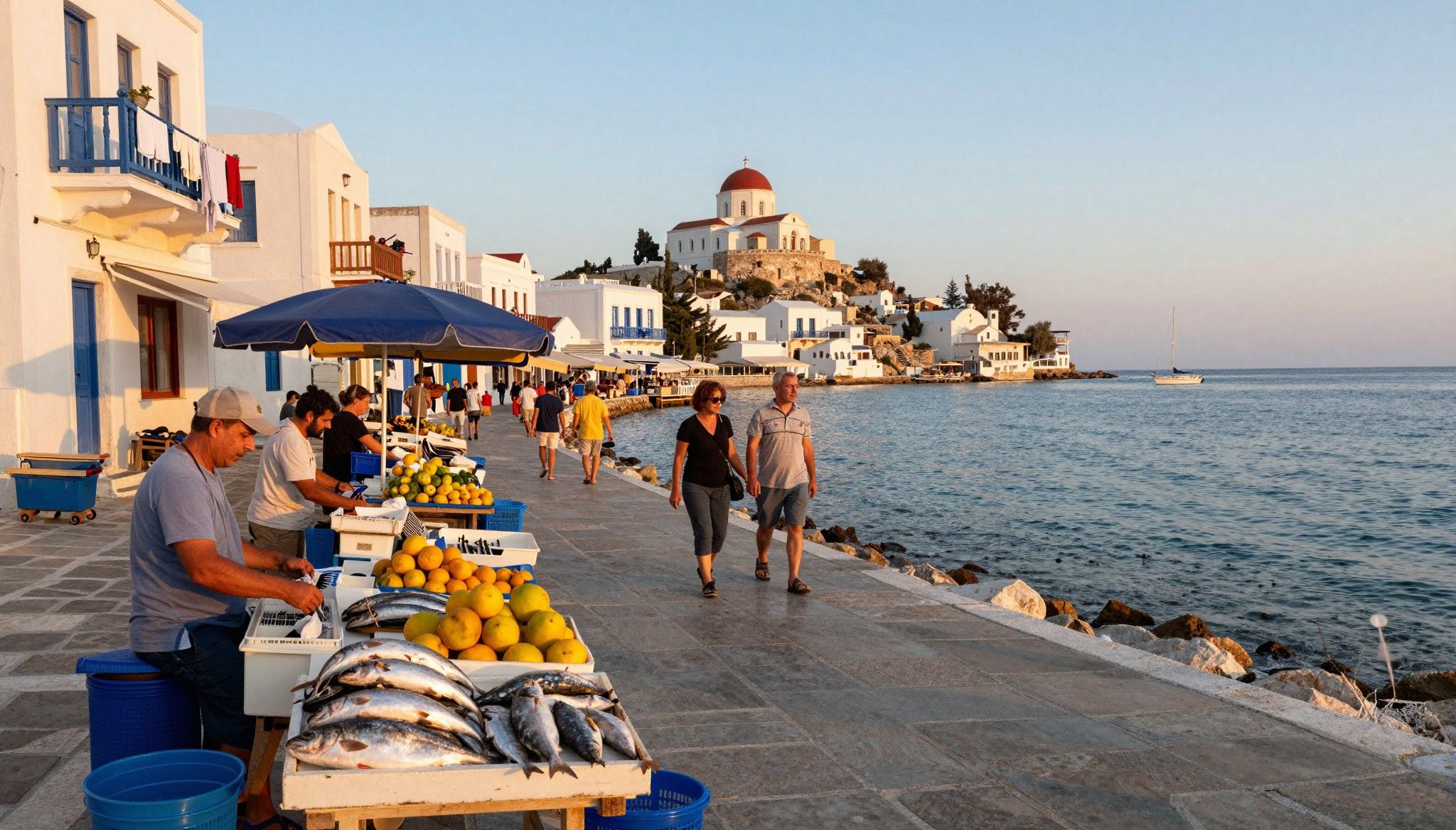
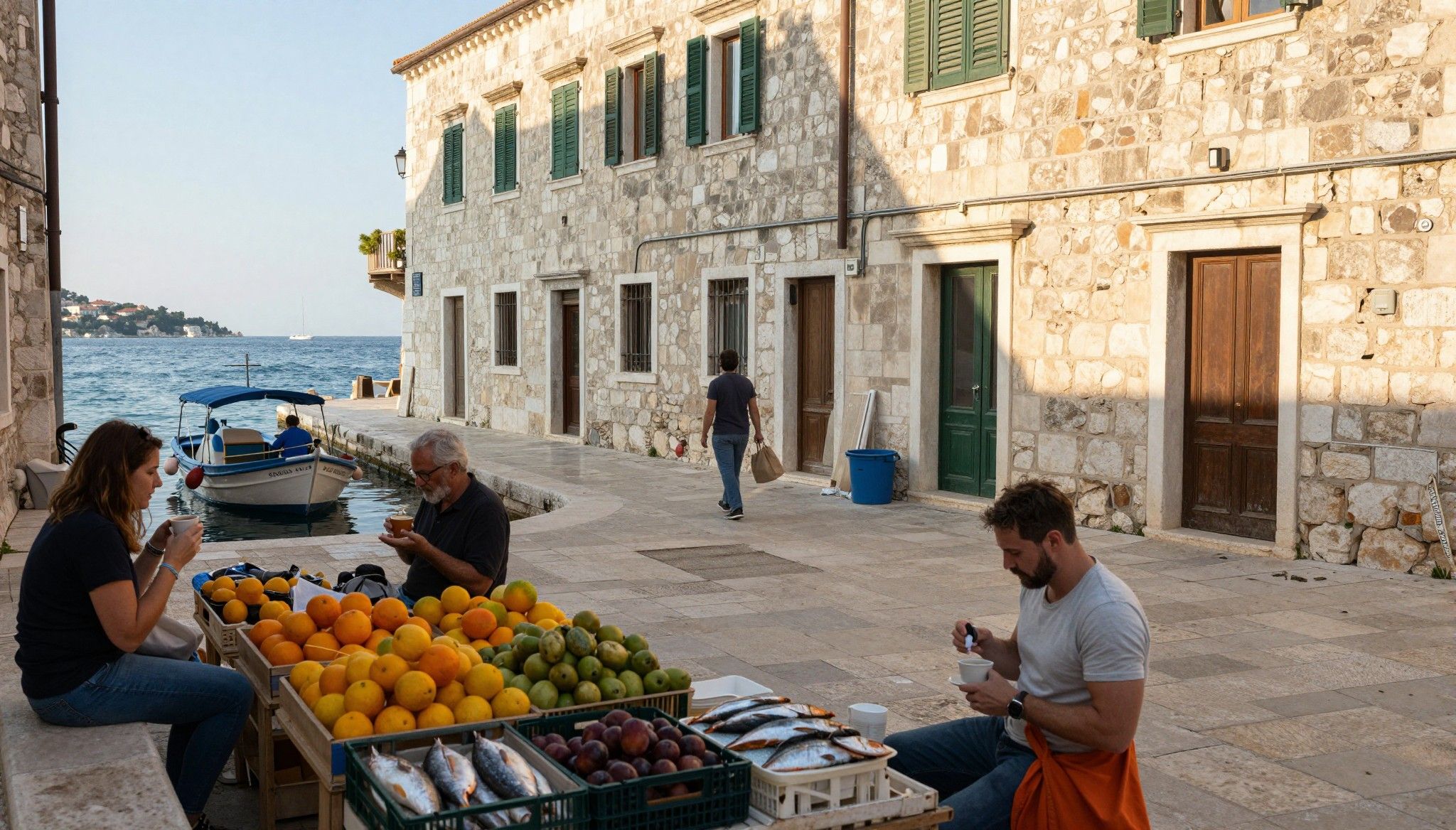
Imagine waking before dawn to buy sea‑fresh fish at Varvakios market, then taking an espresso to a quiet table in Koukaki while the city unfolds beneath the Acropolis. Greece is lived at a measured pace — mornings governed by markets and bakeries, afternoons by siesta and sea, evenings by long dinners under plane trees — and the houses you buy here must accommodate that rhythm as much as they secure capital appreciation.
Living the Greek Life: Texture, Taste and Daily Rhythm
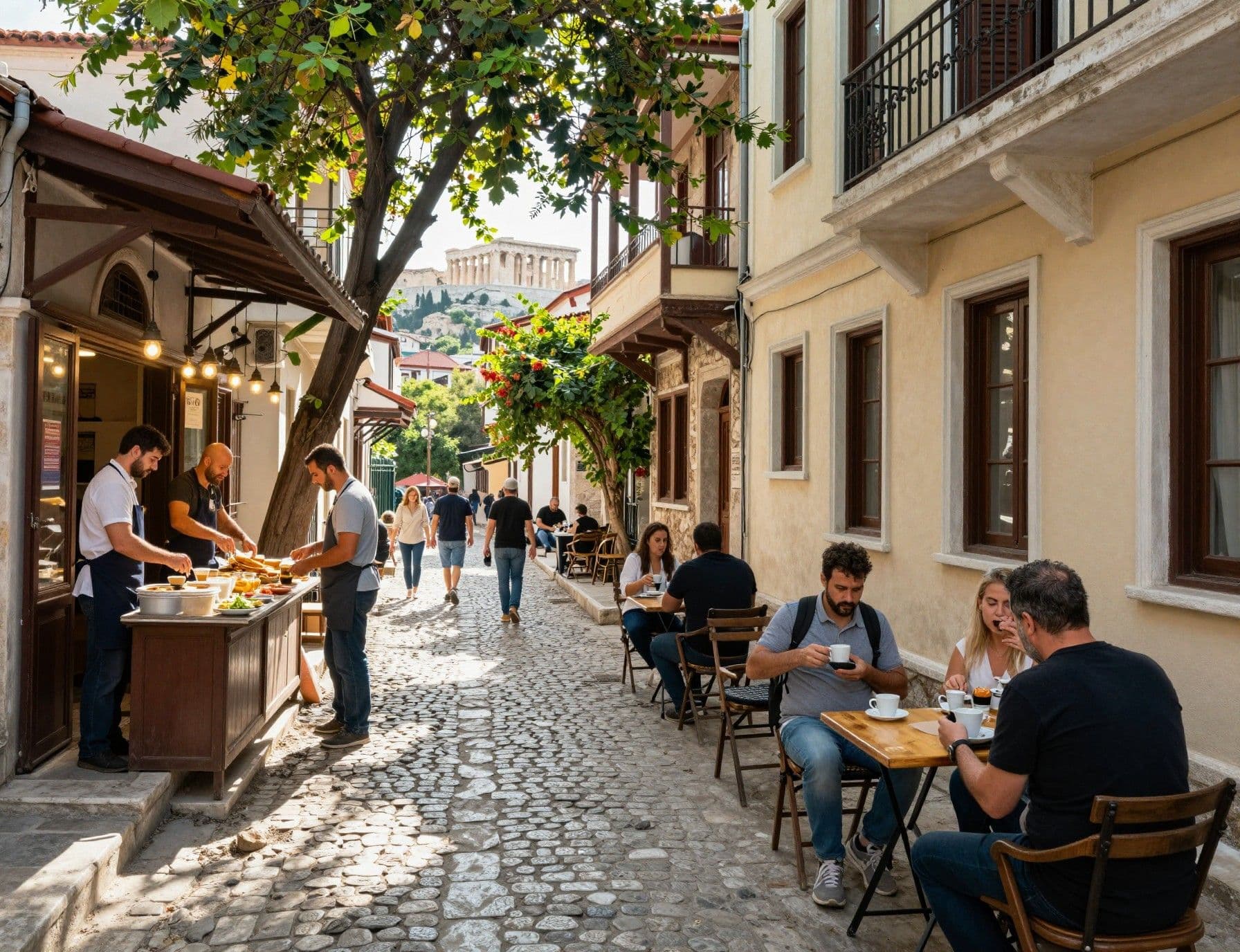
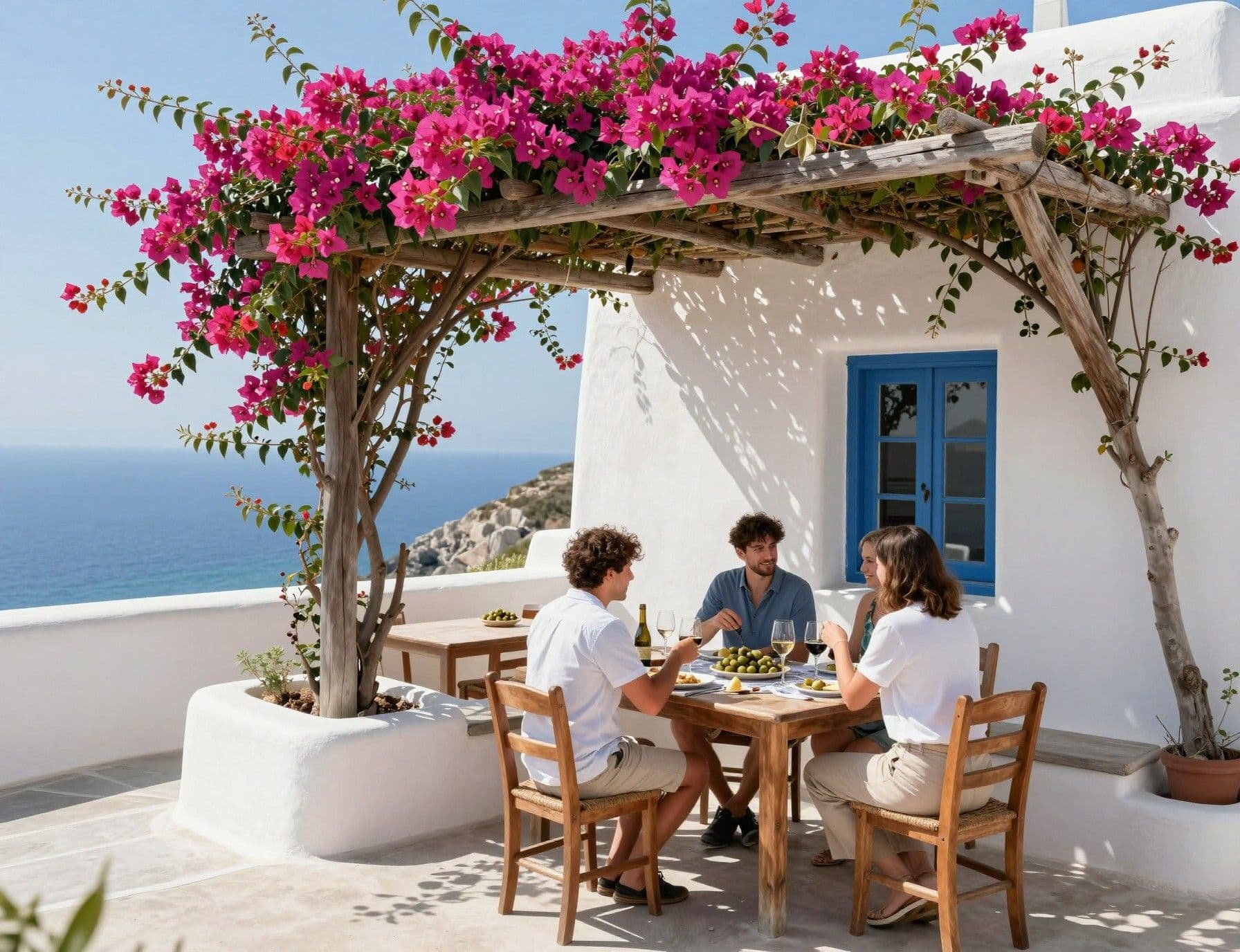
Life in Greece is tactile: stone thresholds warmed by sun, narrow streets smelling of citrus and roasting coffee, neighbourhood bakers who know your order. Whether on an Athenian shaded square or a Cycladic terrace with Aegean views, days are shaped by food, community and outdoor life. For a buyer that matters; the property you choose should feel like a place to live from first light to midnight rather than a mere asset.
Athens: Koukaki, Kolonaki, Plaka — three moods within ten minutes
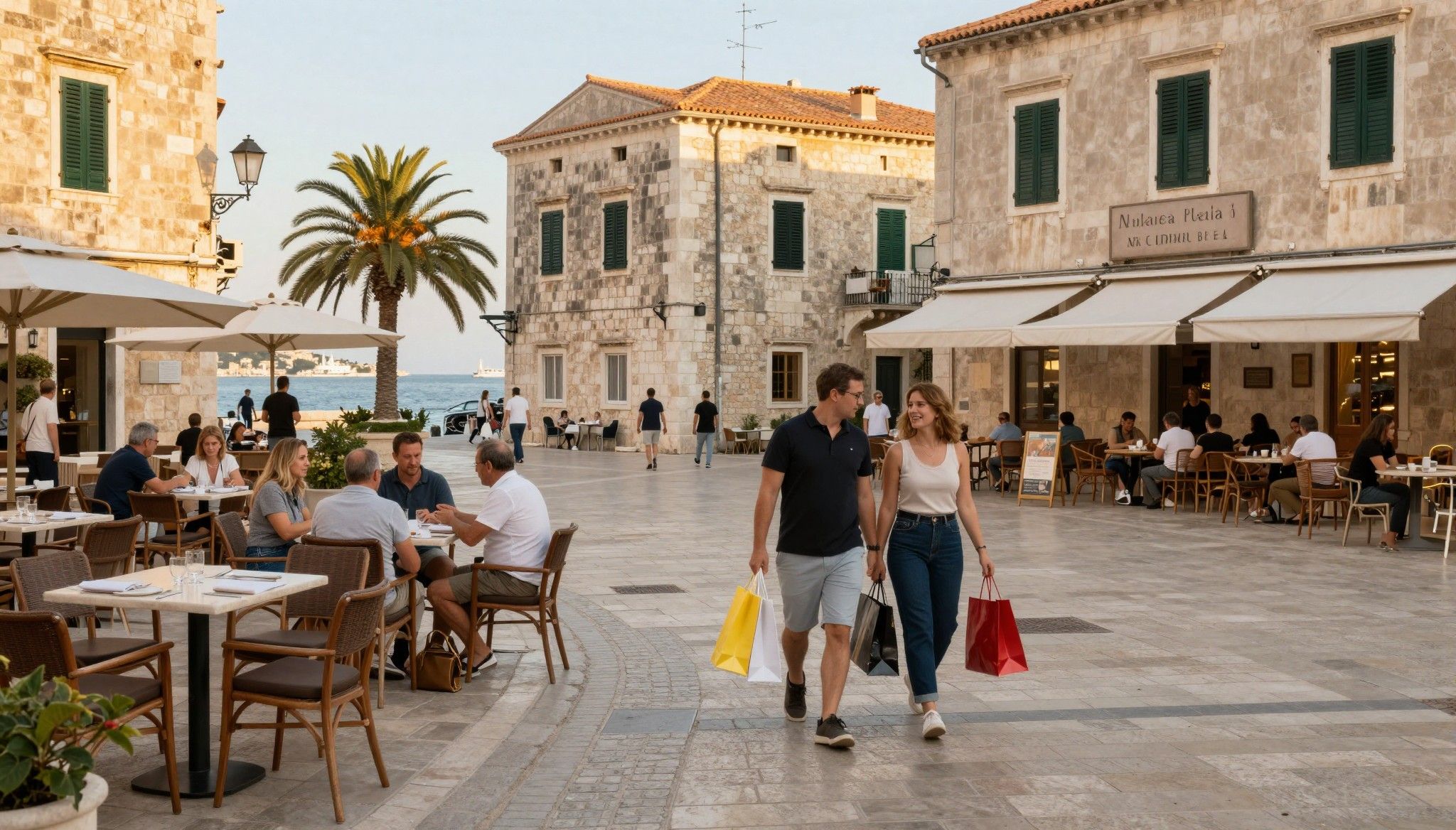
Koukaki is the neighbourhood for collectors of quiet authenticity: low-rise neoclassical buildings, independent cafes on Drakou and a short walk to the Acropolis Museum. Kolonaki reads as restrained refinement — salons, galleries and tree‑lined avenues — while Plaka is the theatrical, historic heart. Choosing between them is a question of daily habit: café time and local shopping, or refined promenades and museum brunches.
Islands and mainland contrasts: Cyclades, Crete and the Peloponnese
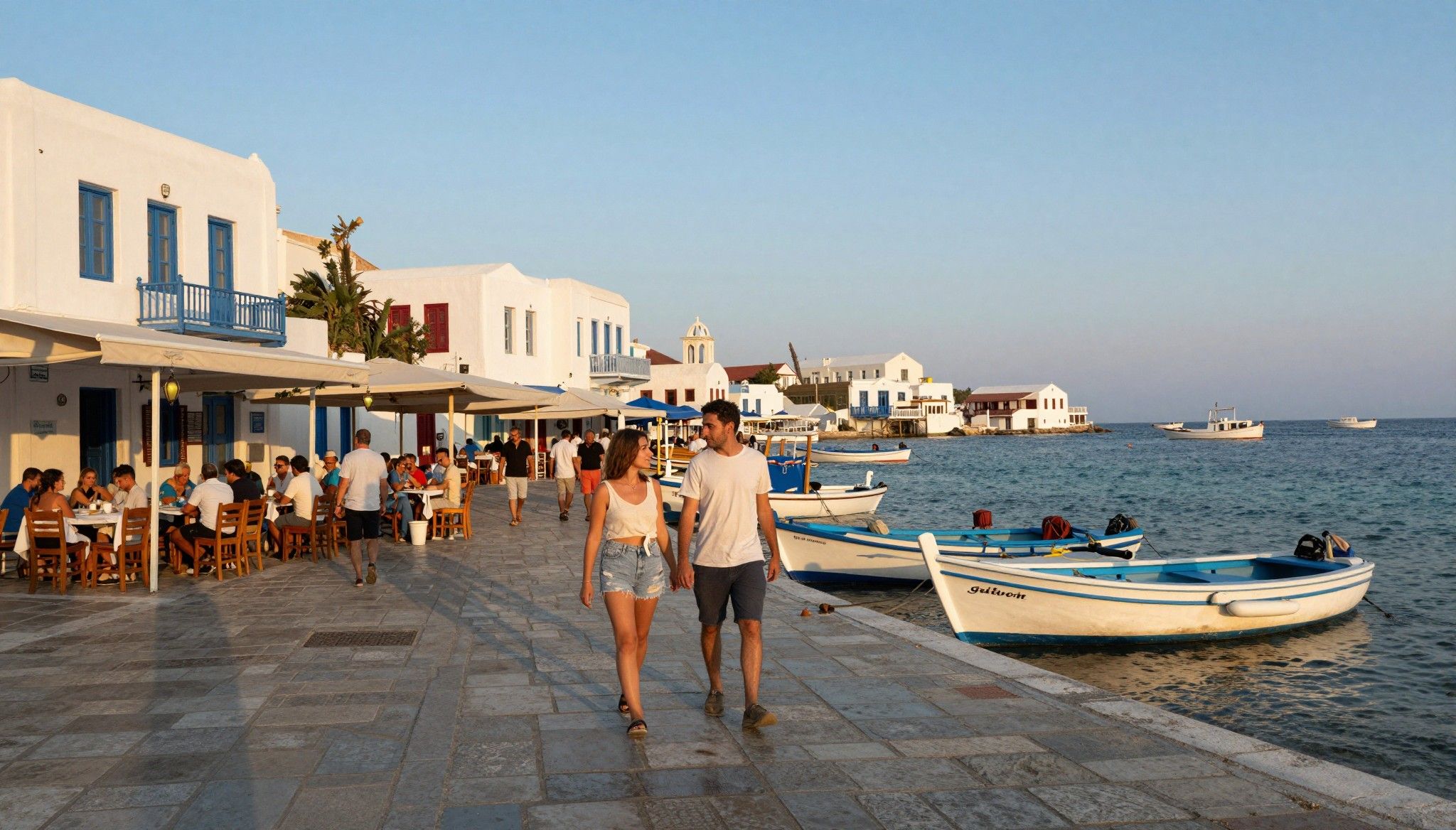
The Cyclades — Mykonos’s whitewashed glamour, Paros’s convivial towns and Naxos’s agricultural heart — offer distinct rhythms from Crete’s year‑round villages and the Peloponnese’s stitched‑together hamlets. For lifestyle buyers: islands emphasise outdoor living and tourism dynamics; the mainland rewards those seeking scale, gardens and quieter seasonality.
- Morning markets in Athens (Varvakios); sunset walks on Parikia waterfront; olive‑harvest weekends in Naxos; coffee ritual at Taf in Makrygianni; small‑scale wine bars in Kolonaki; sheep‑cheese sellers at Chania’s Agora.
Making the Move: How Lifestyle Choices Shape Property Type
Rising prices in recent years have been uneven: central Athens neighbourhoods and sought‑after islands saw stronger appreciation, while inland and less touristic regions lagged. The data from the Bank of Greece confirms sustained demand for both city apartments and distinctive island houses, which should prompt buyers to match their lifestyle priorities with realistic market expectations.
Property styles: neoclassical flats, Cycladic houses and modern villas
Neoclassical Athens apartments bring high ceilings, original moldings and compact terraces — ideal for a culture that prizes street life and proximity. Cycladic houses prioritise orientation and whitewashed walls for cooling; terraces and pergolas extend living outdoors. Modern mainland villas favour gardens, parking and insulation against winter rains. Choose a type that supports how you want to spend mornings, workdays and long evenings.
Policy shifts matter. In 2024–2025 Greek legislation altered investment visa pathways and broadened options for conversion projects; buyers must verify current residency rules before assuming a property purchase will confer any immigration benefit. Agencies that track legal change locally will save you time and reduce unexpected risk.
- Decide lifestyle priority (city life, island living, country gardens). Choose property type that supports that life (flat, house, villa). Confirm local policy (residency, planning, restoration incentives). Retain an agency with restoration and legal contacts. Plan for seasonal running costs and property management.
Insider Knowledge: What Expats Wish They’d Known
Expats often arrive charmed and assume the tourist season represents year‑round life. The quieter winter months reveal where neighbourhood infrastructure, utilities and local community truly sustain everyday living. Long‑term comfort depends on plumbing, insulation, and proximity to year‑round services — details that only reveal themselves after a few months in place.
Integration, language and local rhythms
Learning basic Greek opens doors to neighbours, bakers and the municipal offices that handle registration and utilities. Social life in Greece is local and habitual: frequent the same kafeneio or taverna and you will be known. That familiarity transforms a house into a home faster than any design update.
Long‑term stewardship and preservation
Properties here often carry architectural provenance; restoration requires sensitive work and the right local craftsmen. Think of purchase as custodianship: invest in structure and materials that honour original character and reduce maintenance costs over decades. That approach preserves value and aligns with Greece’s strong culture of heritage.
- Check rainwater drainage and insulation on island homes; prioritise courtyard gardens for mainland villas; verify listed‑building restrictions in historic districts; ask local agents for recent utility bills; confirm winter accessibility for remote properties.
If you can, spend a full winter and a full summer in your chosen area before committing. That contrast will reveal microclimate, community tempo and the real costs of living there. An agency that facilitates long stays and off‑season viewings is worth its weight in local knowledge.
Greece rewards those who buy with both eyes open: a life framed by markets, music and the sea, and a property chosen for how it will be lived in. Begin with neighbourhood walks, a few meals at local tables, and conversations with a trusted local agency that understands provenance and stewardship. When you pair lifestyle conviction with measured due diligence, the house becomes more than an investment — it becomes a place you know how to live well.
- Visit off‑season (winter + summer) to test year‑round life. Work with an agent who knows restoration and local craftsmen. Request recent property running costs and municipal information. Confirm current residency or visa rules linked to investment. Plan management for absences and seasonal rental if relevant.
Ready to begin? Reach out to an agency that will introduce neighbourhood life before showing listings — a firm that values architectural pedigree and long‑term stewardship as much as market performance. In Greece, how you live matters as much as where you invest.
Relocating from London to Mallorca in 2014, I guide UK buyers through cross-border investment and tax considerations. I specialise in provenance, design integrity, and long-term value.