Croatia: Seasonal Insurance, Buyer Protections & Local Truths
A lifestyle‑first look at property protection in Croatia: tailor insurance to coastal seasonality, renovation risk and short‑term lettings, and embed cover into purchase contracts.
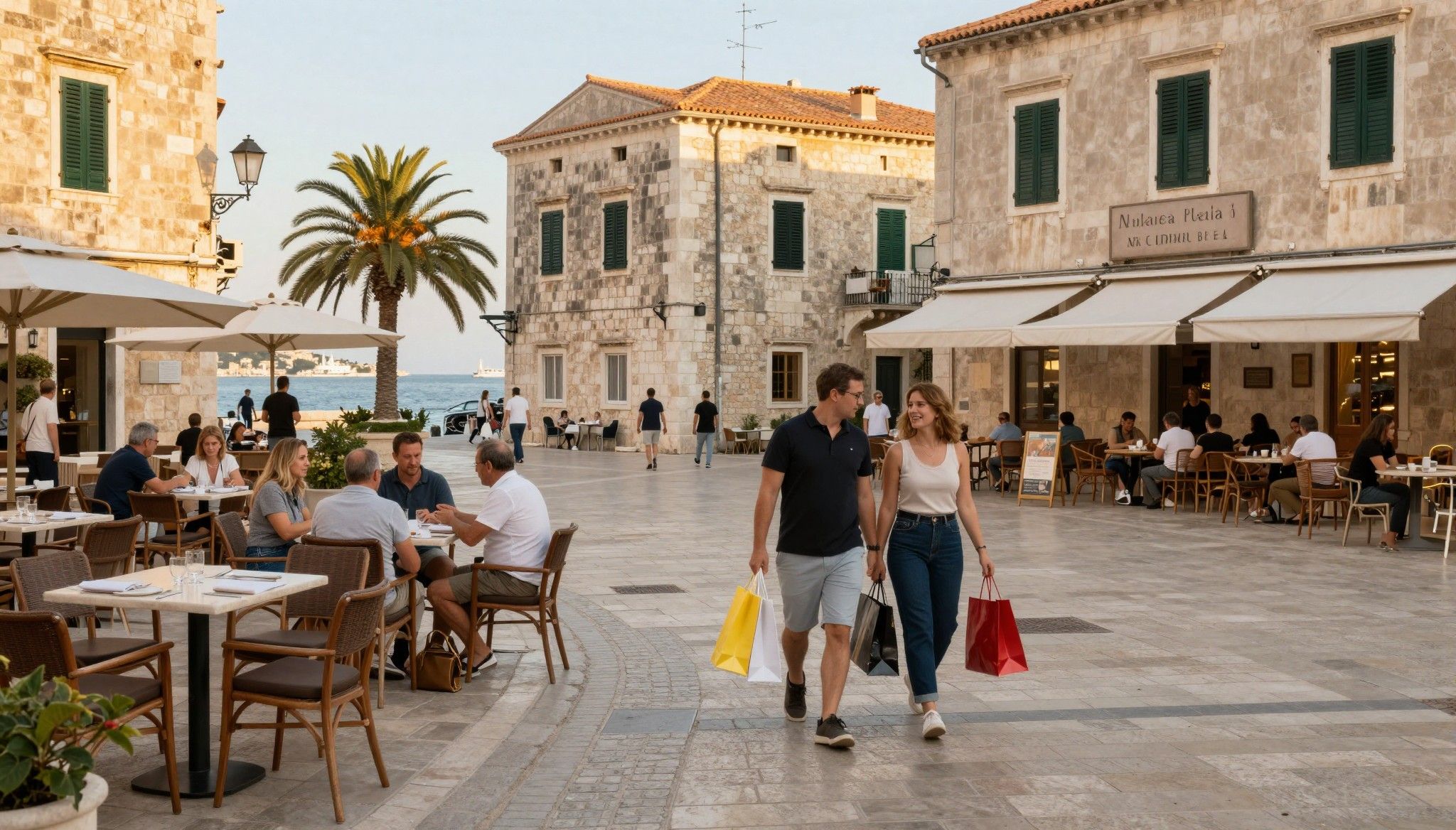
Imagine morning light on a limestone piazza in Rovinj, the sea smelling faintly of rosemary, while a neighbour from Split returns from the fish market with a paper cone of grilled sardines. In Croatia the everyday is a choreography of cafés, markets and small restorations — life calibrated to seasons and place. That rhythm matters when you buy: the right insurance and buyer protections are not paperwork but instruments that let you live with confidence. According to recent market analysis, buyers must pair romantic certainty with legal clarity to protect both lifestyle and capital.
Living Croatian Days — rhythm, places, and what to expect
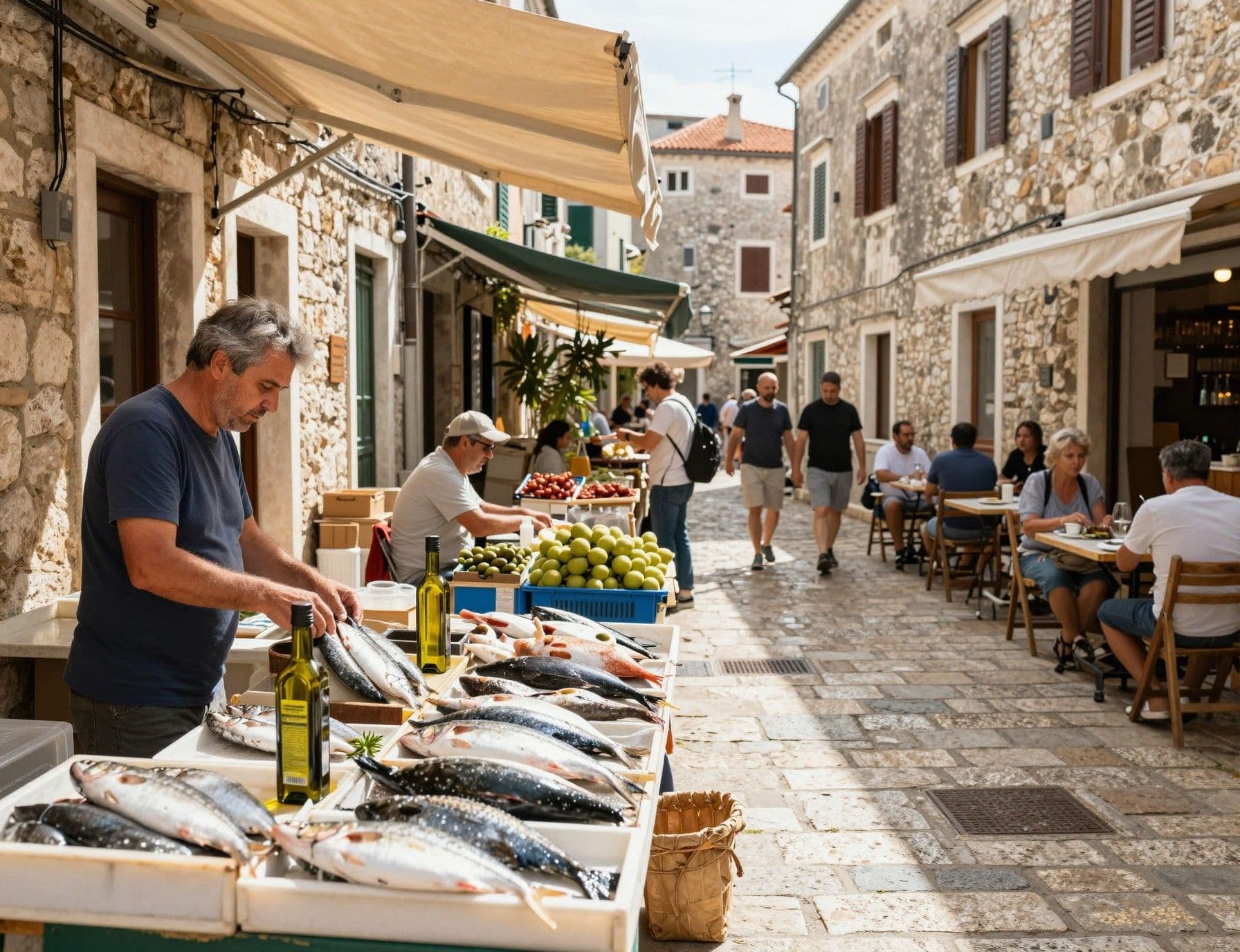
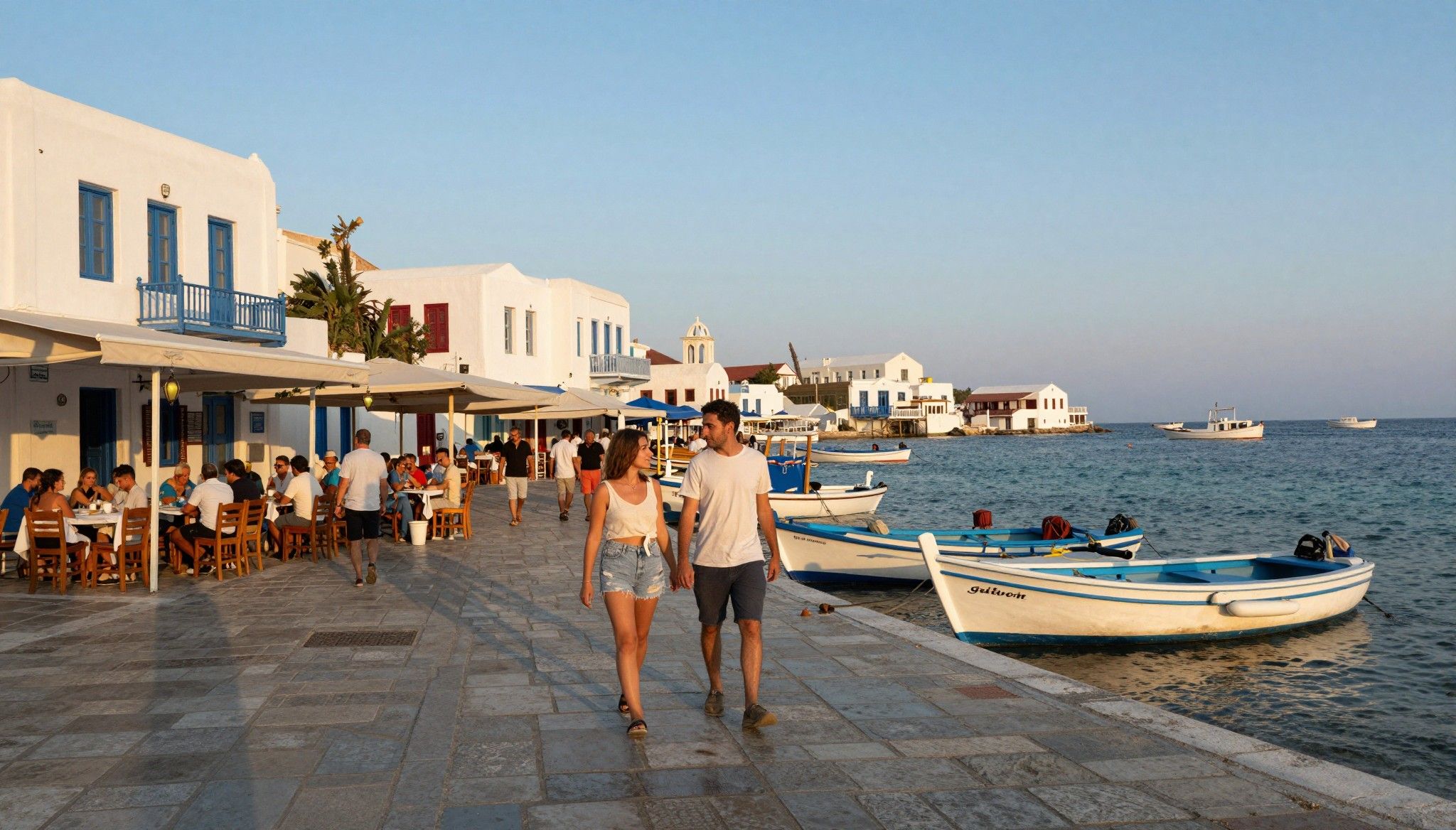
Croatia’s coastline and cities move at distinct tempos. Zagreb hums with cafés and galleries through the week; Split and Dubrovnik pulse with a strong tourist season then settle into quieter autumns; Istria’s hill towns close for winter and reopen with a gastronomic season. Daily life privileges proximity — a baker, a market, a favourite konoba — and that proximity shapes which property features matter: storage for preserves, a terrace for late‑summer dinners, and robust protection for off‑season vacancy. Understanding these rhythms helps you decide what insurance cover you actually need rather than what brokers sell by default.
Rovinj, Split, Zagreb: three very different days
In Rovinj you will wake to fishermen repairing nets and neighbourhood trattorias setting out espresso cups; properties here prize sea views and old stone fabric. Split offers a mix of Diocletian‑era facades and modern apartments where prosaic comforts — good insulation, reliable plumbing, flood protection — speak louder than vistas. Zagreb’s leafy streets reward proximity to culture and schools; buyers there often favour larger, year‑round occupancy policies and cover for city‑specific risks. Each environment asks for a tailored protection strategy rather than a single, one‑size policy.
Food, markets and the seasons that shape houses
Weekend markets in Hvar or the fish stalls in Zadar define how homes are used: generous kitchens, space for storing olive oil, and balconies that become dining rooms in summer. In winter, many coastal properties stand empty for months; vacancy increases the risk of burglary, freezing pipes and undetected damage. If you intend short‑term letting during tourist months, insurance must explicitly cover seasonal rental and guest liability. If you plan to live year‑round, prioritise comprehensive household and building cover with clear provisions for storm and water damage.
Making the move: practical protections that match the lifestyle
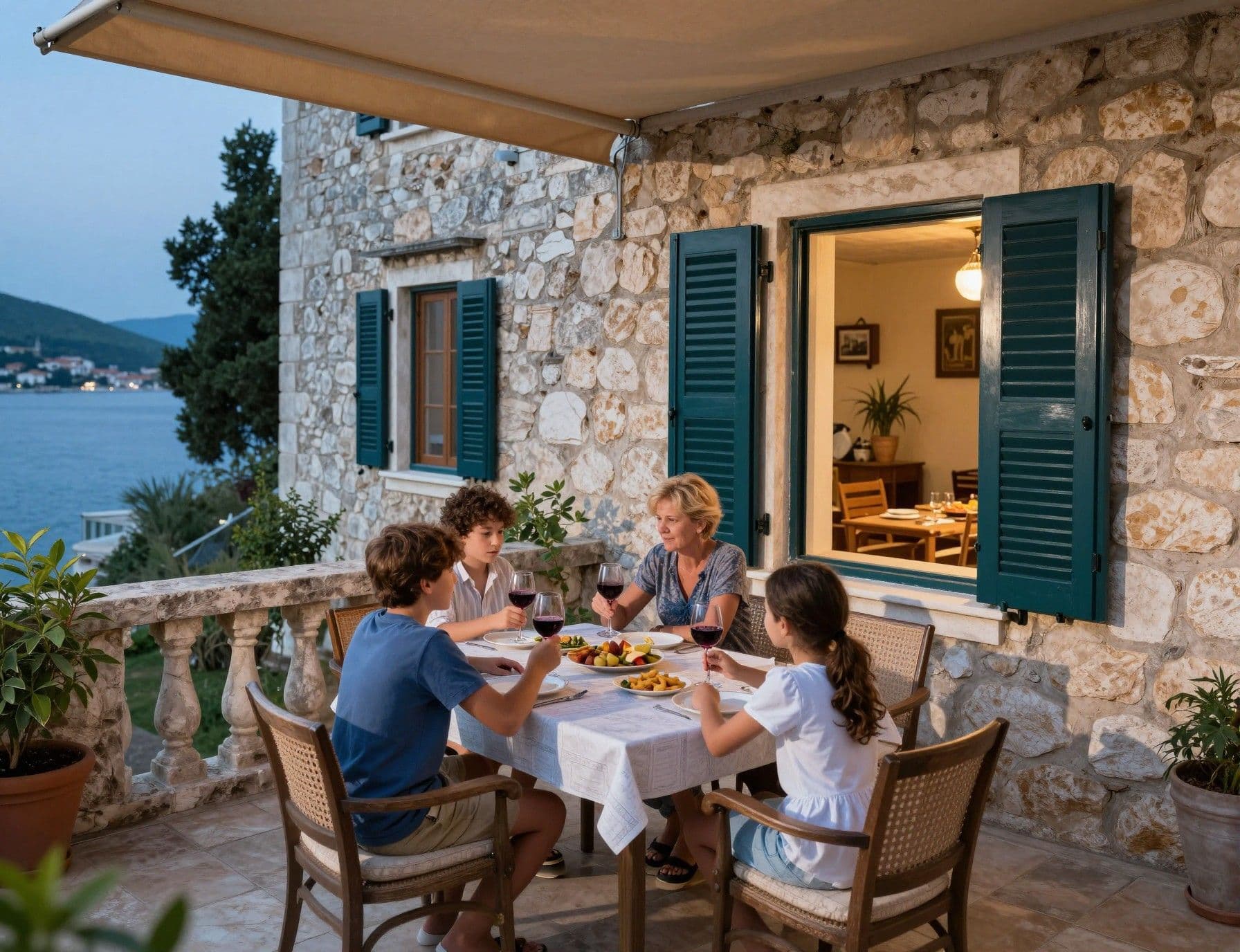
You do not buy a stone house on Korcula the same way you buy a modern apartment in Zagreb. The purchase process, approvals for foreigners and municipal practice differ across regions, and the contract — often a notary‑mediated main contract — must specify obligations for insurance and handover. The official investment guidance for Croatia outlines the need for clear title, OIB registration and, in many cases, administrative consent for foreign buyers. Work with advisors who will write insurance, indemnities and escrow terms into the purchase documents so protection begins before you sign final deeds.
Property types and the cover they require
Stone restorations demand different protections from new builds: restoration projects call for contract‑level professional indemnity, contractor warranties and builders’ all‑risk insurance during works. Coastal apartments need cover for storm surge, salt corrosion and balconies; inland villas require attention to forestry and landslip risk on steep plots. National housing indices show materially different price trends by region, which should influence insurance valuation and sum‑insured calculations to avoid underinsurance when local market values rise. Treat the sum insured as a technical exercise tied to local indices rather than a guess based on feelings.
How local experts translate lifestyle into protection
A capable local agent and a Croatian lawyer will translate your lifestyle brief into policy language. They can negotiate clauses for short‑term letting, exclude unwanted cross‑liability, arrange multi‑year policies for restored heritage homes and confirm which perils are standard versus optional. Insurers based in Croatia — including mainstream providers — offer English documentation and policies adapted for foreign owners, but advisers must read exclusions carefully. Never accept a translated policy summary without the Croatian wording attached; in disputes the Croatian text will carry weight in local courts.
Insider knowledge: a few hard truths expats learn slowly
Expats often assume the same protections and claim expectations that apply at home will work in Croatia. That is not always true: claims processes are local, not instantaneous, and require precise documentation — police reports, notary statements, and invoices for repairs. For foreign buyers the OIB number and the way a policy names the insured party can determine whether a claim is paid promptly. Legal advisors recommend inserting immediate‑action obligations into contracts — for example, who secures the property and who initiates emergency repairs if you are abroad — to avoid delay when time matters.
Cultural subtleties that affect protection choices
Croatian neighbours and building boards play a tangible role in risk management. Condominium rules may require a building policy alongside your contents cover, and shared responsibility for façades and roofs is common. It is customary to confirm with the uprava zgrade (building management) which cover is held and where gaps exist. A frank conversation with neighbours will reveal whether the building has a history of claims for leaks, subsidence or theft — local knowledge that insurers will not publish but that materially affects your protection needs.
Practical protections to arrange before you arrive
• Secure a Croatian OIB and register the policy name exactly as it appears on deeds; this avoids administrative friction when filing claims. • Insist on policies that explicitly cover seasonal short‑term lets if you plan rentals and confirm guest liability and loss of rent clauses. • For renovation work, require builders’ all‑risk insurance and an independent building survey that becomes an annex to the contract. • Purchase a combined building and contents policy with flood and storm cover; consider separate legal‑expenses cover for title disputes or tenancy disagreements. • Keep digital copies of all invoices, legal documents and photographs — insurers will request contemporaneous evidence in the event of a claim.
Step-by-step: what to do when you find the property you love
1. Commission an independent survey and obtain an energy certificate — both are practical prerequisites for accurate valuation and insurance. 2. Put a conditional deposit under a preliminary contract that requires the seller to maintain insurance until handover. 3. Purchase an owner’s policy effective on completion day and ensure the policy includes third‑party liability and accidental damage. 4. If renting seasonally, register the property for tourism and confirm the insurer accepts declared tourist use. 5. Store keys with a trusted local manager and nominate a Croatian claims‑agent authorised to act on your behalf.
Conclusion — how to pair the life you want with durable protection
Croatia offers a life that is tactile and local — mornings at markets, afternoons by the Adriatic, evenings with simple, well‑made food. That life becomes secure when protection is tailored to local rhythms: seasonality, building practice and municipal rules. Work with a Croatian lawyer and a bilingual insurer, build insurance and contract protections into the purchase, and think of policies as instruments that preserve the atmosphere you bought, not as bureaucratic afterthoughts. When arranged properly, cover lets you be present in Croatia whether you spend every week here or return only for harvest festivals.
Former Copenhagen architect who relocated to Provence, offering relocation services, market analysis, and a curator’s eye for authentic regional design.