Summer House‑Hunt in Greece: The Hidden Costs
Why a July house‑hunt in Greece can mislead: seasonality, legal changes and moderated price growth demand lifestyle‑led, data‑backed buying.
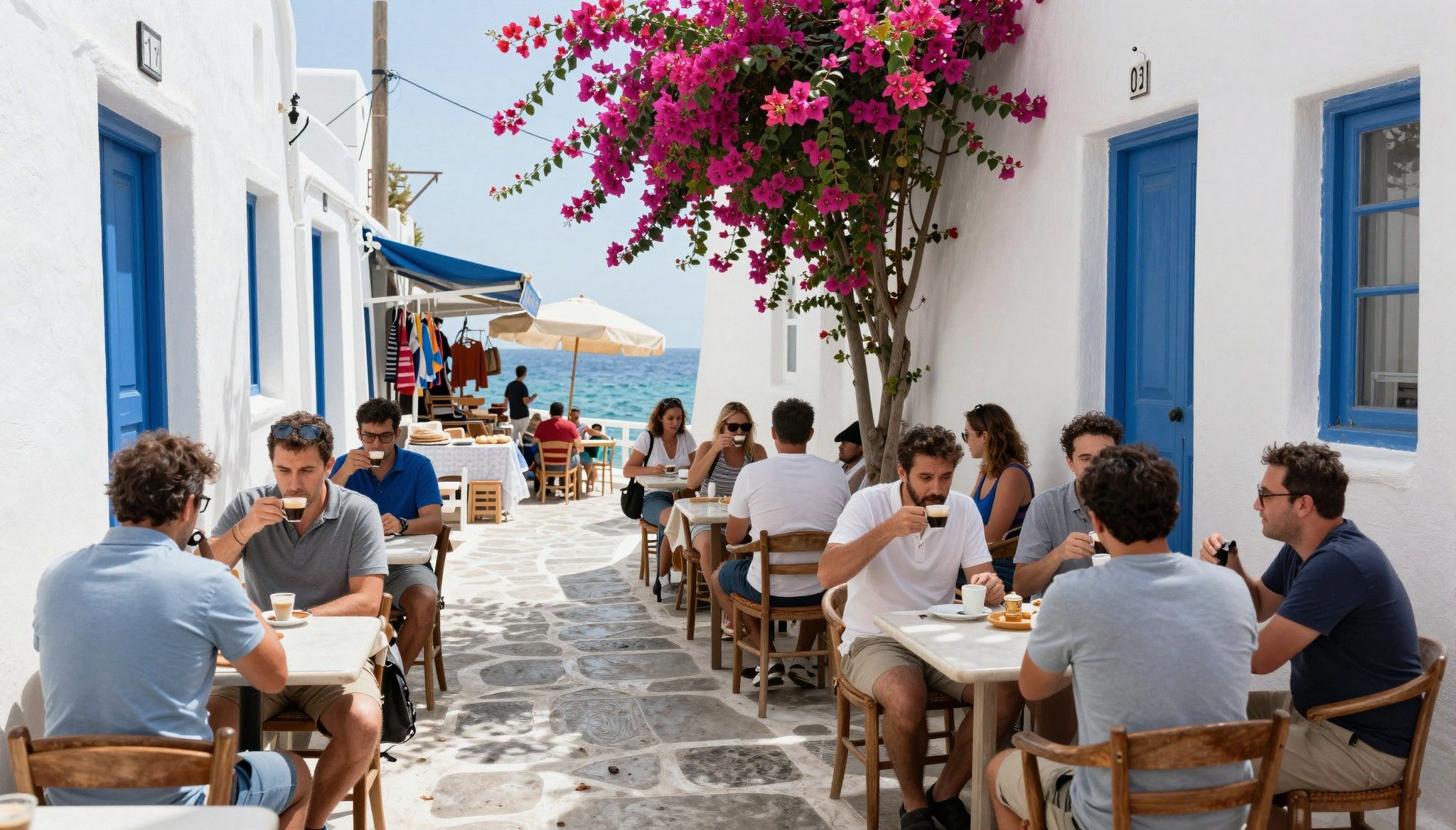
Imagine stepping from a shaded kafeneío on Athens’ Dionysiou Areopagitou into late‑afternoon light that softens marble and terracotta alike. The cadence of life here is measured by market hours, seaside tavernas filling at dusk and the soft parade of scooters along island lanes. Yet the market you fall in love with in July is not the whole story; prices, regulations and travel patterns ripple through seasons and neighbourhoods in ways that reward a more discerning purchase strategy.
Living the Greece lifestyle
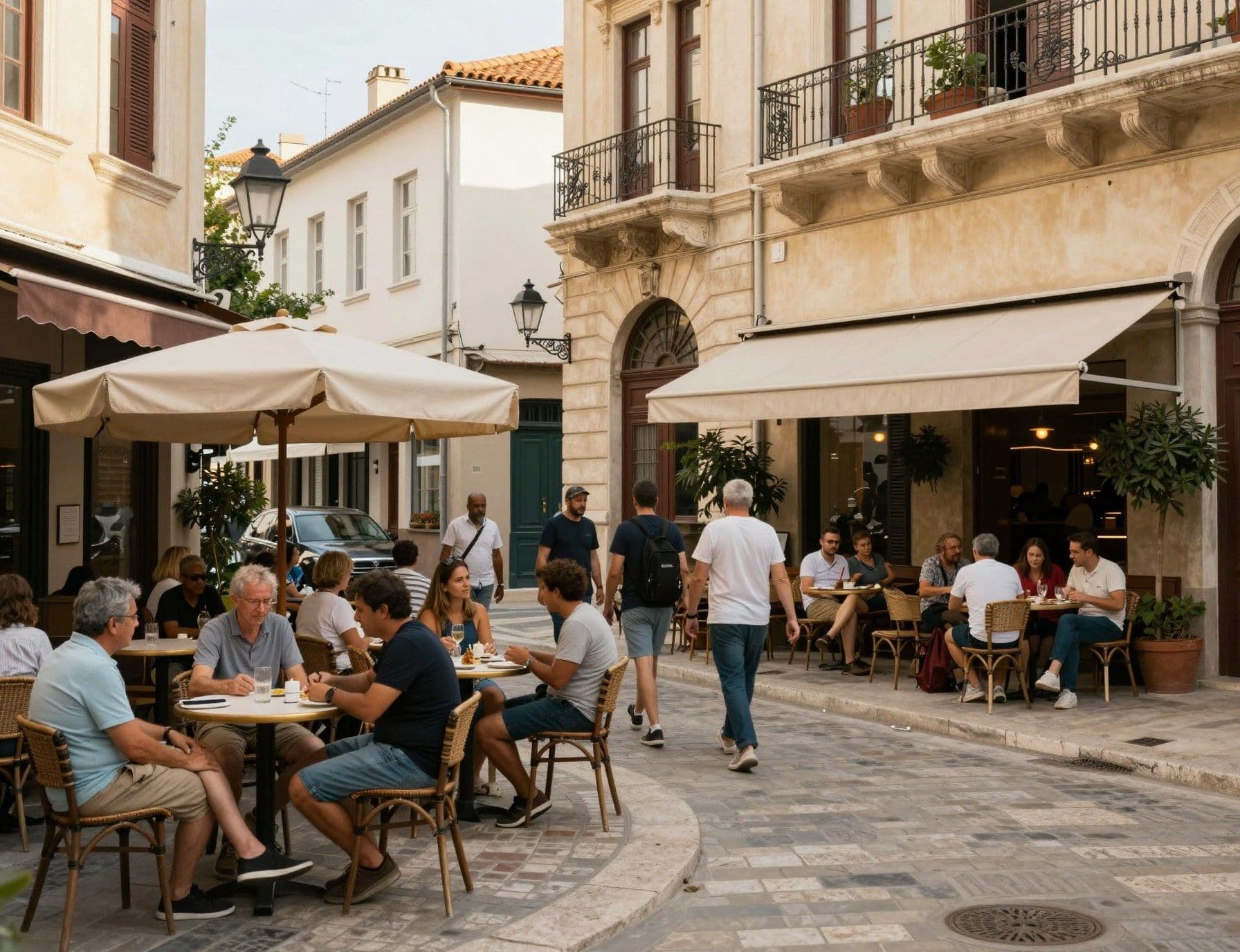
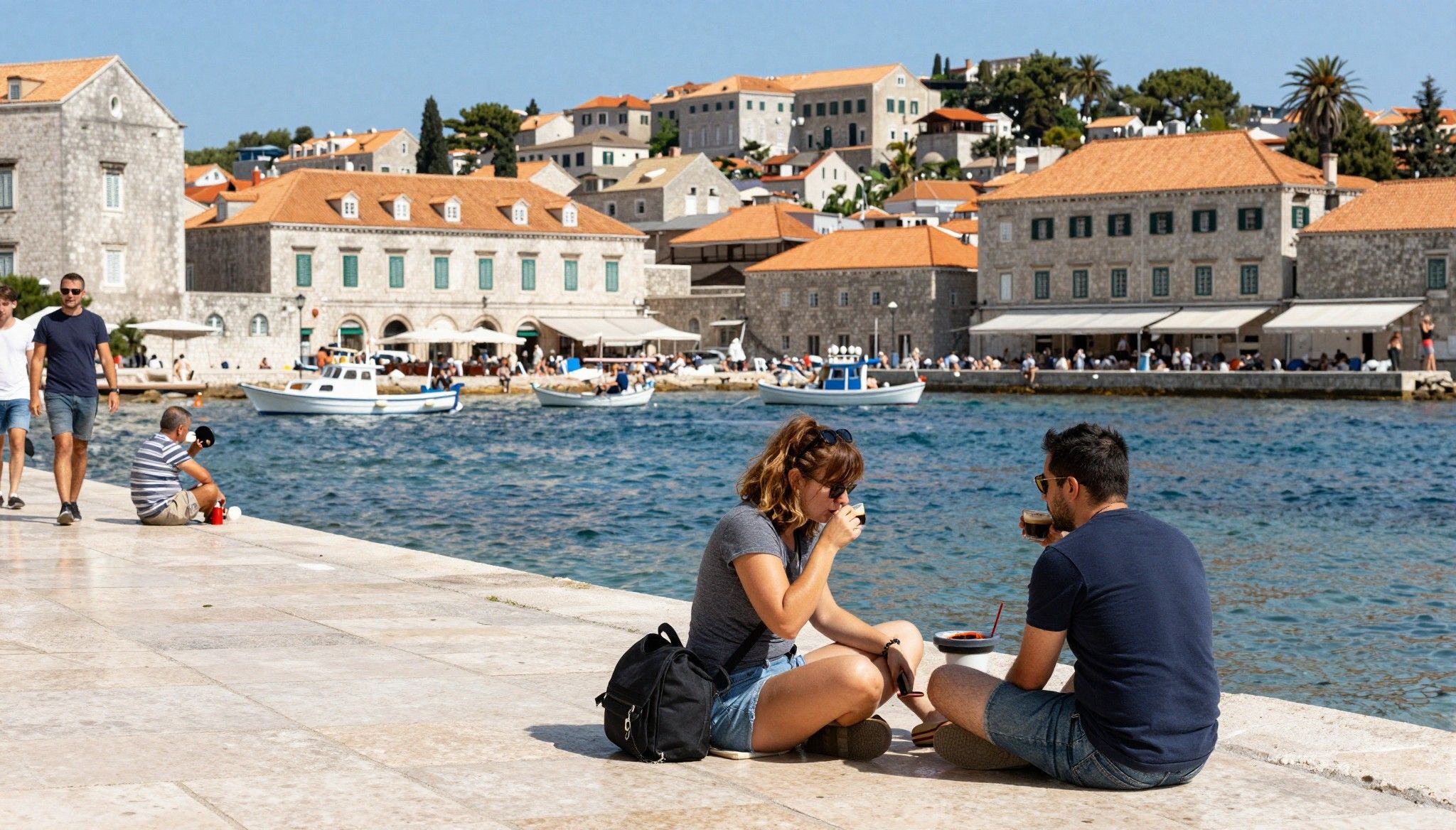
Greece is a study in contrasts: dense, classical Athens with neoclassical façades and quiet inner courtyards; whitewashed island hamlets where steps lead to the sea; and northern towns where Ottoman, neoclassical and modernist threads intersect. Days begin with espresso and pastéis in neighbourhood cafés and end with family‑size plates shared slowly in tavernas. For buyers this means choosing not simply a property, but a tempo of life — the market delivers different returns depending on whether you prize daily urban ritual, seasonal coastal solitude or a year‑round provincial rhythm.
Athens and its inner boroughs
Walk the central streets of Koukaki, Plaka or Anafiotika and you feel the city’s archaeology in the pavement. Koukaki offers intimate cafés, small artisan shops and easy access to the Acropolis, while Kolonaki remains the address for discreet, well‑appointed townhouses and apartments favoured by professionals. These neighbourhoods suit buyers who want daily cultural life and predictable rental demand outside peak tourist months; buildings commonly date to the late 19th or mid‑20th century and reward careful restoration rather than wholesale replacement.
Islands: rhythm, restraint and seasonality
The islands are not a single market. Mykonos and Santorini command premium prices and intense seasonality; Milos, Sifnos and Kea offer quieter cycles and often more favourable value for long‑term lifestyle buyers. In island towns you buy into a pattern of summer intensity and off‑season stillness — an asset that can be a delight or a liability depending on whether you want a year‑round home, a seasonal retreat or rental income that peaks sharply for two to three months each year.
- Morning espresso at Little Kook (Athens), a stroll through Varvakios Market, sunset at Oia (Santorini), late dinner in Naoussa (Paros), weekday walks on Lycabettus Hill (Athens), weekend fish taverna at Klima (Milos).
Making the move: practical considerations
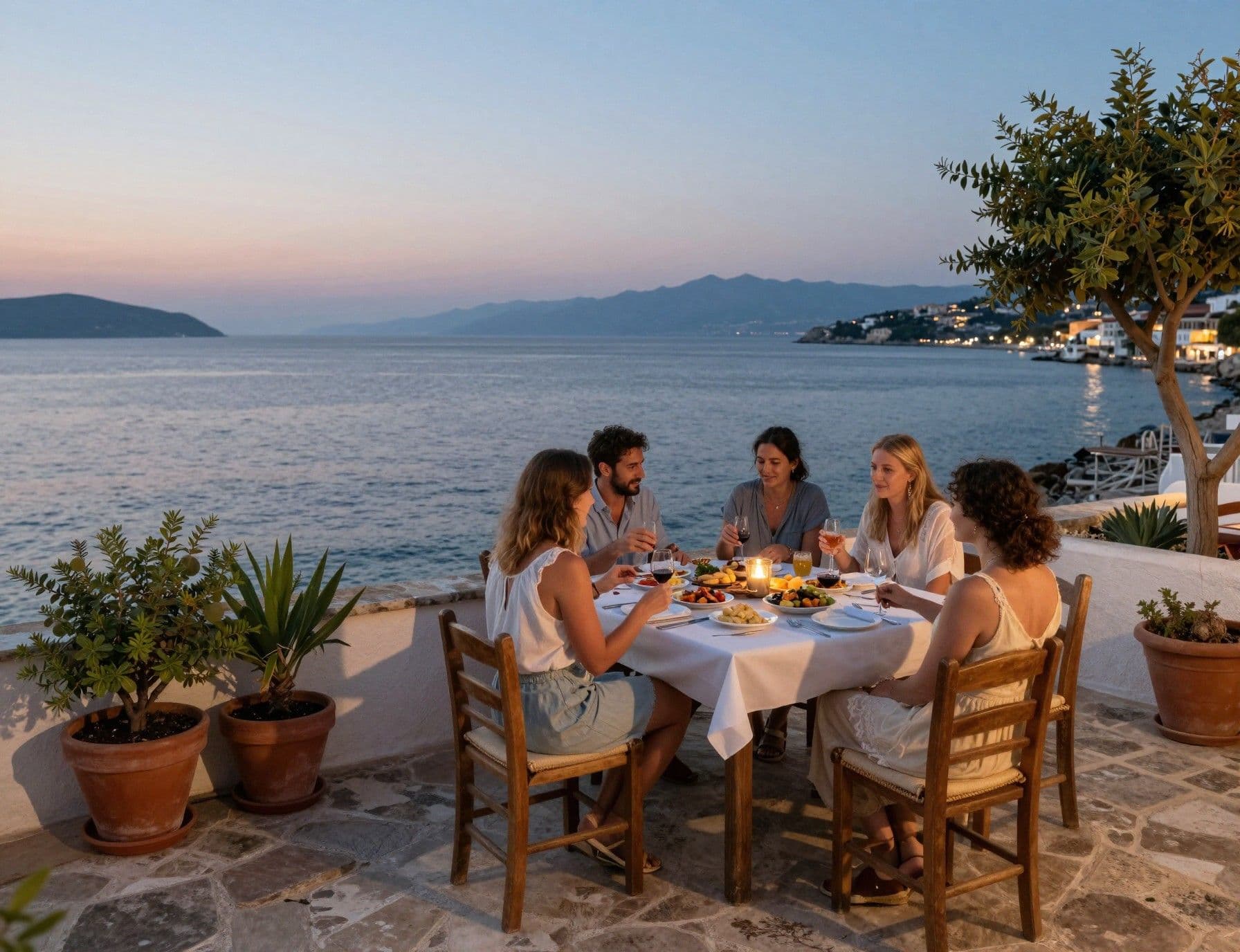
The romance of place must be measured against recent legal and market shifts. Changes to investor‑visa thresholds and persistent price growth in key centres mean that the arithmetic of a purchase depends on precise timing and location. Recent amendments to residence‑by‑investment rules and steady apartment price increases mean international buyers should pair lifestyle preference with up‑to‑date legal counsel and on‑the‑ground market data.
Property types and how they fit life
Traditional stone houses, neoclassical flats and contemporary terraces each answer different lifestyle needs: a restored island maisonette offers terraces and sea views but often limited winter utilities; a Kolonaki apartment promises connectivity and discreet services but requires acceptance of denser urban life. National indices show continuing price growth in apartments, particularly in urban cores, which underscores the premium placed on centrality and ready‑access amenities. Choose a property type that aligns with how you intend to live, not merely with headline yields.
Working with local experts
- 1. Engage an Athens‑based lawyer early to review title and use permissions; Greek paperwork takes a different cadence than Anglo‑Saxon systems. 2. Retain an architect experienced in local restoration if considering older stock; the finest returns arise from measured interventions that respect fabric and proportion. 3. Use a broker with island experience when buying coastal property; short‑term rental rules, local zoning and infrastructure timing vary between municipalities. 4. Ask for recent utility bills, cadastral references and a history of permits — these prevent seasonal surprises and conversion delays.
Insider knowledge: what expats wish they'd known
Seasonality affects everyday life and market behaviour. Apartments across Greece continued to appreciate into 2026, though growth has moderated; buyers who only sampled July or August properties often misread a location’s year‑round appeal. Expats tell us they underestimated winter quiet on smaller islands and overestimated year‑round services in villages that flourish only in summer. Practically, this means assessing transport, healthcare access and steady utilities before committing to a place that enchanted you at high season.
Cultural integration and daily life
Learning basic Greek phrases, frequenting the same kafeneía and investing time in local festivals will ease transition more than a hastily purchased holiday home. Social rituals — long lunches, extended family networks, and seasonal village panigýria — shape how neighbours relate and how properties are used. Buyers who enter with cultural humility and a willingness to adapt find community more readily and often a more satisfying ownership experience.
Long‑term lifestyle and market sustainability
- Considerations for long‑term stewardship: purchase where infrastructure investments (ports, regional airports, ferry schedules) are improving; prioritise buildings with clear title and conservation‑friendly materials; factor winter heating and water supply into running costs; aim for central village or town locations if year‑round occupancy matters; and plan renovations that preserve provenance rather than erase it.
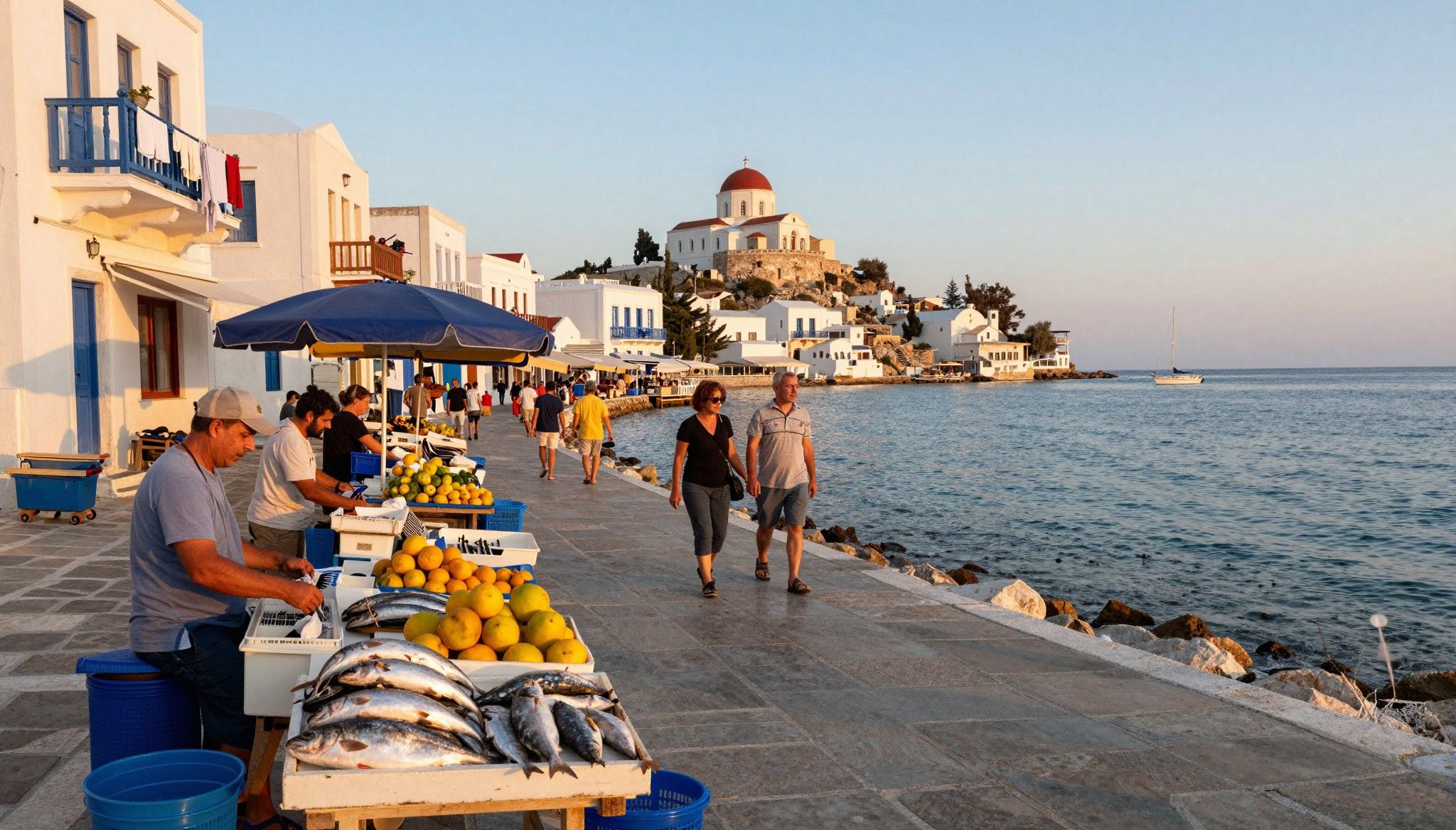
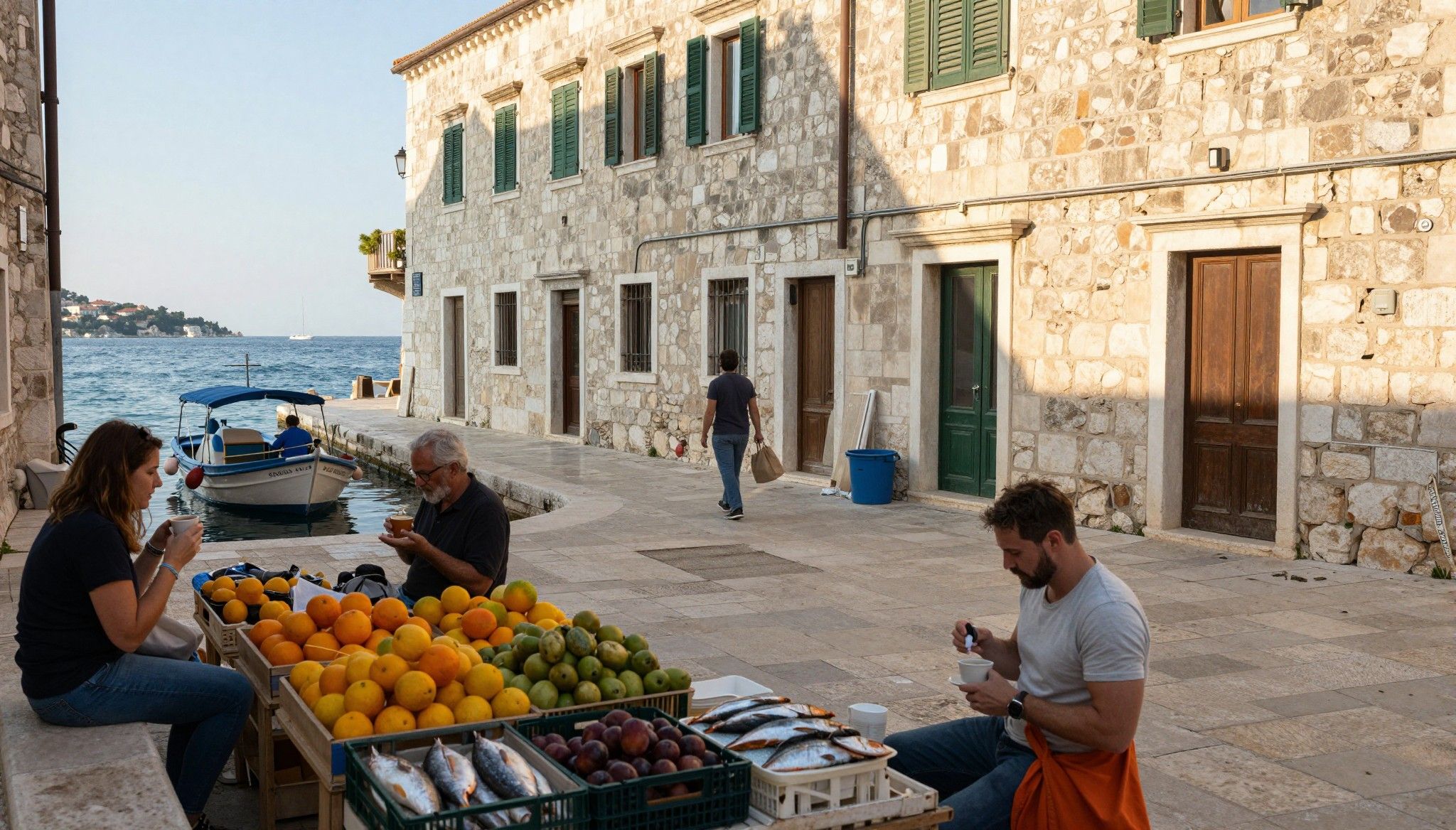
Greece asks buyers for more than capital: it asks for patience and attention to context. The rewards are daily theatre — market vendors calling out citrus and fish, neighbours who know your name, evenings that stretch with conviviality. Practically, begin with a short stay in a neighbourhood you love, engage a local lawyer and architect, and let market data — not a single summer visit — shape your offer. When you pair refined taste with grounded due diligence, Greece yields properties that are both lived in and waited for.
Norwegian with years in Florence guiding clients across borders. I bridge Oslo and Tuscany, focusing on legal navigation, cultural context, and enduring craftsmanship.