Reciprocity, Stewardship and the Croatia Purchase
Fall for Croatia’s daily life—then secure it: understand reciprocity rules, transfer tax vs VAT, and neighborhood realities before you buy.
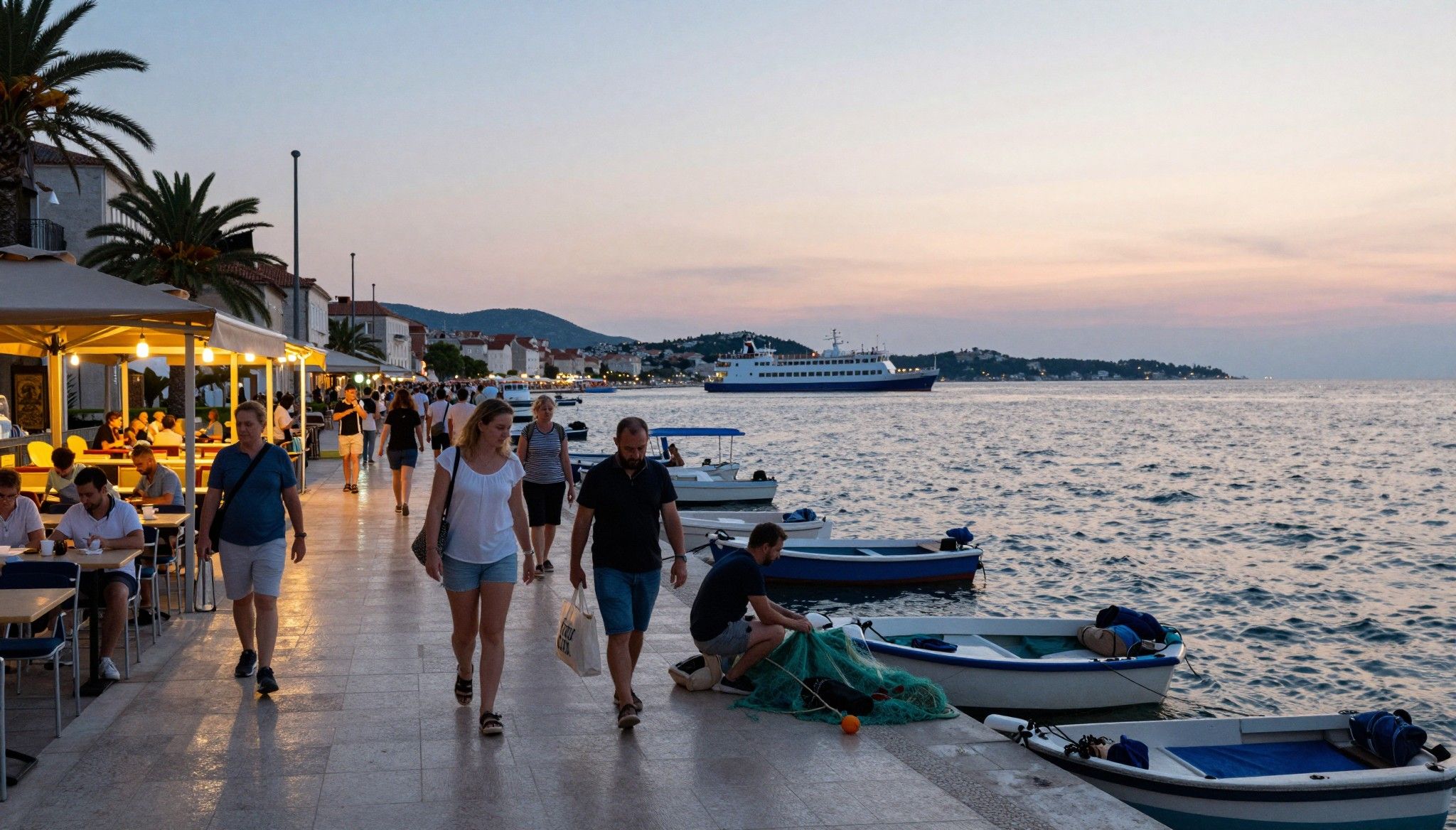
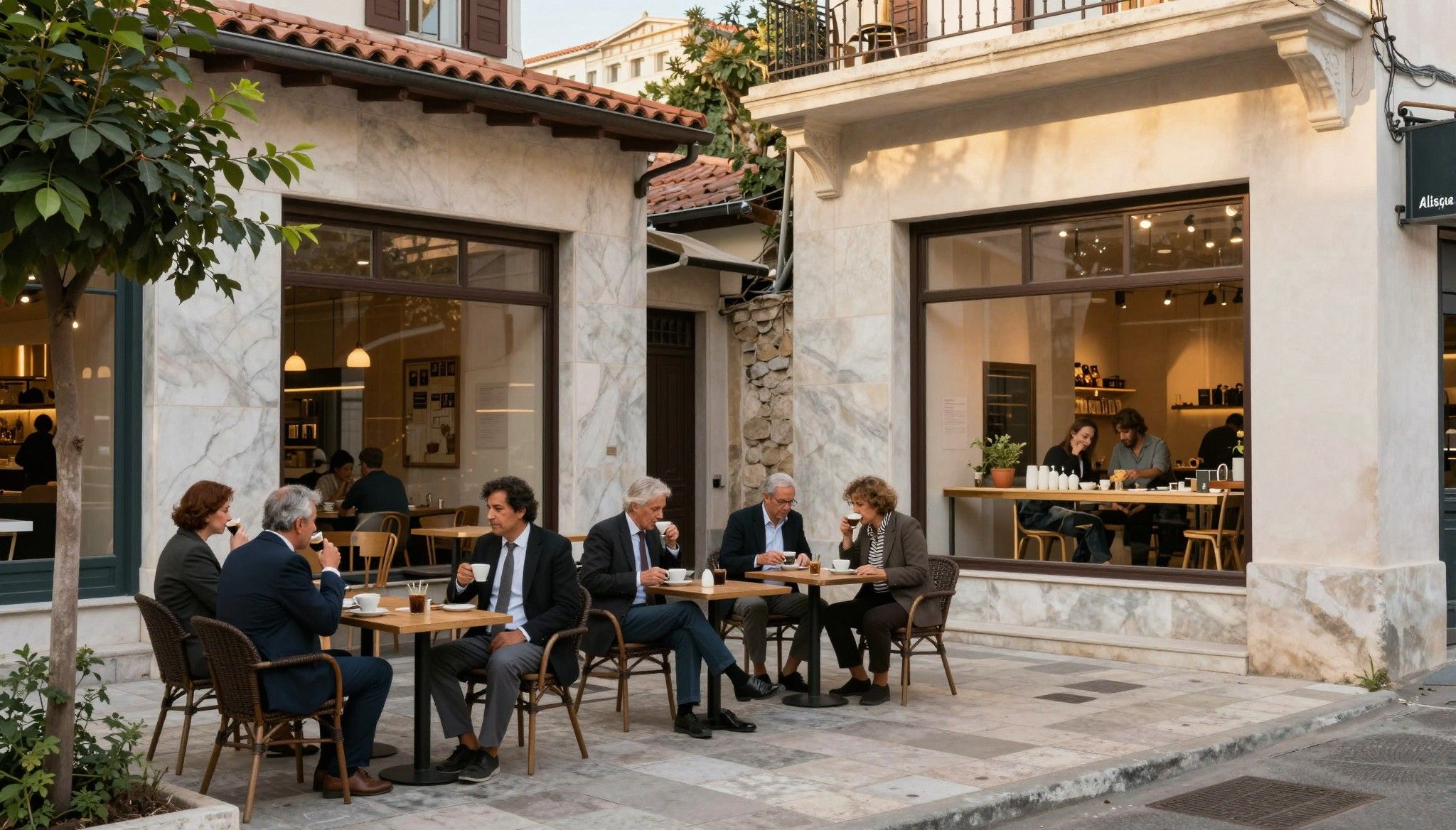
Imagine a late‑afternoon terrace in Split: the light on limestone, an espresso steaming beside a book, conversation punctuated by distant church bells. That easy rhythm—coffee, market stalls, a ferry timetable—explains why buyers come to Croatia for life as much as for property. Yet the legal path to owning that home is a course in reciprocity, registers, and taxes; understanding it early keeps the romance intact and the transaction clean.
Living the Croatia life: texture before transaction
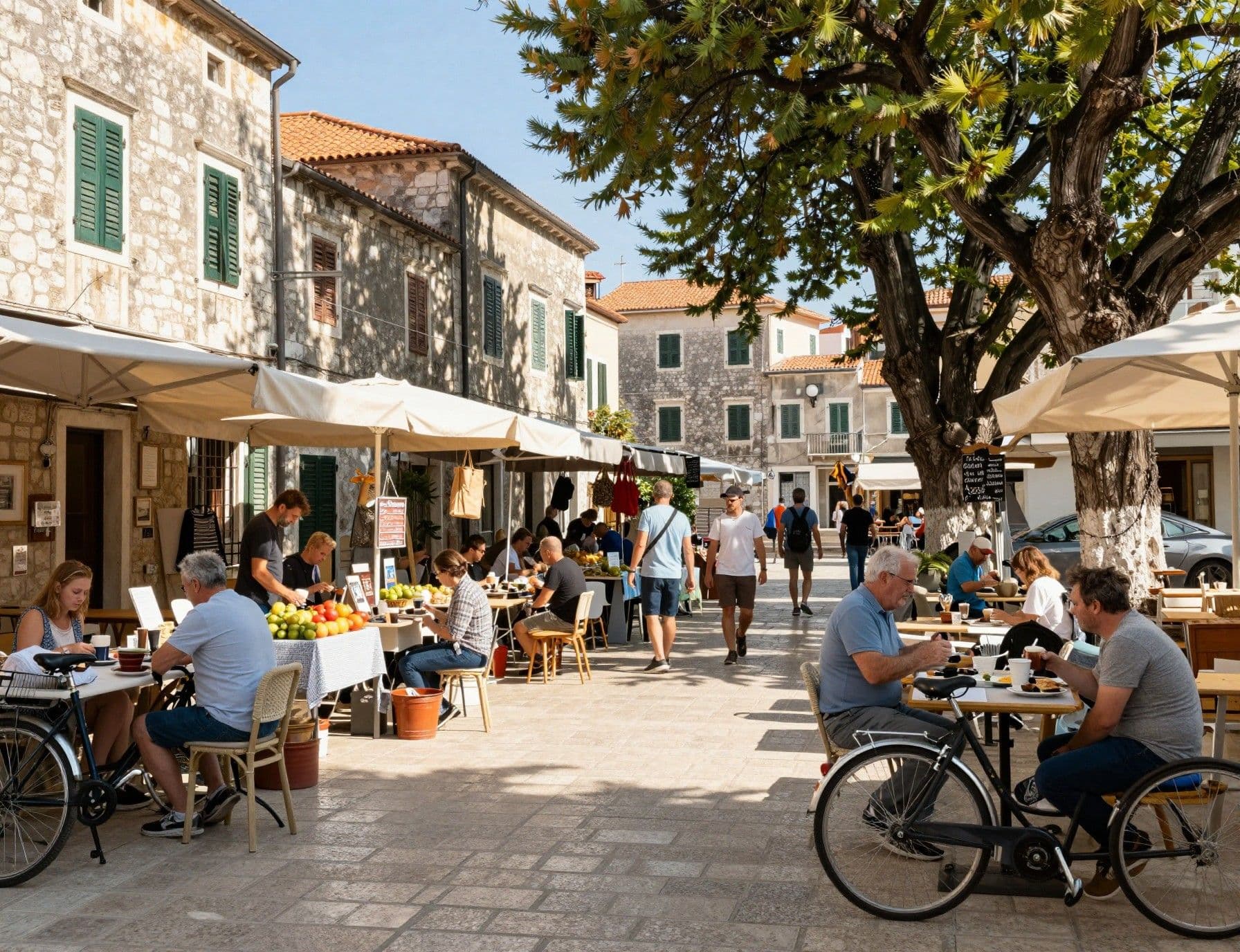
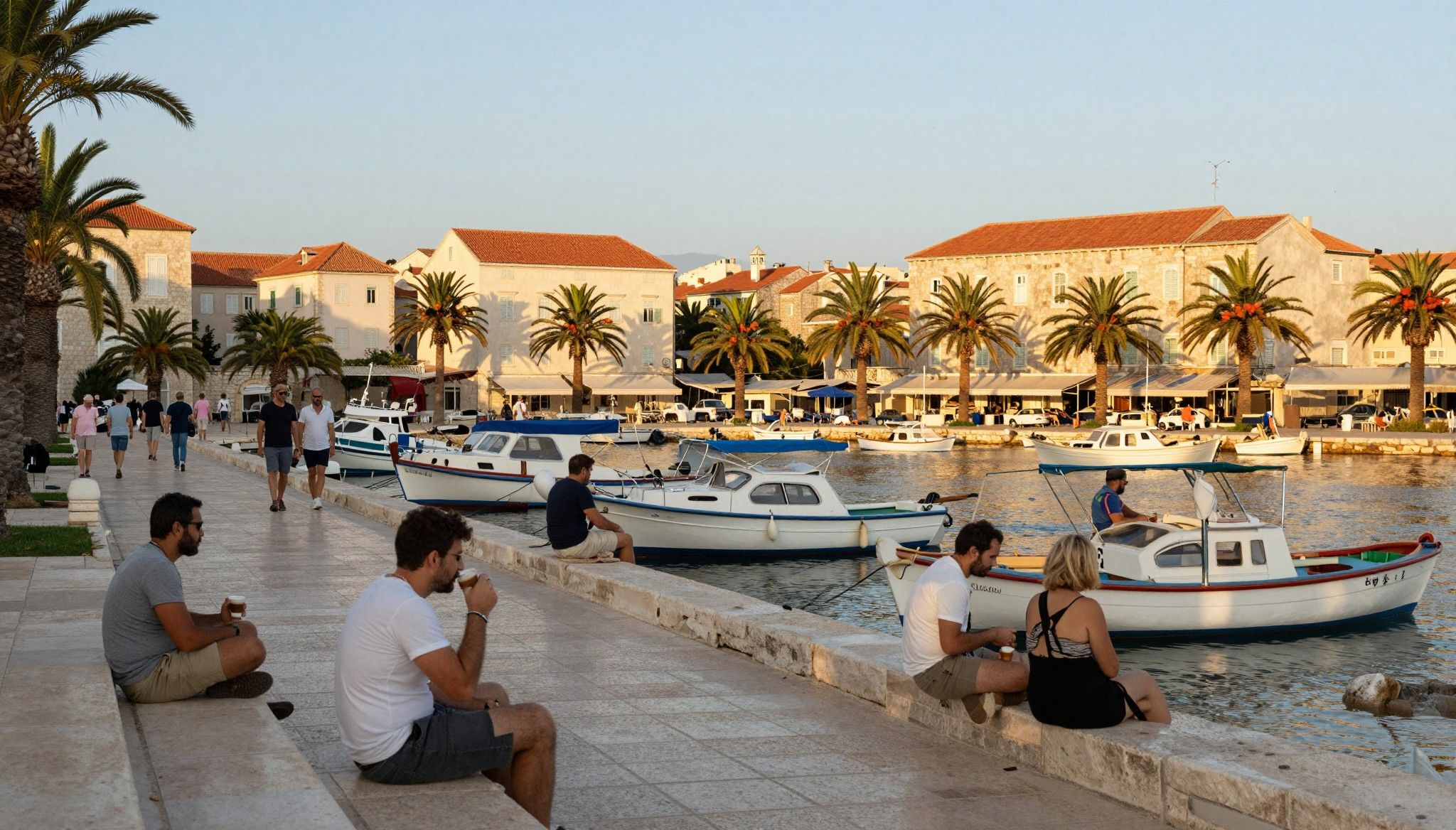
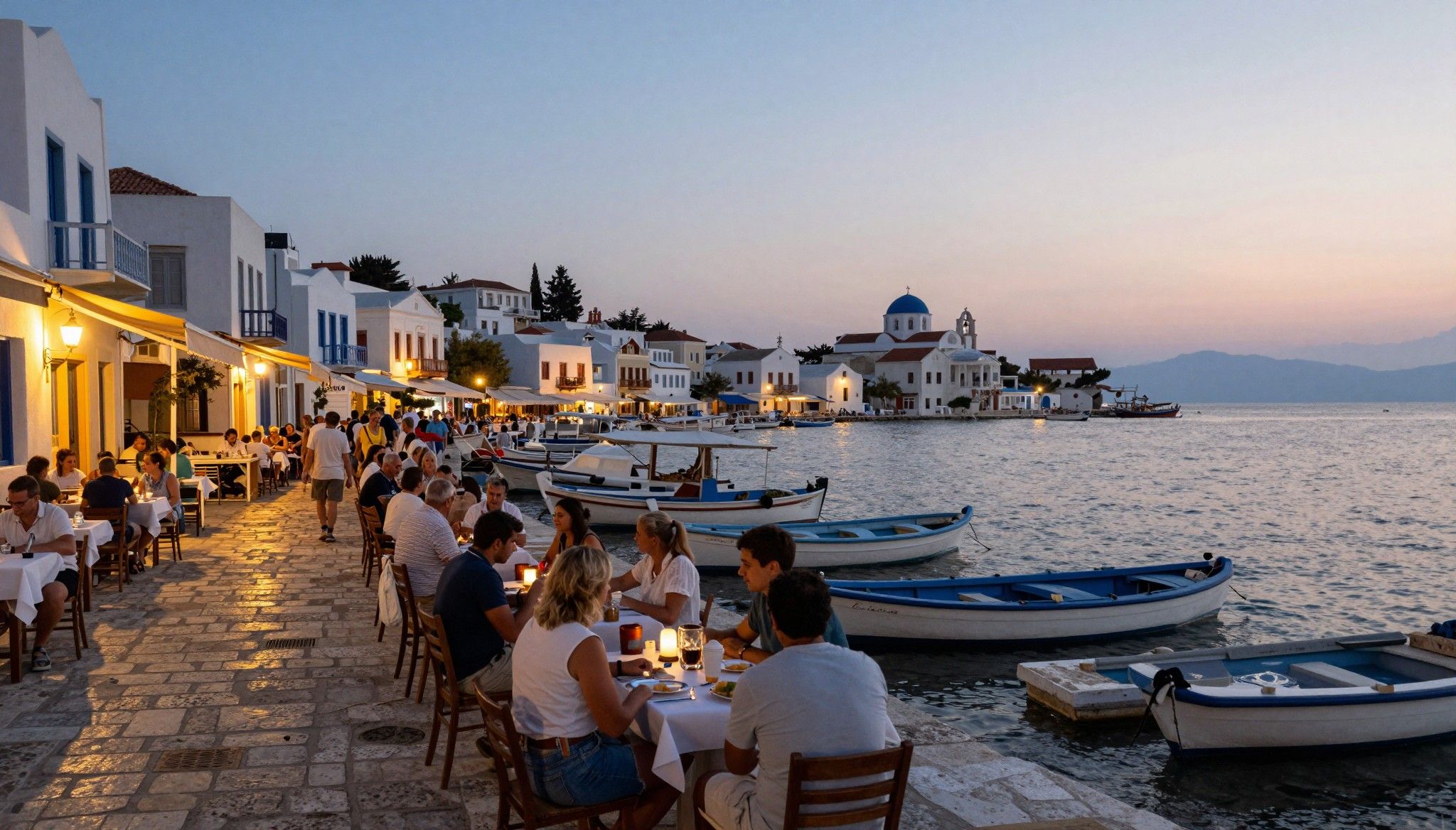
To picture your life here is to move beyond glossy listings and imagine daily cadence: morning at Dolac Market in Zagreb selecting cherries and prosciutto, long swims at Zlatni Rat as the light changes, or aperitifs beneath plane trees in Hvar town. Neighborhood identity matters—stone lanes in Dubrovnik feel different from the pine–fringed promenades of Rovinj—and those differences shape what property type best supports your life. Knowing local rhythms helps you choose not only an address but the right legal route to own it, because Croatia’s rules vary by national reciprocity and property type.
Coastal charm and island life: where to look
Split’s Veli Varoš and the old town of Trogir reward those who prize scale and craftsmanship—stone facades, narrow alleys, and terraces that catch evening breeze. On Istria, Rovinj’s Carera street and the hilltop villages around Motovun offer a quieter, gastronomic life with truffle season shaping much of the social calendar. These micro‑places influence practical choices: waterfront apartments tend to have different ownership histories, coastal servitudes, and communal maintenance obligations than inland stone villas.
City life and cultural seasons: when to visit, when to buy
If you want streets that wake early with espresso and close after late dinners, plan visits around the shoulder seasons. Spring and autumn reveal everyday life—markets, schools, civic rhythms—that summer tourism can obscure. The experience you fall in love with should mirror the year‑round reality; otherwise a purchase made during peak season can later feel misaligned with ordinary life.
- Lifestyle highlights to seek when scouting: Dolac Market (Zagreb) for morning ritual; Veli Varoš (Split) for local cafés; Carera (Rovinj) for evening promenades; Zlatni Rat (Brač) for outdoor life; Hvar town waterfront for sunsets and social life; Motovun hill for slow‑food weekends.
Making the move: how lifestyle maps to legal steps
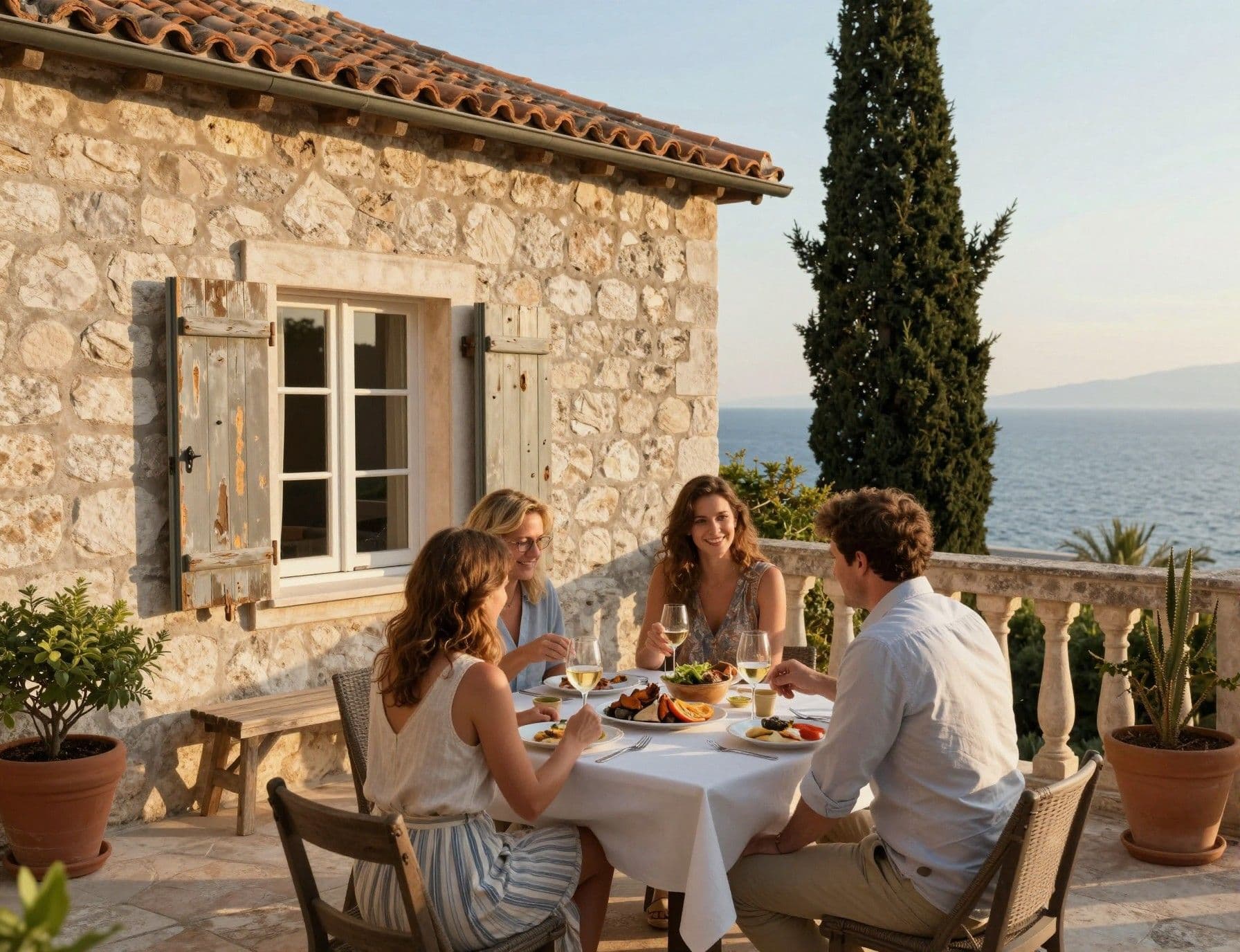
The romance of terraces and markets meets paperwork the moment you decide to buy. For EU and many OECD nationals, purchasing is straightforward; for others the principle of reciprocity applies and ministry approval may be required. Treat these formalities as part of the lifestyle purchase: choosing the right property type and timing your offer often reduces administrative friction and preserves the life you came to claim.
Property styles and what they mean for living
A restored stone house in Dalmatia offers shaded courtyards and thick walls that keep summer cool but usually requires careful attention to heritage regulations. New‑build apartments in Zagreb or Split can include VAT in the price and avoid the 3% transfer tax that applies to private sales. Choosing between them balances lived experience—authentic patina versus contemporary convenience—and concrete legal and tax outcomes.
Working with local experts who protect the lifestyle you bought
A local lawyer versed in reciprocity checks, a notary familiar with the land register, and an agency that understands neighborhood life are the practical trio you want. Agencies should do more than show houses: they should translate local covenants, explain coastal servitudes, and connect you with restorers and tax advisers who respect architectural integrity. That network preserves not only your purchase but the way you intend to live in the property.
- Step‑by‑step process to marry lifestyle to legal reality: 1) Confirm your nationality’s reciprocity status and whether ministry consent is needed. 2) Instruct a Croatian lawyer to search the land register and outstanding encumbrances. 3) Negotiate an offer with clear milestones (deposit, notary, registration). 4) Arrange tax treatment—determine if VAT or 3% transfer tax applies. 5) Register ownership in the land register and notify tax authorities.
Insider knowledge: what expats wish they’d known
Expats often arrive enchanted by coastal life and then discover administrative rhythms they had not expected: municipal building rules that protect views, community associations that govern terraces, and a new annual property tax introduced in 2025 that affects holding costs. These are not obstacles but factors that shape stewardship: a well‑chosen property will reward patient, considered ownership rather than speculative flipping.
Cultural integration and everyday practicalities
Learning a handful of Croatian phrases, showing respect at local kafanas, and joining a seasonal festival opens doors more effectively than price reductions. Neighbors value continuity and stewardship; an owner who cares for a stone façade and participates in local life is welcomed. Agencies that introduce you to craftsmen, a municipal clerk, or a neighbourhood grocery feel like lifestyle partners more than transactional intermediaries.
Long‑term considerations: taxes, inheritance and stewardship
Beyond purchase costs consider how property will fit into your long‑term life plans: inheritance rules treat direct descendants preferentially for transfer taxes, and annual property tax introduced in 2025 will affect holding costs for second homes. If you plan to rent, long‑term leases and local hospitality regulation influence net returns and community relations. Good planning keeps the house as a living asset for the family and the neighbourhood alike.
- Red flags and practical checks before you sign: unclear land register entries; missing building permits for renovations; properties in protected coastal zones with servitude limits; unusually low price that bypasses due diligence; ambiguous seller tax declarations.
Conclusion: Croatia offers a distinctive balance of Mediterranean ease and measured legal formality. If you begin with the life you want—markets at dawn, a walkable piazza at dusk—and then assemble the right local counsel, your purchase becomes an act of stewardship rather than a transaction. The next practical step is to confirm reciprocity for your nationality, instruct a Croatian lawyer to search the land register, and visit in the off‑season to see the life you hope to lead.
Former Copenhagen architect who relocated to Provence, offering relocation services, market analysis, and a curator’s eye for authentic regional design.