Croatia: How Lifestyle Shapes Mortgage and Stewardship Choices
How Croatia’s lifestyle choices reshape mortgage decisions: citizenship, transfer tax, renovation loans and the local expertise that turns seaside dreams into secure purchases.
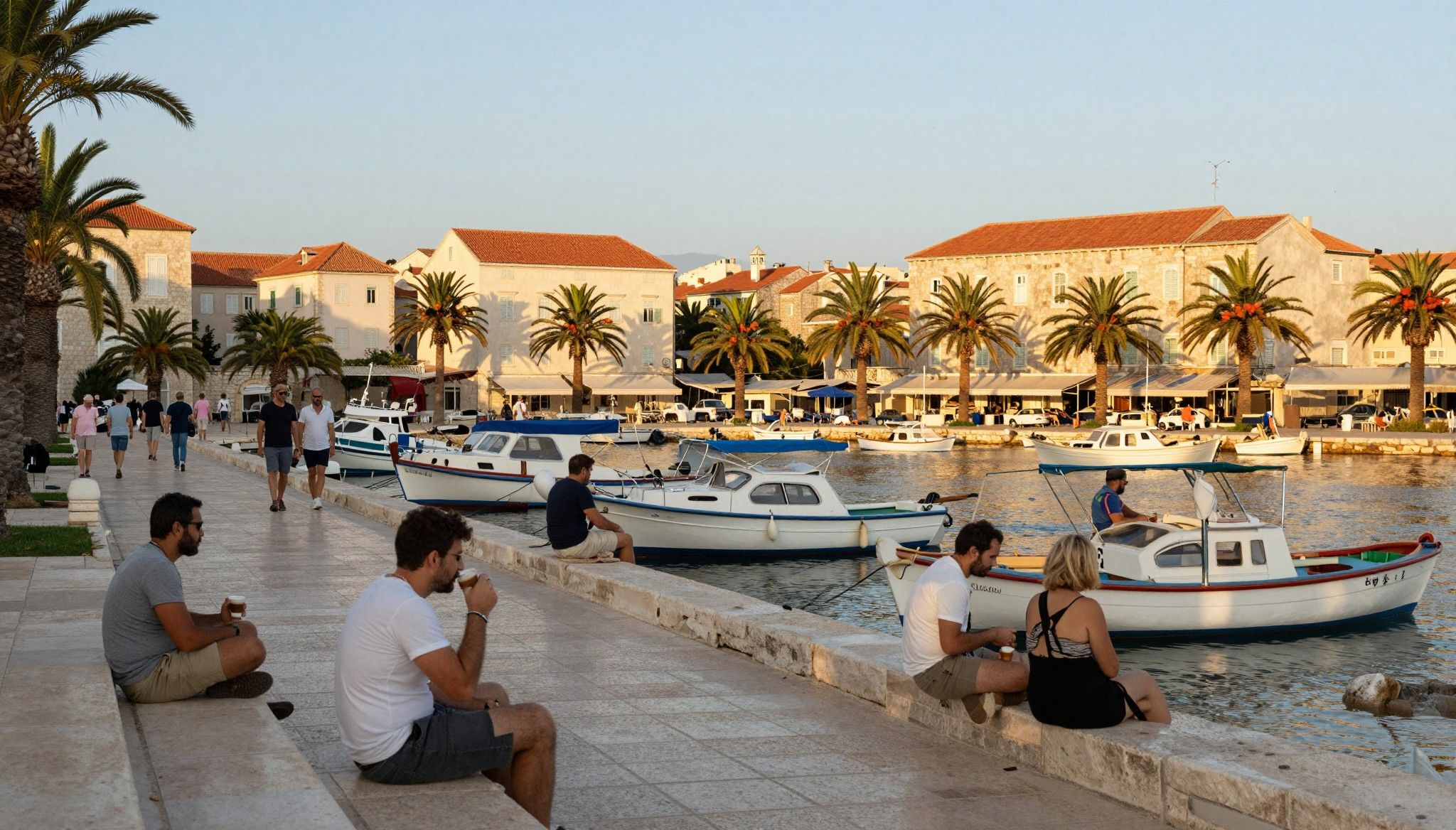
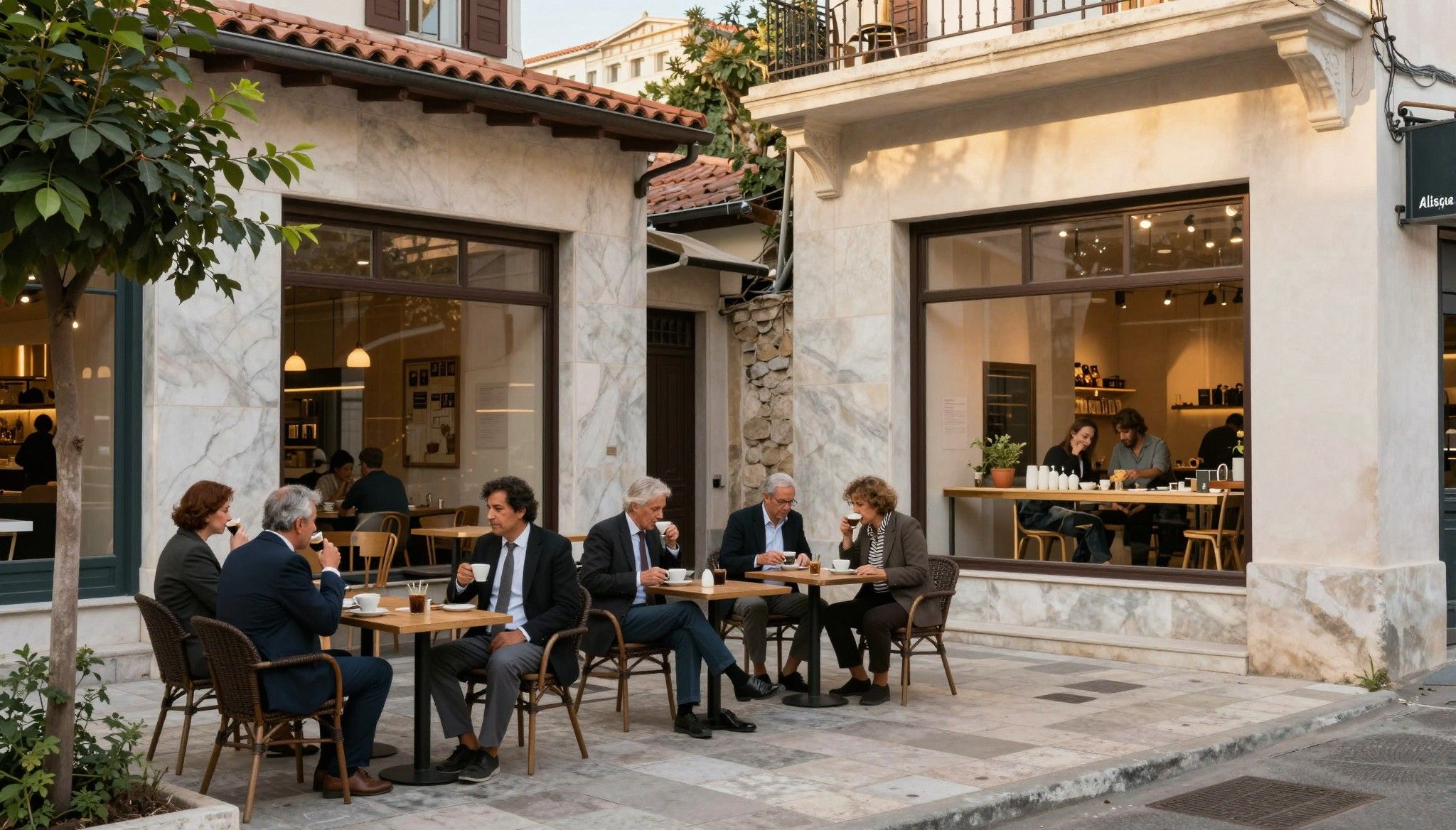
Imagine drifting from a morning espresso on Split’s Riva to an afternoon of market bargaining beneath Rovinj’s limestone arcades — and thinking, calmly, about mortgage structure. Croatia’s coastlands and old towns feel effortless; the financing choices behind a purchase are anything but. This guide pairs the sensory pleasures of Adriatic life with the precise financing steps international buyers will actually use.
Living the Croatian Life
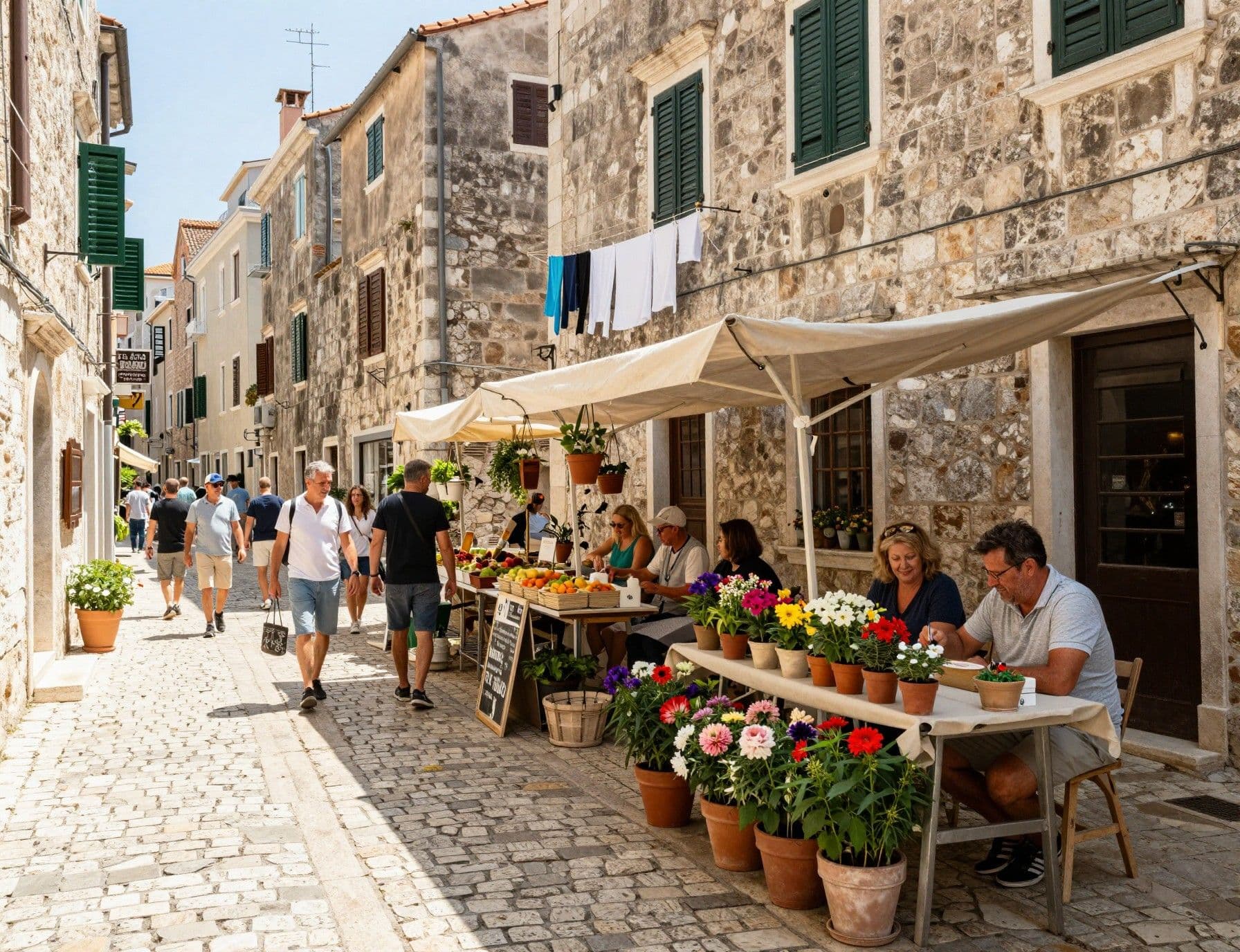
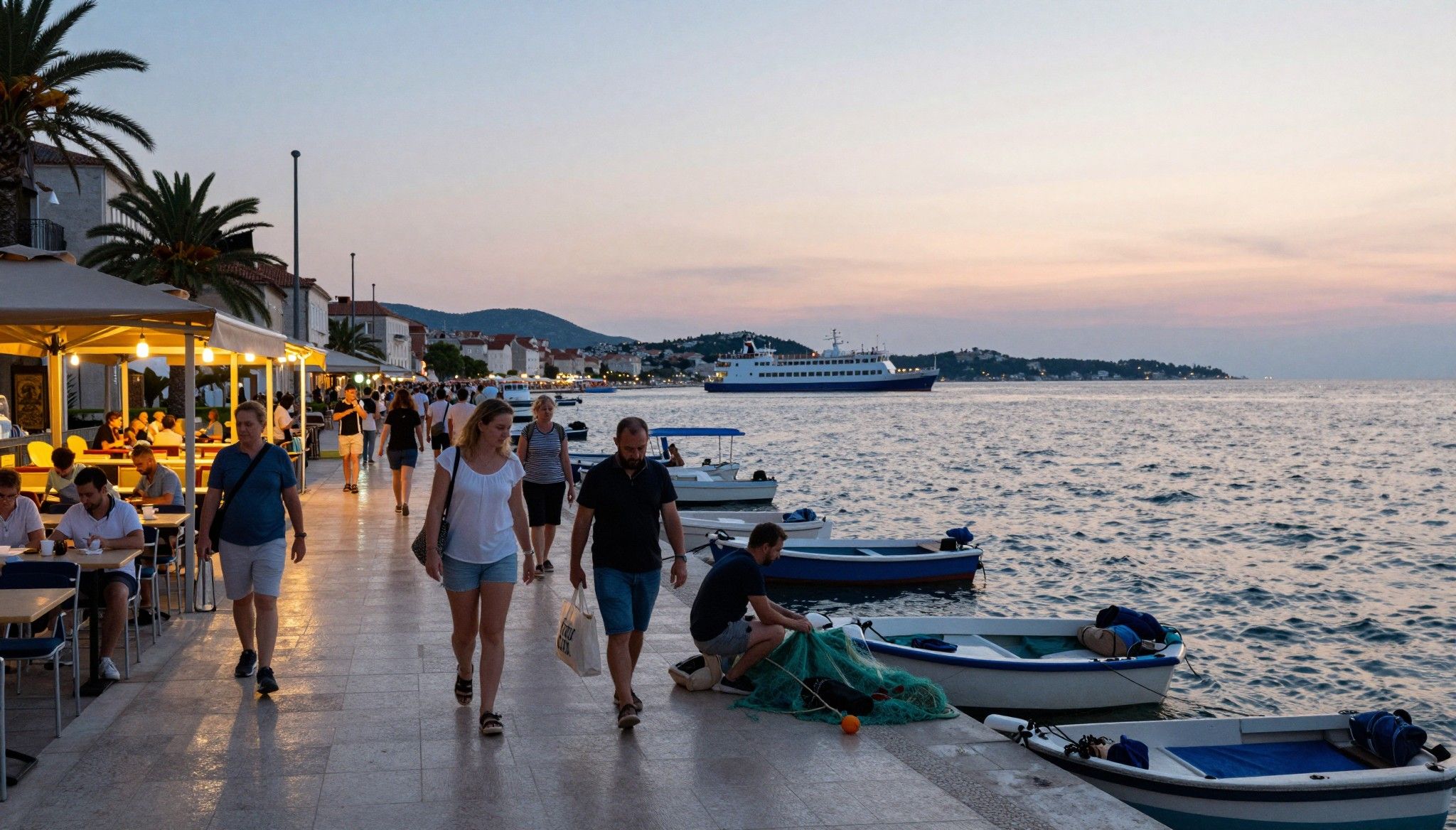
Salt-scented mornings, late-night konobas and quiet lanes where restoration reveals centuries of craft: this is Croatia. The rhythm differs between Zagreb’s plural cafes, Hvar’s sunlit promenades and Istria’s truffle woods. For the buyer, lifestyle choices — proximity to a market, a sheltered harbour, a village piazza — will shape which financing options make sense and which become burdens.
Neighborhoods and their character
Zagreb’s Gornji Grad offers townhouse living with elegant apartment stock; Split’s Veli Varoš and Bačvice marry local life with access to the ferry network; on the Istrian coast, Rovinj’s old town and the hilltop villages around Motovun promise quiet provenance. Each setting calls for tailored financing: short-term bridging for restorations in a listed building, longer-term fixed mortgages for family homes near international schools.
Food, markets and the small pleasures that matter
Picture buying peaches at Dolac market, returning home through cobbled streets laden with laundry and light. Proximity to markets and seasonal rhythms determines utility needs, storage and sometimes renovation scope — which in turn changes the deposit you should plan and whether a renovation loan or larger mortgage is appropriate.
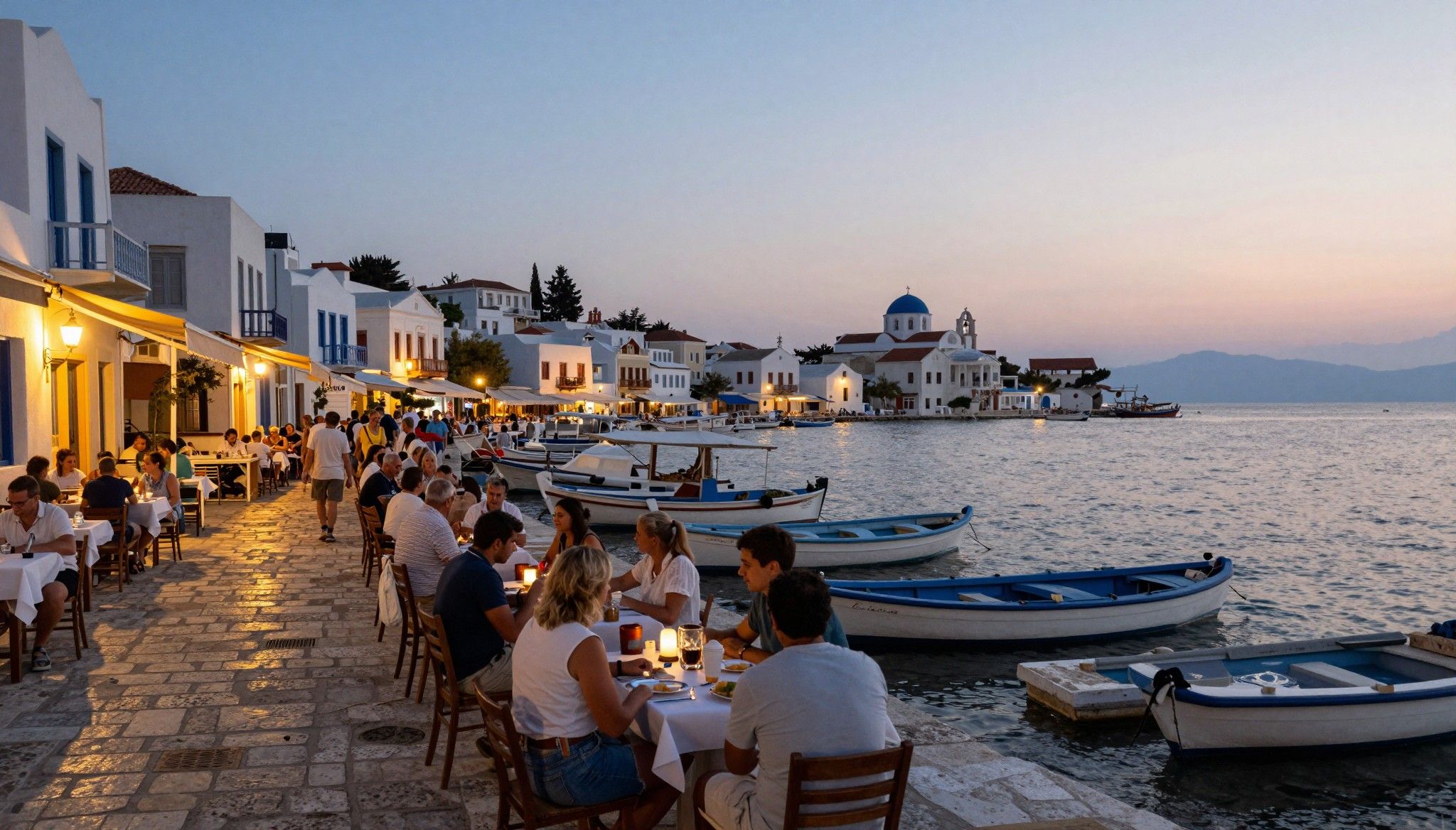
- Lifestyle highlights: morning espresso on Split’s Riva; truffle weekends in Istria (Motovun market); sunset aperitifs on Hvar’s harbour; Dolac market mornings in Zagreb; pebble beaches at Stiniva Bay, Vis; konoba dinners in Šibenik’s old quarter.
Making the Move: Practical Considerations
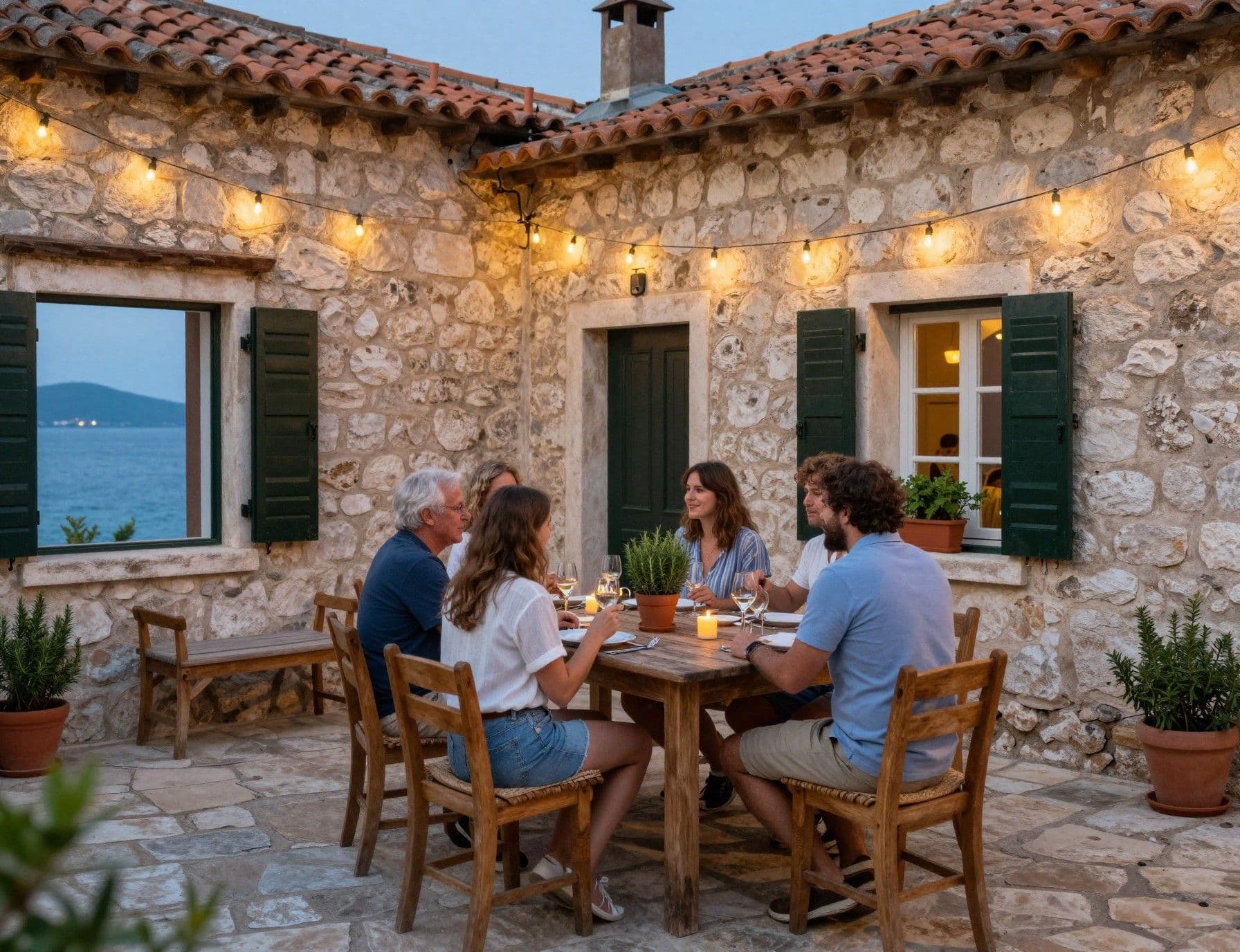
The dream of Croatian life meets formal requirements at the notary’s desk. EU/EEA/Swiss citizens may buy under largely the same conditions as Croatians; other nationalities often rely on reciprocity or use a Croatian d.o.o. (limited company). Understanding this distinction early avoids missteps that affect mortgage eligibility and tax treatment.
Property types and the financing they invite
A restored stone house in Dalmatia often requires renovation financing or higher liquidity for heritage-sensitive works. New-build apartments in Zagreb are typically eligible for standard bank mortgages. Banks perceive rental-friendly coastal apartments as higher risk during off-season months; expect lenders to stress-test on conservative rental yields and to ask for larger deposits from non-residents.
Working with local experts who understand lifestyle and law
A Croatian lawyer experienced with foreign buyers and a lender versed in cross-border underwriting are not optional. They translate local practice — registry checks, zoning certificates, land status — into deal terms that protect both lifestyle aims and capital. The right team will also advise when buying through a d.o.o. is sensible versus seeking Ministry approval.
- Step-by-step financing checklist: 1) Confirm whether you need Ministry approval or can purchase directly (citizenship-dependent). 2) Obtain a preliminary bank affordability letter in kuna or euro. 3) Agree the purchase contract conditioned on clear title and zoning. 4) Reserve funds for 3% transfer tax and notary/registry fees. 5) If renovating, secure a renovation loan or a larger mortgage tranche.
Insider Knowledge: What Expats Wish They’d Known
Seasonal markets, municipal rules and the coastline’s public-domain status are recurring surprises. Buyers often underestimate the time required for municipal approvals and the practicalities of owning in a tourist town — parking, access to utilities during winter, and the rhythm of neighbours who live seasonally.
Cultural integration and daily life
Croatians value local bonds: a familiar baker, a trusted mason, a neighbour who collects bins on market day. Learning enough Croatian to negotiate with craftsmen will save months on restorations. Social life leans regional — island communities differ from mainland suburbs — and that affects service availability and, therefore, long-term maintenance budgets.
Longer-term considerations: taxes, resale and stewardship
Expect a 3% transfer tax on resale properties and clear rules on taxable rental income. Capital gains exemptions often hinge on ownership duration; consult local tax counsel to reconcile Croatian requirements with your home-country tax obligations. Stewardship is part of the value proposition here: well-preserved stone houses appreciate differently from speculative coastal conversions.
- Red flags and pragmatic checks: unclear title or multiple owners; coastal parcels near the maritime domain; properties shown without zoning certificates; seller-pressured quick closures; offers lacking bank pre-approval for the buyer.
Owning in Croatia begins with falling for a rhythm — a morning market, a town festa, a well-built stone terrace — and continues with precise, localised decisions about finance and stewardship. Work with counsel and lenders who respect both the craft of restoration and the rigor of underwriting. When those pieces align, you buy not just a property but a way of life you will inhabit with confidence.
Dutch former researcher who moved to Lisbon, specialising in investment strategy, heritage preservation, and cross-border portfolio stewardship.