Greece: Lifestyle-led market contrasts and Golden Visa shifts
A lifestyle-led comparison of Greece’s micro-markets, recent Golden Visa reforms and practical steps to buy—where provenance beats headlines.
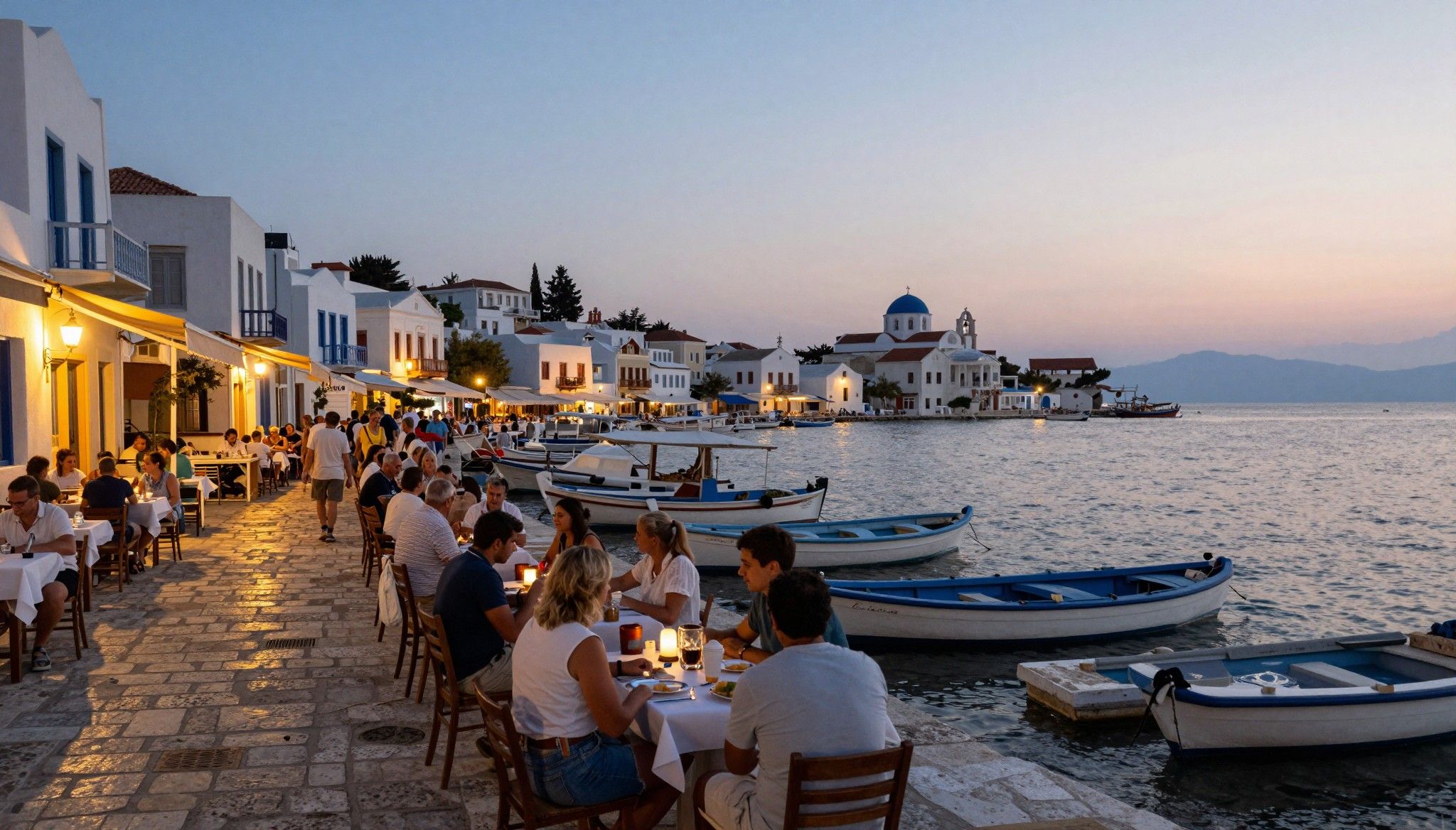
Imagine early light on a Cycladic lane, the scent of sea salt and frying olive oil, a barista pulling a precise espresso while locals discuss the day’s catch. That particular, unhurried rhythm is Greece — a life arranged around mornings in markets, long lunches under plane trees and evenings that begin late and lengthen into conversation. For an international buyer the romance is immediate; the practical questions follow. This piece pairs that lived-in sense of place with market truths international buyers must know now, from the altered Golden Visa thresholds to where price momentum has softened and where value quietly persists.
Living the Greek Lifestyle
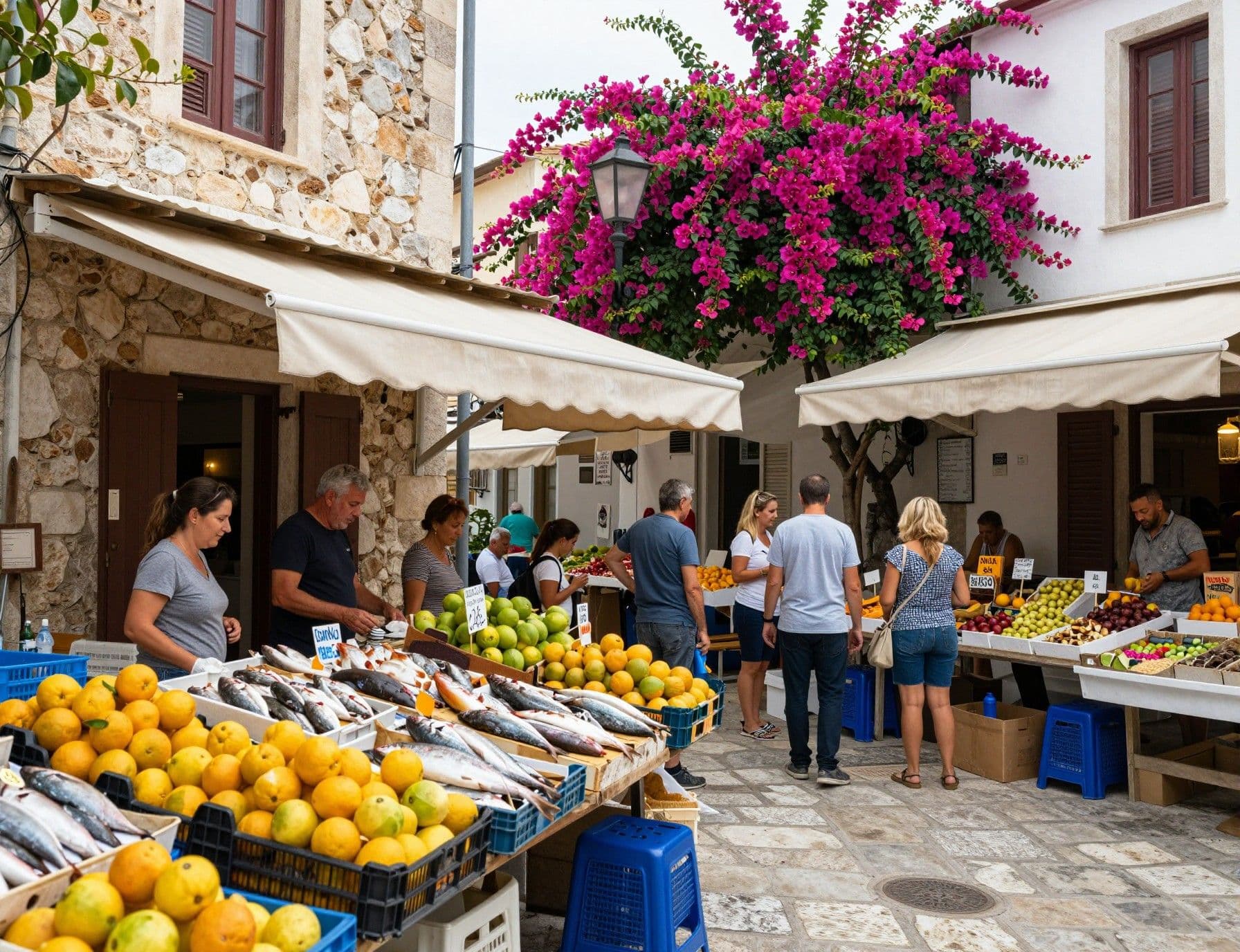
Daily life in Greece is a study in texture: limestone steps warmed by sun, bakeries that sell warm koulouri at dawn, municipal markets where vendors know your preferences by the second week. The urban pulse of Athens differs from island life; both offer distinct architectural languages and domestic rhythms. Savills and local market observers note an increased preference among buyers for renovated, characterful homes rather than raw new builds, a reflection of buyers seeking immediate habitation and provenance in their purchase.
Athens neighbourhoods with neighbourhood character
Walk through Plaka and you read history in Venetian balconies and neoclassical facades; in Koukaki, cafes spill onto streets that slope toward the Acropolis. Kolonaki offers a measured, gallery‑and‑atelier life; Petralona and Pangrati reward curiosity with small tavernas and restoration projects that attract discerning renovators. Each quarter offers a different pace: choose one to suit morning routines, not headline investment narratives.
Islands and coastal towns — varied rhythms
The islands are not a single market. Mykonos and Santorini are internationally visible and command premium pricing; quieter islands such as Naxos or Kea offer a slower, more domestic life and, often, better value. Recent Bank of Greece data show strong price appreciation in popular coastal micro‑markets while national growth has begun to ease — a reminder that location specificity matters more than national averages.
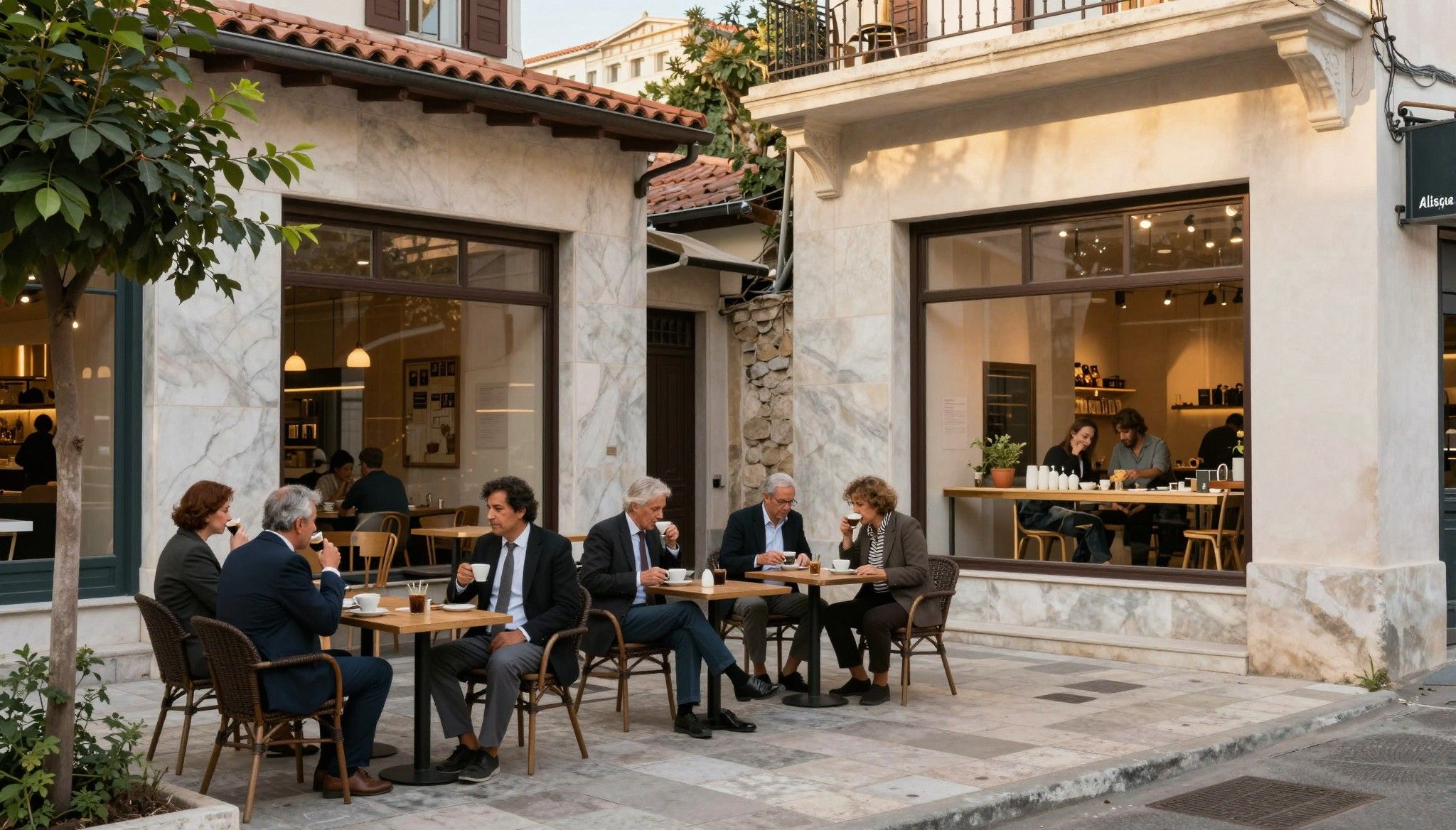
- Morning coffee at Little Kook or a seaside kafeneio in Chora
- Saturday markets: Athens’ Varvakios, Chania’s Agora, small island stalls
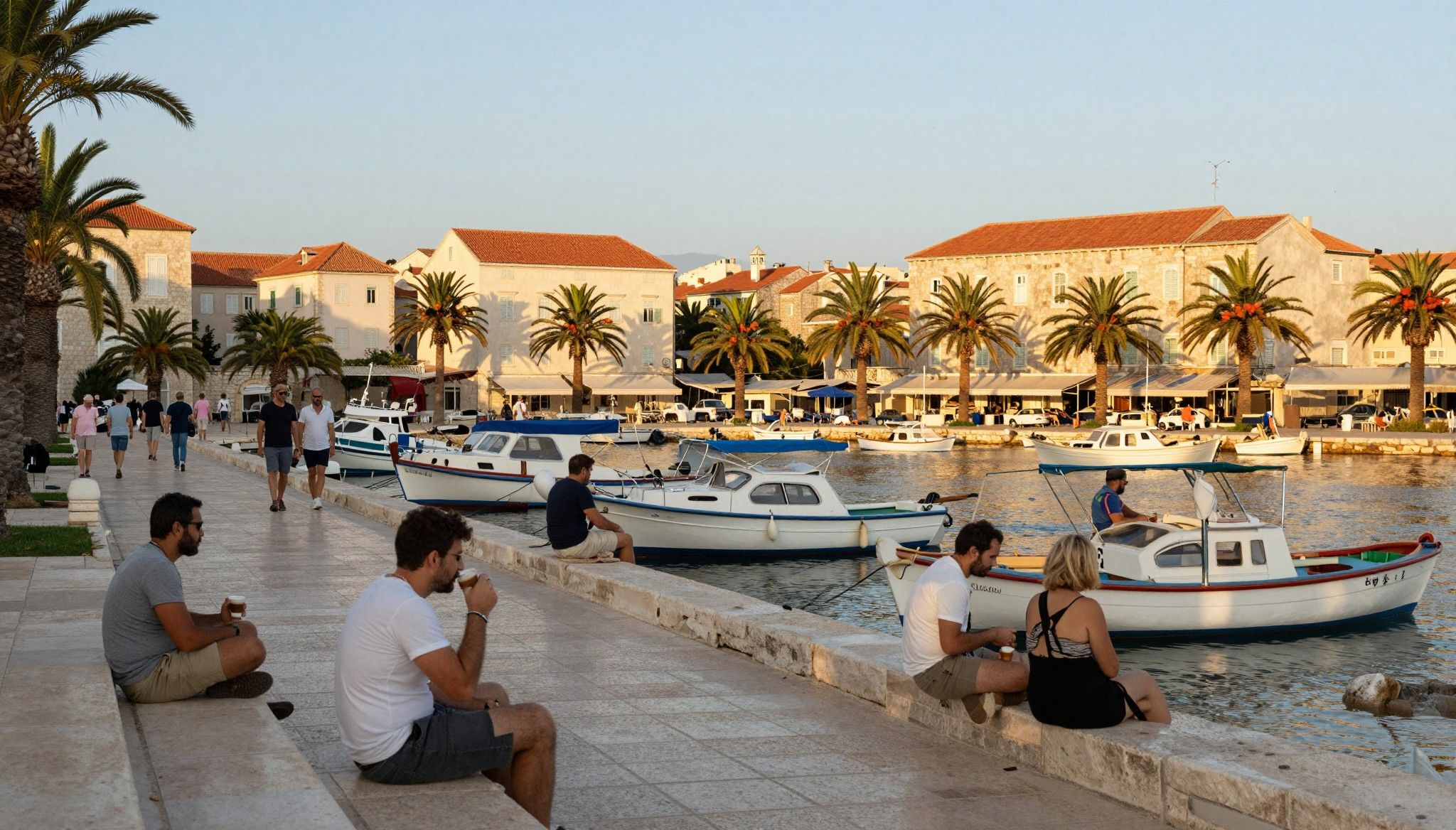
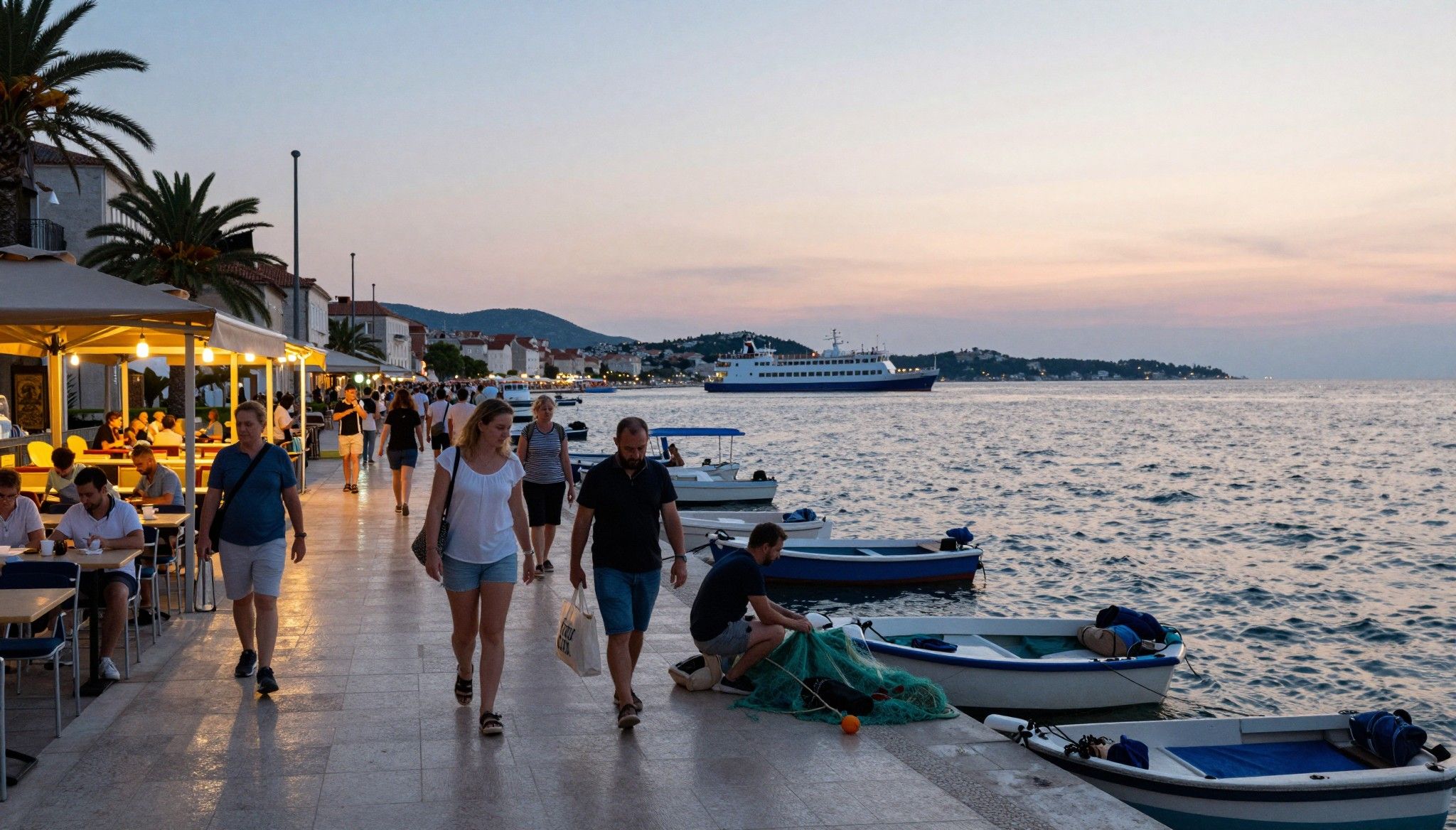
- Evening promenades on waterfronts — people‑watching and late dinners
- Seasonal festivals: village panigyria that knit communities together
Making the Move: Practical Considerations
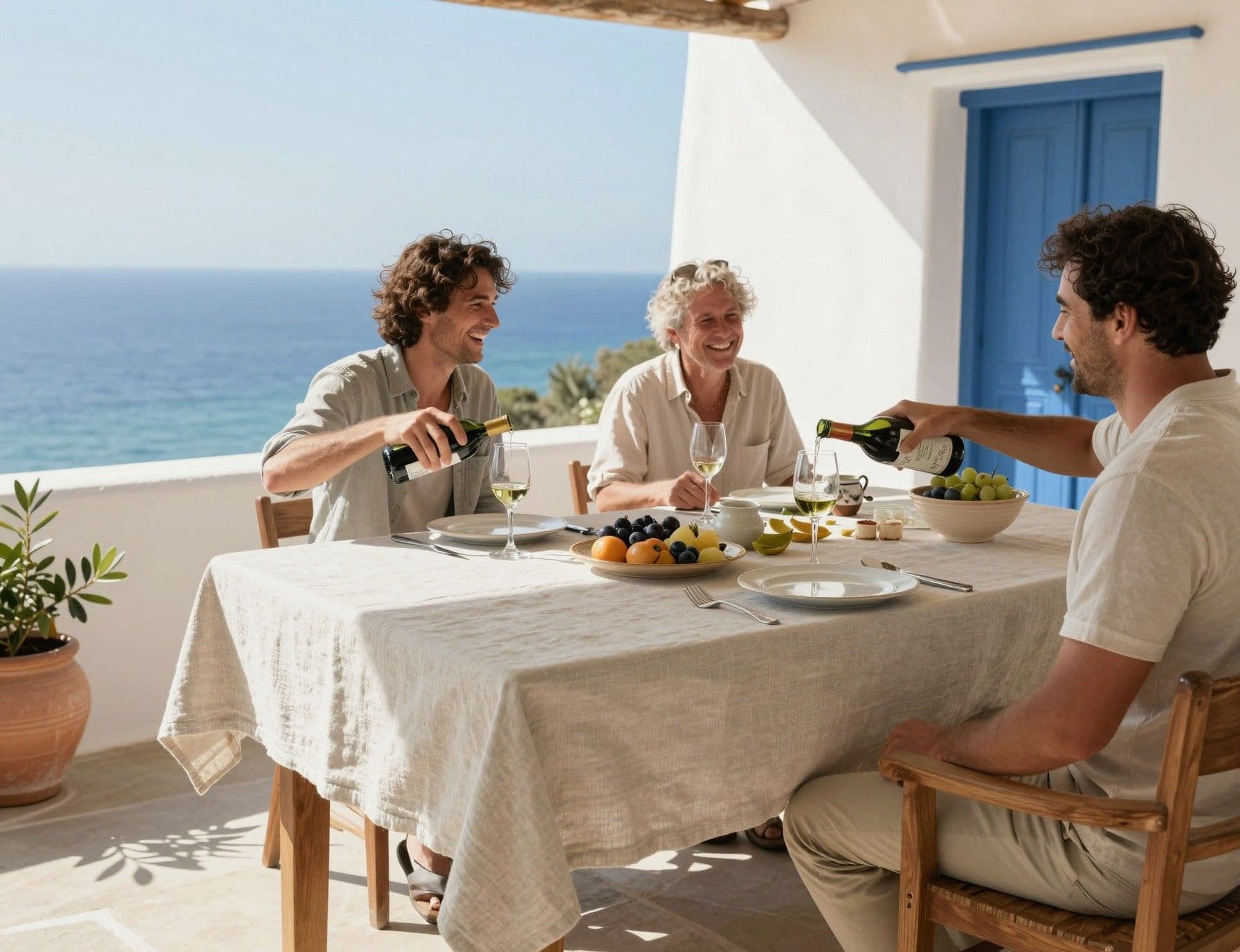
The dream of daily life must be married to market reality. Two recent structural shifts matter to international buyers: new investment thresholds for residency (the Golden Visa regime) and a re‑balancing of price growth across micro‑markets. The Golden Visa reforms of 2024–2025 raised minimums in high‑demand areas and altered the calculus for buyers motivated by residency — an immediate practical constraint for many purchasers.
Property styles and how they shape life
A neoclassical Athenian apartment offers high ceilings, original mouldings and proximity to civic life; a Cycladic stone house provides outside space, shaded terraces and a different daily choreography. Savills research shows renovated stock — thoughtfully restored properties that retain architectural detail — matching international demand. When you choose a property type, ask how the layout will serve morning routines, seasonal entertaining and long‑term maintenance.
Working with local experts who know both culture and contracts
A curated local advisor combines cultural fluency with legal and market knowledge. They will translate phrases used by sellers, assess title histories, advise on seasonal rental potential and explain how a property’s listed features — sea view, 'local renovation' claims, permitted uses — affect long‑term value. In practice, choose advisers who can introduce you to craftsmen, architects and neighbourhood custodians as well as notaries.
- Arrange a short‑listed site visit: 1) catalogue three lifestyle priorities, 2) visit neighbourhoods at different times of day, 3) meet a notary and architect, 4) obtain market comparables and a renovation estimate, 5) agree a phased purchase plan with your agent
Insider Knowledge: What Expats Wish They’d Known
Real buyers say the same things: renovate slowly and correctly, prioritise authentic materials, and learn the rhythm of services. Recent data confirm price growth has been robust but uneven; Bank of Greece reports strong gains in 2025 with signs of deceleration into 2026 in key cities. For a buyer this means negotiating from knowledge, not impulse, and assessing both seasonal rental dynamics and the quality of local infrastructure.
Cultural integration and day‑to‑day social life
Basic Greek phrases open doors; so does patience. Expect slower administrative processes and value the role of personal introductions. For many expatriates, language classes, local volunteer activities and caring for a neighbourhood taverna’s regulars accelerate belonging. Neighbourhood festivals, church fairs and year‑round markets are where communities are made rather than marketed.
Long‑term lifestyle and investment considerations
Think like a steward. Properties with documented provenance, sympathetic restorations and durable materials outperform speculative new builds in Greece over the long run. International demand remains a structural support for specific micro‑markets; yet macroeconomic factors and regulatory changes (notably residency thresholds) can shift buyer composition quickly. Balance lifestyle priorities with an assessment of how a property will age through seasons and ownership.
- Prioritise restored fabric over cosmetic makeovers
- Check water and access infrastructure before committing on an island
- Confirm permitted use if you envisage seasonal letting
- Solicit a local conservation architect for older buildings
- Step‑by‑step for a confident purchase: 1) narrow neighbourhoods by lifestyle, 2) commission an on‑site due diligence report, 3) obtain firm renovation quotes, 4) structure payment stages with escrow, 5) register title with a local notary and municipal office
Greece offers a life shaped by taste: slow mornings, convivial evenings and the enduring pleasure of good food and place. Today’s market rewards patience and local knowledge. If the idea of a stone terrace, a market‑run and a neighbourhood that knows your name appeals, begin with a purposeful short list and advisors who value stewardship as much as sale velocity. Villa Curated’s local partnerships can introduce you to agents, architects and notaries who respect provenance and promise.
Relocating from London to Mallorca in 2014, I guide UK buyers through cross-border investment and tax considerations. I specialise in provenance, design integrity, and long-term value.